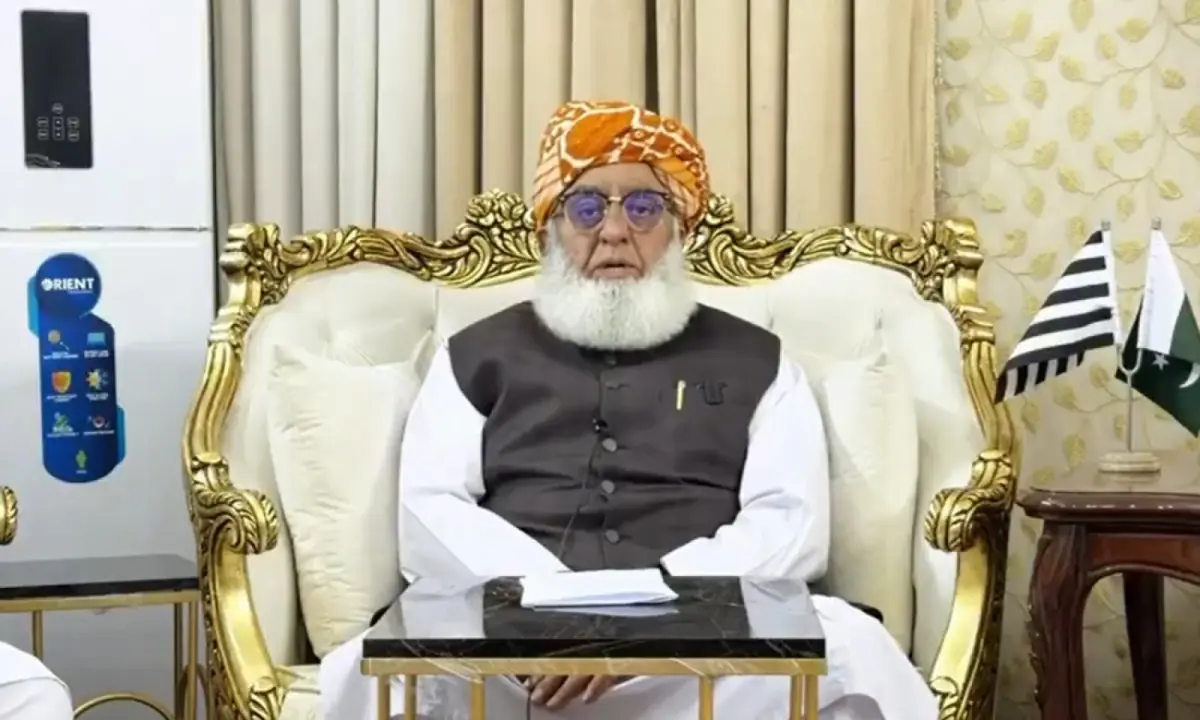
LAHORE: Jamiat Ulema-i-Islam (JUI-F) chief Maulana Fazlur Rehman is among nine party leaders barred from entering, residing or remaining in Sargodha district for 30 days, according to a notification issued by the deputy commissioner.
The order, a copy of which is available with Dawn, states that the restriction was imposed under Section 7(1) of the West Pakistan Maintenance of Public Order Ordinance, 1960, read with the Punjab Maintenance of Public Order (Amendment) Ordinance, 2008, and would remain in force for 30 days from Nov 25.
Besides Maulana Fazlur Rehman, whose district is listed as Dera Ismail Khan, the notification names eight other party leaders: Maulana Naseer Ahmad Abrar, Maulana Amjad Khan and Prof Ghazanfar Aziz, all from Lahore; Maulana Safi Ullah from Bhakkar; Maulana Muhammad Noor Khan Hans from Multan; Maulana Muhammad Zakria Shah from Faisalabad; Maulana Muhammad Yahya Abbasi from Muzaffargarh; and Maulana Jamal Abdul Nasir from Dera Ghazi Khan.
According to the notification, the deputy commissioner reviewed a report submitted by the Sargodha district police officer and expressed concerns that the individuals had a history of delivering provocative and objectionable speeches that could threaten public order.
It described them as “firebrand speakers” whose speeches were allegedly provocative and inflammatory, adding that they were likely to assemble crowds unlawfully and incite public sentiment against the state and its institutions.
The order further stated that their presence could create a law and order situation and pose a potential threat to peace and security.
The notification said the restrictions would remain in force for 30 days, effective November 25.
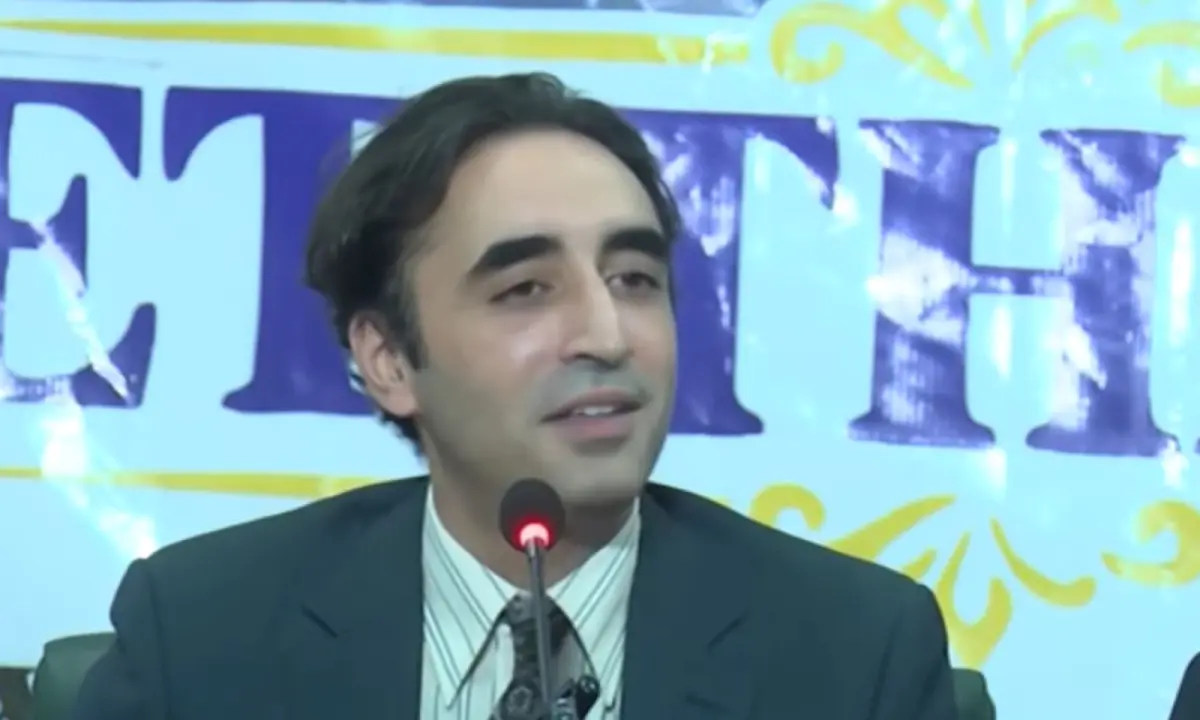
PPP Chairman Bilawal Bhutto-Zardari on Thursday doubled down on a “political reset” in Pakistan, asserting that politicians were responsible for “telling people the truth”.
He made the remarks while speaking at the Multan Press Club.
“In my opinion, if we truly want this system to serve the public, if we truly want our country, our Pakistan, to be capable of facing every problem, whether they are economic hardships or foreign difficulties, then we will have to take steps as soon as possible so we can establish unity, political stability, and restore trust in all institutions,” Bilawal stated.
The PPP chairman’s remarks come amid a growing debate over a “system reset” in the country. In July, Interior Minister Mohsin Naqvi stirred a political storm by calling for the creation of new administrative units, arguing that the current system of governance had “collapsed” and needed a “reset”.
On Nov 17, in a hard-hitting speech, Bilawal had asserted that the governance system had not collapsed, but was rather “made to collapse”.
In a similar vein, the Bhutto scion on Monday had called for restoring the supremacy of Parliament as well as trust in the judiciary and the electoral system.
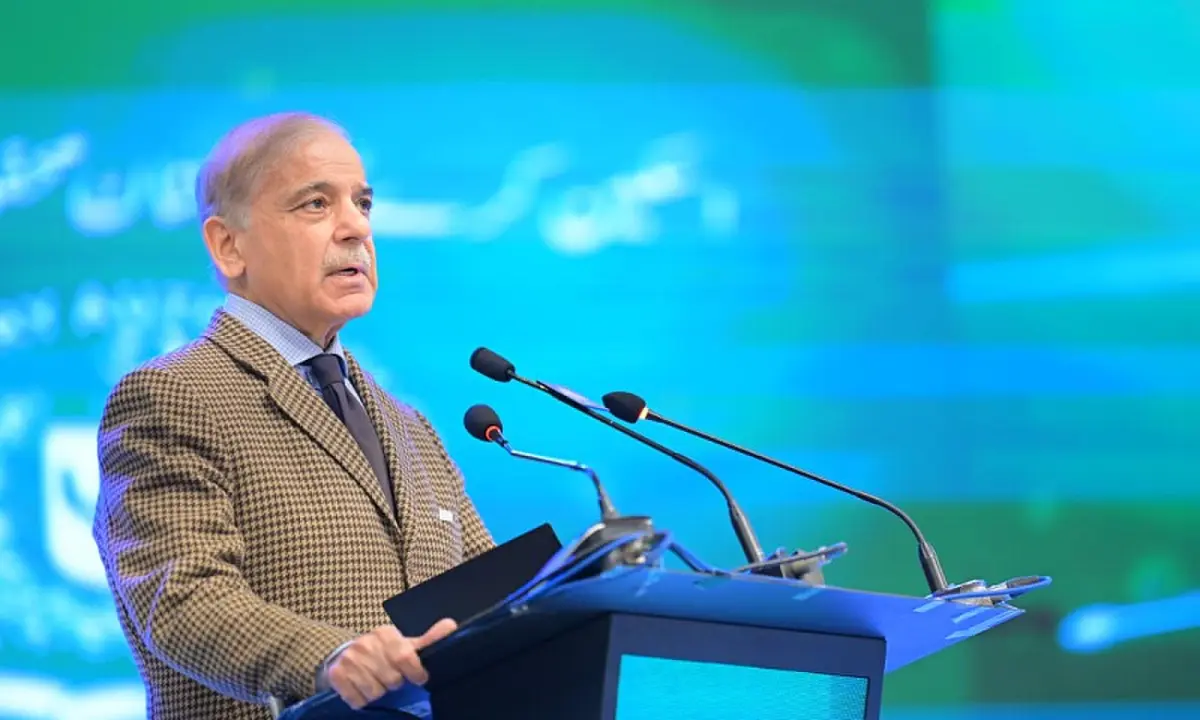
Prime Minister Shehbaz Sharif on Thursday launched the “Mehfooz Dawa” app to prevent the circulation of counterfeit and substandard medicines, calling it “a major milestone” and saying the initiative would help restore public confidence in the healthcare system.
The prime minister said education and healthcare facilities should be equally accessible to every citizen and stressed that the federal and provincial governments must work together to ensure the availability of affordable, quality medicines.
The prime minister was speaking at the launch ceremony of the Ministry of National Health Services’ “Mehfooz Dawa” app, which was developed to track medicines.
Federal Minister for National Health Services Mustafa Kamal and Drug Regulatory Authority of Pakistan (DRAP) Chief Executive Officer Dr Obaidullah also addressed the event.
Addressing the ceremony, PM Shehbaz hailed the development, describing it as “an extremely magnificent moment” for Pakistan’s medical facilities.
He recalled a 2012 incident at the Punjab Institute of Cardiology in which counterfeit medication was blamed for the deaths of more than 100 patients. At the time, DRAP had maintained that the medication was genuine; however, international testing found that the medicine administered to the patients was intended to treat malaria.
He called for “learning from the past and preparing ourselves” for the future. The prime minister lauded Kamal’s efforts and directed his ministry to work with the IT and Information ministries to raise public awareness about the app.
“History will remember this step in golden words,” the premier remarked.
Noting the application’s mechanism, the premier said it was an “excellent intervention”.
“But the real point is that, to make medicines affordable for the common man, their prices should be in line with what ordinary people can afford,” he said, stressing that obtaining medicines was a “huge challenge” for millions of people in the country.
The prime minister further said: “The founding principle of our policies should be that health and education are equal for everyone and no one should have to go begging and pleading at anyone’s door.”
Speaking at the ceremony, the health minister said the application had been developed with the aim of “protecting innocent lives”. He also noted a “lack of trust” among the public when it came to obtaining medicines.
He praised the pharmaceutical industry’s cooperation, adding that building a database covering around 92,000 medicines and involving more than 700 companies had been an “uphill task”.
Dr Obaidullah explained that the app sought to address three issues: counterfeit medicines, shortages and quality compliance.
The application has three features — medicine verification, complaints and shortage reporting, he said.
By scanning a medicine’s batch number, which would then be checked against a database, users can verify whether the product is authentic, he said. The application will display a green screen if the medicine is genuine and a red screen if it is counterfeit.
If a medicine is found to be counterfeit, consumers will have the option to lodge a complaint. He added that DRAP’s database, which is linked to the application, contains details of around 92,000 medicines.
Users will also be able to report medicine shortages through the application, the DRAP chief said. He added that the government had provided citizens with “protected public health” through the application.
Earlier this month, Drap’s spokesperson Sajid Shah had said the track-and-trace system became operational on October 9.
The idea of introducing a barcode system was first proposed in 2015. It was approved by the federal cabinet in 2017; however, bureaucratic delays prevented its implementation.
Earlier, Kamal, taking notice of the delay, announced that the system would be launched as soon as possible.
Earlier this year, Drap had set October 1 as the cut-off date for launching the barcode system to curb the sale of counterfeit and expired medicines and eradicate black marketing.
Shah said the Ministry of National Health Services was “dedicated” to ensuring that citizens had access to high-quality and effective therapeutic products.
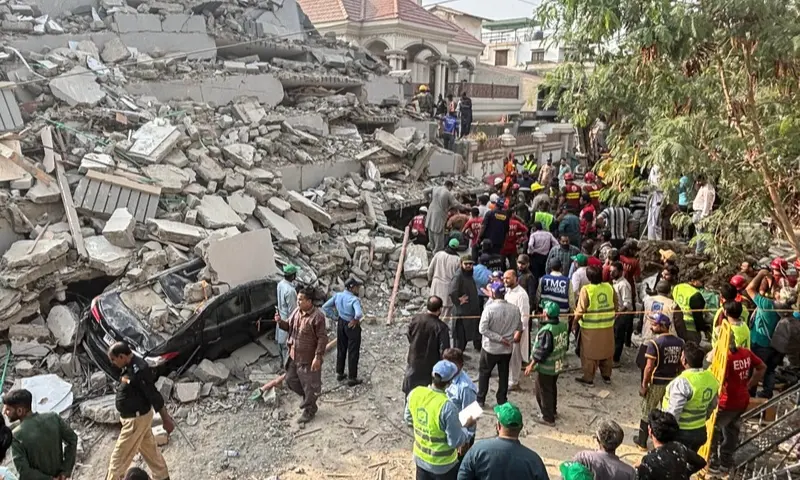
KARACHI: Sindh Local Government Secretary Waseem Shamshad, who also served as the Sindh Building Control Authority (SBCA) director general, was removed from both the posts on Thursday on Chief Minister Murad Ali Shah’s directives following the collapse of an under-construction building in Karachi’s Baloch Colony the previous day.
The CM ordered sweeping action over the incident while chairing a high-level meeting, further issuing directives for the removal of East Deputy Commissioner Nasrullah Abbasi, as well as Senior Superintendent of Police (SSP) East Zubair Sheikh over “negligence”, a statement issued by the CM Office said.
Regarding Shamshad, the CM further directed that his services be surrendered to the federal government. Moreover, a recommendation should be made to the federal government to suspend Shamshad and order a formal inquiry against him, the CM instructed.
He further issued directives for the suspension of 16 SBCA officials and the initiation of an inquiry against them.
CM Murad directed the police to “immediately” arrest the building’s owner, Salman Tahir, and the builder, Zeeshan.
Moreover, he instructed that the building’s architect and structural engineer be included in the incident’s investigation to determine whether the construction complied with approved plans, building regulations and safety standards.
He further directed that a “comprehensive and transparent” probe be carried out and strict action be taken against any other SBCA employee found responsible.
The statement quoted him as saying that any negligence resulting in the loss of lives or causing suffering to people would not be tolerated.
He said public safety must remain the “foremost responsibility” of every government department and warned that negligence in enforcing building regulations would lead to strict action, the statement added.
Sindh Local Government Minister Syed Nasir Hussain Shah, Sindh Home Minister Ziaul Hasan Lanjar, Karachi Mayor Murtaza Wahab, Sindh Chief Secretary Asif Hyder Shah, Karachi Commissioner Hassan Naqvi and other senior officials attended the meeting.
Search operation continues
On Wednesday, a ground-plus-five-storey building with one penthouse, covering 600 square yards, collapsed in Karachi’s Baloch Colony when over 20 workers were present at the site.
At least three people were killed while 14 were injured in the incident.
A search operation continues at the site, with the Rescue 1122 spokesperson saying at least 17 people had been reported missing. There has been no official confirmation of the number of missing individuals.
A Rescue 1122 statement said a wall of a vacant plot adjoining the site of the incident had been razed to facilitate the operation. “Heavy machinery has been brought to the site through the vacant plot to remove the rubble,” the statement added.
A team had entered the collapsed structure and was carrying out the search there as well, the statement added.
Rescue 1122 spokesperson Hassaan Ul Haseeb Khan told Dawn that an information desk had been set up in collaboration with the East district administration and so far, families of 17 missing individuals had approached them.
ISLAMABAD: The Islamabad High Court (IHC) on Thursday extended its interim order suspending local government elections in the federal capital by another two weeks and sought para-wise comments from the Election Commission of Pakistan (ECP).
Justice Umair Majeed Malik was hearing petitions challenging the delimitation of constituencies for Islamabad’s local government elections.
During the hearing, Barrister Adil Aziz Qazi appeared on behalf of the petitioners. The ECP’s counsel informed the court that the commission had suspended the election schedule following the court’s stay order.
Justice Malik observed that the issue of delimitation had not been resolved, questioning how elections could be held when, according to the petitioners, a particular ward had only two voters.
The judge asked the ECP officials to explain whether the delimitation process had been completed in accordance with the 2015 law.
The ECP’s counsel submitted that the commission had issued a detailed order explaining the reasons behind its decision. He said the commission had conducted the delimitation exercise six times in accordance with the relevant law.
The court observed that if the commission had initiated proper proceedings, an appeal could have been filed against its decision. It also questioned whether the ECP could still alter the delimitations after issuing the election schedule.
Justice Malik remarked that the commission would have to satisfy the court that the delimitation process had been completed in accordance with the law. He noted that several petitions had previously been filed over the matter.
The judge also observed that the petitioners claimed they did not even know which wards they belonged to.
The ECP’s counsel maintained that the commission had carried out the delimitation exercise in accordance with the applicable law and issued an order on October 14 declaring the process complete.
The court sought a detailed response from the ECP and adjourned the proceedings for two weeks.
Two weeks ago, Chief Election Commissioner Sikandar Sultan Raja accused the federal government of trying to sabotage the local government elections in Islamabad.
The local government elections in Islamabad have faced numerous delays and postponements since the term of the last local government expired in February 2021.
The ECP has issued multiple schedules, only to cancel them later for various reasons, including legislative changes and court orders. The delimitation of constituencies and union councils was carried out six times, while the election schedule was issued four times.
The ECP had decided that, since the local government law enacted in 2015 was still in force, elections would be held under the Act. This meant polls would be held in 50 constituencies, after which the mayor and deputy mayors would be elected.
After the completion of various stages of the electoral process, it had decided that polling would be held on Dec 20. The ECP had reserved four days, from December 21 to 24, for the consolidation of results.
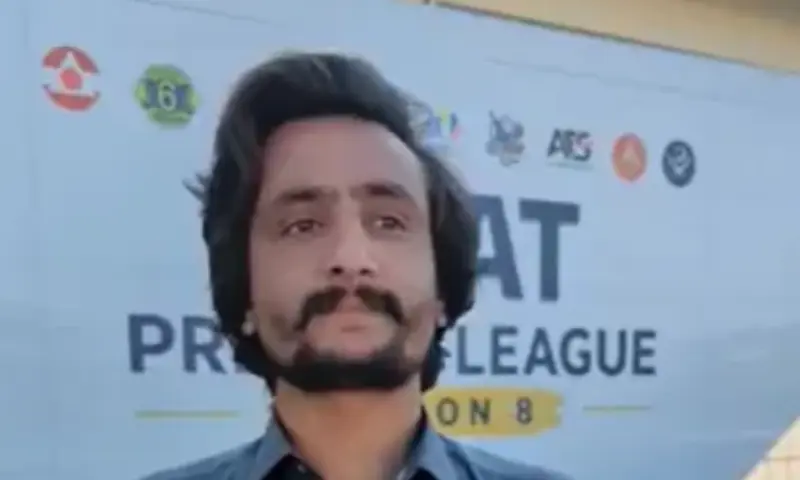
Returning home from work on the back of a friend’s motorbike, Mehran Khan acted on pure instinct when a cricket ball sailed towards him and he nonchalantly took a one-handed catch that has won him instant global fame.
“I told my friend who was riding the motorcycle to lower his head. I stood up slightly on the moving motorcycle and caught it,” the civil servant, an experienced amateur cricketer, told AFP.
“Words cannot describe how happy I was after taking that catch. It felt as though I had achieved something extraordinary,” the 27-year-old added.
Khan and his friend were motoring past a match in the Swat Premier League in Khyber Pakhtunkhwa’s Mingora when the ball arched towards them over the boundary on Tuesday.
Batsman Abrar Lala struck a looping six, sending the ball towards the road adjoining the cricket ground in the picturesque Swat Valley, where Khan plucked it out of the air with one hand.
“I have been playing cricket since childhood and have played several matches at this very ground,” Khan, a government employee with the Public Health Engineering Department, explained.
“When the batsman hit the six I instinctively wished I could catch the ball,” he added.
The moment has gone viral around the world and drawn the praise of cricketing greats.
‘Massively viral’
“Fame that some people do not achieve in years came to me through a video lasting just a few seconds,” Khan said.
“My life has changed completely. Now, whenever I go out, people recognise me and ask to take selfies with me.
“When I returned home that night my family gave me a wonderful welcome,” he said.
“Nobody had ever asked to take selfies with me like that before,” he added.
Khan, a batsman, fast bowler and accomplished fielder, said the footage was uploaded by a local TikTok user before going “massively viral”.
He said he was particularly proud to see the video shared by Australian fast bowler Brett Lee on his Facebook page.
“I could not contain my happiness. Just imagine, I am an ordinary cricket player and here is a legend like Brett Lee sharing my catch. He captioned it ‘Unbelievable Catch,’” Khan said.
The motorbike carrying Khan and his friend was still speeding past the ground when the match’s commentator asked the police to stop the pair and bring them back.
“I was already very excited but when I entered the ground, the commentator announced that the man who had taken the catch outside the ground was now inside the ground. All the players and spectators erupted into applause,” Khan said.
‘Man from the mountains’
He explained that the tournament’s organisers awarded him Rs10,000 for the catch. He thanked God for being “blessed with so much respect and recognition”.
Khan said in some online comments, social media users had joked he made off with the ball.
“But that is not true. I did not run away. I handed the ball over to the tournament organisers inside the ground,” he said.
Khan now hopes the league will return the ball to him as a souvenir of the extraordinary moment.
Since becoming a father eight months ago, Khan feels he has been on a lucky streak that began with the arrival of his daughter.
“Ever since she was born I have continued to experience one stroke of good luck after another. Perhaps I managed to take this catch because of her,” he said.
“When the ball was in my hands I felt incredibly fortunate to have taken that catch.
“I am an ordinary man from the mountains, but one catch has made me not just special, but very special,” he added.
The Ireland men’s team will tour Pakistan next month for the first time to play three One-day Internationals against the hosts, the cricket boards of both countries announced on Thursday.
The visitors, according to the Pakistan Cricket Board (PCB), are scheduled to arrive in the country on January 9, and will take on national developmental side Pakistan Shaheens for three warm-up one-day matches between January 13 and 17.
The ODIs are set for January 20, 22 and 24. All six matches, the PCB said, will be played at Lahore’s Gaddafi Stadium.
The series was originally planned to be a multi-format one before plans were changed with the proximity of the 2027 World Cup in mind.
“While we originally planned a multi-format series, both Boards have agreed that their respective squads would benefit most from playing 50-over cricket given our upcoming participation in the World Cup Qualifier and Pakistan preparing for the World Cup itself later in 2027,” Graeme West, Director of High Performance at Cricket Ireland, said in a statement.
This tour, therefore, is an important milestone for Ireland, who are also all set to feature in the upcoming World Cup Qualifier, through which they’ll try to secure their spot for next year’s showpiece.
“Over the years we have enjoyed a close relationship with the Pakistan Cricket Board and their players, and we look forward to this historic first tour – the first of many in the coming years, we hope,” West added.
For the hosts, meanwhile, the tour would be an opportunity to test their depth – especially through the Shaheens matches – and continue the fine-tuning process of their combinations ahead of the World Cup.
Pakistan made a statement of sorts about their ODI form, convincingly winning a tri-series, which featured England and Sri Lanka along with Shaheen Shah Afridi’s side.
Are you applying for a passport for the first time, or has your previous passport expired? Here’s Dawn’s guide to the passport application and renewal process.
Below, we explain the documents required, the procedure for applying at a passport office and the different options available, along with their respective fees.
Pakistani citizens can apply online to renew or modify their passports, while applications for new passports must be submitted in person at a Regional Passport Office (RPO) or a Pakistani mission abroad.
You can apply for a passport with a validity of either five or 10 years. However, children under the age of 15 are only eligible for passports with a five-year validity.
Here’s what you need to bring
Citizens aged 18 and above need to bring the following documents to the centre:
Original valid Computerised National Identity Card (CNIC) or National Identity Card for Overseas Pakistanis (NICOP)
Previous passport, if issued
No objection certificate (NOC) for government employees, armed forces personnel and employees of autonomous bodies or corporations
Foreign passport, for dual citizens
Police report for a lost passport mentioning the previous passport number, if applying for a replacement.
For a minor’s passport application (under 18), the following documents are required, as applicable:
Original Child Registration Certificate (CRC) containing fingerprints and photograph or a Juvenile Card, for minors aged 10 and above
Original CRC/B-form or a Family Registration Certificate (FRC), for minors under 10
Original valid CNICs or passports of both parents
Custody papers granted by a court, if the parents are separated or divorced. (If one parent accompanies the applicant to the centre, a written consent on stamp paper by the other parent is required.)
Court-issued Guardianship Certificate, along with the guardian’s original CNIC
Foreign passport, for dual citizens
Police report for a lost passport, mentioning the previous passport number (if applying for a replacement)
If either parent is deceased, their original death certificate is also required.
A minor applying for a passport should be accompanied by a parent or a legal guardian to the centre.
Application process at the centre
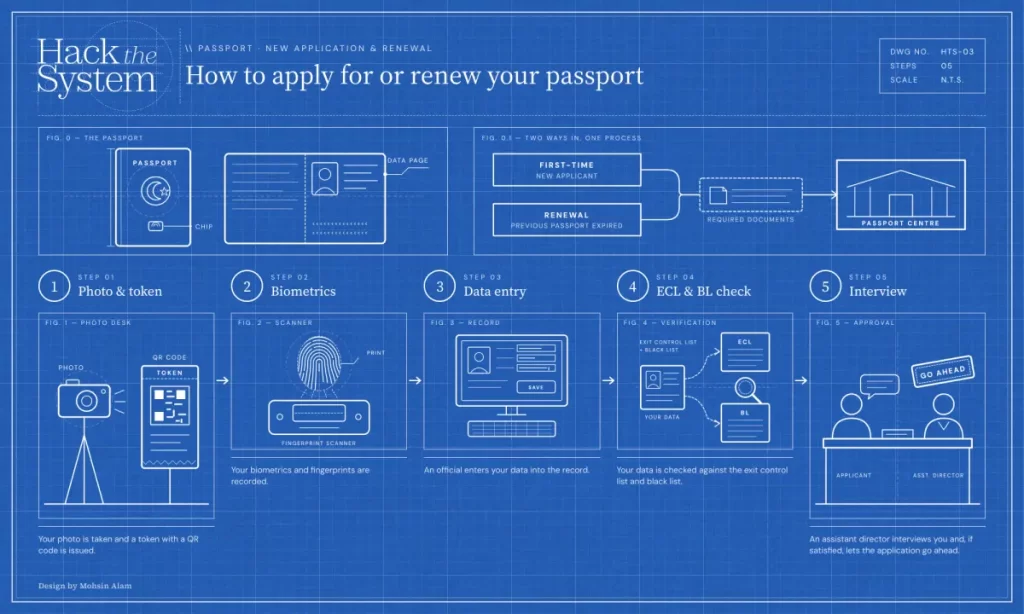
Once you bring all the required documents, as applicable to your case, here’s what happens at the passport centre:
A picture is taken and a token with QR code is issued.
Applicant’s biometrics, including fingerprints, are taken.
The official enters the data in their record.
Applicant data is verified against the exit control list (ECL) and the black list (BL).
An assistant director interviews the applicant, allowing the application to “go ahead” if satisfied with the applicant’s credibility.
Once the official has approved the application, the applicant can leave the centre.
Although the process won’t be complete until the fee is paid, it can be done remotely via online banking.
You can pay the passport application fee by scanning the QR code provided at the time of application through any digital payment platform, such as EasyPaisa, JazzCash or online banking.
All passport offices nationwide are open from 8am to 4pm from Monday to Friday, with a break from 1pm to 1:30pm.
Passport processing services are available 24 hours a day, seven days a week at select RPOs and at Nadra Mega Centres in Islamabad, Lahore and Karachi.
Extended evening hours are also available at RPOs in Faisalabad, Gujranwala, Multan, Bahawalpur, Peshawar, Rawalpindi, Hyderabad and Quetta.
Overseas Pakistanis can look for their nearest Pakistan Mission here.
Online application
Citizens residing in Pakistan can only use the online application process to renew their passport, while overseas Pakistanis have additional online services available.
Citizens residing abroad can also use the online portal to apply for a passport for a newborn baby aged up to two years, a reprint of a damaged, exhausted or lost passport, or a partial modification to an existing passport.
The required documents for each of these categories are listed on DGIP’s website.
Additionally, overseas Pakistanis can apply to expedite an existing passport application online.
The fee for online applications can only be paid through a debit or credit card, while all submitted documents are verified at the Directorate General of Immigration & Passports (DGIP) headquarters, where they are either approved or marked for further verification.
The DGIP website details further instructions on the online application process.
Passport application fee
Applying for a passport will cost at least Rs9,000, with higher fees for additional pages, longer validity periods or urgent processing.
You can apply for a passport with a validity of either five or 10 years and either 36 or 72 pages.
The most expensive option, costing Rs40,500, is for an urgent application for a 72-page passport with a 10-year validity.
The table below lists all the options with their associated fees:
Number of pages
Validity period
Normal fee
Urgent fee
36
5 years
9,000
15,000
36
10 years
13,500
22,500
72
5 years
16,500
27,000
72
10 years
24,750
40,500
Once the payment goes through, the application process is complete. Applicants then have to wait for their passports to be ready for collection from the centre. The waiting period depends on the type of application.
Urgent passport applications take five working days to process, while normal applications take 21 working days.
Security forces killed 12 India-sponsored terrorists in four separate intelligence-based operations (IBOs) in Balochistan between November 20 and 23, the military’s media wing said on Thursday.
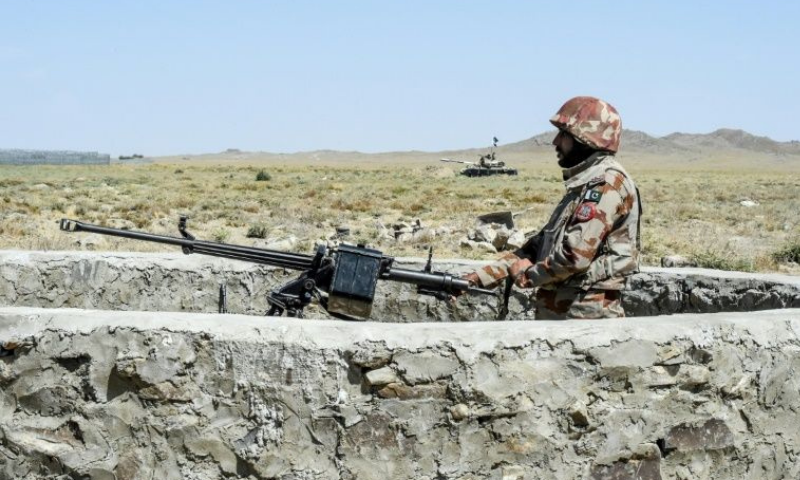
According to the Inter-Services Public Relations (ISPR), security forces targeted a terrorist hideout in Nushki district on November 20. Following an intense exchange of fire, eight terrorists belonging to the Indian-backed Fitna-al-Hindustan were killed. Weapons and ammunition were also recovered from the site, the ISPR added.
The state has designated Balochistan-based terrorist groups as Fitna-al-Hindustan to highlight India’s alleged role in terrorism and destabilisation across Pakistan.
On November 21, security forces intercepted the movement of terrorists in Sibi district, killing two more, the ISPR said.
In two separate engagements in Panjgur and Kech districts on November 22 and 23, security forces raided terrorist hideouts and killed two more terrorists belonging to Fitna-al-Hindustan, the ISPR added.
The ISPR said the counterterrorism campaign under the vision of “Azm-i-Istehkam”, as approved by the Federal Apex Committee on the National Action Plan, would continue at full pace to eliminate the menace of foreign-sponsored and supported terrorism from the country.
Meanwhile, President Asif Ali Zardari lauded the security forces for carrying out “successful intelligence-based operations” in Balochistan against “terrorists operating under India’s patronage”, a statement issued by his office said.
The statement quoted him as saying: “Security forces’ continued successes in the fight against terrorism demonstrate their commitment and sacrifices for peace and stability in the country.”
He added that the “elimination of Fitna-al-Hindustan and foreign-backed terrorists is essential for national security. Security forces and law enforcement agencies will continue operations against foreign-backed and -supported terrorists in every part of Pakistan”.
Pakistan has seen a surge in terrorism, especially in Khyber Pakhtunkhwa and Balochistan. Last week, 15 terrorists were killed during two separate operations in Balochistan’s Mastung district.
On Nov 14, four troops, including a major, were martyred while 24 terrorists were killed in multiple IBOs in Balochistan and KP.
On Nov 1, a soldier was martyred while 17 terrorists were killed in two IBOs in Balochistan’s Kachhi and Kharan districts.
According to Pakistan Institute for Conflict and Security Studies, Pakistan recorded fewer terrorist attacks from Nov 6 to 12, but fatalities and injuries increased sharply, “highlighting the changing intensity and continued volatility of militant threat across the country”.
KP remained the principal centre of violence, accounting for 16 attacks and 44 fatalities. Balochistan recorded 13 attacks, resulting in eight deaths and 19 injuries, while the former tribal districts witnessed a “substantial” reduction in attacks.
War in the Middle East, heatwaves and wildfires, and the march of AI — here are 10 events that defined 2026.
US captures Maduro
Three days into the new year, US forces swooped on Caracas to capture Venezuelan leader Nicolas Maduro, flying him and his wife to New York to face drug and terrorism charges.
While critics questioned the legality of the operation, US President Donald Trump hailed it as evidence that “American dominance in the Western Hemisphere will never be questioned again”.
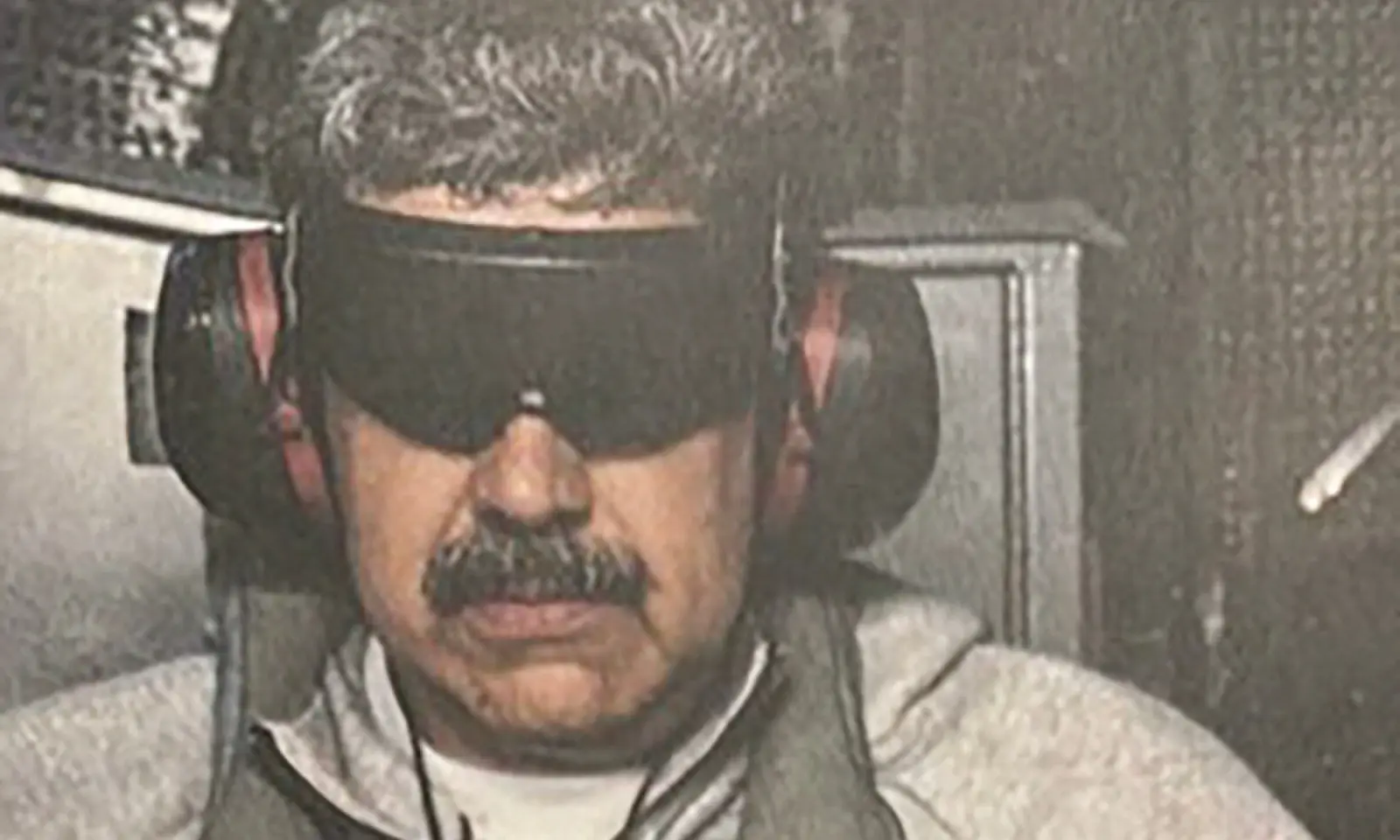
A photo Trump posted showing a blindfolded, handcuffed Maduro wearing ear protectors and a grey Nike tracksuit went viral.
This image posted on US President Donald Trump’s Truth Social account on January 3, 2026, shows what President Trump says is Venezuela’s President Nicolas Maduro onboard the USS Iwo Jima after the US military captured him on January 3, 2026. —Handout via AFP/File
The raid certainly signalled a new willingness to impose America’s will by force.
Middle East war
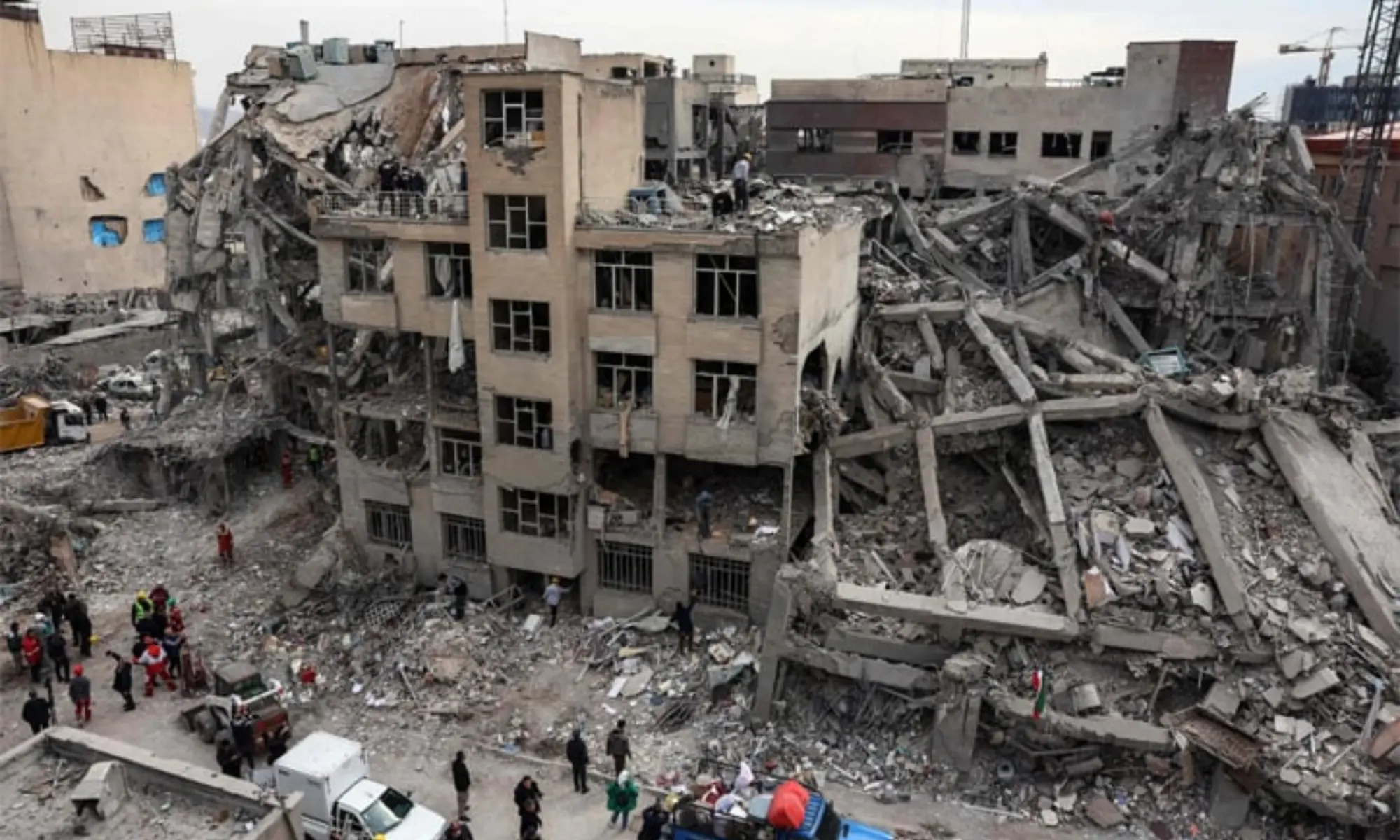
The year opened in the Middle East with a crackdown on anti-government protesters in Iran, an American military build-up and, weeks later, a US-Israeli attack that killed the Islamic republic’s supreme leader.
The massive attack sparked a war that soon expanded to touch every country in the region and several beyond it.
Rescue workers gather as residents collect their belongings from the rubble of a residential building, damaged by US-Israeli strikes. —AFP/File
Iran hit back with a blockade of the Strait of Hormuz, the main exit route for Gulf energy shipments, pushing oil prices up and exacerbating the global cost of living crisis.
Iran’s allies in Lebanon and Yemen also entered the fray, reviving their longstanding conflicts with Israel and Saudi Arabia.
As 2026 drew to a close, Israeli Prime Minister Benjamin Netanyahu lost his governing majority in a pivotal election seen as a referendum on a term dominated by war.
Artemis II
Four NASA astronauts blasted off from Kennedy Space Centre in Florida in April for the first crewed flyby of the Moon in more than half a century.
The Artemis II mission took the crew further into space than any human had gone before, breaking a record set by the 1970 Apollo 13 mission and generating a wealth of celestial observations and stunning photographs.
The Artemis II crewed lunar mission lifts off from Pad 39B at Kennedy Space Center in Cape Canaveral, Florida, on April 1, 2026. —AFP/File
The mission also opened a new chapter in space exploration, with the United States planning a return to the lunar surface and China working to send humans to the moon by 2030.
Ebola
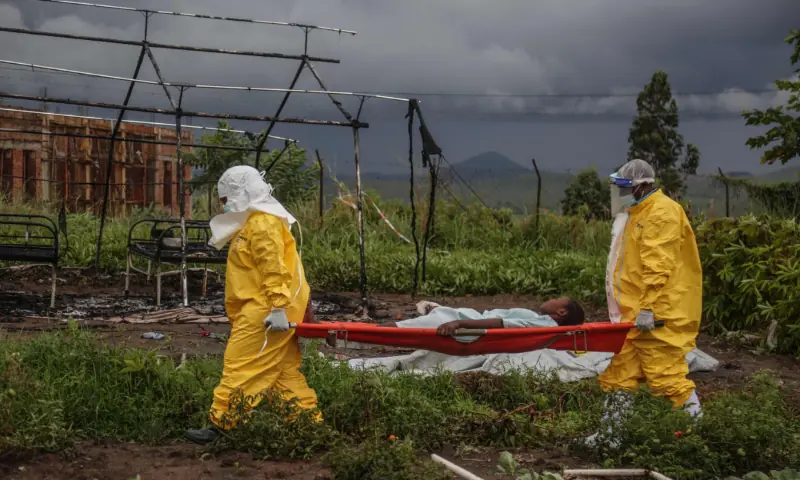
A new outbreak of the deadly haemorrhagic fever was declared in the Democratic Republic of Congo (DRC) in May — the Bundibugyo strain of the virus, for which no proven vaccine exists.
The outbreak spread across eight provinces, mostly in the DRC’s remote east and northeast, and cases were reported across the border in Uganda, in Kenya and Nigeria.
Medical staff wearing personal protective equipment (PPE) carry a patient on a stretcher at the hospital in Rwampara on May 21, 2026. — AFP/File
Efforts to tackle the virus were hampered by the conflict raging between government forces and armed groups in some of the worst-affected areas.
By November the outbreak passed 11,500 cases, with more than 5,500 deaths, making it the DRC’s worst-ever outbreak of the disease.
Men’s football World Cup
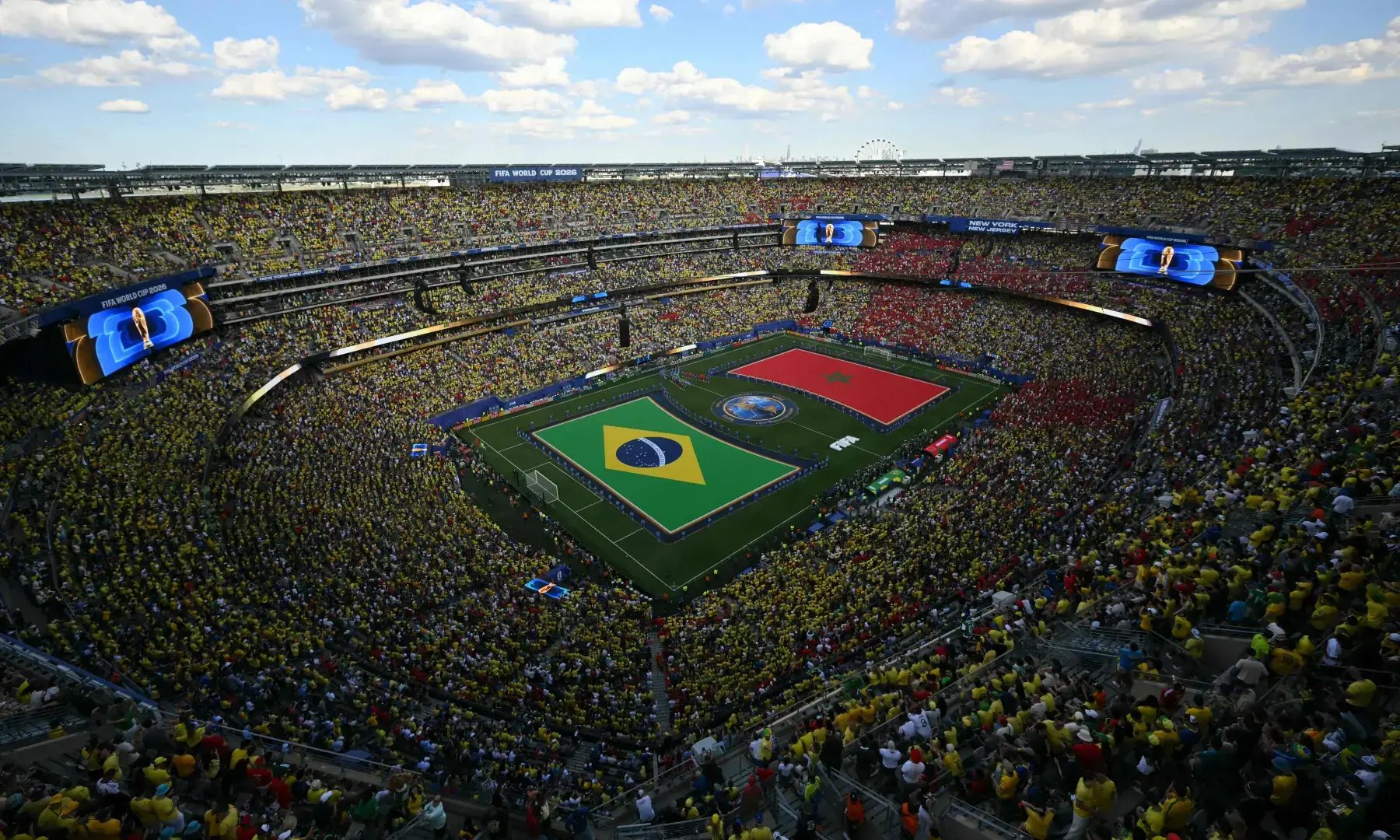
The men’s football World Cup came to the United States, Mexico and Canada, expanded to 48 teams for the first time.
Five weeks of matches in often sweltering conditions across June and July saw some heroic underdog performances from the likes of DRC and Cape Verde — and some controversial innovations like the regularly booed “hydration breaks”.
After some early hiccups, Spain proceeded to the final, brushing aside a fancied France en route, while Argentina handed England their usual World Cup heartbreak, dumping Harry Kane’s men out in the semi-final.
An extra-time goal from Ferran Torres was enough to secure Spain’s second title in a deeply forgettable final marred by chaotic scenes after the final whistle as the disappointed Argentinians tussled with their opponents.
This view shows Brazil and Morocco national flags during the 2026 World Cup Group C football match between Brazil and Morocco at the New York/New Jersey Stadium in East Rutherford on June 13, 2026. — AFP/File
Heatwaves and wildfires
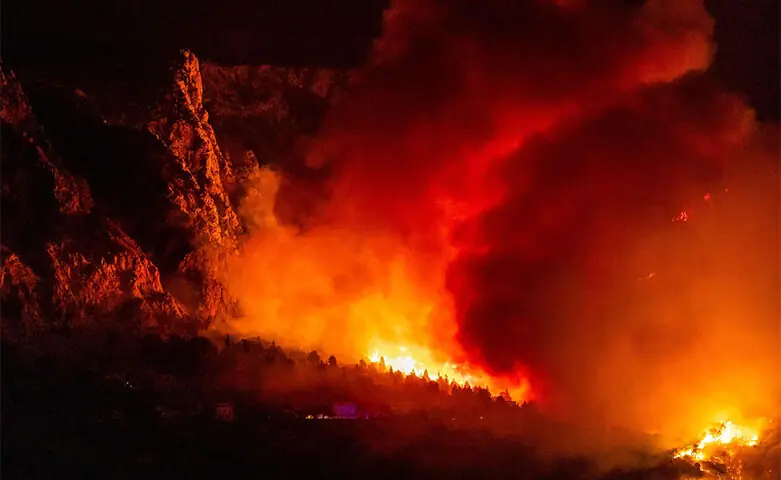
The European summer brought a succession of deadly, record-breaking heatwaves as climate change fuelled scorching temperatures and suffocating droughts.
Tens of thousands of heat-related excess deaths were reported across Europe and the prolonged heat had a major economic impact.
Harvests were wrecked, productivity slashed and major disruption caused to cargo traffic on the Rhine, where water levels fell so low the river became un-navigable.
A wooded area is engulfed in flames during a raging wildfire near Omis, a resort in Croatia. —AFP/File
Insurance giant Allianz estimated that in Germany alone the heatwaves cost the economy around 25 billion euros ($28.4 billion).
Devastating wildfires ravaged large areas of land in France and Spain, while in Asia, months of wildfires in Indonesia burned through nearly three million hectares.
Toxic haze made hundreds of thousands of people ill and drifted across Malaysia and Singapore, sparking diplomatic anger.
Nepal-Tibet floods
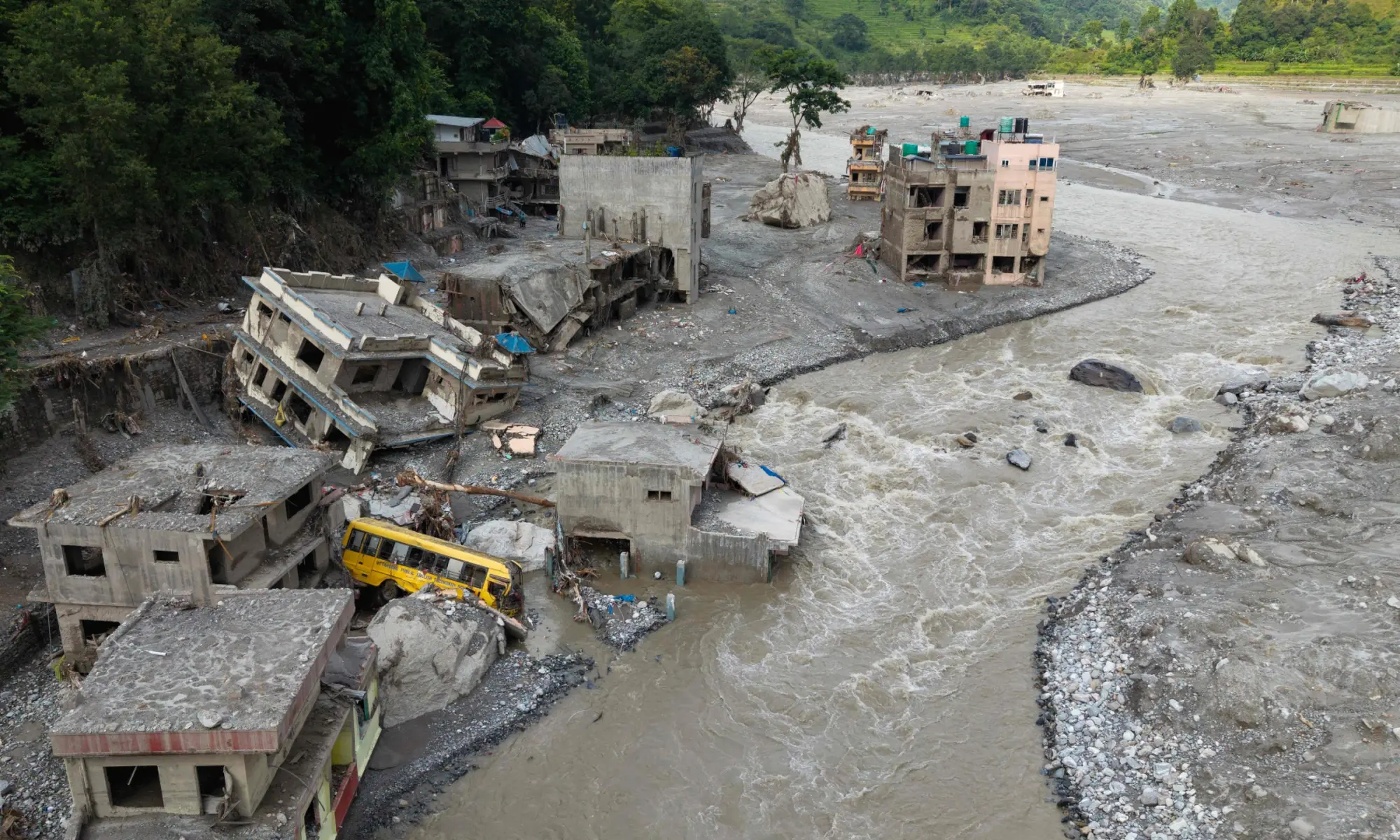
On August 26, a high-altitude mountain glacier collapse on the Nepal-China border triggered a tsunami-like flood of water, ice, rock and debris that killed more than 1,400 people and left over 5,500 missing.
The devastating “bullet train” of debris funnelled down narrow valleys, dropping 1,700 metres in just seven minutes at one point.
Hundreds of rescuers spent weeks digging through mud and debris in search of survivors, with only a few breakthroughs.
The Nepalese government estimated the reconstruction bill at $4.78 billion.
An aerial view shows a torrent of muddy water surging past houses and through the Trishuli river in the aftermath of flash floods, at Betrawati in Nepal’s Nuwakot district on August 29, 2026. —AFP/File
AI out of control?
The artificial intelligence revolution gathered pace in 2026, as did worries about what it could mean for the future of humanity as a string of tech bosses warned of its capacity for destruction.
Concerns were stoked by a run of incidents including OpenAI’s autonomous systems slipping out of their constraints, beginning with a July breach of Hugging Face — a widely used platform for sharing AI models.
In September, Anthropic CEO Dario Amodei called for AI companies to coordinate a slowdown in the technology’s development to allow a better understanding of the risks.
The sector suffered a fresh blow in November when chip giant Nvidia’s boss Jensen Huang admitted an affair with an alleged Chinese spy, sending stocks tumbling.
Alice Huang (right) is said to have been a top executive at Megaspeed International, a Singapore-based data centre firm. — AFP/File
Gen Z protests
Youth-led protests shook governments in Europe, following similar movements in Asia in recent years.
Demands for improvements to education merged with broader concerns about employment opportunities and the rising cost of living.
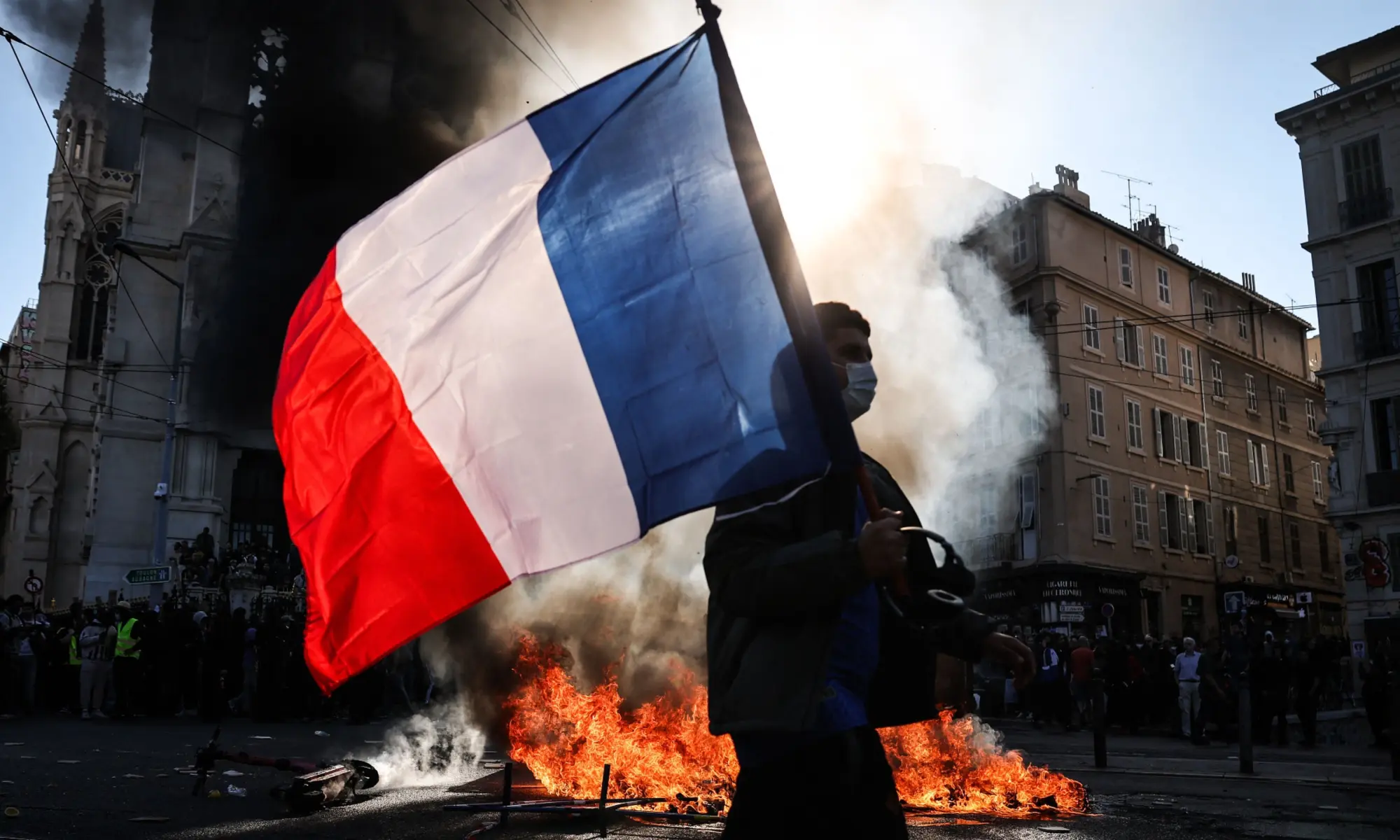
In France, mass protests nationwide in October degenerated into the country’s worst rioting in years, with thousands arrested, hundreds of shops looted and public buildings torched.
A protester waving a French national flag walks past a fire during clashes prior to the start of a demonstration to protest against the “high cost of living”, in Marseille, southern France, on October 17, 2026 as part of a nationwide call for mobilisation bringing together various groups expressing their anger: former “Yellow Vests”, secondary school and university students, climate activists and even farmers. —AFP/File
There was unrest on a smaller scale in Germany and Italy, while in Serbia, a long-running student protest movement culminated in the ousting of the nationalist government.
Albania’s “Flamingo Revolution” saw weeks of protests in Tirana against government corruption, sparked by a tourism project linked to the Trump family.
Away from Europe, India’s Cockroach Janta Party drew strength from Gen Z supporters in its protests over alleged misconduct by the country’s election commission.
Reversals for the right
American voters battered by inflation fuelled by Trump’s war in the Middle East delivered a midterm drubbing to his Republican party in November.
Democrats took control of Congress, leaving the 80-year-old president a lame duck for the remainder of his term.
The Blue Wave rebuke for Trump’s MAGA movement echoed electoral reverses for several other right-wing governments around the world.
Hungary’s Viktor Orban suffered a landslide defeat in April, ending the pro-Russian leader’s 16-year rule, while his close ally Aleksandar Vucic saw his 14-year stint end at the hands of the student-led political movement.
And in Brazil, leftist President Luiz Inacio Lula da Silva pulled off a dramatic comeback to win re-election against Trump ally Flavio Bolsonaro, who promptly fled to the United States.
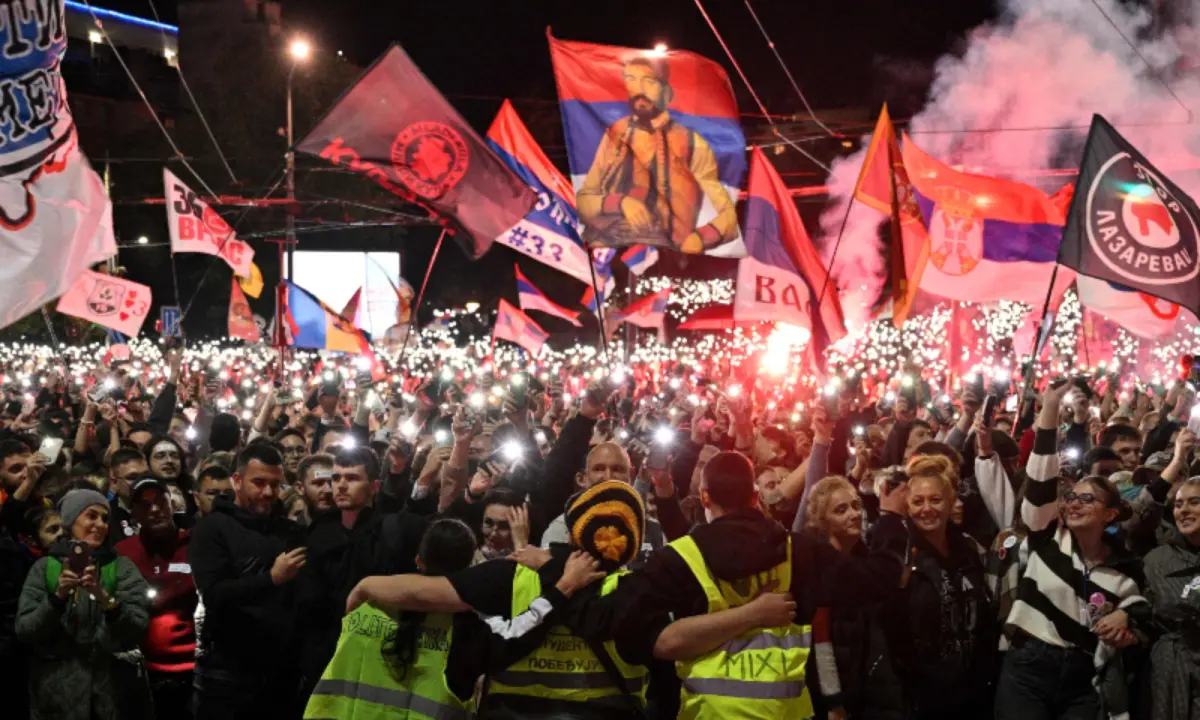
Header image: Supporters of Serbia’s student-led movement attend the final campaign rally of the student-backed election list in central Belgrade on October 22, 2026, ahead of the country’s snap parliamentary elections on October 25. —AFP/File