Category: dawn news

  • Symbol of neglect

    Symbol of neglect

    NOTHING quite prepares you for the sensory overload you experience when you move from the pristine and polished Islamabad to the battered and potholed Karachi.

    To the discerning eye, Karachi looks like a low-resolution version of Islamabad, that too in sepia tones.

    The vibrancy of the “City of Lights” is mellowed by the haze of suspended smoke and dust, further muted by the drabness of its infrastructure. Its skyline, characterised by decrepit buildings woven through a not-so-intricate web of overhead wires, pales in comparison with Islamabad’s lush green, hilly landscape.

    The sounds of each city also stand in sharp contrast. While the latest and most luxurious private cars noiselessly cruise through Islamabad’s roads, Karachi’s streets are swarmed with motorbikes, rickshaws, buses, and trucks, each incessantly blaring its horn to force its way through traffic. Many private vehicles on the road bear visible signs of abuse inflicted by other heedless drivers.

    Both cities have their distinct olfactory signatures as well: while Islamabad exudes privilege and dewy freshness, Karachi reeks of injustice, neglect, and just pure garbage. The stench emanating from gutters, garbage sites, and at times, the sea is so overpowering that even the confines of an air-conditioned car fail to offer any respite from the pungency.

    Karachi’s disparity is unfortunate given its economic footprint.

    On the development front, as Islamabad witnesses the construction of new underpasses and bridges on a near-monthly basis, Karachi’s infrastructure crumbles under the weight of its burgeoning population, exacerbated by the governance conundrum it faces. The city remains in shambles, ranking 170th out of 173 cities on the EIU’s Global Liveability Index 2026.

    This disparity is particularly unfortunate given Karachi’s enormous economic footprint, not to mention its remarkable capacity to embrace people from diverse backgrounds. The city accounts for nearly a quarter of Pakistan’s GDP, compared to Islamabad’s estimated 1-2 per cent.

    Yet, despite being nearly four times larger in area and having more than 10 times Islamabad’s population, Karachi receives a smaller share of development allocations. Whatever resources are earmarked for the city are further fragmented between the Karachi Metropolitan Corporation (KMC) and provincial authorities, making coordinated urban development all the more difficult.

    The problem, however, extends far beyond the quantum of development spending.

    While several new development schemes have been announced for Karachi, those still enduring the (now) five-year-long nightmare of construction along University Road know all too well that such projects bring far greater disruption than promise.

    Competing political interests, overlapping institutional mandates, and the persistent power struggle between provincial and local authorities undermine the effective and timely implementation of development projects.

    Karachi is not simply a poorly developed city; it is an economically indispensable one whose governance arrangements systematically undermine its capacity to convert economic activity into better urban outcomes. The political economy underpinning the disparity between the two cities is hardly difficult to discern.

    Unlike Islamabad, where the Capital Development Authority provides a relatively centralised structure for urban planning and development, Karachi is governed through a maze of overlapping jurisdictions, with municipal authorities, cantonment boards, development authorities, and provincial departments each vying for greater control.

    Competing interests and distorted mandates make it difficult to establish who is ultimately responsible for the city’s development, leaving its residents to bear the cost of institutional dysfunction.

    Moreover, a weak municipal revenue base and limited capacity for own-source revenue mobilisation leave local governments heavily dependent on provincial transfers, further entrenching their fiscal dependence and weakening their capacity to deliver urban services.

    It is deeply disheartening to see a city once synonymous with opportunity, enterprise, and the promise of a better life increasingly become a symbol of neglect, deprivation, and urban decay.

    Karachi needs more than sporadic development schemes and infrastructure projects. It needs empowered local governments, clearly defined institutional responsibilities, and predictable fiscal transfers that allow its elected representatives to plan and deliver services in line with the city’s needs.

    For a city that contributes so much to the country’s economy, the least it deserves is a governance system capable of delivering the most basic urban amenities.

    Karachi deserves better.

    The writer is a development economist and policy consultant. She teaches economics at IBA, Karachi.

    X: @AroojWDar

    Published in Dawn, November 16th, 2026

    Source: dawn
  • US airports slowly return to normal after 3 days of disruption

    US airports slowly return to normal after 3 days of disruption

    US air travel was slowly returning to normal on Monday after three days of widespread disruption following an extraordinary no-takeoff order issued by US aviation authorities.

    The ground stop issued Friday afternoon was only the second time such a directive had been issued nationwide in the busy US airspace since planes were grounded following the 9/11 attacks, and was blamed by the Trump administration on a faulty upgrade to communications equipment.

    On Monday morning, more than 250 US-related flights — those travelling within, into or out of the US — scheduled for the same day were cancelled, according to industry tracker FlightAware.

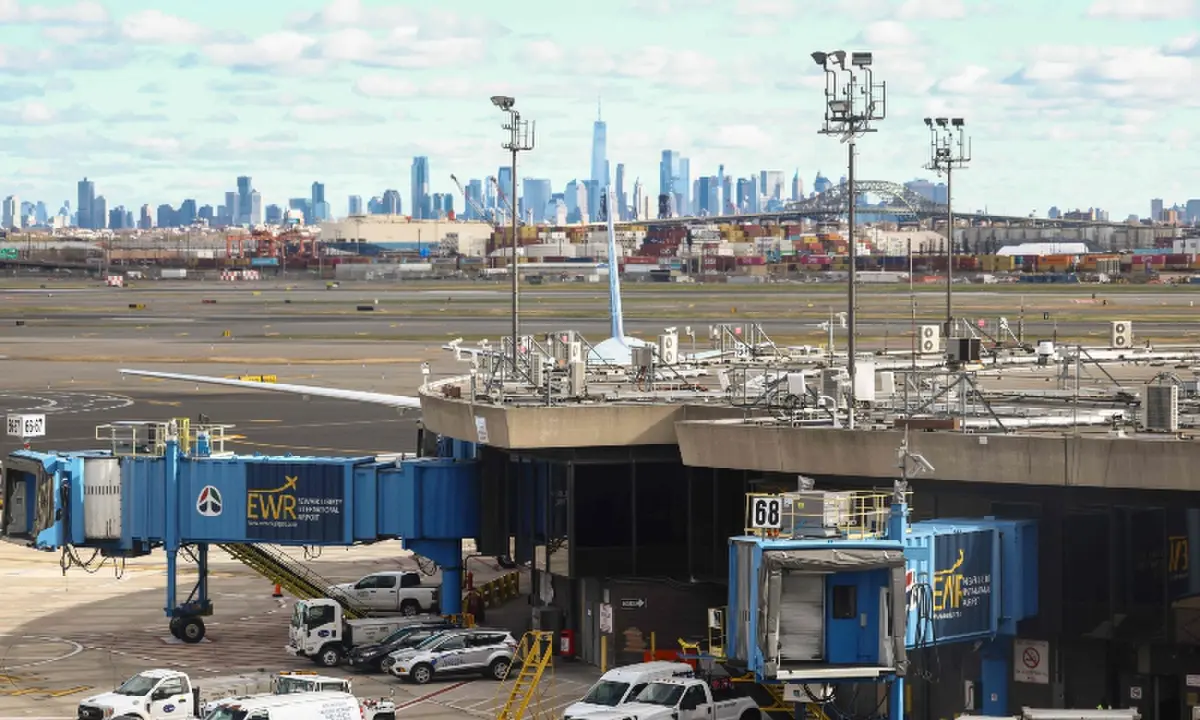
    A United Airlines passenger plane is seen at a gate at Newark Liberty International Airport (EWR) in Newark, New Jersey, on November 15, 2026. —AFP
    A United Airlines passenger plane is seen at a gate at Newark Liberty International Airport (EWR) in Newark, New Jersey, on November 15, 2026. —AFP

    That marked a dramatic shift from the more than 2,300 flights cancelled on Sunday.

    There were delays to more than 700 US-related flights scheduled for Monday, compared to more than 10,000 the previous day.

    The Trump administration sought to reassure weary flyers as questions remained over how such chaos could unfold in the world’s largest economy, a country that prides itself on its technological prowess.

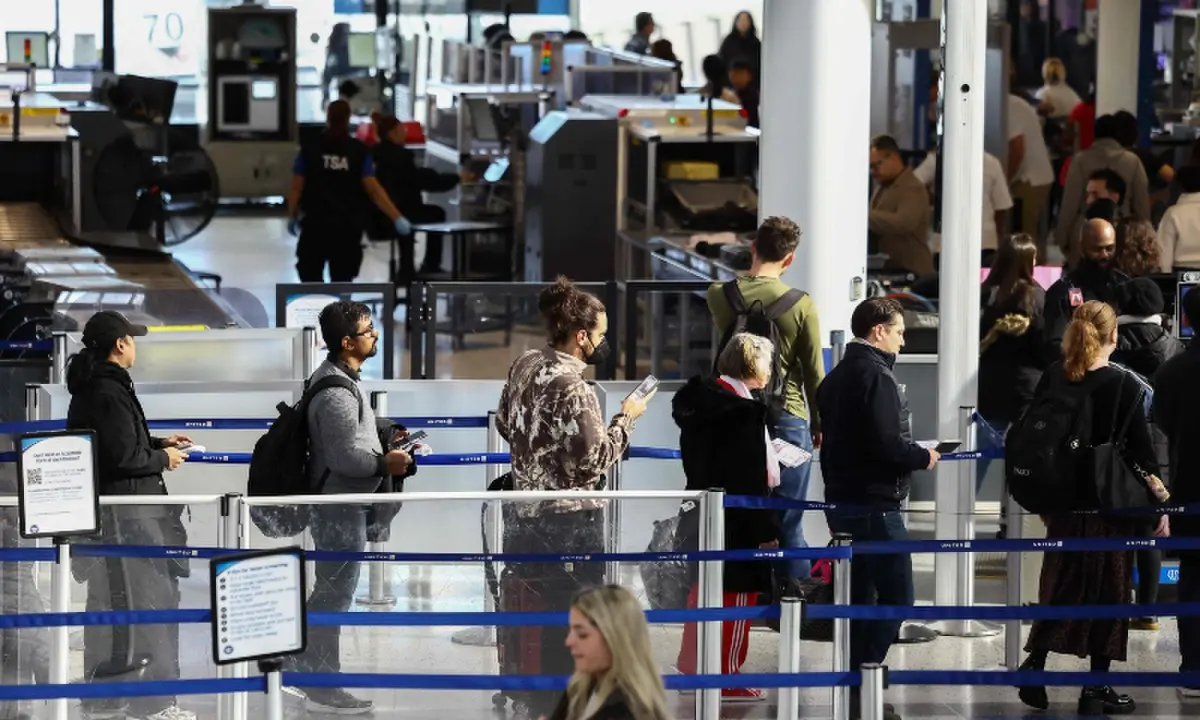
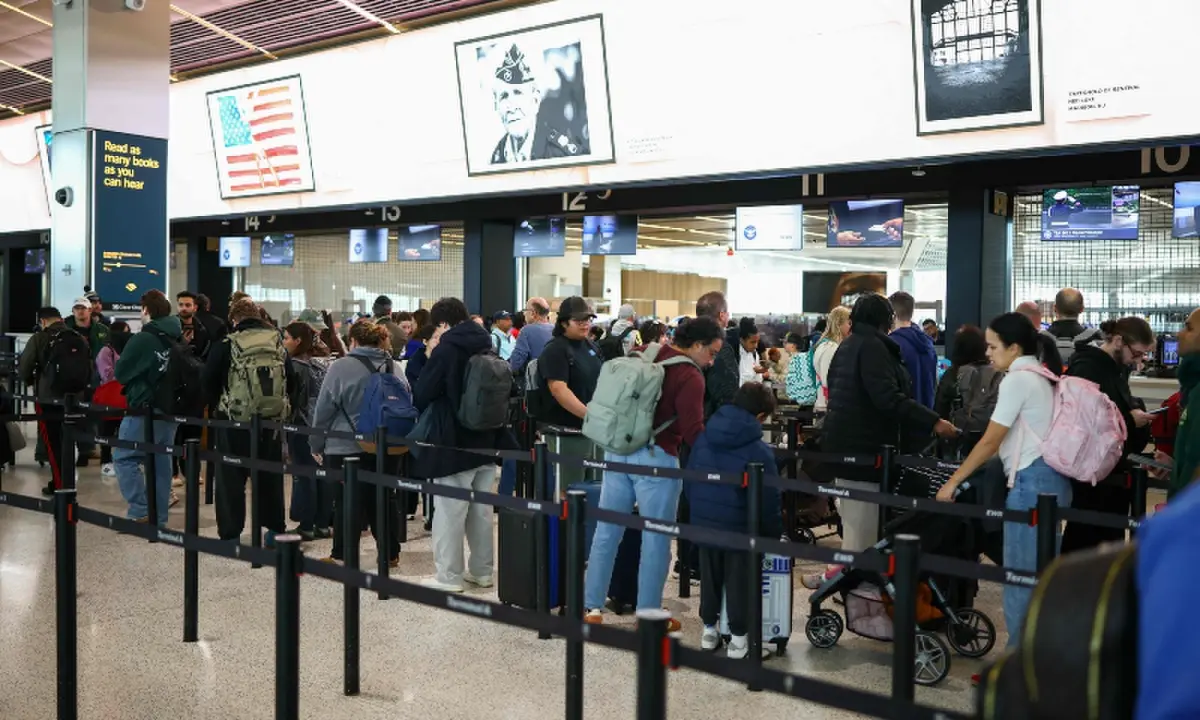
    Throughout the weekend, stranded passengers wandered through chaotic airports and sat on floors, waiting for updates or to be re-booked.

    Officials blamed Friday’s colossal snafu on faulty work to upgrade air traffic control communication cables.

    President Donald Trump on Sunday ended uncharacteristic days of silence on the ground stop, but only to blame his predecessor Joe Biden for the debacle.

    Trump insisted he inherited a mess from the Biden administration and said Congress, which his party has controlled for two years, must approve funds to upgrade America’s outdated air traffic control system.

    “The Biden Administration was an FAA disaster,” Trump said, referring to the Federal Aviation Administration.

    “Everything they touched turned bad. Big money spent unwisely, making an old and broken system worse than when they began,” Trump said.

    FAA chief Bryan Bedford said Saturday that air travel for millions of Americans stranded at airports would return to normal by the close of business on Sunday.

    A United Airlines passenger plane is seen at a gate at Newark Liberty International Airport (EWR) in Newark, New Jersey, on November 15, 2026. —AFP
    A United Airlines passenger plane is seen at a gate at Newark Liberty International Airport (EWR) in Newark, New Jersey, on November 15, 2026. —AFP

    But Transportation Secretary Sean Duffy said Sunday morning it would actually take longer to get planes, crews and travellers to where they need to be.

    “We’re going to see things come back to normal today, but probably fully normal tomorrow,” Duffy said on ABC News.

    “We had airplanes and crews out of position because of Friday, so it takes a little bit of time to do that.”

    ‘I’m the secretary’

    Duffy also rejected calls for his resignation over the travel chaos, insisting he inherited woefully outdated air traffic control infrastructure such as radar equipment that dates back to the 1960s.

    “So when we do work and things go wrong, of course I’m the secretary. But I also have to acknowledge what was delivered to me,” Duffy said in an interview on CNN.

    The ground stop not only plunged US air travel into chaos, but it also raised serious concerns about the country’s aging infrastructure.

    Duffy has appealed for $50 billion in funds to upgrade and modernize the air traffic control system, and called for Congress, which controls the purse strings of the US government, to “meet this moment.” But Democrats quickly pounced to say Congress under Trump’s Republicans could already have done this.

    Source: dawn

  • China says Xi, Trump, Putin to discuss ‘world peace’ in trilateral summit

    China says Xi, Trump, Putin to discuss ‘world peace’ in trilateral summit

    The leaders of China, Russia and the United States will discuss “world peace” when they hold their first trilateral summit in Shenzhen this week, Beijing said on Monday.

    Presidents Xi Jinping, Donald Trump and Vladimir Putin are due to meet in the southern Chinese city on Thursday on the sidelines of the Asia-Pacific Economic Cooperation (Apec) summit.

    China has provided few details as to what the three leaders will discuss but said they would hold “in-depth exchanges on safeguarding world peace and promoting strategic stability in major-power relations”.

    “It will be of ground-breaking significance,” foreign ministry spokeswoman Mao Ning told a news briefing on Monday, hours after Beijing confirmed the meeting.

    Top Chinese and US diplomats have previously raised the possibility that the three-way talks could broach the sensitive subject of denuclearisation.

    Denuclearisation

    Washington, which dislikes China’s rapidly expanding nuclear arsenal, said it wants Beijing to be part of a nuclear arms control deal.

    Beijing, however, has long maintained that the US and Russia should reduce their giant nuclear arsenals before it agrees to talks on its own stockpile.

    After a US-Russia bilateral treaty on nuclear weapons expired in February, Trump called for a “better agreement” including China. Beijing at the time declined to join disarmament negotiations.

    But in a call this week, China’s top diplomat Wang Yi and US Secretary of State Marco Rubio “agreed on the importance of meaningful leader-level conversations to advance goals such as peace and denuclearisation”, the US State Department said.

    UN Secretary-General Antonio Guterres said on Monday that if the three leaders “really commit themselves to a meaningful denuclearisation, it will be a great achievement for the world”.

    “We have been for a long time… talking and requesting the need of disarmament in the nuclear field, and we believe that we will only be entirely safe when we would be entirely (without) nuclear weapons,” Guterres said during an Asean summit in the Philippines.

    Iran

    Trump has said the three leaders will also likely discuss his war in Iran.

    “We’ll talk a lot of things, including denuclearisation, but we’ll be talking a lot of things. We’re trying to end the war in Iran,” Trump told reporters on Sunday.

    China, a top economic partner of Iran, has long sought to mediate in the conflict triggered by US-Israeli strikes on Tehran.

    The months-long crisis, which has at times spilled over into neighbouring countries, has disrupted global shipping and sent oil prices soaring globally.

    Trump said in late October that the United States had knocked out much of Iran’s military but still has to “take care of” one or two targets.

    China, meanwhile, says avoiding a return to hostilities is a “top priority”, and has in recent weeks hosted leaders and diplomats from various Middle Eastern countries in an effort to persuade parties back to the negotiating table.

    No Ukraine

    In contrast, the subject of Russia’s invasion of Ukraine could prove to be a no-go during the talks this week.

    A Wall Street Journal report last month said that Putin wanted the three-way talks to broker a peace deal in Ukraine that would be favourable to Moscow, which launched its invasion in 2022.

    However, it is unlikely that Xi or Trump would touch on the highly sensitive topic. US officials say Trump is not expected to raise the issue.

    German President Frank-Walter Steinmeier has said Xi showed “irritation” in a recent meeting when the idea of the trilateral talks covering Ukraine came up.

    “He explicitly pointed out that this is a European conflict, in which the Europeans must also be at the table,” Steinmeier told ARD. That has done little to assuage Kyiv, which is anxious about being sidelined on the issue.

    Ukraine’s President Volodymyr Zelensky has raised alarm that the meeting could be a Yalta-like “redistribution of spheres of influence” for the 21st century.

    The Yalta summit of 1945 saw US president Franklin D. Roosevelt, Britain’s Winston Churchill and Soviet leader Joseph Stalin carve up new post-WWII territorial boundaries with little concern for other countries.

    Ukraine’s Foreign Minister Andriy Sybiha said a meeting between US, Chinese and Russian leaders would “only encourage Putin to continue this war”.

    Trump’s willingness to meet with Putin is nevertheless his latest effort towards ending the international isolation of Russia that was triggered by its invasion.

    Source: dawn

  • ‘I may not return alive’: In open letter to top judges, Imran pleads for medical treatment for him and Bushra Bibi

    ‘I may not return alive’: In open letter to top judges, Imran pleads for medical treatment for him and Bushra Bibi

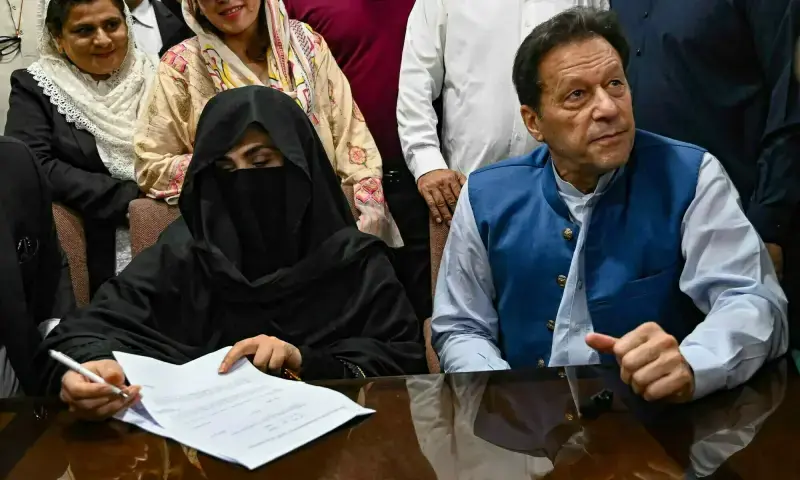
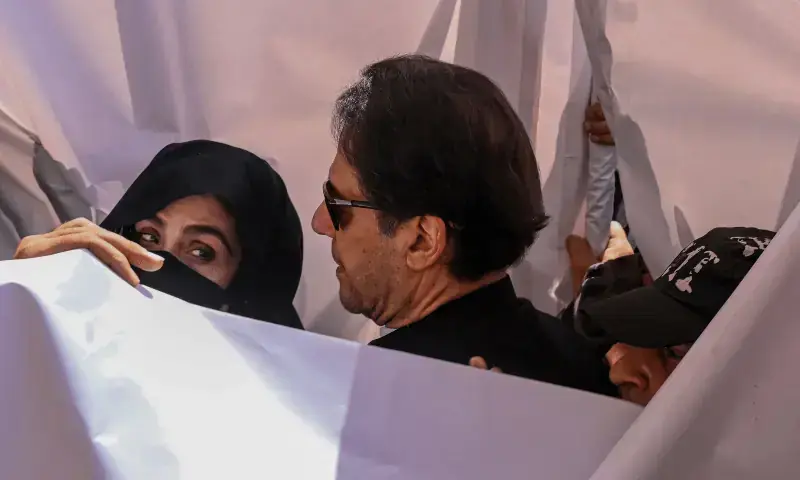
    Incarcerated PTI founder and former prime minister Imran Khan on Monday appealed for medical treatment for himself and his wife Bushra Bibi in an open letter to the chief justices of the Federal Constitutional Court (FCC), the Supreme Court (SC) and the Islamabad High Court (IHC).

    The letter was shared on the social media platform X by Imran’s lawyer Barrister Salman Safdar, who had met the ex-premier at Adiala jail on Nov 2 and Nov 11. The letter said that during the Nov 11 meeting, Imran had directed Safdar to “carry his words to your lordships”.

    “I have conveyed this letter faithfully and solely on these instructions. The words that follow are his [Imran’s],” the letter said, which also bore Safdar’s signature.

    In the letter, Imran detailed his own deteriorating health condition as well as his wife’s, pleading with the courts to grant them access to medical treatment.

    “I spent my life building hospitals so that those who could not afford treatment would receive it free of cost. Today, I ask only that my wife and I be treated,” he said.

    Imran said that he was writing from a “solitary cell”, as that was now “the only way my voice can leave these walls”.

    “I do not write as a former prime minister, nor as the head of a political party. I have given my life to Pakistan. I served this nation on the cricket field, in social work and philanthropy and as its 22nd prime minister. For seventy years, not a single criminal case stood against my name,” he said.

    “Then, after the age of 70, came an unprecedented and ruthless campaign of political victimisation: countless prosecutions, more than a hundred appearances before the courts, pre-arrest bail sought again and again, and an assassination attempt which, by the grace of Allah, I survived. Through all of it, I chose the path of law. I decided that I would fight every one of these politically motivated cases in the courts and I never stopped,” he said.

    He said that from “time to time” he was granted relief from the courts that “renewed my faith that justice would prevail”.

    “After the constitutional amendments, however, that relief became narrow, and then it closed off altogether. It grieves me deeply to say that, when I needed it most, the system I had placed my trust in did not come to my aid. Within the walls of Adiala, my wife and I have faced criminal trials one after the other, and our appeals still await decision. Yet I have never once sought relief on medical grounds, nor used illness as a tactic. I fought on the merits, with confidence, and I still do,” he said.

    Imran went on to say that “everything changed” after the judgement in the Toshakhana-2 case.

    The ex-premier and his wife were sentenced to 17 years in jail in the case, which pertained to the purchase of an expensive Bulgari jewellery set, gifted to Imran by the Saudi crown prince during an official visit in May 2021, at a throwaway price.

    “I was totally isolated, disconnected and held incommunicado from the outside world, in torturous solitary confinement for up to twenty-two hours a day, in disregard of every constitutional right and every entitlement the Prison Rules guarantee a prisoner: no family, no lawyers, no call to my sons, no books and no television,” Imran said in his letter.

    He said that after months without access to his lawyer, Safdar was allowed to meet him on Feb 10 after the SC appointed him amicus curiae.

    “He found that I had lost 85 per cent of the vision in my right eye and that neither my family nor my counsel had been told. After that visit, the disconnect returned, and the jail administration, acting vindictively, isolated me once again,” he said.

    Imran said that he had only been allowed to meet his lawyer four times during the year, while Bushra Bibi had only been allowed to meet her counsel once. He asserted that this was a violation of the rules and the basic rights of every prisoner, adding that it had left them “unable to defend ourselves in the very cases we are fighting”.

    “Prolonged solitary confinement and the absence of any meaningful human interaction have taken a heavy toll on my mental health. This is not my claim alone: the jail’s own medical board has recorded my anxiety and advised more frequent contact with my wife and family, reading material and television. That advice has not been followed,” he said.

    Imran alleged that his weekly meeting with his wife was skipped by jail authorities “without reason or explanation”. He said that he had also learnt that his sisters were in custody, adding that he was not allowed to meet them. He said his sons, Kasim and Sulaiman, were also not allowed to call in contradiction of court orders.

    “No one in the jail is permitted to respond to me or speak to me, not when I offer them salaam and not when I recite a verse of the Holy Quran. The purpose, I can only conclude, is to make me ill and to break my will,” he said.

    Imran said that despite this, he was more concerned about Bushra Bibi’s conditions. He said that in April, she suffered a retinal detachment and underwent a “complicated eye surgery in secrecy” and was sent back to solitary confinement.

    “When I saw her this month, she could neither bear the light nor open her eyes, and without another surgery she may lose her sight permanently. Her records are withheld, her doctors denied, her suspension of sentence unheard, despite the law’s compassion for women prisoners,” he said.

    Imran said that on Aug 18, the SC directed that he be shifted to Shifa International Hospital within two days, a medical board be constituted to examine him and that he be allowed interactions with his family.

    “That order has not been implemented. My case now rests on the docket of the FCC, awaiting a hearing,” he said. He said that his appeal in the Al-Qadir trust case was being taken up ahead of older ones concerning the health of the couple and unimplemented court orders.

    “It is my wife’s failing sight, and that unimplemented order of the honourable SC, that compel me to write. In solitary confinement, my blood pressure has become uncontrolled: 130, then 150, then 170, and last week 192 and 193 on Nov 10. The doctors now tell me that I am highly vulnerable to a brain haemorrhage and cardiac arrest and that my heart has already suffered damage. At 74, this unrelenting state is taking me to a place from which I may not return alive,” he said.

    “I have fought impossible legal battles in countless cases, and I have not stopped. But the system has stopped giving me justice,” he lamented.

    “I do not ask your Lordships for any favour. All I request as justice is the implementation of the orders of the honourable SC and proper treatment for our medical conditions. I will only remain able to prove my innocence if I stay alive. I appeal to your Lordships, on the most basic grounds of human compassion: give me justice before it is too late,” he concluded.

    Imran and Bushra Bibi’s health

    Imran has been in prison since August 5, 2023, while his wife was arrested on January 17, 2025, in a separate case in which the couple were sentenced.

    The IHC has allowed Imran twice-a-week meetings — on Tuesdays and Thursdays — with his family, lawyers and other associates. Despite multiple court directives, Imran’s meetings with his family and party leaders have been largely restricted.

    Imran’s eye ailment — right central retinal vein occlusion — came to light in late January, following which he has been taken to hospital multiple times.

    On Aug 18, the SS directed the government to shift the jailed ex-premier to Shifa International Hospital in Islamabad, a day after the superintendent of the Adiala jail — where Imran is imprisoned — submitted a report to the court on the ex-premier’s health condition.

    However, the government took the PTI founder to Pims and subsequently transported him back to prison. At the time, Information Minister Attaullah Tarar had blamed “the security situation created by PTI workers on the way to and outside” the hospital for the diversion. The PTI has denied the allegations and accused the government of deliberately flouting the court’s orders.

    Meanwhile, Bushra Bibi suffered a retinal detachment in April and was taken to the hospital for surgery. She has since approached the courts seeking an immediate medical examination by an ophthalmologist and permission to receive treatment from doctors of her choice at her own expense amid concerns over her deteriorating eyesight.

    According to the former first lady, doctors who examined her had diagnosed her condition as a “mature cataract” and advised that another eye surgery would be required.

    Source: dawn

  • Ex-Bangladesh PM Hasina to return home despite ‘threat of death’

    Ex-Bangladesh PM Hasina to return home despite ‘threat of death’

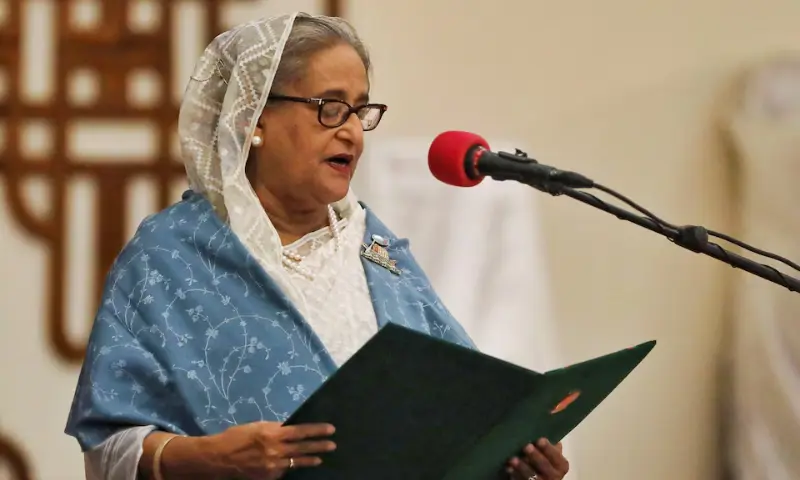
    Ousted Bangladesh prime minister Sheikh Hasina, sentenced to capital punishment after she was toppled in 2024, told AFP on Monday she would return home in December despite “the threat of death”.

    Hasina fled to India in August 2024 after a student-led uprising ended her iron-fisted 15-year rule, and has remained in hiding ever since.

    She was sentenced to death in absentia last year after a Bangladeshi court convicted her of crimes against humanity over a deadly crackdown on protesters.

    “I am fully aware of the risks I face if I return,” she told AFP in an email interview.

    “But I have made my decision, and no threat of death will keep me away from my own country.”

    Her insistence on going back comes days after Bangladesh said she would face execution if she returned, adding that she has no further legal recourse after missing the deadline to appeal against her conviction.

    The 79-year-old has repeatedly rejected the legitimacy of the trial.

    Dhaka has sought her extradition from India, which says the request is under legal review.

    Hasina said the stance was “contradictory”.

    “For months, they have demanded my return. Yet now that I am taking practical steps to come home, they appear to be more interested in threatening me… than actually allowing it to happen,” she said.

    “Frankly, I find these contradictory statements from the Bangladeshi authorities rather revealing.”

    ‘If death is the price’

    Analysts suggest her promise to return is an attempt to remain politically relevant, retain the loyalty of supporters and keep alive a party that once dominated Bangladesh but whose activities are now banned.

    She may also be counting on the possibility that the government would find it difficult to execute the daughter of Bangladesh’s founding leader, despite her death sentence.

    Hasina denied that her Awami League party was involved in a recent spate of petrol bomb attacks in Bangladesh, as authorities have alleged.

    She said she had no intention of seeking India’s assistance to arrange her return.

    “Why would I ask another country to extradite me, when I have already decided to return voluntarily?” she said.

    “Extradition is a matter between two sovereign states. India will make its own decisions according to its laws, policies and national interests,” she said.

    Hasina also faces a string of other charges, including corruption allegations.

    “More than 600 false cases have been filed against me,” she said.

    Her lawyers had applied for a Bangladeshi passport and national identity card through the country’s high commission in New Delhi, she said.

    “I am already making preparations to return to Bangladesh in December,” she said.

    “I do not wish to die. I want to live and continue serving my country. But if death is the price I must pay for returning home, I am prepared to face it. “

    Source: dawn

  • FCC conditionally allows PHC to hear cases related to PTI workers’ preventive detention

    FCC conditionally allows PHC to hear cases related to PTI workers’ preventive detention

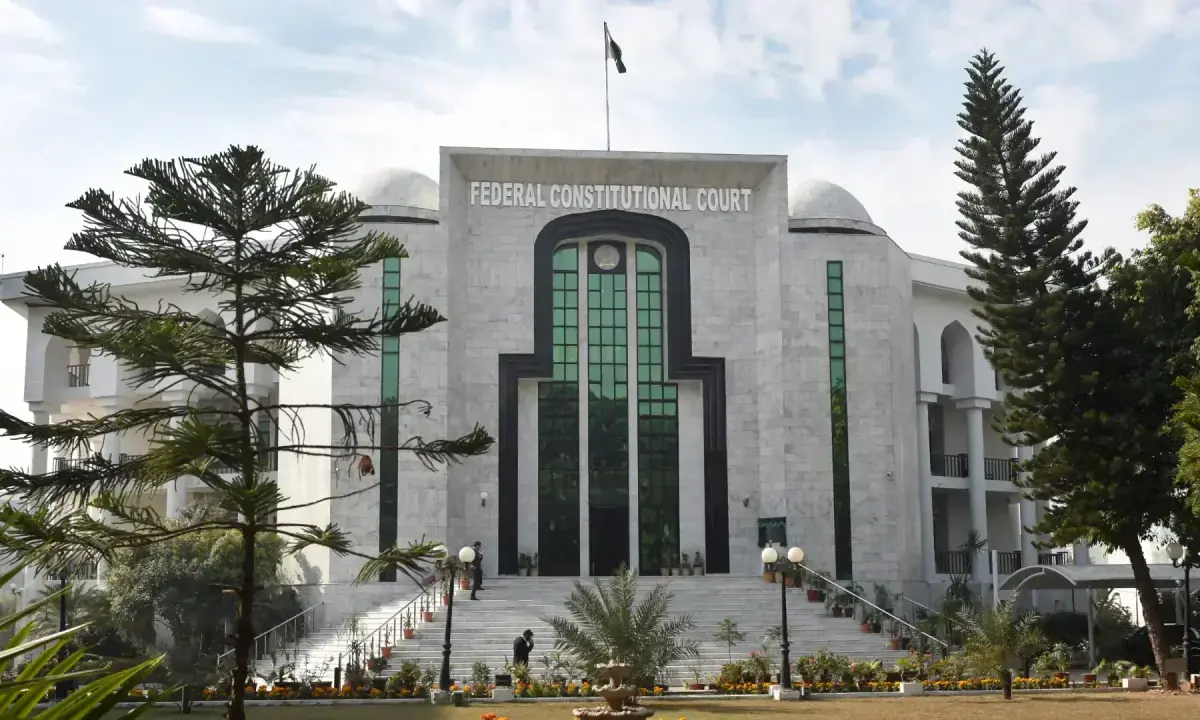
    ISLAMABAD: The Federal Constitutional Court (FCC) modified its earlier directives on Monday, conditionally allowing the Peshawar High Court (PHC) to hear cases related to the preventive detention of PTI workers and activists under the Maintenance of Public Order Ordinance (MPO) following the imposition of emergency and governor’s rule in Khyber Pakhtunkhwa.

    A two-member FCC bench, headed by Chief Justice Aminuddin Khan and comprising Justice Aamer Farooq, barred the PHC from hearing the cases on Nov 5, following which the PHC had removed the relevant cases from its cause list.

    However, today, the bench allowed the PHC to take up the cases on the condition that the high court would not hear pleas that challenged the Oct 11 proclamation of emergency and imposition of governor’s rule in KP, where the army had also been called in aid of civil power.

    The superior court’s directives had come after the PHC had issued the interim orders, granting bail to detainees against surety bonds of Rs100,000 each.

    The FCC has been seized with more than 60 appeals against the PHC’s interim orders. The pleas were moved by the KP Home and Tribal Affairs Department additional chief secretary.

    The FCC had suspended the PHC proceedings in cases instituted under Article 199 of the Constitution. It had referred to clauses 3 and 4 of Article 245 of the Constitution in its order.

    Under clause 3, a high court shall not exercise any jurisdiction under Article 199 in relation to any area in which the armed forces of Pakistan are, for the time being, acting in aid of civil power.

    Moreover, the court had directed KP Advocate General Sanaullah Khan to furnish a report in relation to the areas in KP where the armed forces were no longer required to act in aid of civil power.

    The FCC had indicated that it could reconsider its directives for the suspension of proceedings after examining the report.

    KP govt’s report

    The KP advocate general also mentioned during the proceedings today that the provincial government had submitted the report sought by the FCC.

    In the report, the KP government said that, following the proclamation of emergency, the security apparatus had been operating under a unified civil-military stabilisation framework to safeguard lives, property and state installations across the province.

    It maintained that the deployment of armed forces under Article 245(3) and (4) had resulted in the suspension of high court proceedings under Article 199 instituted on or after Oct 12, arguing that the measure was necessary to protect executive security actions, including preventive detentions under the MPO, 1960, from “premature judicial interference”.

    The report said security assessments showed that threats, terrorist networks and internal disturbances remained “fluid, volatile and interconnected” across all districts of KP.

    The underlying security threats that had necessitated the imposition of emergency and deployment of armed forces had not been sufficiently eliminated or mitigated, it added.

    In view of the prevailing security situation and risks to public safety, the provincial government said the continued deployment of armed forces in aid of civil power remained indispensable across the province.

    It added that the government did not intend to withdraw or de-notify the armed forces from any district or area at this stage.

    The KP government urged the FCC to maintain the suspension of Article 199 proceedings instituted on or after Oct 12 throughout the province, citing ongoing security threats and law and order concerns.

    Gohar, PBC allowed to become parties

    The FCC also allowed PTI Chairman Barrister Gohar Ali Khan and the Peshawar Bar Council today to become parties in the proceedings after both submitted applications seeking the same.

    For his part, Barrister Gohar argued that the FCC’s Nov 5 order had severely affected proceedings before the high court and brought legal practice to a halt. He urged the FCC to grant relief, pointing out that several PTI workers and activists remained in detention following the imposition of emergency in the province.

    He also claimed that many arrested PTI leaders and workers were being held at Police Lines in KP.

    Barrister Gohar also maintained that questions regarding the maintainability of the petitions before the PHC were yet to be decided.

    During the proceedings, Justice Farooq observed that a literal reading of Article 245 suggested that cases under Article 199 could not be heard. However, he added that a strict interpretation of the provision would bring the entire judicial system to a standstill.

    Barrister Gohar further contended that no board had been constituted in KP to review the cases of preventive detentions.

    Responding to that, the provincial advocate general said the board would be formed after three months and that detainees could approach it if their detention exceeded that period.

    Chief Justice Aminuddin Khan observed that, apart from the Peshawar Bar Council’s application to become a party in the case, other such pleas had not yet been fixed for hearing. He also noted that the pleas had been filed at the FCC’s Peshawar Registry.

    Justice Farooq said the matter was important and bar councils should be heard, as the issue of the imposition of emergency was of significant constitutional importance.

    Governor’s rule and emergency

    The federal government imposed emergency and governor’s rule in KP on Oct 11, citing the provincial government’s “deliberate disengagement” from the fight against terrorism.

    The move has drawn criticism from the opposition, including Jamiat Ulema-i-Islam-Fazl chief Maulana Fazlur Rehman, National Assembly Opposition Leader Mehmood Khan Achakzai and Senate Opposition Leader Raja Nasir Abbas.

    In the days preceding the imposition of governor’s rule in KP, political tensions between the Centre and the opposition — including the PTI which was in power in KP — had remained high since jailed former prime minister Imran Khan’s party announced a protest march to Islamabad to demand his release. Intense negotiations between the two sides a week before the imposition of governor’s rule had failed to yield any results.

    Scores of PTI workers and leaders had been detained following the Oct 11 move, including lawmakers. Sohail Afridi, who has been rendered non-functional as the chief minister after the imposition of governor’s rule, has also been detained.

    Source: dawn

  • SC grants post-arrest bail to 4 suspects in human placenta smuggling case

    SC grants post-arrest bail to 4 suspects in human placenta smuggling case

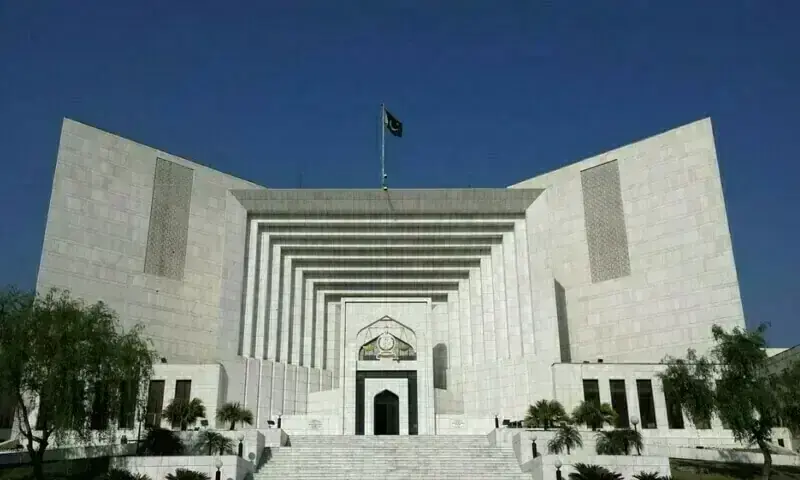
    ISLAMABAD: The Supreme Court (SC) on Monday granted post-arrest bail to four suspects arrested in a case relating to the alleged illegal purchase and sale of human placentas.

    A two-member bench, headed by Justice Shahzad Ahmad Khan and comprising Justice Aqeel Ahmed Abbasi, granted bail to three Chinese nationals and a Pakistani citizen arrested by the Federal Investigation Agency’s (FIA) Corporate Crime Circle (CCC) in Islamabad.

    The case was registered under Sections 11 and 12 of the Transplantation of Human Organs and Tissues Act, 2010, read with Sections 420, 34 and 109 of the Pakistan Penal Code (PPC), on a complaint by Hina Kanwal, a medical officer at the Human Organ Transplant Authority (HOTA), Islamabad.

    Deputy Attorney General Raja Shafqat Abbasi told Dawn that, acting on credible information about the illegal collection, processing, storage and commercial trade of human placentas, a joint team of the FIA’s CCC and HOTA raided a house in Islamabad’s Sector F-7/1.

    The premises, which appeared to be a private residence, had allegedly been converted into an unauthorised facility for the collection, processing, preservation, packaging and storage of human placentas intended for commercial purposes.

    Following the identification of the location by the suspects, a second raid was conducted in Sector E-11, where a substantial quantity of human placentas was recovered from refrigerators.

    During searches at both locations, around 400 to 500 kilogrammes of human placentas, in fresh and dried forms, were recovered. Samples were subsequently sent to the Pakistan Institute of Medical Sciences (Pims) for forensic examination.

    Furthermore, a shipment weighing 580kg, allegedly misdeclared as sheep placenta and booked for export to Hanoi, Vietnam, was intercepted at the SAPS Shed of Islamabad International Airport (IIAP). The shipment had been booked by Hair Traders, a company owned by a Faisalabad resident.

    The total recovery in the case amounted to 1,241kg, including the material seized from F-7/1 and E-11, as well as the airport shipment, he said.

    According to the preliminary investigation, the suspects were allegedly acting in connivance with one another and were involved in the illegal collection, preservation, storage, processing, packaging and export of human placentas for commercial gain. The recovered placentas were allegedly being misdeclared as sheep placenta for export.

    The investigation further revealed that the placentas were mainly procured through a resident of Dhok Jabbi, Rawalpindi, who worked for Arrar Innovations, a Punjab-based company involved in hospital waste management at Rawalpindi’s Benazir Bhutto Hospital.

    Further investigation is underway to determine the extent of the alleged illegal network, trace its financial trail and export chain, and establish whether Customs officials or personnel from other departments were involved, Abbasi said.

    The deputy attorney general argued before the court that the placenta fell within the definition of a “human organ” under Section 2(e) of the 2010 Act.

    Under Section 11, commercial dealings in human organs are prohibited and punishable by up to 10 years’ imprisonment and a fine of Rs1 million, he said. He further stated that, being foreign nationals, the accused were apprehended to be a flight risk.

    However, the court observed that the placenta, being waste material, constituted a case of further inquiry and granted bail to each accused against bail bonds of Rs1 million, each backed by two local sureties.

    In July, FIA was reportedly investigating a syndicate suspected of smuggling human placenta from hospitals to produce anti-ageing injections. Later that month, a district and sessions court rejected the post-arrest bail applications of the four suspects arrested in the case.

    Rich in protein, iron and fat, placenta is believed by some to be nutritious even for adults, and has been made into pills and injections thought to help with tissue regeneration.

    According to gynaecologist Sadaf Tariq, there are strict regulations governing the disposal of placenta, which is considered “highly infectious medical waste”.

    Source: dawn

  • 13-year-old girl’s murder case: Islamabad court grants police 4-day physical remand suspects

    13-year-old girl’s murder case: Islamabad court grants police 4-day physical remand suspects

    ISLAMABAD: A judicial magistrate in Islamabad granted police four-day physical remand of two suspects — a woman and a seminary teacher — arrested over the death of a 13-year-old girl, who was allegedly subjected to violence at the residence of a Federal Investigation Agency (FIA) director’s residence.

    The suspects were presented before Judicial Magistrate Naima Iffat at the district and sessions court in Islamabad by police, who sought their eight-day physical remand.

    The investigating officer argued before the court the suspects’ remand was required for further interrogation to make progress in the investigation.

    However, the court approved four-day physical remand of the suspects after initially reserving its decision on the police request.

    The suspects were arrested on Sunday after a first information report (FIR) was registered under Section 302 (intentional murder) of the Pakistan Penal Code at the Shams Colony police station on the complaint of the 13-year-old girl’s father.

    In the FIR, the father said he was a resident of Rahim Yar Khan and his daughter, who was a student at a seminary, was “residing with his close relatives” in Police Lines Headquarters located in Islamabad’s sector H-11.

    The complainant claimed he was informed in the morning that his daughter “suddenly fell ill and was taken to hospital”, but she died. The father requested that police establish the reasons for what he described as a “murder” and sought action “against the suspects”.

    The FIR stated that there were “signs of torture” on the girl’s body.

    Further details about the case remain unclear.

    Source: dawn

  • Lawyers submit affidavits detailing Nov 11 meeting with Imran, Bushra at Adiala jail

    Lawyers submit affidavits detailing Nov 11 meeting with Imran, Bushra at Adiala jail

    ISLAMABAD: Lawyers representing former prime minister Imran Khan and his wife, Bushra Bibi, have submitted affidavits to the Islamabad High Court (IHC), detailing their Nov 11 meeting with the incarcerated couple at Adiala jail.

    Meanwhile, Bushra has filed a fresh criminal miscellaneous application seeking the production of her complete medical record before the court and directions for her immediate transfer to a specialised hospital.

    The application, filed under Section 561-A of the Code of Criminal Procedure in Criminal Appeal No. 64 of 2025, seeks to place additional facts concerning Bushra’s deteriorating eyesight, alleged deficiencies in medical facilities and unhygienic conditions at Adiala jail on the judicial record.

    The application was diarised at the IHC on Nov 16, 2026, under diary number 22497/2026. It has been filed in connection with her pending appeal against her conviction in the £190 million Al-Qadir Trust case.

    Senior Advocate Sardar Muhammad Latif Khosa and Barrister Salman Safdar, who represent Imran and Bushra, submitted separate affidavits recounting their approximately three-hour meeting with the incarcerated couple on Nov 11.

    According to the affidavits, the meeting was arranged pursuant to an order passed by the IHC on November 10, directing the jail authorities to facilitate a meeting between Imran, Bushra and their lawyers at Adiala jail.

    The lawyers stated that they met the couple from 4pm to 7pm. During the first hour, Imran conveyed his instructions regarding the pending legal proceedings and his medical condition, while the subsequent discussion focused on Bushra’s deteriorating eyesight and the medical complications she was facing.

    The affidavits stated that Bushra informed the lawyers that she had been diagnosed with a mature cataract and that another surgery was scheduled to be performed on or around November 15, 2026.

    She also removed her dark grey sunglasses and showed the condition of her eyes to both lawyers, informing them that, according to the attending doctors, oil needed to be extracted from her eye.

    The lawyers stated in their affidavits that Bushra complained of severely impaired vision in both eyes following her previous surgical procedure. She also told them that she could see only to a limited extent while wearing spectacles and was virtually unable to see without them.

    Even with spectacles, she could perceive the lawyers sitting in front of her merely as indistinct dark objects, while her field of vision remained restricted to objects directly in front of her. She was unable to properly see objects on either side and had to estimate the position of objects and obstacles while moving around.

    The affidavits further stated that the former first lady had been experiencing persistent eye pain for several days and was taking two tablets each of Panadol and Tonoflex daily for pain relief.

    She also complained that despite repeatedly informing the jail authorities about the pain, specialist doctors attended to her only after a delay of approximately seven to eight days.

    According to the affidavits, the attending doctors had cautioned her that any infection following the impending eye surgery could result in complete and permanent loss of her eyesight.

    The lawyers also brought to the court’s notice the alleged unhygienic conditions of the room in which Bushra is confined at Adiala jail.

    According to the affidavits, she informed them that although she was accommodated in a large hall-type room, its sanitary conditions were seriously deficient.

    She alleged that rats and mice frequently entered the room, which was also infested with cockroaches, centipedes and other insects. As many as seven small snakes had reportedly been found inside the room and were subsequently killed and removed by a jail employee identified as Sibtain. The affected portions of the room were later cemented, according to the affidavits.

    Bushra also complained of frequent insect bites and resultant skin rashes, expressing apprehension that the unhygienic environment could expose her to an infection following eye surgery.

    The affidavits further stated that the duty medical officer at Adiala jail was a gynaecologist rather than an ophthalmologist, raising concerns about the availability of specialised eye care at the prison.

    Bushra further informed the lawyers that she had experienced bleeding following her previous surgery, which she attributed to unhygienic living conditions, inadequate medical supervision and a lack of specialised medical expertise.

    The fresh application states that Bushra had previously approached the IHC through a criminal miscellaneous application, seeking directions for the production of her complete medical record and provision of appropriate medical treatment.

    However, the applicant contends that an earlier meeting with her lawyer on Nov 2, 2026, lasted only around 40 minutes after a gap of approximately 11 months, leaving her unable to explain the full extent of her medical complications.

    The application also refers to a report submitted by the Islamabad advocate general to the Supreme Court on Aug 17, 2026, regarding the medical treatment provided to Imran and Bushra.

    According to the application, medical records furnished by the Adiala jail superintendent had revealed that Bushra’s eye condition required urgent medical intervention. Consequently, she had twice been taken outside the prison for surgery and medical examination.

    The application further claimed that during the Nov 2 meeting, Bushra complained that she was unable to tolerate sunlight or artificial light and had difficulty opening her eyes and seeing clearly.

    She also expressed dissatisfaction with the medical treatment being provided at the jail and said she wanted to be examined and treated by doctors of her own choice.

    The application alleges that despite medical advice recommending major surgery, the jail authorities had not provided Bushra, her family or her legal team with the relevant medical notes, diagnostic reports or prescriptions. Instead, they had verbally informed them about the need for another major surgical procedure around Nov 15 and the risk of permanent loss of eyesight if it was not performed.

    In her latest criminal miscellaneous application, Bushra has requested the court to take on record the additional facts and circumstances disclosed during the Nov 11 meeting and consider them alongside the grounds raised in her earlier application.

    She has specifically sought directions for the respondents, including the state, Adiala jail superintendent, deputy superintendent and NAB chairman, to produce her complete medical record before the court.

    The applicant has also requested the court to ensure the timely provision of all necessary medical and surgical treatment and direct her immediate transfer to a specialised hospital for appropriate medical care.

    The application maintains that the additional facts concerning her deteriorating eyesight, impending surgery and conditions inside the jail warrant urgent judicial intervention to protect her health and prevent irreversible loss of vision.

    Source: dawn

  • Rocket from Boeing-Lockheed firm fails mid-flight, destroys payload of Amazon satellites

    Rocket from Boeing-Lockheed firm fails mid-flight, destroys payload of Amazon satellites

    A Vulcan rocket owned by United Launch Alliance, the joint venture of Boeing and Lockheed Martin, failed on Sunday shortly after liftoff from Florida, destroying its payload of 40 satellites from Amazon’s Leo internet network in the launch company’s first mission failure.

    The rocket failed roughly 10 minutes after liftoff from the Cape Canaveral Space Force Station in Florida, and the cause was not immediately clear. It represented a major setback for the two-decade-old company’s new flagship rocket as ULA sought to begin a regular cadence of launches for Amazon’s burgeoning satellite internet constellation.

    “Based on data received by our Launch Director, we confirm that the Vulcan vehicle launched from Space Launch Complex 41 suffered an anomaly 10 minutes into the flight and failed to deliver the Amazon mission to orbit,” ULA said in a statement.

    “Every flight generates data, and every flight teaches us something. Since the anomaly just occurred, we don’t have any specific data yet to understand what occurred today,” ULA said.

    The failure is expected to lead to a lengthy technical investigation that would keep the rocket off the market for months. This could deepen a US launch bottleneck brought on by other rocket mishaps and challenges across the industry as well as the looming retirement of SpaceX’s Falcon 9, the world’s most active rocket. SpaceX is no longer accepting bookings for the Falcon 9.

    “There is risk with any launch, and that’s especially true for inaugural missions like LV-01,” Amazon said in a statement, referring to the name of Sunday’s mission.

    “ULA has been a trusted partner for Amazon, and we believe they’ll learn from this mission and deliver on their long-term plans for Vulcan.”

    The Sunday flight was Vulcan’s fifth since its 2024 debut and first in nine months, following a launch hiatus drawn out by separate technical investigations into its solid rocket side boosters and its core BE-4 engines, which are supplied by Amazon founder Jeff Bezos’ Blue Origin space company.

    Blue Origin is working with ULA in the investigation into Sunday’s failure, according to a person familiar with the matter who spoke on condition of anonymity.

    The boosters were being scrutinised for issues encountered on Vulcan’s last two flights, including a mission in February for the US Space Force. Both missions successfully delivered their payloads to orbit, but the Pentagon had not yet approved the rocket to resume flying national security payloads, pending its performance with the Amazon mission on Sunday.

    Blue Origin’s New Glenn rocket with the BE-4 engine had a launchpad explosion in May, and its investigation determined the engine was the cause. That led the company to modify those delivered to ULA for Vulcan, ULA spokesperson Jessica Rye told Reuters in August.

    It was unclear if the BE-4 engines played a role in Sunday’s mission failure. It appeared to occur after the separation of Vulcan’s second stage, the portion carrying the Amazon satellites, from the first-stage booster powered by the BE-4 engines.

    ULA was formed in 2006 in a merger of Boeing’s Delta rocket program and Lockheed Martin’s Atlas rocket program. The company had embraced what was a 100 per cent mission success record ever since. Its Delta and Atlas rockets had only suffered a handful of failures in the decades before the merger.

    Amazon’s elusive access to space

    The failure is another setback for Amazon as it races to deploy satellites using third-party launch providers, many of which have had groundings and failures. The New Glenn explosion in May happened days before it was due to launch Amazon Leo satellites.

    The rocket failures have persistently held up Amazon’s bid to rival SpaceX’s vast Starlink internet network, which has more than 11,000 satellites and millions of customers worldwide.

    SpaceX’s wide lead over its satellite rivals is due in part to the advantage of having its own rocket to launch its satellites, while other companies spend billions of dollars on external launches.

    Since 2025, 398 Leo satellites have been deployed across 14 launches, about 12pc of the 3,236 satellites Amazon needs for global service coverage. The company has hoped to start initial internet service this year.

    Source: dawn