Category: dawn news

  • West Bank’s displaced Palestinians hold little hope for post-Netanyahu era

    West Bank’s displaced Palestinians hold little hope for post-Netanyahu era

    After Israeli forces pushed him and thousands of others out of the West Bank refugee camp of Tulkarem last year, Adel Darsieh held onto his hope of returning home, but it is fading fast.

    Prime Minister Benjamin Netanyahu has vowed no return for the displaced people from the camp near the northern city of Jenin, claimed to be a hub for Palestinian fighters.

    He is now fighting for his political life after his party lost seats in Israel’s general election last month and former general Gadi Eisenkot was tasked with trying to form a new government.

    But even the prospect of an end to Netanyahu’s rule is not enough to lift Darsieh’s hopes.

    “Whether it’s this government or a new one, what does it change?” said the 64-year-old.

    “They’re two sides of the same coin.”

    The Israeli military carried out a major operation in the north of the occupied Palestinian territory in early 2025, during a temporary ceasefire in Gaza, having vowed to root out alleged fighters.

    Shortly before the election, Netanyahu announced that no one removed from Tulkarem would be allowed back.
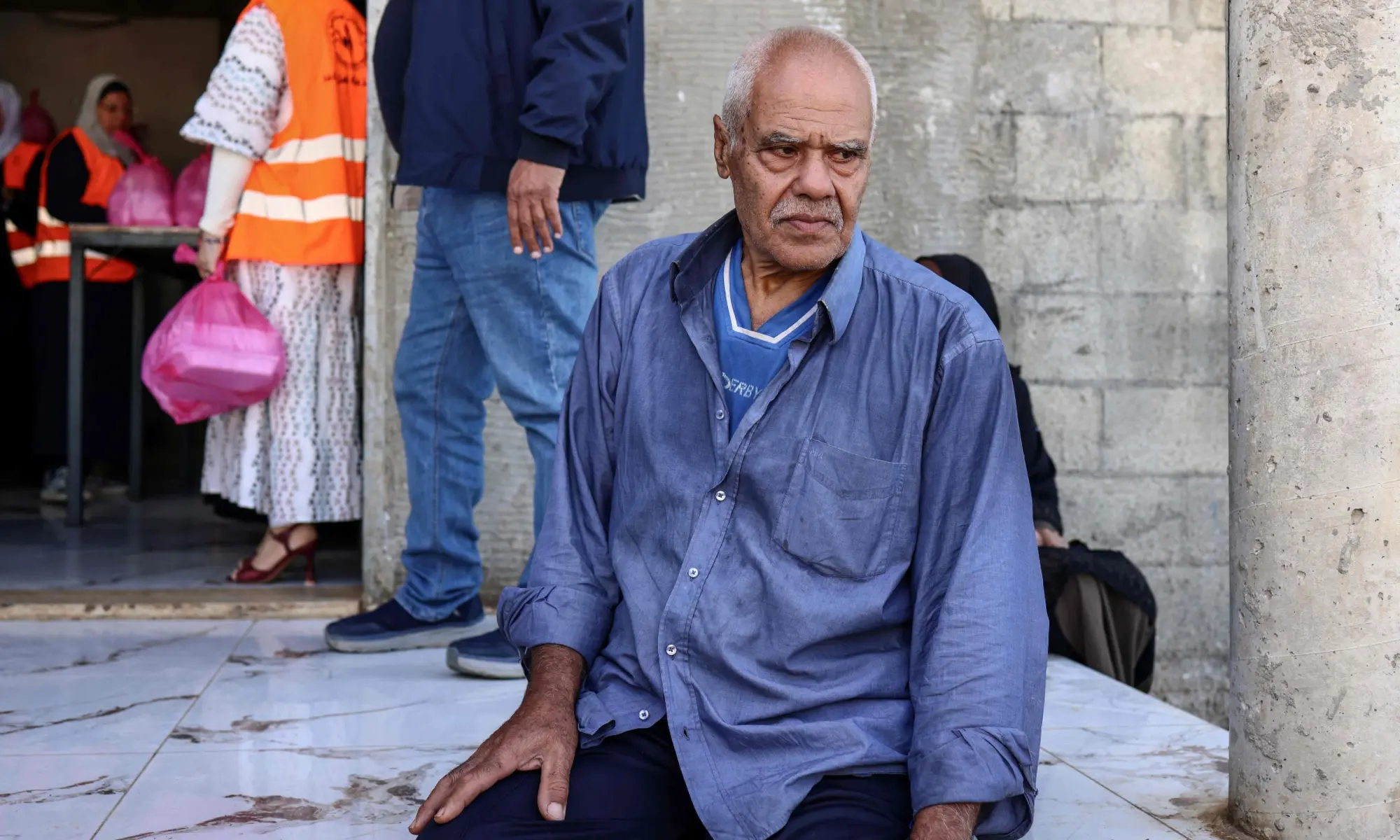
    Displaced Palestinians from Tulkarem refugee camp wait outside a charitable association to receive food, near the city of Tulkarem in the Israeli-occupied West Bank, on November 11, 2026. —AFP
    Displaced Palestinians from Tulkarem refugee camp wait outside a charitable association to receive food, near the city of Tulkarem in the Israeli-occupied West Bank, on November 11, 2026. —AFP

    For Palestinian families, it is a second form of displacement. The Tulkarem camp was set up in 1950 for refugees who fled or were forced out during the creation of the state of Israel two years earlier. The West Bank has been occupied by Israel since 1967.

    “Successive generations have lived through displacement without being able to return to their homes. If our grandparents and parents couldn’t return, how can we believe that our return will be possible?” Darsieh said.

    According to UN figures, the Israeli operation launched last year displaced 12,100 people from the Tulkarem camp.

    ‘Empty stomachs’

    With the Israeli military keeping up periodic operations around the region, Darsieh is living near the camp in a modest, makeshift home with a sheet metal roof. His wife uses a wheelchair.

    He went to receive trays of mansaf, a dish of rice, meat and fermented yoghurt, prepared by Fazaa Kitchen, a solidarity group that serves food to the displaced.

    Working from the building of the Wadi al-Hawarith charity, volunteers in orange jackets fill, seal and package portions of food in an assembly line.

    The group prepares and distributes some 1,200 meals to 400 families.

    “If we weren’t cooking, families would be going to bed with empty stomachs,” said the organisation’s head, Hussein al-Sheikh Ali, 60, who himself is displaced.
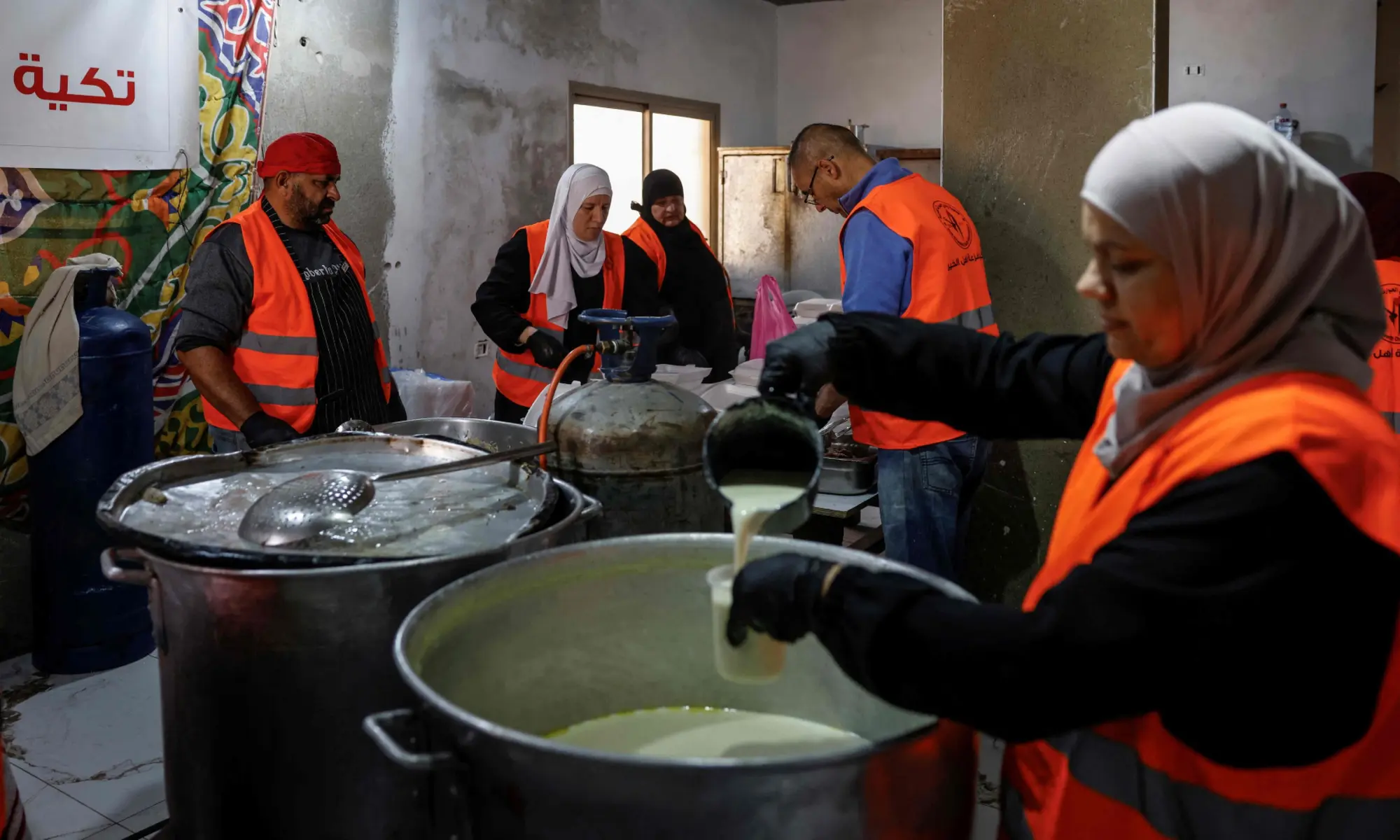
    Members of a charity project prepare meals for internally displaced Palestinians from Tulkarem refugee camp, near the city of Tulkarem in the Israeli-occupied West Bank, on November 11, 2026. —AFP
    Members of a charity project prepare meals for internally displaced Palestinians from Tulkarem refugee camp, near the city of Tulkarem in the Israeli-occupied West Bank, on November 11, 2026. —AFP

    He described Israel’s actions in the West Bank since the Gaza war as “collective punishment”.

    Netanyahu’s caretaker government, which includes far-right figures, rapidly expanded Israeli settlements in the West Bank which are considered illegal under international law.

    “Some Palestinians hope that a new Israeli government might emerge with a less extremist, more moderate tone,” Ali said.

    “Yet the fear remains that the same policies towards the Palestinians will persist, even if the political figures themselves change.”
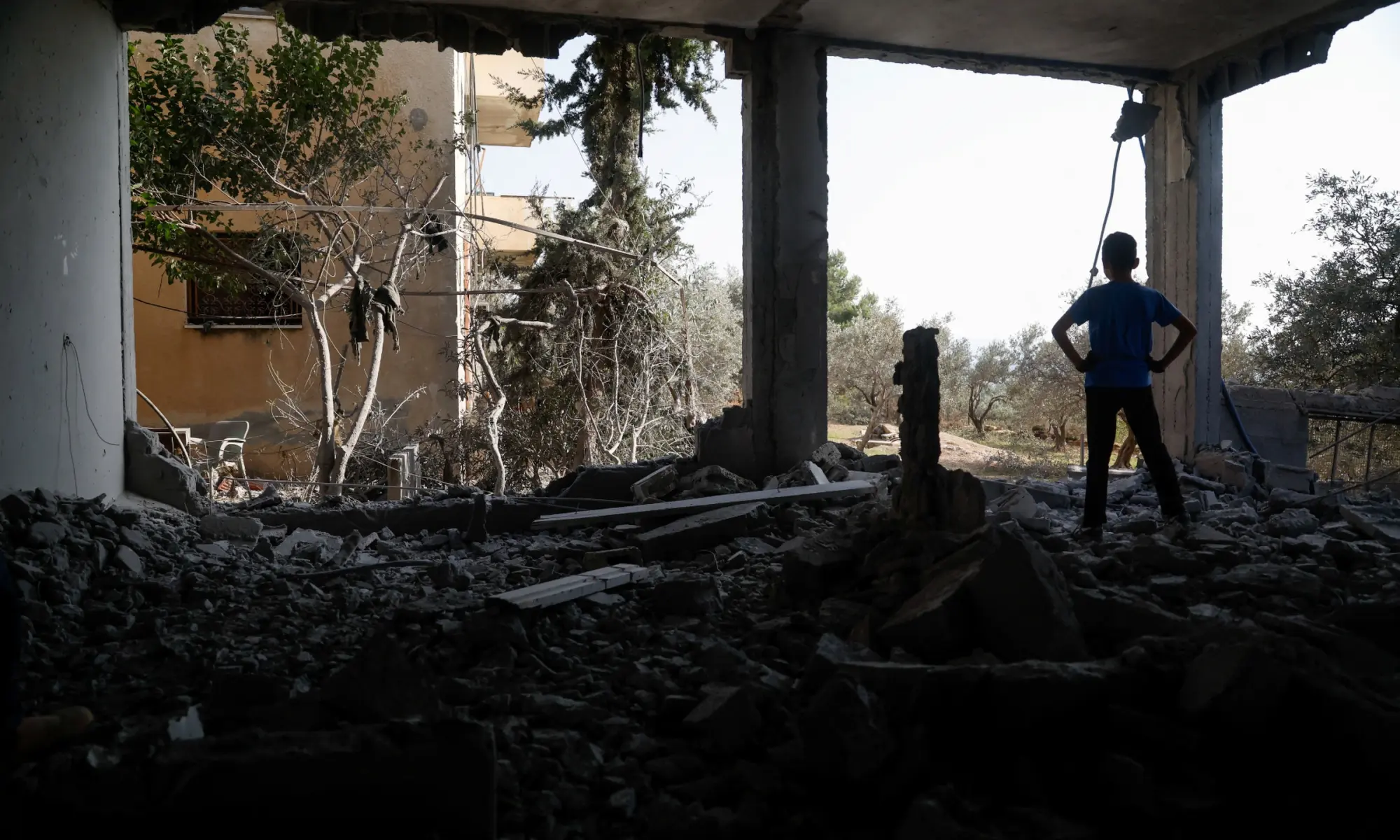
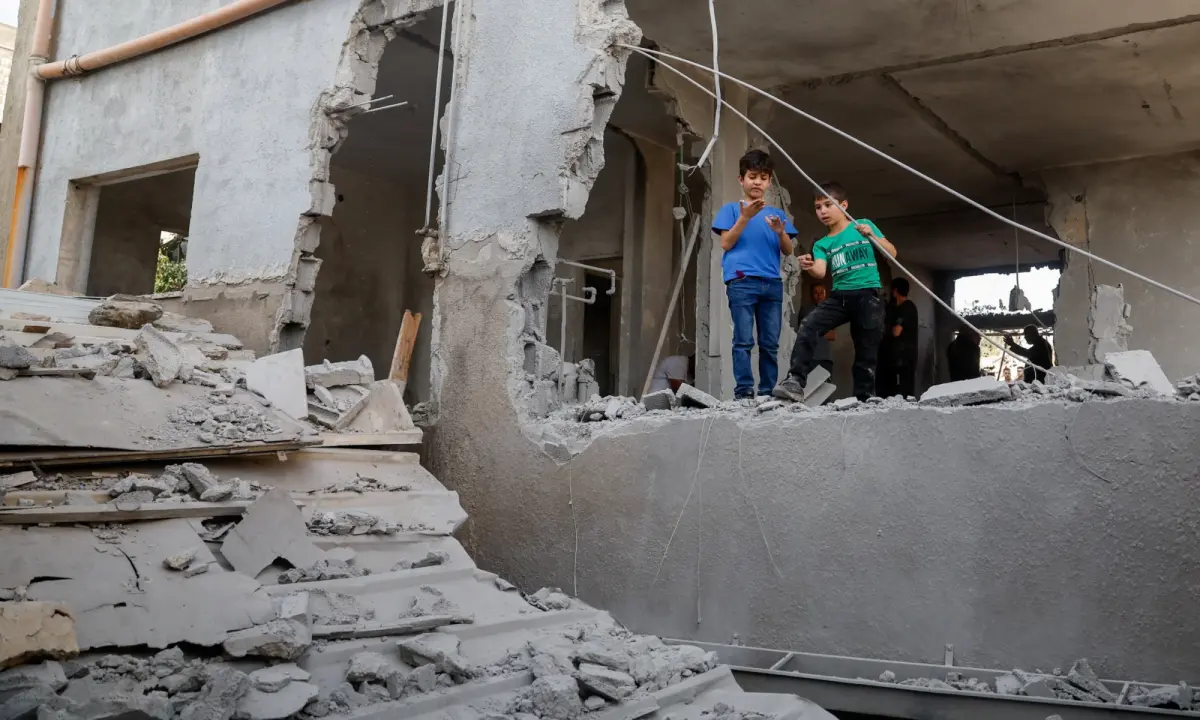
    A child stands in the remains of the house of a Palestinian who was accused of possessing a rocket, according to his family, after it was demolished by Israeli forces, in Kafr Nima, near Ramallah, in the Israeli-occupied West Bank on November 16, 2026. —Reuters
    A child stands in the remains of the house of a Palestinian who was accused of possessing a rocket, according to his family, after it was demolished by Israeli forces, in Kafr Nima, near Ramallah, in the Israeli-occupied West Bank on November 16, 2026. —Reuters

    Faisal Salama, who heads Tulkarem camp’s popular committee, which represents residents, called Netanyahu’s decision to stop residents returning illegal.

    But he held out guarded hope for an end to military operations. He pointed to how Israel, soon after the election, ended an operation in Hebron that displaced 3,000 Palestinians, which was launched after gunmen shot dead two Israeli soldiers.

    ‘Scale of suffering’

    Even if residents could return, much of the camp has been destroyed. Houses have been razed, buildings emptied and businesses burnt down.

    Eisenkot, who commanded forces in the West Bank during the second Intifada, a Palestinian uprising from 2000 to 2005, has sought to appeal to a broad spectrum, including liberals, but has only taken some distance from Netanyahu on security.

    Eisenkot backs the existence of the major settlements but has also spoken out forcefully against extremist settlers who have attacked Palestinians with virtual impunity.
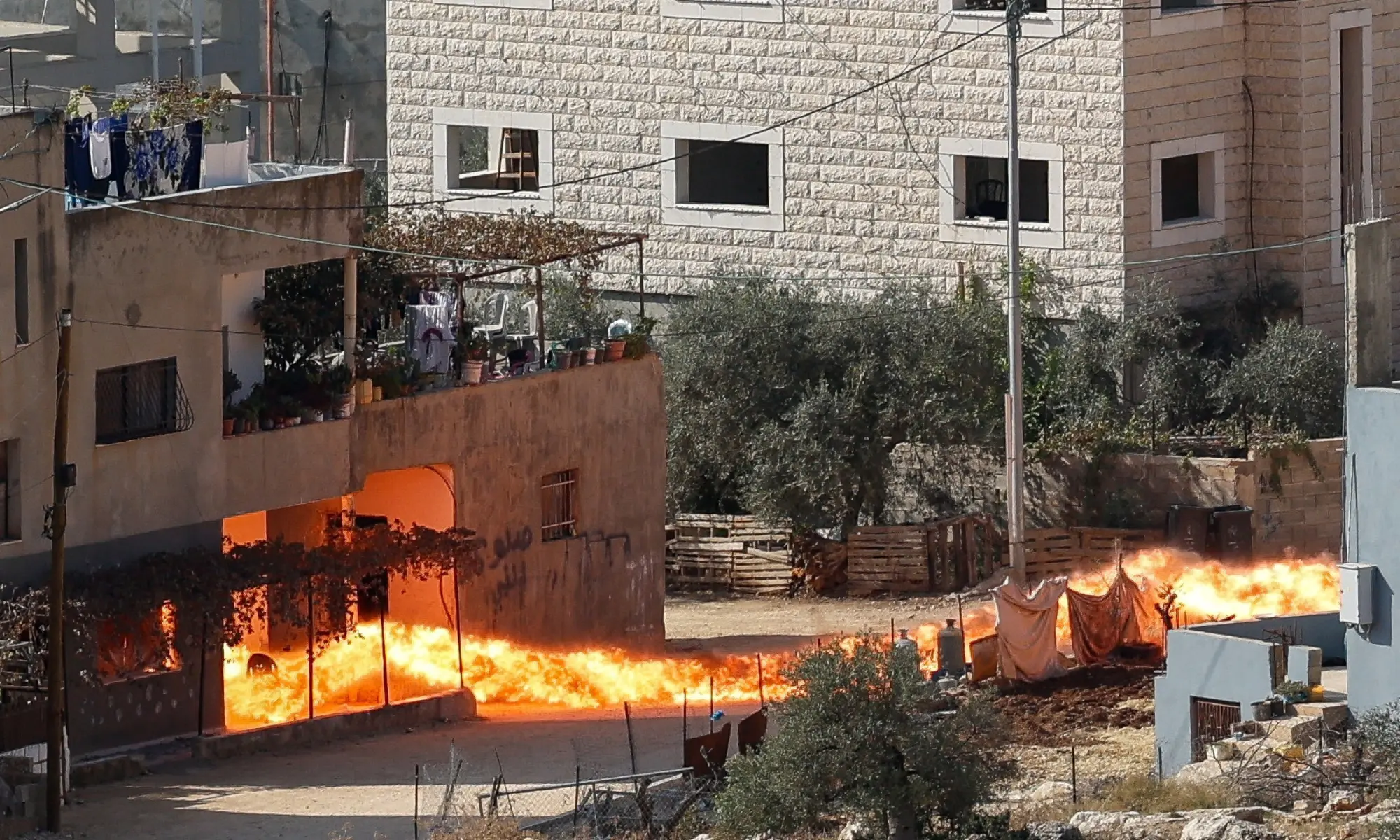
    Flames appear during an explosion as Israeli forces demolish the house of a Palestinian who was accused of possessing a rocket, according to his family, in Kafr Nima, near Ramallah, in the Israeli-occupied West Bank on November 16, 2026. —Reuters
    Flames appear during an explosion as Israeli forces demolish the house of a Palestinian who was accused of possessing a rocket, according to his family, in Kafr Nima, near Ramallah, in the Israeli-occupied West Bank on November 16, 2026. —Reuters

    Beth Oppenheim, a policy fellow at the European Council on Foreign Relations, said a consensus has emerged among Jewish Israelis on key policies on the West Bank, including opposition to the creation of a Palestinian state.

    Still, she said that Eisenkot as prime minister could be more flexible on allowing a return to Tulkarem.

    “I think that given the political atmosphere in Israel today, this will be done through a security pretext,” she said.

    “They would make the case that this is necessary to stabilise the situation in the West Bank and that having people displaced could create the conditions for unrest,” she said.

    For Asia Assaf, 44, a Fazaa Kitchen volunteer whose home was destroyed in March 2025, political debates are far away from her daily concerns.

    “One cannot truly grasp the scale of suffering until one has experienced it firsthand,” she said.

    Source: dawn

  • French cricket ‘dying’ as federation crisis and chaos deepens

    French cricket ‘dying’ as federation crisis and chaos deepens

    Cricket in France is at risk of disappearing altogether, less than two years before the sport makes its long-awaited Olympic return.

    The last, and only time that cricket was played at the Olympics was in Paris in 1900, where England beat France by 158 runs to win the gold medal.

    France will not be at the Twenty20 tournament at the 2028 Los Angeles Olympics, and cricket in the country is on the verge of “dying” due to a crisis within the country’s federation, Miriam Romero, a player and administrator, told AFP.

    Clubs suspended the national league this year as they try to force president Prebagarane ‘Prebou’ Balane to resign following a series of scandals.

    The organisation lost its recognition by France’s sports ministry early this year, while the International Cricket Council (ICC) in June suspended development funding and placed France Cricket on notice for “non-compliance with membership criteria”.

    This came after scandals such as ‘ghost’ women’s matches and development funding that was unaccounted for.

    “We must not let cricket die in France, it’s a shame,” Romero, who is president of the Paris regional cricket committee, told AFP.

    “If we don’t do anything (it will die).”

    Romero, who at 65 still plays, was previously on France Cricket’s finance committee and is also a director at Paris Universitaire Club (PUC), one of the main cricket clubs in France.

    She says PUC and other clubs have left France Cricket and are trying to set up a new national association to replace the existing structure.

    Others, though, simply want Balane to resign so they can resolve the governance issues that saw them lose recognition from the ICC and the sports ministry.

    According to the minutes of a board meeting in June, seen by the France 24 television station before it was deleted from the France Cricket website, Balane said he would resign on July 17.

    But board member Jubaid Ahamed said Balane had not fulfilled his promise.

    Despite repeated attempts by AFP to contact Balane and France Cricket, neither replied.

    The chaos led the main clubs in France Cricket’s domestic championship to suspend the competition in mid-August, meaning the season was never completed.

    They have had enough and their demands are simple: “Firstly, to change the president. Then, to restructure France Cricket by implementing more flexible rules to develop youth and women’s cricket,” Djega Sankaran, the former president of the Morangis club, south of Paris, said.

    He said he had resigned so he could speak freely without repercussions for his club.

    AFP spoke to the president of the France Gymkhana club, Rizwan Babri, the president of another club and the team manager from a third club who all confirmed they wanted Balane to resign and for France Cricket to be restructured.

    One person described Balane as acting like “God Almighty”, another accused him of treating the federation as “his private affair”.

    In November, 34 clubs — more than enough to reach the necessary one third threshold — asked France Cricket for an extraordinary general meeting to submit a motion of no confidence in Balane and the executive committee, but the president refused, in email responses seen by AFP.

    ‘Cry babies’

    The crisis had been brewing for some time.

    It began when France 24 broke an explosive story in 2023 about clubs in the country faking women’s matches, apparently so France Cricket could benefit from hundreds of thousands of dollars of ICC funding.

    The national women’s cricket team wrote an open letter demanding an investigation and accountability, but instead, France Cricket suspended them.

    “What was sad for us was that the men, the other clubs, did not support us,” Sabine Lieury, a former French women’s international and ex-president of Nantes Cricket Club, told AFP.

    “The cricket world didn’t want to rebel with the French girls to say that this was unacceptable.”

    Worst of all, the men’s national team accused the women of being “cry babies” and disloyal.

    “No one did anything, they kept playing to protect themselves.”

    But they changed their tune after France Cricket lost its ICC development funding and French government recognition.

    France Cricket have always denied that women’s ghost matches took place — Balane told the BBC in June that it had “never” happened.

    But that was not true. In fact, it was still happening last year.

    The problem was that the federation obliged clubs to set up a women’s team and threatened them with fines or even demotion if they did not fulfil fixtures.

    Some clubs tried, but there was not the necessary interest to do so in such a tight timeframe.

    “Everyone brought women’s teams one way or another, with cousins, but it was just to avoid Prebou’s sanctions,” said Sankaran, who was heavily involved in trying to develop cricket in the Ile de France region around Paris.

    “There were six people here, four people there. There were no (real) matches.”

    In the end, it was easier not to have a women’s team.

    “There were agreements between clubs: ‘You won’t get a fine and I won’t get a fine’. They made up the scores,” said Sankaran.

    “All the clubs made mistakes, me included.”

    ‘Not surprised’

    But those who were playing had always been suspicious.

    There were four teams in the French women’s first division at that time: Nantes, PUC, Lille and Lisses. But there were nine teams in the second division, and none were ever promoted.

    “How is it that every year, we never see someone coming from these second division teams?” said Lieury.

    “When the scandal broke, we were shocked, but at the same time, we said: ‘we’re not surprised, we’ve never seen these girls’.”

    Even in 2024 and 2025, only two clubs — PUC and AC Stains — could muster a full women’s team and genuinely fulfil fixtures.

    Tara Britton, a former Lisses and France player who subsequently joined PUC, said the only genuine match her new team played was against Stains.

    The other teams either did not turn up, did so without enough players, or wanted to play with a tennis ball rather than a cricket ball.

    The France Cricket website lists the results from 2024 and 2025 with PUC as the champions and Stains as the beaten “finalists”.

    But Britton said those seasons essentially amounted to a single match.

    And then there is the question of the ICC development funding.

    Numerous clubs told AFP that they never received any help from France Cricket. Sankaran said the organisation even refused to contribute to the purchase of a plastic wicket or cricket nets, offering only a loan instead.

    Source: dawn

  • Pakistan condemns Israeli attacks in Syria, calls for withdrawal from occupied territories

    Pakistan condemns Israeli attacks in Syria, calls for withdrawal from occupied territories

    WASHINGTON: Pakistan on Tuesday strongly condemned Israel’s continued attacks and incursions into Syrian territory, calling for an immediate end to the violations, withdrawal from occupied areas and full compliance with the 1974 Disengagement Agreement and relevant UN Security Council resolutions.

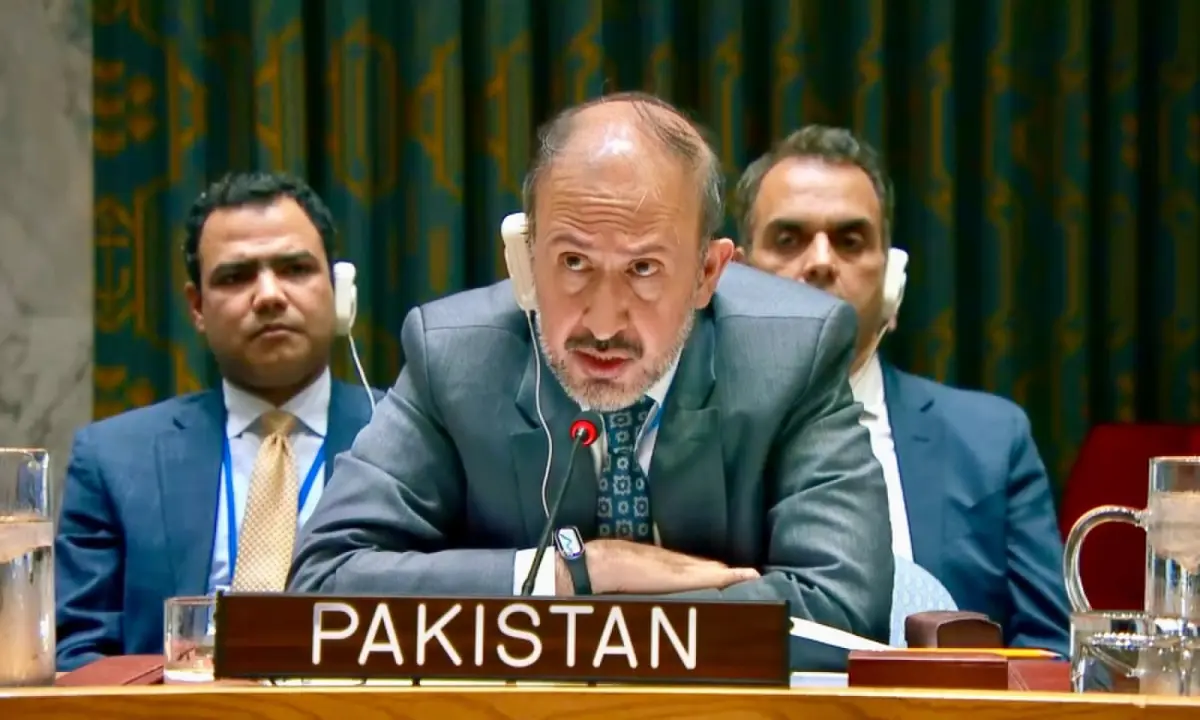
    “The occupied Golan is Syrian territory under international law,” Pakistan’s Permanent Representative to the United Nations, Ambassador Syed Haider Shah, told the Security Council.

    Speaking at a briefing on the political and humanitarian situation in Syria, Ambassador Shah said Israeli violations undermined Syria’s security and obstructed its recovery. He reaffirmed Pakistan’s support for Syria’s political transition, reconstruction and efforts to restore stability.

    “Syria’s transition continues despite considerable challenges and a complex regional environment,” he said, adding that the progress achieved by the Syrian government deserved recognition and sustained support.

    Pakistan welcomed the Syrian government’s efforts to advance the political transition, rebuild national institutions and strengthen engagement with regional and international partners.

    Ambassador Shah said consolidating the progress would require “patient political engagement, economic opportunities and a secure environment.” He also appreciated the Syrian leadership’s emphasis on diplomacy and engagement in navigating the difficult regional environment.

    On the economic front, Pakistan welcomed measures taken by the United States, European Union and United Kingdom to lift or ease economic sanctions on Syria and facilitate its reintegration into the international economy.

    “These measures have opened important opportunities for economic investment and reconstruction,” the ambassador said, stressing that sustained international engagement was essential to translate sanctions relief into tangible economic recovery.

    Pakistan also welcomed investment and reconstruction initiatives undertaken by Syria and its regional and international partners. Their timely implementation, he said, could help restore essential services and ensure that Syrians experienced meaningful improvements in their daily lives.

    Ambassador Shah called for sustained humanitarian assistance, saying the scale of Syria’s needs required predictable support and effective cooperation with the Syrian government.

    On the political and security front, Pakistan supported continued implementation of the January 29 agreement to integrate security and administrative structures in north-eastern Syria into national institutions. It also welcomed the roadmap agreed by Syria, Jordan and the United States for Suwaidah, describing it as a viable path forward.

    The Pakistani envoy warned that Daesh, other terrorist groups and foreign terrorist fighters continued to pose a threat to Syria.

    “The threat posed by Daesh, other terrorist groups and foreign terrorist fighters requires continued vigilance,” he said, calling for coordinated counterterrorism cooperation in accordance with international law and relevant Security Council resolutions.

    He also welcomed the joint statement issued by Syria and Jordan on October 28 and their agreement to establish a joint security committee to examine the circumstances surrounding recent incidents and strengthen coordination against terrorist threats.

    Pakistan expressed regret over civilian casualties and appreciated the two countries’ commitment to preserving their close relations.

    The Security Council briefing also highlighted the continuing humanitarian dangers facing Syrians returning to their homes after years of conflict.

    UN Assistant Secretary-General for Humanitarian Affairs Mohamed Yahya told the council that landmines and other explosive remnants of war had killed at least 30 people, including 19 children, over the past month. More than 80 others, including 35 children, were injured.

    Yahya warned that the situation was not improving, with returning families facing growing risks from unexploded weapons. He also highlighted shortages in winter assistance and the financial constraints affecting UN humanitarian operations.

    The warning comes as nearly four million Syrians have voluntarily returned home since December 2024. Since October alone, another 60,000 internally displaced people and 18,000 refugees have returned. Yet more than 730,000 people remain in camps.

    Yahya said humanitarian partners had cleared more than 700,000 square metres of contaminated land during the first half of this year, but much more needed to be done as families returned. Recent flash floods have also displaced explosive ordnance into areas previously considered safer.

    Meanwhile, 2.4 million people are expected to need additional assistance this winter. The UN winter response plan, targeting more than 970,000 of the most vulnerable, is only 40 per cent funded. Nearly 200,000 displaced people and returnees are living in damaged shelters.

    “Time is running out,” Yahya warned.

    The humanitarian crisis is further compounded by the detection of poliovirus in two children in Deir Ez Zor. With the UN humanitarian appeal only one-third funded, the World Food Programme is halving its food assistance programme, while the UN Population Fund has closed 28 health facilities.

    Deputy Special Envoy for Syria Claudio Cordone welcomed the formal submission last week of the draft law on transitional justice, but stressed that justice must not be selective and that accountability must apply to crimes “regardless of the perpetrators or the victims”.

    Preparations for a permanent constitution and credible, inclusive elections require clarity on processes and timelines, he said, echoing the view that there is no time to waste.

    The World Bank estimates the cost of rebuilding damaged physical assets alone at $216 billion, Mr. Cordone noted, calling for sustained international support.

    Source: dawn

  • Peace prognosis

    Peace prognosis

    AFGHAN foreign and domestic policies are a curious mix of tribalism, revanchism and ideological confusion that shun human rights and statecraft in favour of support for terrorist groups based on Afghan soil that pose a clear danger to regional peace. Unfortunately, all attempts at positive engagement with the Afghan Taliban by Pakistan as well as regional countries have been scuttled due to Kabul’s lack of willingness to rein in terrorist outfits operating under its benign gaze.

    A belief has gained traction amongst the Afghan Taliban that their successful armed struggle against Nato/USA could also be emulated by their ideological comrades like Al Qaeda, IS-K, ETIM, the TTP etc in pursuit of their political objectives. Rooted in medieval notions of tribal honour and revenge, the regime offers a propitious environment for growth of terror networks. The flow of external funds into the Afghan regime’s coffers has encouraged the obduracy of the Taliban, which continues channelling these funds to its ideological allies, sustaining the vicious cycle of terrorism and crime.

    Afghanistan is acting as a generous host for terrorist outfits that use its soil to generate economic rents through narco-trafficking, ransom, and smuggling. These groups are confident that their base of operation and sources of income would remain protected under the Taliban. A mere look at the figures showing the funding of this terror haven by the unsuspecting international community indicates why Taliban-ruled Afghanistan remains a threat.

    Since August 2021, donors have confirmed paying $8 billion in humanitarian assistance to Afghanistan through various international organisations, with a further $3.78bn committed and $94 million pled­ged. Billions more were reportedly received by the Taliban regime in direct foreign grants. Western capitals remain the biggest financial contributors to Afghanistan.

    The Afghan economy is kept afloat by foreign patronage and narco-trafficking.

    Afghanistan imports goods worth around $12bn annually against exports of only $1.7bn, leaving an annual trade deficit of $10.3bn. It is intriguing how the Taliban regime is bridging $10.3bn every year. The answer lies in $17.5bn in foreign grants received since 2021, besides billions of dollars earned through narco-trafficking. It is clear evidence of an economy kept afloat by foreign patronage and narco-trafficking.

    But the biggest question is: should such a regime that hosts terrorist groups be kept afloat through the largesse of international donors who might soon feel the heat from violent groups based in Afghanistan? If the international community thinks it can wean the Afghan Taliban away from terrorists, it needs to have a look at Pakistan’s 17 sincere attempts through ministers, the national security advisor, special representative, and joint coordination committee interactions, besides internationally mediated parleys in Doha, Istanbul, Riyadh and Urumqi.

    The reason for Afghan obstinacy is hubris and ideological narcissism that are pampered through foreign indulgence, despite zero concessions by the Kandahar-based ruling clique on political inclusivity, women’s education and minority rights. Pakistan has tried bilateral channels and has exhausted relevant regional fora like the trilateral group (Pakistan, China and Afghanistan) where in 2023 the Afghan foreign minister agreed to stop the flow of terrorism from Afghan soil.

    The Moscow Format, which evolved out of a quadrilateral forum which was abandoned by the US after the Ukraine War, kept pressing the Afghan regime to abide by international counterterrorism obligations till its seventh meeting. However, it failed to elicit a positive response from the Taliban delegation during its eighth iteration at Mos­cow on Oct 5.

    The Taliban’s reluctance to even acknowledge the need to stop the ac­­tivities of terrorist groups from Afghan soil betrays a mindset that is sympathetic to these violent groups. This should be a clear message to countries like Russia that are giving space to the Taliban regime in pursuit of narrow security goals.

    The fact is that all development and connectivity goals like TAPI, Casa-1000, and Trans-Afghan Railway, as well as mines and mineral exploration in Afghanistan, would remain a pipe dream till the time the Afghan Taliban stop sponsoring terrorism.

    The proceeds from illegal mining go to support the Taliban’s military infrastructure. Moreover, since 2021, it has established thousands of madressahs against 269 modern schools, replaced 90,000 teachers with around 100,000 Taliban-aligned clerics, abolished 18 university disciplines, rewritten 200-plus subjects and banned 679 textbooks.

    Until the Taliban regime gives up its support for terrorism and provides verifiable guarantees to Pakistan, meaningful normalisation, regional connectivity and lasting stability will not materialise.

    The writer is a PhD from NUST.

    rwjanj@hotmail.com

    Published in Dawn, November 17th, 2026

    Source: dawn

  • Being civil to begin with

    Being civil to begin with

    THAT Pakistan is sending a minister to attend the SCO Civilisational Dialogue in New Delhi on Nov 20 should be applauded even if it’s not clear that this could be the proverbial ice breaker between the perpetually aloof neighbours. It is, however, worth hoping for.

    The agenda for a civilisational dialogue should be fun for the participants, although India’s decade-old Hindu revivalist government may drag its feet on the issue. Bilateral ties can still improve despite this handicap. Reports are circulating of cross-border trade also picking up — albeit discreetly — between India and Pakistan in recent days.

    Renowned political analyst Trita Parsi used a phrase to describe the options for a low-key US retreat from the war-torn Gulf region, which may be relevant for India-Pakistan ties. Parsi likened Donald Trump’s options for a face-saving pullout from his self-created mess to Swiss cheese. Sanctions on paper and holes inside, like the bubbles within a good Swiss cheese. The US could keep its formal sanctions on the books so the administration can publicly claim it is still maintaining pressure on Tehran. In reality, the enforcement is invisibly relaxed. Which is what might work, if nothing else does, for the South Asian neighbours — an unannounced, even surreptitious discarding of different stages of hostilities.

    Behind the scenes, in Parsi’s version of a workable Gulf resolution, the US gradually loosens its naval blockade and stops aggressively enforcing sanctions. This creates large “holes” in the economic pressure — much like the Swiss cheese — allowing Asian, Middle Eastern, and Gulf countries to resume trading with and investing in Iran without fear of US retaliation. At some opportune moment, even if the currently tense atmosphere results in another catastrophic flare-up, peace would be the only game in town, possibly giving credence to Trita Parsi’s face-saving device.

    The immediate trigger for the latest round of signalling, if it indeed adds up to some kind of undeclared rapprochement, springs from very practical and commonsensical exigencies that require all neighbours to collectively deal with the huge economic challenges dogging the world. The platform offered by the SCO has been used and abused by both sides in the past to launch verbal attacks on each other. Could the tide have turned?

    The agenda at hand for Dr Musadik Malik, Federal Minister for Climate Change and Environmental Coordination, representing Pak­is­tan at the meeting could present challenges as well as chances to resolve them. However, the lar­ger theme of a civilisational dialogue that brings all SCO members together may have to confront some predictable handwringing from India.

    An unannounced, even surreptitious discarding of different stages of hostilities could work for South Asia.

    The idea of civilisation imagines a palpable and unbroken link between the past and the present. In its understanding of India’s past, however, the Hindutva establishment in New Delhi has manufactured demons to comply with a narrow political agenda. Its search for a golden past requires changing names of streets, and identifying, abusing and occasionally lynching the conjured enemy.

    Pakistan has been through this motion in the past. That’s when schoolchildren were given controversial ideas about non-Muslims. An instructive moment came when a Muslim journalist from India who accompanied Atal Bihari Vajpayee on his visit to Pakistan in 1978 went with his colleagues to meet his cousins. At the emotional meeting, they also wanted to know discreetly if K.K. Katyal, Raghu Rai and Sumit Chakravarty were Hindu. “But they are just like us,” one cousin reportedly observed after being told of their Hindu identities.

    Today many centres in Pakistan are exploring and retrieving old names of their neighbourhoods with a view to restoring their Hindu or other non-Muslim identity. India, with the advent of Narendra Modi, is heading in the opposite direction. Mughal rule is being airbrushed from school curriculum.

    If more Indians could travel to Pakistan they would be able to see things similar to what I saw. A few days before the Lahore summit, I travelled with Sushma Swaraj and K.R. Malkani to the fabled Katas Raj Temple abutting the Lahore-Islamabad motorway. Malkani, an atheist, stood there looking amused as Swaraj dipped her hands into the sacred pond thought to have been used by the Pandavas during their exile. The caring way this temple and countless others have been preserved for Indian tourists will make more sense when people travel across the borders.

    This is not to say that minorities don’t face prejudice in Pakistan. Pakistani human rights activists have spoken strongly against forcible marriage of Hindu girls. The government has made some laws to deter the phenomenon but its impact is not uniformly felt.

    The prevalent bigotry on the Indian side finds state support often enough as it assumes the form of homes, mosques and churches being vandalised or bulldozed accompanied by the occasional lynching of individuals from minorities. There seems to be a competition between bigots from both sides.

    At the SCO dialogue, a two-day session will centre on civilisational and cultural expression, art and architecture, language and literature, and religious and philosophical traditions. Delegates will also deliberate on filing joint multinational nominations for Unesco World Heritage recognition based on centuries of shared cultural exchange. Much of this will be problematic for the current ruling dispensation in India.

    In 2015, it had dubiously rejected a Unesco plan to declare Delhi a World Heritage City encompassing Old Delhi with its Mughal-era icons and British-era Lutyens’ New Delhi.

    To conclude, a telling story from the Maldives where Muslim zealots set fire to a Pakistani pavilion during a 2011 Saarc event and India watched the mayhem without a word of camaraderie with Pakistan. The event involved a display of national cultural treasures by Saarc states. Pakistan showcased its Buddhist heritage with tableaux of relics from Moenjodaro’s Indus civilisation. Extremists set fire to the Pakistan pavilion. The SCO dialogue offers as good an occasion as any to make amends to this witless aloofness between the two.

    The writer is Dawn’s correspondent in Delhi.

    jawednaqvi@gmail.com

    Published in Dawn, November 17th, 2026

    Source: dawn

  • Punjab to sue Salik over graft claims against Maryam

    Punjab to sue Salik over graft claims against Maryam

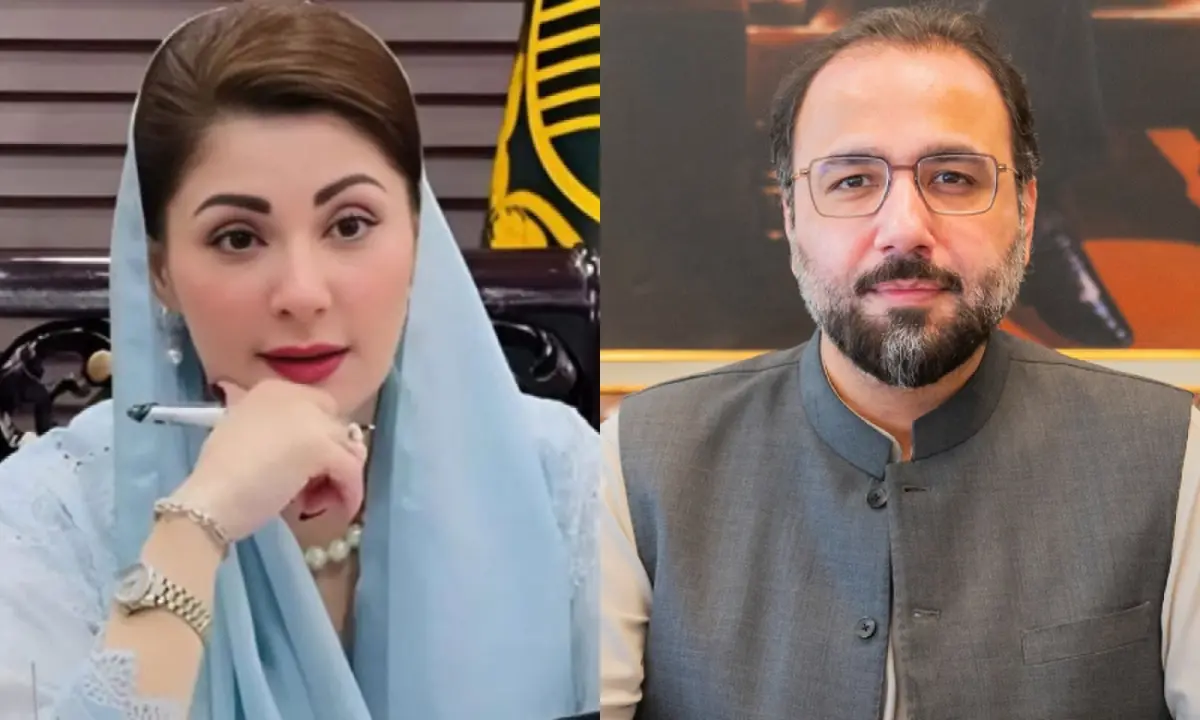
    LAHORE: After Federal Minister for Overseas Pakistanis Salik Hussain refused to retract his remarks against Punjab Chief Minister Maryam Nawaz in response to her Rs5 billion defamation notice, the Punjab government on Monday announced plans to take him to court for “defaming” her government.

    In his reply, Salik said he would defend his position before any legal forum and would neither withdraw his remarks, nor apologise to the chief minister.

    In a parallel development, Salik, the younger son of PML-Q chief Chaudhry Shuj­aat Hussain, served a defamation noti­­­ce on Punjab Information Minister Azma Bokh­ari, accusing her of making “false and damaging statements” that portrayed him as seeking to influence the appointment of the deputy commissioner of Gujrat.

    “Since Salik is not withdrawing his ludicrous allegations of corruption against the Punjab government as he has no evidence, CM Maryam Nawaz will take him to the court of law for defaming her government,” Ms Bokhari told Dawn.

    She dismissed the “proof of corruption” Salik had attached to his reply.

    “Salik gave an interview on Nov 2 but the auditor general’s report was issued on Nov 10. In his own ministry, Salik got Rs11bn in 2024-25, of which Rs7bn related to audit paras. If that is corruption, then what defence does he have to offer?” Ms Bokhari asked. She said she would respond to his defamation notice after receiving it.

    Ms Maryam is reportedly furious with the PML-Q leader for alleging that he regularly received complaints of corruption in Punjab and criticising lavish government spending, particularly the use of an official aircraft.

    Minister refuses to retract his remarks, apologise to CM; also serves defamation notice on Azma Bokhari

    Both the chief minister and the information minister had challenged Salik to resign. However, the Punjab government has not asked his elder brother, Shafay Hussain, who is part of Ms Maryam’s cabinet, to step down.

    Reply to CM’s notice

    In the reply filed through his counsel, Salik rejected the chief minister’s

    legal notice, saying it had no legal or factual basis.

    The reply argued that governments and public authorities could not initiate defamation proceedings and that a public office-holder could not bring such an action on behalf of the government.

    It maintained that Salik’s remarks were an expression of opinion on matters of public interest, not defamatory assertions of fact.

    In support of his position, he referred to CM Maryam’s public acknowledgements of corruption in Punjab, including in the police, health, anti-corruption and revenue departments, as well as offices resp­onsible for issuing NOCs and permissions.

    The PML-Q leader said he would not be intimidated or silenced and could seek damages of up to 10 times the Rs5bn claimed by the chief minister, taking his counterclaim to Rs50bn.

    Notice to Azma

    In his notice to Ms Bokhari, Salik obj­ected to remarks she posted on

    her official X account, alleging that they had damaged his personal and political reputation.

    The controversy stems from a separate interview the minister for overseas Pakistanis gave on Sept 25, in which he commented on governance, administrative affairs, development spending and alleged corruption in Punjab.

    The interview prompted CM Maryam to serve him a Rs5bn defamation notice, demanding an apology.

    Both the chief minister and the information minister alleged that Mr Salik’s displeasure stemmed from his request to appoint a deputy commissioner of his choice in Gujrat being turned down.

    Mr Salik’s notice argues that his remarks could not have been a reaction to the transfer of the deputy commissioner of Gujrat on Oct 31, more than a month after the interview was recorded.

    It alleges that Ms Bokhari deliberately linked his criticism of the provincial government to the transfer, creating the impression that he had levelled allegations because his preferred candidate had not been appointed.

    He has given Ms Bokhari seven days from receipt of the notice to withdraw the allegations, tender an unconditional apology with the same prominence as the original statements, and remove the disputed content from her social media accounts and channels.

    Published in Dawn, November 17, 2026

    Source: dawn

  • Tensions ease after PPP man prevails in Diamer re-polling

    Tensions ease after PPP man prevails in Diamer re-polling

    • Consolidated results finally issued after over 24-hour delay
    • PPP, IPP supporters blocked KKH in Diamer for 10 hours

    GILGIT: A controversy over re-polling in Gilgit-Baltistan Assem­bly constituency GBA-16 Diamer-II was finally put to rest on Monday night, after the GB Election Commission declared PPP candidate Attaullah Shah as victorious, with a margin of 85 votes.

    According to the final consolidated result (Form 49), he secured 6,758 votes against 6,673 garnered by his rival, Imam Malik of the Istehkam-i-Pakistan Party (IPP).

    Re-polling at three polling stations was completed on Sunday. However, official Form 47 results for two stations were not issued until Monday night.

    It may be recalled that Mr Malik had contested GB Assembly general elections as an independent candidate, but later joined the IPP.

    Earlier in the day, supporters of both men had blocked the Kara­koram Highway (KKH) at different locations in Diamer for around 10 hours, amid claims of rigging and irregularities in the polls.

    Police also claimed to have rec­overed a ballot box allegedly snat­ched from the Wora female polling station. However, polling and counting at the Wora female polling station remained incomplete amid reports of ballot boxes being snatched.

    Counting at the combined male and female polling station in Gechi was completed. According to Form 45, PPP candidate Attaullah Shah secured 427 votes, while IPP candidate Imam Malik received 53.

    The unofficial results of the Sarai female polling station showed that Mr Malik secured

    295 votes, while Mr Shah received 145 votes.

    Mr Shah’s supporters staged a protest in Gechi and blocked the KKH, demanding the issuance of official results for the two disputed polling stations. They called for the results to be declared without including the votes in the allegedly snatched ballot boxes.

    Addressing his supporters on Monday, Mr Shah said it was unjust that the results had not been announced despite his apparent victory. He said he had been struggling for the past six months and that his electoral right had been denied despite repolling, alleged rigging and other malpractices.

    He said ballot boxes from the Wora female polling station had been snatched on Sunday evening and returned after 10 hours, but the authorities were now seeking to include their votes in the counting process

    Mr Malik’s supporters also blocked the KKH in Chilas, demanding that a recovered ballot box from the Wora polling station be included in the counting process.

    Addressing the protesters, Mr Malik claimed that counting at the Wora polling station had been completed in the presence of police and polling staff. He said the results showed that he had secured 700 votes and won the election with a lead of 500 votes.

    Earlier on Monday, Chief Election Commissioner Raja Shahbaz Khan said he had sought reports from the district returning officer, returning officer and inspector general of police regarding the law and order situation that erupted at polling stations in Diamer on Sunday.

    He said the election code of conduct had been issued to both parties ahead of repolling and warned that strict action would be taken against anyone found responsible for violating it.

    Published in Dawn, November 17, 2026

    Source: dawn

  • Sindh showcases flood recovery; Centre pitches sewage overhaul at COP31

    Sindh showcases flood recovery; Centre pitches sewage overhaul at COP31

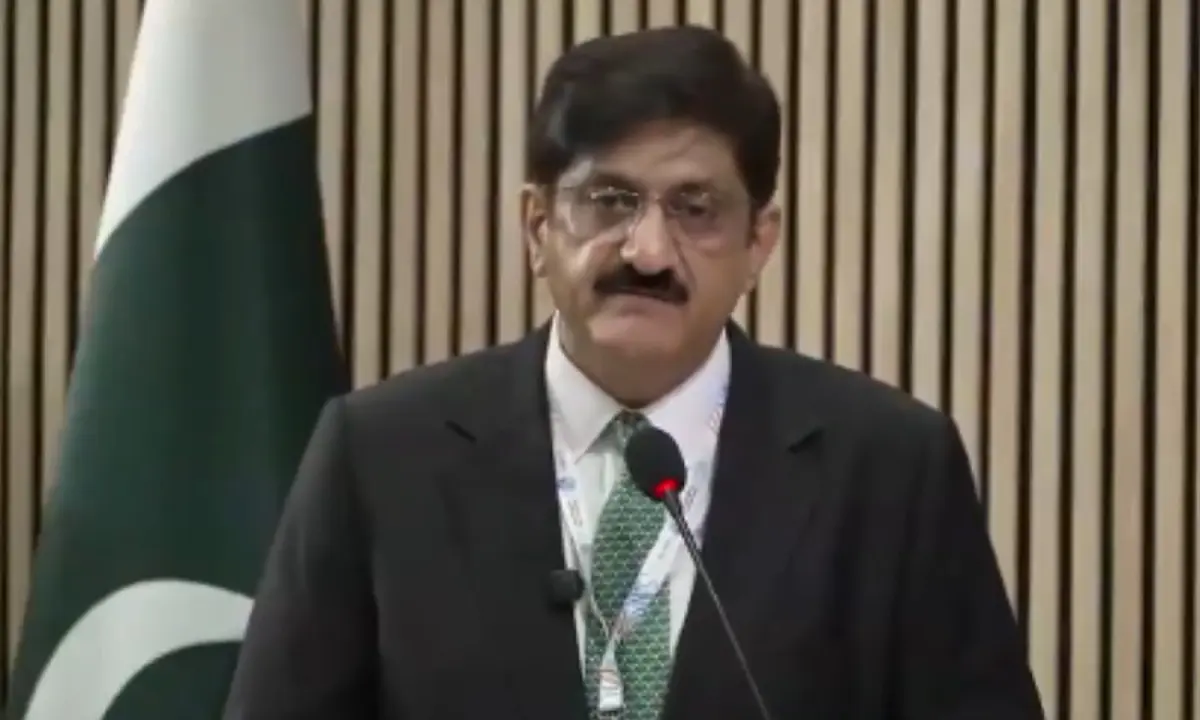
    ISLAMABAD / ANTALYA: Showcasing Sindh’s comprehensive climate resilience strategy at COP31, Chief Minister Murad Ali Shah on Monday called for stronger international cooperation, equitable climate finance and technology transfer, stressing that developing countries — despite contributing the least to global emissions – were shouldering the heaviest climate change burden.

    Delivering the keynote address during a session titled ‘Sindh’s Climate Action: Combating Climate Change’ at the Pakistan Pavilion, he said that in the wake of the devastating 2022 floods, his province had set a target of constructing 2.1 million climate-resilient houses for flood-affected families, making it the world’s largest post-disaster housing reconstruction initiative.

    The provincial government had adopted a strategy of rebuilding stronger and safer communities rather than merely repairing damaged infrastructure, CM Murad said, adding that one million houses had been completed within three and a half years, while another 700,000 were at different stages of construction.

    More than 42,000 community committees had been established, and over 1.7 million bank accounts had been opened for beneficiaries. Financial assistance was transferred directly to families, enabling them to construct their own houses, he said. He also highlighted that women had been given a central role in the rehabilitation process, through property ownership and financial empowerment.

    CM Murad sets out post-flood recovery on homes, barrages, embankments and mangroves; says vulnerable communities must not face climate crisis alone

    Regarding flood protection and infrastructure rehabilitation, CM Murad said Sindh had reconstructed 205km of protective embankments, restored 157,000 hectares of agricultural land and strengthened the Manchar Lake protection system, increasing its floodwater discharge capacity to 83,500 cusecs.

    All 44 gates of Sukkur Barrage had been replaced, while reconstruction of 54 out of 65 gates at Guddu Barrage had been completed, he noted, adding that Sindh aimed to complete the barrage rehabilitation and modernisation programme by next year.

    Simultaneously, the government is rebuilding 5,811 flood-affected schools, rehabilitating 141 roads covering 825 kilometres across 19 districts and restoring more than 1,000 damaged health facilities, with particular attention to maternal and child healthcare, he said.

    Highlighting nature-based climate solutions, the chief minister said Sindh had restored mangrove forests over 126,000 hectares in the Indus Delta.

    Under the Delta Blue Carbon initiative, an estimated 142 million tonnes of carbon dioxide emissions were expected to be absorbed or reduced, while 5.6 million tonnes of carbon credits had been verified.

    In his closing remarks, Murad Ali Shah invited international development partners and investors to support Sindh through climate finance, modern technology, and investment in clean energy, water conservation, and climate-resilient infrastructure.

    He said the growing impact of climate disasters is a shared global responsibility, and vulnerable communities must not be left alone to face the consequences.

    Wastewater overhaul

    Meanwhile, on the sidelines of COP31, Climate Change Minister Dr Musadik Malik said that Pakistan is seeking to mobilise public and private investment to transform wastewater management from a conventional disposal system into a circular model focused on treatment, recycling and reuse, amid mounting water security challenges driven by climate change, pollution and extreme weather.

    He shared this vision during a meeting with Unicef’s Cindy Kushner, who oversees the organisation’s Water, Sanitation and Hygiene (WASH) and Climate, Environment and Energy (CEE) work.

    The meeting focused on Pakistan’s preparations for the 2026 UN Water Conference — co-hosted by Senegal and the United Arab Emirates — and opportunities to advance child-sensitive climate action ahead of COP31.

    The minister said the proposed national investment platform for water and sanitation would help translate climate vulnerabilities into bankable projects by mobilising public investment and attracting climate and private-sector financing.

    He said the Indus Basin was facing mounting pressures from glacial melt, extreme heat, floods and pollution, requiring Pakistan to move away from the linear model of waste disposal towards a circular approach to waste and wastewater management.

    The proposed platform would prioritise wastewater circularity, with particular emphasis on significantly increasing the proportion of wastewater that was safely treated and reused, which currently remained low.

    The meeting also discussed Unicef’s Climate Landscape Analysis for Children (CLAC), for which an opening consultation was welcomed by the minister at COP31. The Unicef-led framework is intended to guide climate-related interventions across health, education, nutrition, water, sanitation and hygiene, and child protection.

    Published in Dawn, November 17, 2026

    Source: dawn

  • Raised temperatures

    IT seems one of the government’s main coalition partners is becoming increasingly apprehensive about the measures being used to muzzle dissent. In a recent phone call with JUI-F chief Maulana Fazlur Rehman, PPP Chairman Bilawal Bhutto-Zardari strongly condemned “the government’s actions and political vengeance” targeting the maulana’s party. He reportedly chided the government for being intolerant of criticism, while acknowledging that the opposition plays an “extremely important role in democracy and the parliamentary system”.

    During the conversation, he is also said to have expressed the view that the government should “refrain from such actions that weaken democracy and parliament.”

    The PPP chairman, it seems, wants to distance his party from the policies of the ruling PML-N. In recent weeks, he has urged his coalition partners to adopt a more conciliatory approach towards opposition parties and seek a national political reset.

    More cynical observers will describe this as buyer’s remorse. After all, one of the main reasons for the JUI-F’s discontent is the imposition of emergency and governor’s rule in KP. The order to impose those was signed, of course, by the co-chairperson of the PPP, President Asif Ali Zardari, despite many warnings that it would only complicate the country’s political crisis.

    Ever since he took an adversarial stance on the matter — a position precipitated by the government scuttling his efforts to mediate between it and the opposition parties — Mr Rehman has suddenly run into several ‘difficulties’. He has alleged that drones have been hovering over his home, and that his sons and other party leaders are being harassed by NAB. Several JUI-F leaders have also become the subject of smear videos online. His party is now taking to the streets to protest.

    The opposition is not an inconvenience to be managed, as Mr Bhutto-Zardari rightly pointed out. It is integral to the parliamentary system.

    When politicians suddenly face accountability after running into political disputes, questions arise about institutional credibility. The government, too, loses the moral authority it needs to rally the country against real threats.

    KP remains in the grip of a militant surge, and the federal government had justified its takeover of the province with the promise that it would stabilise it. The last thing that province needs is a fresh front of agitation, with yet another party on the streets while the security forces are under constant attack.

    What the country needs is for political temperatures to come down. The government should end its pressure tactics and open channels to the opposition. Disputes between political parties must be settled in parliament and at the negotiating table, not on the streets.

    Published in Dawn, November 17th, 2026

    Source: dawn

  • Flour gets costlier as imports stay insufficient

    Flour gets costlier as imports stay insufficient

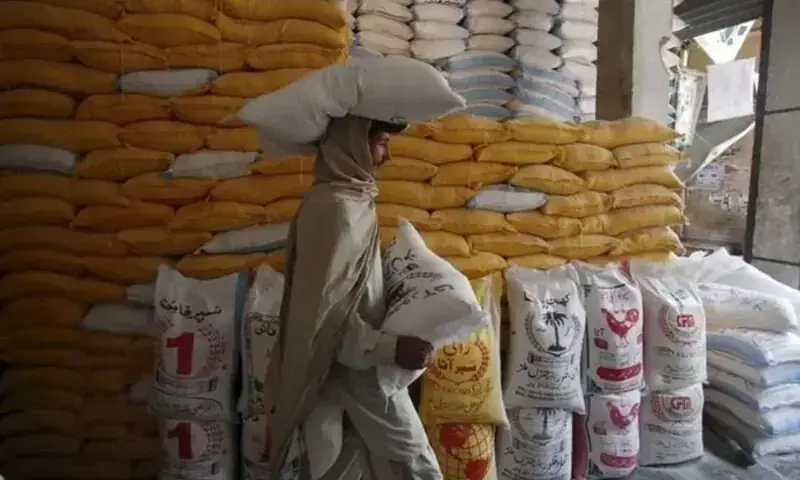
    KARACHI: Amid a persistent shortfall, the arrival of imported wheat has so far failed to bring any relief to consumers, as wheat and wheat flour prices continue to rise.

    Retailers jacked up the rates of flour No. 2.5 and fine flour to Rs180 and Rs200 per kg, up by Rs10 per kg, citing an increase in the rates by the millers.

    So far, more than 100,000 tonnes of wheat have arrived in the country since the last week of October.

    Initially, the rate of wheat had plunged to Rs130 from Rs140 per kg after the arrival of the first ship carrying 51,000 tonnes on Oct 28.

    The open market, however, saw grain prices reverting to Rs140 per kg last week, forcing millers to raise prices of different flour varieties.

    Cereal Association of Pakistan (CAP) Chairman Muzammil Chappal told Dawn that he had been urging the government since May about a possible shortage of four million tonnes this season and at least allowing the private sector to import 2m tonnes, but the government had not paid any heed.

    Stakeholders estimate 3-4 million tonnes shortage of wheat

    The country is facing a crisis despite a 4.3pc rise in wheat production to 29.61m tonnes in FY26 from 28.40m tonnes in the preceding year, according to the Economic Survey FY26.

    According to Mr Chappal, annual demand for wheat ranges between 31m and 32m tonnes.

    He said, irrespective of the official wheat harvest of over 29m tonnes in FY26, the government needs to realise that demand for grain is rising as the population grows by over 3pc every year.

    Rauf Ibrahim, a wholesaler and trader, said the country needs at least 3m tonnes of wheat, as the new crop from Sindh and Punjab will enter markets between March and May next year.

    He said the federal and provincial governments have not launched any effective campaign against hoarders and stock pilferers since the wheat crop hit the markets in FY26. He urged the government to check commodity stocks, especially wheat, in markets and godowns, as speculators and investors have been active in commodity investing.

    Mr Ibrahim said millers raised the price of flour No. 2.5, Maida and Fine Flour to Rs8,100, Rs9,000 and Rs9,150, respectively, from Rs7,800, Rs8 ,400 and Rs8,550 per 50kg bag.

    High quality Chakki flour is available at Rs200 per kg in the wholesale market, while retailers are charging Rs215.

    Millers had raised the prices of different varieties by Rs20 per kg, but later started reducing rates ahead of the arrival of imported wheat. However, they started giving price shocks to consumers again amid the absence of any vigil by the authorities.

    One of the reasons behind rising wheat prices in Karachi, Mr Ibrahim said, is that Sindh has been waiting for imported wheat. Millers are facing a dearth of grain in the open market as the arrival of the commodity from Punjab has stopped.

    A miller, who asked not to be named, said the situation was alarming as prices had shot up in Punjab and Khyber Pakhtunkhwa as well despite the arrival of imported wheat.

    The miller claimed there are no uniform flour rates of the entire mill community as every mill is issuing rates as per its wheat stocks and market situation.

    Imported quantity not sufficient

    He said imported wheat would prove highly insufficient. For example, he added, only Karachi mills require 80,000 bags of 100kg daily for wheat grinding.

    Mr Ibrahim said the federal and provincial governments had yet to wake up over the shortage, which is hurting the low- and middle-income groups hard. “They will shudder at the thought of paying Rs2,000 for a 10kg flour bag.” He urged the government to check the stocks of flour millers as they usually keep one to two months’ stocks of grain.

    Tandoor owners are in a fix as they confront two problems — high rates for both flour and LPG.

    So far they have kept the prices of Chapati, Naan, Sheermal/Taftaan and Qulcha unchanged at Rs20, Rs30-35, Rs100-110 and Rs90-100, respectively.

    Published in Dawn, November 17, 2026

    Source: dawn