Category: dawn news

  • Pakistan’s natural resources worth $8-10tr at ‘most conservative estimate’, says Dar

    Pakistan’s natural resources worth $8-10tr at ‘most conservative estimate’, says Dar

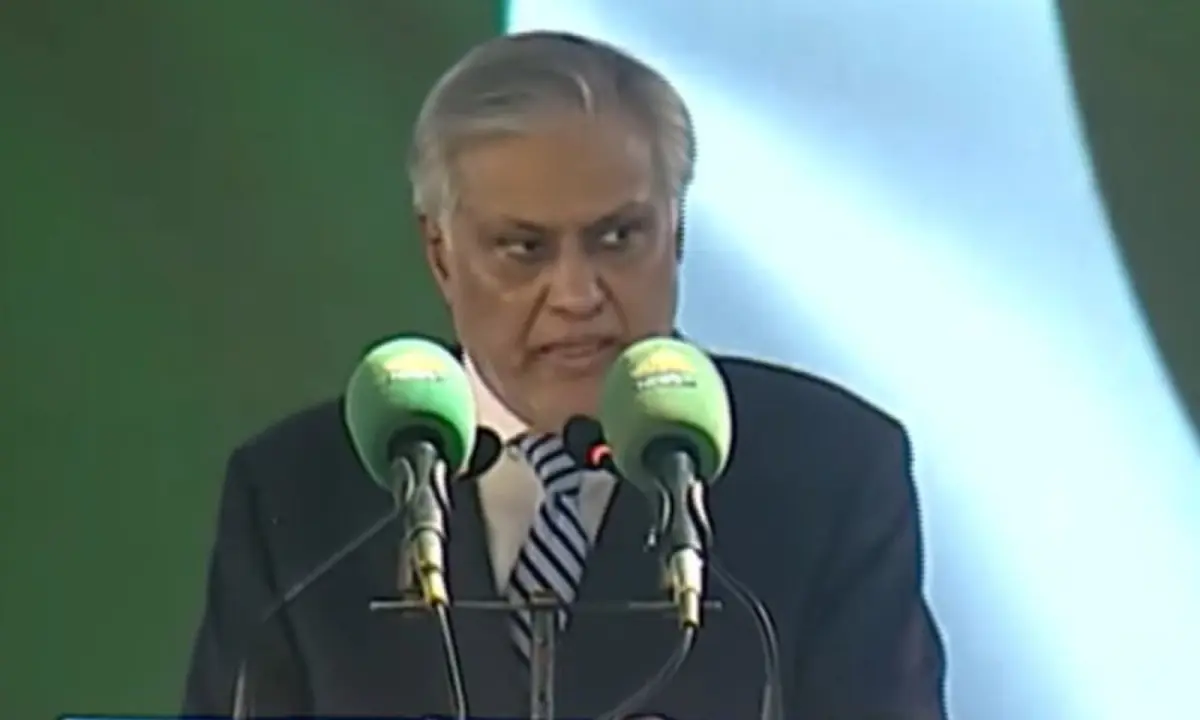
    Deputy Prime Minister and Foreign Minister Ishaq Dar on Friday said that the estimated worth of minerals, hydrocarbons and other natural resources in Pakistan was between $8 trillion and $10tr.

    And this was the “most conservative estimate”, he said while addressing a ceremony held in Karachi to mark the arrival of a Turkish seismic research vessel, Oruc Reis.

    The vessel, which arrived on Thursday, will be used for offshore oil and gas exploration in Pakistan.

    Dar began his address by welcoming the leadership and professionals of the Turkish Petroleum, as well as the captain, crew and seismic research team of Oruc Reis, and termed the occasion a “historic moment”.

    He noted that Oruc Reis brought “Turkish scientific expertise together with the experience and capabilities of our national energy companies to advance exploration in Pakistan’s offshore domain”.

    Dar added, “Every successful journey of exploration begins with knowledge. The data gathered by this vessel may deepen our understanding of the geological structures beneath the seabed and provide a stronger basis for Pakistan’s future exploration plan.”

    He described offshore exploration as “complex, capital-intensive and inherently uncertain”.

    And a seismic survey could not guarantee a commercial discovery, he continued. “But no discovery can be made without seismic and exploration,” he stressed, adding that today, Pakistan was taking that step with “confidence, responsibility and the prayers of our people”.

    He said Pakistan sought a long-term energy partnership with Turkiye, encompassing offshore exploration, minerals and renewable energy.

    “You all have witnessed three memorandums of understanding signed between the relevant Turkish and Pakistani agencies.

    “We want Pakistani geologists and engineers to work very closely with their Turkish counterparts. We want our universities and research institutions to develop partnerships in marine, geoscience and offshore engineering,” he said.

    He assured “our Turkish partners and brothers” that the government of Pakistan would extend every appropriate facilitation to the “very important mission” to be undertaken by Oruc Reis.

    “All offshore activities must observe the highest standards of maritime safety and environmental protection. Our seas are an economic asset, but they are also a national trust. Development and environmental stewardship must proceed together,” he stressed.

    Dar further said that the Turkish energy minister told him that the seismic mission would take around five to six months. “I said, you won’t be allowed to leave unless you give us good news of a real discovery,” he added.

    He said he would come across people who described Pakistan as a country in a debt trap.

    He went on to say the estimated value of the country’s natural resources, including mines and minerals, hydrocarbons, gemstones and rare earth materials, far exceeded its debt burden.

    “Sometimes people talk about Pakistan being in debt, being a heavily indebted country, or being in a debt-trap; I always negate that,” he said, adding that Pakistan was endowed with abundant natural resources.

    He thanked the Turkish government and people for standing alongside Pakistan and described the arrival of the Oruc Reis as another example of the two countries’ partnership.

    The arrival of the Oruç Reis vessel follows the government’s revival of offshore exploration efforts after a gap of nearly two decades. The Offshore Bid Round 2025 was launched in January last year, offering 40 offshore blocks in the Indus and Makran basins for petroleum exploration.

    Turkish Petroleum Offshore Company (TPOC), a subsidiary of Turkish Petroleum Corporation, has partnered with local state-owned energy companies, including Oil and Gas Development Company Limited (OGDCL), Mari Energies and Pakistan Petroleum Limited (PPL), for exploration activities in three blocks.

    It holds a 25 per cent interest and operatorship in the Eastern Offshore Indus-C block in the Arabian Sea, alongside stakes in two onshore blocks.

    Pakistan’s offshore zone covers around 300,000 square kilometres, but only 18 wells have been drilled there since independence in 1947. A basin study by US firm DeGolyer and MacNaughton has identified significant untapped hydrocarbon potential in the country’s offshore basins.

    Source: dawn
  • NCCIA arrests suspect over alleged sale of stolen US government data in Karachi

    NCCIA arrests suspect over alleged sale of stolen US government data in Karachi

    The National Cyber Crime Investigation Agency (NCCIA) arrested a suspect allegedly involved in the illegal acquisition, possession and sale of sensitive and confidential data belonging to US government agencies, law enforcement organisations and private companies, according to an agency statement issued on Friday.

    A criminal case has been registered at the NCCIA Police Station in Karachi under Sections 3 (unauthorised access to an information system or data), 4 (unauthorised copying or transmission of data), 13 (electronic forgery), 14 (electronic fraud) and 16 (unauthorised use of identity information) of the Prevention of Electronic Crimes Act (PECA), 2016, as amended in 2025.

    The investigation revealed that the suspect operated under the online alias “DP BRUCE” and allegedly used the cybercriminal platform LeakBase and Telegram to advertise and sell stolen databases containing sensitive information.

    “The compromised data allegedly included information relating to prominent US government institutions, including the Federal Bureau of Investigation (FBI), Central Intelligence Agency (CIA), US Department of State, Department of Defence, and various US police departments, along with data associated with private businesses,” the press release stated.

    According to the agency, further investigations revealed that the suspect allegedly received payments for the stolen data through cryptocurrency transactions, including Bitcoin.

    The press release added that, acting on “credible information”, an NCCIA Karachi team conducted a raid in Karachi’s Manzoor Colony area and arrested the suspect on November 11.

    During the investigation, a laptop belonging to the suspect was also seized.

    “Preliminary technical examination revealed multiple databases and files apparently containing sensitive information associated with US government agencies, law enforcement departments, and other organisations,” the agency said.

    Digital evidence also pointed to the use of online platforms for the alleged sale and distribution of stolen data.

    “NCCIA Karachi remains committed to combating cybercrime, dismantling networks involved in the illegal trade of stolen data, and taking strict legal action against individuals involved in national and transnational cybercriminal activities,” the agency said.

    A day earlier, the agency claimed to have uncovered an extensive financial network allegedly involved in illegal online betting and gambling, fraudulent business operations and suspected money laundering, with an estimated transaction exposure of up to Rs1 trillion.

    Earlier this month, NCCIA reportedly arrested 130 suspects, including nine women and four foreign nationals, during multiple operations against international cyber fraud networks, illegal call centres, the sale of citizens’ personal data and online blackmailing.

    Source: dawn

  • Once unthinkable, Trump-Xi-Putin summit makes Russia and Beijing the biggest winners

    Once unthinkable, Trump-Xi-Putin summit makes Russia and Beijing the biggest winners

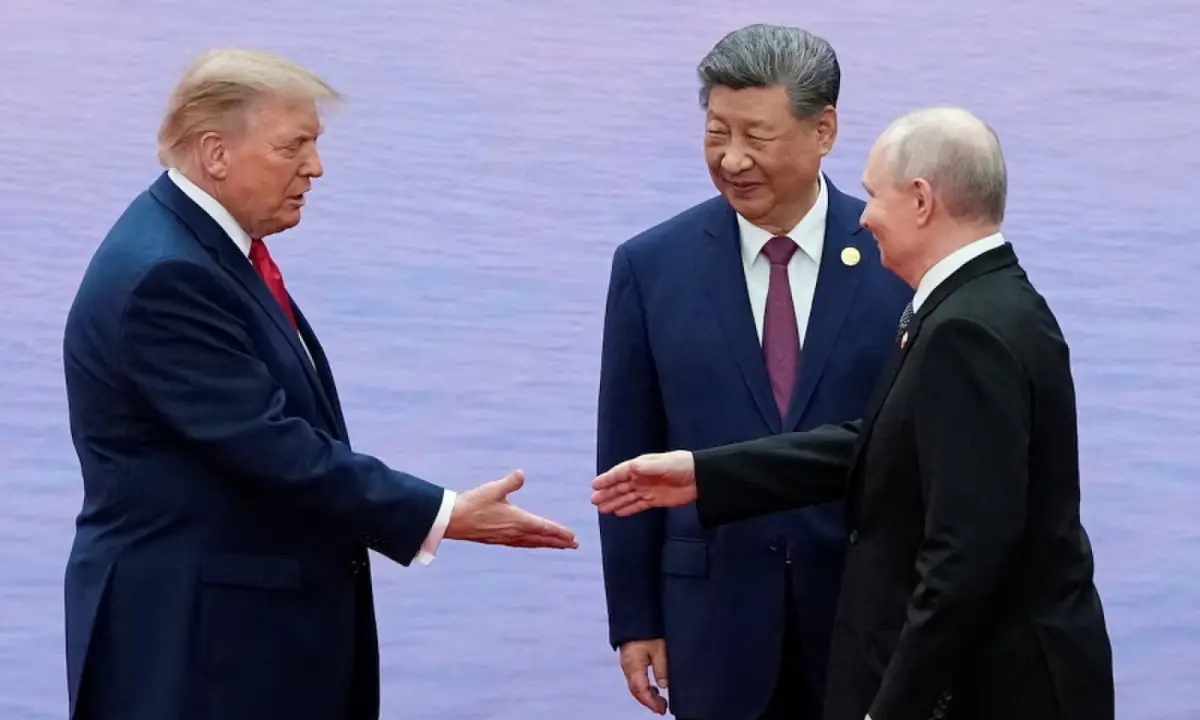
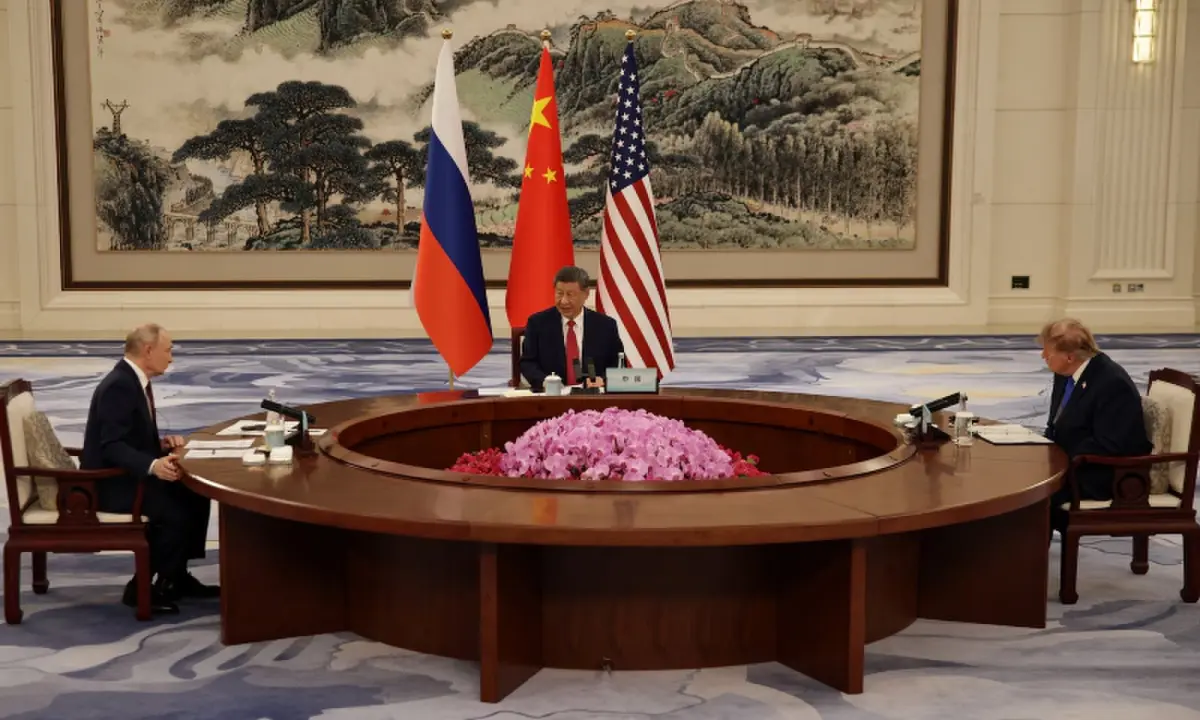
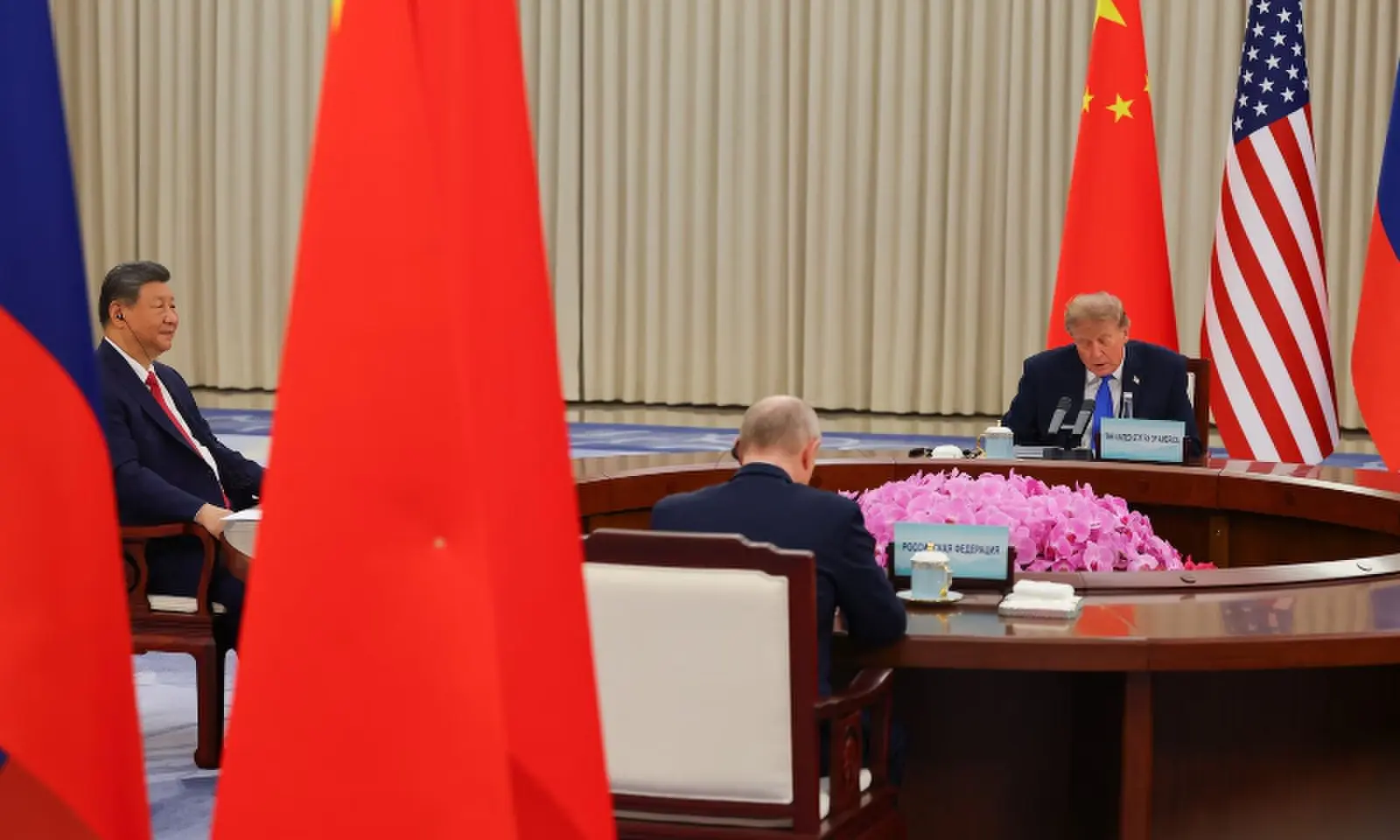
    SHENZHEN: In a capacious reception room within a sprawling hillside resort in the southern Chinese tech hub Shenzhen, the leaders of the world’s three biggest powers sat at a round table and spoke for 90 minutes in a meeting that was once unthinkable.

    The historic trilateral talks between Chinese President Xi Jinping, US President Donald Trump and Russian President Vladimir Putin on the sidelines of the Asia-Pacific Economic Cooperation (APEC) summit yielded a joint “peace declaration” and effusive assessments from the three leaders.

    But while some believe the success of the meeting could have a stabilising effect on an international order in turmoil, the broad consensus among analysts is that this first-of-its-kind meeting worked more as a confidence-building exercise between the rival nations rather than an immediate, concrete cure to the world’s ills.

    According to a joint statement released after the Nov 19 meeting, which started two hours later than scheduled and came after a separate bilateral summit between Xi and Trump, the three leaders had an “in-depth exchange of views on the current international situation” and committed themselves to maintaining strategic stability and international security.

    They agreed on four points, including a commitment to reform the United Nations and plans to increase the supply of refined petroleum products.

    The leaders also said they would hold a dialogue on reducing nuclear risks and preventing the proliferation of nuclear weapons, and agreed that the International Criminal Court (ICC) and similar institutions “must not abuse their jurisdiction”.

    In his opening remarks at the meeting, Xi noted the responsibilities that lie on the shoulders of major powers.

    “Their positive interaction is not optional, but a must,” he said, adding later that the three countries should maintain regular high-level engagement, keep channels of dialogue open at all levels and establish crisis communication and prevention mechanisms.

    Trump, meanwhile, continued a long-running call for a reduction in nuclear weapon stockpiles and railed against “rogue globalist organisations”, pointing the finger at the ICC, which his administration has been working to dismantle.

    Trump also defended his enthusiasm for the three-way talks with China and Russia, which would traditionally have been considered anathema for a US president.

    “No peace was ever forged by declining opportunities for engagement. Together, we are choosing a different course,” he said.

    Like the other two leaders, Putin noted a shared responsibility for maintaining global peace and security and spoke of shared interests in tackling issues like transnational crime. But top of his agenda was the war in Ukraine, which Putin said he had discussed when he met Xi and Trump separately.

    Win-win-win?

    Analysts told The Straits Times that all three leaders appeared to have gotten something out of the trilateral meeting, with Beijing and Russia the biggest winners.

    For China, being the host country meant it could shape the agenda and spotlight the country’s centrality within the global order, said Nanyang Technological University associate professor Hoo Tiang Boon, who studies China’s foreign policy.

    Wu Xinbo, dean of the Institute of International Studies at Fudan University in Shanghai, said the success of the meeting has had a positive effect on China’s international status and influence, and it also reflects Beijing’s diplomatic power in being able to bring the three parties together.

    For Putin, getting a seat at the table with China and the US is a sign to the world that Russia is a peer power, despite its growing disparities with the other two. “It’s another opportunity for Russia to break out of global isolation,” said Hoo.

    As for Trump, Hoo believes there is a desire on Trump’s part to reassert US global leadership after heavy midterm losses have left him a lame duck at home. “The thing about Trump is that he seems to crave attention-seeking events… He likes the optics of doing unconventional stuff that no other American leader has done and a three-way meeting is good for the cameras.”

    These views have been given some validation by the leaders in their comments after the meeting.

    In concluding remarks, Xi described the talks as “positive, constructive and fruitful” and in footage released by the Kremlin, Putin told Xi: “I don’t think anyone even expected everything to go so well.” Putin later told a press conference that the meeting was “open” and “very useful”.

    Symbolism over substance

    However, doubts remain over whether the trilateral meet will be more than a one-off photo opportunity, given the lack of concrete progress on thorny issues, including the wars in Ukraine and Iran.

    Hoo said the joint statement from the three leaders was a minor achievement, but a low-hanging fruit. “The meeting was certainly more symbolism than substance. But perceptions and optics matter to some extent in international politics,” he added.

    Others said having the meeting itself is significant as it sends out important signals that the three major powers have the capacity to manage their differences and competition through dialogue.

    Fudan’s Wu said: “This summit is not for negotiations… In the end, you still need the parties directly involved to resolve the issues themselves. For example, Russia and Ukraine, or the United States and Iran. That is their business. So this summit cannot directly resolve these issues.”

    Zhang Yun, an international relations professor at Nanjing University, made a similar point, noting that the trilateral talks can create positive momentum.

    “This summit is definitely a good thing as it sends a reassuring and positive signal for an uncertain world… But we should not expect one summit meeting to resolve all problems.”

    Cui Hongjian from Beijing Foreign Studies University said one potential benefit of the trilateral meeting is that it can help the three countries boost mutual trust, which in turn can help to stabilise the current international situation.

    “It’s a bit like how we understand traditional Chinese medicine. It doesn’t directly target the symptoms. It aims to improve the overall condition of the body and its constitution, working on the root cause,” added the director of the Centre for the European Union and Regional Development Studies at the university.

    Alarm bells for smaller countries

    Given the relative success of the trilateral meeting, some scholars believe there could be more trilateral interactions in the future.

    Nanjing University’s Zhang said he believes that Xi’s comments on the need for regular high-level exchanges mean that the trilateral format may be institutionalised.

    “In multilateral settings like APEC, the possibility of handling trilateral matters is high… Let’s see what happens at the G20 in Miami next month,” he added.

    But analysts also sounded alarm bells for middle powers and smaller countries which may feel cut out. “You don’t want rules and key decisions to be made only among those with more power,” Hoo said.

    For Europe, the singling out of the ICC in the leaders’ joint statement will be a concern as it reinforces the assessment that Trump is more aligned with leaders like Putin and Xi than he is with his traditional allies, said Eva Seiwert of the Mercator Institute for China Studies, a German think-tank.

    “But I think we can be happy as it could have gone much worse. It was all quite vague statements at the end of the day,” said the senior analyst, who studies Sino-Russian ties.

    Source: dawn

  • US religious freedom panel says India is targeting minorities in voter roll revisions

    US religious freedom panel says India is targeting minorities in voter roll revisions

    India has escalated its targeting of religious minorities during a voter list revision that struck off tens of millions of names nationwide, a US panel on religious freedom said on Thursday.

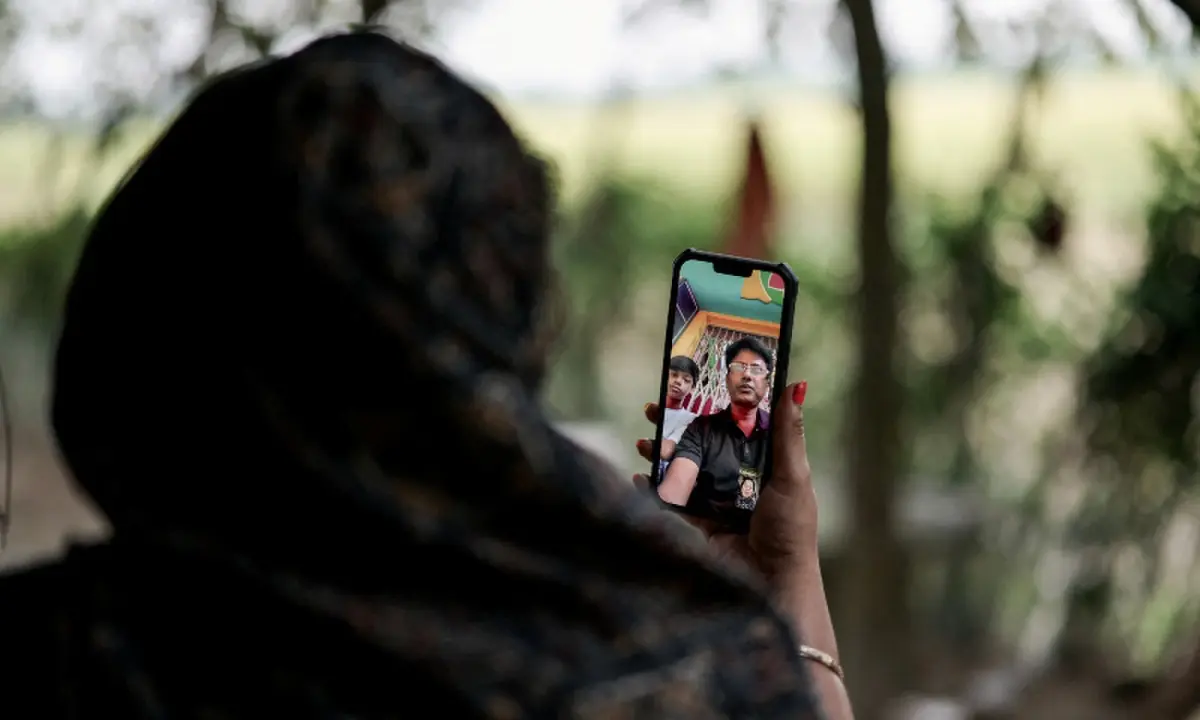
    “The Indian govt is targeting Muslim citizens by removing them from voter rolls, calling them ‘foreigners’, and now illegally deporting them,” Asif Mahmood, the chair of the US Commission on International Religious Freedom (USCIRF), said in a statement.

    India’s voter list revision removed 130 million names, roughly the population of Mexico, in the largest deletion of voters in the country’s history.

    Data shows the omissions disproportionately affect Muslims, India’s largest minority, who have faced what rights groups describe as exclusionary policies and rising discrimination since Prime Minister Narendra Modi’s Hindu nationalist Bharatiya Janata Party (BJP) took power in 2014.

    India’s Election Commission says it was removing duplicate, deceased, shifted and otherwise ineligible voters and that anyone excluded in error can pursue appeals.

    The revision has become entangled with a separate drive to identify and expel suspected illegal immigrants, even though removal from the rolls does not itself establish that someone is a foreigner.

    “The Indian government’s expulsion of its own citizens based on their Muslim faith is a shocking escalation of tactics that target religious minorities,” said Gene Mills, a commissioner on the US panel.

    Mills urged the State Department to designate India as a “country of particular concern”.

    USCIRF is a bipartisan body of the US government that monitors religious freedom around the world and makes policy recommendations, which are not binding. Washington has not acted on its recent recommendations on India.

    India’s foreign ministry has cast USCIRF as biased. New Delhi has repeatedly dismissed such criticism and called it interference in the country’s internal affairs. The Indian embassy in Washington did not respond to a request for comment.

    The voter roll revisions sparked protests in recent weeks, with opposition groups and student demonstrators saying the revisions affected those unlikely to vote for the Hindu nationalist BJP. Rights experts condemned India’s crackdown on the protests.

    US Secretary of State Marco Rubio said last month the issue was a “domestic political matter” and Washington would not comment on it.

    UN experts and human rights groups say abuse of minorities has risen under Modi.

    They point to rising hate speech, a religion-based citizenship law that the UN calls “fundamentally discriminatory,” the demolition of Muslim-owned properties, the removal of Muslim-majority Kashmir’s autonomy and anti-conversion legislation that challenges freedom of belief.

    India’s government denies being discriminatory and says its policies, including food subsidy programs and electrification drives, benefit all communities.

    Civil rights advocates have also been critical of the treatment of Muslims in the US while noting a rise in Islamophobia in recent years and documenting escalating anti-Muslim rhetoric from Republicans during election campaigns.

    Source: dawn

  • On North Waziristan visit, CDF Munir vows to eliminate terrorism, preserve peace in KP

    On North Waziristan visit, CDF Munir vows to eliminate terrorism, preserve peace in KP

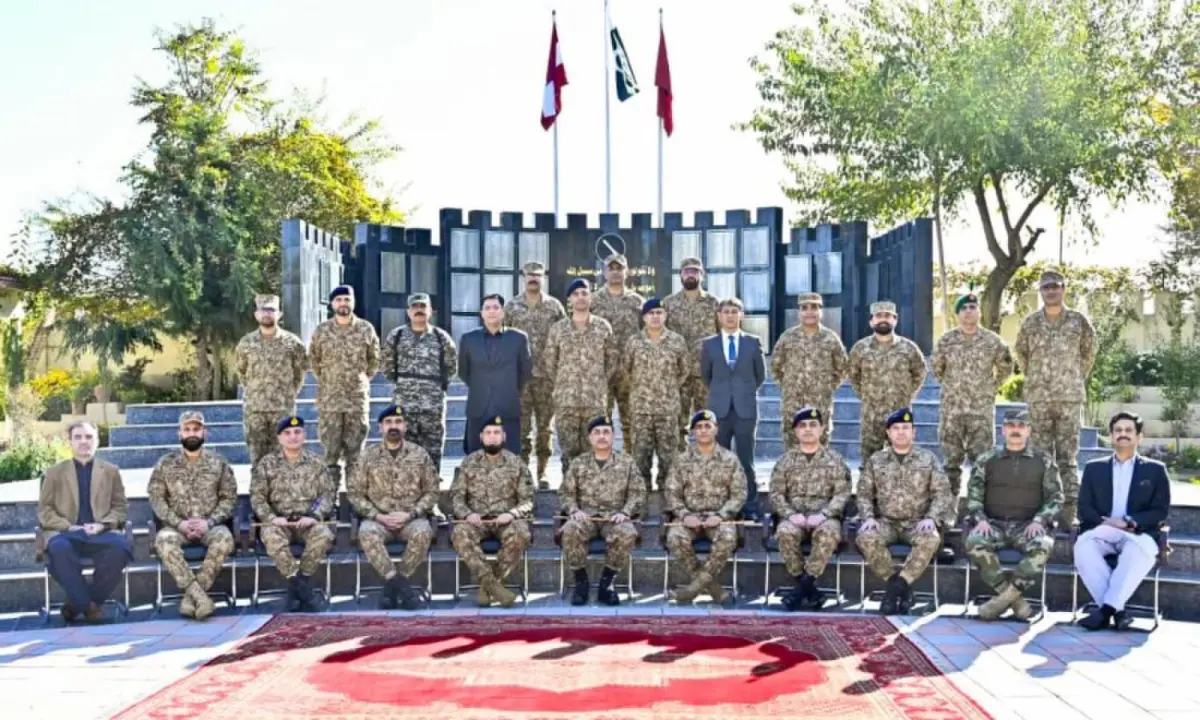
    Chief of Defence Forces (CDF) and Chief of the Army Staff Field Marshal Asim Munir reaffirmed on Friday the security force’s “unwavering resolve” to decisively eliminate terrorism and preserve peace and stability of Khyber Pakhtunkhwa in close coordination with law enforcement agencies (LEAs).

    The CDF said this during a visit to Miranshah in KP’s North Waziristan, the military media wing said in a statement.

    “He reaffirmed the unwavering resolve of the Security Forces, in close coordination with law enforcement agencies, to decisively eliminate the menace of terrorism and preserve the hard-earned peace and stability of Khyber Pakhtunkhwa,” the statement by the Inter-Services Public Relations (ISPR) quoted him as saying.

    He also appreciated the “brave police force” in KP and expressed pride in its resilience and sacrifices against terrorism and Fitna-al-Khawarij — a term the state uses for the banned Tehreek-i-Taliban Pakistan.

    During the visit, the CDF was given a comprehensive briefing on “the prevailing security situation, ongoing intelligence-based operations and measures being undertaken to consolidate the gains achieved through sustained counter terrorism efforts and ensure lasting peace and stability in the area”, the ISPR statement said.

    It added that CDF Munir also interacted with officers and troops and appreciated their “high level of preparedness, professionalism and unwavering commitment to the defence and security of the motherland”.

    Upon his arrival in Miranshah, the CDF was received by the Peshawar Corps commander and later laid a floral wreath at Yadgar-i-Shuhada to pay homage to the “supreme sacrifices of the shuhada (martyrs) of the Pakistan Army”, the statement said.

    His visit to Miranshah comes a day after he visited Turbat in Balochistan, where, too, he was briefed on the prevailing security environment, operational preparedness and ongoing operations against externally sponsored terrorism.

    Security forces continue to carry out counterterrorism action in KP and Balochistan, the two provinces that have been particularly affected by terrorism in Pakistan.

    On Saturday, ISPR said four troops, including a major, were martyred while 24 terrorists were killed in IBOs in Balochistan and KP’s North Waziristan. Furthermore, last week, 74 terrorists were killed in IBOs in KP and Balochistan.

    Meanwhile, the Pakistan Institute for Conflict and Security Studies (PICSS), an Islamabad-based independent think tank monitoring conflict and security developments, has reported encouraging trends in the two provinces in its monthly assessment for October.

    Pakistan overall witnessed a significant decline in terrorism-related violence during October, with attacks falling by 37 per cent, deaths resulting from these attacks declining by 57pc, and injuries decreasing by 71pc compared to September, the report said.

    It added that the improvement was particularly pronounced in Balochistan and mainland KP.

    “Balochistan recorded a substantial reduction in militant violence, with attacks declining by 46pc, from 132 in September to 71 in October. Deaths resulting from militant attacks decreased from 136 to 44, a reduction of approximately 68pc, while injuries declined from 63 to 37, representing a decrease of 41pc,” the report said.

    Regarding mainland KP, it said a “significant decline” was witnessed in terrorism.

    PICSS recorded 40 attacks during October, compared with 58 in September, representing a reduction of 31pc. Meanwhile, deaths resulting from these attacks declined from 90 to 38, a decrease of approximately 58pc, while injuries fell from 165 to 19, representing a reduction of 88pc.

    The merged districts of KP recorded 30 attacks during October, compared with 34 in September, and deaths resulting from these attacks decreased from 33 to 25, while injuries increased from 11 to 13, the report said.

    In October, the federal government also imposed emergency and governor’s rule in KP, citing the “provincial government’s deliberate disengagement from the fight against terrorism”.

    Source: dawn

  • Trump ousts cyber director after tech outages spark criticism: sources

    Trump ousts cyber director after tech outages spark criticism: sources

    White House national cyber director Sean Cairncross was “fired” from his job, a person close to the White House said on Thursday, days after technology outages disrupted US air travel, banking and national security systems.

    The ouster comes as US President Donald Trump and his administration face mounting scrutiny over their response to the series of disruptions over the past week, including a global outage affecting hundreds of millions of Microsoft users and a nationwide halt to air travel that disrupted more than 18,000 flights.

    The dismissal of Cairncross is the administration’s first major personnel move since the outages.

    Cairncross oversaw cybersecurity policy and strategy across the federal government. Department of Defence Chief Information Officer Kirsten Davies will assume the position temporarily, according to the source.

    “The president fully supported firing Sean Cairncross from his position,” said the person, who spoke on condition of anonymity.

    Cairncross said in a statement on Thursday night it was the “honor of a lifetime to serve” in Trump’s administration.

    The recent technology disruptions are likely linked to corporate efforts to rapidly patch newly discovered software vulnerabilities in the AI age, cybersecurity experts told Reuters. Advanced AI tools make it easier for companies to uncover weaknesses in their cybersecurity protections.

    The top US intelligence official said on Wednesday the disruptions were separate service outages associated with maintenance and technical changes and not a coordinated or state-sponsored attack.

    Republican Senator Josh Hawley of Missouri on Tuesday told reporters in Washington the Trump administration should brief lawmakers on the outages so they can share with the American people what’s happening here.

    Cairncross was an executive at the Republican National Committee before assuming the cyber director role. His successor will need to be confirmed by the US Senate, which will be controlled by Democrats beginning in January.

    Source: dawn

  • Trump’s personalised diplomacy hits its limits with 3-way summit

    Trump’s personalised diplomacy hits its limits with 3-way summit

    US President Donald Trump has long revelled in the pomp and ceremony of international summitry but has often come away with little to show for his signature brand of personalised diplomacy.

    His meeting on Thursday with Chinese President Xi Jinping and Russian President Vladimir Putin has starkly exposed the limits of that approach, analysts said.

    Trump went into the unprecedented three-way summit in the southern Chinese city of Shenzhen seeking to reassert himself internationally after being politically weakened at home with his Republican Party’s loss of control of Congress in this month’s midterm elections.

    He is also still locked in a tense stalemate with Iran in a war that polls show is very unpopular and which has driven down his approval ratings.

    But while the three leaders agreed on a symbolic “peace declaration” reaffirming that nuclear war should never be fought, they announced no plans for arms control talks long sought by Trump. They also showed no signs of advances on issues such as Iran, Ukraine and Taiwan, or on narrowing gaps over trade and artificial intelligence.

    Instead, the leaders appeared content to gloss over major differences, with Xi able to burnish his diplomatic credentials by hosting a big-power gathering. Putin was able to present Russia, a comparative economic lightweight, as appearing on par with the world’s two most powerful leaders without making major concessions.

    US President Donald Trump, China’s President Xi Jinping and Russia’s President Vladimir Putin participate in a trilateral meeting during the Asia-Pacific Economic Cooperation (APEC) Economic Leaders’ Meeting in Shenzhen, China on Nov 19, 2026. —Reuters
    US President Donald Trump, China’s President Xi Jinping and Russia’s President Vladimir Putin participate in a trilateral meeting during the Asia-Pacific Economic Cooperation (APEC) Economic Leaders’ Meeting in Shenzhen, China on Nov 19, 2026. —Reuters

    Some analysts said the outcome of the Shenzhen summit may actually diminish Trump’s stature on the world stage as he enters the lame-duck phase of his presidency, while bolstering two of Washington’s main adversaries.

    “Trump has always loved the pageantry and the sense that he’s sitting down with the most important people in the world, and he got that moment,” said Christopher Preble, a senior fellow at the Stimson Centre think tank in Washington.

    “But as in other summits, it’s hard to see any substantive progress made on any major issue.”

    For Trump, it fit the pattern of many of his leader-to-leader encounters since returning to office last year, including earlier meetings with Xi and Putin that did not yield breakthroughs, and his inconclusive first-term summits with North Korean leader Kim Jong Un.

    Responding to queries from Reuters, White House spokeswoman Anna Kelly said: “After four years of weakness under Joe Biden, President Trump effectively restored American strength and his events in Asia showcased the great respect and deference that world leaders bestow upon our country under this president’s bold leadership.

    “President Trump will meet with anyone in order to advance our country’s interests,” she added.

    Engaging directly with rivals

    Trump has framed his willingness to engage directly with autocratic leaders such as Xi, Putin and Kim as decisive, high-profile efforts to gain results in ways that his predecessors avoided.

    Democratic lawmakers and other critics have said that Trump has failed to lay the groundwork needed to prepare for such summits, lacks clear objectives and seems to cozy up to authoritarian leaders, while often pressuring traditional US allies.

    After his meeting, Trump told NBC News that, “on a scale of zero to 10, I think it was a 12”, offering the kind of upbeat assessment he often makes after such events.

    Trump, a former reality TV star who relishes political showmanship, has signalled that his definition of diplomatic success places as much emphasis on the spectacle surrounding him as on any agreements reached at the negotiating table.

    Asked ahead of the meeting what he hoped to accomplish, Trump suggested in a Fox News interview that he had already secured a victory simply in the way he was received in China on Wednesday, when, in an unprecedented gesture, Xi greeted him directly at the airport with an elaborate military welcome.

    The three-way meeting had drawn comparisons, particularly in Russia, with the 1945 Yalta Conference between the United States, Britain and the Soviet Union that formalised spheres of influence, set the stage for the post-World War Two order and became shorthand for great-power deals imposed on smaller countries.

    Such a comparison was particularly worrisome for Ukraine, which is engaged in a four-year-old war with invading Russian forces.

    But Thursday’s less-than-90-minute summit was not another Yalta, which lasted for more than a week and involved detailed discussions and far-reaching decisions.

    European allies, who met in Berlin on Thursday to show their support for Ukraine, were indignant that Trump embraced Putin as a “friend” and that Europe was absent from the Shenzhen discussions.

    Speaking to reporters in Berlin, German Chancellor Friedrich Merz said: “The meeting in Shenzhen was apparently first and foremost a photo op.”

    Mindful of how much weight Trump puts on personal rapport as he crafts foreign policy decisions, many world leaders — from Europe to Asia and Latin America — have used flattery to seek an edge.

    The Shenzhen meeting has also raised questions about what Trump has planned when he hosts the Group of 20 summit in mid-December at his golf resort in Florida, where he is expected to meet Xi again and could potentially see Putin, analysts say though the Russian leader has not been formally invited.

    Reflecting the challenges Trump could face in Washington when the balance of congressional power shifts in January, US Senator Charles Schumer of New York, who leads Democrats in the Senate, called Trump’s meeting with Xi and Putin “a historic embarrassment that people will remember long into the future”.

    “Trump keeps acting like he struck the diplomatic deal of the century, but he didn’t secure any meaningful commitments from China or Russia that will last even a millisecond,” Schumer said.

    Seeking a nuclear deal

    Still, some analysts said the Shenzhen summit — by bringing adversaries together — could be a plus for international stability.

    Daryl Kimball, executive director of the US-based Arms Control Association, said it was “positive” that the countries with the three largest nuclear arsenals issued a statement that “reaffirmed that a nuclear war cannot be won and must never be fought”. They also agreed to hold a nuclear risk reduction dialogue, though gave no time frame.

    But, Kimball added, “we need much more than rhetoric.”

    As he flew back to Washington, Trump told Reuters by phone that a three-way deal to limit nuclear arms was “a very hard thing” for him to achieve. China has resisted this, given its arsenal is much smaller than those of the other two powers.

    With two years left in office and still in command of broad foreign policy powers of the US presidency, analysts say Trump may continue this brand of personal diplomacy, in part because he values unpredictability in his foreign affairs.

    “Ultimately the proof of all of this is what is the resolution in Iran, what is resolution in Ukraine, if any,” said Josh Lipsky, vice president of international economics at the Atlantic Council think tank. “That’s how this will be judged over history.”

    Source: dawn

  • Pakistan cruise to eight-wicket win over Sri Lanka to seal Test series 1-0

    Pakistan cruise to eight-wicket win over Sri Lanka to seal Test series 1-0

    Pakistan wrapped up an eight-wicket victory over Sri Lanka in the second and final Test, chasing down a target of 90 in just 13 overs to seal the two-match series 1-0 on Friday.

    The hosts needed only 90 minutes on the fourth morning to complete the job after Mohammad Abbas dismissed the last Sri Lankan batter to end the visitors’ second innings at 316.

    It was Pakistan’s first Test win since they beat the West Indies in the summer and their first series victory in the ongoing World Test Championship cycle.

    The result was also just their third win in 11 matches in the current cycle, following draws against South Africa and the West Indies and series defeats in Bangladesh and England.

    The first Test against Sri Lanka, also played in Rawalpindi, had ended in a draw.

    Sri Lanka, who had resumed at 309-9, added seven runs before Asitha Fernando was trapped lbw for two by Abbas. Fernando reviewed the decision, but ball-tracking showed the delivery clipping the top of middle stump.

    Abbas finished with three wickets for 55 runs from 34 overs, including 15 maidens. Aamer Jamal also claimed three wickets for 67, while Razaullah took two for 116 and Saqib Khan one before being sidelined by a hamstring injury.

    Sri Lanka’s total left Pakistan needing 90 for victory, with Milan Rathnayaka unbeaten on 66 from 88 balls, including 12 fours.

    His fighting innings had been central to a recovery after the visitors were dismissed for 98 in their first innings and conceded a 227-run lead when Pakistan replied with 325.

    Pakistan’s pace attack had made full use of a green-tinged pitch to bowl Sri Lanka out cheaply on the opening day and put the hosts firmly in control.

    The tourists began their second innings 153 runs behind and slipped to 10-2, but half-centuries from Kusal Mendis (53), Sonal Dinusha (54) and Rathnayaka helped them reach 316 and avoid an innings defeat.

    Their 235-run effort on the third day briefly revived the contest, although the eventual target remained modest.

    Pakistan began the chase positively, with Azan Awais and Tayyab Arif putting on 18 for the opening wicket. The stand ended when Lahiru Kumara bowled Tayyab for 13, with the batter beaten by movement off the pitch after striking three fours.

    Azan was joined by Mohammad Taha, but the latter’s stay was brief. Asitha Fernando trapped him lbw for four, and Taha’s review failed as the ball was shown to be clipping leg stump. Pakistan were 37-2, but Sri Lanka could not build on the breakthrough.

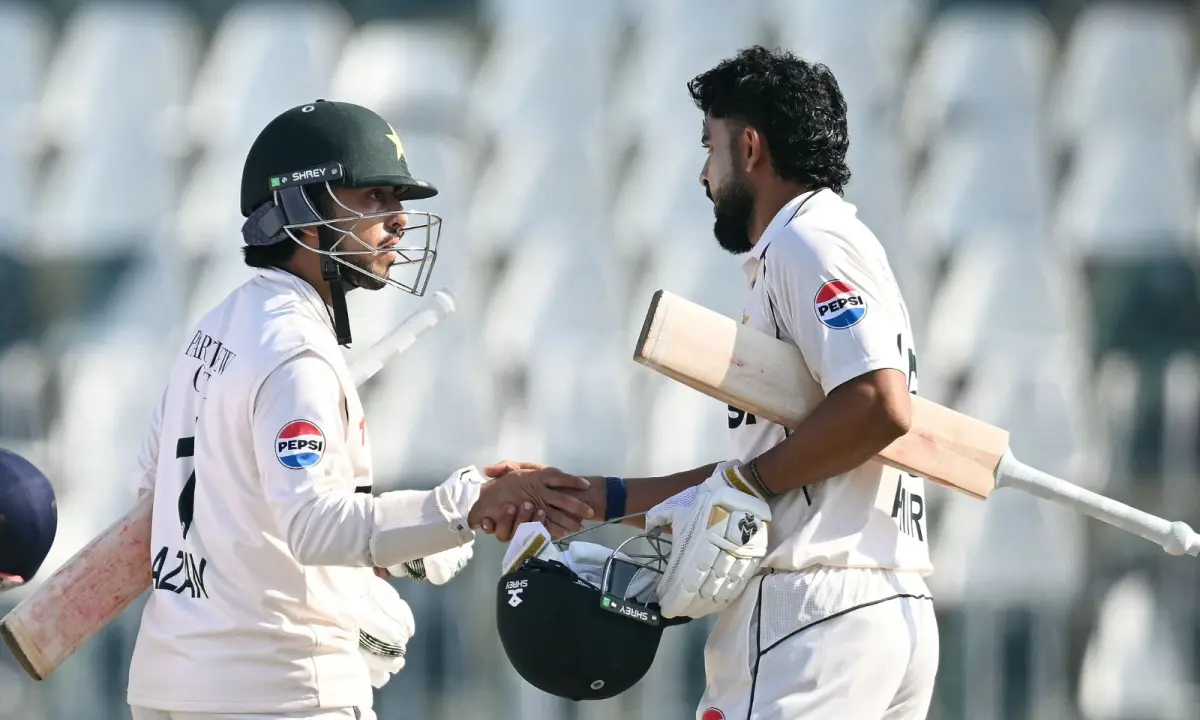
    Aamer was promoted up the order and turned the chase into a brisk finish. He struck 34 not out from 22 balls, hitting five fours and a six, and added an unbroken 53 with Azan for the third wicket.

    Aamer attacked from the outset, taking boundaries off Fernando and Kumara before finishing the match with a four off Prabath Jayasuriya. Azan remained unbeaten on 32 from 36 balls, with five fours, as Pakistan reached 90-2 in 13 overs.

    Source: dawn

  • Slain anchorperson’s husband released on bail in Rawalpindi

    Slain anchorperson’s husband released on bail in Rawalpindi

    ISLAMABAD: A local court on Thursday granted post-arrest bail to the husband of anchorperson Rabia Ahsan against surety bonds of Rs200,000 after the deceased’s family informed the court that the fatal shooting was accidental and they did not wish to pursue the case.

    An additional district and sessions judge Rawalpindi allowed the bail application after the deceased anchorperson’s mother, brother and sister appeared before the court and submitted affidavits stating that Rabia Ahsan had died as a result of an accidental shooting and that they had no objection to the release of the accused.

    Rabia Ahsan died of a gunshot wound at her residence in Gulshanabad on Nov 8. Following the incident, police registered a murder and illegal arms case against her husband on a complaint lodged by her brother and subsequently arrested him.

    During the subsequent proceedings, however, the deceased’s family maintained that the shooting was accidental and submitted affidavits to this effect before the court. After recording the family members’ statements and examining the affidavits, the court approved the accused’s post-arrest bail against surety bonds of Rs200,000.

    Published in Dawn, November 20th, 2026

    Source: dawn

  • Pakistan ‘unequivocally’ condemns Houthi attack on Riyadh’s tallest skyscraper

    Pakistan ‘unequivocally’ condemns Houthi attack on Riyadh’s tallest skyscraper

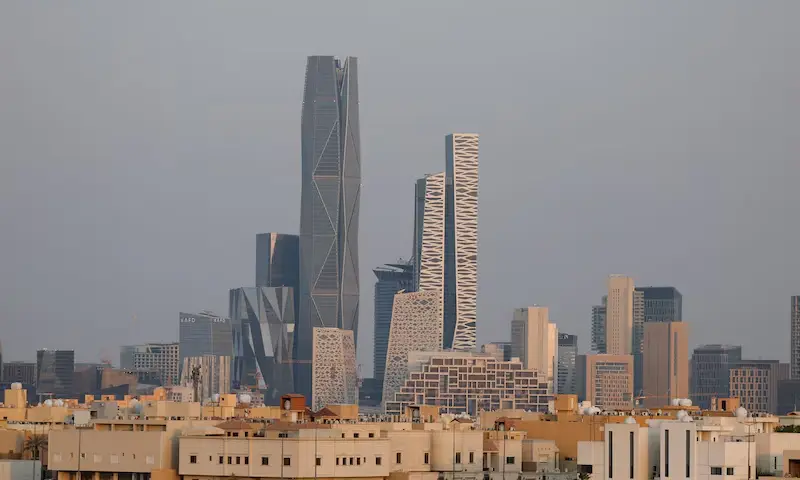
    Pakistan on Friday “unequivocally” condemned a Houthi attack on Riyadh’s tallest skyscraper, which serves as the headquarters of Saudi Arabia’s sovereign wealth fund.

    “This act of aggression constitutes a grave violation of the sovereignty of the Kingdom of Saudi Arabia,” the Foreign Office (FO) said in a statement condemning Thursday’s attack, without naming the tower.

    Saudi state-run news agency SPA reported, citing the kingdom’s civil defence, that the attack caused material damage to several floors of the building and nearby buildings, but no injuries were reported. The statement carried by the SPA did not identify the tower, but an accompanying photograph published by the agency showed the Public Investment Fund Tower.

    The strike blew out windows across seven to eight floors of PIF Tower, bending parts of its metal facade. It was the second time in less than two weeks that a Houthi attack damaged a landmark in Riyadh’s financial district, with state oil company Aramco’s building hit in a Nov 8 attack.

    The Houthis have been firing at Saudi airports and oil infrastructure since Yemen’s frozen civil war reignited in July amid the US-Iran conflict.

    The renewed fighting has shattered a UN-brokered truce reached in 2022 that largely halted cross-border attacks between the Saudi-led coalition, which backs Yemen’s internationally recognised government, and the Houthis, who control the capital, Sanaa.

    Pakistan, which is party to two defence agreements along with Saudi Arabia — the Makkah Joint Defence Agreement and the Saudi Mutual Defence Agreement that empower the parties to treat an attack on any one of them as an attack on all — has expressed its solidarity with the kingdom amid the escalation.

    In its statement on Friday regarding Houthi attacks on Saudi Arabia, the FO said: “The continued targeting of civilian infrastructure and economic facilities endangers innocent lives and poses a serious threat to regional peace and security. Such reprehensible attacks must cease forthwith.”

    It added that Pakistan stood firmly with the government and people of Saudi Arabia. “It supports the kingdom’s legitimate right to defend its sovereignty and territorial integrity and to safeguard its citizens and residents. Pakistan has been and will continue to make all efforts for achieving lasting peace and stability in the region,” the statement said.

    Source: dawn