Category: dawn news

  • Muslim populations

    Muslim populations

    BY 2035, Muslims will overtake Christians to become the largest religious group in the world, according to the Pew Research Centre’s report The Future of World Religions: Population Growth Projections, 2020-2070. The report also projects that, at the current rate of population growth, by 2070, there will be 3.6 billion Muslims and slightly less than 3bn Christians globally. And Pakistan will have the largest Muslim population.

    Presently, the average fertility rate for Muslim women is 3.1 and 2.5 for Christians. At 24, Muslims also have a younger median age than Christians, whose median age is 31.

    On the face of it, many would consider overtaking Christianity to become the largest religious group cause for celebration. But what might temper the sentiment is that power and sway in world affairs largely elude the Muslim world. The Muslim population in both South Asia and sub-Saharan Africa is growing. Likewise, the fertility rate for Christians in sub-Saharan Africa is much greater than it is in Europe.

    Moreover, the Democratic Republic of Congo is expected to surpass the US as the country with the largest Christian population. At the same time, Pakistan will overtake Indonesia as the largest Muslim country. Both Pakistan and DRC are struggling nations, and the lives of their inhabitants will not be made any better as populations grow.

    In Pakistan, high population growth is causing what demographers call the ‘youth bulge’, with millions of young people without jobs. Official data in Pakistan shows that last year alone more than 762,000 — mostly young — people left the country to work abroad. This situation is likely to become complicated in the coming years.

    While the majority of migrants find work in Arab countries — that have their own labour restrictions — those going to Europe and the US must increasingly contend with social and cultural barriers.

    Islamophobia is on the rise in large parts of Europe and the US, where Muslims are treated with suspicion. In a sense, the Pew study raises more questions than it answers. Islam may become the dominant faith, but will Muslims be equal to non-Muslims in terms of human dignity?

    Power & sway in world affairs largely elude the Muslim world.

    The situation in richer or more educated Muslim countries is quite different. For instance, fertility rates in Iran, Turkiye, Indonesia, Tunisia, and the UAE have dropped to below replacement levels.

    But this will pose different problems — similar to those in the West, where ageing populations challenge the state through diminishing human labour and high healthcare and other costs for older people. So, while some countries like Pakistan must figure out what to do with their surplus of young people, others will have to figure out how to handle ageing generations.

    Each situation also carries political risks. In Turkiye, falling fertility rates threaten the ethnic balance — with parts of the country having higher fertility rates than others. This is likely to create problems for a country where the Turkish identity tends to subsume other groups numerically, politically, and culturally.

    Meanwhile, recent revolts led by the Gen Z cohort in South Asia reveal the peril that restless and frustrated young people pose to regional states. No matter what tactics repressive regimes in South Asia employ to quell the protests, the dissatisfaction felt by young people is real and cannot be ignored.

    Pakistan may not have seen the kind of momentous Gen Z movements that led to the collapse of governments in Bangladesh, Sri Lanka, and Nepal. But its youth bul­ge continues to grow, and in the coming years, un­­less the state ta­­k­es steps to satisfy the demands of young people, the threat of revolutionary moveme­nts will only increase — a situation that radical Islamist groups can exploit by tapping into the religious sentiments of angry youth. Keeping that threat in mind, South Asia must work not only to create more employment opportunities for its young but also to promote the tolerance associated with Sufi traditions.

    A change in numbers does not always predict a change in global power dynamics. But in this case, the figures do provide justifiable grounds for pointing out the inequity that exists between Muslims and the adherents of other dominant faiths.

    Pakistan will soon be the country with the most Muslims. The pitfalls are obvious as resources shrink for a growing population. The silver lining is that, if the state ensures better opportunities for its youth, it will have a greater chance of producing future leaders in world affairs.

    The writer is an attorney teaching constitutional law and political philosophy.

    rafia.zakaria@gmail.com

    Published in Dawn, November 21st, 2026

    Source: dawn
  • Reining it in

    Reining it in

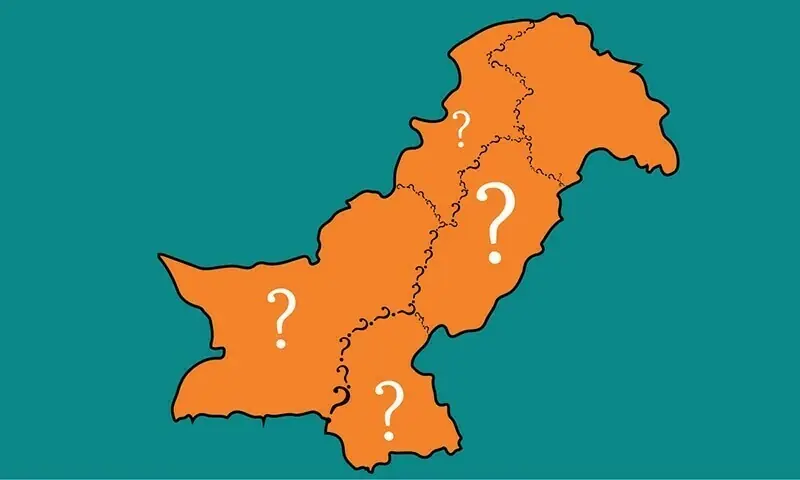
    WAS it damage control by the president, or a genuine effort to mend fences before a spiralling dispute caused lasting damage? With questions being raised on where the senior leaders of the PPP and PML-N stand in the debate over new provinces, the president, prime minister and interior minister met on Thursday.

    Their huddle appears to have gone well. The Press Information Department soon released a picture of the three, all smiles. A brief readout from the Presidency stated that they had reviewed the political situation and agreed to resolve all outstanding issues through dialogue.

    This more measured approach contrasted sharply with the escalating rhetoric from the pro- and anti-new-provinces camps within the ruling coalition. Consecutive, no-holds-barred speeches from PPP Chairman Bilawal Bhutto-Zardari had dominated headlines for most of the outgoing week, raising speculation about an impending showdown.

    But it appears that there will be no showdown, at least for now. President Asif Ali Zardari will likely attempt to reason with the PM and the interior minister. The more restrained approach from the president should not be taken to mean that the PPP’s stance on administrative restructuring has shifted, however. His party’s unfiltered views have been elucidated quite clearly — perhaps too clearly — by his son.

    The president will merely be hoping to convince the PM and others to look past the rhetoric and understand the substance of the PPP’s concerns. Mr Bhutto-Zardari’s media blitz has made the stakes clear; it remains to be seen whether the PML-N is willing to cooperate or part ways with its coalition partner. So far, the PML-N has kept its formal position under wraps. Whatever its view, it should state it openly rather than leave the field to its partner’s loudest voices.

    While it is good that the issue is finally being discussed between the head of state and head of government instead of being litigated on TV screens, it would be better still if the debate over administrative restructuring were held in parliament. After all, there is no route to new provinces that bypasses the legislature: Article 239 requires a constitutional amendment backed by two-thirds of both houses, as well as the consent of two-thirds of the affected provincial assembly.

    The ruling coalition has already enacted two major legislative packages, the 26th and 27th Amendments, without an adequate discussion of their merits and with their contents kept from public view until the eleventh hour. That mistake should not be repeated.

    It is not enough for the president and PM to ‘sort’ this matter out in private discussions. Whatever understanding they reach, it must be brought before parliament — before, not after the fact — so that the people’s representatives can weigh in.

    Published in Dawn, November 21st, 2026

    Source: dawn
  • Pakistan rises 17 places in UN e-governance ranking

    Pakistan rises 17 places in UN e-governance ranking

    • Moves from Middle to High category in E-Government Develop­m­ent Index
    • Telecommunication infrastructure score jumps 39pc to 0.6590

    ISLAMABAD: Pakistan has cli­mbed 17 places to rank 119th am­­ong 194 countries in the United Nations E-Government Develop­m­ent Index (EGDI) 2026, a global benchmark that assesses how effectively governments deliver services to citizens online.

    The results were published in the UN E-Government Survey 2026.

    This marks Pakistan’s second consecutive improvement in the global ranking. The country ranked 150th in 2022 and 136th in 2024, and has now advanced 31 places over the past four years. Its overall EGDI score has increased by 23 per cent, from 0.5096 in 2024 to 0.6264 in 2026.

    Pakistan has also progressed from the Middle EGDI category in 2022 to the High EGDI category. The United Nations has specifically highlighted Pakistan’s progress in its regional analysis, recognising the country as one of the largest gainers in Southern Asia, a subregion that has made notable progress in this year’s survey.

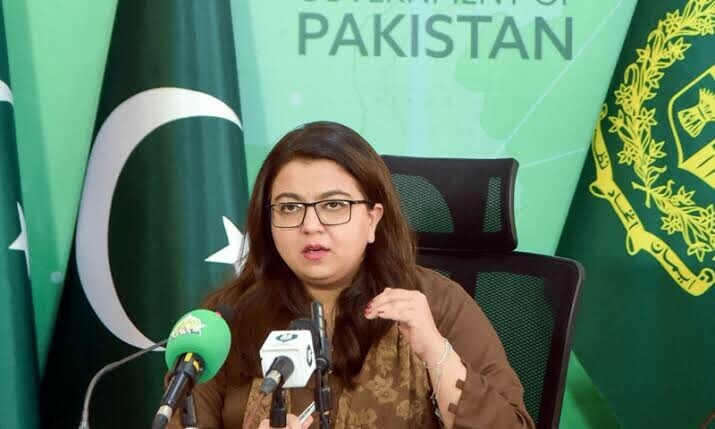
    Federal Minister for Inform­a­tion Technology and Telecom­m­unication Shaza Fatima Khawaja said: “Pakistan has risen 31 places in two editions of the UN’s benchmark for digital government. That is the result of sustained work across federal and provincial institutions to put public services online and bring connectivity to more of our people.

    “The Digital Nation vision is being delivered through various government departments, and Pakistan’s progress has been broad-based. Its score for online services increased by 20 per cent to 0.8422, the second-highest in Southern Asia, reflecting the growing availability of government services through digital channels. Similarly, Pakistan’s score for telecommunication infrastructure increased by 39pc to 0.6590, following a 52pc increase in the previous edition, as connectivity continues to expand across the country.

    “Pakistan also recorded the highest score in Southern Asia for online participation and engagement, achieving 0.9655. This indicator measures the extent to which citizens can participate in government processes through online consultations, feedback mechanisms and access to public information.”

    The UN survey also links Pakistan’s progress to the Digital Nation Pakistan Act, 2025, noting that the improvement coincides with the enactment of the legislation, which established a more formal institutional framework for national digital transformation.

    The Act also established the Pakistan Digital Authority (PDA) to coordinate digital transformation efforts across federal and provincial governments.

    In a statement, PDA Chair­person Dr Sohail Munir said the UN had recognised the Digital Nation Pakistan Act as the institutional foundation for coordinated digital transformation.

    “Our task now is to build on it — shared digital public infrastructure, interoperable systems and services that work the same way for a citizen in any province,” he said, adding that the National Digital Masterplan provided a unified direction for the initiative, while the latest result gave it momentum.

    He said the government would build on this progress in the next phase of the Digital Nation agenda, focusing on extending digital services, connectivity and digital skills to every part of the country.

    Published in Dawn, November 21st, 2026

    Source: dawn
  • In New Delhi, Musadik hails opportunity for multilateral dialogue

    In New Delhi, Musadik hails opportunity for multilateral dialogue

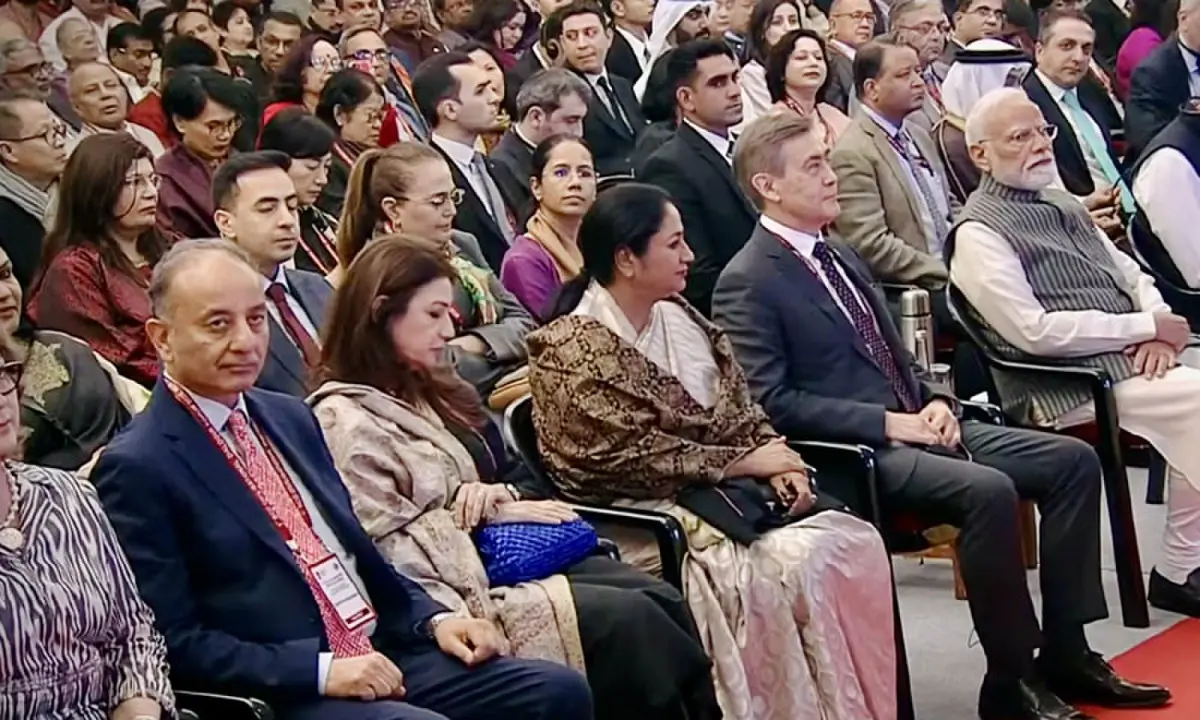
    KARACHI: After arriving in New Delhi to attend the Shanghai Cooperation Organisation’s (SCO) Civil­i­sational Dialogue Forum, Minister for Cli­mate Cha­nge Dr Musadik Malik hai­led the occasion as a “tremendous opportunity” to have a multilateral dialogue.

    This is the first visit to India by a Pakistani minister since Bilawal Bhutto-Zardari attended the SCO meeting in the Indian state of Goa in May 2023, and comes two years after India’s External Affairs Minister Subrahmanyam Jaishankar attended the bloc’s meeting in Islamabad.

    Pakistan has assumed the rotating chairmanship of the SCO Council of Heads of State for the 2026-27 term and is scheduled to host the organisation’s summit in Islamabad in August 2027.

    The gathering in New Delhi brings together representatives from SCO member states to discuss issues related to civilisational dialogue and cultu­ral understanding, according to the Foreign Office.

    “I think cultures and civilisations cut across boundaries, and it is fantastic that we are here and talking about our history, our geography, and our cultures and civilisations. It is a very welcoming sign,” Mr Malik told the ANI news agency.

    Replying to a question regarding the improvement in Pakistan-India rel­ationships, he said, “I think all of our relationships will improve. The region is in flux, as you know. The plates underneath geopolitics are shifting very fast.

    Mr Malik is expected to formally address the forum today (Saturday).

    In a separate media int­eraction, when asked about action against terrorism, the minister said that the issues we face are not limited solely to those between our two nations; they have become far broader.

    “When the time comes to address the issue of terrorism… we must ensure transparency. Both sides must bring forward evide­nce. Our objective is to est­ablish a transparent mechanism — a proposal we have put forward on several occasions. Such a mec­hanism would help res­tore trust and could lead to viable solutions,” he told ANI.

    Highlighting how Pakis­tan suffered from terrorism, he acknowledged that India also experienced many such incidents.

    “Our neighbourhood is a complicated one, and the challenges facing this ent­ire neighbourhood need to be addressed… Rather than focusing on a single incident or bilateral discussions — where the tenden­cy is often to point fingers at one another — it would be far better to address the problems of the entire reg­ion through a structured mechanism and based on con­­crete evidence.”

    Published in Dawn, November 21st, 2026

    Source: dawn
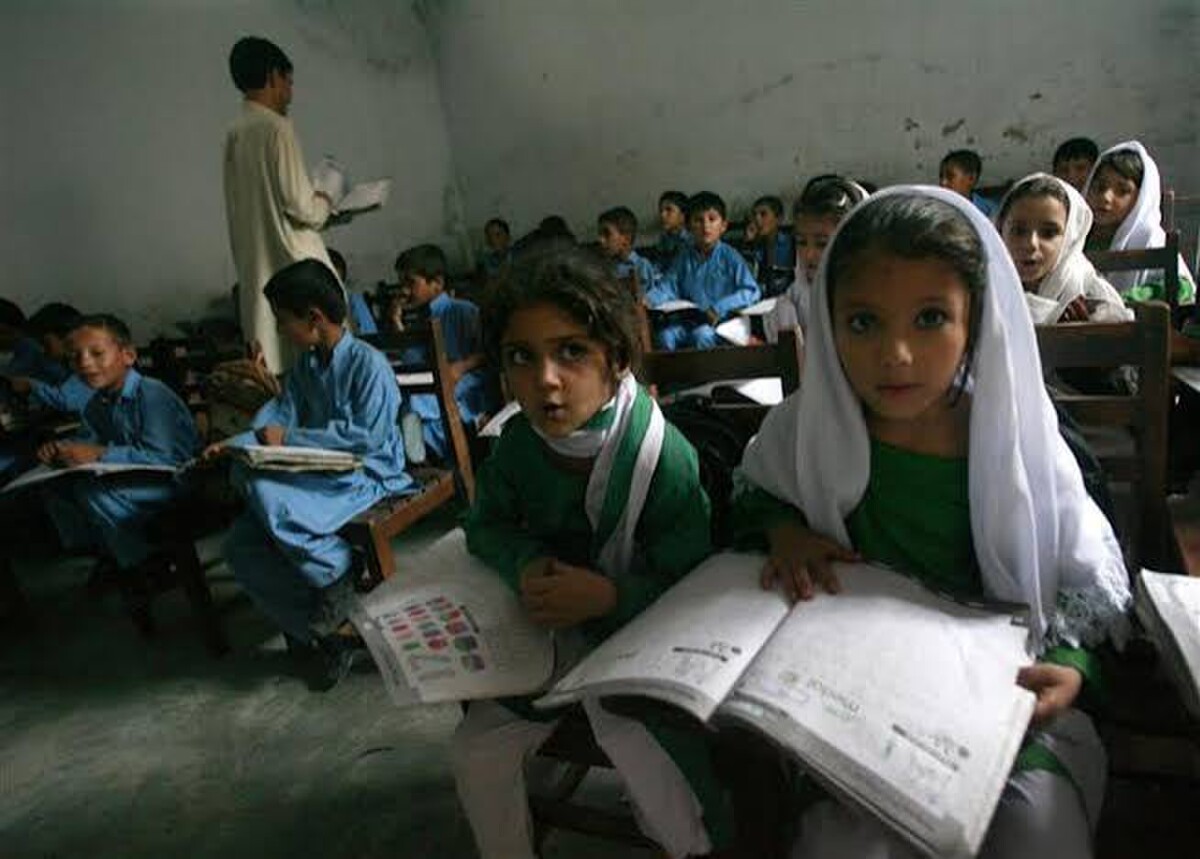
  • $35bn per year needed for pre-primary education by 2030: Unesco report

    $35bn per year needed for pre-primary education by 2030: Unesco report

    ISLAMABAD: Ensuring that every child benefits from at least one year of pre-primary education by 2030 would require more than $35 billion in additional annual investment globally, according to a new Unesco report released on the World Children’s Day on Friday.

    Pre-primary enrolment rates have stalled over the past decade, and only 6 in 10 children entering primary school worldwide have attended at least one year of preschool, with major regional disparities.

    The report shows that growing financing gaps and persistent inequalities continue to deprive millions of young children around the world of quality care and education.

    The 2026 Global Report on Early Childhood Care and Education: Financing for equity, inclusion and quality, published jointly with Unicef and OECD, highlights that underinvestment in early childhood care and education carries a steep economic price, with the cost of inaction estimated at an average of 3 per cent of GDP globally, reaching up to 7 per cent in low-income countries.

    Financing gaps, inequalities continue to deprive millions of children worldwide of quality care and education, says report

    Yet, investing in this critical stage of education can deliver strong economic returns: according to the report, every $1 invested in closing childcare policy gaps could generate an estimated $3.76 in additional global GDP by 2035.

    This is a crucial issue, as many children are already starting school at a disadvantage. Globally, only 64 per cent of children aged 24-59 months are developing as expected for their age, including in early learning, falling to 53 per cent in sub-Saharan Africa.

    Investing in quality early childhood care and education can help close these gaps before they become entrenched.

    Despite significant progress, with enrolment in early childhood education increasing from 64 per cent in 2003 to 75 per cent in 2024, growth has stalled in the past 10 years.

    The report estimates that only 59 per cent of all children entering primary school received at least one year of pre-primary education. This proportion has barely moved since 2015, highlighting how far the world remains from achieving the Sustainable Development Goal target on education.

    This global figure hides large regional disparities. In 2024, participation one year before primary entry age exceeded 90 per cent in Europe and Northern America and Latin America and the Caribbean, while the rate remained close to 50pc in Northern Africa and Western Asia and sub-Saharan Africa.

    Although public investment has increased in most countries, government spending on pre-primary education remains insufficient, accounting for only around 3 to 4pc of education budgets on average in low- and middle-income countries.

    This leads to overcrowded classrooms, underqualified staff and limited inclusion services, especially in low-income and crisis-affected contexts.

    New estimates by Unesco Global Education Monitoring (GEM) report show that low- and lower-middle-income countries would need to invest an average of US$69 billion each year between 2027 and 2030 to meet their targets for one year of pre-primary education while maintaining minimum quality standards. Public financing is projected to cover only half of these needs, leaving an average annual financing gap of $35bn.

    Published in Dawn, November 21st, 2026

    Source: dawn
  • Indian man jailed over US murder plot against Sikh separatist

    Indian man jailed over US murder plot against Sikh separatist

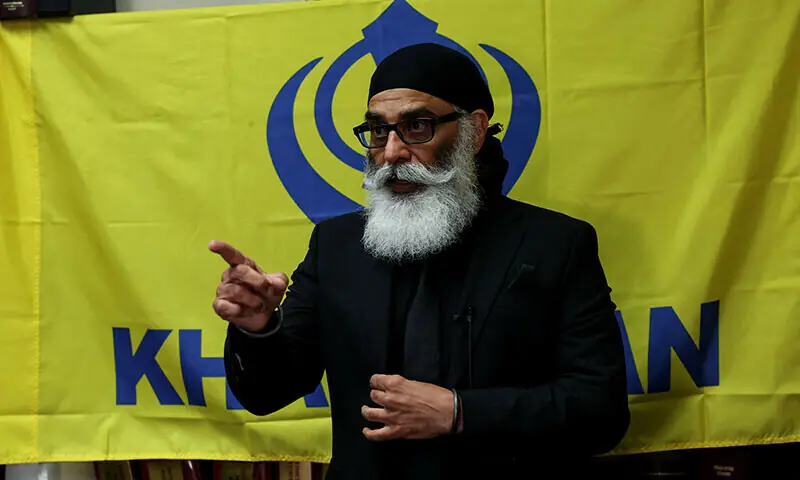
    An Indian man was sentenced on Friday to more than 19 years in a US prison for plotting to hire a hitman to kill a Sikh separatist on American soil, allegedly on behalf of Indian intelligence.

    The case strained ties between Washington and New Delhi, which denied any involvement in Nikhil Gupta’s foiled ploy to assassinate dual US-Canadian citizen Gurpatwant Singh Pannun.

    Gupta pleaded guilty in February to all three counts he faced: murder-for-hire, conspiracy to commit murder-for-hire, and conspiracy to commit money laundering.

    US federal prosecutors alleged that an Indian intelligence officer, who remains at large, directed the plot and recruited Gupta in May 2023 to hire a hitman to carry out the murder.

    Pannun, the intended target, is affiliated with a New York-based group called Sikhs for Justice that advocates for the secession of Punjab.

    Canada separately alleged in 2023 that India arranged a plot on its soil that ended in the killing of a Sikh separatist, who was a naturalised Canadian citizen.

    Hardeep Singh Nijjar, 45, was shot dead by masked gunmen outside the Sikh temple he presided over after being wanted by Indian authorities for alleged terrorism offences and conspiracy to commit murder — accusations he denied.

    India dismissed Ottawa’s allegations, which sent relations into freefall, with both nations expelling a slew of diplomats.

    Source: dawn

  • CTD says 3 terrorists, including mastermind of Kohat police lines attack, killed in IBO

    CTD says 3 terrorists, including mastermind of Kohat police lines attack, killed in IBO

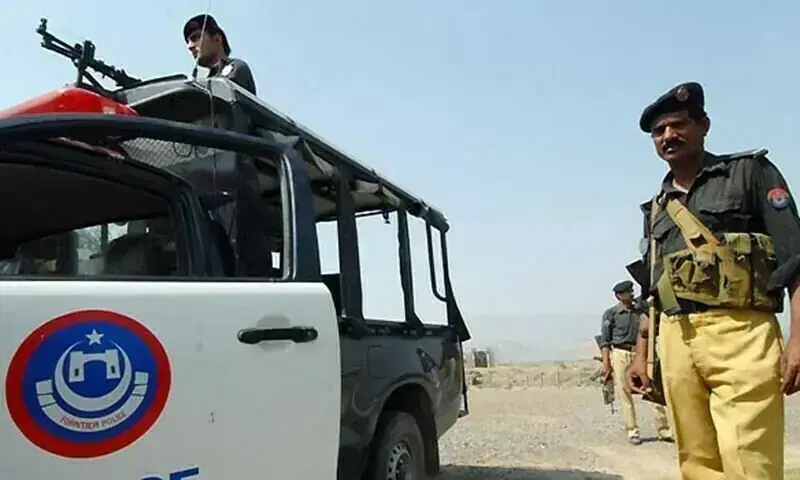
    PESHAWAR: The Counter Terrorism Department (CTD) on Friday claimed to have killed three terrorists of the banned Ittehadul Mujahideen Pakistan (IMP), including the mastermind of the Kohat Police Lines attack in September.

    The three were killed in an intelligence-based operation (IBO) carried out in Khyber Pakhtunkhwa’s Kohat, following information about presence of the group members in the area, a CTD statement said.

    According to an official statement, the Kohat CTD received intelligence that armed terrorists of the banned IMP had set up a checkpoint on Bazeed Khel Road in Kohat. Following the lead, the CTD and district police launched a joint IBO at around 6:30pm.

    “When police and CTD teams reached the location, the terrorists opened indiscriminate fire. The teams effectively retaliated in self-defence,” the statement said.

    After the exchange of fire, a search operation was conducted in the area where the teams found the bodies of the suspected terrorists, while some of their associates escaped.

    The statement read that according to preliminary information, two of the suspected terrorists killed had been identified as Abdul Hai and Abdul Rashid.

    Hai belonged to Kohat and was the mastermind of the Kohat Police Lines suicide attack, in which at least 21 people, including 15 police officials, were martyred and over 100 were wounded.

    Both he and Rashid were also wanted in a bank robbery case in Balitang, in which Rs6 million was looted, it said.

    The identity of the third terrorist killed had not yet been established, according to the statement. It added that a search operation was ongoing in the area to track and arrest the fleeing terrorists.

    Three SMGs and nine magazines were recovered from the possession of the killed terrorists, it said.

    “Further investigation into the incident is continuing, while all available resources are being used for the arrest of the terrorists who fled,” the statement added.

    KP police chief Zulfiqar Hameed and the CTD’s Additional Inspector General Jawad Qamar reiterated their resolve that operations against terrorists would continue until the last terrorist was eliminated.

    In the two-pronged assault in September, an explosives-laden vehicle detonated near a mosque in Kohat district’s old Police Lines, followed by terrorists storming the compound and attacking police facilities. KP police later said eight terrorists were killed in retaliatory action by police and security forces.

    According to a recent report from the Centre for Research and Security Studies, Pakistan recor­ded a sharp 83 per cent increase in violence-linked fatalities during the third quarter of 2026, re­­versing a declining trend reported in the first and second quarters as terrorism and counter-terrorism deaths surged nationwide.

    Balochistan and KP remained the epicentres of violence, jointly accounting for 98pc of all fatalities during the period. Balochistan recorded 829 deaths, nearly 59pc of the national total, while KP reported 556 fatalities, accounting for more than 39pc.

    Source: dawn

  • Petrol price reduced by Re1 per litre; diesel increased by Rs2 per litre

    Petrol price reduced by Re1 per litre; diesel increased by Rs2 per litre

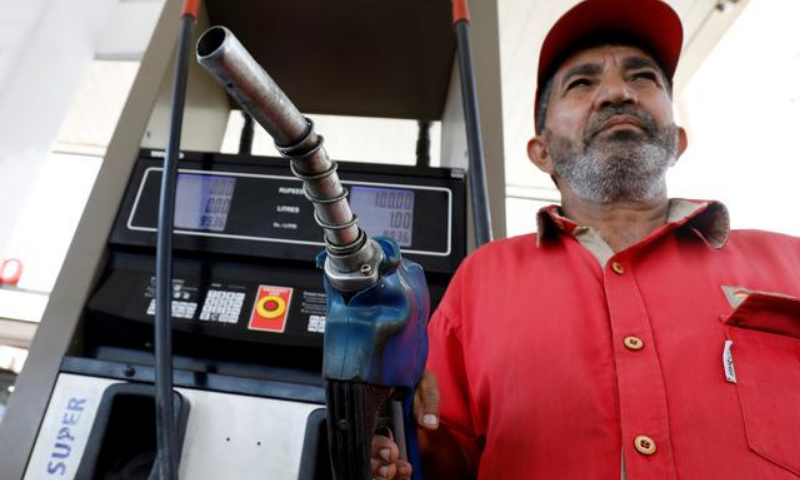
    The government on Friday reduced the price of petrol by Re1 per litre while raising that of diesel by Rs2 per litre, after snapping a 12-day streak of consecutive reductions in the rate of petrol the previous day.

    Following the revision, petrol will retail at Rs322 per litre and HSD at Rs357 on Nov 21 (Saturday), according to a notification by the Oil and Gas Regulatory Authority (Ogra).

    Following Tuesday’s reduction of the petrol price to Rs325 per litre, Deputy Prime Minister and Foreign Minister Ishaq Dar highlighted the government’s “proactive measures including policy changes and structural reforms in petroleum policy” that had brought prices back down from their April 3 peak and provided relief through a fuel subsidy scheme.

    “The government of Pakistan remains committed to continue making all possible efforts to ease the financial burden on the common man amid global challenges,” he said.

    The government continues to levy Rs114 per litre in taxes and duties on petrol and Rs100 per litre on diesel.

    Under an arrangement announced on Nov 2, for 30 days, oil refineries will contribute to the petroleum levy by bearing a cumulative impact of Rs15 billion, according to the government. This allows a Rs14.71 reduction in the petrol price at the consumer end.

    On Sept 17, the government rolled out the Prime Minister’s Fuel Relief Scheme across the country to ease the public’s burden amid rising fuel prices due to the Middle East situation.

    The subsidy scheme applies to owners of motorcycles, rickshaws and vehicles of up to 800cc.

    Rise in fuel prices

    The price of HSD has come down from a peak of Rs520.35 recorded on April 3. Its price had started rising from Rs281 per litre after the US-Iran war broke out on Feb 28.

    The petrol price had peaked at Rs458.41 on April 3 after beginning its upward trajectory from Rs266 in the first week of March.

    Meanwhile, the government has reintroduced a raft of austerity measures in response to rising fuel prices amid the ongoing Middle East conflict. Under these measures, markets are required to close by 9pm, and fuel allocations for official vehicles have been cut by 50pc for three months.

    Since July 17, the government has been revising fuel prices on a near-daily basis due to fluctuations in international market prices following renewed hostilities between Iran and the US.

    The petroleum minister stated that the cabinet and the prime minister had decided to give Ogra the responsibility of deciding fuel prices on a daily basis based on international market trends.

    Prior to this, the government had been announcing weekly revisions to fuel prices since early March, alongside measures for the conservation of fuel amid possible oil supply disruptions due to the conflict. The federal government had also announced targeted relief measures in April to provide subsidised fuel.

    Petrol is mainly used in private transport, small vehicles, rickshaws and two-wheelers, and changes in its price affect the middle and lower-middle classes.

    Similarly, changes in diesel prices also impact the public at large, as it is mainly used in the heavy transport sector, power plants and large generators.

    Petrol and HSD are the major revenue earners, with monthly sales of about 700,000 to 800,000 tonnes, compared to just 10,000 tonnes of monthly demand for kerosene.

    Source: dawn

  • Minister insists referendum on new provinces ‘will happen’

    Minister insists referendum on new provinces ‘will happen’

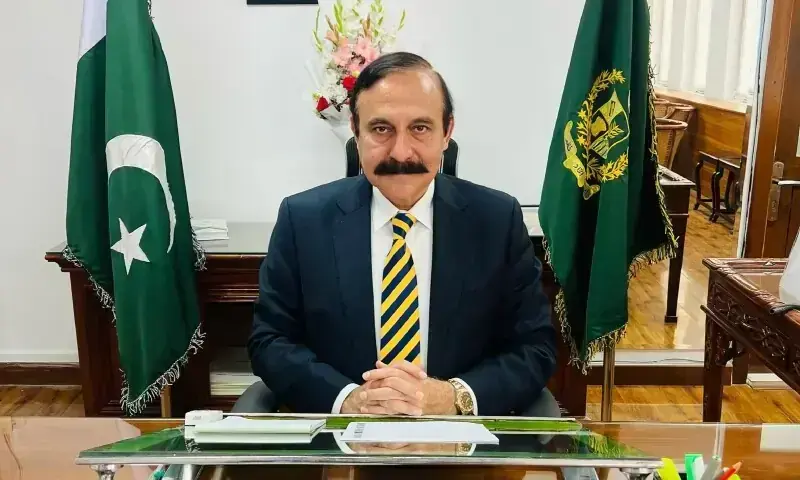
    Parliamentary Affairs Minister Tariq Fazal Chaudhry on Friday insisted that a referendum on the formation of new provinces “will happen”.

    The remarks come after PPP Chairman Bilawal Bhutto-Zardari delivered a no-holds-barred speech on Tuesday that covered the question of new provinces.

    Bilawal had expressed his opposition to the creation of provinces and the idea of holding a referendum for such a move in his speech. He cautioned that any “forced” attempt to divide provinces, particularly in Sindh, could lead to bloodshed.

    However, the federal government maintains that a referendum is a legal and constitutional method of gauging public opinion on new provinces and that no political party should have reservations regarding it.

    Speaking to the Geo News programme ‘Naya Pakistan’ on Friday, Chaudhry, when asked about the referendum, insisted that developing consensus on the matter should be a priority for the ruling coalition.

    “National consensus is very important on the issue of new provinces,” the minister said, highlighting that the PTI-led opposition was also in favour of it.

    Chaudhry said that the process of taking the public’s opinion cannot be stopped if a single party opposes it.

    “The referendum will happen,” the minister insisted, adding that the PML-N would undertake “every last effort” to convince the PPP.

    “Referendum is neither non-constitutional nor undemocratic; the public’s opinion can be asked on any important matter,” he remarked.

    On being asked about the timeline for the proposed move, Chaudhry said it was premature to talk about it; however, he added that “things will be clarified soon”.

    Asked if PML-N supremo Nawaz Sharif was on board with the referendum, Chaudhry answered in the affirmative.

    “100 per cent, the prime minister does not make any major decisions without his opinion,” he added.

    On being asked if the PPP may join the opposition with PTI and JUI-F, Chaudhry maintained that the party included “mature and seasoned politicians”, expressing hope that the party will continue in its role as a coalition partner.

    “I believe matters will not reach a point where they might have to exit the coalition, as we will make sure to onboard them on the decision and vice versa,” he added.

    In response to a question over Bilawal’s recent remarks and whether they were “justified”, he advised that the PPP chairman had the right to present PPP’s perspective related to the formation of new provinces; however, he warned Bilawal against invoking other matters and targeting the PML-N.

    “Attacking us (PML-N) or invoking other matters that have nothing to do with the debate related to the provinces was not worthy.”

    Chaudhry was also asked whether the government’s stance on the creation of provinces and the proposed referendum had been delivered to President Asif Ali Zardari in his meeting with Prime Minister Shehbaz Sharif and Interior Minister Mohsin Naqvi a day earlier.

    To this, he said that various matters had been discussed during the meeting in Islamabad; however, the main topic was the recent verbal confrontation between the coalition partners, he added.

    Chaudhry said that during the meeting, both President Zardari and PM Shehbaz decided to resolve all the differences through dialogue.

    He added that the matters between the allied parties had returned to “usual”.

    “Most of the matters have backtracked,” the minister remarked.

    The PML-N leader said the party leadership would decide when to bring the party’s perspective on new provinces to the media. Chaudhry also said that before making the remarks publicly, Bilawal should have taken PM Shehbaz into confidence.

    “It is clear that PPP will not exit the coalition,” he reiterated, referring to Bilawal’s comments about the prime minister completing his five-year term in office.

    Over the past few months, Interior Minister Mohsin Naqvi has whipped up a political storm since he called for the formation of new administrative units in the country, saying the current “system” of governance had “collapsed” and needed a “reset”.

    On November 12, Naqvi also floated the idea of holding a referendum to gauge public opinion on the issue, saying the exercise could settle the contentious debate once and for all. However, Bilawal, in his hard-hitting speech on Monday, termed the referendum an “unconstitutional move”, vowing that his party would stand against any such measure.

    Bilawal, as well as Sindh Chief Minister Murad Ali Shah and other senior party leaders, have repeatedly declared that the division of Sindh was neither legally nor politically acceptable to the party.

    Soon after Bilawal’s remarks, Information Minister Attaullah Tarar defended the move, saying it was a legal and constitutional method of gauging public opinion. Meanwhile, the Jamiat-Ulema-i-Islam-Fazl (JUI-F) voiced its support for Bilawal’s opposition to a referendum, warning that it could be misused.

    The party termed Bilawal’s statements “realistic” and viewed them in high regard.

    Against this backdrop, the Muttahida Qaumi Movement-Pakistan (MQM-P) has also called for a nationwide referendum on the creation of new administrative units, proposing that the exercise be held before the start of 2027 to allow people to decide the future administrative structure of the country.

    Source: dawn

  • Trump, Xi did not discuss Nvidia’s Huang: US Treasury secretary

    Trump, Xi did not discuss Nvidia’s Huang: US Treasury secretary

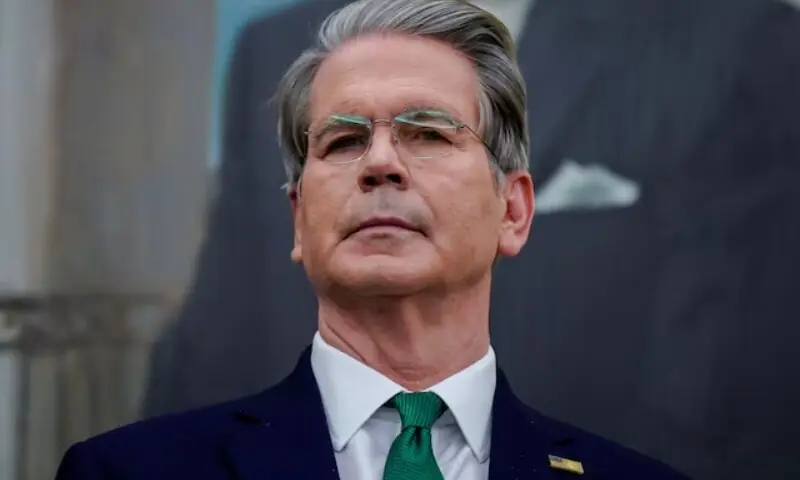
    United States President Donald Trump did not discuss former Nvidia CEO Jensen Huang with Chinese President Xi Jinping during their meeting this week, Treasury Secretary Scott Bessent said on Friday.

    Huang resigned as chief of the chip giant at the centre of the artificial intelligence (AI) revolution after revelations of extramarital affairs, including one with an alleged Chinese spy who may have funnelled restricted chips to that country.

    Responding to a question, Bessent told US broadcaster CNBC that Huang had not come up in Trump’s talks with Xi, held earlier this week in Shenzhen.

    Speaking about the Trump administration’s support for the domestic AI sector, Bessent stressed that the US “must stay ahead” of China in that realm.

    “Our best protection against the foreign SI and exploits by foreign actors is for our labs to maintain their substantial lead, and in effect, they are our shield against SI,” he said, using the administration’s term for AI technology.

    “There’s no turning back on this. What we have to do is make sure that our labs maintain their leads through their continued innovation, through their access to the best chips, and through smart policy.”

    Bessent said Trump and Xi had agreed on certain guardrails on the use of AI in the military domain.

    “President Trump and President Xi agreed that humans should always be involved in any military decisions that SI makes, and the SI should not be allowed to be autonomous for major military actions,” he said.

    On the threat of AI-enabled cyberattacks, Bessent again stressed that the best defence his country had was to allow its AI companies “to continue at the frontier and to provide us with the best defence against these other models”.

    Source: dawn