Category: dawn news

  • Diesel price dips below Rs350 after 4 months; petrol rate down by Rs4

    Diesel price dips below Rs350 after 4 months; petrol rate down by Rs4

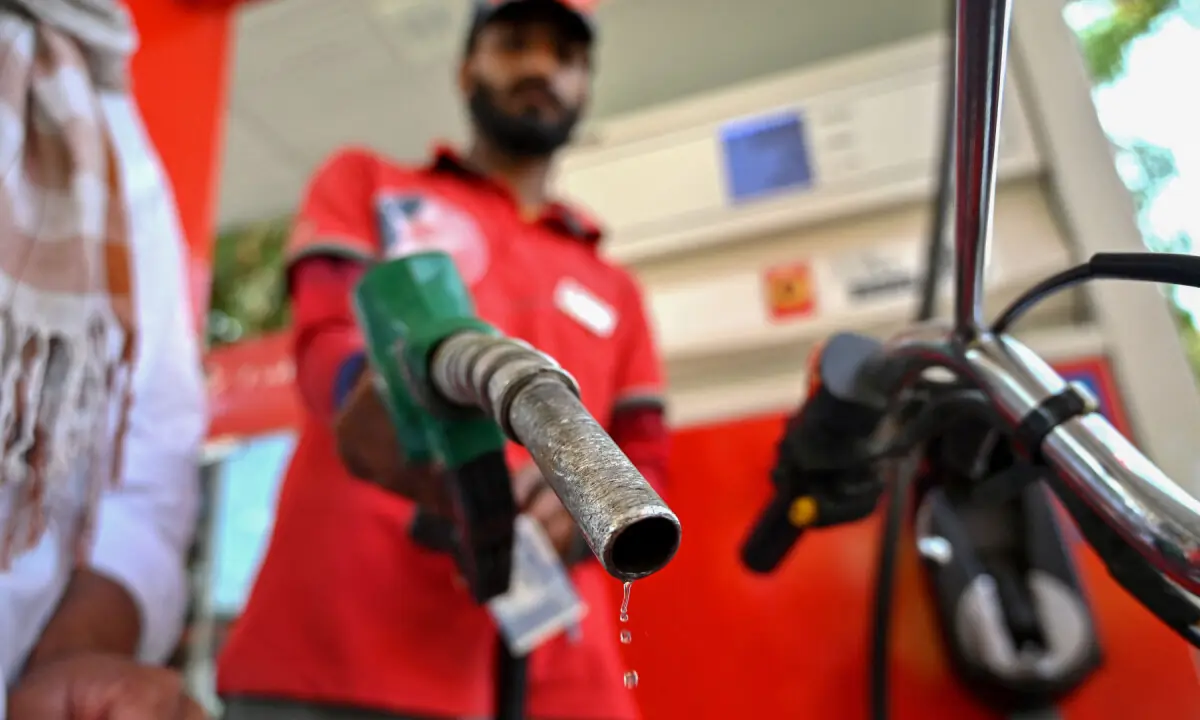
    The government on Wednesday reduced the price of petrol by Rs4 per litre and that of diesel by Rs5 per litre, according to a notification by the Oil and Gas Regulatory Authority (Ogra).

    Following the revision, petrol will retail at Rs314 per litre and diesel at Rs348 per litre on Nov 26 (Thursday).

    The government continues to levy Rs114 per litre in taxes and duties on petrol and Rs100 per litre on diesel.

    Under an arrangement announced on Nov 2, for 30 days, oil refineries will contribute to the petroleum levy by bearing a cumulative impact of Rs15 billion, according to the government. This allows a Rs14.71 reduction in the petrol price at the consumer end.

    On Sept 17, the government rolled out the Prime Minister’s Fuel Relief Scheme across the country to ease the public’s burden amid rising fuel prices due to the Middle East situation.

    The subsidy scheme applies to owners of motorcycles, rickshaws and vehicles of up to 800cc.

    Rise in fuel prices

    The price of HSD has come down from a peak of Rs520.35 recorded on April 3. Its price had started rising from Rs281 per litre after the US-Iran war broke out on Feb 28.

    The petrol price had peaked at Rs458.41 on April 3 after beginning its upward trajectory from Rs266 in the first week of March.

    Meanwhile, the government has reintroduced a raft of austerity measures in response to rising fuel prices amid the ongoing Middle East conflict. Under these measures, markets are required to close by 9pm, and fuel allocations for official vehicles have been cut by 50pc for three months.

    Since July 17, the government has been revising fuel prices on a near-daily basis due to fluctuations in international market prices following renewed hostilities between Iran and the US.

    The petroleum minister stated that the cabinet and the prime minister had decided to give Ogra the responsibility of deciding fuel prices on a daily basis based on international market trends.

    Prior to this, the government had been announcing weekly revisions to fuel prices since early March, alongside measures for the conservation of fuel amid possible oil supply disruptions due to the conflict. The federal government had also announced targeted relief measures in April to provide subsidised fuel.

    Petrol is mainly used in private transport, small vehicles, rickshaws and two-wheelers, and changes in its price affect the middle and lower-middle classes.

    Similarly, changes in diesel prices also impact the public at large, as it is mainly used in the heavy transport sector, power plants and large generators.

    Petrol and HSD are the major revenue earners, with monthly sales of about 700,000 to 800,000 tonnes, compared to just 10,000 tonnes of monthly demand for kerosene.

    Source: dawn

  • AJK Assembly sets conditions for resumption of dialogue with proscribed JAAC

    AJK Assembly sets conditions for resumption of dialogue with proscribed JAAC

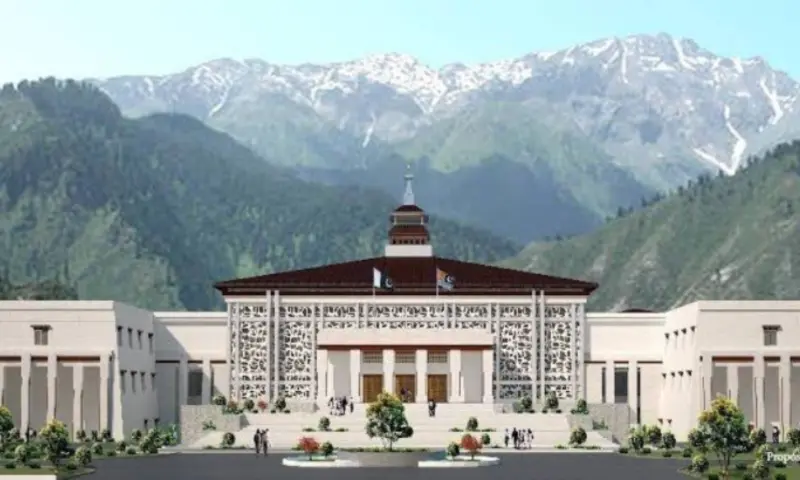
    MUZAFFARABAD: The Azad Jammu and Kashmir (AJK) Legislative Assembly on Wednesday offered to reopen negotiations with the proscribed Joint Awami Action Committee (JAAC), subject to the disbandment of armed groups, surrender of those allegedly involved in serious crimes and an unequivocal commitment to pursue demands through constitutional and democratic means.

    The region has witnessed violence-marred protests over the past few months, particularly in June and July, with reports of sporadic unrest in recent weeks. At the root of the tensions was JAAC’s demand to abolish the 12 refugee seats in the AJK Legislative Assembly.

    Adopting a resolution unanimously, the House on Wednesday also demanded an end to all sit-ins and illegal protests, reopening of highways and other routes, and a public apology by JAAC’s leadership for what it described as anti-state narratives directed against state institutions, law enforcement personnel, Pakistan and the Kashmir freedom movement.

    The resolution, jointly moved by Deputy Speaker Mohammad Ahmed Raza Qadri, Forests Minister Waqar Ahmed Noor, Health Minister Dr Mustafa Bashir Abbasi, Education Minister Umair Naeem, Energy and Water Resources Minister Saqib Majeed Raja and MLA Chaudhry Mohammad Ismail, was read out by Noor. The sitting was presided over by Speaker Chaudhry Tariq Farooq.

    The House said the AJK government would be prepared to resume meaningful political dialogue with the committee within the framework of the Interim Constitution of 1974 and relevant laws if the stipulated conditions were met. It maintained that a lasting solution to political disputes lay in constitutional means, the rule of law and mutual respect rather than violence and confrontation.

    The resolution held the JAAC leadership primarily responsible for the breakdown of negotiations, claiming that the government had accepted several of its demands and provided assurances on others despite violent protests.

    It alleged that JAAC had subsequently interpreted the government’s concessions and flexibility as weakness and raised unconstitutional demands incompatible with the existing constitutional and democratic structure of AJK.

    The resolution further said the government had also offered several alternative avenues for resolving the dispute, including high-level negotiations, participation in a multi-party conference and the general elections, seeking the AJK Supreme Court’s opinion on constitutional questions through a reference, and holding a referendum on important constitutional matters.

    The JAAC leadership, however, had rejected these options, the resolution claimed.

    The assembly expressed grave concern over what it described as attempts to disrupt the timely holding of general elections and create anarchy and uncertainty in the state through armed groups and violent marches since June 2026.

    It accused elements affiliated with JAAC of obstructing the movement of law enforcement agencies (LEAs), blocking highways, attacking hospitals, threatening government officials, establishing armed checkpoints and causing the closure of universities, medical colleges, schools and other public institutions.

    The resolution also alleged that armed groups had obstructed the supply of essential commodities, opened fire with sophisticated weapons and carried out lethal attacks on law enforcement personnel. It particularly condemned the alleged desecration of the bodies of police personnel martyred during the unrest and restrictions imposed on the movement of ordinary citizens through armed checkpoints.

    The House said the violence had severely disrupted normal life, caused shortages of essential commodities and forced women, children and elderly people to leave affected areas for the safety of their lives and property. Access to education and healthcare, freedom of movement and protection of life and property had also been affected, it added.

    According to figures placed before the assembly, 34 LEA personnel had been martyred and 248 injured during the unrest, which erupted in June.

    The assembly paid tribute to all those martyred and expressed condolences and solidarity with their bereaved families.

    At the same time, the House made a distinction between the right to peaceful protest and unlawful activities, reiterating that peaceful demonstrations, political dissent and constitutional rights were fundamental entitlements of citizens, which the state was bound to protect.

    It maintained that these rights could not be used as a cover for armed violence, holding citizens hostage, damaging public and private property, blocking highways or attacking state institutions.

    The resolution echoed the then-AJK government’s allegations that the JAAC leadership had used social media to promote a narrative contrary to facts and exaggerate casualties, spreading anxiety and speculation among Pakistanis and Kashmiris living abroad.

    The resolution warned that in case of non-compliance with its demands, the AJK government should discharge its constitutional responsibilities by taking necessary legal action through LEAs to restore state authority, maintain public order and protect citizens’ lives and property. Such action, it stressed, must remain within the bounds of the Constitution, law and human rights.

    The House also paid tribute to the historic contributions of the people of Poonch to the Kashmir freedom movement, expressing the expectation that they would help maintain peace, stability and the rule of law in the region.

    Reaffirming its commitment to preserving the existing administrative and constitutional structure of AJK, the assembly said the state’s peaceful, stable and democratic character was essential not only for safeguarding the rights and collective interests of its people but also for the broader objectives of the Kashmir freedom movement.

    It resolved that political differences and public demands would be addressed through dialogue and constitutional means, but there would be no compromise on the rule of law, state authority and the protection of public life and property.

    Additionally, the House approved three resolutions tabled by treasury members Pir Mazhar Saeed and Sehrish Qamar, as well as Opposition Leader Chaudhry Muhammad Yasin.

    Through their respective motions, Saeed called for displaying Quranic verses affirming the finality of prophethood in the Assembly hall, Qamar welcomed the recent visit of the PML-N leadership to Muzaffarabad, and Yasin paid tribute to former president Raja Zulqarnain Khan.

    On June 5, following the announcement of the JAAC’s June 9 strike, the then-PPP-led AJK government declared the committee a proscribed organisation and placed it under the First Schedule of the region’s anti-terrorism act (ATA).

    A day later, AJK authorities launched a crackdown on the JAAC, arresting scores of its leaders and later placing scores of its activists on the Fourth Schedule of the ATA.

    Elections in the region were held in three phases on July 27, Aug 2 and Aug 10 amid protests in some parts. The PML-N — which leads the coalition in the Centre — emerged as the winner.

    Earlier this month, AJK President Dr Muhammad Najeeb and Prime Minister Iftikhar Gillani called for restraint and peace, with the latter observing that provocative discourse and prevailing unrest were disrupting the lives of ordinary people.

    The remarks came days after the Human Rights Commission of Pakistan (HRCP) expressed its concern over “reports of a fresh spate of violence in Rawalakot in AJK, with allegations of casualties among both protesters and law enforcement personnel”.

    It called for the media to be “given unhindered access to report from the region independently”. “The priority must be to prevent any loss of life and resolve the situation through political dialogue rather than by force,” HRCP stressed.

    Source: dawn

  • Trump says he will meet ‘smart guy’ Abdul El-Sayed on universal healthcare

    Trump says he will meet ‘smart guy’ Abdul El-Sayed on universal healthcare

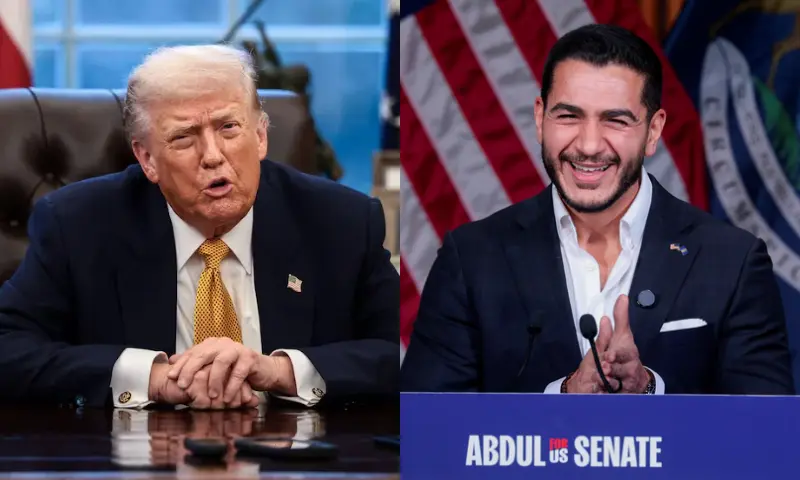
    United States President Donald Trump said on Tuesday he would meet with Michigan Senator-elect Abdul El-Sayed to discuss universal healthcare, signalling a possible opening for cooperation after a combative election campaign.

    “I know I’ll be meeting with him,” Trump told the New York Post in an Oval Office interview, referring to El-Sayed’s proposal to rebrand Medicare for All as “Trumpcare”.

    “Maybe there’s some place in the middle that we could go,” Trump added, suggesting room for compromise on healthcare reform.

    Trump described El-Sayed as “a smart guy” and said he had done “a very good job” promoting the idea.

    El-Sayed made universal healthcare a central issue in his campaign and sought to appeal directly to Trump by proposing that the plan carry the president’s name.

    Earlier this month, El-Sayed posted an image of a gold “Trumpcare” card on US social media company X, urging the president to guarantee healthcare coverage “from cradle to grave”.

    Trump called the branding idea “very smart” and said he saw room to work with the incoming Democratic majorities in Congress, though he expected tensions at first.

    “I’m just going to veto everything there is, and then at some point I think they’re going to want to negotiate,” he said. “I will, and we can do health care. We can do a lot of great things together.”

    Trump repeatedly attacked El-Sayed during the campaign, while the Michigan Democrat was a vocal critic of the Trump administration. El-Sayed is set to become the first Muslim US senator.

    Republicans ran a scorched-earth campaign to paint Democrats as communists and branded El-Sayed a terrorist who would endanger Americans.

    But the straight-talking 42-year-old El-Sayed pledged to help cash-strapped voters navigate America’s fractured, for-profit health care system.

    During the race, El-Sayed drew huge campaign crowds across the state, even in deeply conservative Republican areas.

    El-Sayed also vowed to get “money out of politics” and address the harsh economic woes that have voters yearning for a political newcomer to shake up the status quo.

    Source: dawn

  • India says ‘cockroach’ movement leader Das told not to use passport

    India says ‘cockroach’ movement leader Das told not to use passport

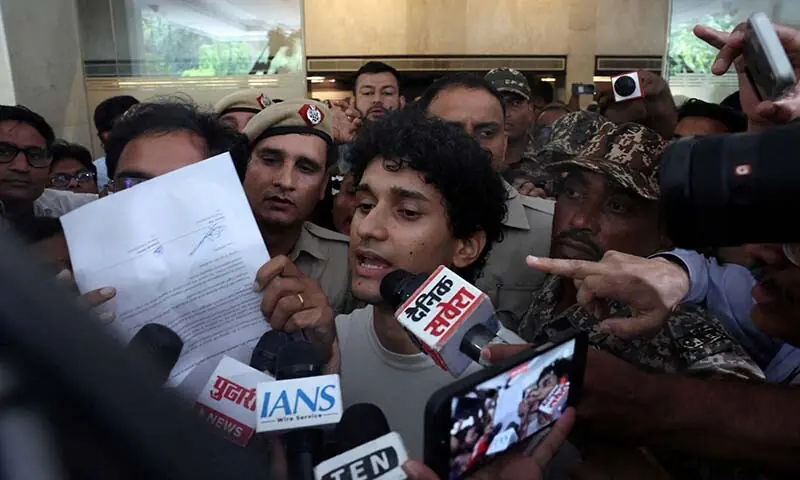
    India’s foreign ministry said on Wednesday that passport authorities asked ‘cockroach’ movement leader Saurav Das not to ​use his passport until he clarified information about ‌his place of birth.

    On Monday, Das said he was stopped at Delhi airport hours before he was due to fly to London ​to speak to students, after being issued the passport ​notice. Das accused Prime Minister Narendra Modi’s government of ⁠trying to silence dissent and stifle debate by blocking ​his travel to Britain.

    Indian foreign ministry spokesperson Randhir Jaiswal said ​passport authorities issued a notice if a discrepancy was noted or reported, amounting to a suppression of facts.

    “He was also advised not to ​use the passport until he had submitted his response,” ​Jaiswal told a regular media briefing, referring to Das.

    Das has petitioned the ‌Delhi ⁠High Court against the government move, legal news website LiveLaw reported. The plea will be heard on Thursday.

    Das was among 14 people who scaled barricades on October 13 to enter ​the Jantar Mantar ​observatory in ⁠central Delhi, a day after it was removed from a list of designated protest sites. ​He was detained for a few days. He led ​thousands ⁠of youth supporters demanding Chief Election Commissioner Gyanesh Kumar’s resignation over voter list revisions that critics say favour Modi’s Bharatiya Janata Party.

    This ⁠followed ​a weeks-long sit-in by supporters of the ‘cockroach’ ​movement earlier this year that forced Education Minister Dharmendra Pradhan to resign over ​exam paper leaks.

    Source: dawn

  • NCCIA claims busted call centre at Karachi’s Sharea Faisal defrauding elderly US citizens

    NCCIA claims busted call centre at Karachi’s Sharea Faisal defrauding elderly US citizens

    The National Cyber Crime Investigation Agency (NCCIA) said on Wednesday that it had busted a call centre in Karachi for fraud, arresting five people and recovering Rs150 million in cash as well as about Rs60m in cryptocurrency.

    According to a press release issued by the agency, the call centre allegedly defrauded elderly United States citizens with claims surrounding medical equipment and health insurance.

    The network allegedly operated under the names ‘Global Resource Group’, ‘Phoenix Marketing Solution’ and ‘The Call Solution’ between 2020 and 2025 from offices at Anam Empire on Sharea Faisal, the NCCIA alleged.

    It added that the network moved about Rs1.2bn to Pakistan in “proceeds of crime”.

    A first information report (FIR) was registered against 10 suspects, the statement said, adding that five had been arrested. The other five, including a bank branch manager, were absconding and efforts to recover them were underway.

    The FIR invoked Sections 3 (unauthorised access to information system or data), 4 (unauthorised copying or transmission of data), 13 (electronic forgery), 14 (electronic fraud), 16 (unauthorised use of identity information) and 26 (spoofing) of the Prevention of Electronic Crimes Act (Peca), read with sections 34 (common intention) and 109 (abetment) of the Pakistan Penal Code (PPC).

    The probe was also widened to cover money laundering under the Anti-Money Laundering Act, 2010. The agency said the assets bought with the money were currently being identified, along with other accomplices and cross-border facilitators.

    “According to the investigation, the accused made unsolicited calls to elderly patients in the United States. They misrepresented the eligibility, coverage and insurance benefits of durable medical equipment (DME) products”, which gave them access to the personal and medical information of their victims, the NCCIA said.

    It added that the data was passed to a US-based medical billing partner, which submitted unlawful claims to US health insurers including Medicare, Humana and UnitedHealthcare. The billing partner kept “its commission and expenses” while the rest of the money was shared among the suspects.

    The money was brought to Pakistan through “illegal hawala/hundi channels and merchant facilities” and received in cash and through dummy bank accounts belonging to fictitious companies and firms, the NCCIA said, noting that 23 such accounts had been identified.

    “Approximately Rs1.2bn was debited and credited through these accounts in a short period,” it said.

    “The money was then allegedly spent on movable and immovable property and digital assets to hide its illegal origin.”

    Rs150m in cash was recovered, alongside a currency-counting machine, four luxury vehicles estimated to cost Rs48m, about Rs60m in cryptocurrency identified in a Binance account, and digital evidence including 11 mobile phones, tablets and laptops; a passport and bank records of the fictitious firms.

    Earlier this month, the NCCIA claimed to have conducted a major operation against an alleged international fraud network and arrested 273 people from a call centre located on Sharea Faisal. In a separate raid in October, it claimed to have arrested over 40 suspects in a raid on another “illegal call centre” located on the same road.

    In September, more than 70 people were arrested in two raids on as many call centres in PECHS for allegedly targeting US citizens through fraudulent schemes involving offers for new credit cards and low-interest financial services.

    Source: dawn

  • Minister vows to upgrade GB’s road infrastructure, reviews ongoing development work

    Minister vows to upgrade GB’s road infrastructure, reviews ongoing development work

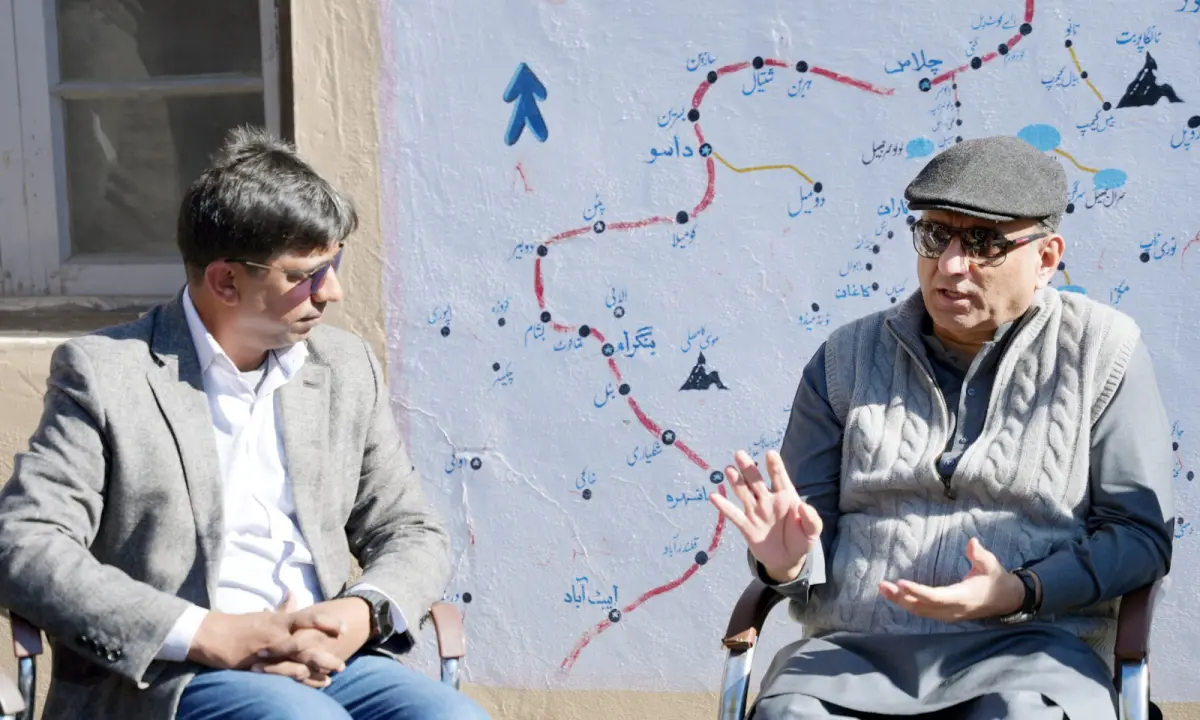
    ISLAMABAD: Communications Minister Abdul Aleem Khan vowed on Wednesday to upgrade the road infrastructure of Gilgit-Baltistan (GB) to modern standards.

    During his visit to GB, the minister inaugurated the newly reconstructed Bageecha Bridge, which had previously been destroyed by floods, as well as the Maloopa Shelter constructed by the National Highway Authority (NHA).

    The minister inspected the ongoing construction and development work on the Jaglot–Skardu Road, being briefed by officials from the Frontier Works Organisation (FWO) and the NHA on the development projects underway in the region.

    ​Aleem, also the president of the Istehkam-i-Pakistan Party, affirmed the federal government’s commitment to improving GB’s challenging road infrastructure, particularly in Skardu.

    He noted that the NHA was executing various development projects using its own resources and urged the PPP-led GB government to extend its full cooperation in these efforts.

    The minister said that the NHA had been directed to install lights along the Jaglot–Skardu Road, establish rescue services, and further enhance travel facilities for commuters. He said he had personally visited GB to inspect the ongoing work on the ground.

    He added that work on installing overhead protective sheds in landslide-prone areas, including Maloopa and Barundonala, had commenced to ensure safer travelling conditions for the public, alongside improvements to the patrolling system along the Baltistan Road.

    For commuter safety, a 1.56-kilometre-long Malupa Tunnel will also be constructed on the Jaglot–Skardu Road with a total width of 10.8m, accommodating two-way traffic with shoulders on both sides, he said.

    ​Accompanied by senior officials, the minister inspected additional development projects being executed by the NHA and FWO. He directed the authorities to devise a sustainable solution to the damage caused by landslides and heavy rainfall, keeping the area’s harsh weather conditions in mind.

    He emphasised that construction work must be durable, of high quality, and completed within the stipulated timeframe, noting that the protection of people’s lives and property was directly linked to safe and secure highways.

    The federal secretary for communications, NHA chairman and other senior officials briefed Aleem on the progress of various projects and apprised him of the challenges faced in their execution.

    Upon his arrival in GB, the minister was warmly welcomed by former governor Raja Jalal Maqpoon, GB provincial minister Anwar Ali, member of the Assembly Muhammad Ali and other political leaders, with the party’s Central Secretary General Mian Khalid Mahmood also in attendance.

    Speaking to the political leaders, Aleem said visiting GB always gave him immense pleasure and that the development of the region remained his top priority. He also listened to the concerns of local residents and assured them that their issues, particularly those related to the NHA, would be resolved at the earliest.

    The federal government in September identified seven roads spanning 464km across the region for federalisation under Prime Minister Shehbaz Sharif’s tourism initiative, with the routes to be constructed, widened, rehabilitated and maintained by the federal authorities to improve connectivity and promote tourism.

    Separately, a €54.24 million (Rs17.2bn) project was launched the same month by the Agence Française de Développement, the GB government, the Euro­pean Union and Aga Khan Foundation to strengthen climate resilience and improve living conditions across the region.

    Source: dawn

  • US unveils proposed tariffs on major partners, including EU, China and India

    US unveils proposed tariffs on major partners, including EU, China and India

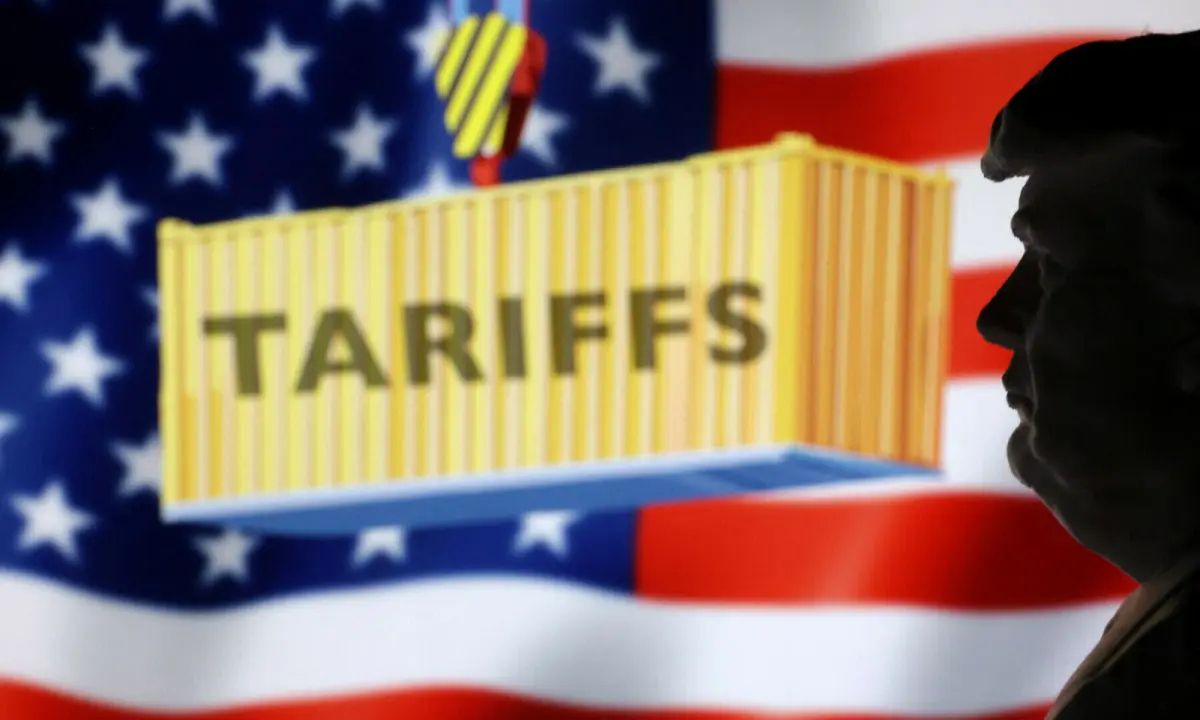
    The United States on Wednesday unveiled proposed tariffs on 14 economies, including the European Union, China and India, after a months-long probe into alleged excess production — the latest move by US President Donald Trump to remake Washington’s trade relationships.

    The duties, proposed at up to 20 per cent, come over allegations that the economies “are promoting production and capacity divorced from the realities of demand and market principles,” a senior US official said on condition of anonymity.

    The new tariffs will need to undergo a period of public comment before taking effect, with the official adding that the proposals take existing trade deals into account.

    The new levies target some of the United States’ largest trading partners, including China, the European Union, India, Bangladesh, Cambodia, Indonesia, Japan, South Korea, Malaysia, Singapore, Switzerland, Taiwan, Thailand and Vietnam.

    The US official made specific mention of China, for whom a 20pc tariff is being proposed, the joint-highest for any economy.

    In a separate announcement, the US Trade Representative’s office also proposed additional tariffs on goods from Brazil, including aircraft, over alleged inaction on addressing US trade concerns.

    Trump’s tariffs have targeted Washington’s friends and foes alike, and are part of a push in his second term to remake global trade by forcing countries to buy US products or produce their goods in his country.

    The latest move offers some relief for partners that earlier signed tariff deals with the Trump administration, but it could still raise temperatures as the US president prepares to host G20 leaders in Miami in December.

    “We don’t expect this to create tension or rancor” at the G20 summit, the senior US official said. “We actually expect that we may be signing more agreements at the G20 in the wake of these announcements.”

    Inflation pressures

    Over-capacity concerns affect a range of sectors, from batteries to cement, chemicals to processed food, the senior US official said.

    The duties could add further pressure on US businesses already squeezed by earlier tariffs, with firms now likelier to pass on costs to consumers already frustrated with the high cost of living.

    Affordability was a key issue in recent midterm elections, which saw Trump’s Republican Party swept out of power in both houses of Congress by Democrats.

    US consumer inflation came in at 3.7pc year-on-year in September, close to a three-year high as prices are pushed up by the effects of Trump’s war on Iran, tariffs, and the massive AI investment boom.

    US Federal Reserve policymakers, responsible for keeping inflation to a long-term two-per cent target, say that most price effects of Trump’s previous tariff rollout have passed through the economy — but any new levies could push prices up further.

    The new tariffs are likely to come into effect in January at the earliest, the senior US official said.

    Trump’s latest duties come after an investigation the US Trade Representative started in March on excess manufacturing capacity and production.

    The concern was whether other countries were taking actions deemed “unreasonable or discriminatory,” and if they weighed on US commerce.

    The probes came days after the US Supreme Court struck down Trump’s previous slew of tariffs, holding that the president did not hold the authority to impose the duties using the law the White House had cited.

    Pushback expected

    Trade lawyer Ryan Majerus told AFP that he expected this probe to be among “the most important” actions for the Trump administration, given its underlying concern that factories with excess capacity start operations abroad and “never get turned off, even if there’s no demand.”

    This potentially leads to an oversupply of goods, depressed prices and a “hollowing out” of US manufacturing, he added.

    The US determination is likely to face strong pushback from China and others, with Beijing long rejecting criticism that it relies too much on exports to boost its economy.

    While the US Supreme Court struck down Trump’s global tariffs in February, his sector-specific duties remain intact.

    The new tariffs will not stack on top of those sector-specific tariffs on items like automobiles and steel, the senior US official said.

    In July, Trump imposed a separate wave of tariffs on 60 economies, accusing them of insufficient action against forced labour.

    For economies facing both the forced labour and excess production tariffs, the levies would not stack, the US official said. Instead, the higher rate of the two would prevail.

    Source: dawn

  • Tarar urges social media companies to establish offices in Pakistan

    Tarar urges social media companies to establish offices in Pakistan

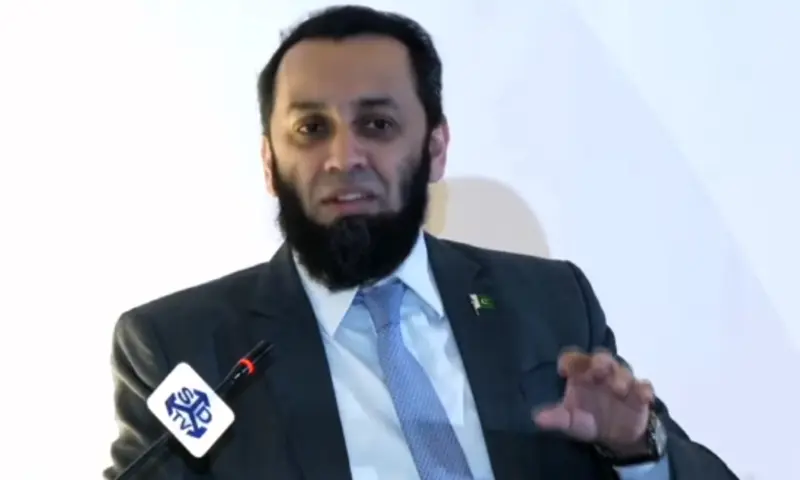
    Federal Information Minister Attaullah Tarar on Wednesday urged social media companies to establish their offices in Pakistan and expand their presence in the country.

    He made the remarks while addressing a seminar organised by the Sustainable Policy Development Institute in Islamabad.

    “Social media platforms are most welcome. We want their business to grow in Pakistan,” he said.

    The minister said that the country needed their presence as it had a vibrant youth population that created “positive content”.

    “We have the potential to create good and positive content and these social media companies can benefit from that content.

    “They should open their offices in Pakistan,” Tarar urged.


    More to follow

    Source: dawn

  • California grand jury indicts Meghan Markle’s estranged father on child porn charges

    California grand jury indicts Meghan Markle’s estranged father on child porn charges

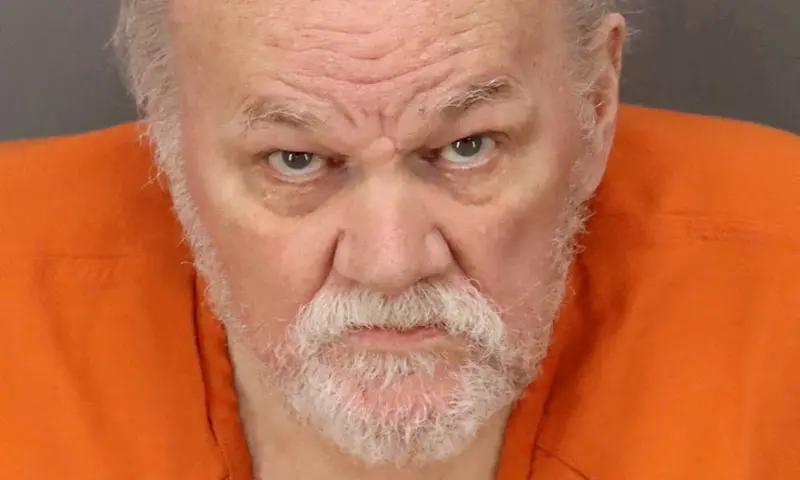
    The estranged father of Meghan Markle, wife of Britain’s Prince Harry, was indicted by a California grand jury on Tuesday on two counts of possession of child pornography.

    Thomas Markle, 82, who is already in custody in Florida after removing the ankle monitor that had been attached as a condition of house arrest, is expected to be arraigned in the United States District Court in Los Angeles in the coming weeks.

    The indictment alleges that Markle had 35mm negatives showing child sexual abuse, including at least one image involving a prepubescent minor.

    Court documents allege Markle had illegal photographs both in the Philippines, where he had previously lived, and in two rented storage facilities in Los Angeles.

    Prosecutors said FBI agents seized dozens of images on slides, film negatives and in books, including two that appear to depict Markle with children who are either naked or in various states of undress.

    A Florida judge this month ordered that Markle undergo a psychiatric examination after finding “reasonable cause to believe” that he was suffering from a condition “rendering him mentally incompetent to the extent that he is unable to understand the nature and consequences of the proceedings against him or to assist properly in his defence”.

    Philippines seeks charges

    Philippine authorities filed criminal complaints against Markle last week in Cebu, where he is said to have lived for over a year, regional prosecutor Graeme Elmido said.

    Police recommended that Markle be charged with two counts of distributing child sexual abuse material and one count of possessing such material under Philippine law.

    “The complaints will go through preliminary evaluation,” Elmido said.

    “If the evidence warrants… a regular preliminary investigation subpoena will then be sent to Markle Sr to answer the charges.”

    Markle’s legal troubles began in October when the British tabloid The Sun reported that his son, Thomas Markle Jr, had discovered child sex abuse images while going through boxes found in his father’s former home in the Philippines.

    Markle had been living in Cebu until reportedly returning to the United States earlier this year.

    Meghan Markle said last month that she was “deeply distressed” by accusations that her father possessed images of child sexual abuse.

    She said she had blocked contact between him and her children over previous “troubling and disturbing” allegations.

    Harry, the second son of King Charles III and estranged brother of the heir to the throne, Prince William, married Meghan, an American former actor, at Windsor Castle in May 2018.

    The couple left Britain and quit royal duties in 2020 but made an unexpected return with their two children to live in the United Kingdom in August.

    California grand jury indicts Meghan Markle's estranged father on child porn charges

    Source: dawn

  • £190m corruption case: Imran, Bushra’s counsel says transaction caused no loss to exchequer

    £190m corruption case: Imran, Bushra’s counsel says transaction caused no loss to exchequer

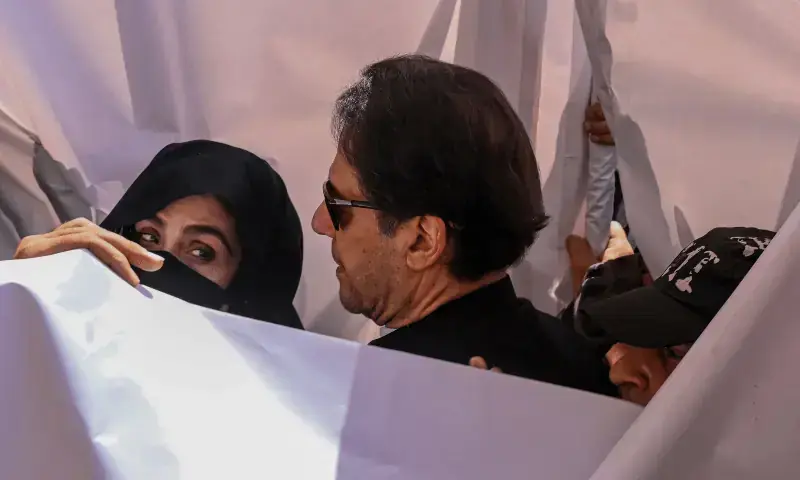
    ISLAMABAD: In the £190 million corruption case, counsel for PTI founder and former prime minister Imran Khan and his wife, Bushra Bibi, argued that the transaction had caused no loss to the national exchequer but had instead proved financially beneficial.

    The couple is serving prison sentences in the £190 million corruption case, also known as the Al-Qadir Trust case. On January 17, 2025, an accountability court in Islamabad sentenced Imran to 14 years in prison and Bushra to seven years in the case. Both subsequently challenged their convictions before the IHC.

    The development came as the Islamabad High Court (IHC) resumed hearing appeals filed by Imran and Bushra against their convictions on Thursday.

    A division bench comprising IHC Chief Justice Sardar Muhammad Sarfraz Dogar and Justice Muhammad Asif heard the appeals.

    At the outset, Barrister Salman Safdar, counsel for the appellants, sought live streaming of the proceedings, arguing that the facility was available in courts across Pakistan and in other countries.

    He said the request was aimed at ensuring transparency in a case involving matters of public importance. The counsel clarified that he was not seeking a telecast of the proceedings on Pakistan Television but wanted them to be live-streamed for public access.

    Barrister Safdar pointed out that the trial had been conducted behind closed doors inside Adiala jail, arguing that open, live-streamed proceedings before the IHC would help address the lack of public access during the trial.

    Justice Dogar observed that arguments concerning the May 9 incident and other general matters were irrelevant to the proceedings. He advised the counsel to focus on the pending application and the legal issues involved in the appeals.

    Justice Dogar also pointed out that the IHC proceedings were already open to the public and that the courtroom was crowded.

    When Barrister Safdar mentioned that Imran was 74 years old and incarcerated, the chief justice advised him to advance legal arguments rather than refer to general information about the appellant.

    The counsel cited the case of former military ruler General (retd) Pervez Musharraf and read excerpts from Indian court judgments in support of his plea for live-streaming.

    However, Justice Dogar observed that rules governing live-streaming were yet to be finalised and that the application could not be allowed at this stage.

    Barrister Safdar requested the court to adjourn the application until the rules were framed, expressing hope that the matter would be resolved soon. He said that, as an advocate, he considered it appropriate to advance legal arguments even if the judge was initially reluctant to accept his request.

    The chief justice observed that the conduct of proceedings was at the court’s discretion.

    Arguing the main appeals, Barrister Safdar said the prosecution had produced 35 witnesses during the trial and Imran had been convicted under various provisions of the National Accountability Ordinance.

    He elaborated that Imran was formally arrested in the case on November 13, 2023, while Bushra was convicted of abetment and arrested after her conviction.

    The counsel pointed out that several individuals, including former accountability adviser Mirza Shahzad Akbar, property tycoon Malik Riaz, his son Ahmed Ali Riaz, Zulfikar Bukhari, Farhat Shahzadi and Ziaul Mustafa Nasim, had been declared absconders in the case.

    Reading from the charge sheet, he said Akbar had produced a letter from the UK’s National Crime Agency (NCA) regarding the freezing of accounts belonging to Riaz and his family members.

    He said the accounts had been frozen in three phases and maintained that the alleged financial benefits to Imran and Bushra had been extended before the accounts were frozen.

    He also referred to the prosecution’s allegation that Bahria Town had extended financial benefits to Imran and Bushra through Bukhari in April 2019 under the guise of donations.

    However, he pointed out that Riaz’s money had been frozen on August 12, 2019. Initially, the allegation against Imran was one of abetment, but Imran was subsequently made the principal accused, the counsel added.

    According to the prosecution’s case, Imran allegedly approved the transfer of the frozen funds to an account maintained by the Supreme Court in violation of the Rules of Business. The funds were linked to Rs460 billion that Riaz was supposed to deposit in connection with the Bahria Town land dispute in Karachi.

    Barrister Safdar argued that the amount had been transferred to the SC account even before the Federal Cabinet’s approval.

    He alleged that Akbar and Nasim, both absconders in the case, had played a role in placing the relevant summary before the cabinet and facilitating the transfer.

    The counsel further added that the prosecution’s case was that the amount should have been deposited with the State Bank of Pakistan (SBP) rather than the apex court account to settle a civil liability.

    Referring to the Al-Qadir University land transaction, he said the land had been transferred in January 2021. The prosecution had alleged that Riaz provided Rs285 million for the university’s building and furniture, but the amount was never transferred to Imran or Bushra’s personal accounts, the counsel argued.

    The counsel said Imran was accused of chairing a cabinet meeting on December 3, 2019, and misleading its members into approving the transfer to benefit Riaz.

    He maintained that the funds were deposited in the SC account and subsequently invested in profitable ventures, generating substantial returns.

    “The amount remained with the Supreme Court for four years, and everyone knew about it,” he argued, adding that the funds had yielded significant profits.

    Barrister Safdar further argued that Akbar had held multiple positions, including special assistant to the prime minister, chairman of the Assets Recovery Unit and adviser on accountability. He alleged that Akbar, in connivance with others, had played a key role in signing the confidentiality agreement that paved the way for the recovery of the frozen funds.

    He contended that there was no evidence establishing Imran’s active knowledge of any alleged wrongdoing and that neither Imran nor Bushra had signed the confidentiality agreement.

    He also questioned how Imran could have been aware of any alleged irregularities when the National Accountability Bureau (NAB) itself was part of the Assets Recovery Unit.

    When Justice Dogar observed that the Assets Recovery Unit was an independent entity, Barrister Safdar responded that it comprised officials from NAB, the Federal Investigation Agency and SBP.

    “If these officials were unaware of any wrongdoing, how could Imran Khan have known about it?” he questioned.

    The counsel argued that the transaction did not cause any loss to the national exchequer, as the amount had remained within the banking system and had almost doubled through investments.

    He maintained that the case could not be characterised as one involving a financial loss to the national exchequer, arguing instead that the transaction had generated profits. He also argued that the costly prosecution itself had burdened taxpayers.

    Questioning the prosecution’s reliance on alleged collusion, he said the trial had concluded while several key suspects remained absent and had been declared absconders, raising questions about how the alleged conspiracy and connivance had been established.

    Regarding Bushra, Barrister Safdar argued that she had no direct connection with the transaction and that neither the investigation nor the trial court’s judgment had clearly explained her specific role in the alleged offence.

    He further contended that there was no evidence establishing that the money frozen in the United Kingdom represented proceeds of crime. If the funds were illicit or proceeds of crime, there could be legal consequences; otherwise, their owner was entitled to deal with the money at his discretion, he argued.

    The counsel described both the reference and the charge sheet as vague, maintaining that the prosecution had failed to establish the essential ingredients of the offences against the appellants.

    The court adjourned further hearings of the appeals until next week.

    Source: dawn