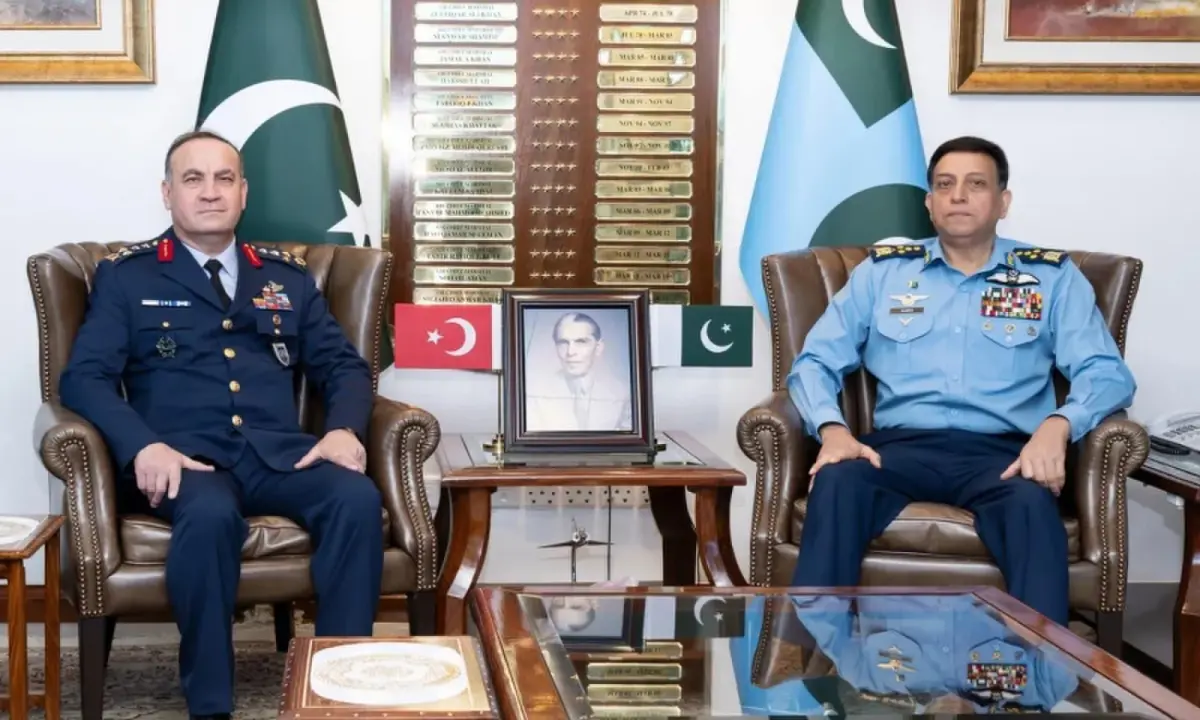
Air Chief Marshal (ACM) Zaheer Ahmed Baber Sidhu and Turkish Air Force Commander General Rafet Dalkıran discussed opportunities to enhance bilateral defence cooperation in unmanned and autonomous systems, electronic warfare, advanced aerospace technologies, and indigenous research, development and production.
In a statement issued on Wednesday, the Pakistan Air Force’s Directorate General of Public Relations (DGPR) said the air chief highlighted that the Pakistan-Turkiye partnership, founded on shared history, common values and mutual trust, had evolved into a robust strategic relationship with considerable potential for expansion in the defence and aerospace domains.
ACM Sidhu also assured the visiting dignitary of the PAF’s all-out support in the areas of pilot training, professional development and capacity-building endeavours of the Turkish Air Force, the statement added.
The DGPR said he apprised the visiting dignitary of the PAF’s ongoing transformation into a “technologically advanced, multi-domain air force”, driven by capability-centric modernisation, indigenous innovation and investment in next-generation operational concepts.
Both air chiefs identified “substantial opportunities” for enhancing bilateral defence cooperation in unmanned and autonomous systems, electronic warfare, advanced aerospace technologies, and indigenous research, development and production.
They also stressed the importance of institutionalised professional exchanges, integrated training programmes and joint exercises to enhance interoperability and foster greater operational synergy between the two air forces, the DGPR said.
Turkish Air Force Commander General Dalkıran acknowledged the PAF’s “remarkable professional standing, operational proficiency and combat experience”.
He also appreciated the PAF’s progressive modernisation trajectory, growing indigenous aerospace capabilities and pursuit of technological self-reliance under the leadership of ACM Sidhu, the statement said.
The visiting Turkish officer also expressed his “earnest desire” to leverage the PAF’s rich combat legacy and extensive operational expertise to advance bilateral defence cooperation.
Upon arrival at Air Headquarters, the Turkish air force commander was accorded a guard of honour by a “smartly turned-out contingent” of the PAF.
The visit reflects the growing strategic depth of Pakistan-Turkiye relations and a shared resolve to move towards a more “integrated, technology-driven and forward-looking defence partnership”, the statement said further.
The Turkish air force commander also called on Chief of Defence Forces (CDF) and Chief of the Army Staff Field Marshal Asim Munir at the General Headquarters a day earlier, where matters of mutual interest, regional security dynamics and avenues to enhance bilateral defence cooperation were discussed.
CDF Munir highlighted the “deep-rooted historical, cultural and strategic ties between the two countries” and appreciated the strong defence partnership between their armed forces.
Earlier in May, the PAF and Turkish Air Force reaffirmed their “growing strategic convergence” in defence, aerospace innovation and emerging technologies during ACM Sidhu’s official visit to Turkiye.
During the visit, discussions also focused on joint exercises, training programmes, professional exchanges and cooperation in unmanned aerial systems and emerging technologies.
Pakistan and Turkiye, meanwhile, are co-signatories to multiple defence agreements, including the Makkah Defence Pact signed in August this year with Saudi Arabia, as well as the multilateral Badr defence cooperation pact in October alongside Qatar and Indonesia.
In addition, Pakistan and Turkiye are part of the Regional Four (R4) Group along with Saudi Arabia and Egypt, which emerged in March and has met several times since then.
As the world eased into the new year in January 2022, a committee at Deutsche Bank headquarters in Frankfurt prepared to discuss if the bank should go ahead with deals which could hurt its reputation.
On its agenda for the Jan 12 meeting was EUR 11.4 million advance payment guarantee to German defence manufacturer Renk GmbH, to fund a contract with the Israeli Ministry of Defence that would continue until 2027.
Renk was to make gearboxes for its Merkava 4 tanks, with the first of the products to be delivered in September 2024.
A document weighing up the deal had been on the tables of Deutsche Bank’s decision makers since Dec 16, 2021.
An assistant general counsel for the bank was among those who contributed his views. He thought the deal involved a “plain vanilla trade finance product which does not carry any remarkable RepRisk in itself.”
He said the likelihood of the deal becoming public was “very low”. But the risk would be even lower if the financing guarantees could be made via an Israeli bank on Deutsche Bank’s behalf, he said.
The gearboxes, he added, were not considered weapons under the German Military Weapons Act, and Renk will secure a license to export them.
“I am supportive of the transaction,” he said. The deal went ahead.
Merkava 4 against civilians
Two years later, in January 2024, six-year-old Palestinian Hind Rajab was on the phone to emergency services, pleading to be rescued. Rajab and six family members were fleeing Israeli attacks in Gaza when the car they were travelling in was shot at. By that point, she was the only one still alive.
After hours of negotiation for safe passage, an ambulance crew heading to rescue the preschooler was intercepted. It would be days before the bodies of the first responders, Hind and her family, could be reached. A total of 335 bullet holes were found on the family’s car.
The Israeli government initially said none of its forces was present, and later claimed the bullet holes came from crossfire. However, satellite imagery and audio analysis of the incident by Forensic Architecture, a research group at Goldsmiths, University of London, found only the presence of the Israeli Defence Force (IDF) at the scene. In an October 2025 filing to the International Criminal Court, the Hind Rajab Foundation alleged that the tanks were Merkava 4. A tank round was found among the remains of the ambulance crew that had attempted to rescue Rajab.
On Aug 19, 2026, more than two years after the incident, the IDF confirmed that its soldiers had opened fire on the car Rajab had been in, as well as at the rescue ambulance. It blamed the shooting on “failures in the co-ordination of the movement of the Palestine Red Crescent Society ambulance,” a claim the PRCS refuted. The IDF said a criminal investigation would be undertaken.
This wasn’t the first documented event where Merkava tanks — the main tanks used in Gaza — were used against civilians since January 2022, when the bank’s Reputational Review committee supported the deal.
Among the most high-profile cases involving Merkava tanks are the siege on Gaza’s Al Shifa Hospital in November 2023 and the fatal attack on civilians waiting for food aid at the Al Tahliya roundabout, as the famine in Gaza worsened in June 2025. This was about nine months after the stated delivery date of the new Renk gearboxes and a month after the IDF published photos of the Renk gearboxes being prepared for mounting.
Sufian Kawareh, 43, had no choice but to go to the relief aid distribution route east of Khan Yunis, in the southern Gaza Strip, to wait among the crowds for trucks loaded with flour.
At the “Al-Tahliya” roundabout — where Kawareh and thousands of starving people sat waiting for the trucks to arrive — shells fired from Israeli Merkava tanks struck the area.
Kawareh felt “an iron saw cutting through his leg” and soon collapsed. After a week of suffering, doctors amputated his foot to keep him alive.
Khaled Walid, 40, who was injured in the Al Tahliya incident, recalled a Merkava 4 tank shooting at the crowd. It was easily distinguishable from other tanks used by the Israeli army, he said. “It had a turret, a cannon, a machine gun and metal structures surrounding its body,” he said in an interview.
Palestinian authorities said at least 59 people who had been waiting for aid were killed in the incident. The IDF said a crowd had gathered near a stuck aid truck close to its troops, that the details were under review, and that it “regrets any harm to uninvolved individuals.
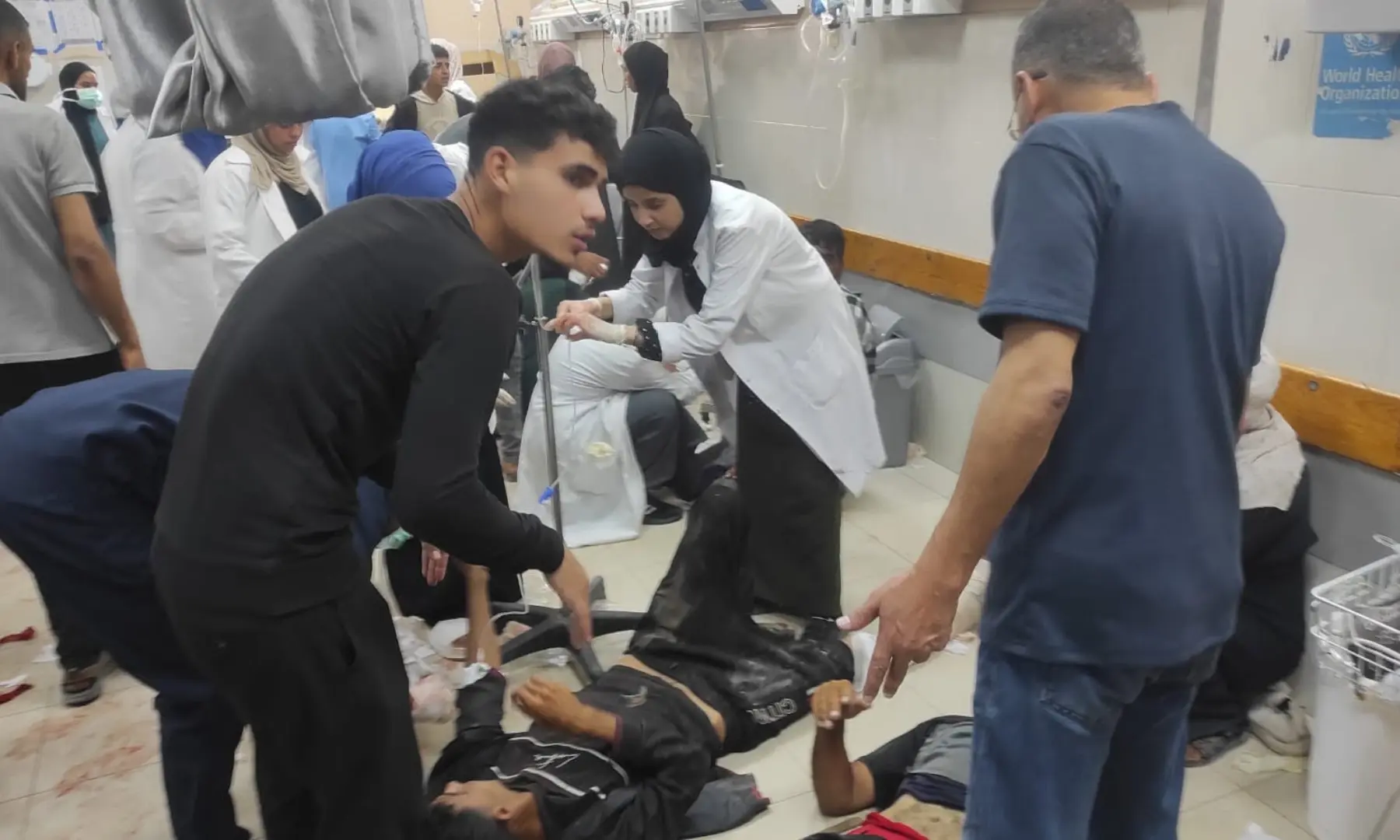
Nasser Medical Complex, the hospital that treated victims of the Al Tahliya roundabout attack, itself came under shelling from a Merkava tank a couple of months later, on Aug 25, 2025, killing Reuters journalist Husam al-Masri. When rescue workers and journalists rushed to the scene, the same tank returned and shelled the hospital again, according to eyewitness and journalist Osama Hisham, whose tent was opposite the Nasser Medical Complex. IDF officials cited by Israeli media at the time also said the same tank had fired twice. A total of 22 Palestinians, including five journalists, some from Reuters and the Associated Press, rescue workers, and a health worker, were killed.
The next day, the IDF said it was targeting a camera used by Hamas, but Reutersconfirmed the camera belonged to the news agency.
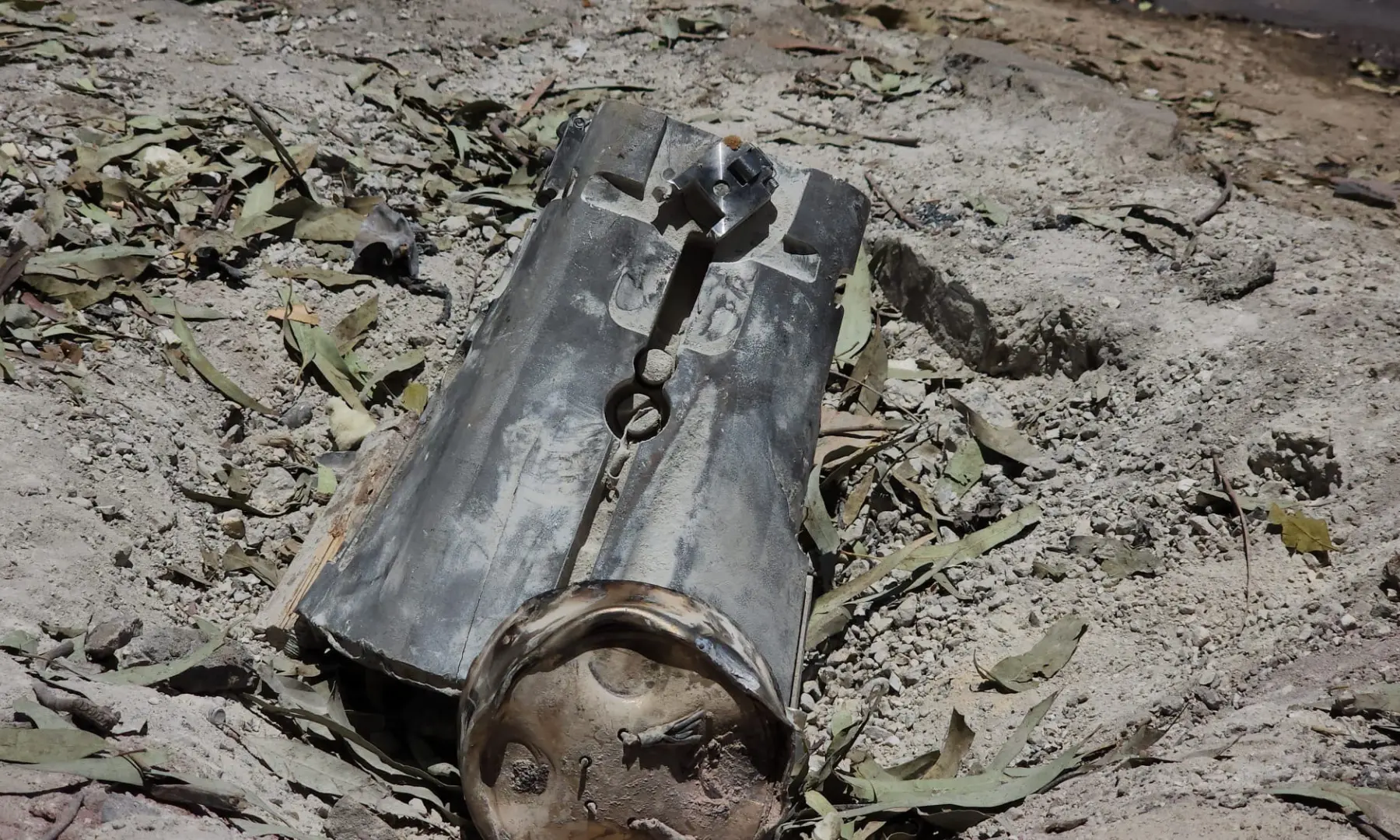
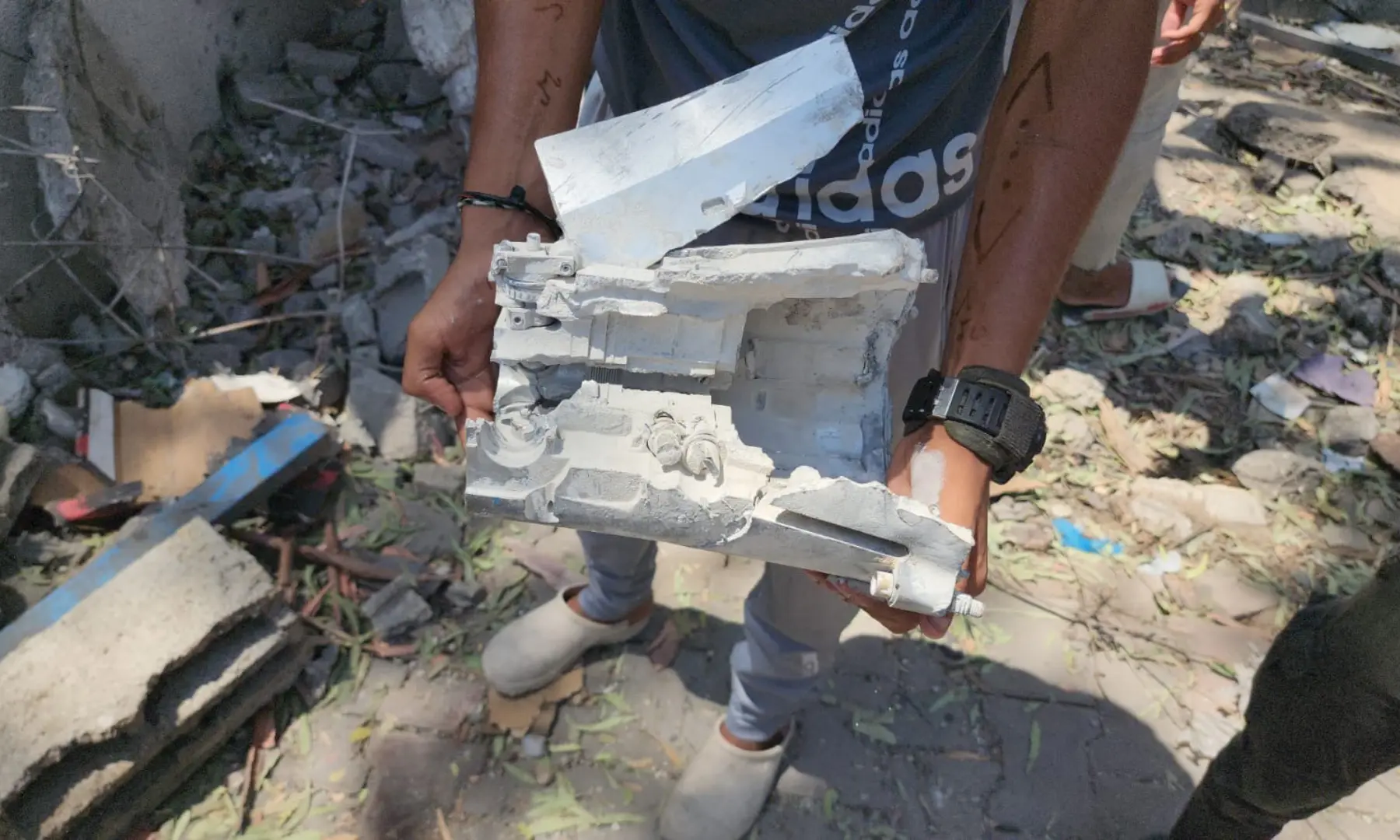
Shown photos of the shells from this incident during an interview, explosives engineer Mohamed Salem, who has experience in explosives disposal in conflict zones, confirmed the attack was the result of 120 mm artillery ammunition designed for the smooth-bore guns of the Merkava tanks. The standard marking “CRTG 120” is visible on the projectile wall.
Several of the high-profile incidents involving the Merkava 4 happened before the first batch of supply supported by Deutsche Bank was scheduled to be delivered in September 2024. According to our information, the incidents in Gaza did not affect the Deutsche Bank-Renk deal.
Negative press
In the December 2021 internal Reputational Risk memo, it was noted that given a rise in Israel-Palestine and Israel-Lebanon tensions across that year, “including cross-border strikes and violent treatment of protestors,” the deal was not without risk.
However, declining such a deal might also invite “negative press” for the bank, given the “historic relationship of Germany and Israel”.
“If non-participation becomes public, we could face criticism from media/government that we deny necessary support to Israel to allow its self-defense,” the memo reads. “Former Chancellor Angela Merkel just stated during her last visit to Israel in Oct. 2021 that the security of Israel is part of our “reason of state” and Germany is not neutral regarding the question of Israel’s security.”
Every Deutsche Bank department consulted in the review said that on balance, the deal should go ahead.
As the violence escalated in Gaza, Deutsche Bank remained committed to Renk.
On Feb 7, 2024, when Renk went public on the Frankfurt Stock Exchange, Deutsche Bank acted as one of the coordinators of its Initial Public Offering alongside Citigroup, Goldman Sachs and JP Morgan.
Court case
One of the justifications given by Deutsche Bank to support the Merkava 4 deal in 2022 was that the exports would still need to be approved by the German government.
However, for most of 2024, hardly any export licences for Israel were approved in Germany, something that affected Renk and Rolls-Royce, who manufactured the Merkava 4 supply engines, sources familiar with the industry said. They said the supply issues jeopardised the Israeli ground offensive. Israel had ramped up its offensive significantly after the Hamas-led Oct 7, 2023 attack on South Israel that killed 1,200 people, including 815 civilians.
In August 2025, the German government suspended the export of weapons to Israel.
Around the same time, a regional appeals court in Hesse, Germany was considering a challenge brought by a Palestinian man in Gaza, who sought to halt German export licences for Renk tank transmission parts bound for Israel. He argued that the licences breached Germany’s constitutional duty to protect his right to life. A Frankfurt court had rejected his application in December 2024, finding he had no standing, and in September 2025 the appeals court upheld that ruling.
Two months later, the German government lifted its partial military exports suspension to Israel, citing the ceasefire announced the month before.
A year on, a UN inquiry found Israel continued committing “genocidal acts with the genocidal intent to destroy, in whole or in part, the Palestinians in Gaza”. Israel rejects this characterisation. More than 1,600 Palestinians — mostly civilians — have been killed in Israeli attacks since the ceasefire.
When contacted, Renk declined to comment. Rolls-Royce did not respond to our requests for comment.
A bomb made to penetrate forts
Renk is not the only defence manufacturer whose products were used by the IDF against civilians, nor the only one supported by Deutsche Bank, posing a question about compliance with the bank’s own human rights policy.
“Our principle is not to engage in any business activities where Deutsche Bank has substantiated evidence of material adverse human rights impacts and where it is determined through the bank’s internal processes that such adverse human rights impacts cannot be avoided or appropriately mitigated,” the bank says in its statement on human rights.
Another defence manufacturer with ties to Deutsche Bank is the Italian arms manufacturer Leonard S.p.a (partially State-owned). By October 2018, the bank was involved in a multi-million-euro Israel-related deal with Leonardo. The bank had been asked to issue trade-related guarantees to the Italian defence firm, which was described internally as a “platinum client”.
Leonardo, via a subsidiary, also makes automatic loaders for the Trophy APS system that protects ground vehicles against potential attacks, including the Merkava 4.
Leonardo is currently facing a lawsuit by a Palestinian citizen and several Italian advocacy groups for breaching the Italian Constitution by allegedly supplying weapons to Israel that were used to violate human rights.
Leonardo’s CEO last year refuted accusations that his company was complicit in the Gaza conflict. In a response to questions from Barracuda Media, the company acknowledged its relationship with Deutsche Bank.
It said it has always operated in strict compliance with national and international regulations governing the export of defense equipment and dual-use goods, as well as in accordance with authorisations granted by the competent authorities.
It noted that following the escalation of the Israeli-Palestinian conflict, Italian authorities have suspended the issuance of new licenses for the export of defense equipment to Israel.
In 2024, BankTrack and 18 other civil society organisations published a report detailing how commercial banks were financing companies that arm Israel weapons. Deutsche Bank, it found, had extended about EUR4 billion in loans and underwriting to defence manufacturers Boeing, Leonardo, Lockheed Martin, Rolls Royce, RTX Corp and General Dynamics between January 2021 and August 2023, although not all their products were used in Gaza.
One of the bombs made by Boeing, with key components provided by a joint venture 25 per cent owned by Leonardo, is the GBU Small Diameter Bomb. The bomb was used by the IDF via its air force to strike homes and urban areas. According to two weapons experts who reviewed photos of the aftermath, it was likely used in the attack on the Al-Mutanabbi School near Khan Younis in July 2024 that claimed the lives of 29 Palestinians.
Analysing photos of the aftermath of the attack, explosives engineer Muhammad Salem said bomb fragments seen at the scene certainly came from precision-guided bombs of the “GBU-39” type, or to its fine suspension and control system, based on the serial number printed on the metal.
The fragments also revealed the manufacturer code registered to Woodward Inc., one of the suppliers of electromechanical systems and guidance actuators for the Boeing. In addition, the numbers showed the exact manufacturing date of the part on March 31, 2022 (2022-03-31), Salem said. He added that the bomb was designed to penetrate forts.
Arms expert Hadavi agrees. In photos of the aftermath, at least one of the GBU Small Diameter Bomb’s four tail-mounted control surfaces, or the “tail wing”, can be seen, he said.
Boeing also makes the bigger and stronger GBU-31, which was dropped on displaced people in tents in the al-Mawasi area of Khan Younis on July 13, 2024. That attack left more than 300 injured and killed 91 Palestinians, according to statistics from the Palestinian Ministry of Health at the time.
Since Oct 7, 2023, Israel has killed more than 75,000 people in Palestine and more than 3,000 in South Lebanon. The deaths include hundreds of journalists and aid workers, more than 1,700 healthcare workers and medical personnel and at least 20,000 children. According to a UN inquiry, children were deliberately targeted “using quadcopters, drones, and sniper rifles…to their head and upper body”.
BankTrack’s human rights lead Ryan Brightwell said that financial institutions have clear human rights responsibilities. “They need to show how they respect human rights and they’re expected to use their leverage over clients to ensure that they’re not causing or contributing to harms,” he said.
If a bank engages with an arms company, “it should be considering divesting or ending the relationship if the client doesn’t change its behaviour,” he added.
Boeing did not respond to our questions.
Controversial weapons
In March 2019, Deutsche Bank expanded its defence policy, which it said “makes clear” it would avoid “entering into, or continuing, any kind of business relationship” with entities that have “clear, direct links” to controversial weapons.
Controversial weapons policies “can include landmines, cluster munitions, nuclear weapons or any kind of weapons that are likely to cause indiscriminate harm. And white phosphorus would clearly fall into that bracket,” said Bank Track’s Brightwell. White phosphorus is known for setting buildings on fire and burning flesh to bone.
Since 2023, the IDF has deployed projectile artillery made with white phosphorus in Gaza and South Lebanon more than a dozen times, HRW reported.
Deutsche Bank internal correspondence suggests how the bank could be employing a loophole in its own policy, by differentiating a parent company and wholly-owned subsidiaries, when defining “direct links” to companies involved in the production and supply of controversial weapons.
In December 2019, a Deutsche Bank reputational risk officer in London told colleagues that transactions involving multinational giant Bayer Group did not have to be flagged for controversial weapons. Instead, only transactions involving Monsanto Co, a fully-owned Bayer subsidiary, needed to be flagged. ICL provides phosphate to Monsanto for the production of white phosphorus, later used to make munitions, according to arms trade watchdog Corruption Tracker.
ICL, the Bayer Group, the IDF and Deutsche Bank did not respond to our questions on white phosphorus.
A lucrative deal
After spending about two decades researching global arms procurement, Andrew Feinstein believes that when it comes to defence deals, financial institutions are primarily motivated by only two things: profit and reputation.
“They honestly don’t care a damn about how many people might get killed, violations of international humanitarian law, war crimes […] unless it’s going to have an impact on their reputation,” said Feinstein, who is executive director of Shadow World Investigations, a UK-based non-profit investigating corruption in arms trade.
At the operational level, he said, this could see bank officers clashing with often “junior” compliance officers, in order to secure their own annual bonuses.
“If you’re generating a certain income [for the company], that is reflected in your annual bonus. So you’re talking about people who are making decisions that are going to personally determine whether they personally make tens of thousands of euros or millions of euros at the end of that financial year,” he said in an interview.
In January 2021, Deutsche Bank mulled over a potential lucrative deal with Israeli defence maker Israel Aerospace Industries (IAI), even though the Israeli defence maker was off-boarded because it produced controversial weapons.
IAI produced the Harpy in the 1980s, a drone which flies over battlefields searching for enemy radar signals before autonomously attacking the targets. The Harpy was one of the Lethal Autonomous Weapons Systems (LAWS) flagged by the bank’s internal intelligence unit in April 2019, when the Industry Reputation Risk team considered developing a LAWS policy ahead of the bank’s AGM that year. In December 2019, an internal policy was put in place to exclude “human out of the loop” LAWS, the bank said. But in 2021, a senior corporate relationship manager for Central Europe and Israel pushed for IAI to get a second chance. One of the reasons: EUR1.5 million in annual revenue.
At first, he took the case to two of the bank’s reputation and risk specialists, but both declined due to IAI’s exposure to controversial weapons. Undeterred, he sought senior management support.
“We are currently working on a potential US$150 million AR business opportunity with the US$4.1 billion major defence manufacturer Israel Aerospace Industries Ltd. (IAI) as seller and Government of India / Agencies as obligors. The annual revenue potential of this transaction is EUR 1.5mn and additional AR business opportunities could arise later on,” he wrote to a head of trade finance.
“We are reaching out to you to get your view as this is a sizable transaction and a sensible reputation risk topic, which would require senior management support in the reputation risk committees,” he said.
He said the CEO of IAI had given assurances that the company was not involved in making controversial weapons and would not be doing so in the future.
“We need to appeal the decision to a Regional Reputational Risk Committee and then to the Global Reputational Risk Committee,” he wrote to yet another trade finance specialist.
But following what appeared to be offline discussions, the trade finance specialist emailed back: “We should pass this one given the public allegations and the uncertainty of the outcome of the BIU report.”
“Cc the rep risk team,” he concluded. “Thanks and good luck.”
In a response to reporters’ questions, Deutsche Bank did not comment on IAI. IAI did not respond to requests for comment. The IDF declined to comment.
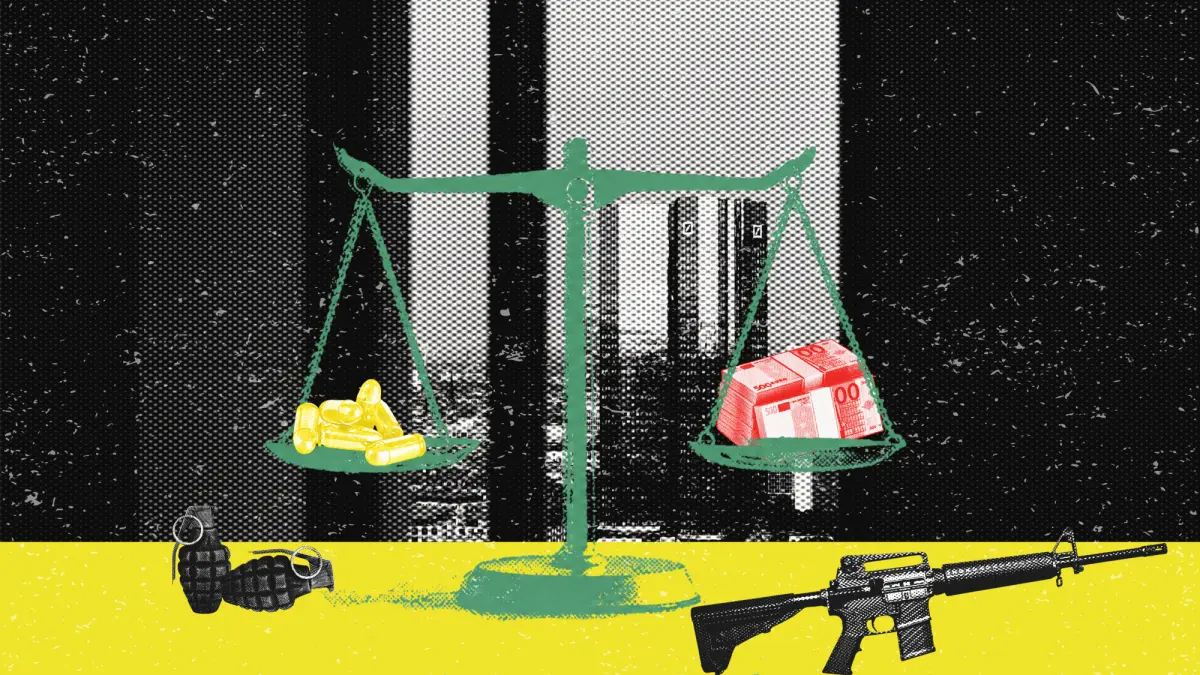
Header illustration by Studio Yadi
Photos from Gaza by Mohamed Abu Shahma/Daraj
The Inside Deutsche Bank investigation was coordinated by Barracuda Media in South Africa, with technical support from the Data and Research Center (DARC) in Germany.
WHEN the leaders of the USSR, US and UK gathered at a Crimean resort in Feb 1945 for a weeklong trilateral summit, an extensive agenda awaited them. With the Nazis caught in a pincer movement between the rapidly advancing Red Army and its western allies, the European segment of the world war had entered its endgame. The architecture of peace needed to be sketched out.
Historians still argue about whether Franklin Roosevelt and Winston Churchill conceded too much to Joseph Stalin in delineating ‘spheres of influence’, but it was indisputably a momentous occasion. For better or worse, many of the decisions made at Yalta endured for decades, and some still resonate. No comparable outcome can be imagined from this week’s summit in Shenzhen.
It may well turn out to be little more than a grandiose photo-op. A domineering presence on the global stage has additional appeal for Donald Trump following his domestic humiliation in the midterm elections. Vladimir Putin is inevitably keen to be counted among the ‘Big 3’. By many accounts, Xi Jinping is a reluctant host — perhaps partly because there’s only a vague agenda — “safeguarding world peace and promoting strategic stability in major-power relations”, according to Beijing. And he’s naturally wary of Trump’s tendency to grandstand.
The Iran war could figure in discussions at Shenzhen.
The Iran war is expected to figure in the discussions. Some good could possibly come out of that if both Xi and Putin urge the US president to recognise the error of his ways. The conflict is particularly painful for China, given its reliance on Iranian crude.
On the brighter side, China’s oil imports have decreased by design, while exports of its cutting-edge green tech — including solar panels — have substantially increased. Russia, on the other hand, has been delighted by a sanctions reprieve and a surge in petroleum exports, largely due to the transport hiatus in the Hormuz and Bab al-Mandab straits. Besides, the US/Israeli conflict helps Russia portray its war against Ukraine as a comparable venture aimed at safeguarding its security. Moscow’s stance makes slightly more sense than the justifications from Washington and Tel Aviv for their aggression against Iran. China sees both wars as huge strategic errors.
Trump seems to believe the Israeli propaganda that Tehran must be prevented from acquiring a nuclear weapon, an outcome that now logically seems likelier than it did before the attacks. That may help to explain why nuclear proliferation was among the topics he hoped to broach at his talks with Xi and Putin. Back in February, his administration turned down Moscow’s proposal to extend a strategic arms reduction treaty, with Trump aspiring for a new deal that includes China, whose expanding nuclear arsenal appears to have alarmed Sinophobes in the US. Given that even its projected stockpiles are a fraction of what’s stored in Russian and American silos, Beijing does not wish to play ball.
Shortly before flying to Asia, Trump noted that denuclearisation, Iran, economics, trade and “my favourite topic, Ukraine” would be up for discussion. Volodymyr Zelensky is alarmed by the possibilities, but a carve-up without Kyiv at the table is hardly likely. China sees Ukraine as a European issue that should be discussed at a more appropriate forum. Trump is disinclined, meanwhile, to bring up the Nvidia fiasco after the US chip-maker’s CEO Jensen Huang was ousted over revelations about an affair with a purported Chinese ‘asset’.
America remains determined to deny China superiority in artificial intelligence through curbs on chip exports. But that’s probably another lost battle. Exactly what the three leaders will talk about remains to be seen.
Climate change won’t be on the agenda. That’s being thrashed out at COP31 in Antalya, Türkiye, where there’s no official US representation, given the Trump administration’s focus on exacerbating global heating despite rapidly mounting evidence about its catastrophic consequences, from the devastation in Nepal caused by glacier collapse to an estimated 50,000 heatwave deaths in Europe during a scorching summer, not to mention the ecocidal aspect of the Palestinian genocide as well as the Iranian, Ukrainian and Sudanese conflicts. Not to mention the ginormous carbon footprint of proliferating US data centres.
As Swedish activist Greta Thunberg accurately spelt it out in Antalya, “The planet is not dying, it is being killed.” And the outgoing UN Secretary-General, Antonio Guterres, was equally correct in pointing out: “It’s make or bake time.” He might have erred, though, in comparing fossil fuels to dinosaurs and claiming the latter “did not have a lobby”. They do, and some of its components might be congregating in Shenzhen right now.
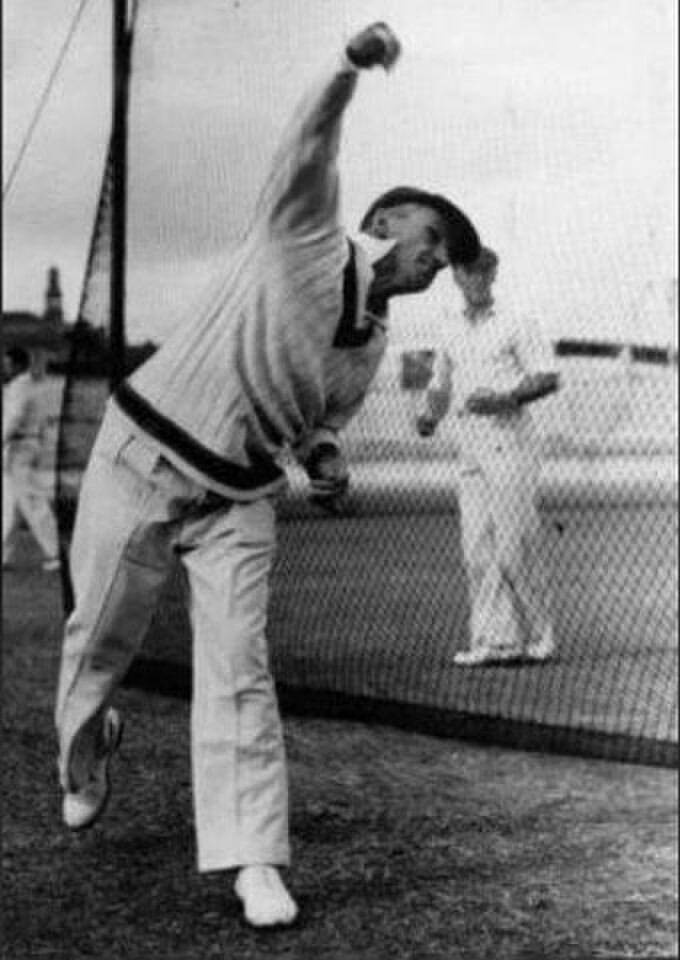
Don Bradman bowling in the nets in 1938 | Archives
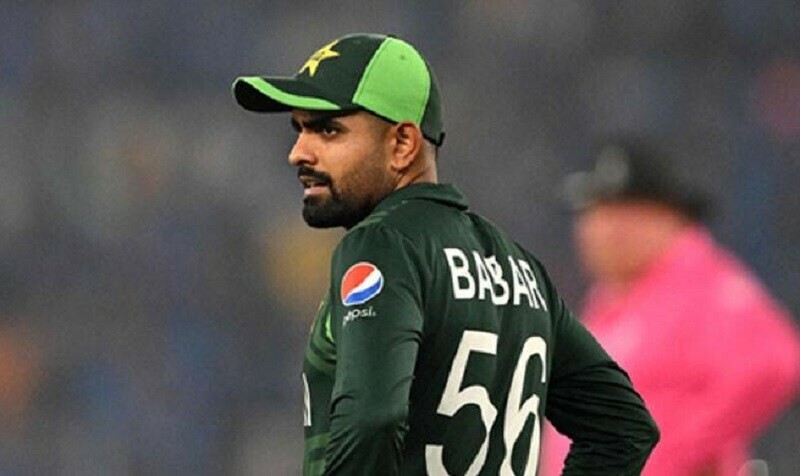
Babar Azam’s recent decision to return to first-class cricket and explore his bowling credentials has generated considerable debate among cricket fans.
Following Pakistan’s Tri-Series triumph last month, in which Babar endured a disappointing run with the bat, he turned his attention towards reinventing himself as an all-rounder. While representing Lahore Whites against FATA in Islamabad, captain Aamer Jamal asked him to bowl, and clips of the former Pakistan captain rolling his arm over soon began circulating on social media.
Some fans questioned why a batter of Babar’s stature would consider becoming an all-rounder, particularly at a time when batting standards are arguably at their peak. But there is nothing unprecedented about it. Younis Khan, Pakistan’s only batter to cross the 10,000-run mark in Test cricket, also turned his hand to bowling at different stages of his career. If Babar chooses to follow a similar path, it would be nothing out of the ordinary.
However, history offers several fascinating examples of legendary batters who occasionally turned bowlers and dismissed players of equal, if not greater, stature. Maybe the ‘King’ is aware of the dismissals, that’s why he took to bowling. Even the Don features on this list of great batters dismissing great batters.
History offers several fascinating examples of legendary batters who occasionally turned bowlers and dismissed players of equal, if not greater, stature
Arguably the best batter the game has known, Don Bradman was on both sides of the wicket, as he was dismissed by a bowler who himself was a ‘don’ in his own country, and also dismissed a batter who was one of his fiercest rivals.
During the 1947-48 Test series against India, Don Bradman was dismissed hit wicket for the only time in his Test career. Having already scored a magnificent 185, he stepped back to negotiate a tricky delivery from his rival captain Lala Amarnath, but accidentally dislodged his own stumps, bringing his innings to an unusual end.
Amarnath had made history years earlier by becoming the first Indian to score a Test century. He went on to serve Indian cricket in several roles, including selector, manager, coach and broadcaster — much like Bradman did in Australia. All three of Amarnath’s sons also played first-class cricket, with two of them going on to represent India in Tests.
Bradman may have been cricket’s ultimate run machine, but even with the ball in hand, he had the occasional moment to savour. In the third Ashes Test at the Adelaide Oval in January 1933, he bowled England’s great Wally Hammond for 85 — one of just two Test wickets in Bradman’s career. The two batting giants were anything but friends, which gives the dismissal an extra layer of intrigue in the story of their rivalry.
And then there was our very own ‘Asian Bradman’, Zaheer Abbas, who fell to a person not known for taking wickets. In fact, the batter claimed only two wickets in international cricket across Tests and ODIs — and both times it was Zaheer. A rare double distinction for Sunil Manohar Gavaskar. In the second ODI at Sialkot on October 13, 1978, Gavaskar dismissed Abbas for 48. Eight days later, in the first Test at Faisalabad, Abbas fell to Gavaskar again, this time for 96 in the second innings. Abbas had scored 176 in the first.
Would you believe that Inzamam-ul-Haq dismissed Brian Lara in only his second ODI appearance? The score book says so, as do many eyewitnesses, including myself, who saw it happen. In the third ODI against the West Indies on November 24, 1991, Inzamam dismissed Lara for 45, caught by wicketkeeper Moin Khan. The venue was Iqbal Stadium, Faisalabad, the same ground where Zaheer had 13 years earlier fallen for 96.
If you thought Inzamam-ul-Haq was the only legendary batter to have dismissed Brian Lara, think again. Australian captain Ricky Ponting also makes the list. Renowned for his batting and brilliant fielding, Ponting could occasionally produce a bowling breakthrough too. In the third ODI against the West Indies on January 14, 2001, he dismissed Lara for 19, who edged a slowish delivery through to wicketkeeper Adam Gilchrist.
Like Lara, Saeed Anwar was also known for his elegant batting in the 1990s. Ironically, in the ODI series in which Lara made his debut, Anwar accounted for the wicket of another West Indian great, Desmond Haynes, who later became his rival in the race for ODI centuries. In the second ODI at Gaddafi Stadium, Lahore, on November 11, 1990, Anwar used his slow left-arm bowling to dismiss Haynes for 66, caught by Waqar Younis.
Anwar himself once fell to another celebrated batter. In Jaipur on March 24, 1999, Rahul Dravid dismissed him for 95. Dravid finished his ODI career with just four wickets, the other three being Gary Kirsten, Lance Klusener and Shaun Pollock.
Saeed’s dismissal may have reminded Pakistan’s coach Javed Miandad, who was sitting in the balcony watching Dravid dismissing him, of his own ODI debut. On June 11, 1975, a day before turning 19, Miandad dismissed the West Indies captain Clive Lloyd for 53 at Edgbaston, caught by wicketkeeper Wasim Bari. The match was one of the closest ODIs played, when West Indies won by one wicket, thanks to a 60-odd partnership by their last batting pair.
English grounds have witnessed many such dismissals. On one occasion, it was their very own Kevin Pietersen, who was dismissed by Virat Kohli, with his first-ever delivery in international cricket as a bowler. In the one-off T20I at Old Trafford, Manchester, on August 31, 2011, Kohli bowled a wide down the leg side, but Pietersen advanced out of his crease and was stumped by MS Dhoni. An extraordinary first international wicket — and quite a name to have on the scorecard!
Michael Hussey was one of Australia’s most dependable middle-order batters, but he also had a moment with the ball against Kumar Sangakkara. During the second Test between Sri Lanka and Australia at Pallekele, which began on September 8, 2011, Hussey dismissed Sangakkara for 48 in Sri Lanka’s first innings. It was a rare bowling contribution from a player better known for his batting.
Cricket’s greatest batters are remembered for their runs, not their wickets. But these rare moments show that even the finest can spring a surprise with the ball. Babar Azam may have faced criticism for bowling, but who knows — one day, he might just prove his critics wrong and deliver a crucial breakthrough!g
The writer loves old films, cricket, music and reading books. X: @suhaybalavi
• Under zoning overhaul, Bani Gala residents to get relief • Construction activities in Shah Allah Ditta and areas falling under Zone III remain barred, says official
ISLAMABAD: The Capital Development Authority’s plan for developing a major commercial zone in a protected area and the majority of buildings constructed within a two-kilometre radius of Rawal Dam got legal cover as the federal government has approved an amendment to zoning regulations and delineation for Rawal Lake, a part of Margalla Hills National Park.
After this decision, buildings constructed on Constitution Avenue, including the Supreme Court, Islamabad Club and others, are no longer part of Zone III.
Similarly, CDA’s commercial project on a new road and construction activities and projects to be launched by the Special Technology Zone Authority along Park Road on its allotted land will face no restrictions.
The CDA, through a joint venture with the Defence Housing Authority (DHA), is developing Margalla Enclave in the Kuri area, which falls in the permissible area.
However, for the said housing project, a 3.8km link road from Park Road to the housing scheme is being developed, with earthwork almost complete. But the road passes through Zone III, a protected zone where, under CDA regulations, no construction activity can take place.
For setting up a commercial area, the federal government had already granted the said road the status of an arterial/major road of Islamabad and directed the CDA to apply the regulations already notified for GT Road, Islamabad Expressway and other major roads.
Sources said that the federal government had now allowed the CDA to exclude a part of the national park from Zone III. Thus, there is now no legal obstacle to the said road and other projects, including the Islamabad Technopolis Project under the Special Technology Zone Authority (STZA). The STZA has 140 acres of land in this area, which falls in Zone III.
“The area encompassing Rawal Lake and bounded by Srinagar Highway/Murree Road in the north, Club/Murree Road in the west, Park Road in the south, proposed Murree Link Road in the east, and a 200-metre buffer along both sides of Korang River up to two kilometres upstream of Rawal Lake, and south-east of Korang Road,” read a notification issued by the federal government on November 10.
Sources in the Islamabad Wildlife Management Board, Ministry of Climate Change and Interior, confirmed to Dawn the said decision made by the federal cabinet. They said that stakeholders, including the Wildlife Board and CDA, were currently in the process of setting up new markers for the national park area in the said portion, including the Lake View area of Margalla Hills National Park.
Sources said that though the said decision would bring relief to residents of part of Bani Gala, there was still no relief for those living in Shah Allah Ditta and Bhara Kahu. “Changing zoning regulations should not have been taken in isolation for a specific area. The issues of those living in other parts of Zone III should have been considered,” said an official.
He said that residents of Zone III were barred from building even small houses on their own land. Interestingly, construction activities are completely banned in Zone III, mainly in Shah Allah Ditta and a portion of Bhara Kahu.
“With this new decision of the federal government, construction activities are now allowed in the erstwhile part of the National Park Lake View portion, while citizens will continue suffering in other parts of Zone III,” said an official, who requested not to be named.
He said that a CDA summary for including part of Bhara Kahu in the nearest zone and Shah Allah Ditta and adjoining areas in the nearest zone had been awaiting approval from the federal government for the last three years. “That summary should also be taken up by the federal cabinet,” he said.
Many US doctors learned about measles as a disease of the past, but its recent resurgence across the country due to declining vaccination rates has made it a very real problem in the present.
“Measles was like a historical disease, and it was something that you just didn’t see in the United States,” Trahern W. Jones, a pediatric infectious disease specialist in Utah, told AFP.
The Pan American Health Organization (PAHO) declared Tuesday that measles was no longer eradicated in the United States, with more than 5,400 cases reported nationally this year — including over 500 recorded in Utah, where Jones practices medicine.
“It was like encountering a ghost from the past, something you’re never supposed to see in real life,” he said.
Jones believes the reported cases are a significant undercount of the highly contagious disease, having treated many children infected with it this year.
Instantly recognisable for the red spots it generates on an infected person’s body, measles also causes fever, respiratory symptoms, and in some cases more serious complications such as pneumonia and brain inflammation, which can lead to severe long-term health problems or even death.
‘The worst illness’
Jones said measles patients are usually “extremely miserable”, adding “it is often the worst illness the child will have ever gone through in their life”.
Jessica Ericson, a pediatric infectious disease physician at a children’s hospital in Pennsylvania, has seen around 30 measles patients arrive in her department since the spring.
This year more than 1,500 cases have been reported in Pennsylvania, which has a large Amish population that avoids vaccinations on religious grounds.
Seven cases have been fatal — all in unvaccinated patients.
“The fevers do tend to be more extreme than most viruses,” she told AFP, adding that they are “much, much higher than we’re accustomed to seeing with a typical illness”.
Ericson explained measles has a high incidence of complications “because the measles infection itself severely injures the immune system”, estimating some 10-20 per cent of cases cause health complications beyond the original disease.
“You might have measles causing permanent, irreversible brain injury that you won’t notice until 10 years later,” she added.
A misinformation ‘epidemic’
Paul Offit, a doctor who remembers the previous measles outbreak over 30 years prior, laments how little the general public knows about the risk of measles.
“I don’t think people remember how sick or dead that virus can make you,” he told AFP.
“There’s so much medicine we don’t know… This we know, and if people simply choose not to do it in the name of medical freedom, it shouldn’t be your freedom to catch and transmit a potentially fatal infection.”
For Jones, the blame lies with what he describes as “an epidemic of terrible misinformation”. Although many unvaccinated children belong to religious communities, many others simply come from families that “have had very confusing messaging and very confusing information from social media and the federal government about how important measles vaccination is,” he said.
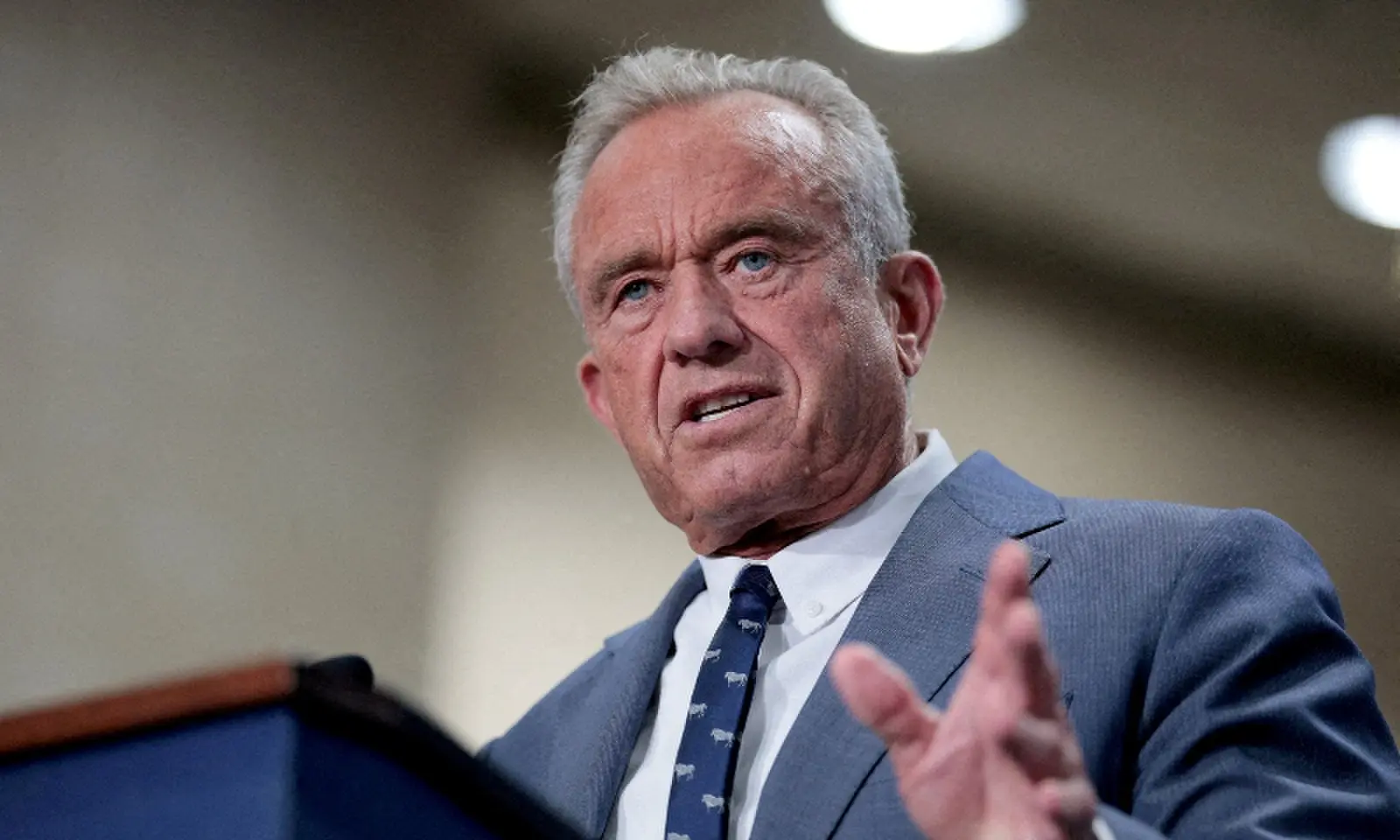
US Health and Human Services Secretary Robert F. Kennedy Jr. speaks during an event on screen time harm in children at the Department of Health and Human Services in Washington, DC, US on September 1, 2026. —Reuters/File
President Donald Trump’s health secretary, Robert F. Kennedy Jr, has been singled out by many experts as fanning distrust in vaccinations by repeatedly highlighting unfounded safety concerns.
When asked about Kennedy, Jones said: “It’s like watching a ‘flat earther’ get control of NASA.”
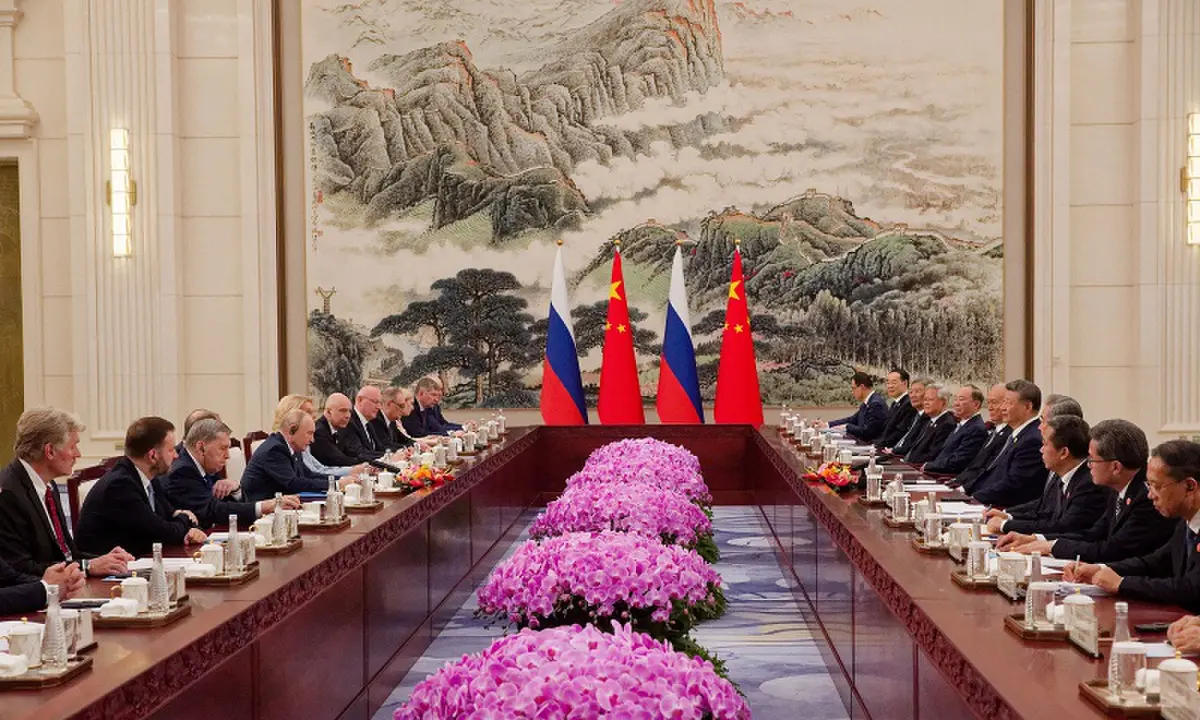
Chinese leader Xi Jinping and Russian counterpart Vladimir Putin began talks in Shenzhen on Wednesday, a day ahead of a historic three-way summit with Donald Trump in the southern Chinese city.
Thursday’s trilateral has triggered fears that the three powerful men could decide the fate of Ukraine over the heads of Kyiv and Europe, and seek to carve up the world into 21st-century spheres of influence.
Washington had signalled that Ukraine — something Xi vehemently sees as not China’s problem — was not expected to be addressed, before Trump said that it would.
China has said only that the leaders would hold “in-depth exchanges on safeguarding world peace and promoting strategic stability in major-power relations” on the sidelines of the Asia-Pacific Economic Cooperation (APEC) meeting.
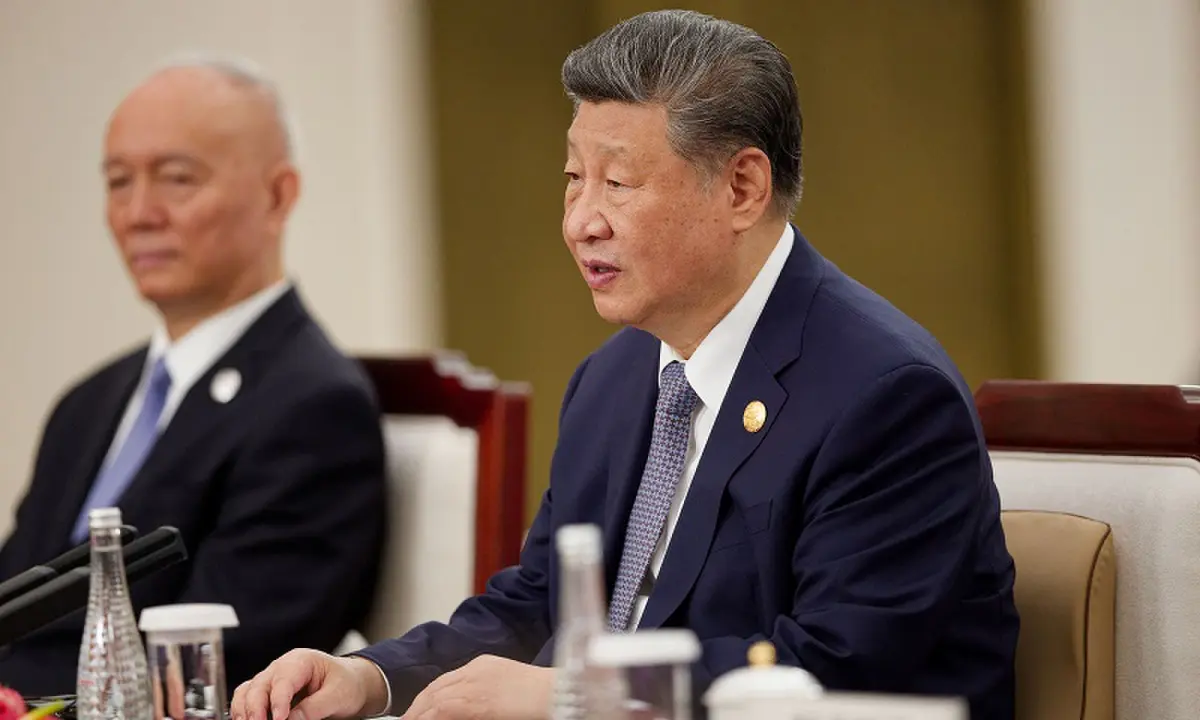
Chinese President Xi Jinping attends a meeting with President of Russia Vladimir Putin (not pictured) at the APEC China 2026 Summit in Shenzhen, Guangdong province, China, 18 November 2026. — AFP
Also up for discussion are the Iran war and nuclear disarmament, according to Washington, after a US-Russia bilateral treaty on atomic weapons expired in February.
Beijing has long maintained that the US and Russia should reduce their giant nuclear arsenals before it agrees to talks on its smaller stockpile.
In from the cold
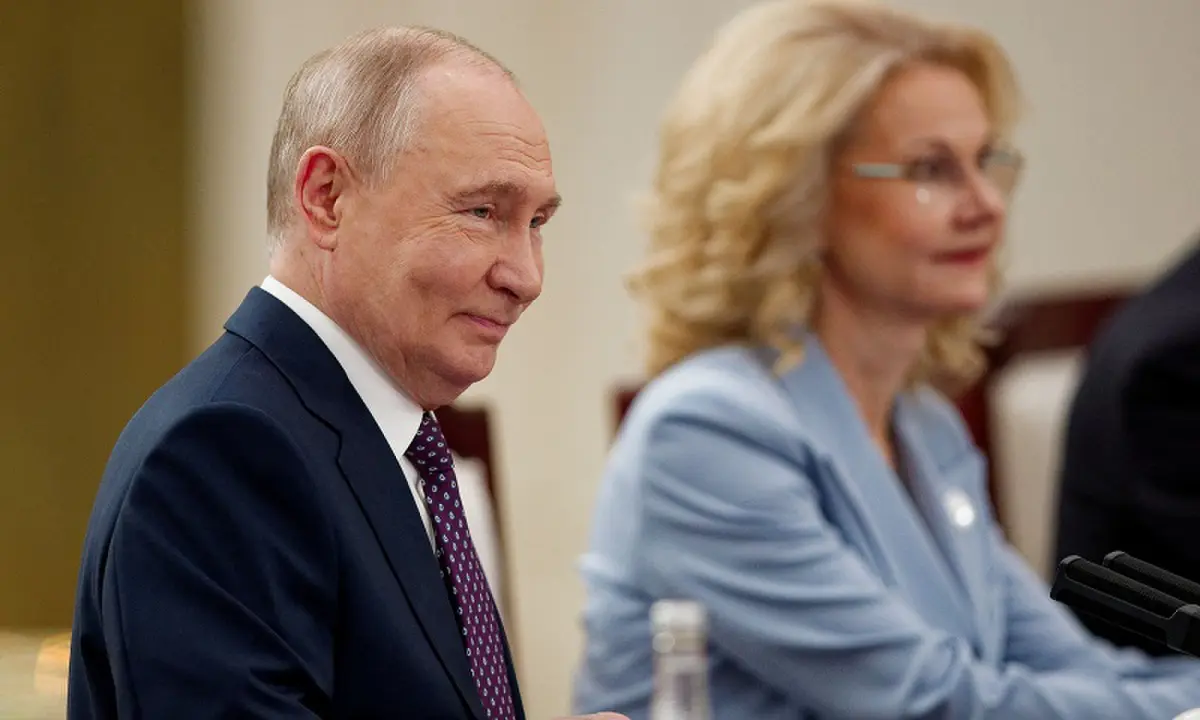
Chinese and Russian news agencies reported at around noon on Wednesday that Xi and Putin had met for talks — the fifth time the two leaders have met this year, including once by video link.
Putin has been shunned by the West since launching Europe’s worst conflict since World War II with his 2022 attack on Ukraine.
Addressing the APEC gathering on Wednesday, he said he expected the trilateral summit with Xi and Trump to be “highly useful”.
“At a time when military-political risks are on the rise, what is desperately needed is unity rather than division… and dialogue rather than ultimatums,” Putin said.
Chinese President Xi Jinping attends a meeting with President of Russia Vladimir Putin at the APEC China 2026 Summit in Shenzhen, Guangdong province, China, 18 November 2026. — AFP
He said Western sanctions imposed on Russia since his 2022 invasion of Ukraine had failed, arguing that they were “not capable of fully stopping growth or destroying the economies of the competition”.
Earlier, Xi called for greater international cooperation on AI and free trade.
“Starting by lowering tariffs, expanding access and exploring regulations and management standards, China will conduct deep-seated reform,” Xi said as he opened the event.
Xi and Putin were expected to discuss energy and finance and then – in a smaller format – foreign policy including Ukraine and North Korea, Russian officials said.
Kim incoming?
Trump was on Wednesday still in the Philippines where a day earlier he met fellow leaders of the Quad — Australia, Japan and India — for the first time in his second term.
The grouping is broadly aimed at counterbalancing China’s regional influence.
He said he was eyeing one-on-one talks with Putin and Kim Jong Un at his next stop in Shenzhen, saying the North Korean leader “would like” to meet in China.
US Secretary of State Marco Rubio on Wednesday stopped short of confirming the meeting with Kim.
“If we have a problem with North Korea, the only way we’re ever going to solve it is if we engage with them,” Rubio said in Manila.
Trump was in the Philippines for a summit of the 11-member Association of Southeast Asian Nations (ASEAN).
His visit saw protests by around 2,000 people carrying banners reading “Trump out now” and “Reject Pax Silica” – a reference to a US supply chain initiative.
Tariffs, chips and rare earths
While ASEAN leaders grappled with a raft of regional issues, the spectre of Trump’s ongoing tariff blitz has loomed large.
Chinese Premier Li Qiang on Monday slammed what he called a “countercurrent of unilateralism and protectionism” while touting Beijing’s own expanding trade with the bloc.
Brazilian President Luiz Inacio Lula da Silva and Canada’s Mark Carney sang a similar tune on trade, with both explicitly citing a need to wean themselves off dependence on the US market.
On Tuesday, a combative Trump showed no let-up in his trade war with Beijing, saying the United States would catch China in rare-earths production “within 10 months”.
Hours before Trump touched down in Manila, Washington announced new rules on the transfer of advanced AI chips, a move that could potentially rankle ASEAN members.
Companies shipping high-end chips to Singapore, Malaysia, Thailand and Indonesia will now require a special licence, as the countries were said to represent a “higher-than-normal risk of diversion”.
Singapore responded by saying it was now exploring ways to facilitate “trusted access” for firms based in the city-state.
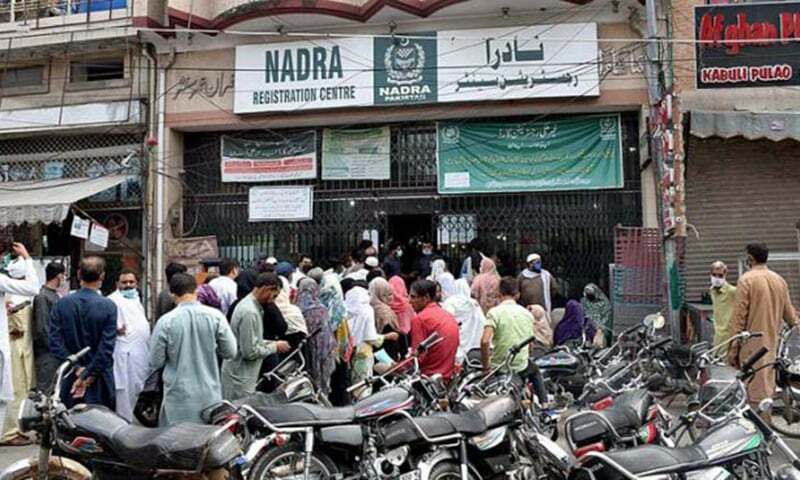
KARACHI: The Sindh government on Tuesday launched an online service for domicile certificates and Permanent Residence Certificates (PRC) in the city, allowing applicants to complete the entire process from home without visiting government offices or standing in long queues.
Sindh Chief Secretary Asif Hyder Shah inaugurated the E-Domicile and PRC Portal at a ceremony in Karachi, attended by, among others, Karachi Commissioner Syed Hassan Naqvi and all deputy commissioners in the city.
The portal allows applicants to register, verify their identity through facial recognition, upload the required documents and pay the prescribed fee online or through a bank challan. They can also track the progress of their applications and view decisions on the portal.
Speaking at the inauguration, the chief secretary said that citizens would no longer have to stand in queues to obtain a domicile certificate and PRC. “Work that used to take weeks will now be completed in hours,” he said.
Digital services to be extended to other districts in phases, says chief secretary
“Making the process easier would improve citizens’ experience of public services and build their trust in state institutions,” he added.
He said that the digital system would also help prevent fraudulent applications and fake domicile certificates, a long-standing complaint in the province. “The service would be extended to other districts of the province in phases,” he said.
Speaking to Dawn, the chief secretary said that the new system had been designed to make one of the most commonly used public services faster, simpler and more transparent, particularly for students and young job seekers who needed these documents for admissions and employment.
He said that the online system would remove the need for repeated visits to deputy commissioner offices, where applicants previously had to wait for hours in long queues and follow up in person to learn the status of their cases. “Now, the entire process, from submission to issuance, will be handled digitally, with applicants receiving updates at each stage”, he added.
He added that the use of facial recognition, digital verification and a centralised database would make it impossible to use forged documents or obtain multiple certificates through different offices.
At the event, the Karachi commissioner briefed the participants on how the portal worked.
He said applications submitted online would be sent to the relevant deputy commissioner’s office, which would examine the documents and decide each case after verification. “The digital record of domicile certificates and PRCs will be maintained in one system, while authorised institutions will be able to verify issued certificates online,” he added.
The commissioner said that the new system would reduce the burden on applicants, eliminate the role of middlemen who charge commissions and bring greater transparency to the process.
ANY doubts over India’s total hegemony over world cricket have now been removed. Its tactic of sidelining Pakistan is more blatant than ever.
The India-led International Cricket Council on Sunday announced its activity programme for the 2028-2035 cycle and conveniently left Pakistan without hosting rights for any event until 2031.
The ICC, chaired by former Board of Control for Cricket in India secretary Jay Shah — who was re-elected unopposed for another term on Monday — and run by his fellow countryman Sanoj Gupta as the chief executive officer, unveiled venues for major world tournaments over the next five years and split them between India, England, Australia and New Zealand.
Australia and New Zealand were confirmed as hosts of the next T20 World Cup in 2028. The 2030 T20 showpiece will be hosted by England, Ireland and Scotland. England will also host the World Test Championship finals in 2029 and 2031. India, meanwhile, have been awarded hosting rights for the 2029 Champions Trophy while they will co-host the 2031 ODI World Cup with Bangladesh.
These decisions come despite Pakistan successfully hosting the Champions Trophy last year, where India’s politicking saw matches of its team shifted to Dubai and the final also being hosted there. That move saw the Pakistan Cricket Board agree to a reciprocal deal with the BCCI where Pakistan’s matches in ICC events hosted by India for the next five years would also be played at neutral venues, and it is also probably the rationale behind making Bangladesh co-hosts for the 2031 ODI World Cup.
Political ties between India and Pakistan remain strained and the former has not shied away from bringing the heat onto the pitch on several occasions. Politics will likely spill over once again if Pakistan qualify for the 2029 Champions Trophy in India.
India has pulled out all the stops in its blatant sidelining of Pakistan and the burning question remains whether cricket will be able to rise from all of this.
IT is unseemly that a jailed political leader is forced to beseech the chief justices of the Federal Constitutional Court, the Supreme Court and the Islamabad High Court for medical attention.
In an open letter issued Monday, former prime minister Imran Khan detailed his and his wife’s medical condition, claiming he faces heightened risk of brain haemorrhage while his spouse could lose her eyesight.
“I will only remain able to prove my innocence if I stay alive. I appeal to your Lordships, on the most basic grounds of human compassion: give me justice before it is too late,” reads his letter, penned on his behalf by his lawyer, Salman Safdar.
The government still disputes this, and insists that the two continue to receive adequate medical attention. In fact, Parliamentary Affairs Minister Tariq Fazal Chaudhry, responding to the letter, said Mr Khan is “[…] among the most privileged prisoners in Pakistan,” while telling the PTI to stop “politicising his health”.
But even if government ministers believe the former PM is embellishing the facts, what is the harm in allowing him a medical examination under the supervision of his physicians, as the SC directed in August?
Some may argue that the many difficulties Mr Khan finds himself in are self-created. There are many in the ruling dispensation who believe that what is being done to him is ‘justice’, considering that he, too, had victimised his opponents during his time in power. Mr Khan’s speeches about depriving his jailed political opponents of various facilities and amenities granted to them have not been forgotten in those circles.
Still, as far as Mr Khan and his wife’s health is concerned, the government must show compassion, if not respect for their rights.
The courts have given the state grounds to deprive Mr Khan and his spouse of their liberty, not their health. If the two prisoners are complaining that their treatment has not been adequate, the government can allow those needs to be met to their satisfaction without making any change to their status as prisoners. There is no conceivable harm in making such an allowance.
Those in power today should also think about the precedent they are setting. Do they want to be treated similarly in the future? The cycle of revenge needs to stop, and compassion alone can break it.