Category: Brecorder

  • Spike in oil prices partly reverses rupee rally, forward premiums surge

    Spike in oil prices partly reverses rupee rally, forward premiums surge

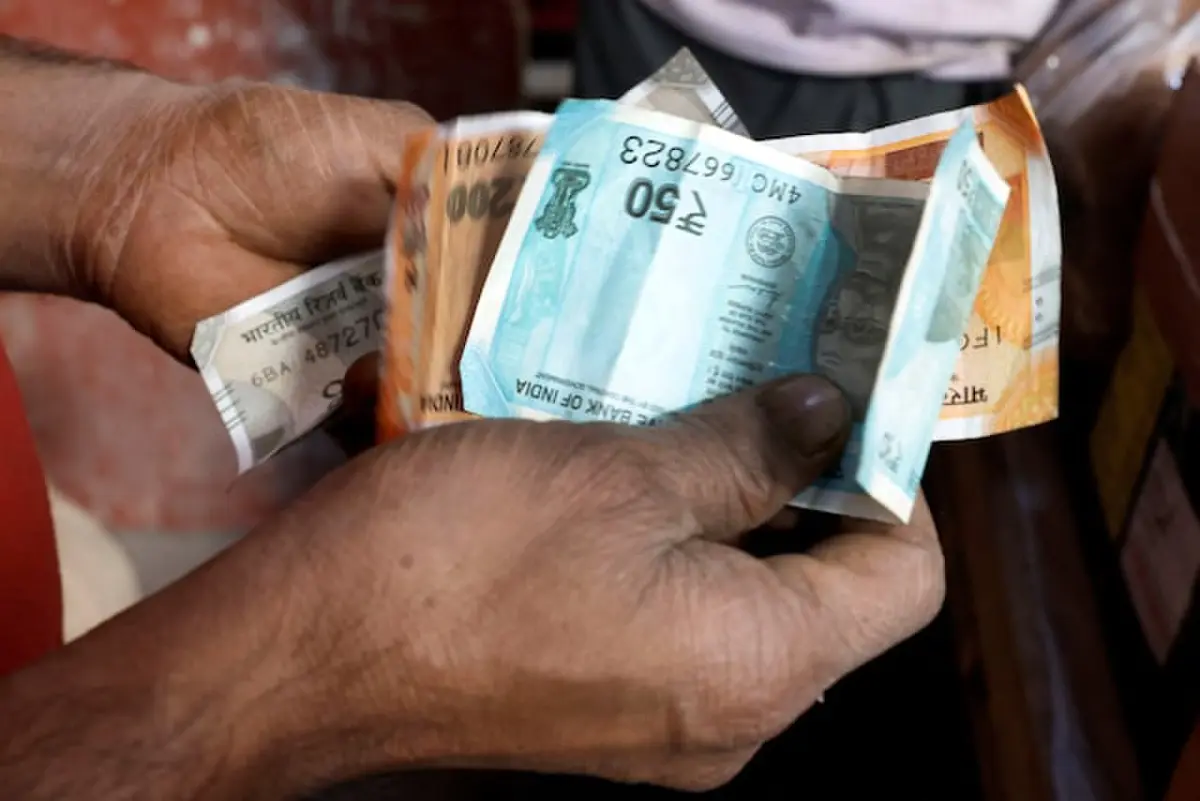
    MUMBAI: The Indian rupee fell on Thursday for the second time in three sessions this week, as rising oil prices and weakness in regional currencies eroded its recent support.

    The rupee swung between 92.65 and 92.33 before closing 0.2% lower at 92.4450 against the US dollar amid broad demand for the greenback.

    Brent crude rose above $96 a barrel on supply concerns, renewing worries over India’s import bill and inflation outlook.

    “For India, higher oil prices would mean a larger import bill, increased inflationary pressure and additional pressure on the rupee, potentially limiting its recent recovery,” said Amit Pabari, managing director at FX advisory firm CR Forex.

    “The rupee’s sharp appreciation has brought USD/INR into an important support zone. The 92.00–92.30 range remains a strong support area, but after the recent rally, some consolidation and a recovery towards 93.00–93.50 appear more likely in coming days.”

    Traders have pointed out that rising oil prices amid increasing attacks and security threats around the Strait of Hormuz, has again become an important risk, with further escalation potentially pushing Brent crude to above $100 per barrel.

    The Indian currency had outperformed in recent weeks as a reversal in the AI-led investment trade triggered risk aversion across technology-heavy Asian markets. That shift had encouraged some investors to rotate funds towards India, supporting the rupee even as broader regional sentiment weakened.

    Bankers said the rupee’s recent rally had also prompted importers to step up hedging activity.

    The cost of hedging through the forward market has risen sharply. The one-year USD/INR forward premium climbed to its highest level since January 2022 on Thursday and has increased by more than 70 basis points in just 10 days.

    Banks have sought the central bank’s intervention in managing a dollar surplus which has been pushing up overnight FX swap rates and rupee forward premiums, three bankers said.

    Source: brecorder
  • Why are Indian rice prices rising despite record stocks?

    Why are Indian rice prices rising despite record stocks?

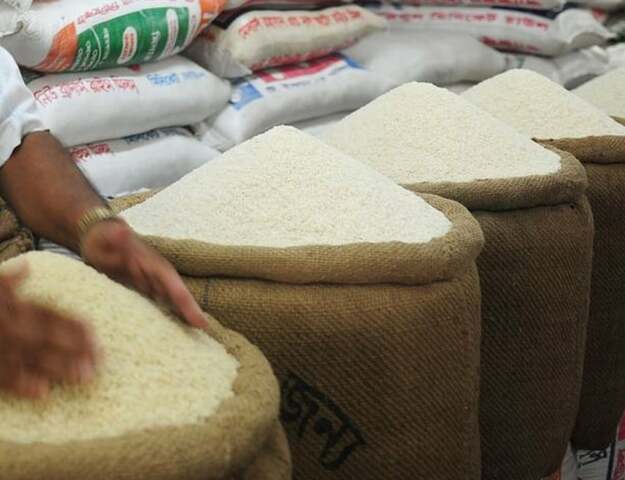
    MUMBAI: Prices of some rice varieties popular in southern India have nearly doubled over the past year, pushing the national average up 12.5% in October from a year earlier even as government stocks sit at record levels.

    The increase lifted food inflation to its highest level in nearly two years, complicating New Delhi’s efforts to contain prices as several other food commodities, including milk, pulses, sugar and vegetables, also become more expensive.

    Why are rice prices rising in India?

    A drop in overall rice production and rising demand for broken rice are driving prices higher.

    Production is set to fall for the first time in a decade, marking the steepest decline in nearly 20 years, as the lowest monsoon rain in more than a decade hit crops during the critical grain-maturity stage, cutting yields.

    The impact, however, has been uneven.

    Southern states bore the brunt of the rainfall deficit, which significantly affected output of premium non-basmati varieties such as Seeraga Samba, Sona Masoori, HMT and BPT, widely consumed in the region.

    Prices of some of these grades have nearly doubled over the past year, while those of varieties popular in other parts of the country recorded more modest gains.

    The rally in southern India’s preferred varieties has pushed up the national average price of rice.

    Adding to the pressure, broken rice is seeing stronger demand from poultry and cattle feed manufacturers and ethanol producers, besides its traditional use in food processing.

    With corn prices hitting record highs amid a production shortfall and the government restricting sugar diversion for ethanol, these industries are turning to broken rice as an alternative, intensifying competition for supplies and driving up prices.

    Why are record rice stocks not taming prices?

    India entered the new rice season on October 1 with record rice stocks of 55.47 million metric tons, more than four times the government-set buffer requirement.

    However, the massive reserves largely comprise common rice varieties that cannot easily substitute for the premium non-basmati varieties preferred by consumers in southern states, where prices have surged, says B.V. Krishna Rao, president of the Rice Exporters Association.

    This mismatch between the composition of government stocks and regional consumption preferences has limited the impact of abundant supplies on retail prices.

    How could India rein in rising rice prices?

    India could impose a 20% export duty on non-basmati rice shipments, reintroduce a floor price, or minimum export price, or even prohibit exports of 100% broken rice, as it did in 2022, to divert more supplies to the domestic market.

    India, the world’s largest rice exporter, accounts for nearly 40% of global trade.

    On the supply side, New Delhi could offer more rice from its inventories to private buyers, after doubling its target earlier this month to 5 million tons. Additional supplies of subsidized rice through state-run outlets could also improve retail availability and ease price pressures.

    The government could also tighten controls on private inventories, building on weekly stock disclosure requirements after allowing five southern states to impose stock limits. Tighter restrictions and tougher enforcement could curb hoarding.

    Will export curbs ease pressure on domestic rice prices?

    The recent price surge has been concentrated in a handful of premium non-basmati varieties, suggesting that government intervention could be narrowly targeted rather than applied across the board.

    A selective approach could contain domestic prices while minimising disruption to India’s wider export trade.

    Higher export taxes could also erode India’s price competitiveness overseas, giving an advantage to rival suppliers such as Thailand, Vietnam and Pakistan, which have struggled to compete with cheaper Indian rice.

    Source: brecorder

  • Ukraine says received 250 bodies in swap with Russia

    Ukraine says received 250 bodies in swap with Russia

    KYIV: Ukraine on Thursday said it had received 250 bodies that Russia said were of Ukrainian soldiers, with Moscow announcing it had been handed back 22 bodies in return.

    Exchanges of prisoners of war and of bodies of fighters killed on both sides of the front line are among the rare concrete results of talks between the warring sides after Russia invaded in 2022.

    “As a result of repatriation efforts, the bodies of 250 deceased individuals, whom the Russian side claims to be Ukrainian servicemen, have been returned to Ukraine,” the Ukrainian organisation responsible for the treatment of prisoners of war said on Telegram.

    It said investigators and experts “will take all necessary measures to identify the repatriated deceased”.

    Kyiv has in the past accused Russia of handing over the bodies of Russian soldiers purported to be Ukrainians killed on the front line.

    Russian lawmaker Shamsail Saraliev, who is involved in the exchanges, was quoted by Russian media as saying that Moscow had received the remains of 22 individuals believed to be Russian soldiers.

    Exchanges of remains between the two countries take place regularly with the most recent one last month of 252 bodies returned to Ukraine and 25 to Russia. 

    Ukraine’s military intelligence chief Kyrylo Budanov estimated in October that more than 26,000 bodies and human remains had been repatriated to Ukraine through exchange operations.

    Most of them are still awaiting identification.

    The war has claimed tens of thousands of lives since Russia’s invasion in February 2022.

    Source: brecorder

  • Kuwait says four injured after Iranian drones intercepted

    Kuwait says four injured after Iranian drones intercepted

    KUWAIT CITY: Kuwait’s defence ministry said at least four people were injured Thursday after Iranian drones targeting a vital facility were intercepted.

    “The Iranian aggression targeted a vital facility, causing falling shrapnel that injured four people,” said a statement by the defence ministry.

    The statement added that the injured were taken to a hospital for treatment while the incident caused unspecified “material damage”.

    The attack comes days after Kuwait activated its air defences last week to counter drone strikes launched by Iran – the first since early September.

    The conflict – which began with US-Israeli strikes on Iran in late February – has seen the Gulf states caught in the crossfire, with US military facilities and energy installations on their soil targeted.

    The United States and Iran are in a standoff over the vital Strait of Hormuz, with the US military working to escort ships transiting the waterway in defiance of Tehran’s attempts to close the waterway.

    Source: brecorder

  • Gold price per tola increases Rs4,700 in Pakistan

    Gold price per tola increases Rs4,700 in Pakistan

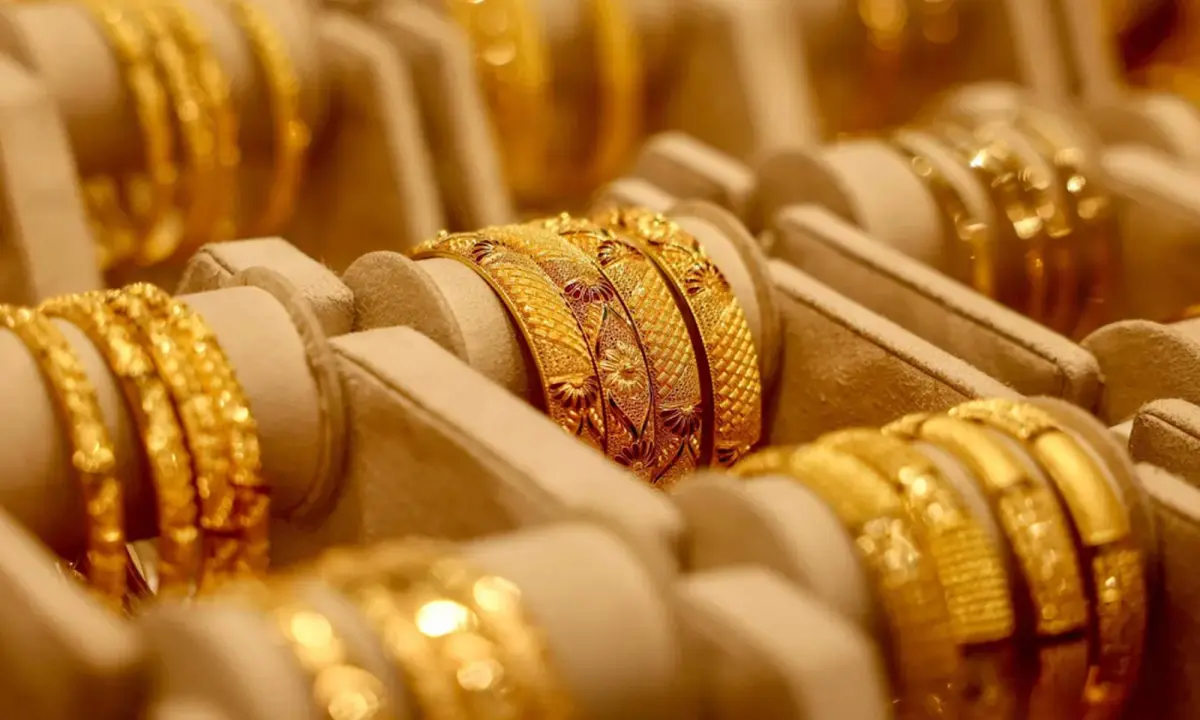
    Gold prices in Pakistan increased on Thursday in line with their gain in the international market. In the local market, gold price per tola reached Rs378,636 after a gain of Rs4,700 during the day.

    Similarly, 10-gram gold was sold at 324,619 after it increased by Rs4,030, according to rates shared by the All-Pakistan Gems and Jewellers Sarafa Association (APGJSA).

    On Wednesday, gold price per tola reached Rs373,936 after a decrease of Rs11,500 during the day.

    The international rate of gold was up by $47 to reach $3,561 per ounce.

    Meanwhile, the price of silver increased by Rs166 to reach Rs4,629 per tola.

    Source: brecorder

  • India’s main opposition party sues Meta, alleging censorship

    India’s main opposition party sues Meta, alleging censorship

    NEW DELHI: India’s main opposition party is suing Meta and Prime Minister Narendra Modi’s government for alleged censorship on social media, party officials told AFP on Thursday.

    Platforms like Meta’s Facebook and Instagram are required in India to use automated tools to detect and restrict content identical to that which has previously been taken down.

    The Congress party argues that those rules are being used as a pretext to block other content, including its own political material, that is completely lawful.

    Its petition, filed at the Delhi High Court, challenges the rules’ legality and Meta’s implementation of them across its platforms.

    Among other claims, it alleges that Meta has “arbitrarily restricted” posts carrying the name or photograph of senior party leader Rahul Gandhi, Modi’s main challenger.

    “The petition seeks restoration of restricted Facebook and Instagram posts, disclosure of government orders and the criteria used by Meta’s automated censorship system,” said Manu Jain, the Congress youth wing official who filed the petition.

    It “essentially seeks to protect the fundamental right to freedom of speech and expression”, Jain told AFP.

    The court has yet to set a date for the hearing.

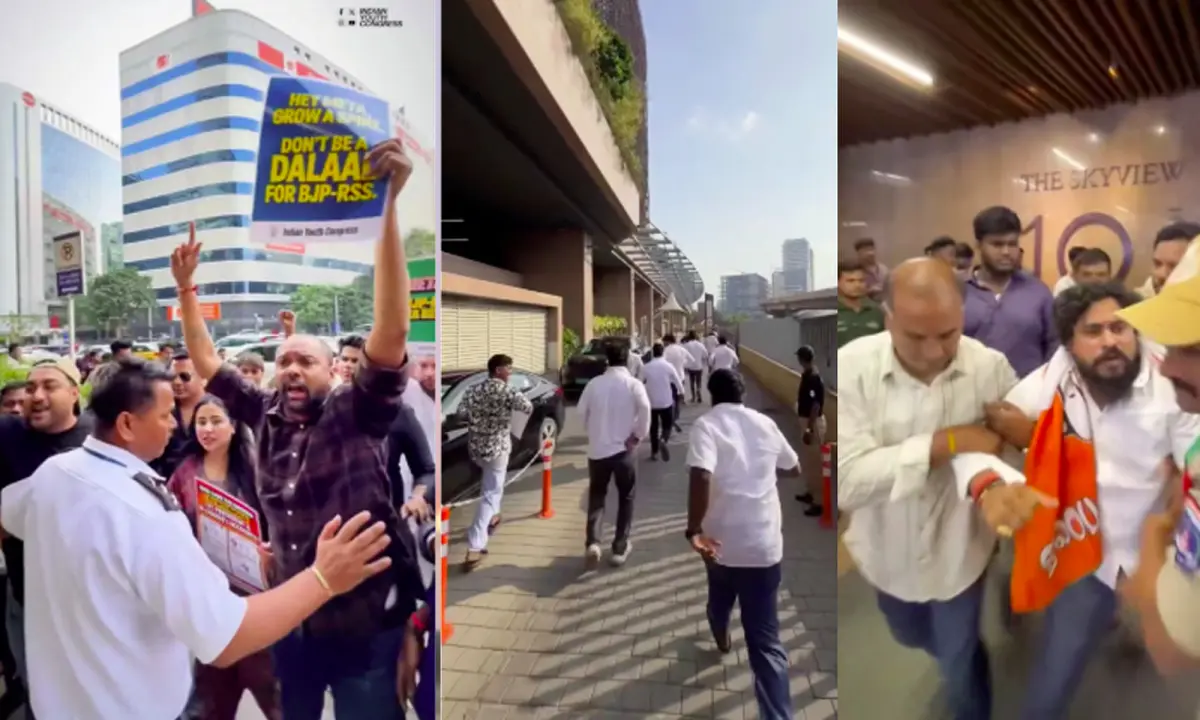
    The filing follows days of protests by Congress workers over alleged political bias in Meta’s content moderation.

    Party supporters stormed the building housing the company’s office in the southern city of Hyderabad last weekend, clashing with police and smashing potted plants.

    Data from Meta shows that it restricted 5.4 million posts on Facebook and Instagram in India in the first six months of 2026 to comply with local rules, nearly 80 times more than the 70,000 it blocked in all of last year.

    Meta did not immediately respond to an AFP request for comment on the Congress party’s allegations.

    More people use Meta’s Facebook and Instagram platforms in India than in any other country.

    Other political figures have also alleged political bias against the company.

    One of them, Abhijeet Dipke of India’s youth “Cockroach” pressure group, accused Meta this week of suppressing his posts, saying content critical of the government received less visibility on its platforms than posts praising Modi.

    Source: brecorder

  • PM Shehbaz seeks international-standard labs, training to boost Pakistan’s gemstone exports

    PM Shehbaz seeks international-standard labs, training to boost Pakistan’s gemstone exports

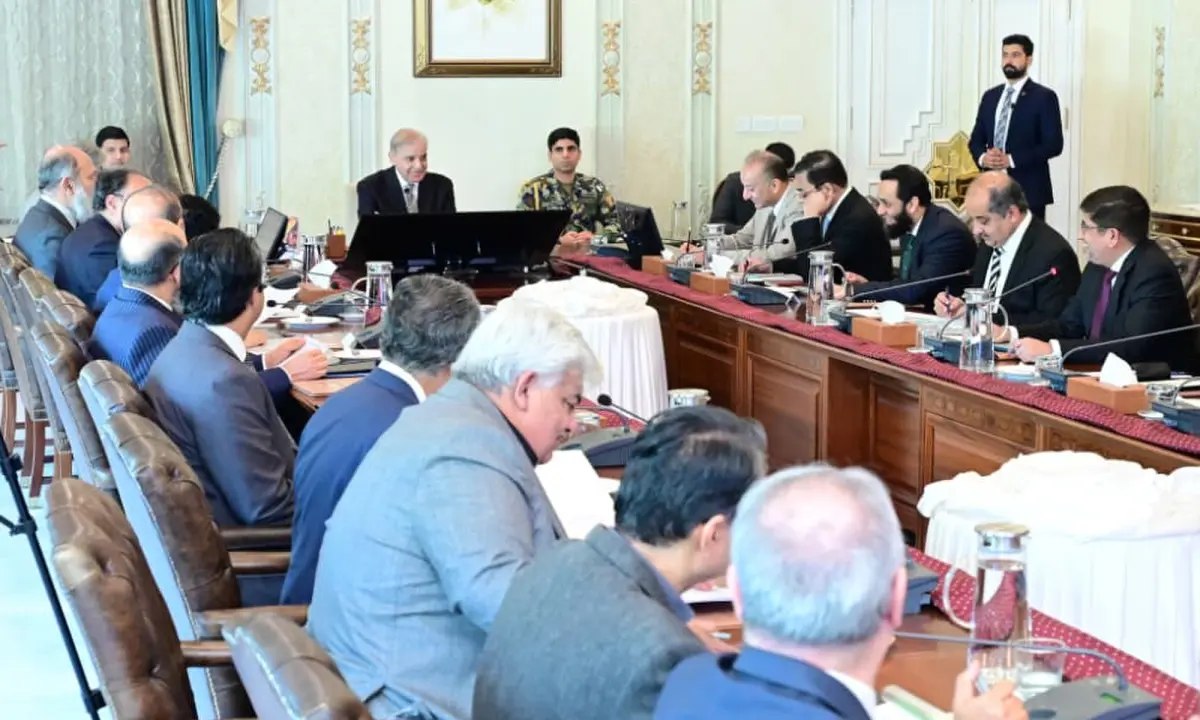
    Prime Minister Shehbaz Sharif on Thursday called for comprehensive reforms in Pakistan’s gemstone sector, including the establishment of international-standard laboratories, modernisation of mining practices and professional training, to increase value addition and exports.

    Chairing a review meeting on the development of the country’s gemstone sector, the prime minister directed authorities to establish internationally recognised laboratories for the identification and certification of precious stones.

    He also instructed the relevant authorities to send Pakistani master trainers to Sri Lanka and Thailand for specialised training in gemstone processing. The foreign secretary was directed to ensure that Pakistani ambassadors in these countries extended full cooperation in this regard.

    Shehbaz said Pakistan had considerable potential in gemstone mining, value addition and exports, but outdated mining practices were resulting in the wastage of valuable resources.

    He said the government was taking priority measures to develop the sector and would provide a conducive environment for private-sector investment in gemstone mining and processing.

    The prime minister also welcomed progress towards establishing a complete value chain for the industry and appreciated the efforts of Special Assistant to the Prime Minister on Energy Lieutenant General (retd) Muhammad Zafar Iqbal and his team, Finance Minister Muhammad Aurangzeb, Petroleum Minister Ali Pervaiz Malik, Adviser on Industries and Production Haroon Akhtar and other officials in advancing reforms and establishing centres of excellence.

    Over 300mn carats in gemstone reserves

    The meeting was informed that Pakistan was estimated to have around 300 million carats of gemstone reserves, with more than 9,000 miners engaged in extracting over 30 varieties of precious stones.

    The sector comprises more than 5,500 associated businesses, but its growth is constrained by the export of unprocessed stones, losses exceeding 50% during mining, a shortage of modern technical skills and limited value-addition facilities, the meeting was told.

    Officials said a comprehensive strategy had been developed to address these challenges and strengthen the industry’s potential.

    Rs4.1bn project, new policy

    The meeting was informed that a Rs4.1 billion project was under way to establish facilitation centres in Gilgit-Baltistan, Azad Jammu and Kashmir and Islamabad.

    Other initiatives included the establishment of 80 banking facilitation desks, geological mapping, rehabilitation of training centres and international cooperation.

    Implementation of the National Gemstone Policy 2026-2030 has also begun, according to the briefing.

    The proposed reforms include establishing an independent regulatory framework and a national certification and warranty system, restricting the export of raw gemstones, and offering tax and customs duty exemptions on imported machinery.

    The strategy also envisages modern technical training, development of domestic markets and greater private-sector participation to establish an integrated value chain, from mining and processing to finished products.

    The meeting was attended by federal ministers Azam Nazeer Tarar, Dr Musadik Masood Malik, Jam Kamal Khan, Ahsan Khan Cheema, Muhammad Aurangzeb, Attaullah Tarar and Ali Pervaiz Malik, Adviser to the Prime Minister Haroon Akhtar, Special Assistant on Energy Lieutenant General (retd) Muhammad Zafar Iqbal and senior officials.

    Source: brecorder

  • ‘Unbelievable catch’: Pakistan motorbike passenger becomes cricket sensation

    ‘Unbelievable catch’: Pakistan motorbike passenger becomes cricket sensation

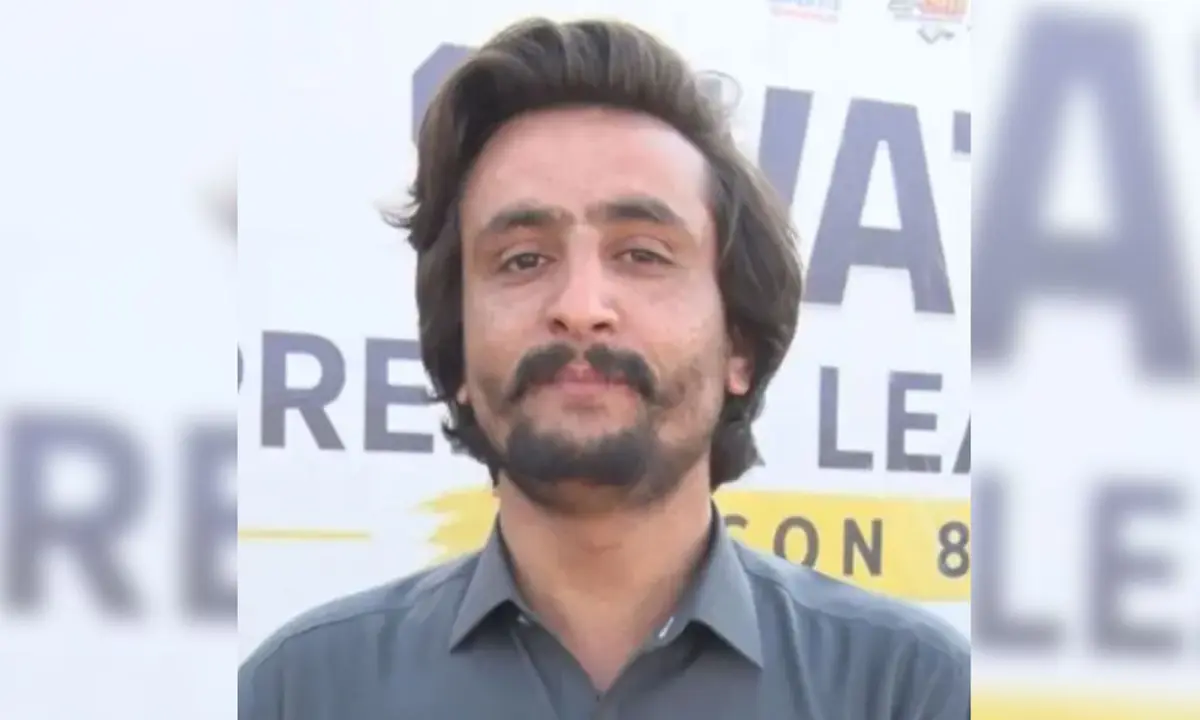
    PESHAWAR: Returning home from work on the back of a friend’s motorbike in northwest Pakistan, Mehran Khan acted on pure instinct when a cricket ball sailed towards him and he nonchalantly took a one-handed catch that has won him instant global fame.

    “I told my friend who was riding the motorcycle to lower his head. I stood up slightly on the moving motorcycle and caught it,” the civil servant, an experienced amateur cricketer, told AFP.

    “Words cannot describe how happy I was after taking that catch. It felt as though I had achieved something extraordinary,” the 27-year-old added.

    Khan and his friend were motoring past a match in the Swat Premier League in the city of Mingora when the ball arched towards them over the boundary on Tuesday.

    Batsman Abrar Lala struck a looping six, sending the ball towards the road adjoining the cricket ground in Pakistan’s picturesque Swat Valley, where Khan plucked it out of the air with one hand.

    “I have been playing cricket since childhood and have played several matches at this very ground,” Khan, a government employee with the Public Health Engineering Department, explained.

    “When the batsman hit the six I instinctively wished I could catch the ball,” he added.

    The moment has gone viral around the world and drawn the praise of cricketing greats.

    ‘Massively viral’

    “Fame that some people do not achieve in years came to me through a video lasting just a few seconds,” Khan said. 

    “My life has changed completely. Now, whenever I go out, people recognise me and ask to take selfies with me.

    “When I returned home that night my family gave me a wonderful welcome,” he said.

    “Nobody had ever asked to take selfies with me like that before,” he added.

    Khan, a batsman, fast bowler and accomplished fielder, said the footage was uploaded by a local TikTok user before going “massively viral”.

    He said he was particularly proud to see the video shared by Australian fast bowler Brett Lee on his Facebook page.

    “I could not contain my happiness. Just imagine, I am an ordinary cricket player and here is a legend like Brett Lee sharing my catch. He captioned it ‘Unbelievable Catch,’” Khan said.

    The motorbike carrying Khan and his friend was still speeding past the ground when the match’s commentator asked the police to stop the pair and bring them back.

    “I was already very excited but when I entered the ground, the commentator announced that the man who had taken the catch outside the ground was now inside the ground. All the players and spectators erupted into applause,” Khan said.

    ‘Man from the mountains’

    He explained that the tournament’s organisers awarded him PKR 10,000 ($36) for the catch. He thanked God for being “blessed with so much respect and recognition”.

    Khan said in some online comments, social media users have joked he made off with the ball.

    “But that is not true. I did not run away. I handed the ball over to the tournament organisers inside the ground,” he said.

    Khan now hopes the league will return the ball to him as a souvenir of the extraordinary moment.

    Since becoming a father eight months ago, Khan feels he has been on a lucky streak that began with the arrival of his daughter.

    “Ever since she was born I have continued to experience one stroke of good luck after another. Perhaps I managed to take this catch because of her,” he said.

    “When the ball was in my hands I felt incredibly fortunate to have taken that catch.

    “I am an ordinary man from the mountains, but one catch has made me not just special, but very special,” he added.

    Source: brecorder

  • Ireland to tour Pakistan for first ODI series in January

    Ireland to tour Pakistan for first ODI series in January

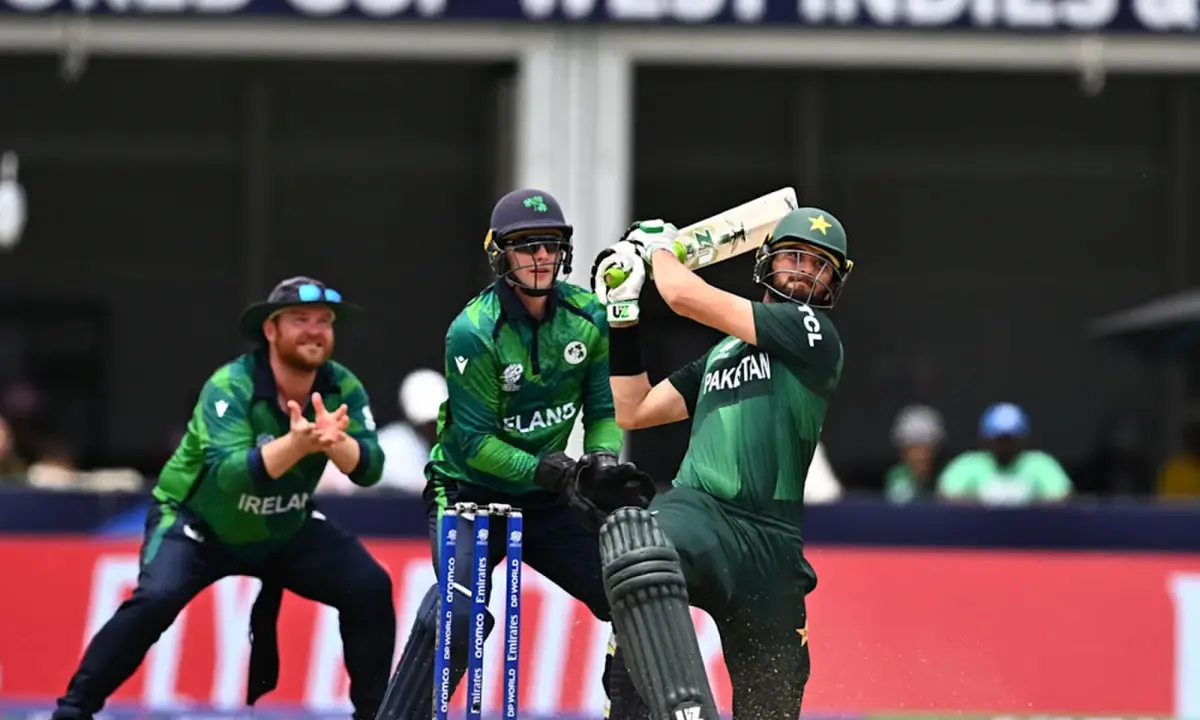
    KARACHI: Ireland’s men’s cricket team will tour Pakistan for the first time in January, playing three one-day internationals in preparation for World Cup qualifiers, Pakistan cricket officials said Thursday.

    “Ireland will arrive in Lahore on January 9 for six white-ball matches in which three will be internationals while the remaining will be against Pakistan’s second string team,” the Pakistan Cricket Board (PCB) said in a statement.

    “The three ODIs will be played in Lahore on 20, 22 and 24 January,” the PCB added.

    Before the international matches, Ireland will play a three-match one-day series against the Pakistan Shaheens from January 13 to 17 at the same venue, the release added.

    Ireland were originally scheduled to tour Pakistan for a Test and ODI series in August last year, but the visit was postponed due to the hosts’ congested international schedule.

    The PCB and Cricket Ireland later agreed to focus exclusively on the 50-over format in the build-up to next year’s World Cup, which will be jointly hosted by South Africa, Zimbabwe and Namibia.

    Ireland will compete for a place at the World Cup in a 10-team qualifying tournament in South Africa and Namibia from February 26 to March 21 next year.

    Source: brecorder

  • Israel kills nine in Gaza, including a Hamas-appointed minister, officials say

    Israel kills nine in Gaza, including a Hamas-appointed minister, officials say

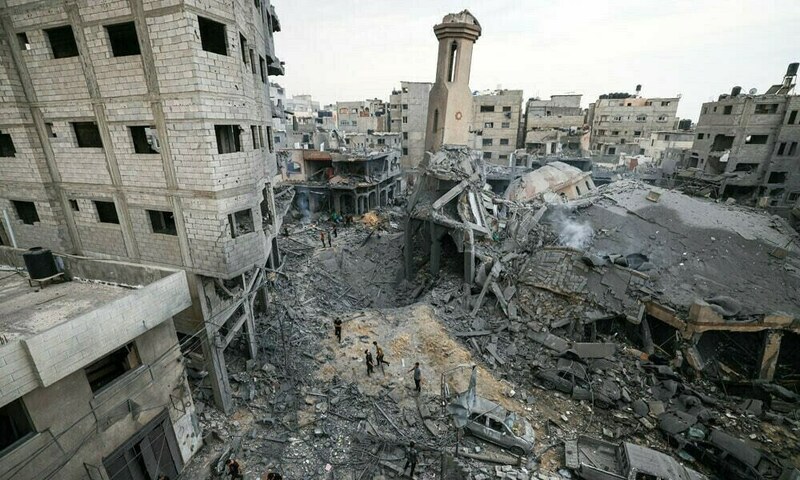
    CAIRO: Israeli airstrikes and gunfire killed at least nine Palestinians in Gaza overnight, medics said, including the Hamas-appointed deputy minister of education, in a third consecutive night of air attacks despite a one-year-old ceasefire.

    Medics said an Israeli airstrike hit an apartment in Deir Al-Balah, in central Gaza Strip on Thursday, killing Khaled Abu Nada, the deputy Gaza education minister, and his wife.

    Israeli Prime Minister Benjamin Netanyahu said the attack was one of a series of targeted killings carried out recently against members and senior officials in Hamas, adding that Israel has killed about 80 Hamas members in the past month.

    “No Hamas member is immune, and no one in the Hamas leadership will manage to evade us,” Netanyahu said.

    Abu Nada was the third senior Hamas official Israel has killed since Tuesday, after two senior security officials. 

    The Israeli military said Abu Nada oversaw Hamas’ economic portfolio and managed its banking and investment network, directing funds toward the Palestinian group activities and force buildup.

    The military said his death may weaken the group’s ability to sustain its finances and support its military capabilities.

    Hamas confirmed death of Abu Nada

    Hamas confirmed the death of Abu Nada and that he was a member of its political office, but had no immediate comment on other allegations made by Israel.

    It said Israel’s targeting of academics and civilian figures was a “heinous crime”.

    Hamas said the continued policy of “assassination” violates the Gaza ceasefire agreement and international law. It holds US President Donald Trump’s Board of Peace politically and morally responsible for failing to stop the attacks and for providing cover that encouraged further killings and attacks on civilians, Hamas said.

    Two other airstrikes killed six people in the Tuffah neighbourhood and Beach refugee camp overnight in Gaza City, medics added. The Israeli military did not immediately comment on those reported deaths.

    Later on Thursday, medics said Israeli gunfire killed a 62-year-old man in the eastern Bureij refugee camp. The Israeli military said it was not aware of such an incident.

    Israel has continued to carry out attacks it says target Hamas but the attacks have also killed many civilians. The broader ceasefire plan, backed by Trump, has not halted the violence or secured Hamas’ disarmament.

    At least 1,600 Palestinians and 5 Israeli soldiers have been killed since the ceasefire was agreed in October 2025, according to respective Palestinian and Israeli tallies.

    Israeli troops control around two-thirds of Gaza, up from more than half at the time of the ceasefire, while Hamas controls a thin piece of territory along Gaza’s coast.

    Israel’s assault on Gaza has killed more than 74,000 Palestinians since 2023, caused a hunger crisis, internally displaced Gaza’s entire population and led to assessments of genocide from scholars and a United Nations inquiry.

    Source: brecorder