Category: Brecorder

  • One Window operations: CDA pledges to share service delivery timelines

    One Window operations: CDA pledges to share service delivery timelines

    ISLAMABAD: The Capital Development Authority (CDA) has assured the Islamabad business community that it will share service delivery timelines through its one window operations, as the business community and the civic body agreed to strengthen coordination to address issues faced by traders and businesses.

    CDA Director One Window Operations Chaudhry Abdul Rauf, during a visit to the Islamabad Chamber of Commerce and Industry (ICCI) here on Thursday, said the authority was moving towards a fully cashless system in Islamabad, with November 30 set as the target for completing the implementation process.

    He also said a new digital portal was being developed to facilitate online submission of applications, case tracking and timely communication of objections. He added that approximately 24 to 25 public services were being provided through the One Window Operation under designated processing timelines.

    Rauf said that a four-day timeline had been prescribed for residential No Demand Certificates (NDCs), while applications involving no legal or administrative complications had also been processed within a single day, including completion of property transfer formalities. He assured that the prescribed timelines for all services would be shared with the ICCI to enhance awareness among the business community and facilitate applicants. He added that the digital portal would enable applicants to monitor the status and progress of their applications, while SMS notifications and timely communication of objections were also being improved.

    Rauf further said that CDA was embracing modern technology to make public services more accessible, transparent and efficient. Efforts were underway to introduce an online facility allowing citizens to submit applications for various services from their homes and offices.

    He added that the Authority had introduced a cashless payment mechanism through electronic challans, replacing conventional payment procedures to ensure faster and more transparent transactions. He reaffirmed CDA’s commitment to making the One Window Operation more efficient and citizen-friendly.

    Speaking on the occasion, ICCI President Mohammad Zikria Akbar Zia emphasized the importance of close institutional coordination between ICCI and CDA to improve service delivery for the business community and residents of Islamabad. He said that effective liaison between the two institutions could help identify administrative bottlenecks, address public grievances, and promote a more responsive civic service system. He assured that ICCI was ready to extend its fullest cooperation to CDA in achieving this shared objective.

    ICCI Senior Vice President Mohammad Ashfaq Hussain Chatha said that Islamabad’s growing population, expanding commercial activities and increasing urban requirements demanded a more efficient, responsive and citizen-friendly administrative structure. He observed that despite the establishment of the One Window facility, businesspeople continued to face delays in property transfers, issuance of NOCs and other administrative matters. He stressed that every service should have a clearly defined processing timeline, with applicants informed in advance about the expected completion period to ensure transparency and accountability.

    ICCI Vice President Mohammad Waqas Khan Swati said that timely communication with applicants was essential for making the One Window Operation genuinely effective. He emphasized that whenever an objection was raised against an application, the applicant should immediately be informed through SMS so that the required documents or deficiencies could be addressed without delay. He observed that applicants should not have to visit CDA offices repeatedly merely to discover the status of their cases or learn about objections. He also stressed the importance of making completed approvals and NOCs available online to minimize unnecessary visits and facilitate the business community.

    They discussed various issues concerning property transfers, NDCs, NOCs, application processing, and the need for further digitalization of CDA services, emphasizing that stronger coordination between the Chamber and the Authority would contribute to more transparent, efficient, and timely resolution of public and business-related issues.

    Copyright Business Recorder, 2026

    Source: brecorder
  • US clears SpaceX to launch up to 1m orbital data-centre satellites

    US clears SpaceX to launch up to 1m orbital data-centre satellites

    NEW YORK: The Trump administration authorized Elon Musk’s SpaceX on Wednesday to launch up to one million satellites as part of its plan to build data centers in space, raising concerns from some experts.

    The US Federal Communications Commission (FCC) said SpaceX’s Starmind constellation would “process massive amounts of data to be used back here on Earth.”

    The company’s authorization runs until 2040, according to a document published on the FCC’s website.

    “America is leading the world into the era of super intelligence,” FCC Chairman Brendan Carr said in a statement, using Trump’s moniker for artificial intelligence.

    He added that data centers would be “essential to sustaining America’s leadership in SI.”

    Projects for orbiting data centers have multiplied over the past year.

    Alongside SpaceX and its Starmind constellation, Google is pursuing its own initiative under the codename “Suncatcher,” while Jeff Bezos’s Blue Origin has submitted an application to the FCC for its “Project Sunrise.”

    Several startups are also in the race, including Starcloud, which successfully operated an advanced processor known as a GPU aboard a satellite in late 2025. Google also reached that milestone in October.

    SpaceX has the advantage of having its own rockets that have already completed hundreds of missions.

    In August, Musk promised a first SpaceX satellite launch into orbit in the fourth quarter of 2027 and a ramp-up in 2028.

    The company has struck a deal with Nvidia, which will supply its latest-generation Vera Rubin processors, specially designed to operate in space.

    ‘Disheartened and dismayed’

    Most space-based data center projects have a similar architecture: a constellation of satellites in low Earth orbit (LEO), positioned close together to ensure reliable connections between them.

    Starmind’s satellites will communicate with those already in orbit as part of SpaceX’s Starlink satellite internet network, which will then relay the data to Earth.

    Other competing networks plan to receive data directly from Earth and send it back using lasers.

    But experts have warned of technical obstacles, as well as environmental concerns.

    Unresolved technical challenges include processors’ ability to withstand the high levels of radiation in space.

    Observers also point to the difficulty of withstanding extreme temperatures or avoiding damage from space debris and micrometeorites.

    The American Astronomical Society (AAS) said it was “disheartened and dismayed” by Wednesday’s decision.

    “The proposed constellation would significantly undermine decades of federal investment in astronomical facilities and the ability of astronomers and the public to enjoy and study the night sky,” the AAS said in a statement.

    It noted that the constellation “involves larger (and therefore brighter) and more numerous objects,” meaning the satellites would “be visible as extremely bright objects for longer periods in the night sky.”

    “Drastically expanding satellites in space has a direct impact on people’s everyday lives as well as the future of our planet,” Jan Hasselman, a senior attorney at the nonprofit group Earthjustice, said in a statement.

    There are, however, numerous advantages to locating a data center in space over building one on Earth.

    Among those, a satellite in what is known as a sun-synchronous orbit can capture solar energy continuously and with eight times the efficiency of its ground-based equivalent.

    SpaceX made its stock market debut in June, raising about $85.7 billion.

    Source: brecorder

  • JUI-F sit-ins disrupt traffic across Karachi

    JUI-F sit-ins disrupt traffic across Karachi

    KARACHI: The city descended into chaos on Thursday as the Jamiat Ulema-e-Islam-Fazl (JUI-F) staged simultaneous sit-ins at multiple entry and exit points of Karachi, severely disrupting heavy transport, freight and cargo movement, as well as intercity and inter-provincial traffic, following a nationwide protest call by party chief Maulana Fazlur Rehman.

    The protests, which continued at the time this report was being filed, were organised against restrictions on the party’s scheduled public gathering in Sargodha, the reported detention of senior leaders and arrests of party workers. Maulana Fazlur Rehman had called on party workers across the country to take to the streets and block highways, motorways and major roads in protest.

    In Karachi, the main sit-ins were staged at Sohrab Goth near Al-Asif Square, Ghaggar Phatak and Hub River Road, disrupting traffic at major entry and exit routes.

    At Sohrab Goth, a large number of JUI-F workers blocked both tracks of the Super Highway (M-9), while protesters at Ghaggar Phatak blocked the National Highway between Zero Point and the eastern outskirts of the city.

    Another major blockade was reported at Lucky Pahari on Hub River Road, where both incoming and outgoing tracks were closed, leaving heavy vehicles stranded and forcing smaller vehicles to use adjoining residential areas.

    The blockade disrupted transport connecting Karachi with Balochistan and other parts of the country.

    The closure of the Super Highway triggered massive congestion on adjoining roads. Both tracks of Rashid Minhas Road, particularly between Sohrab Goth and NIPA, witnessed long queues of vehicles. Abul Hasan Isphani Road, areas around Disco Bakery in Gulshan-e-Iqbal, Gulzar-e-Hijri Road in Scheme 33 and roads leading towards Quaidabad also experienced heavy traffic.

    Traffic was also temporarily suspended on Shahrah-e-Faisal near Baloch Pull because of a protest around 5pm, although traffic police later reported that the demonstration had ended and vehicular movement had resumed.

    Congestion was also reported on Gulbai and Mauripur roads, Shaheed-e-Millat Road and Lyari Expressway near Hassan Square. According to traffic police, vehicles arriving from Hyderabad were being diverted from Punjab Adda towards Total Pump and Faria Chowk, while those travelling towards Hyderabad were being redirected through Gulshan-e-Iqbal.

    Personnel were deployed at major intersections to manage diversions, but commuters and transport operators continued to face prolonged delays. The blockades also disrupted intercity passenger and freight movement.

    Highway closures at Hyderabad, Thatta, Matiari, Nawabshah, Kandiaro, Larkana, Shikarpur, Jacobabad and Ghotki further affected transport between Karachi, interior Sindh, Punjab and Balochistan.

    Speaking to the media, JUI-F Sindh General Secretary Rashid Soomro defended the protests, saying Maulana Fazlur Rehman had been raising issues concerning the Constitution, parliamentary supremacy, provincial rights, ownership of mineral resources and the strengthening of democratic institutions.

    He said the party chief had also opposed the creation of new provinces and demanded effective measures to combat terrorism. Soomro said Maulana Fazlur Rehman was scheduled to address a peaceful public gathering in Sargodha on November 26 but was prevented from reaching the venue after containers were placed along his route from Lahore.

    He claimed the JUI-F chief remained stranded near Hesar for several hours as authorities blocked roads leading to Sargodha.

    He condemned the reported arrests of senior party office-bearers, including Central Secretary General Maulana Abdul Ghafoor Haideri, Punjab Ameer Maulana Amjad Khan, Islamabad Ameer Mufti Owais Aziz, Deputy Ameer Qari Iftikhar and Jamiat Talaba Islam Pakistan Central President Malik Owais.

    He said party workers had also been arrested in several districts of Punjab. Soomro said protests had spread across all four provinces, from Kashmir to Karachi, with party workers blocking highways and motorways against the restrictions and arrests.

    He outlined two main demands for ending the sit-ins: the immediate removal of obstacles preventing Maulana Fazlur Rehman from reaching Sargodha to address the scheduled gathering, and the release of all detained party leaders and workers.

    Reiterating JUI-F’s opposition to the division of Sindh, Soomro said the party would not accept coercion or baton charges and would continue its constitutional and democratic struggle.

    He said the people of Sindh would neither accept new provinces nor allow their natural resources and islands to be handed over to what he described as dacoits.

    Copyright Business Recorder, 2026

    Source: brecorder
  • Dealing with the diabetes challenge

    Dealing with the diabetes challenge

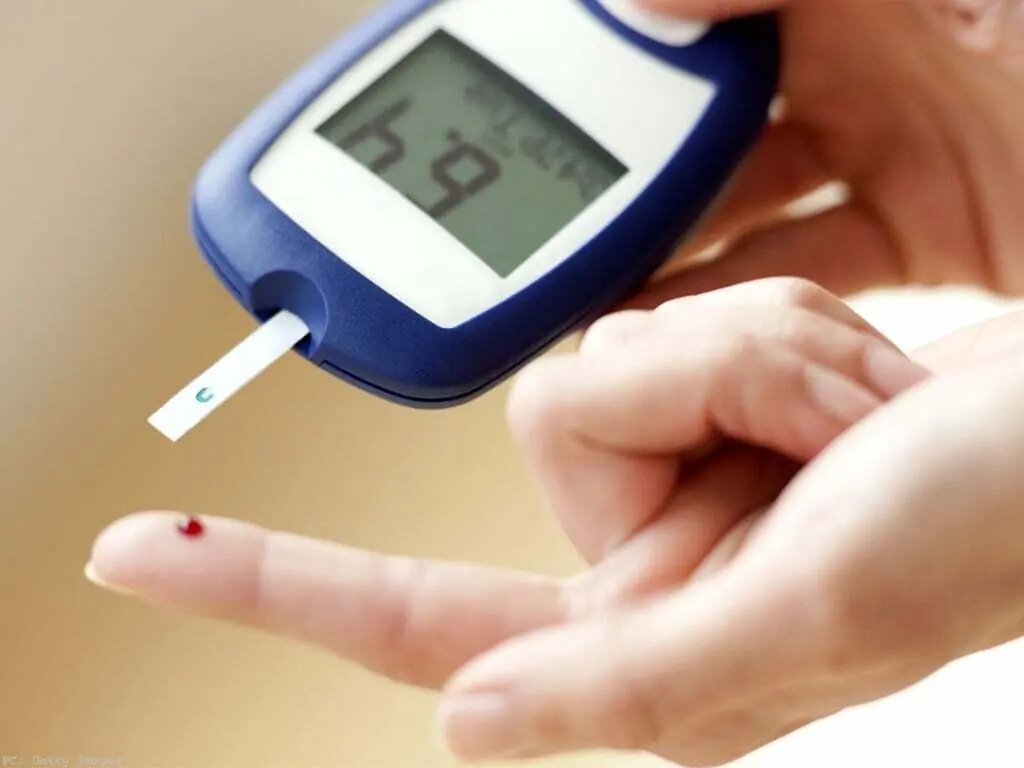
    EDITORIAL: The decision to launch Pakistan’s first-ever National Diabetes Prevention and Control Programme is a timely and welcome initiative, announced at a recent conference organised by the Diabetes Association of Pakistan (DAP). With approximately one in three Pakistanis reportedly affected by diabetes, a coordinated national strategy focusing on prevention, early detection, and effective treatment is long overdue.

    The growing burden of the disease makes it imperative for the government and society to act without further delay.

    Particularly encouraging is the programme’s emphasis on public awareness and early risk assessment in its initial phase.

    Developed in collaboration with the federal health ministry and expected to run over three to five years, it offers an opportunity to address the risk factors contributing to the spread of diabetes rather than merely treating the disease after its onset. Its success, however, will depend on sustained political commitment, adequate funding and effective coordination between federal and provincial health authorities.

    Equally commendable is the decision to adopt Bangladesh’s tried-and-tested mosque-based diabetes awareness and screening model, also proposed for introduction across all 57 member states of the Organisation of Islamic Cooperation (OIC). Mosques can serve as effective platforms for disseminating essential health information.

    According to DAP Secretary General Dr Abdul Basit, the Bangladesh initiative reduced new diabetes cases by up to 42 per cent in targeted areas over one year. Subsequently expanded to approximately 300,000 mosques, it now reaches an estimated 20 to 40 million people every Friday.

    Adapted to local circumstances, this approach could bring awareness and early diagnostic screening within the reach of millions of Pakistanis while offering an opportunity for wider regional cooperation against a shared health challenge.

    Particular attention must also be given to women, especially during pregnancy. As health experts have pointed out, gestational diabetes can remain undetected while posing serious risks to both mother and child.

    Regular blood glucose screening before and during pregnancy, alongside accessible maternal healthcare, is essential to preventing complications and reducing the risk of developing Type 2 diabetes later in life.

    Public awareness campaigns must also promote healthier diets, regular exercise, weight management and routine medical check-ups. Schools, workplaces, religious institutions, civil society and the media all have a role in encouraging healthier lifestyles and early diagnosis.

    Modern technologies, including continuous glucose monitoring, can improve diabetes management, but affordability and accessibility must be ensured if their benefits are to reach a wider population.

    The real test of this promising initiative will be its implementation. The government must ensure sustained efforts, particularly in underserved communities where access to healthcare remains limited.

    Diabetes prevention cannot be left to medical professionals alone; it requires the active participation of all sections of society. With political commitment and collective responsibility, Pakistan can make meaningful progress towards a healthier future and the aspiration of a diabetes-free nation.

    Copyright Business Recorder, 2026

    Source: brecorder
  • India makes case to IOC for hosting 2036 Olympics

    India makes case to IOC for hosting 2036 Olympics

    NEW DELHI: The Indian Olympic Association said on Thursday it had made a strong case for India’s bid to host the 2036 Games and was confident of advancing to the next stage after presenting its plans to the International Olympic Committee’s Future Host Commission.

    The world’s most populous nation delivered a virtual presentation supporting a bid centred on the western city of Ahmedabad, which will host the 2030 Commonwealth Games and is bidding for the 2038 Asian Games.

    India faces competition from Germany, Qatar, Hungary, Turkey, South Africa and South Korea and must persuade the IOC that it can deliver an event of the scale and complexity of the Olympics.

    “I think we presented a good case and we are very, very hopeful that we will move to the next stage (of the bidding process),” IOA chief executive Raghuram Iyer told reporters, stressing the bid enjoyed wide support from all stakeholders, including the central government.

    “When a country is pitching for the Olympics, doing something so large… requires the complete support and backing of the city, of the state, of the union.”

    Some candidates will advance to the strategic dialogue phase in March 2027, followed by a targeted dialogue stage. The 2036 host will be announced after the 2028 Los Angeles Olympics, Iyer said.

    India hosted the 2010 Commonwealth Games in New Delhi, which were marred by allegations of corruption and mismanagement that organisers denied.

    Thursday’s presentation set out Ahmedabad’s preparedness, including venue development plans and a long-term vision for delivering the Games, the IOA said in a statement.

    Venues and supporting infrastructure being built for the 2030 Commonwealth Games could also be used for the Olympics, it added.

    India has secured a series of international events over the next two years as it seeks to strengthen its hosting credentials, although its doping record remains a concern and its athletes have enjoyed relatively limited Olympic success.

    Source: brecorder

  • Govt cuts petrol price by Re1, diesel’s by Rs2 per litre

    Govt cuts petrol price by Re1, diesel’s by Rs2 per litre

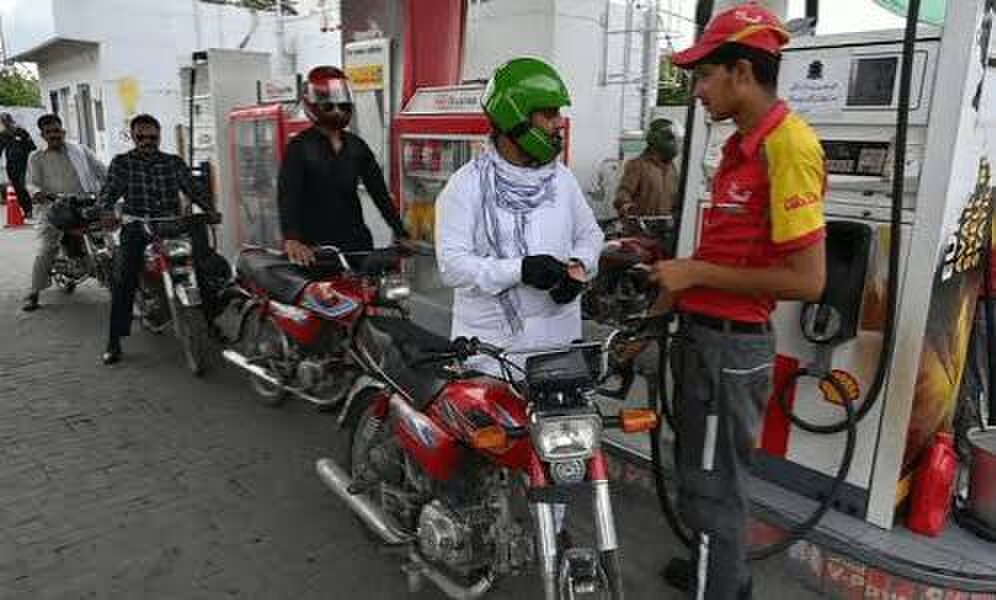
    Pakistan government on Thursday decreased the price of petrol by Re1 to Rs313 per litre and high-speed diesel (HSD) rate by Rs2 to Rs346 per litre, effective for Friday, November 27, 2026.

    The Oil and Gas Regulatory Authority (OGRA) said the prices were worked out under the petroleum products pricing mechanism approved by the federal government.

    The new prices will remain effective for Friday, November 27, 2026.

    On Wednesday, the government government reduced the price of petrol by Rs4 to Rs314 per litre and the high-speed diesel rate by Rs5 to Rs348 per litre.

    Globally, crude oil prices rose $1 on Thursday, reversing earlier losses, after Yemen’s Houthis said they hit Saudi Arabia’s largest oil refinery and Iran said mines struck ships in the Strait of Hormuz, reviving concerns about supply disruption.

    Brent crude futures were up $1.64, or 1.73%, at $96.25 a barrel by 1425 GMT. US West Texas Intermediate crude futures rose $1.10, or 1.31%, to $84.78.

    Source: brecorder

  • Makkah pact nations to discuss Yemen in Islamabad meeting: Khawaja Asif

    Makkah pact nations to discuss Yemen in Islamabad meeting: Khawaja Asif

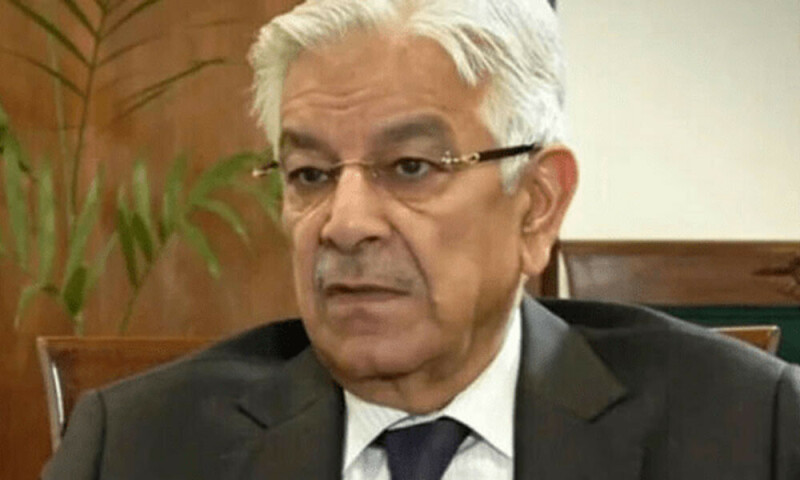
    ISLAMABAD: The Makkah pact nations will discuss the conflict between Saudi Arabia and Houthis in Yemen when officials from the mutual defence agreement meet in Islamabad on Thursday, Pakistan’s defence minister told AFP.

    Khawaja Asif said the “continuous turmoil south of Saudi Arabia will obviously be one agenda point in the meeting and it is very important”, confirming that defence and foreign ministers from the Gulf kingdom, Turkey and Pakistan would attend.

    Pakistan, Saudi Arabia and Turkey signed the pact in August, with the three Muslim nations pledging to come to each other’s aid in the event of an attack.

    Saudi Arabia has faced repeated barrages by the Houthis in Yemen, with the group targeting cities, oil facilities and shipping since fighting in Yemen’s civil war intensified in July.

    “Any threat to Saudi Arabia is a threat to Pakistan and Turkey according to the pact, which is absolutely clear,” Khawaja said on Wednesday, praising Riyadh’s handling of the conflict with the Houthis, who hold swathes of territory in Yemen, including its capital Sanaa.

    He said the pact, which was formed during the expansion of the war in the Middle East following US-Israeli strikes on Iran in February, was still at a “nascent stage”.

    “Initially we need to have frequent meetings to steer what is being formulated, in a way that in the next couple of months we have everything in place so that we can move forward,” he added.

    Khawaja declined to comment on how the pact would react to a direct attack by Iran on Saudi Arabia, and identified Israel as a possible threat to other countries in the region.

    “The possibility of some conflict, or aggression from the Israeli side exists, so we need to close our ranks, the countries of this region,” he said.

    Pakistan brokered a June accord that led to a brief halt in fighting between the United States and Iran and set a roadmap for further agreement on reopening the crucial Strait of Hormuz and for negotiations on Tehran’s nuclear programme.

    But the truce collapsed, with Washington and Tehran accusing each other of violating the agreement, prompting months of shuttle diplomacy to resuscitate the ceasefire, led principally by mediators Qatar and Pakistan.

    Last week Pakistan army chief Asim Munir met with Iranian Foreign Minister Abbas Araghchi.

    Khawaja said Pakistan had played “a very, very constructive role” between Washington and Tehran but the outcome of ongoing mediation was “still fragile” and peace was “not yet embedded in a way people were expecting”.

    Source: brecorder

  • SBP-held foreign exchange reserves rise $8mn to $21.60bn

    SBP-held foreign exchange reserves rise $8mn to $21.60bn

    Foreign exchange reserves held by the State Bank of Pakistan (SBP) increased by $8 million to $21.60 billion during the week ended November 20, 2026, the central bank said on Thursday.

    The country’s total liquid foreign reserves stood at $26.75 billion as of November 20, 2026.

    According to the SBP’s latest data, net foreign reserves held by commercial banks stood at $5.15 billion during the week under review.

    “During the week ended on 20-Nov-2026, SBP’s FX reserves increased by US$ 8 million to US$ 21,595.0 million,” it said.

    In the previous week, foreign exchange reserves held by the SBP increased by $15 million to $21.59 billion during the week ended November 13, 2026.

    Source: brecorder

  • Trump urges Putin to end ‘military aggression’ in Europe

    Trump urges Putin to end ‘military aggression’ in Europe

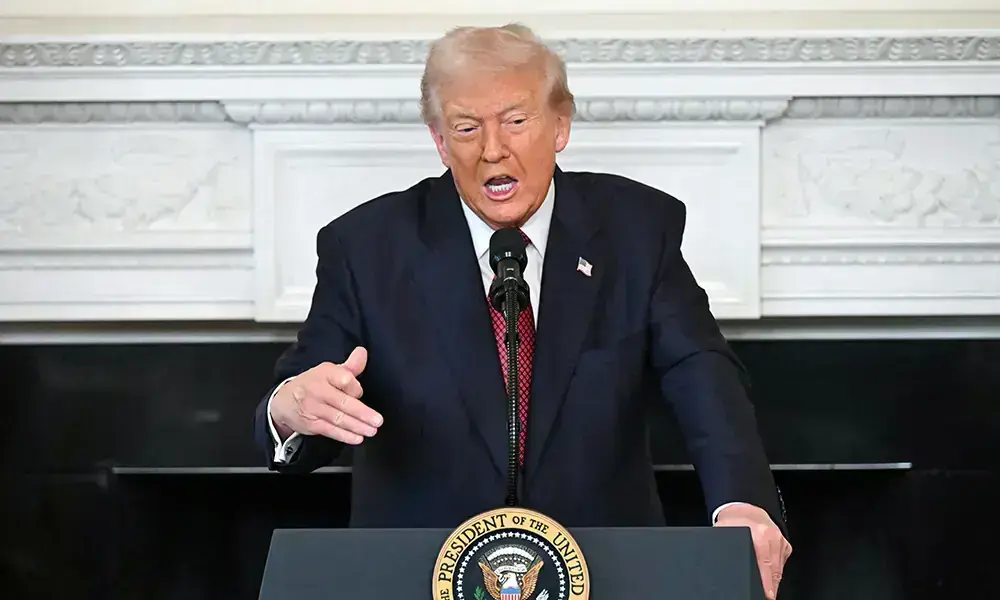
    WEST PALM BEACH: US President Donald Trump said Thursday he had asked Vladimir Putin to “pull back all military aggression” against Europe, in a shift in tone towards the leader Russian he called his friend just a week ago.

    Trump said he had made the request to Putin when they met in China last week, adding that he thought it would help lead to a deal to end Moscow’s grinding war in Ukraine.

    The US leader’s comments come a day after he hosted NATO chief Mark Rutte in Florida, after which they issued a joint statement calling on Russia not to expand the Ukraine war.

    “During my conversations in China with President Vladimir Putin, of Russia, I spent a lot of time talking about the fact that I would like to see President Putin pull back all Military aggression against territories throughout Europe, in the hopes that a Deal can be made between Russia and Ukraine, and made quickly,” Trump said on his Truth Social network.

    “I really believe this is a strong possibility.”

    The statement did not specify which territories Trump meant, and did not specifically include Ukraine.

    But European nations have been increasingly concerned by what they regard as Russian provocations, including three Russian cruise missiles landing in Poland last week.

    Trump’s appeal to Putin was markedly different to his tone when he met Putin in Shenzhen last week, both face-to-face and together with Chinese President Xi Jinping.

    On that occasion, a smiling Trump welcomed Putin by saying “Who is he? He’s my friend,” before warmly shaking hands with the Russian leader.

    The “friend” comment in particular renewed concerns in Kyiv and European capitals that Trump was once again pivoting towards the Russian leader he has long been close to, to the detriment of Ukraine, which Russia invaded in February 2022.

    But after his meeting with Rutte, during which Trump said he had briefed the NATO leader on his meetings with Putin, Trump’s tone appeared to have shifted once again.

    Trump and Rutte said in a joint statement late Thursday that they “discussed the importance of Russia avoiding any actions that intentionally, or unintentionally, expand the war.”

    In a notable contrast with Trump’s recent criticisms of Ukraine for striking targets deep inside Russia, which have tended to paint Moscow and Kyiv as equally to blame in the war, Trump made no call for Kyiv to show similar restraint.

    Trump reposted the joint statement with Rutte on Truth Social shortly before his new comments on Putin.

    Source: brecorder

  • PTI a political reality, must be part of reset process: Bilawal

    PTI a political reality, must be part of reset process: Bilawal

    Pakistan Peoples Party (PPP) Chairman Bilawal Bhutto Zardari on Thursday termed the Pakistan Tehreek-e-Insaf (PTI) a political reality, stressing that any meaningful political and democratic reset in the country must include the opposition party.

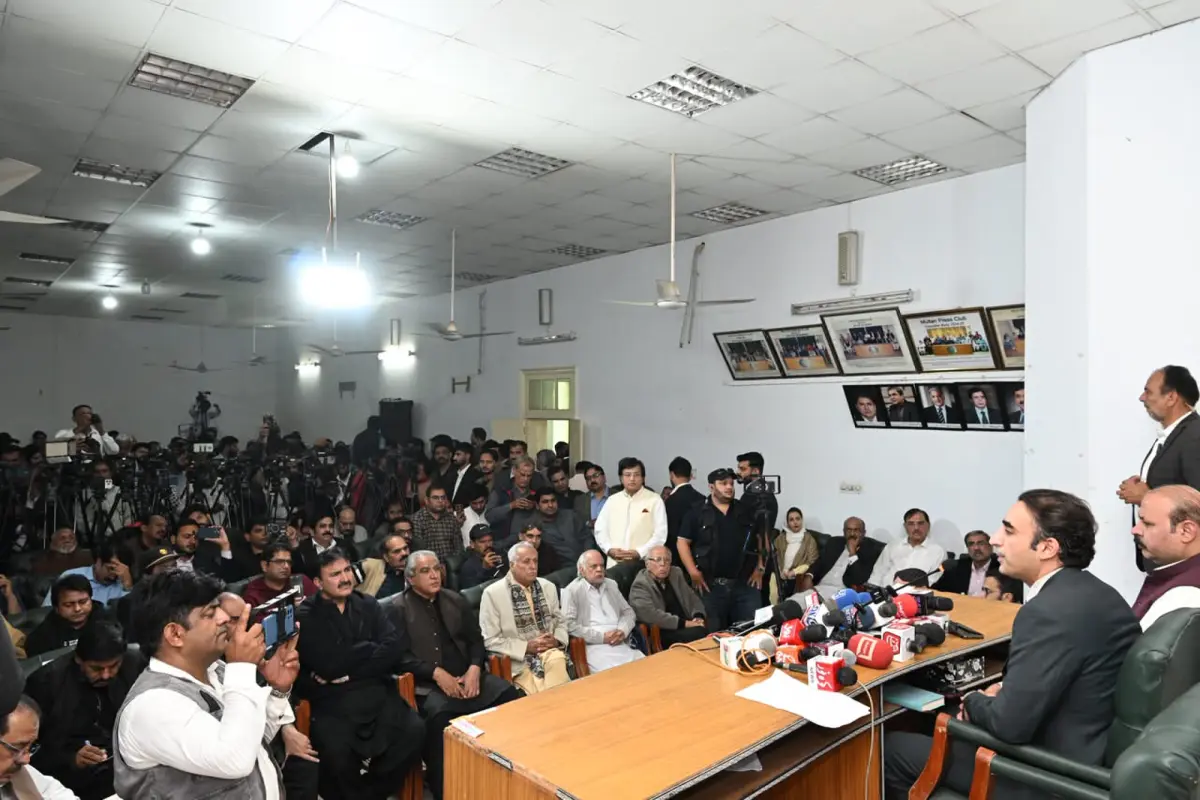
    Addressing a ‘Meet the Press’ programme at the Multan Press Club, Bilawal called for a new Charter of Democracy, emphasising the need for political reconciliation, parliamentary supremacy, and consensus among all political stakeholders to steer the country out of its prevailing economic, political and institutional crises.

    He said that although PTI founder Imran Khan had denied his political opponents, including President Asif Ali Zardari, their fundamental rights during his tenure, the PTI remained a political reality and should be part of the reset process.

    Bilawal suggested that returning reserved seats to the PTI could serve as a confidence-building measure, paving the way for bridging the trust deficit between the government and the opposition.

    He maintained that the proposed reset must be undertaken through democratic and political means rather than through an apolitical process, with the participation of the government, its allies and opposition parties.

    The PPP chairman urged the government to take the initiative in building confidence with the opposition, while calling upon opposition parties to recognise their participation in Parliament as a responsibility rather than a choice.

    He stressed that all decisions concerning the country’s future must be taken within Parliament, warning that decision-making outside the legislature would undermine the system’s ability to overcome prevailing challenges.

    Underscoring the importance of electoral reforms, Bilawal said no systemic reset could succeed without restoring confidence in the electoral process. He noted that the last general election had drawn criticism not only from the opposition but also from those in government.

    Unless electoral reforms enjoyed the confidence of all political parties, governments formed through subsequent elections would continue to face questions over their credibility, he said.

    Similarly, he acknowledged the opposition’s reservations about the existing judicial system, saying that further constitutional amendments could be considered to restore confidence as part of a broader democratic and political reset.

    Referring to the 1973 Constitution and the 18th Constitutional Amendment, Bilawal said legislation backed by broad political consensus carried greater strength and legitimacy than that passed solely on the basis of numerical superiority.

    He also called for reforming the accountability system, regretting that successive governments had resorted to political persecution rather than genuine prosecution of corruption.

    The PPP chairman said the country was facing unprecedented economic difficulties, compounded by regional tensions, rising energy costs, inflation and growing unemployment.

    He warned that political instability and institutional discord were diverting attention from the fundamental problems confronting ordinary citizens, who were struggling to meet their food, education and healthcare expenses.

    He said the prevailing circumstances demanded strengthening rather than weakening the prime minister and the government, while ensuring that elected representatives played a central role in determining the country’s future course.

    On the issue of Governor’s Rule, Bilawal said the PPP had supported emergency measures despite their unpopularity because terrorism remained a red line for the party. However, he expressed willingness to immediately approach the prime minister for its reversal if an agreement was reached with the PTI.

    He also condemned the “house arrest” of JUI-F chief Maulana Fazlur Rehman, maintaining that criticism of the government was a legitimate democratic responsibility and should be tolerated.

    Discussing media freedom, Bilawal called for a serious dialogue on restoring the strength and independence of the press, emphasising its role in holding those in power accountable.

    On the creation of new provinces, the PPP chairman reiterated his party’s support for a South Punjab province through a democratic and constitutional process. He cautioned against opening new political and ethnic fault lines at a time when the country was already confronting serious security challenges.

    He also reaffirmed the PPP’s commitment to strengthening local governments and protecting the rights of farmers and labourers.

    Earlier this month, the PPP chairman called for a political reset in the country, while describing PTI founder Imran Khan as a political prisoner, urging a fresh approach to resolving the country’s political tensions.

    He said that political vendettas must end if Parliament was to resume its effective role, adding that the country could no longer afford a culture of revenge in politics.

    Source: brecorder