Category: Brecorder

  • Govt moves to cap power tariff hike at Re0.83 for Oct-Dec

    Govt moves to cap power tariff hike at Re0.83 for Oct-Dec

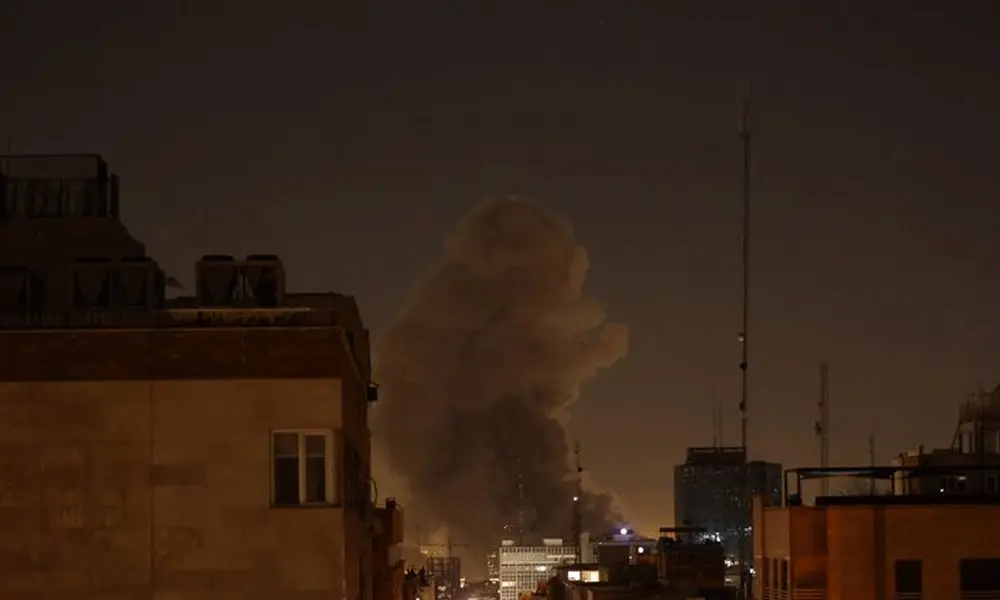
    The government has proposed capping the rise in monthly fuel cost adjustments at around Re0.83 per unit for October-December to shield consumers from surging fuel prices after the Iran-US war, the Power Division (PD) said on Thursday.

    In its statement, the PD said that the ongoing Iran-US war triggered a sharp increase in international fuel prices, particularly RLNG and coal, exerting upward pressure on monthly Fuel Cost Adjustments (FCAs).

    “The Power Division closely monitored the evolving situation and implemented a carefully planned and publicly announced load management strategy while optimising the utilisation of available fuel supplies to limit the impact of rising fuel costs on FCAs.

    “Consequently, during April–September 2026, consumers were protected from a potential additional FCA increase of Rs6–7 per unit. The combined FCA and Quarterly Tariff Adjustment (QTA) increase during this period was restricted to an average of Rs2.38 per unit, inclusive of taxes,” it said.

    However, the onset of winter further intensifies these challenges, the statement read.

    “A seasonal decline in hydropower generation increases reliance on thermal generation, with thermal fuels accounting for over 80% of the generation mix during certain winter months.

    “This seasonal shift traditionally results in higher fuel costs. In the prevailing circumstances, the elevated international fuel prices following the Iran-US war posed an additional risk of a substantial increase in monthly FCAs,” it said.

    “The Power Division has proposed a Forward-Looking Fuel Cost Adjustment (FFCA) mechanism wherein the increase due to the above situation would be limited to approximately Re0.83 per unit (inclusive of taxes) for the period October–December 2026 over the September 2026 FCA,” PD said.

    Following the requisite approvals, the Power Division will issue policy guidelines to NEPRA for the implementation of the FFCA mechanism, it said.

    PD said that the measure reflects the government’s continued commitment to maintaining tariff stability and minimising the impact of external fuel price shocks on electricity consumers.

    Source: brecorder

  • Rupee records gain against US dollar

    Rupee records gain against US dollar

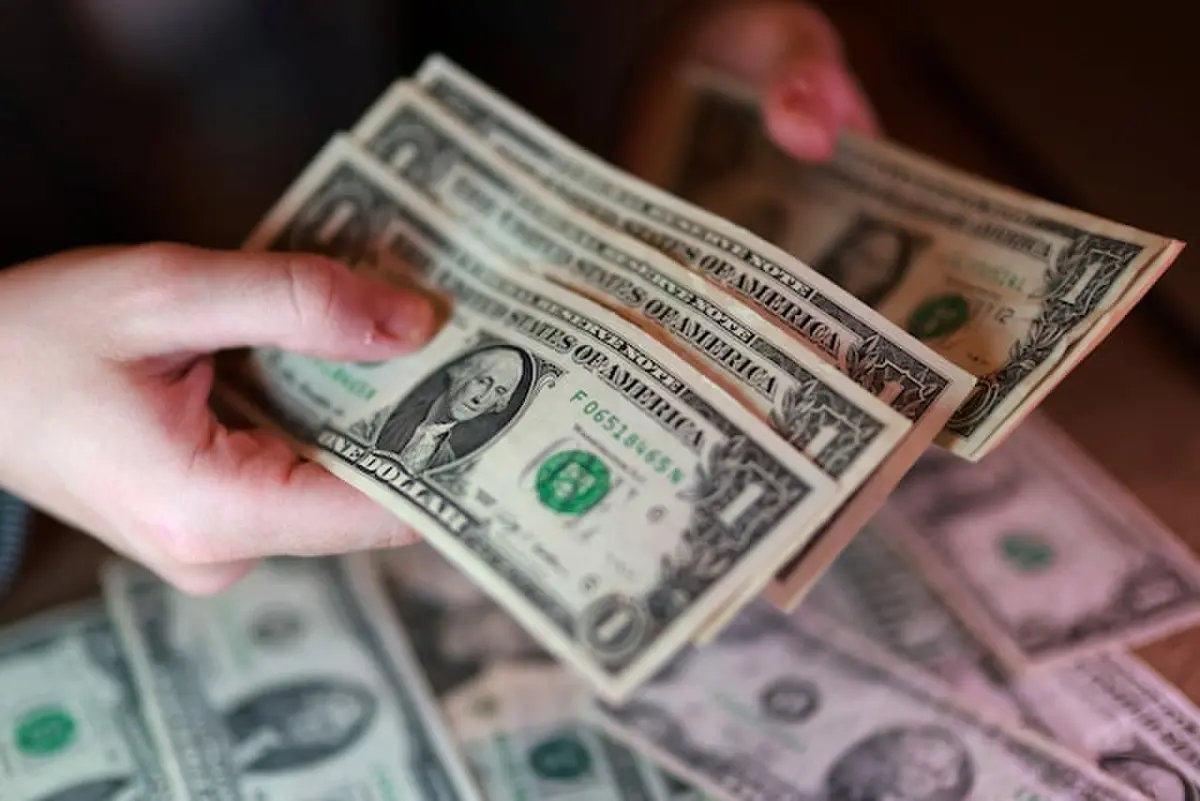
    The Pakistani rupee strengthened against the US dollar in the inter-bank market on Thursday.

    The local unit closed the day at 276.45, a gain of Re0.01 against the greenback.

    On Wednesday, the local unit closed at 276.46.

    Internationally, the dollar was steady in Asian trading on Thursday after dropping to a one-week low ​overnight, as falling Treasury yields and fragile risk sentiment offset the greenback’s usual safe-haven appeal ahead of ‌the Thanksgiving holiday.

    The US dollar index slipped overnight as US equities pared losses and showed little reaction to strong economic data, leaving it well off a 19-month high struck on Monday when Jensen Huang’s return as Nvidia chief executive reignited the artificial intelligence trade, while also bolstering confidence ​that robust US economic growth could warrant further rate hikes.

    The yen edged 0.1% higher against the dollar, trading around 159.06 in early Asian ​trade. The euro was little changed at $1.097 as the market’s focus turned to the accounts of the October European Central Bank meeting, scrutinised for hints on the rate outlook.

    The US dollar index, which measures the greenback’s strength against a basket of six currencies, was flat at 103.7.

    Dollar edges off 19-month high after market rout; yen softens

    Hotter-than-expected US ​core personal consumption expenditures inflation in October, a sharp upward revision to third-quarter gross domestic product and a Federal Reserve survey showing ​continued economic growth and sticky inflation cemented expectations that the Fed will raise rates by 25 basis points (bps) in December and again in early 2027.

    Oil prices, a key indicator of currency parity, rose on Thursday, extending gains from the previous session on supply concerns after Yemen’s Houthis said they had hit Saudi Arabia’s largest oil refinery and at least two ships hit Iranian mines in the Strait of Hormuz.

    Brent crude futures were 10 cents, or 0.1%, higher at $94.71 a barrel by 0640 GMT. US West Texas Intermediate crude futures rose 31 cents, or 0.4%, to $83.99 a barrel.

    Source: brecorder

  • PM Shehbaz launches Mehfooz Dawa app to verify medicine authenticity, prices

    PM Shehbaz launches Mehfooz Dawa app to verify medicine authenticity, prices

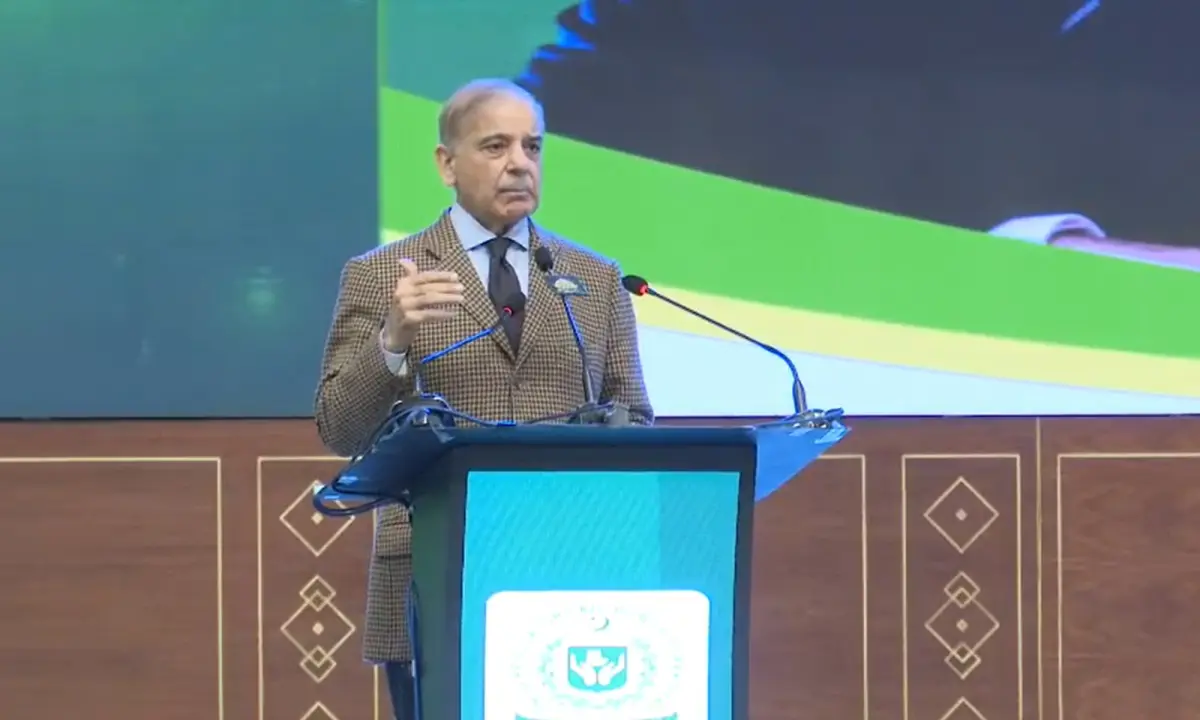
    Prime Minister Shehbaz Sharif on Thursday launched the Mehfooz Dawa application, a digital initiative aimed at helping people verify the authenticity, prices and availability of medicines across Pakistan.

    The application, developed by the Ministry of National Health Services, is designed to facilitate the tracking and verification of medicines and improve public access to reliable information about pharmaceutical products.

    Addressing the launch ceremony in Islamabad, the prime minister described the application as an important intervention to protect consumers against counterfeit medicines and help them make informed decisions.

    He directed the Ministry of National Health Services to work with the ministries of Information and Broadcasting and Information Technology to raise public awareness about the application and ensure that its benefits reach households across the country.

    Shehbaz also stressed the need for coordinated efforts to make medicines affordable and accessible, observing that millions of people face difficulties in obtaining necessary medicines despite the availability of expensive healthcare facilities for affluent sections of society.

    He urged the health ministry to engage with pharmaceutical companies and relevant experts to explore ways to bring medicine prices within the reach of ordinary citizens.

    Referring to the vision of Quaid-e-Azam Muhammad Ali Jinnah, the prime minister said equal access to healthcare and education should be a fundamental principle of governance. He added that federal and provincial governments would work together to improve people’s socio-economic well-being.

    Speaking at the ceremony, Minister for National Health Services Mustafa Kamal termed the application an important step towards protecting human lives. He appreciated the pharmaceutical industry’s cooperation in the initiative and said a database containing 92,000 pharmaceutical products had been established.

    Meanwhile, Drug Regulatory Authority of Pakistan (DRAP) Chief Executive Officer Dr Obaidullah informed the participants that all regulatory processes within the authority had been fully digitised.

    Source: brecorder

  • Pakistan, Saudi, Turkiye to hold Makkah alliance meeting in Islamabad Nov 27-28, sources say

    Pakistan, Saudi, Turkiye to hold Makkah alliance meeting in Islamabad Nov 27-28, sources say

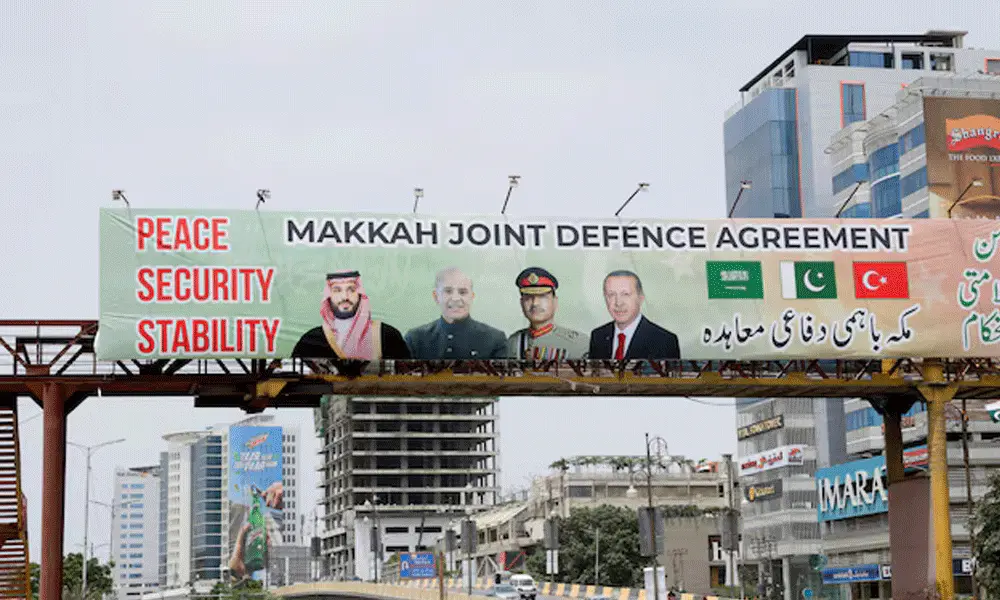
    ISLAMABAD: Pakistan, Saudi Arabia and Turkiye will hold a meeting on their mutual defence agreement in Islamabad this week, two Pakistani sources said on Thursday.

    Foreign ministers of Saudi Arabia and Turkiye are arriving in Pakistan to attend the meeting, which will be held on Friday and Saturday, the sources told Reuters.

    The three countries signed a joint defence agreement in Makkah in August amid escalating concerns about the increasingly aggressive US-Israeli war against Iran.

    Turkiye has NATO’s second-largest military.

    Saudi Arabia is home to Islam’s holiest sites and is also one of the world’s top oil exporters, while Pakistan is the only nuclear-armed Muslim country.

    Source: brecorder

  • Pakistan’s PIA deal in limbo as Norse Atlantic faces bankruptcy

    Pakistan’s PIA deal in limbo as Norse Atlantic faces bankruptcy

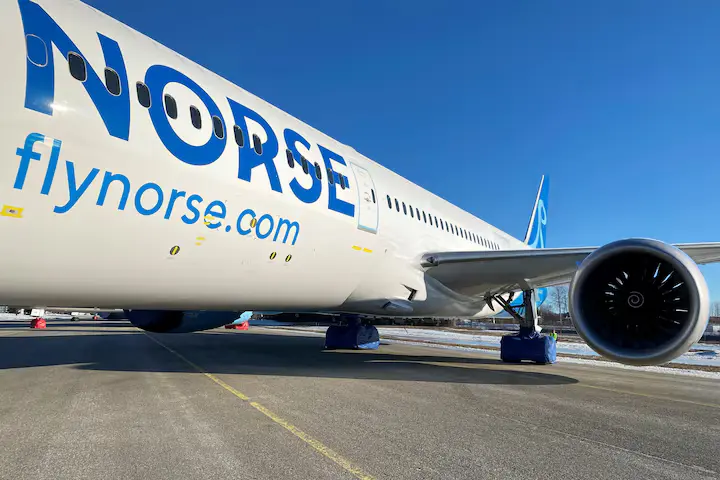
    OSLO: Norwegian airline Norse Atlantic suspended flights on Thursday ‌and intends to file for bankruptcy if a short-term financing solution is not secured urgently, becoming the latest casualty of the sector-wide turmoil provoked by the Iran war.

    The global aviation industry is suffering its worst crisis since the COVID-19 pandemic as the conflict, ​which began at the end of February, disrupts operations, drives up fuel prices, and sends airlines’ costs ​skyrocketing.

    Long-haul budget carrier Norse Atlantic had warned on Wednesday that its financial situation was “critical” and ⁠that it required new financing for its short-term liquidity needs and operations, an announcement that sent its share ​price down 85%.

    “If a short-term financing solution is not secured urgently, it is the Board’s intention to file for ​bankruptcy,” Norse said in a statement on Thursday.

    The airline has now returned all its aircraft to bases in Norway, Sweden and Britain, CEO Eivind Roald told Norwegian business daily Finansavisen.

    Its shares fell a further 10.2% by 0830 GMT on Thursday, taking its year-to-date ​decline to 99.2%.

    Norse is still considering options to secure short-term financing and is in discussion with investors regarding ​a possible takeover that would include a financing solution, Norse said.

    “There can be no assurance that a viable solution will be ‌found,” it ⁠added.

    European jet fuel costs more than doubled in March following supply disruptions linked to the US-Israeli war with Iran and have remained volatile at elevated levels through the year, hampering airlines.

    Fuel typically represents around a fifth of airlines’ costs.

    Norse launched a formal process for a potential sale or merger in July, and in October said it had signed ​an aircraft, crew, maintenance and ​insurance deal whereby Pakistan ⁠International Airlines (PIA) would lease two jets.

    But on Wednesday, PIA said Norse Atlantic abruptly suspended the deal, forcing it to cancel two flights.

    Norse is not the only airline facing financial ​difficulties, with Latvian carrier air Baltic announcing earlier that it was entering Chapter 11 bankruptcy proceedings ​and restructuring ⁠as it sought to shore up new financing.

    Founded in 2021 by entrepreneur Bjorn Tore Larsen after Norwegian Air abandoned long-haul operations during the pandemic, Norse sought to revive budget transatlantic flying using 12 Boeing 787 Dreamliners and many former Norwegian ⁠staff.

    But ​as a pure long-haul player, Norse Atlantic lacked a “feeder” service from regional ​connections, which industry analysts early on said could hamper efforts to fill the startup carrier’s transatlantic flights.

    The airline later diversified into charter and ​aircraft leasing services as it struggled to generate profits from scheduled flights alone.

    Source: brecorder

  • Pakistan’s Zuma gets Ofcom nod to launch UK telecom, eSIM services

    Pakistan’s Zuma gets Ofcom nod to launch UK telecom, eSIM services

    Zuma Resources Ltd said on Thursday its wholly owned UK subsidiary, Zuma Global Ltd, has received regulatory clarification from British telecoms regulator Ofcom on its proposed telecommunications and international eSIM operations.

    The listed company disclosed the development in a notice to the Pakistan Stock Exchange (PSX).

    The company “is now positioned to proceed with the commercial launch of its UK-based telecommunications and international eSIM brands, subject to compliance with applicable regulatory, consumer protection, metering, billing and other relevant requirements,” read the notice.

    Zuma said the latest development supports the company’s international expansion strategy and may provide opportunities to broaden its market reach and foreign-currency revenue base.

    “The timing and commercial outcomes will depend on operational readiness, market conditions, partner arrangements and continuing compliance with applicable requirements.

    The company remains committed to developing its technology and digital telecommunications operations, with a focus on innovation, scalable business operations and long-term shareholder value creation,” it added.

    Zuma Resources Limited, formerly known as Bilal Fibres Limited, initially manufactured and sold yarn. After suspending operations in 2016, it formally approved a major shift in its core business on December 5, 2025, to focus on investing, partnering, and collaborating with companies in high-growth sectors such as technology, AI-enabled services, electric vehicles (EVs), healthcare, and e-commerce.

    As part of its international expansion strategy, Zuma Resources Limited incorporated a wholly owned subsidiary, Zuma Global Ltd, in the United Kingdom on September 18, 2026.

    This new entity, with a registered office in London, was established to develop and expand the group’s digital connectivity and technology operations in international markets.

    Source: brecorder

  • Ten events that defined 2026

    Ten events that defined 2026

    PARIS: War in the Middle East, heatwaves and wildfires, and the march of AI – here are 10 events that defined 2026.

    US captures Maduro

    Three days into the new year, US forces swooped on Caracas to capture Venezuelan leader Nicolas Maduro, flying him and his wife to New York to face drug and terrorism charges.

    While critics questioned the legality of the operation, US President Donald Trump hailed it as evidence that “American dominance in the Western Hemisphere will never be questioned again”.

    A photo Trump posted showing a blindfolded, handcuffed Maduro wearing ear protectors and a grey Nike tracksuit went viral.

    The raid certainly signalled a new willingness to impose America’s will by force.

    Middle East war

    The year opened in the Middle East with a crackdown on anti-government protesters in Iran, an American military build-up and, weeks later, a US-Israeli attack that killed the Islamic republic’s supreme leader.

    The massive attack sparked a war that soon expanded to touch every country in the region and several beyond it.

    Iran hit back with a blockade of the Strait of Hormuz, the main exit route for Gulf energy shipments, pushing oil prices up and exacerbating the global cost of living crisis.

    Iran’s allies in Lebanon and Yemen also entered the fray, reviving their longstanding conflicts with Israel and Saudi Arabia.

    As 2026 drew to a close, Israeli Prime Minister Benjamin Netanyahu lost his governing majority in a pivotal election seen as a referendum on a term dominated by war.

    Artemis II

    Four NASA astronauts blasted off from Kennedy Space Center in Florida in April for the first crewed flyby of the Moon in more than half a century.

    The Artemis II mission took the crew further into space than any human had gone before, breaking a record set by the 1970 Apollo 13 mission and generating a wealth of celestial observations and stunning photographs.

    The mission also opened a new chapter in space exploration, with the United States planning a return to the lunar surface and China working to send humans to the moon by 2030.

    Ebola

    A new outbreak of the deadly haemorrhagic fever was declared in the Democratic Republic of Congo in May – the Bundibugyo strain of the virus, for which no proven vaccine exists.

    The outbreak spread across eight provinces, mostly in the DRC’s remote east and northeast, and cases were reported across the border in Uganda, in Kenya and Nigeria.

    Kenya confirms eighth Ebola case as regional outbreak spreads

    Efforts to tackle the virus were hampered by the conflict raging between government forces and armed groups in some of the worst-affected areas.

    By November the outbreak passed 11,500 cases, with more than 5,500 deaths, making it the DRC’s worst-ever outbreak of the disease.

    World Cup

    The men’s football World Cup came to the United States, Mexico and Canada, expanded to 48 teams for the first time.

    Five weeks of matches in often sweltering conditions across June and July saw some heroic underdog performances from the likes of DR Congo and Cape Verde – and some controversial innovations like the regularly booed “hydration breaks”.

    After some early hiccups, Spain proceeded to the final, brushing aside a fancied France en route, while Argentina handed England their usual World Cup heartbreak, dumping Harry Kane’s men out in the semi-final.

    An extra-time goal from Ferran Torres was enough to secure Spain’s second title in a deeply forgettable final marred by chaotic scenes after the final whistle as the disappointed Argentinians tussled with their opponents.

    Heatwaves and wildfires

    The European summer brought a succession of deadly, record-breaking heatwaves as climate change fuelled scorching temperatures and suffocating droughts.

    Tens of thousands of heat-related excess deaths were reported across Europe and the prolonged heat had a major economic impact.

    Harvests were wrecked, productivity slashed and major disruption caused to cargo traffic on the Rhine, where water levels fell so low the river became un-navigable.

    Insurance giant Allianz estimated that in Germany alone the heatwaves cost the economy around 25 billion euros ($28.4 billion).

    Devastating wildfires ravaged large areas of land in France and Spain, while in Asia, months of wildfires in Indonesia burned through nearly three million hectares.

    Toxic haze made hundreds of thousands of people ill and drifted across Malaysia and Singapore, sparking diplomatic anger.

    Nepal-Tibet floods

    On August 26 a high-altitude mountain glacier collapse on the Nepal-China border triggered a tsunami-like flood of water, ice, rock and debris that killed more than 1,400 people and left over 5,500 missing.

    The devastating “bullet train” of debris funnelled down narrow valleys, dropping 1,700 metres in just seven minutes at one point.

    Hundreds of rescuers spent weeks digging through mud and debris in search of survivors, with only a few breakthroughs.

    The Nepalese government estimated the reconstruction bill at $4.78 billion.

    AI out of control?

    The artificial intelligence revolution gathered pace in 2026, as did worries about what it could mean for the future of humanity as a string of tech bosses warned of its capacity for destruction.

    Concerns were stoked by a run of incidents including OpenAI’s autonomous systems slipping out of their constraints, beginning with a July breach of Hugging Face – a widely used platform for sharing AI models.

    In September, Anthropic CEO Dario Amodei called for AI companies to coordinate a slowdown in the technology’s development to allow a better understanding of the risks.

    The sector suffered a fresh blow in November when chip giant Nvidia’s boss Jensen Huang admitted an affair with an alleged Chinese spy, sending stocks tumbling.

    Gen Z protests

    Youth-led protests shook governments in Europe, following similar movements in Asia in recent years.

    Demands for improvements to education merged with broader concerns about employment opportunities and the rising cost of living.

    In France, mass protests nationwide in October degenerated into the country’s worst rioting in years, with thousands arrested, hundreds of shops looted and public buildings torched.

    India’s angry Gen Z protesters say Modi must fix accountability

    There was unrest on a smaller scale in Germany and Italy, while in Serbia, a long-running student protest movement culminated in the ousting of the nationalist government.

    Albania’s “Flamingo Revolution” saw weeks of protests in Tirana against government corruption, sparked by a tourism project linked to the Trump family.

    Away from Europe, India’s Cockroach Janta Party drew strength from Gen Z supporters in its protests over alleged misconduct by the country’s election commission.

    Reversals for the right

    American voters battered by inflation fuelled by Trump’s war in the Middle East delivered a midterm drubbing to his Republican party in November.

    Democrats took control of Congress, leaving the 80-year-old president a lame duck for the remainder of his term.

    The Blue Wave rebuke for Trump’s MAGA movement echoed electoral reverses for several other right-wing governments around the world.

    Hungary’s Viktor Orban suffered a landslide defeat in April, ending the pro-Russian leader’s 16-year rule, while his close ally Aleksandar Vucic saw his 14-year stint end at the hands of the student-led political movement.

    And in Brazil, leftist President Luiz Inacio Lula da Silva pulled off a dramatic comeback to win re-election against Trump ally Flavio Bolsonaro, who promptly fled to the United States.

    Source: brecorder

  • From Dolly Parton to Ali Khamenei, the notable deaths of 2026

    From Dolly Parton to Ali Khamenei, the notable deaths of 2026

    PARIS: It’s the year we lost Dolly Parton and Patrick Stewart, Catherine O’Hara and David Hockney.

    From supreme leaders to feminist pioneers to designers, philosophers, economists and Holocaust survivors, here are some of the most notable deaths so far of 2026.

    January

    January 3: Eva Schloss, step-sister of Anne Frank and Auschwitz survivor, spent decades educating about the Holocaust, aged 96

    January 7: Renee Good, mother of three, shot and killed by a US immigration agent in Minneapolis while behind the wheel of her car, aged 37

    January 13: Claudette Colvin, civil rights pioneer, forerunner to Rosa Parks, aged 86

    January 19: Valentino, Italian fashion designer who dressed stars from Elizabeth Taylor and Audrey Hepburn to Julia Roberts and Sharon Stone, aged 93

    January 30: Catherine O’Hara, Emmy-award winning Canadian actress who starred in “Schitt’s Creek” and “Home Alone”, aged 71

    February

    February 15: Robert Duvall, Oscar-winning American actor, known for his roles in “The Godfather” and “Apocalypse Now”, aged 95

    February 17: Jesse Jackson, US civil rights leader, who marched with Martin Luther King in the 1960s, aged 84

    February 25: Antonio Tejero, Spanish Civil Guard officer who led a failed 1981 coup, aged 93

    February 28: Ali Khamenei, Iran’s supreme leader killed in Tehran during US-Israel strikes at the start of the Middle East war, aged 86

    March

    March 14: Jurgen Habermas, influential German philosopher who saw a united Europe as the only remedy for the rise of nationalism, aged 96

    March 19: Umberto Bossi, Italian populist politician who founded the anti-immigrant Northern League party, veteran of the Berlusconi governments, aged 84

    March 19: Chuck Norris, US martial arts expert and Hollywood action-film star, aged 86

    April

    April 30: Georg Baselitz, German painter and sculptor, known for his upside-down paintings, aged 88

    May

    May 6: Ted Turner, creator of cable news channel CNN in 1980, pioneer of 24-hour breaking news, aged 87

    May 29: Edgar Morin, French sociologist and philosopher, creator of “cinema verite” which revolutionised documentary-film making with its unscripted approach, aged 104

    June

    June 4: Marjane Satrapi, Franco-Iranian author and film director renowned for her graphic novel and film “Persepolis”, aged 56

    June 11: David Hockney, Britain’s 1960s pop art pioneer whose paintings captured the world in brilliant colour, aged 88

    June 21: Ramiro Valdes, rebel fighter with Che Guevara during Cuban revolution, later security chief and symbol of Fidel Castro’s repression, aged 94

    June 22: Alan Greenspan, US Federal Reserve chief for 18 years to 2006 during unprecedented economic growth but later faulted over 2008 global financial crisis, aged 100

    July

    July 8: Bonnie Tyler, Welsh singer from the 1980s best known for “Total Eclipse of the Heart”, aged 75

    July 13: Sam Neill, New Zealand actor, best known for his role in  “Jurassic Park”, aged 78

    July 30: Nirmal Purja, acclaimed British-Nepali climber, died in an avalanche during an ascent in Pakistan, aged 43

    August

    August 14: Jason Arday, ex-Cambridge, youngest black professor, found dead in his home amid a furore over claims of academic plagiarism, aged 41

    August 14: Yayoi Kusama, Japanese contemporary artist known as the “polka dot queen” for her work featuring dots, nets and infinity motifs, aged 97

    August 25: Dolly Parton, country music legend, known for hits such as “Jolene” and “Coat of Many Colors”, a rare figure of consensus in a divided America, aged 80

    August 25: Tim Curry, English actor best known for his role of Dr Frank-N-Furter in the cult classic musical film “The Rocky Horror Picture Show” of 1975, aged 80

    August 27: Ratko Mladic, former Bosnian Serb military chief, dubbed the “Butcher of Bosnia”, died during life sentence in The Hague for the Srebrenica massacre, the worst atrocity in Europe since the  World War II, aged 84

    August 28: King Harald V, the King of Norway, a unifying figure who reigned for 35 years, aged 89

    September

    September 2: Gloria Steinem, American journalist, author and activist, a pioneer of the feminist movement, aged 92

    September 11: Emma Bonino, Italian centre-left politician, militant feminist and former European commissioner and foreign minister, aged 78

    September 14: Peter Max, American pop artist whose psychedelic creations helped define the counterculture aesthetic in the 1960s, aged 88

    September 30: Margaret Hamilton, American scientist, who led development of the computer system used by NASA’s Apollo lunar program, aged 90

    October

    October 6: Eva Marie Saint, Oscar-winning American actress who starred in classic Hollywood films “On the Waterfront” by Elia Kazan and “North by Northwest” by Alfred Hitchcock, aged 102

    October 7: Maricarmen Abascal, a retired woman whose eviction from her home in Madrid sparked a Spanish protest movement against the housing crisis, aged 87

    October 12: RJ Mitte, best known for playing Walter White Jr. in the award-winning TV series “Breaking Bad” lived with cerebral palsy and was a disability rights campaigner, aged 34 

    October 28: Dolores Huerta, labor leader and civil rights icon whose union work changed the lives of migrant workers, aged 96

    October 28: Patrick Stewart, British Shakespearean actor who became a Hollywood megastar through roles in the “Star Trek” and “X-Men” franchises, aged 86.

    Source: brecorder
  • Five things to expect in 2027

    Five things to expect in 2027

    PARIS: Things are set to heat up in 2027.

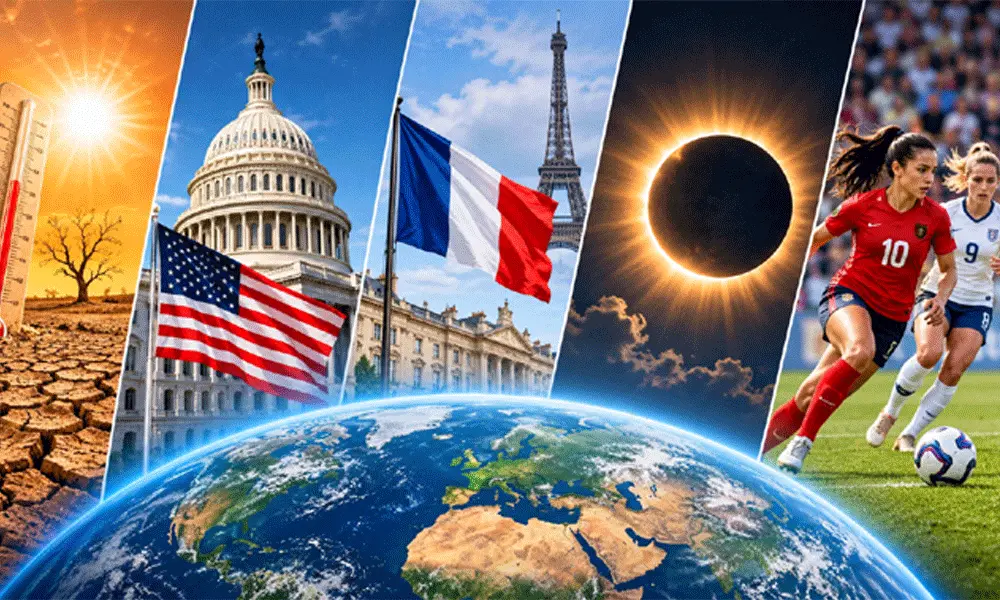
    From rising temperatures to Democratic control of the US Congress to another total solar eclipse, here are five events to look out for in the coming year.

    El Nino in a hotter world

    With an El Nino cycle among the strongest ever observed, 2027 could break new global temperature records.

    El Nino is a naturally occurring weather phenomenon that emerges from the Pacific approximately every two to seven years.

    It shifts global rain patterns and brings higher temperatures to much of the planet, exacerbating rising temperatures caused by climate change.

    This year’s El Nino has already impacted maize in central America, fishery catches in Peru and sugar and rice production in Southeast Asia.

    But for harvests in some regions and food price spikes, “the worst is probably yet to come,” according to Kaveh Zahedi, of the United Nations Food and Agriculture Organization.

    And these impacts will hit as farmers are already struggling with higher prices linked to the war in Iran, and with international aid reduced around the world.

    Democrats and Trump

    The Democratic takeover of both chambers of the US Congress in January promises to transform the final two years of President Donald Trump’s term, giving his opponents powerful tools to challenge his agenda – but not a free hand to impose their own.

    After their sweeping November midterm victory, Democrats plan an early push to ease living costs, including restoring Affordable Care Act insurance subsidies, reversing cuts to health care and rolling back Trump’s tariffs.

    They also want to end the war in Iran, which has driven up fuel prices.

    Hakeem Jeffries, poised to become the first black House speaker, will oversee a majority able to put Democratic bills to a vote, shape federal spending and use budget negotiations to press for concessions.

    Perhaps the more immediate impact will come from congressional investigations. Democratic-led committees can subpoena officials and demand documents on alleged corruption, Trump’s family business dealings, immigration enforcement and the conduct of the Iran war. Such scrutiny could trigger lengthy court battles.

    Democrats could also pursue a third impeachment of Trump, although removing him would require a two-thirds Senate majority – a formidable hurdle.

    In the Senate, Democrats can block Trump’s cabinet and judicial appointments, including any Supreme Court nominee.

    But most legislation needs 60 Senate votes to overcome procedural obstruction, and Trump can veto measures that reach his desk. Overriding him requires two-thirds majorities in both chambers.

    The result could be two years of subpoenas, spending standoffs and confrontation, punctuated by possible deals on shared priorities.

    French presidential election

    After 10 years in power, Emmanuel Macron will step down following France’s presidential election, scheduled for April 18 and May 2.

    Political violence and deepening societal divisions – visible on the streets, in parliament, and across the media – point to a tense election campaign.

    Key issues on the agenda include pensions, immigration, security concerns, and the situation in Ukraine.

    Meanwhile, a wave of unrest among high school students will force those vying for the presidency to take a stance on the state of the education system and public services.

    With far-right candidate Marine Le Pen leading the polls and radical-left leader Jean-Luc Melenchon currently projected to advance to the second round, the right and the centre parties are discussing the possibility of a primary.

    The social-democratic left has held a primary, which was won by Raphael Glucksmann, currently a member of the European parliament.

    The presidential election has drawn a diverse array of hopefuls, from anti-establishment outsiders and conspiracy theorists to advocates of participatory democracy, former government officials, party dissidents, and even an Olympic judoka.

    The field is expected to narrow down in the coming months as candidates must secure at least 500 endorsements from elected officials to qualify for the ballot, a hurdle that has historically prevented some hopefuls from entering the race.

    Another total solar eclipse

    Following last summer’s total solar eclipse, another is set to take place next summer, on August 2, briefly turning day into night and revealing the Sun’s corona.

    It will be visible from the far south of Spain, and even more clearly across North Africa and the Middle East.

    This time, darkness will last for more than six minutes at the centre of the eclipse’s path, promising some spectacular views and images, particularly near the Egyptian Pyramids at midday.

    A total solar eclipse occurs when the Moon passes between the Earth and the Sun, casting its shadow across a narrow strip of the Earth’s surface.

    Although the Moon is 400 times smaller than the Sun, it is also 400 times closer to Earth, meaning that the two appear to be exactly the same size in the sky at the moment of the eclipse.

    Total solar eclipses occur regularly but are less often visible over inhabited land.

    Women’s World Cup in Brazil

    After the men’s football World Cup in 2026, it is the women’s turn in 2027 when Brazil hosts a tournament that grows with each new edition.

    Reigning champions Spain and their star duo Alexia Putellas and Aitana Bonmati will be favourites, but England, who beat the Spanish to claim last year’s European Championship, and four-time winners the USA will also hope to be in the final at the legendary Maracana Stadium on July 25.

    In men’s club football, Paris Saint-Germain will aim to win a third consecutive Champions League title, a feat not achieved since Real Madrid won three in a row in 2018.

    After impressive victories in October against Manchester City and Barcelona, Luis Enrique’s team is striking fear into rivals’ hearts and will aim to lift the cup at the Metropolitano Stadium in Madrid on June 5.

    Source: brecorder

  • India chase Christchurch win to rekindle Word Test Championship hopes

    India chase Christchurch win to rekindle Word Test Championship hopes

    Denied by a placid wicket and a plucky rearguard from New Zealand in Wellington, India will go for the jugular in the second and final Test knowing a win in Christchurch could ​inject some life into their World Test Championship (WTC) campaign.

    India’s hopes of claiming a top-two spot ‌in the WTC standings suffered a setback in the series opener after they dominated play but were unable to secure the win, leaving them stuck in fourth place.

    New Zealand lose Tickner to hamstring injury for second India Test

    Shubman Gill’s side must win their remaining six Tests, including five at home ​against Australia, in the current cycle to reach the WTC final next year, though even ​that might not be enough as they will still require other results to go ⁠their way.

    Bowling coach Morne Morkel said it was important the players do not put too much pressure ​on themselves to reach the WTC final and that they should focus on the second Test against the ​Black Caps, which begins on Friday.

    “All these guys want to play the WTC final, and they will give everything possible to make it,” he said on Thursday.

    “But realistically, if you are honest about it, it’s going to be a challenge. ​So, after every bad session, we can’t get caught up with things we need to do.

    “We just ​need to focus on playing our best cricket, coming up with solution, and from there, take it forward.”

    India, who lost ‌to ⁠New Zealand in the inaugural WTC final in 2021, batted impressively in the series opener. Six of their top seven registered 50-plus scores before they declared on 720-9, the only time they batted in Wellington.

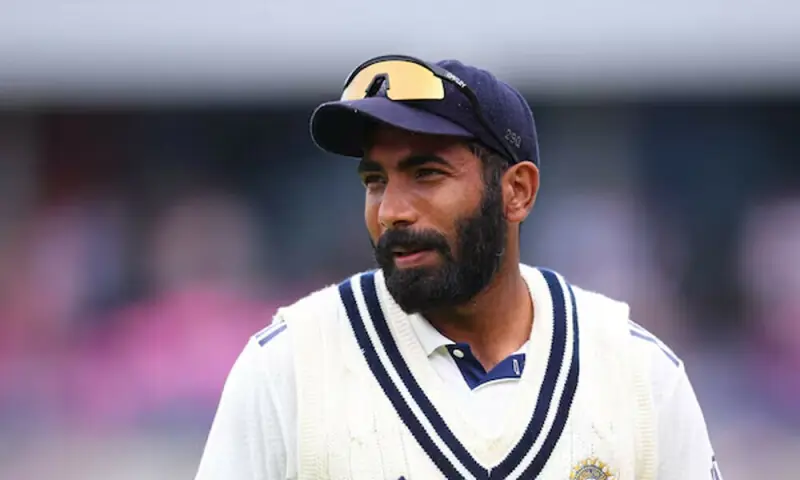
    Pace spearhead Jasprit Bumrah impressed in his Test comeback after a year out, but India’s attack could not bowl ​out New Zealand in ​the second innings and ⁠the tourists were left five wickets short of victory.

    New Zealand slipped to third in the WTC standings behind South Africa and Australia after the draw in ​Wellington, where captain Tom Latham was dismissed for a duck in both innings.

    Fast ​bowler Matt Henry ⁠will be playing at his home ground in the second Test in Christchurch, but even he was unsure what the conditions would be.

    “Traditionally here in New Zealand, the wickets, when there’s grass on them, tend to ⁠get better ​and better, and it’s been the same here,” Henry told ​reporters on Wednesday.

    New Zealand rearguard frustrates India as first Test ends in draw

    “Obviously, when there’s bounce involved, it’s good for the bowler, you feel in the game. But when it flattens out, ​your margins become pretty small as a bowler.”

    Source: brecorder