Category: Brecorder

  • Gold drops 1% on hawkish Fed comments ahead of US inflation data

    Gold drops 1% on hawkish Fed comments ahead of US inflation data

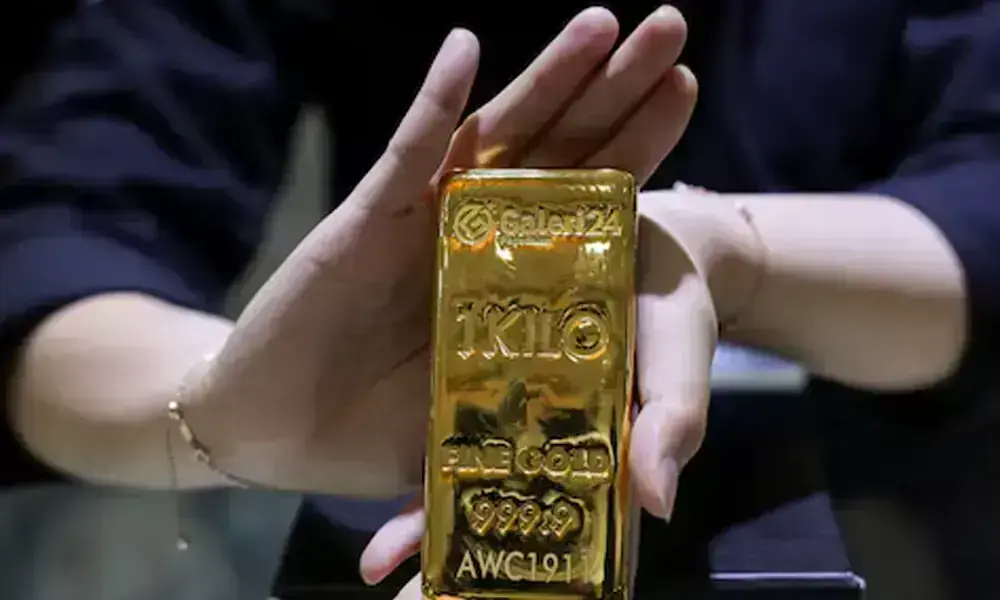
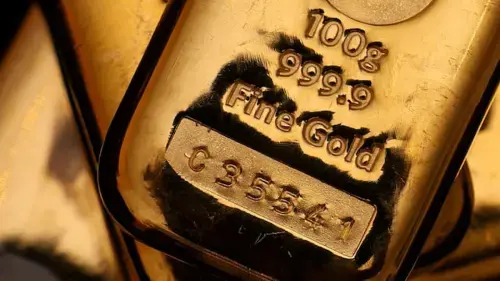
    Gold prices fell more than 1% on Tuesday after hawkish remarks from a US Federal Reserve official, who said aggressive monetary policy may be needed if inflation continues to rise, weighed on bullion ahead of the release of US consumer price data.

    Spot gold was down 1.6% to $4,071.07 per ounce by 1153 GMT. US gold futures for December delivery fell 0.9% to $4,079.80 per ounce.

    “There is a bitter turnaround on the rate and dollar side. Rates are not falling anymore as before,” said UBS analyst Giovanni Staunovo.

    The dollar steadied on Tuesday following a bumpy few days, helped by hawkish remarks from Federal Reserve Governor Christopher Waller, with US inflation data due that could lift the currency further if rate hike bets strengthen.

    Short-dated Treasury yields jumped in London trade on Tuesday after Waller’s comments.

    The Federal Reserve ought to raise short-term borrowing costs next month even if government data shows inflation cooled last month, Waller said on Tuesday, and should consider an upsized half-point rate hike if the inflation picture worsens.

    Gold edges lower as focus shifts to US inflation data

    Traders currently see about a 99% probability that the Fed will raise rates in December after the comment, according to CME’s FedWatch tool.

    Although gold is typically seen as an inflation hedge, higher interest rates tend to reduce the appeal of non-yielding bullion.

    Market focus now turns to US consumer price data at 1330 GMT later today and producer price figures due on Friday, which could shape expectations for the Fed’s next move.

    Core CPI, which excludes volatile food and energy prices, likely increased a moderate 0.2% last month from September, economists polled by Reuters say.

    “If we get something hotter than 0.3%, that could once again add some of that pressure on rate hike fears. So that could be gold negative, a number below or at 0.3% will remain supportive for gold,” said Nitesh Shah, commodity strategist at WisdomTree.

    Among other metals, spot silver slipped 2.1% to $52.27 per ounce and palladium dropped 1.3% to $1,027.97.

    Source: brecorder

  • Pakistan seeks more representative global order amid rising power rivalries: Dar

    Pakistan seeks more representative global order amid rising power rivalries: Dar

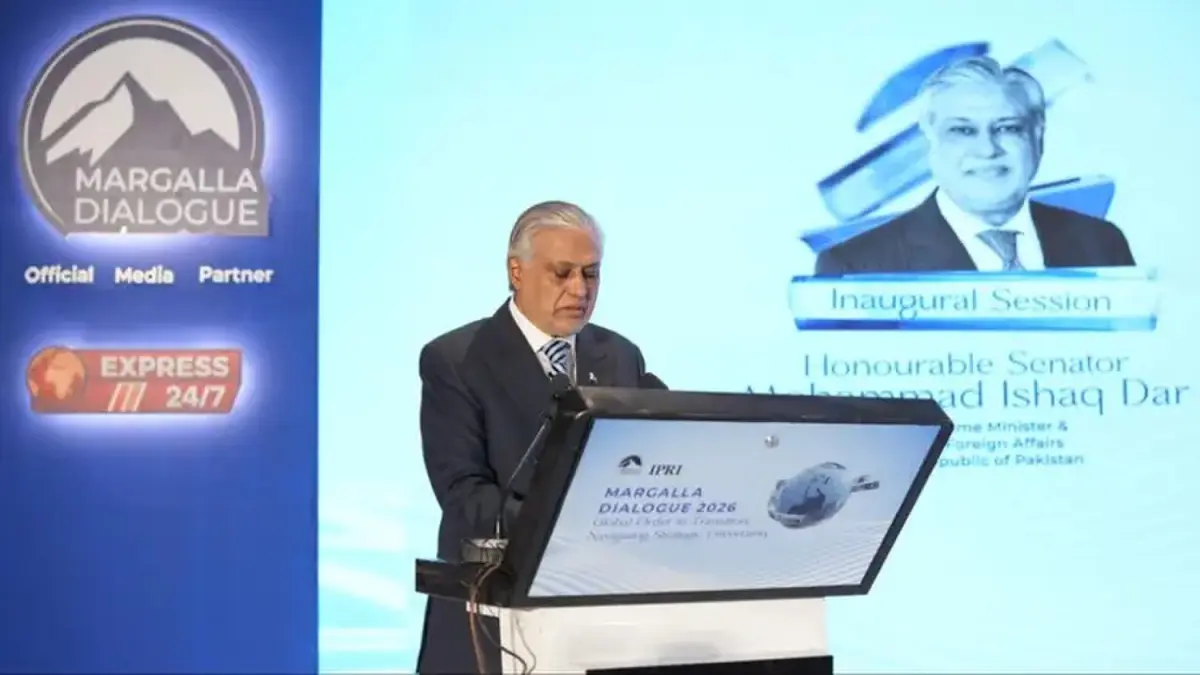
    Deputy Prime Minister and Foreign Minister Ishaq Dar on Tuesday called for a more representative multipolar global order, saying Pakistan believed international cooperation and respect for agreed rules were essential to addressing growing geopolitical rivalries and global uncertainty.

    Addressing the inaugural session of the seventh Margalla Dialogue in Islamabad, Dar said intensifying competition among major powers, the growing overlap between geopolitics and economics, and rapid technological advances were reshaping the international landscape.

    “The answer lies in strength at home and effective diplomacy abroad,” Dar said, identifying domestic economic resilience and proactive diplomacy as key to Pakistan’s ability to navigate an increasingly uncertain world.

    He said the international security architecture was facing mounting pressure from strategic competition and the weakening of arms control agreements. Political divisions were also undermining multilateral institutions, particularly the United Nations, he added.

    Dar said Pakistan supported a multipolar international system that provided a more meaningful voice to a wider range of countries, stressing that such an arrangement required effective multilateralism and adherence to internationally agreed rules.

    Highlighting emerging technological challenges, he said artificial intelligence, cyber capabilities and biotechnology were creating both opportunities and risks, while existing institutions were struggling to keep pace with these developments.

    Referring to the situation in Gaza, Dar warned that the principle of “might is right” was gaining ground in international affairs. He said Pakistan had used its 2025-2026 membership of the UN Security Council to advocate the peaceful settlement of disputes.

    He also highlighted Pakistan’s diplomatic engagement to promote regional stability, including its facilitation of talks between the United States and Iran and engagement with China, Saudi Arabia, Türkiye and Egypt.

    On South Asia, Dar reiterated Pakistan’s commitment to protecting its sovereignty while pursuing a peaceful resolution of the Jammu and Kashmir dispute.

    He stressed that strengthening the domestic economy and expanding economic diplomacy were crucial to Pakistan’s ability to respond to changing global dynamics.

    Earlier, Islamabad Policy Research Institute (IPRI) President Lt Gen (retd) Majid Ehsan said unilateralism, geopolitical competition and conflicts across several regions were placing the existing international order under increasing strain.

    Welcoming participants to the seventh edition of the dialogue, Ehsan said the forum, launched in 2019, had evolved into an international platform bringing together academics, policymakers and practitioners to discuss global, regional and domestic challenges.

    Describing the current geopolitical environment as a game of Tetris, he said countries were facing rapidly changing strategic choices while their room for manoeuvre was shrinking.

    “On the global geostrategic Tetris board, the pieces containing geopolitical choices are falling faster while time and space is running out,” he said.

    Ehsan outlined three possible trajectories for the emerging international order: a division of the world into spheres of influence dominated by the United States and China; a return to cooperation between the two powers; or a hybrid arrangement combining bipolarity and multipolarity.

    Under the third scenario, countries could pursue different partnerships in infrastructure, technology, energy and security rather than align exclusively with one major power.

    He also warned that the international framework established after World War II, including the UN Charter, Geneva Conventions and international legal arrangements, was facing pressure from unilateral actions.

    Citing conflicts in Gaza, Iran, Ukraine and Afghanistan, as well as crises in Africa, Ehsan said the international system had struggled to ensure peace and stability.

    He said Russia’s war in Ukraine continued to affect Europe’s security, energy markets and economy, while the conflict involving Iran, the United States and Israel threatened global energy prices, inflation and supply chains.

    The two-day dialogue, being held under the theme “Global Order in Transition: Navigating Strategic Uncertainty”, features discussions on global power realignment, connectivity and competition between South and West Asia, technological transformation, national resilience and non-traditional security challenges.

    Source: brecorder

  • Aluminium falls on higher Chinese exports and hopes for Middle East de-escalation

    Aluminium falls on higher Chinese exports and hopes for Middle East de-escalation

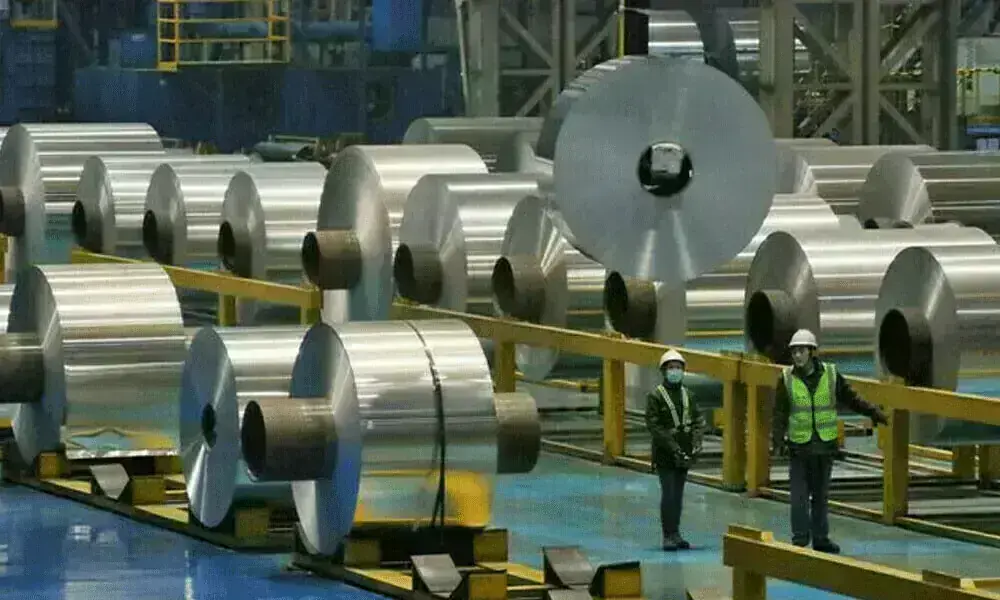
    LONDON: Aluminium prices fell on Tuesday to their lowest in more than two weeks as rising exports from top producer China and hopes of de-escalation in the Middle East eased supply concerns, offsetting support from tight inventories.

    Benchmark three-month aluminium on the London Metal Exchange was down 1.1% at $3,031.50 a metric ton by 0950 GMT after touching $3,014, its lowest level since October 23.

    China’s customs data showed that the country’s exports of aluminium and aluminium products rose 18% to 5.9 million tons in the first 10 months of 2026.

    Aluminium prices have declined 20% since reaching a four-year high in June as supply restarts in the Middle East, disrupted by the Iran war, have progressed faster than expected, while new production capacity is expected to come online in Indonesia.

    Copper rebounds on firmer risk sentiment and tight supply in China

    US President Donald Trump said on Monday he would hold off on new military strikes against Iran for the time being after appeals from countries in the region.

    “As more metal returns to the market from the Middle East and new Indonesian projects ramp up, global supply growth should outpace demand, flipping the market into surplus in 2027,” analysts at ANZ said.

    This should limit aluminium price gains next year, although lingering supply risks in the Middle East are likely to keep prices volatile and above $3,000 through early 2027, they added.

    Providing some support to aluminium are relatively low global inventories, said Rupankar RM, head of market research at AL Circle.

    Available aluminium stocks in LME-registered warehouses stood at 207,525 tons, their lowest level since March 2025. The inventories are dominated by Russian-made metal, which many Western traders avoid.

    Tight availability for immediate supply is visible in the premium of the LME cash aluminium contract over the three-month benchmark, which was last at $96 a ton, its widest since June.

    Among LME metals, copper fell 0.1% to $13,876 a ton, zinc rose 0.1% to $3,733.50, lead was steady at $1,884.50, tin lost 0.6% to $45,960 and nickel dropped 0.7% to $16,100.

    Source: brecorder

  • Mbappe in good spirits after difficult spell, says Konate

    Mbappe in good spirits after difficult spell, says Konate

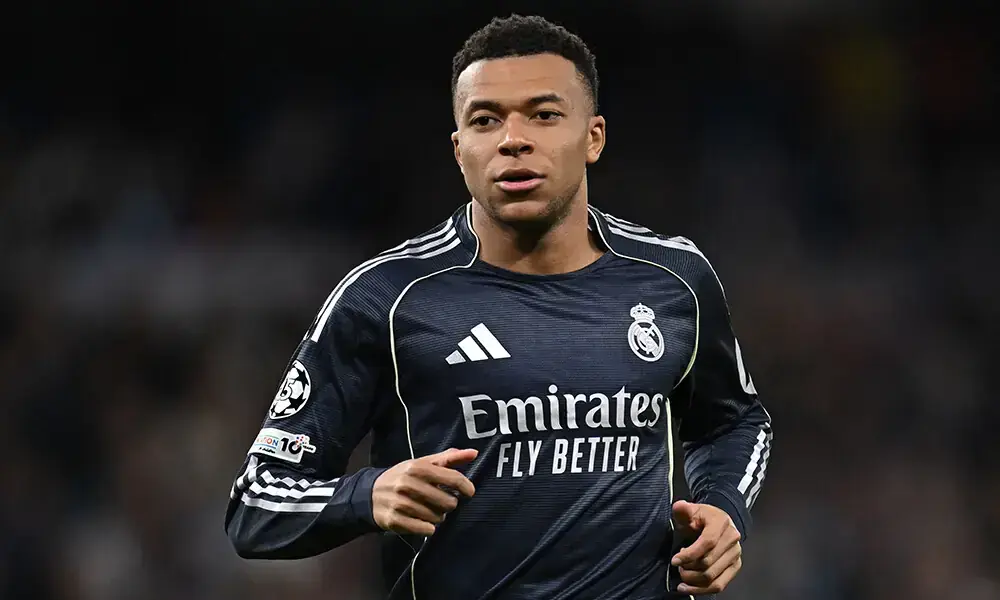
    France captain Kylian Mbappe had put a difficult period behind him and is focused on helping his team ahead of Nations League fixtures against Italy and Turkey, defender Ibrahima Konate said.

    Mbappe has returned to the France squad after missing their last three matches through injury, having failed to win the Ballon d’Or award and attracting criticism in China over his comments relating to Mao Zedong, modern China’s founding leader.

    “He’s in a very good frame of mind; you can see that from his recent matches,” Konate told reporters. “He’s been decisive. He’s absolutely vital for us in Madrid.”

    The 27-year-old Real Madrid forward finished second to England captain Harry Kane in the Ballon d’Or voting.

    Mbappe apologises for ‘ill-judged’ Mao meme comments

    He also had to apologise for remarks made during an interview in which he referred to an online meme depicting his face on an image of Mao.

    The episode sparked backlash in China, prompting several brands to end commercial partnerships with Mbappe, while Spanish league matches were dropped from state broadcaster CCTV’s schedule.

    Konate, also Mbappe’s club teammate at Real Madrid, said the World Cup winner had responded in typical fashion.

    “He’s a competitor, so of course not winning the Ballon d’Or when he thought he had a chance is difficult,” Konate said. “But the next day he was fully focused in training.”

    Source: brecorder

  • UAE is selling Saudi oil in a rare move, document shows

    UAE is selling Saudi oil in a rare move, document shows

    NEW DELHI/LONDON: The United Arab Emirates energy ministry is selling 1.7 million barrels of Saudi Arab Light oil via a rare tender, a document showed.

    Sources said the UAE was selling the oil loaded on the Gem No. 2 tanker, which was struck by an unidentified projectile last month.

    Since the start of the US-Israeli war with Iran, attacks on commercial vessels in Gulf shipping lanes have driven up security risks for maritime traffic and heightened fears over the conflict’s environmental fallout.

    The UAE last week said an oil leak from the Gem No. 2 tanker had been stopped.

    Saudi East-West oil pipeline hit in Medina region, state media reports

    The tender mentions the Ministry of Energy and Infrastructure, UAE, under judicial supervision by the UAE Federal Public Prosecution, as the seller.

    The tender, which closed on Monday, offered to load the cargo between November 10 and 20 via a ship-to-ship transfer from inside the Gulf, the document showed.

    Source: brecorder

  • Pakistan records $3.9bn in remittances for October 2026

    Pakistan records $3.9bn in remittances for October 2026

    Overseas workers’ remittances into Pakistan totalled $3.9 billion in October 2026, the State Bank of Pakistan (SBP) said on Tuesday.

    Remittances rose 13.8% year-on-year to $3.89 billion from $3.42 billion in October 2025.

    Meanwhile, it recorded an 8.5% increase on a month-on-month basis from $3.6 billion in September 2026.

    Cumulatively, workers’ remittances increased by 14% to $14.8 billion during Jul-Oct FY27, compared to $13 billion received during the same period last year.

    “These sustained inflows are strengthening Pakistan’s foreign exchange position, supporting households and reinforcing external-account stability,” Khurram Schehzad, advisor to the finance minister, commented on social media platform X.

    Remittances play a significant role in supporting the country’s external account, stimulating Pakistan’s economic activity, and supplementing the disposable incomes of remittance-dependent households.

    Last month, SBP revised its projections for workers’ remittances and foreign exchange reserves upward, reflecting improved inflows and a stronger external account outlook.

    Addressing a press conference on the monetary policy decision, SBP Governor Jameel Ahmed said that workers’ remittances have remained resilient in the first quarter of this fiscal year (FY27) and are projected to turn out higher than the earlier assessment.

    “Workers’ remittances are expected to increase further, with Pakistan’s inflows projected at $45 billion in the current fiscal year, up from the previous estimate of $44 billion,” he added.

    Major corridors of workers’ remittances

    Overseas Pakistanis in Saudi Arabia remitted the largest amount in October 2026, sending $982 million. The amount was up 17% compared to the $838 million sent by the expatriates in the same month last year. The amount was also higher by 9% compared to $899 million in September 2026.

    Inflows from the United Arab Emirates rose by 16% on a yearly basis, from $703 million in October 2025 to $816 million in October 2026. On a monthly basis, remittances were up by 9%, from $749 million registered in September 2026.

    Remittances from the UK amounted to $592 million in October 2026, up 19% from $499 million in the same month last year.

    Overseas Pakistanis in the US sent $329 million in October 2026, a 9% increase from $301 million in the same month last year. On a monthly basis, remittances from the US increased by 8% from $306 million in August 2026.

    Meanwhile, remittances from European Union (EU) countries clocked in at $461 million in October 2026, recording a growth of 3% on a monthly basis from $448 million in September 2026.

    Source: brecorder

  • Gold price per tola sheds Rs1,500 in Pakistan

    Gold price per tola sheds Rs1,500 in Pakistan

    Gold prices in Pakistan decreased on Tuesday in line with their loss in the international market. In the local market, gold price per tola reached Rs430,836 after a decline of Rs1,500 during the day.

    Similarly, 10-gram gold was sold at Rs369,372 after it fell by Rs1,286, according to rates shared by the All-Pakistan Gems and Jewellers Sarafa Association (APGJSA).

    On Monday, gold price per tola reached Rs432,336 after a gain of Rs3,200 during the day.

    The international rate of gold declined by $15 to reach $4,083 per ounce.

    Meanwhile, the price of silver remained unchanged at Rs5,723 per tola.

    Source: brecorder

  • Why Russia lost its seat and the G7 lost its innocence

    Why Russia lost its seat and the G7 lost its innocence

    The 52nd G7 Summit, held in Évian-les-Bains, France (June 15-17, 2026), revived a question that continues to resonate in contemporary diplomacy: whatever happened to the G8? For nearly two decades, Russia sat alongside the world’s leading industrial democracies, transforming the Group of Seven into the Group of Eight. Since 2014, however, Russia has been absent from the forum. Its departure was not merely an act of diplomatic exclusion. It became a telling illustration of how power, rather than principle, often determines who remains at the top table of global governance.

    More than a century ago, Winston Churchill observed: “The story of the human race is war. Except for brief and precarious interludes there has never been peace in the world; and long before history began murderous strife was universal and unending.” Though spoken in 1900, the remark remains strikingly relevant. International institutions frequently proclaim universal values, yet history suggests that those values are often interpreted through the lens of geopolitical interests. Russia’s removal from the G8 illustrates this uncomfortable reality.

    The origins of the G7 date back to 1975 when the leaders of France, West Germany, Italy, Japan, the United Kingdom and the United States met in Rambouillet to confront economic turmoil triggered by oil shocks and stagflation. Canada joined a year later, creating the G7. Over time, what began as an economic coordination forum evolved into an influential political club embodying Western power and influence.

    The end of the Cold War appeared to offer a historic opportunity to bridge old divides. With ideological confrontation seemingly over, Western leaders sought to integrate Russia into the emerging international order. After years of participation, Moscow became a full member in 1997, transforming the G7 into the G8. Russia’s admission was not based on economic parity alone. It reflected a strategic effort to anchor Russia within a cooperative Euro-Atlantic framework.

    For a time, the experiment seemed successful. Russia gained prestige and influence, while Western governments anticipated greater political and economic convergence. The G8 symbolised the hope that Cold War rivalries could be replaced by partnership and dialogue.

    Yet fundamental differences persisted. Russia viewed itself as an independent great power with legitimate security interests, while Western capitals increasingly promoted a rules-based order largely defined by Western institutions and norms. As long as relations remained cooperative, these contradictions were manageable. When geopolitical competition returned, they became irreconcilable.

    The breaking point came in 2014 during the Ukraine crisis. Following the political upheaval in Kyiv and the removal of President Viktor Yanukovych, Russia moved swiftly to secure Crimea, home to its Black Sea Fleet and a predominantly Russian-speaking population. A referendum followed, after which Moscow incorporated Crimea into the Russian Federation. Ukraine and most Western governments denounced the move as illegal and a violation of sovereignty.

    The response was immediate. The United States, Canada, Britain, France, Germany, Italy and Japan cancelled the planned G8 summit in Sochi and reconvened as the G7 in Brussels. Although the G8 possessed neither a formal charter nor an expulsion mechanism, Russia was effectively shown the door. The political outcome was unmistakable: the G8 ceased to exist.

    Yet a troubling question remains. Was Russia excluded because it violated international norms, or because it challenged a Western-led geopolitical order? If the G7 is truly a guardian of international law, its standards should apply equally to all. If those standards are enforced selectively, the issue becomes one of power rather than principle.

    Critics point to precisely this inconsistency. The United States and its allies have repeatedly undertaken military interventions and coercive campaigns without facing comparable consequences. The 1989 invasion of Panama removed General Manuel Noriega by force. NATO’s intervention in Kosovo proceeded without explicit United Nations Security Council authorisation. The 2003 invasion of Iraq, justified by claims later found wanting, destabilised an entire region and inflicted immense human suffering.

    Similarly, decades of sanctions on Iran have imposed severe hardship on ordinary citizens while producing little lasting reconciliation. Venezuela has faced persistent economic and diplomatic pressure aimed at weakening and isolating its government. Yet none of these actions prompted calls for suspension from the G7. No emergency summit declared such conduct incompatible with international norms. No membership was questioned.

    One need not endorse Russia’s actions in Crimea to recognise the contradiction. If intervention, regime change and violations of sovereignty justify exclusion, consistency requires equal scrutiny of all major powers. Instead, the impression conveyed to much of the world is that friends are accommodated while rivals are punished.

    This perception has steadily eroded the moral authority of Western-led institutions. Across Asia, Africa, Latin America and the Middle East, many governments view the so-called rules-based order with growing scepticism. Their concern is not the existence of rules, but the unequal manner in which those rules are applied.

    The world of 2026 is no longer the world of 1975. China has emerged as a superpower, India has become a pivotal global actor, and nations across the Global South increasingly demand a greater voice in international affairs. Alternative forums and partnerships are gaining traction, challenging institutions that once claimed unquestioned legitimacy.

    Russia’s removal from the G8 was therefore about far more than Crimea. It marked the collapse of the post-Cold War vision that Russia could be integrated into a Western-led order on Western terms. More importantly, it exposed a reality long suspected by many: elite international forums are not neutral arbiters of global conduct but political institutions shaped by the interests of their most powerful members.

    Churchill’s observation remains as pertinent today as it was over a century ago. Great-power rivalry has not disappeared; it has merely assumed new forms. The enduring lesson of Russia’s exit from the G8 is that institutions derive authority not merely from power but from legitimacy. When principles are applied selectively, legitimacy erodes. And when legitimacy erodes, even the world’s most exclusive clubs begin to lose their claim to moral authority.

    Source: brecorder

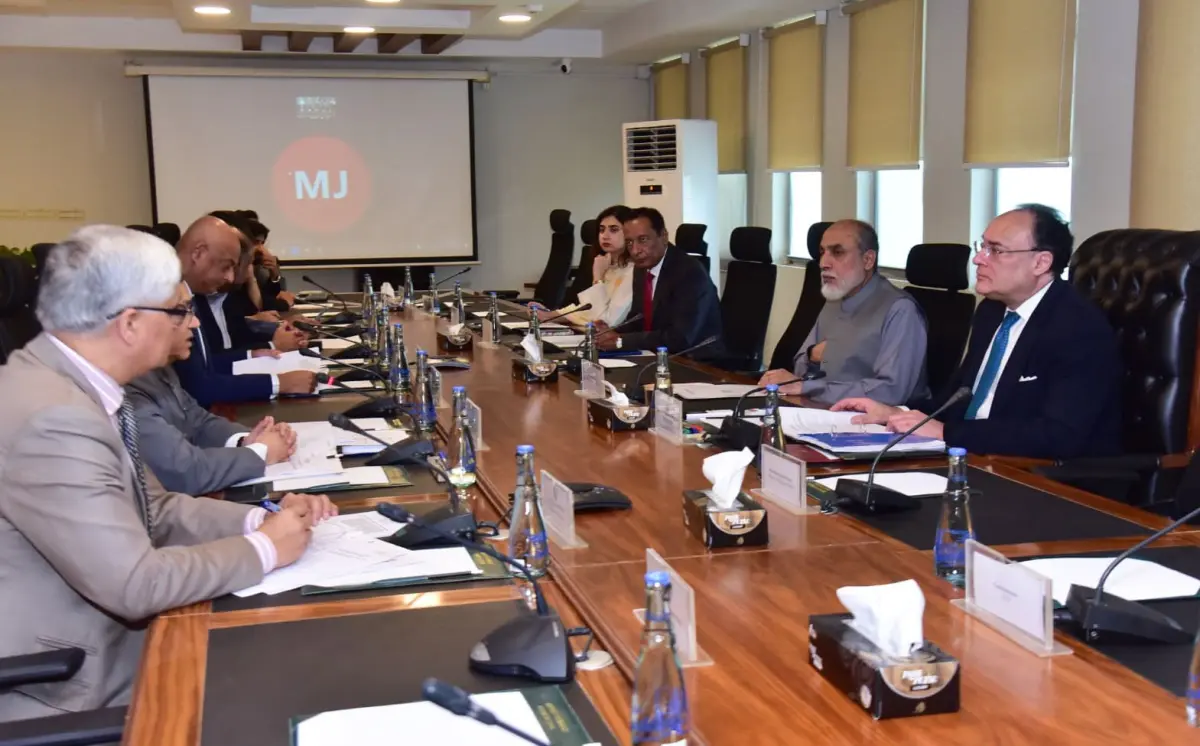
  • Govt approves board changes at HESCO, SEPCO & NESPAK

    Govt approves board changes at HESCO, SEPCO & NESPAK

    The government has approved changes to the boards of three state-owned enterprises (SOEs), including the reconstitution of the boards of Hyderabad Electric Supply Company (HESCO) and Sukkur Electric Power Company (SEPCO), and the appointment of a chairman/independent director at National Engineering Services Pakistan (NESPAK).

    The development came during a meeting of the Cabinet Committee on State-Owned Enterprises (CCoSOEs) held on Tuesday under the chairmanship of Federal Minister for Finance and Revenue, Senator Muhammad Aurangzeb, read a statement released by the Finance Division.

    The CCoSOEs considered two agenda items concerning the appointment of the chairman/independent director of NESPAK, and the reconstitution of the Board of Directors of HESCO, alongside the appointment of an independent director on the Board of Sukkur Electric Power Company (SEPCO). After deliberations, both proposals were approved.

    The finance minister emphasised that government representatives serving as ex-officio directors on these boards should be appropriately placed, competent and possess the requisite experience and institutional understanding to effectively represent their respective divisions.

    Source: brecorder

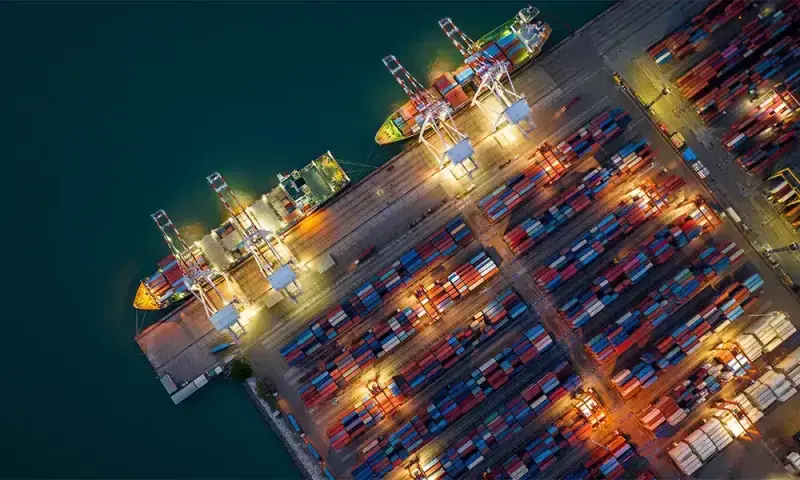
  • Beyond the order: the logistics behind Pakistan’s export ambitions

    Beyond the order: the logistics behind Pakistan’s export ambitions

    For a Pakistani business looking to sell overseas, securing an international customer is only the beginning. Getting products across borders at a competitive price, navigating customs, managing payments and handling returns can determine whether an export order becomes profitable or an expensive exercise.

    These challenges are pronounced for small and medium-sized enterprises (SMEs) and emerging e-commerce brands, which lack the freight efficiencies and specialised teams available to larger exporters.

    Shipping costs can eat into margins, affected by fuel surcharges, airline capacity and global freight conditions. Customs documentation and destination-country regulations add complications, while banking procedures and foreign exchange requirements can make international payments difficult.

    Returns present another hurdle. According to SkyNet Worldwide Express Pakistan, when an international parcel is returned to Pakistan, it is treated as a fresh import for customs purposes, potentially triggering duties and additional costs despite having originally left the country as an export. For smaller businesses, this can make international e-commerce difficult to sustain.

    The challenge is building an operation capable of serving international customers consistently and profitably.

    As businesses grow, scheduled pickups, bulk processing, inventory coordination, technology integration and shipment visibility become essential. Fulfilment and warehousing gain importance as companies move from occasional orders to regular cross-border operations.

    “The critical change is that logistics moves from being the final step after an order is placed to becoming part of the company’s operational infrastructure,” said Wasay Shamshad, Managing Director of SkyNet Pakistan.

    This means exporters need systems that support growth.

    Case Study

    SkyNet Pakistan’s work with textile exporters participating in Heimtextil, the international textile trade fair, illustrates the logistical demands of reaching overseas buyers.

    According to the company, it works with more than 133 Pakistani businesses in connection with Heimtextil. These include established exporters such as Al-Karam, Gul Ahmed Textile Mills, Yunus Textile Mills, Feroze1888 Mills, Liberty Mills, Lucky Textile Mills, Nishat Mills and Nishat Chunian.

    Exhibition shipments are time-sensitive: samples, catalogues and display materials must arrive within a specific window. Late arrival can mean missing buyers, while early deliveries create coordination challenges. The process requires documentation, customs clearance, cargo coordination and strict timelines.

    The example shows logistics extending beyond parcels: exporters need coordinated services to secure buyers and develop relationships abroad.

    Operating in Pakistan since 1996, SkyNet is adapting under second-generation leadership. Shamshad serves as Managing Director, while Zariq Ahmed Mughal leads Marketing and International Coordination.

    The company says its focus has shifted towards e-commerce, technology, fulfilment, partnerships and SMEs. Freight volumes across Karachi and Lahore have grown since 2023, expanding through 2025 and continuing into 2026.

    According to the company, the United Kingdom remains its largest international corridor. US business grew approximately 89% in 2025, while Europe recorded growth of approximately 173%. By September 2026, activity in both markets had reached or surpassed levels recorded during the whole of the previous year.

    The question is whether Pakistan’s trade ecosystem can make international business more accessible to smaller exporters.

    Customs and export documentation need to become more digital, standardised and accessible. Banking procedures and international receipts should be easier to navigate while maintaining compliance. Cost competitiveness remains crucial: freight can represent a substantial share of an order’s value.

    Pakistani brands also need broader ambitions. Many fashion businesses rely heavily on the South Asian diaspora, an important but limited customer base. Developing products for wider audiences and studying global demand could open larger opportunities.

    “Pakistan therefore needs to think beyond individual courier rates and look at the full ecosystem: customs, payments, banking, logistics, fulfilment and export readiness,” said Zariq Ahmed Mughal, who leads Marketing and International Coordination at SkyNet Pakistan.

    Reliable international logistics should not be limited to large corporations or businesses able to absorb premium costs. Efficient shipping, fulfilment and returns can influence whether SMEs compete overseas.

    Pakistan’s export ambitions will depend on more than producing goods for international buyers. Businesses must deliver reliably, manage the commercial realities of cross-border trade and build operations that can scale. Making that journey easier—from the first international order to becoming a regular exporter—could turn individual opportunities into sustained growth.

    Source: brecorder