Category: Brecorder

  • A prescription for disaster

    A prescription for disaster

    EDITORIAL: The estimate that antimicrobial resistance (AMR) is responsible for more than 200,000 deaths annually in Pakistan should serve as a wake-up call to a country where antibiotics are dispensed with alarming casualness, and their misuse and overuse have reached almost epidemic proportions.

    According to figures recently shared by the National Institute of Health and the World Health Organisation during World Antimicrobial Resistance Awareness Week, nearly 40,000 deaths are directly attributable to AMR, while over 160,000 are associated with it. These statistics represent a growing threat to the effectiveness of the medicines modern healthcare depends on.

    Antibiotics have transformed medicine, making previously fatal infections treatable and enabling complex surgeries, cancer therapies and other medical interventions. Their effectiveness, however, is being steadily eroded by misuse and overuse.

    When bacteria develop resistance to medicines designed to kill them, infections become harder to treat, hospital stays lengthen, healthcare costs rise, and lives are lost. Common infections could once again become deadly, threatening to reverse decades of medical progress.

    Pakistan’s predicament is compounded by the indiscriminate use of antibiotics at virtually every level of healthcare. Doctors frequently prescribe them for illnesses where they are unnecessary, including for viral infections such as the common cold and influenza.

    In some cases, prescriptions appear driven less by clinical necessity than by patient expectations, the desire for quick relief or the convenience of avoiding further diagnostic investigation. Medical practitioners must recognise that prescribing an antibiotic is not a harmless action; it carries consequences extending well beyond the individual patient.

    Equally, troubling is the widespread culture of self-medication. Antibiotics are often purchased without prescriptions, leftover medicines are consumed for recurring symptoms and courses are discontinued once patients begin to feel better.

    The proliferation of internet search engines and artificial intelligence has further emboldened people to diagnose themselves, and seek treatment based on information gleaned online.

    While access to health information can be empowering, it is no substitute for a qualified medical assessment. A convincing online answer cannot establish whether an infection is bacterial, identify the appropriate drug or determine its dosage. The problem is aggravated by the proliferation of quacks and unregulated practitioners, who routinely dispense medicines without adequate diagnosis or training.

    Reports of traditional hakeems adding antibiotics to herbal concoctions are particularly disturbing. Such practices expose unsuspecting patients to drugs they may not even know they are consuming, making informed treatment and accountability virtually impossible.

    Federal and provincial governments cannot afford to tackle this crisis through just an awareness-week exercise. Public education campaigns must be sustained, widespread and accessible, explaining when antibiotics are necessary, why prescriptions must be followed and why these medicines should never be shared or saved for future use.

    The Pakistan Medical and Dental Council (PMDC) and other relevant health authorities must also strengthen oversight of prescribing practices, discourage irrational prescriptions, and hold practitioners accountable for negligence.

    Drug regulators and provincial authorities must enforce existing restrictions on the sale of antibiotics without prescriptions, while pharmacies must be monitored and penalised for violations.

    Healthcare facilities must improve infection prevention, diagnostic capacity, and surveillance.

    Antibiotic misuse in livestock and agriculture, alongside environmental contamination, must also be addressed through a coordinated One Health approach that recognises the interconnectedness of human, animal and environmental health.

    Increasing antimicrobial resistance globally, and not just in Pakistan may eventually lead to a situation where the medicines we take for granted today may not work tomorrow. That would indeed be a nightmare scenario for modern healthcare.

    Preserving the effectiveness of antibiotics, therefore, is essential and demands responsibility from doctors, pharmacists, regulators, and citizens alike. The cost of complacency is already being measured in hundreds and thousands of lives.

    Copyright Business Recorder, 2026

    Source: brecorder
  • KP offers vast opportunities for solar energy investment: Kundi

    KP offers vast opportunities for solar energy investment: Kundi

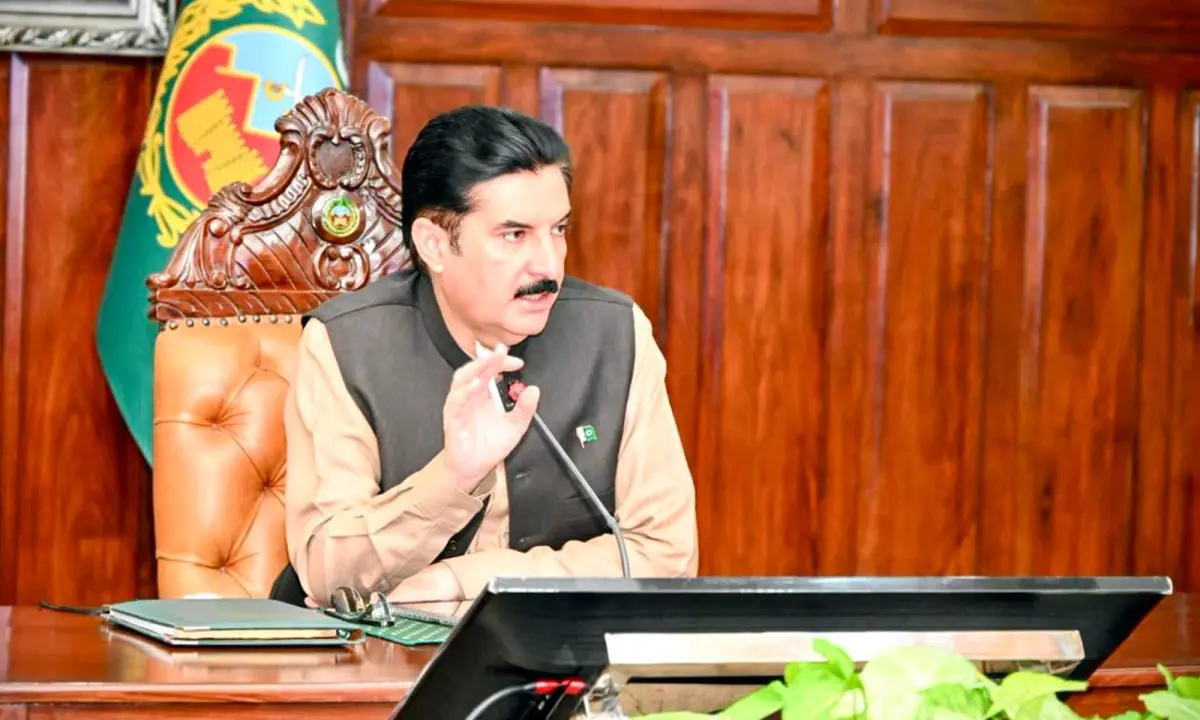
    PESHAWAR: Governor Khyber Pakhtunkhwa Faisal Karim Kundi on Sunday invited local and foreign companies to invest in the province’s renewable energy sector, saying Khyber Pakhtunkhwa offered vast opportunities for investment in solar energy and public-private partnership (PPP) projects.

    The Governor was addressing the media after visiting the International Solar Energy Meet Pakistan exhibition organized by White Paper Summits (WPS) in Peshawar as the chief guest.

    During the visit, the head of the exhibition, Khwaja Wahaj, briefed the Governor on the latest solar technologies and various products displayed by participating companies. The Governor toured different stalls and appreciated the participation of national and international companies, describing the exhibition as an important platform for promoting renewable energy, modern solar systems and investment opportunities.

    Governor Faisal Karim Kundi said more companies should be encouraged to participate in such exhibitions and assured investors that they were welcome to invest in Khyber Pakhtunkhwa.

    He said companies could also participate in development projects under the public-private partnership model. He also expressed keen interest in modern solar technology and alternative energy sources.

    Talking to reporters, the Governor said defeating terrorism remained the government’s top priority and there was no option but to win the fight against militants. He said the police, Pakistan Army and the people were united against terrorism, referring to the recent intelligence-based operation near Peshawar in which terrorists were killed.

    The Governor said lasting peace was essential for accelerating development in the province. He stressed that political differences should be resolved through dialogue and constitutional forums rather than abusive language, adding that he respected all political leaders, including Maulana Fazlur Rehman, despite political differences.

    He said he was serving as the constitutional representative of the federation in the province and emphasized that inter-provincial and political issues should be discussed at relevant forums, including the Council of Common Interests (CCI).

    Faisal Karim Kundi said inadequate financial support for the police had weakened efforts to maintain law and order, claiming that only Rs1.2 billion had been provided against a requirement of Rs40 billion. He also expressed concern over allegations that illegal mining was being used to finance terrorists and called for strict action against those responsible.

    Source: brecorder

  • Offender rehabilitation: PP&PS strengthens institutional coordination for improvement

    Offender rehabilitation: PP&PS strengthens institutional coordination for improvement

    LAHORE: In order to strengthen coordination and cooperation in matters relating to probation, parole and offender rehabilitation, Director General Punjab Probation and Parole Service (PP&PS) Dr Ahmad Khawar Shahzad visited the Sahiwal Division and held meetings with senior officials of the judiciary, police and Prisons department.

    During the visit, he reviewed the performance of the Divisional Office, while probation and parole officers briefed him on case progress, administrative matters, staffing requirements and operational challenges. He also inspected the newly established Divisional Headquarters and Offender Rehabilitation Centre, reviewing the available facilities and rehabilitation activities.

    The director general met District Police Officer Muhammad Usman Tipu and discussed ways to improve the processing of probation and parole cases, particularly through timely verification and provision of relevant information by the police. The DPO assured him of the Police department’s full cooperation and timely provision of the required assistance.

    Dr Ahmad Khawar Shahzad also met District and Sessions Judge Muhammad Faisal Ahmad and highlighted the importance of considering probation for legally eligible individuals, particularly suitable offenders involved in less serious offences. He said that community-based supervision and rehabilitation arrangements could help reform offenders while also reducing the burden on prisons.

    The meeting also discussed community service under Section 5-A of the Probation of Offenders Ordinance, 1960, as directed by the courts. The District and Sessions Judge sought a comprehensive report on the overall performance of the Service so that it could be included in the record of proceedings of future meetings.

    He appreciated the close coordination and cooperation among institutions of the criminal justice system. During his meeting with Deputy Inspector General of Prisons Kamran Anjum, the Director General emphasised the need for close cooperation in identifying prisoners who may be eligible for release on parole.

    He said that prison authorities and field officers of the Punjab Probation and Parole Service should jointly prepare and finalise lists of eligible prisoners, complete the required documentation and ensure timely processing of parole cases in accordance with the law. Later, the Director General visited the Punjab Prisons Staff Training College, Sahiwal, where he met the Commandant.

    Both institutions agreed to cooperate in the future training of probation and parole officers. Under the proposed arrangement, the college will provide training facilities, while senior officers of the Punjab Probation and Parole Service will serve as resource persons, as required.

    The visit was part of ongoing efforts to strengthen field-level supervision, institutional coordination and opportunities for the rehabilitation and social reintegration of offenders under community supervision.

    Dr Ahmad Khawar Shahzad said that the Punjab Probation and Parole Service is focusing on institutional development, improving operational performance and strengthening cooperation with key stakeholders in the criminal justice system to make offender rehabilitation and reintegration into society more effective.

    Copyright Business Recorder, 2026

    Source: brecorder
  • Lok Mela 2026 to showcase Pakistan’s cultural diversity from 27th

    Lok Mela 2026 to showcase Pakistan’s cultural diversity from 27th

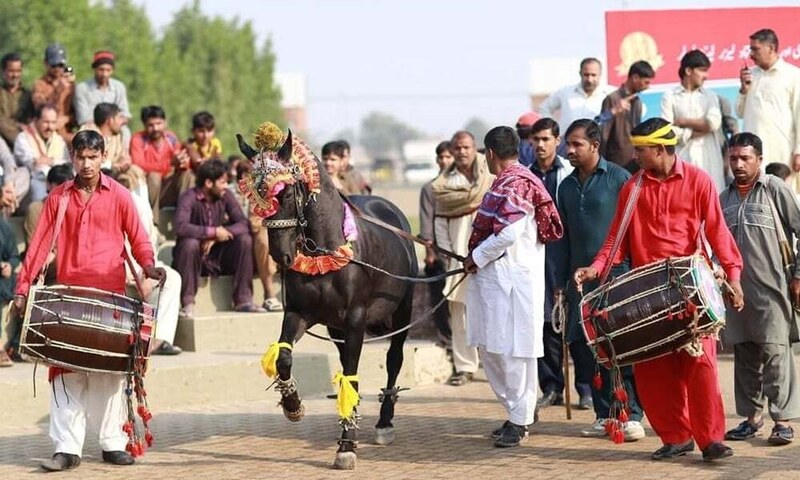
    ISLAMABAD: The National Institute of Folk and Traditional Heritage (Lok Virsa) will organize Lok Mela 2026 from November 27 to December 06 at its premises in Islamabad, bringing together the country’s diverse cultural traditions, folk heritage, traditional crafts, music, dance and regional cuisines under the theme “Naqoosh-e-Watan: Our Heritage, Our Future.”

    Preparations for the 10-day cultural festival started at Lok Virsa at the beginning of November, with the process of facilitating stall bookings and making necessary arrangements for the participation of artisans, craftspeople, cultural groups and other stakeholders.

    Various arrangements are being made to ensure smooth organisation of the festival and provide visitors with an opportunity to experience the cultural richness of different regions of the country.

    According to the Federal Minister for National Heritage and Culture, Aurangzeb Khan Khichi, “Lok Mela is an important national cultural event that provides an opportunity to showcase Pakistan’s rich and diverse heritage, promote indigenous arts and crafts and bring the country’s regional cultures to a common platform”.

    He emphasised the importance of preserving traditional skills and providing artisans and folk performers opportunities to display their talent and cultural expressions.

    The festival will feature a wide range of daily attractions, including folk theatre, contemporary art theatre, children’s puppet shows, folk dance performances, open mic sessions, folk musical performances, ethnic food and regional cultural pavilions.

    The pavilions will represent Punjab, Sindh, Balochistan, Azad Jammu and Kashmir, Khyber Pakhtunkhwa, Gilgit-Baltistan and international participants, showcasing their distinctive cultural identities, traditional crafts, indigenous products and heritage.

    A series of special musical nights will be another major attraction, with performances dedicated to the cultural traditions of different regions. The programme will open with an inaugural ceremony and Qawwali night on November 27, followed by Azad Jammu and Kashmir Musical Night on November 28 and Punjab Musical Night on November 29.

    Gilgit-Baltistan Musical Night will be held on November 30, followed by ‘Lok Dholak Geet’ Night on December 01. Balochistan Musical Night is scheduled for December 02, ‘Lok Rang’ Musical Night for December 03, Sindh Musical Night for December 04 and Khyber Pakhtunkhwa Musical Night for December 05. The festival will conclude with a closing ceremony and Grand Musical Night on December 06.

    The event will also feature a dedicated children’s play area, offering recreational activities for families and young visitors.

    Through the annual cultural gathering, Lok Virsa aims to provide a platform for artisans, folk performers and cultural practitioners to showcase their skills and traditions, while promoting cultural diversity, preserving indigenous heritage and strengthening national cohesion.

    The festival will remain open to the public from November 27 to December 06 at Lok Virsa.

    Source: brecorder

  • COP31 climate talks collapse as EU and others reject deal

    COP31 climate talks collapse as EU and others reject deal

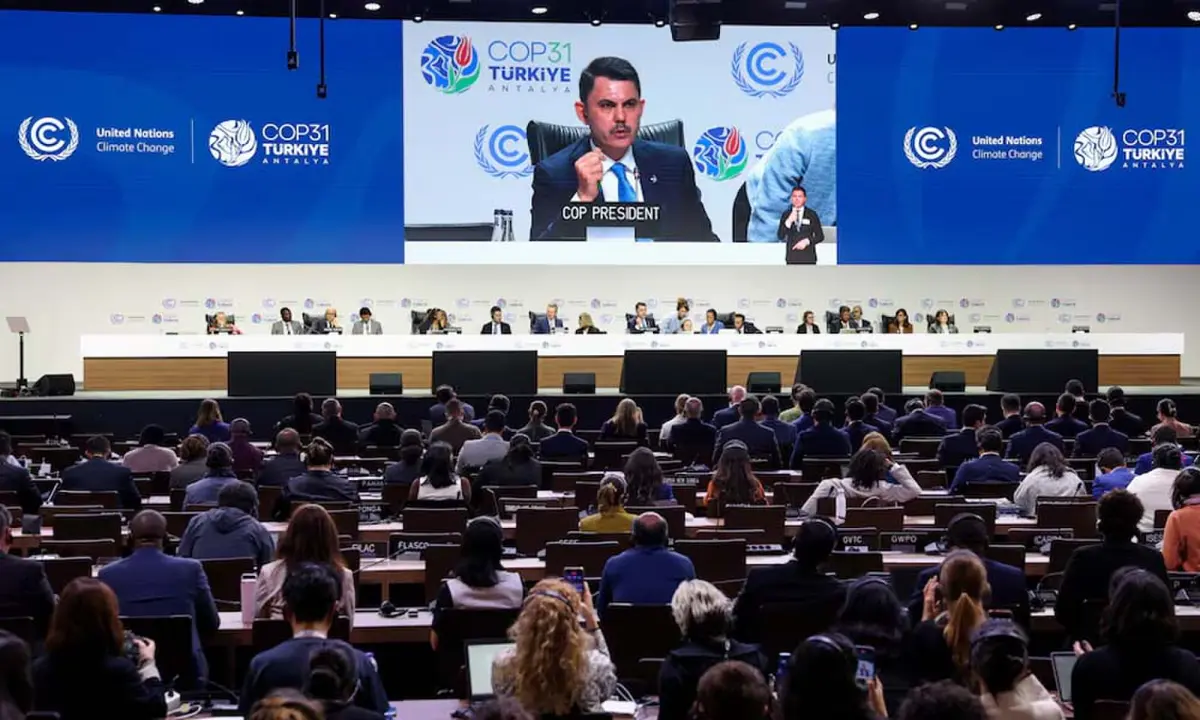
    ANTALYA: UN climate talks ended in collapse on Sunday as the European Union and others rejected a final deal put forward by COP31 presidents Turkiye and Australia, saying it was too weak to advance the fight against global warming.

    The failed talks reflect the struggle by governments across the world to muster ambitious action to address the worsening consequences of climate change — including heatwaves, wildfires, floods and powerful storms — as wars and economic pressures compete for their attention.

    More than two weeks of negotiations spilled two days into overtime, making it the longest COP on record, and yet a deal was elusive.

    READ ALSO: Nations row over fossil fuels as COP31 goes into overtime

    “There is nothing to do. We did all that we could,” Turkiye’s conference president Murat Kurum told the closing plenary, saying he would not advance any new text.

    He later left the stage even though country representatives were still delivering speeches.

    Chris Bowen, Australia’s COP31 president of negotiations, said the outcome “very disappointing” and that disagreements over fossil fuels and climate finance had been obstacles to a deal.

    UN Secretary General Antonio Guterres was also dismayed.

    “I share the very profound frustration of all those who expected governments to rise to the moment the climate crisis demands,” he said.

    The last time UN climate talks failed to get a deal adopted by all was in Copenhagen in 2009.

    While many recent COP summits have been fraught, they have provided important signals for business investment and provided a spur for advances in renewable power and electric vehicle technology, analysts say.

    Arguably, they have also helped to curb warming.

    When countries in 2015 struck the Paris agreement, which included an aspiration to limit warming to 1.5 degrees Celsius (2.7 degrees Fahrenheit), projections suggested existing policies put the world on course for roughly 4 C (7.2 F) of warming this century. A decade later, the prognosis is 2.8 C.

    This year’s COP is the first since the UN’s environmental body in October confirmed the rise in global temperatures was set to overshoot 1.5 C, a level beyond which scientists say extreme weather impacts intensify.

    No fossil fuels mention

    Ireland’s environment minister Darragh O’Brien said the European Union could not support the proposed deal in part because it made no mention of the fossil fuels that scientists say drive global warming.

    “It is unconscionable that we would have a climate act that makes no reference to fossil fuel, no reference to transitioning away from fossil fuels,” he said.

    Saudi Arabia and other big oil-producing countries have said fossil fuels will play a role in the economy for the foreseeable future and it lobbied to keep any mention of fossil fuels out of the text, observers at the summit said.

    The failed deal had acknowledged the planet’s projected temperature overshoot and called for faster development of carbon-removal technologies to eventually reverse it, something oil-producing countries had been keen to include.

    Scientists say removing carbon from the atmosphere — when paired with steep emissions cuts — is vital to avoiding the worst impacts of climate change, but critics of the proposed deal said they worried the carbon removal language would be used as a licence to keep pumping oil.

    A representative for the Saudi delegation told the summit at the closing plenary that he was surprised at the resistance to what he said was a concrete solution to global warming.

    Developing countries had also criticised the deal for not providing sufficient climate finance to help them adapt to a warming planet. The deal had called for a tripling of such finance, but did not specify from what baseline.

    It had also included a goal put forward by Turkiye to expand electricity’s share of total final world energy consumption to 35% by 2035, from around 23% now.

    Proponents of that pledge said it could cut greenhouse gas emissions by speeding the transition away from fuel-powered cars, furnaces, and other equipment. But critics said it could force more costs onto poor nations without providing a clear path away from fossil fuels.

    The COP process is the main vehicle through which countries coordinate their efforts to curb global warming. Its annual meeting provides an opportunity for nations to signal they are willing to work together to find solutions and help finance the problems rising temperatures cause.

    The failure to agree a political declaration in Antalya does not erase the obligations agreed by previous UN conferences.

    Belgium’s climate minister Jean-Luc Crucke said it was a difficult outcome, but “not the end of multilateralism”.

    “There has to be courage to say no,” he said.

    Source: brecorder

  • Bilawal says Afghanistan weapons influx has fuelled terrorism in Pakistan

    Bilawal says Afghanistan weapons influx has fuelled terrorism in Pakistan

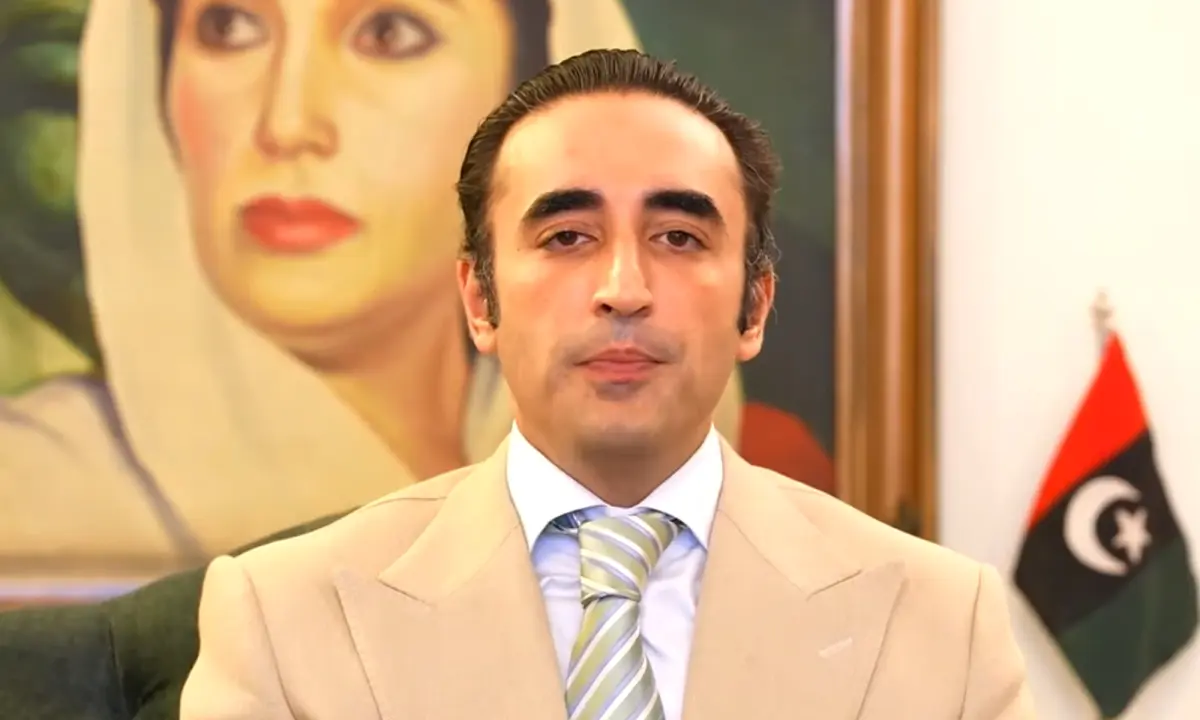
    Former foreign minister Bilawal Bhutto Zardari has described the US withdrawal from Afghanistan and the subsequent influx of weapons into the region as “absolutely devastating”, saying terrorist groups operating in Afghanistan had gained access to advanced arms that were also being used in attacks in Pakistan.

    In an interview with TRT World’s programme Strait Talk, shared by the Pakistan Peoples Party on its social media on Sunday, Bilawal said large quantities of weapons and ammunition left behind after the US withdrawal had entered black markets, allowing terrorist groups to acquire sophisticated weaponry.

    He said Pakistan had witnessed a significant increase in terrorist activity and attacks that could be linked to the withdrawal and the influx of weapons.

    “Some of these terrorist groups and criminal gangs have more advanced weapons than the police forces that are meant to confront them,” he said.

    The former foreign minister also expressed concern over the continued presence of terrorist and extremist groups in Afghanistan, saying the Afghan government either lacked the capacity or the willingness to deal with them effectively.

    He warned that the consequences of the situation might not remain confined to Pakistan, with other countries potentially facing similar security threats in the future.

    Pakistan’s role in US-Iran dialogue

    On the US-Iran conflict, Bilawal said Pakistan remained actively engaged in efforts to sustain dialogue between Washington and Tehran, expressing optimism that the two sides would eventually reach a settlement despite delays in the peace process.

    He said Pakistan had played a key role in securing the initial ceasefire between the two countries and continued to facilitate diplomatic engagement.

    “Everyone, myself included, would have liked for this process to have been concluded by now. But of course, that’s not the case,” he said, adding that Islamabad remained hopeful of a possible agreement.

    Bilawal warned that a breakdown in negotiations could trigger further escalation and widen the conflict beyond its current scope.

    He said a settlement was in the interest of both the United States and Iran, as well as the wider international community.

    Highlighting the conflict’s broader consequences, he said people across the world were bearing its economic costs through higher fuel and grocery prices, inflation, slower economic growth and rising poverty.

    Pakistan’s ties with US, China

    Discussing Pakistan’s relations with Washington and Beijing, Bilawal said Islamabad had historically avoided bloc politics and sought to serve as a bridge between major powers.

    Describing China as Pakistan’s “iron brother”, he said the two countries enjoyed longstanding government-to-government and people-to-people ties.

    He acknowledged that Pakistan-US relations had experienced fluctuations but said both countries maintained significant trade, diplomatic and strategic engagement.

    Bilawal said Pakistan wanted to continue facilitating engagement between Washington and Beijing rather than contributing to tensions between the two powers.

    He added that the current US administration’s geopolitical approach could create opportunities for greater engagement and cooperation.

    Global power dynamics

    Commenting on proposed engagement between US President Donald Trump, Chinese President Xi Jinping and Russian President Vladimir Putin, Bilawal said he favoured cooperation over confrontation among major powers.

    He rejected comparisons with a possible “Yalta 2.0”, saying it was premature to assume that such engagement would undermine the interests of smaller and middle powers.

    He said greater cooperation among major powers could help address global economic challenges and benefit countries across the international community.

    Bilawal reiterated that Pakistan should avoid aligning itself with competing power blocs, stressing that its role in an emerging multipolar world should focus on promoting cooperation among middle powers.

    Source: brecorder

  • US seeks answers on Nvidia’s sale of chips to China, Bessent says

    US seeks answers on Nvidia’s sale of chips to China, Bessent says

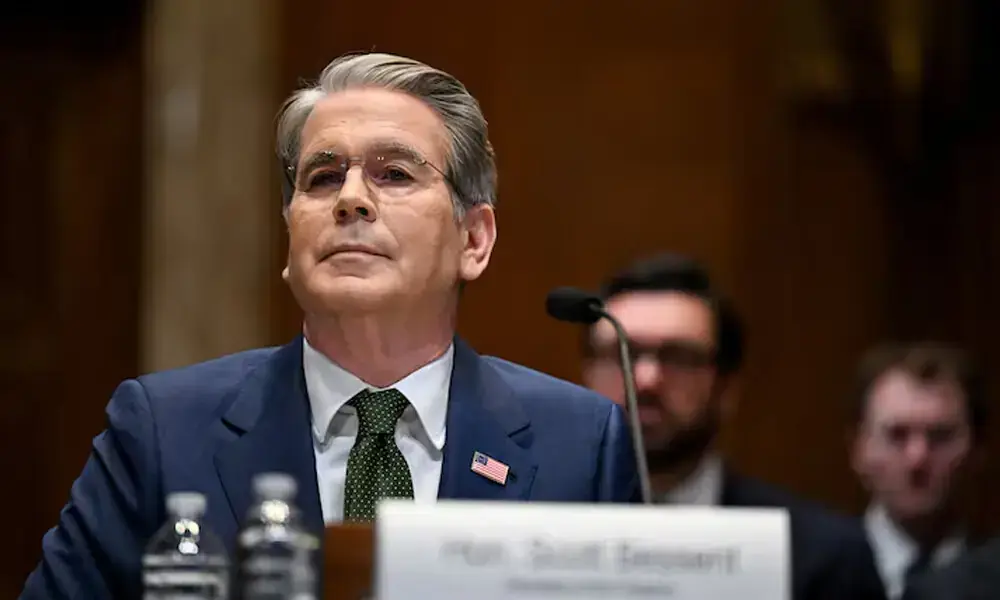
    WASHINGTON: US Treasury Secretary Scott Bessent said on Sunday that the Trump administration still needs information on Nvidia’s chip sales and will find out who led compliance at the company formerly led by Jensen Huang, who resigned following an affair with a suspected Chinese spy.

    “We’ve been in touch with the temporary management, with the lead directors, with their lawyers, and we do need answers… it behooves Nvidia to move quickly on this because we want to know what the culture was,” Bessent told CBS’ “Face the Nation” program.

    Source: brecorder

  • US intelligence chief says Putin is ‘not America’s friend in Ukraine’

    US intelligence chief says Putin is ‘not America’s friend in Ukraine’

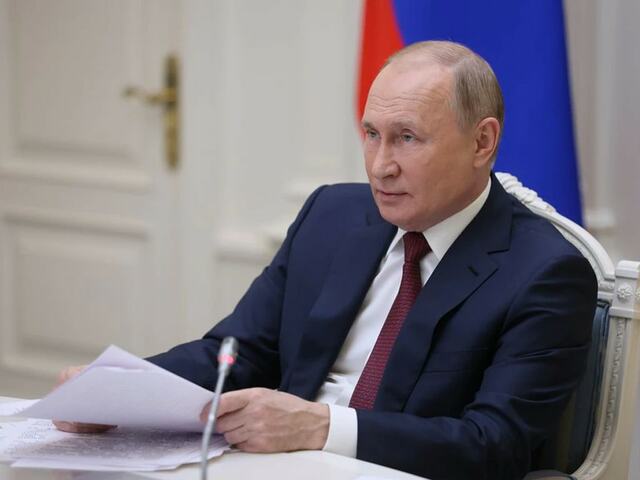
    WASHINGTON: Russian President Vladimir Putin is not a friend when it comes to Ukraine, US Director of National Intelligence Jay Clayton said on Sunday, days after President Donald Trump spoke warmly of Russia’s leader.

    “He is not America’s friend in Ukraine,” Clayton told ABC News’ “This Week” program. “Not at all.”

    Asked about Trump’s recent description of Putin as a friend, Clayton also said the term was “entirely appropriate” in the context of discussions among leaders of the world’s three leading nuclear powers — the United States, Russia and China — during last week’s high-profile summit in China.

    Trump defended calling Putin a friend on Thursday, saying that “it’s nice to have people that have 4,000 nuclear weapons as a friend as opposed to an enemy.” But when asked about the subject again on Friday, Trump declined to say whether Putin is a friend to the United States as a whole: “I can’t speak to America.”

    Russia launched its full-scale invasion of Ukraine in 2022 and controls about a fifth of the country’s territory. Putin has shown no sign of dropping his demand that Ukraine surrender all of its eastern Donbas region in exchange for peace.

    Trump’s description of Putin as a friend drew criticism from European allies of Ukraine. “Mr Putin is not our friend and will never be,” Polish Prime Minister Donald Tusk said.

    Asked on Thursday about Trump’s remarks, Ukrainian President Volodymyr Zelenskiy shrugged and walked away.

    Source: brecorder

  • Pakistan Shaheens post 313 against India A after controversial toss

    Pakistan Shaheens post 313 against India A after controversial toss

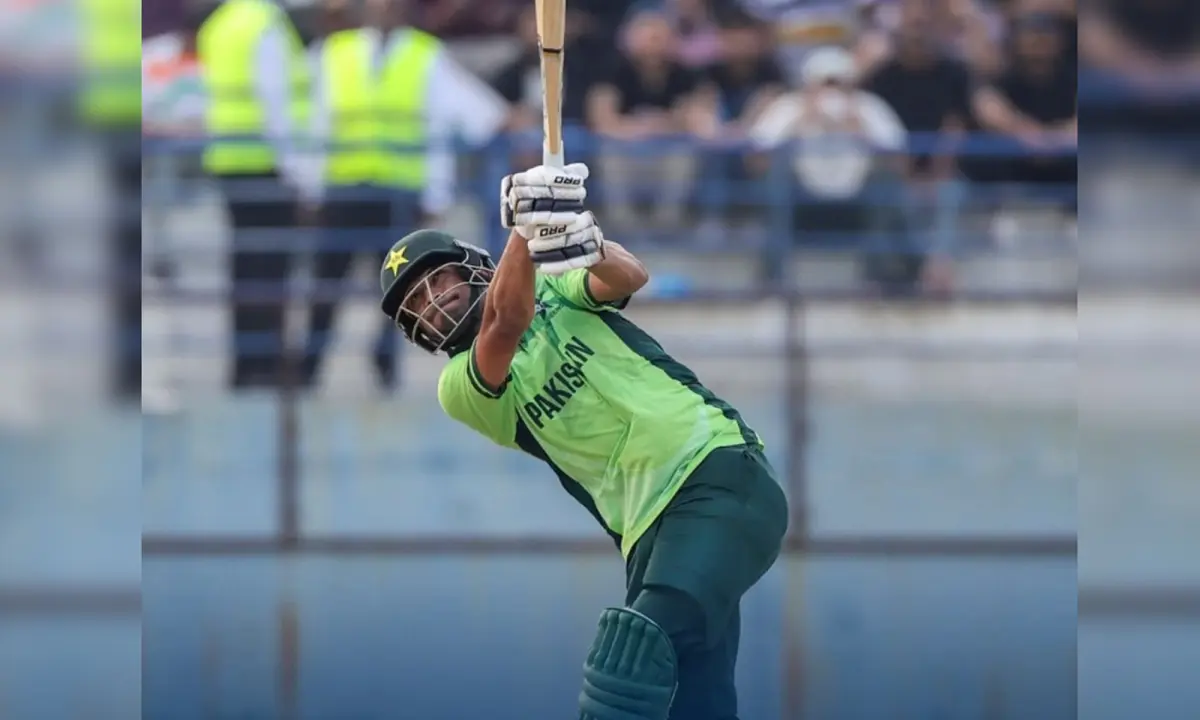
    Pakistan Shaheens posted 313 in 49.2 overs against India A in their second Group B fixture of the ACC Men’s Asia Cup Rising Stars 2026 on Sunday, riding on half-centuries from Maaz Sadaqat, Hasan Nawaz and Farhan Yousaf.

    The innings began with an aggressive opening stand as Shamyl Hussain and Maaz put India A’s bowling attack under pressure, bringing up their 50-run partnership in just the fifth over.

    Shamyl scored 33 off 23 deliveries before departing, while Maaz went on to make 59 off 63 balls.

    Pakistan suffered a setback when wicketkeeper-batter Rohail Nazir was dismissed for a duck. However, Hasan Nawaz steadied the innings and accelerated the scoring with a 79-run knock off 82 balls.

    Captain Abdul Samad contributed 28 off 35 deliveries before Farhan Yousaf provided further impetus with 56 off 48 balls.

    Mohammad Imran added a quick 23 off 14 deliveries, while Saad Masood and Ahmed Daniyal scored nine and eight runs, respectively. Sufyan Moqim remained unbeaten on three, while Ali Raza made two.

    For India A, Harshit Rana, Prince Yadav, Suryansh Shedge and Vipraj Nigam picked up two wickets each, while Ayush Badoni claimed one.

    Earlier, the match got off to an unusual start after a disputed toss at the West End Park International Cricket Stadium.

    India A captain Tilak Varma flipped the coin after Pakistan captain Abdul Samad called heads. However, the match referee initially declared tails, prompting both captains to inspect the coin.

    Samad pointed out the error, following which officials rechecked the toss and corrected the decision in Pakistan’s favour. He elected to bat on a pitch both captains described as slightly dry.

    The two teams also did not shake hands after the toss, continuing the protocol observed during recent encounters between India and Pakistan.

    Source: brecorder

  • Pakistan, Oman sign petroleum products supply agreement

    Pakistan, Oman sign petroleum products supply agreement

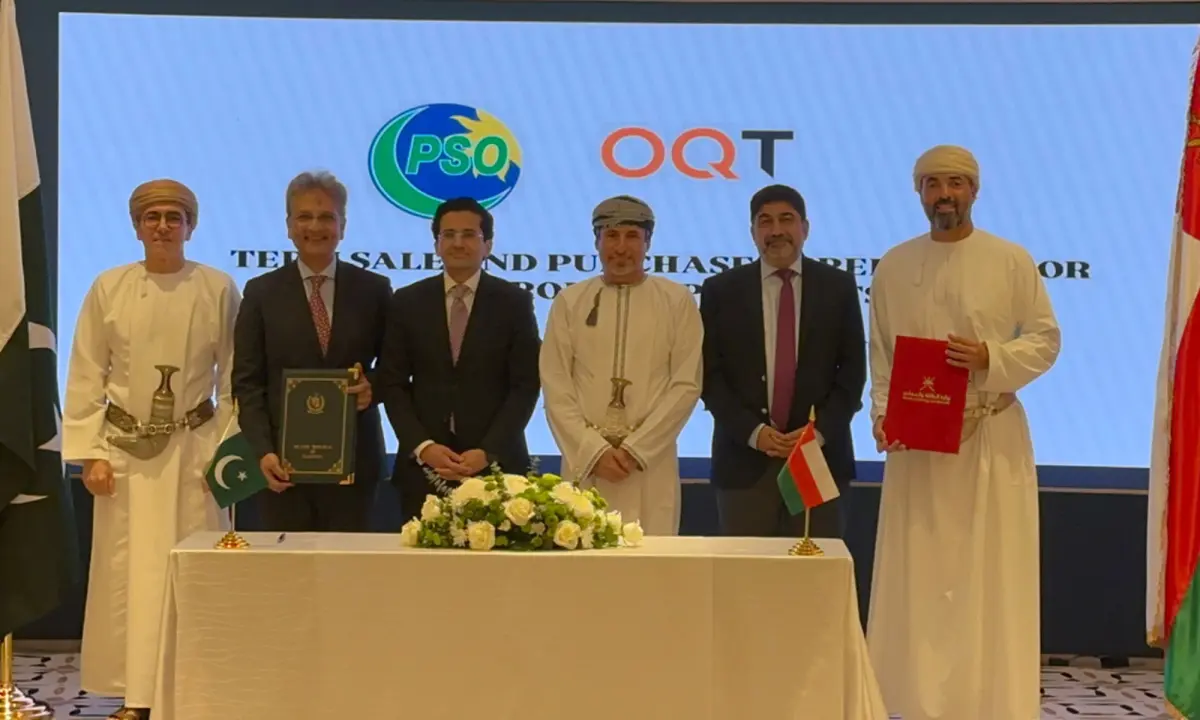
    Pakistan and Oman have signed an agreement for the purchase and sale of petroleum products between Pakistan State Oil (PSO) and Oman’s OQ Trading.

    The agreement was signed in Muscat in the presence of Minister for Petroleum Ali Pervaiz Malik and Oman’s Minister of Energy and Minerals Engineer Salim Al Aufi.

    Under the agreement, OQ Trading will also extend a 200 million dollar credit facility to PSO for the purchase of petroleum products.

    The agreement will establish a regular commercial framework for the supply of petroleum products to PSO.

    It is being viewed as an important step towards strengthening Pakistan’s energy security and diversifying its sources of petroleum imports.

    During the meeting, the two ministers also agreed to further enhance bilateral cooperation in the fields of oil, gas and minerals.

    They welcomed the establishment of a joint working group on oil and gas between the two countries and agreed to advance cooperation in the energy and minerals sectors through this forum.

    OQ Trading supplied more than one million metric tons of petrol to PSO in 2026, while its LPG supplies to Pakistan are expected to exceed one hundred and twenty thousand metric tons by the end of this year.

    Both sides reaffirmed their commitment to exploring new opportunities for trade partnerships and investment in the energy sector.

    Source: brecorder