Category: Brecorder

  • Zelensky calls for four-way talks with Russia ‘as soon as possible’

    Zelensky calls for four-way talks with Russia ‘as soon as possible’

    BERLIN: Ukrainian President Volodymyr Zelensky on Monday called for new negotiations with Russia involving European leaders to be held as soon as possible and repeated a plea for his country to join the NATO alliance.

    Zelensky, speaking by video to a gathering of lawmakers from NATO countries in Berlin, welcomed the latest push for peace talks with Moscow.

    “We must do everything to make sure that the four-party meeting – Ukraine, Europe, America and Russia – happens as soon as possible. We are ready to do this. Literally tomorrow,” Zelensky said.

    “We have heard from our partners that they want to try to make it happen before Christmas. We hope it happens sooner.”

    European governments have been excluded from past discussions and their push to join  negotiations has gained prominence in recent weeks.

    Zelensky, whose country has been battling a full-scale Russian invasion since February 2022, has repeatedly called for a path to full membership in NATO – and not simply receiving security guarantees from alliance countries.

    He argued that Ukraine’s combat experience, innovative defence industry and large military would all benefit other allies.

    “NATO is the answer – and with a strong Ukrainian army, NATO itself is guaranteed to be stronger,” Zelensky told the Berlin gathering.

    A number of NATO leaders have expressed hesitation about bringing Ukraine into the alliance.

    During a gathering of Ukrainian supporters in Berlin last week, US envoy Jared Kushner said that Washington might consider offering Ukraine a security guarantee similar to that provided under Article 5 of the North Atlantic Treaty as part of a peace settlement.

    But Zelenksy on Monday said major questions remain about how such guarantees would work without a full NATO commitment.

    “Which countries will support Ukraine if Ukraine is attacked again? What exactly will our partners do in response? Which troops will be stationed on our territory in advance? How much will all this cost? And will it really work?

    “All of this is not easy and so far we have not heard clear specific answers,” Zelensky said.

    The Ukrainian leader also repeated a call for NATO countries to provide more air defence weapons, urging them to empty their stockpiles to allow Ukraine to repel Russian airstrikes.

    “Missiles that can stop Russian ballistic missiles should not be sitting in warehouses collecting dust,” he said.

    Source: brecorder

  • Financials drag Indian shares down on profit-taking after four-week rally

    Financials drag Indian shares down on profit-taking after four-week rally

    Indian shares fell on Monday as broad-based profit-taking set in after a four-week winning streak driven by renewed foreign inflows, easing oil prices and a global selloff in AI-linked stocks.

    The Nifty 50 fell 1.75% to 25,349.65 and the Sensex dropped 1.77% to 82,435.99, reversing early gains on weekly Nifty derivatives expiry.

    Fourteen of the 16 major sectors logged losses. The broader small-caps and mid-caps lost 0.7% and 1%, respectively.

    Banks, private banks, financials and state-owned lenders which had climbed between 18% and 22.5% over the past four weeks, dropped 2.4% to 3.3%, dragging the benchmarks.

    HDFC Bank, ICICI Bank and Reliance Industries lost 3.3%, 3.3% and 1.9%, respectively.

    Metals slid 3.7%, tracking weaker global metal prices and a stronger dollar as concerns over the AI outlook and US rate hikes weighed on sentiment.

    “The session’s decline is largely profit-taking after the recent rally, compounded by positioning ahead of weekly Nifty derivatives expiry and Tuesday’s market holiday,” Aishvarya Dadheech, founder and chief investment officer at Fident Asset Management, said.

    “It is not unhealthy, strong rallies are naturally punctuated by bouts of intermittent consolidation.”

    Despite the session’s losses, the Nifty and Sensex are up 10% and 10.7% in November, powered by record monthly foreign inflows of $13 billion in Indian stocks.

    Indian markets are attracting foreign investors diversifying beyond the crowded global AI trade, supported by limited listed AI exposure, a revival in earnings growth, and steady economic momentum.

    MSCI’s broadest index of Asia Pacific stocks outside Japan fell as the AI trade reversal continued

    Among stocks, APL Apollo Tubes tumbled 21.3%, its worst day since March 2020, after Tata Steel said it would buy a 26.4% stake in APL Apollo for $1.67 billion, a day after agreeing to sell its tubes and colour-coated steel business to the APL Apollo.

    Analysts said the drop in APL Apollo was driven by concerns over funding the acquisition of tubes and colour-coated steel business.

    Shriram Finance rose 2.5% after its inclusion in the Sensex, effective December 21. Trent fell 1.5% upon its removal from Sensex.

    Source: brecorder

  • Indian rupee retreats with stocks as rally takes a breather, positive bias lingers

    Indian rupee retreats with stocks as rally takes a breather, positive bias lingers

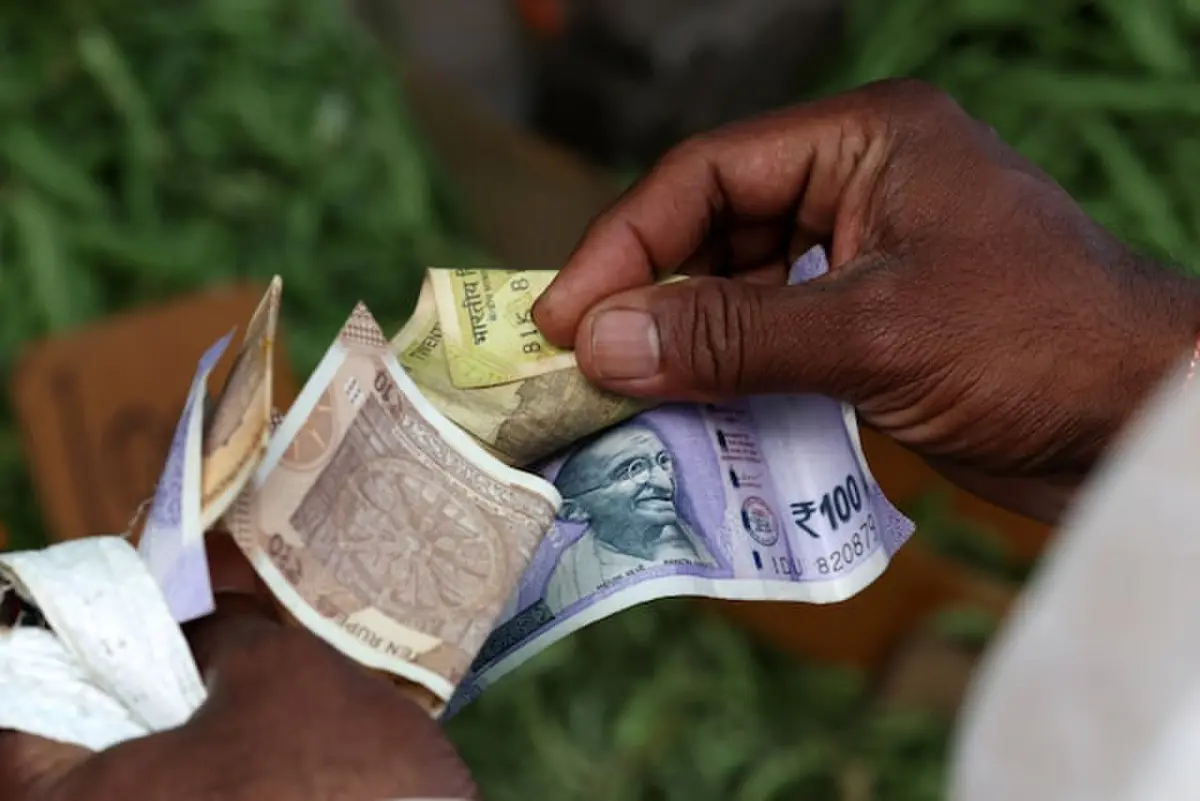
    MUMBAI: The Indian rupee on Monday snapped a five-session winning streak that had lifted it to a more than seven-month high, as dollar demand from large corporates picked up and support from a rally in domestic stocks faded on profit-taking.

    The Indian  rupee closed at 92.91 per dollar, down 0.26% from its close at 92.67 in the previous session.

    While the South Asian currency had perked up to a high of 92.44 in early trading – its strongest level since April – it turned lower afterwards, with traders pointing to strong importer dollar demand, including from two large conglomerates.

    Weakness in local stocks also became a sentiment drag on the unit, with the benchmark Nifty 50 down nearly 2% after touching its highest level since February earlier in the day.

    Indian equities and the rupee have been regional outperformers in November so far as worries over crowded global AI trades drew over $10 billion of foreign investor money.

    Analysts and traders expect both stocks and currencies to cling to a positive bias in the near term as markets assess just how far the ongoing AI rout may extend.

    “In the near term, the Reserve Bank of India is likely to allow the INR to strengthen before rebuilding FX reserves. We see key support for USD/INR at 90.0–91.0,” ANZ said in a note.

    Brokerages including Goldman Sachs, Citi, HSBC, TS Lombard and Bernstein have also turned more bullish on Indian stocks.

    Elsewhere, the dollar index eased off its highest in 19 months on Monday as traders pared bets that the Federal Reserve could deliver a larger-than-usual interest rate hike at its meeting next month.

    Source: brecorder

  • European stocks recover after steep technology-led selloff

    European stocks recover after steep technology-led selloff

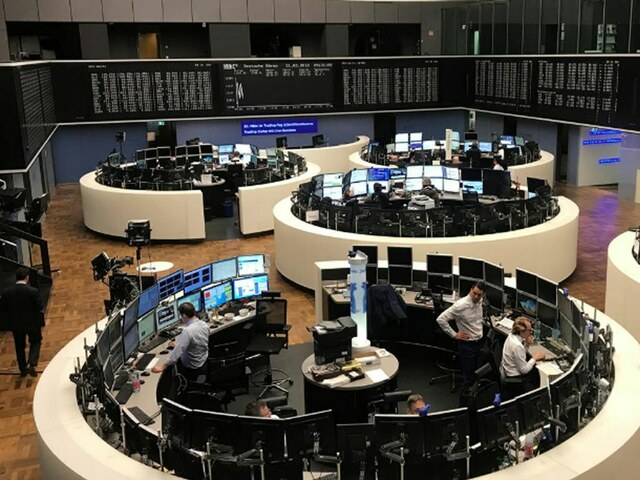
    European shares rose on ‌Monday as technology stocks rebounded from an AI-driven selloff that sent the market to its steepest weekly decline since ​late March 2025.

    The STOXX 600 gained ​0.3% to 627.61 points by 0814 GMT, while ⁠Germany’s DAX rose 0.3%, leading gains among major ​regional indexes.

    The recovery comes after the STOXX 600’s ​near 6% drop in the previous week, as sentiment towards the AI trade soured on worries over swift returns from ​massive investments in the technology and as Claude-maker ​Anthropic lost momentum after its US stock market debut.

    The European technology ‌index ⁠was up 1.3% on Monday, with ASML, ASM International and BE Semiconductor up between 2.8% and 4% each, among the biggest gainers.

    Mining stocks followed with ​a 1% ​rise, as gold ⁠prices rebounded from a 14-month low, up 3%.

    Among individual stocks, Julius Baer ​slipped 2.8% despite reporting a 17% increase in ​10-month ⁠adjusted pretax profit, with investors weighing slower net inflows as the bank continues to exit higher-risk client relationships.

    Abivax ⁠topped ​the STOXX 600 with a ​close to 10% jump after rejecting a short seller report.

    Source: brecorder

  • The Vertical introduces V6: An exclusive commercial address with just six distinctive units

    The Vertical introduces V6: An exclusive commercial address with just six distinctive units

    Strategically located between Main Gulberg Boulevard and MM Alam Road, V6 is designed to bring together premium retail, dining and distinctive business concepts in one exclusive commercial destination.

    Lahore’s commercial landscape continues to evolve, with brands increasingly looking beyond conventional retail spaces for locations that offer visibility, distinction and an experience that reflects their identity. Responding to this shift, The Vertical is preparing to introduce V6, an exclusive commercial development featuring just six premium vertical units in one of the city’s most prominent commercial districts.

    Positioned between Main Gulberg Boulevard and MM Alam Road, V6 brings a distinctive proposition to Lahore’s commercial real estate landscape. With only six elite units, the development is envisioned for premium fashion and lifestyle brands, signature restaurants and businesses seeking a more differentiated commercial presence.

    Commenting on the vision behind the project, the CEO of The Vertical said:
    “V6 reflects our commitment to shaping Lahore’s commercial landscape through distinctive developments that go beyond conventional retail, creating premium destinations where location, exclusivity and long-term business value converge.” – Muteeb Siddiqi
    Spanning a planned development area of 99,266 square feet, the project will feature 65 parking bays, while its premium corner location adds to its commercial visibility and accessibility. More than simply offering retail and commercial space, V6 is conceived around the idea of creating an address where architecture, brand identity and customer experience come together.

    Its defining feature is its limited-unit concept. At a time when commercial developments often prioritise the number of available spaces, V6 takes a more selective approach. With just six units, the project aims to create an exclusive environment for businesses looking to establish a strong presence and build meaningful connections with their customers.

    V6 also marks another step in The Vertical’s expanding portfolio of commercial developments in Lahore. With projects including V1 and V2, V3 Business Centre, Elevation and The Grand Vertical, the company has continued to develop commercial destinations across the city. V6 builds on this experience while introducing a concept centred on exclusivity, strategic location and the changing expectations of modern businesses.

    As Lahore’s commercial districts continue to attract established brands and emerging business concepts, V6 aims to offer a distinctive setting for those looking to be part of the city’s evolving retail and lifestyle landscape.

    For project details and investment enquiries, contact 0340 131 9999.

    Source: brecorder

  • Punjab’s anti-smog plan shows encouraging results as AQI drops within hours of on-ground action

    Punjab’s anti-smog plan shows encouraging results as AQI drops within hours of on-ground action

    Air quality in Lahore continues to fluctuate, with AQI levels often rising during the early morning and evening hours before falling within a few hours. While winter weather and atmospheric conditions contribute to these daily changes, the government’s increasingly active response on the ground is adding an important dimension to Punjab’s efforts to control smog.

    In previous years, dense haze would often remain over Lahore for entire days and sometimes persist for weeks, with little visible improvement in air quality. This year, although pollution levels continue to rise at certain times, they are also showing noticeable declines within shorter periods. Government interventions, including the deployment of anti-smog guns, field enforcement and rapid-response operations, are part of the ongoing effort to manage these episodes.

    The change is encouraging. It suggests that continuous monitoring and timely action can help address periods of elevated pollution, while the province’s broader mitigation strategy works towards reducing emissions at their sources.

    From Persistent Haze to Active Monitoring and Response

    One of the important changes in Punjab’s approach is the shift from responding to smog as a seasonal emergency to monitoring air quality and addressing pollution throughout the year.

    In earlier years, air-quality monitoring and coordinated smog-control mechanisms were not as developed. There was no comparable, comprehensive multi-sectoral framework bringing together the departments and enforcement mechanisms responsible for controlling pollution from different sources.

    Today, air quality is being monitored through an expanding network of monitoring stations, allowing authorities to track changing conditions and identify periods when pollution levels require immediate attention. Punjab currently has 80 air-quality monitoring stations, with plans to increase the network to 100 by December 2026.

    This monitoring is supported by on-ground interventions. When AQI levels rise, authorities deploy anti-smog guns at selected locations, spraying fine water mist to suppress airborne dust and particulate matter. These operations form part of the immediate response, particularly during periods of elevated pollution.

    The combination of monitoring and timely field action is helping authorities respond to changing conditions rather than allowing pollution episodes to go unchecked.

    A Multi-Sectoral Plan Targets the Sources of Smog

    The encouraging developments are also linked to a broader change in how Punjab is addressing air pollution. The province is implementing Pakistan’s first comprehensive, multi-sectoral smog mitigation approach, with different sectors contributing to the problem brought under monitoring, regulation and enforcement.

    Transport, industry, agriculture and brick kilns are among the key areas receiving attention. The objective is to reduce pollution at its source rather than relying exclusively on temporary measures when smog becomes severe.

    In the transport sector, vehicles are being inspected for excessive emissions, with more than 1,200,000 vehicles reportedly checked during enforcement operations. Vehicles found violating environmental standards can face penalties and other regulatory action.

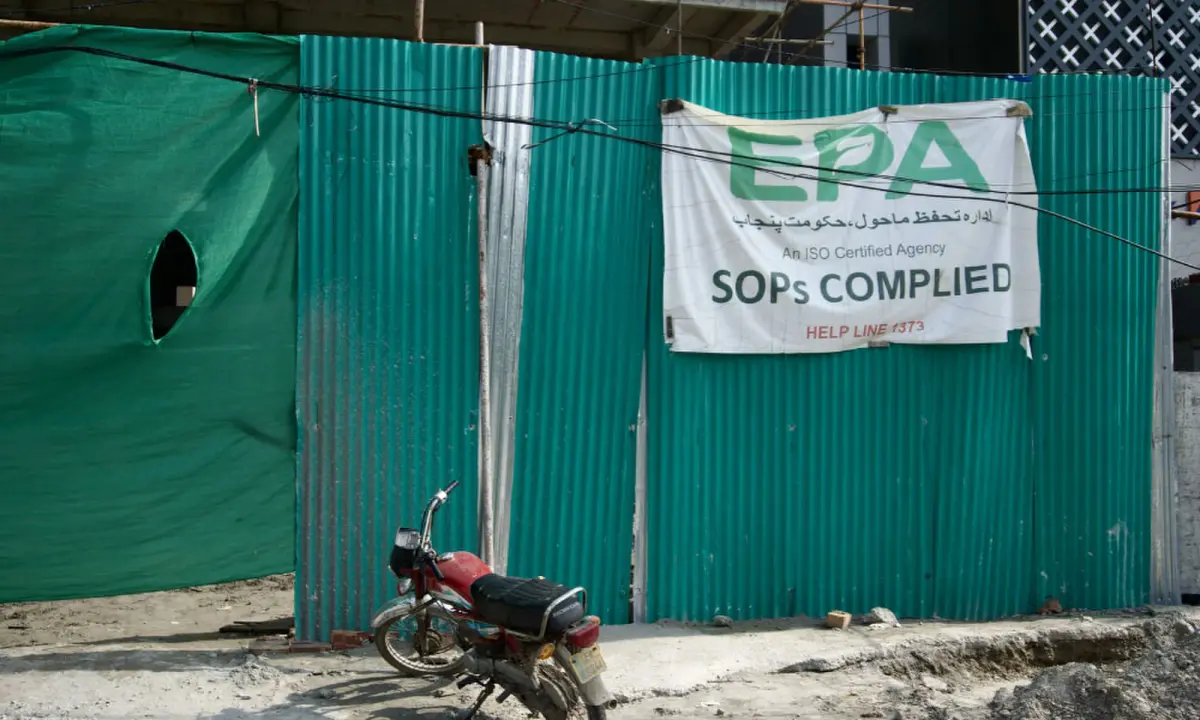
    Industrial units are also under increased scrutiny. More than 95% emission-control systems have reportedly been installed to reduce harmful industrial emissions. The Environmental Protection Agency (EPA) is conducting inspections, taking enforcement action and imposing fines where violations are identified.

    Brick kilns are another major focus. More than 14,000 kilns have reportedly been brought under the zigzag technology programme, which improves combustion efficiency and helps reduce emissions compared with conventional methods. QR-coded monitoring mechanisms have also been introduced to strengthen oversight.

    Agricultural emissions, particularly those caused by the burning of crop residue, are being addressed through field surveillance, alternative machinery and rapid-response operations.

    Quick Response Units Actively Address Stubble Burning

    Crop-residue burning can significantly contribute to air pollution, especially during the winter season. To tackle this source, Punjab has strengthened its field surveillance and response mechanisms through dedicated Quick Response Units.

    These teams monitor agricultural areas and respond when incidents of stubble burning are identified. Officials have stated that response teams can reach reported incidents within approximately 10 to 15 minutes and take immediate action to extinguish the fires.

    This rapid response is important because it prevents burning incidents from continuing unchecked and demonstrates how enforcement is being taken closer to the source of pollution.

    The government is also encouraging farmers to adopt alternatives to burning crop residue, including the use of super seeders and other agricultural machinery. Such measures are intended to make cleaner farming practices more accessible while reducing one of the contributors to seasonal smog.

    Together, surveillance, rapid enforcement and support for alternative agricultural practices are helping address the problem through both immediate action and longer-term changes.

    Progress Is Encouraging, but Lasting Results Require Time

    Punjab’s anti-smog efforts are part of a 10-year Smog Mitigation Plan designed to address pollution through sustained interventions rather than short-term seasonal campaigns. The strategy combines monitoring, enforcement, cleaner technologies and action across the sectors responsible for emissions.

    Its implementation has been accompanied by encouraging downward trends in several smog-related indicators during the first two years. While daily AQI readings remain influenced by weather, temperature inversion and regional movement of polluted air, the increased capacity to monitor and respond to pollution episodes represents an important development.

    International experience also shows that cleaner air cannot be achieved overnight. Countries such as China, Japan, South Korea and the United Kingdom have pursued sustained environmental enforcement, tighter emission controls, cleaner technologies and long-term investment to improve air quality.

    Their experience demonstrates that meaningful progress requires consistency and commitment over several years. Punjab is following a similar long-term direction, with a focus on controlling emissions across multiple sectors and strengthening enforcement.

    The province’s progress should therefore be assessed not only through individual AQI readings but also through the continued implementation of measures that reduce pollution at its sources. The strategy is showing encouraging signs, but maintaining momentum and ensuring consistent enforcement will be essential to achieving lasting improvements.

    Citizens Have a Role in Cleaner Air

    Government action is central to tackling smog, but public participation is equally important. Citizens can contribute by maintaining their vehicles, avoiding unnecessary vehicle use, refraining from burning household waste and supporting cleaner practices in their communities.

    They should also report activities that violate environmental regulations, including open waste burning, industrial smoke emissions and stubble burning. Timely reporting can help enforcement teams respond quickly and prevent violations from continuing.

    The improvement in how pollution episodes are monitored and addressed offers an encouraging sign that Punjab is moving in the right direction. Morning and evening AQI spikes remain a challenge, but active monitoring, immediate on-ground interventions and a multi-sectoral strategy are creating a stronger response than in previous years.

    Smog mitigation is a long-term commitment, not a one-season exercise. With consistent government action, effective enforcement and responsible public participation, the progress being made today can contribute to cleaner air in the years ahead.

    Source: brecorder

  • Pakistan’s mobile phone import bill falls 7.2% in first four months of FY27

    Pakistan’s mobile phone import bill falls 7.2% in first four months of FY27

    ISLAMABAD: Pakistan’s mobile phone import bill declined by 7.20 percent in dollar terms during the first four months (July-October) of current fiscal year 2026-27, falling to $598.147 million from $644.574 million in the same period last year.

    Official data revealed that during July-October fiscal year 2027, the cumulative mobile phone import bill fell to Rs166.205 billion in rupee term, down 8.74 percent from Rs182.117 billion in the corresponding period of the previous fiscal year.

    In October 2026, mobile phone imports increased by 26.54 percent month-on-month to $181.006 million, compared to $143.046 million in September. Imports registered around 25.21 percent higher than the $144.563 million recorded in October 2025.

    In rupee terms, the mobile phone import bill stood at Rs 50.222 billion in October, up 26.42% from Rs39.725 billion in September. On a year-on-year basis, it increased by 23.39 percent from Rs40.702 billion.

    Pakistan’s demand for telecom infrastructure remained strong during the period under review, with imports of telecom equipment increasing 7.30 percent to $932.753 million during July-October 2026, compared to $869.269 million in the corresponding period of last year.

    In rupee terms, telecom equipment imports rose 5.59 percent to Rs259.330 billion during the first four months of the current fiscal year, compared to Rs245.595 billion during the same period of last year.

    The increase in telecom equipment imports comes amid continued investment in the country’s telecom infrastructure, including network expansion and preparations for the rollout of next-generation mobile services.

    On a year-on-year basis, telecom equipment imports increased 38.43 percent to $281.615 million in October 2026 from $204.439 million in August 2025.

    On a month-on-month basis, telecom equipment imports increased by 28.35 percent in October 2026 compared to $219.411 million in September 2026.

    Pakistan’s local mobile phone manufacturing and assembly plants produced 23.03 million handsets during January-October 2026, almost six times the 3.85 million units imported commercially during the same period, reflecting the growing contribution of domestic production to meeting the country’s mobile phone demand.

    The production figures indicate a significant shift towards locally assembled devices, with manufacturers producing substantially more handsets than the volume entering the country through commercial imports.

    According to official data, local manufacturers assembled 2.95 million mobile phones in October 2026, compared with commercial imports of around one million units during the month.

    Of the 23.03 million locally assembled handsets during the first 10 months of 2026, approximately 9.62 million were smartphones, while around 13 million were 2G handsets, indicating that conventional mobile phones continue to account for a substantial share of domestic production.

    VGO TEL has emerged as Pakistan’s leading locally assembled mobile phone brand during January-October 2026, overtaking Infinix, which had dominated the market in 2024 and 2025, according to brand-wise production data.

    VGO TEL recorded local assembly/manufacturing of 3.50 million mobile devices during the first ten months of 2026, followed by Infinix at 2.27 million and itel at 2.03 million, reflecting a significant shift in the ranking of leading mobile phone brands. TECNO ranked fourth with 1.38 million units, followed by Nokia at 1.28 million, Samsung at 1.20 million and vivo at 1.17 million.

    Club Mobile, Q Mobile and E-TACHI completed the top ten with 0.93 million, 0.77 million and 0.76 million units, respectively. The latest figures indicate a notable change in the competitive landscape of Pakistan’s local mobile phone assembly industry, with VGO TEL consolidating its position at the top.

    In 2025, Infinix had led the market with 3.65 million units, narrowly ahead of VGO TEL at 3.57 million. vivo stood third with 2.80 million units, followed by itel at 2.34 million.

    However, VGO TEL’s assembly volume of 3.50 million units in just ten months of 2026 has almost matched its entire 2025 output, indicating sustained momentum in its local manufacturing operations. Infinix, meanwhile, recorded 2.27 million units during January-October 2026, compared with 3.65 million in the whole of 2025.

    The brand-wise ranking also shows Nokia’s re-emergence among the top ten locally assembled brands, with 1.28 million units during January-October 2026, while Club Mobile and E-TACHI also featured in the latest list.

    Source: brecorder

  • India draw feels like a win for New Zealand skipper Latham

    India draw feels like a win for New Zealand skipper Latham

    New Zealand captain Tom Latham said the draw in the first Test against India on Monday felt like a victory given the parlous positions his team were in at various points of the match in Wellington.

    India, who posted 720-9 declared in their single innings, were left five wickets short of a victory after a battling rearguard from Daryl Mitchell and Glenn Phillips denied them for almost two sessions on the final day.

    That the match remained alive until the fifth day looked highly unlikely after India reduced the home side to 70-5 just after lunch on the opening day before the pitch flattened out and New Zealand posted 368.

    “I guess that’s one that we’ve probably got away with,” Latham told reporters at Basin Reserve.

    “Looking at the position we were in on day one, I think the amount of pressure that we were put under to then be in a position where we got 360 or 370… we were certainly pretty happy (with that).

    India captain Gill calls for cricket to relax saliva ban

    “Heading into the third innings, where there’s only a couple of results at play, I think (it’s great) the way those guys were able to apply themselves and stick to their plans for a long period of time, and ultimately get the draw.”

    Latham, whose own contribution to the batting was a pair of ducks after being dismissed by Jasprit Bumrah in the first over of each innings, said the draw was particularly important for the race to the World Test Championship (WTC) final.

    New Zealand were top of the WTC standings at the start of the Test last week only to be overhauled by reigning champions South Africa. Monday’s draw means they will slip down another place to third behind Australia.

    With the second India Test in Christchurch followed by a tour of Australia and a home series against Sri Lanka, however, Latham felt New Zealand still had plenty of time to secure one of the two slots in the final at The Oval in June.

    “Draws become important as well,” added the opener, who helped New Zealand beat India in 2021 to win the first WTC final.

    “It’s not necessarily over one series that you’ve got to play well. It’s over a two-year period and it depends on how many games you’ve got.

    “Obviously, we’ve got more games left than most teams (and) hopefully, we’ll give ourselves a chance throughout the next couple of months to be in that position.”

    Source: brecorder

  • Baluchistan Wheels to install 1MW solar at Hub plant

    Baluchistan Wheels to install 1MW solar at Hub plant

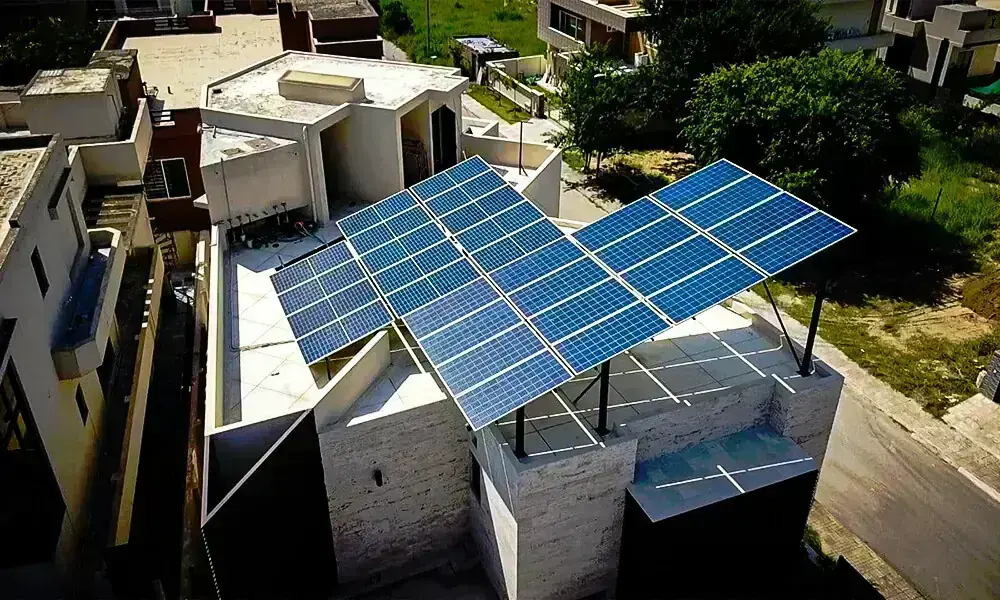
    Baluchistan Wheels Ltd has signed an agreement with Reon Energy Ltd for the supply and installation of a 1 megawatt-peak (MWp) solar photovoltaic system at its plant in Hub, Balochistan.

    The listed company disclosed the development in a notice to the Pakistan Stock Exchange (PSX) on Monday.

    “This is to inform that Baluchistan Wheels Limited has signed an agreement with Reon Energy Limited, 3rd Floor, Dawood Centre, MT Khan Road, Karachi, for the supply and erection of a 1 MWp solar PV system at our plant located in Hub, Balochistan.

    “The project is expected to start power generation in April, 2027,” read the notice.

    Masood Textile successfully operationalizes 6.2 MW solar PV capacity, plans to expand to 10 MW

    Solar photovoltaic (PV) technology is a clean, cheap, and environmentally friendly method of generating electricity, and it is rapidly emerging as a leading energy source globally and in Pakistan.

    The total installed capacity of solar PV panels across Pakistan reached 33 gigawatts by October 2025. The market is expected to grow at a Compound Annual Growth Rate (CAGR) of 2.5% from 2022 to 2027.

    Baluchistan Wheels Limited was incorporated in Pakistan as a public limited company in 1980. It was established with the technical collaboration of GKN Sankey Limited, UK, and is located in Hub, Baluchistan.

    The company’s principal activity is the manufacturing and sale of automotive wheel rims for cars, buses, trucks, tractors, and mini-commercial vehicles. BWHL has an annual production capacity of approximately 2.5 million wheels.

    The future outlook for the company suggests potential challenges from higher fuel prices, a reversal of the monetary easing cycle, and supply chain disruptions stemming from the Middle East crisis, which could negatively impact automobile sales and, consequently, BWHL’s sales.

    Source: brecorder

  • Nepal PM in India for economic, energy talks

    Nepal PM in India for economic, energy talks

    NEW DELHI: Nepal’s Prime Minister Balendra Shah was given the red-carpet treatment Monday, as he was greeted by Indian counterpart Narendra Modi ahead of talks on economic and energy ties.

    The rapper-turned-politician, who came to power following a wave of youth-led anti-corruption protests in September 2025, is on his first trip to a neighbouring country since taking office in March.

    Shah, 36, wearing his trademark sunglasses and dressed in black, gripped the hand of Modi, 76, dressed all in white.

    Nepal, a landlocked Himalayan nation of 30 million people, has long had to balance its relations with its two giant neighbours India and China.

    India is Nepal’s largest trading partner, accounting for more than 60 percent of its imports, worth $8.6 billion, while China accounts for 13 percent, or $1.8 billion, according to World Bank figures.

    Shah was given a military honour guard parade at the presidential palace in New Delhi.

    India’s foreign ministry has said Shah’s visit will provide an opportunity to “further strengthen” ties between New Delhi and Kathmandu

    Shah arrived in India on Sunday and met Foreign Minister Subrahmanyam Jaishankar to discuss “trade, transit commerce, energy”, Nepal’s foreign ministry said.

    Unlike his predecessors, Shah had initially refrained from foreign visits since becoming prime minister.

    His first overseas trip was to New York in September, where he addressed the United Nations General Assembly as Nepal reeled from a deadly tsunami-like flood, triggered by a high-altitude glacial mountain collapse, that killed more than 1,400 people and left 5,000 missing.

    Nepal, a largely rural country that contributes little to global greenhouse gas emissions, estimates reconstruction will cost $4.78 billion.

    Source: brecorder