India head coach Gautam Gambhir said he was concerned by his side’s batting collapses after they were bowled out for 89 in a 244-run loss to New Zealand in the fourth one-day international on Friday, with conditions resembling those they could face at next year’s World Cup.
The visitors, who lead the five-match series 2-1, were skittled for 89 in Mount Maunganui after earlier slipping to 111-7 while chasing 135 in the rain-affected second ODI, which they narrowly won via the DLS method.
“You are always concerned when you get bundled out for 90-odd, why won’t I be concerned?” Gambhir told reporters.
“I think I will be concerned because obviously these are conditions which are going to be closest to what we might get during the World Cup.”
The 2027 ODI World Cup will be hosted by South Africa, Zimbabwe and Namibia, where conditions are expected to offer a greater contest between bat and ball than the typically batter-friendly pitches in the Indian subcontinent.
“When you play in India, obviously you all know that there is hardly anything for the bowlers, but when you come in these conditions, you know that there is actually a good contest between bat and ball…” Gambhir said.
The former India opener said the manner of the dismissals, rather than the low totals themselves, was the bigger concern.
“I think the bigger concern is not the runs, it’s how quickly we got bundled out.
“Hopefully we can try and rectify that as soon as possible.”
New Zealand cannot win the series but can force a drawn outcome by winning Sunday’s final ODI at the same venue. The third match was abandoned because of rain.
Insured losses from the Microsoft 365 and Exchange Online outage could total around $700 million, Shalom Bublil, co-founder and chief product officer at Kovrr, said on Friday.
Bublil gave a preliminary range of $300 million to $1.4 billion for the outage, which began at 1617 GMT on Thursday. The estimate is based on the outage being resolved by 1900 GMT on Friday.
He based his estimate on economic losses of about $16 billion on a lost-productivity basis, with the gap between the economic and insured loss estimates reflecting restrictions on cover for non-malicious failures at technology providers and low cyber insurance uptake among small businesses.
Bublil described the figures as a “back-of-an-envelope” assessment, with most adjustment factors representing working estimates. Severity was the most sensitive assumption, while longer disruption during US business hours on Friday would increase insured losses, he said.
In an update around 1300 GMT on Friday, Microsoft reported continued recovery across affected regions but said some users could still experience intermittent access issues or delayed email. It said there was no evidence of malicious activity.
Market sources told The Insurer the scale of cyber insurance claims arising from the outage would depend on whether affected companies have business interruption cover for accidental failures at technology providers and could demonstrate financial losses.
One reinsurer said it expected losses similar to those arising from the July 2024 CrowdStrike outage. An estimate by reinsurance broker Guy Carpenter (now Marsh Re) in January put insured losses from the CrowdStrike outage at approximately $250 million.
One broker said it had already received claims notifications relating to the outage.
“It’s a covered loss in many good cyber policies from a sort of system failure perspective,” Tom Dryden, partner at broker McGill and Partners, said. “It’s exactly the sort of event the market has been sort of concerned about from a broader systemic perspective, quite similar to that CrowdStrike outage of 2024.”
WHAT TRIGGERS BI COVER?
One cyber broker said some SME policies required a security failure or cyberattack before cover responded, potentially excluding losses from an accidental outage.
Other policies extend business interruption protection to non-malicious system failures. However, customers must establish whether that cover also applies to failures at outside technology providers, through dependent or contingent business interruption provisions.
Beazley’s published policy guidance, for example, includes dependent business interruption arising from either a dependent security breach or a dependent system failure.
Two cyber brokers who spoke to The Insurer cited waiting periods of 8 to 12 hours before business interruption cover could respond, depending on the policy and the duration of each customer’s qualifying disruption.
One broker also identified evidence of financial loss as a potential obstacle, particularly for professional services companies. Disruption to email may delay work at such companies without permanently reducing revenue if staff are able to rectify missed progress on work at a later date.
Beazley’s guidance says unproductive employee time alone does not establish an income loss where the business ultimately earns its normal revenue. Reasonable additional expenses incurred to avoid or reduce lost income may nevertheless be recoverable, depending on the policy. These could include temporary workarounds or additional staffing costs.
“It’s a bit early to tell [about losses], but there probably will be some slightly nervous insurers around the systemic nature of this,” Dryden said.
The federal government has extended the deadline for civil servants to digitally submit their declarations of assets for financial year 2025-26 through the Federal Board of Revenue (FBR) portal to November 30, 2026.
According to an Office Memorandum issued by the Establishment Division, 2026, the extension has been granted with the approval of the Prime Minister in relaxation of Rule 12(6) of the Civil Servants (Conduct) Rules, 2026.
The Establishment Division said the deadline for digital submission of Declarations of Assets (DoAs), initially communicated through its Office Memorandum dated September 16, 2026, had been extended to November 30, 2026.
It also extended the deadline for submission of corrections in the declarations, subject to approval of the respective Cadre Administrator, until December 31, 2026.
The division has directed all ministries, divisions and cadre administrators to issue necessary instructions to officers under their administrative control to ensure digital submission of their asset declarations within the extended deadline.
NEW DELHI: India’s merchandise trade deficit widened to a one-year high of $39.88 billion in October, exceeding forecasts as festive-season gold purchases and higher energy costs drove up imports.
The deficit topped the $32.25 billion forecast in a Reuters poll and widened from $30.21 billion in September.
The trade deficit last hit a record $42.58 billion in October 2025.
Gold imports more than tripled to $5.51 billion from $1.8 billion in September, as jewellers and consumers stepped up purchases ahead of the Diwali festival, when buying gold is considered auspicious.
India, the world’s second-largest gold consumer, relies heavily on imports to meet demand. The country’s market regulator nudged asset management firms in mid-October to halt bulk purchases of gold exchange-traded funds to limit investment demand for gold-backed products.
A senior official said the recovery in gold imports was likely driven by a correction in global prices and pre-festive demand, though trade flows are influenced by multiple factors.
India, the world’s third-largest oil consumer after the United States and China, has also faced higher import costs due to energy-market disruptions caused by the Middle East conflict. The country imports nearly 85% of its crude needs.
Imports of petroleum products, mainly crude oil, rose 54.31% year-on-year to $22.82 billion in October, reflecting the price surge. The average Indian crude basket had neared $120 a barrel, according to government estimates.
Brent crude futures have since then fallen to around $95 a barrel, offering relief amid hopes of de-escalation following the Democrats’ victory in the US midterm elections.
Merchandise exports rose to $49.47 billion in October from $44.4 billion in the previous month, government data showed, while imports increased to $89.35 billion against $74.61 billion in September.
“India recorded its highest-ever monthly goods exports in October 2026,” Trade Secretary Rajesh Agrawal said on Friday, citing a rise in exports of petroleum, electronics, engineering products and gems and jewellery.
Indian exports have grown steadily this year, helped by market diversification and new trade deals with the UK and New Zealand, while a significant agreement with the European Union is expected to take effect early next year.
Overall, goods and services exports rose 16.66% year-on-year to $568.84 billion during April through October, while imports increased 16% to $662.19 billion, widening the trade deficit to $93.35 billion from $83.25 billion, the data showed.
Exports to the US
Talks between India and the US were “on the right track,” Agrawal said, adding that teams on both sides were engaged.
The two countries are working on finalising the first tranche of a trade deal, despite President Donald Trump’s Republican Party suffering heavy losses in the midterms and losing control of both chambers of Congress.
Exports to the United States, India’s top market, rose to $59.52 billion during April through October from $51.99 billion a year earlier, a trade ministry official said.
India’s services exports were estimated at $40.51 billion in October and imports at $20.72 billion, resulting in a services trade surplus of $19.79 billion, trade ministry estimates showed.
The Pakistani rupee continued its marginal gain against the US dollar in the inter-bank market on Friday.
The local unit closed the day at 276.60, a gain of Re0.01 against the greenback.
On Thursday, the rupee had closed at 276.61 against the dollar.
Internationally, the US dollar held near a 19-month high on Friday after a strong week of gains on rising bets of a larger Federal Reserve rate hike, pushing the Japanese yen back near the key 160 mark that has left traders on alert for intervention.
Treasury yields rose after US President Donald Trump said the US does not need a deal with Iran and as traders weighed the chance of a larger-than-usual Federal Reserve rate hike next month.
Two-year Treasury yields gained 34 basis points over the past two sessions, the sharpest two-day rise in 3-1/2 years.
The euro dropped 0.1% to $1.1049, hovering near its lowest level against the dollar since April 2025. For the week, it was down 0.8%, on track for its largest weekly loss since late September.
Fed officials this week warned that US inflation remains stubbornly elevated, with some signalling openness to a 50-basis-point rate increase if price pressures fail to ease.
Traders are pricing in a 14.5% chance of a large hike next month, up from 0% last week, the CME FedWatch tool showed.
Investors are also keeping an eye on upheaval in technology stocks in the wake of Nvidia CEO Jensen Huang’s departure, in a sector already pressured by funding and regulatory concerns.
The Japanese yen was largely unchanged at 159.875 per dollar, near its lowest level since early September, fuelling intervention concerns.
Japanese Finance Minister Satsuki Katayama said on Friday that the government will respond appropriately to currency volatility as the yen briefly hit the key 160-per-dollar line on Thursday.
The dollar index, which measures the greenback against a basket of currencies, was last down 0.05% at 103.17, remaining at its highest since April 2025.
Oil prices, a key indicator of currency parity, were mixed on Friday and headed for a second weekly decline as the US focus on its blockade of Iran and other economic pressure eased fears of renewed direct conflict, though shipping attacks remained a supply risk.
Brent futures rose 39 cents, or 0.4%, to $96.21 a barrel at 1200 GMT. US West Texas Intermediate (WTI) futures were down 12 cents, or 0.1%, to $88.62 a barrel.
Inter-bank market rates for dollar on Friday
BID Rs 276.60
OFFER Rs 276.80
Open-market movement
In the open market, the PKR lost 10 paise for buying and 4 paise for selling against USD, closing at 277.19 and 278.27, respectively.
Against Euro, the PKR gained 55 paise for buying and 70 paise for selling, closing at 306.10 and 309.22, respectively.
Against UAE Dirham, the PKR gained 1 paisa for buying and lost 1 paisa for selling, closing at 75.46 and 76.10, respectively.
Against Saudi Riyal, the PKR lost 2 paise for buying and remained unchanged for selling, closing at 73.81 and 74.36, respectively.
“The entire conversation around climate change was, ‘Pakistan…it’s Pakistan now, but the world next,’ 23-year-old Maryam Jamali recalls. “But no one from those communities was present at COP.”
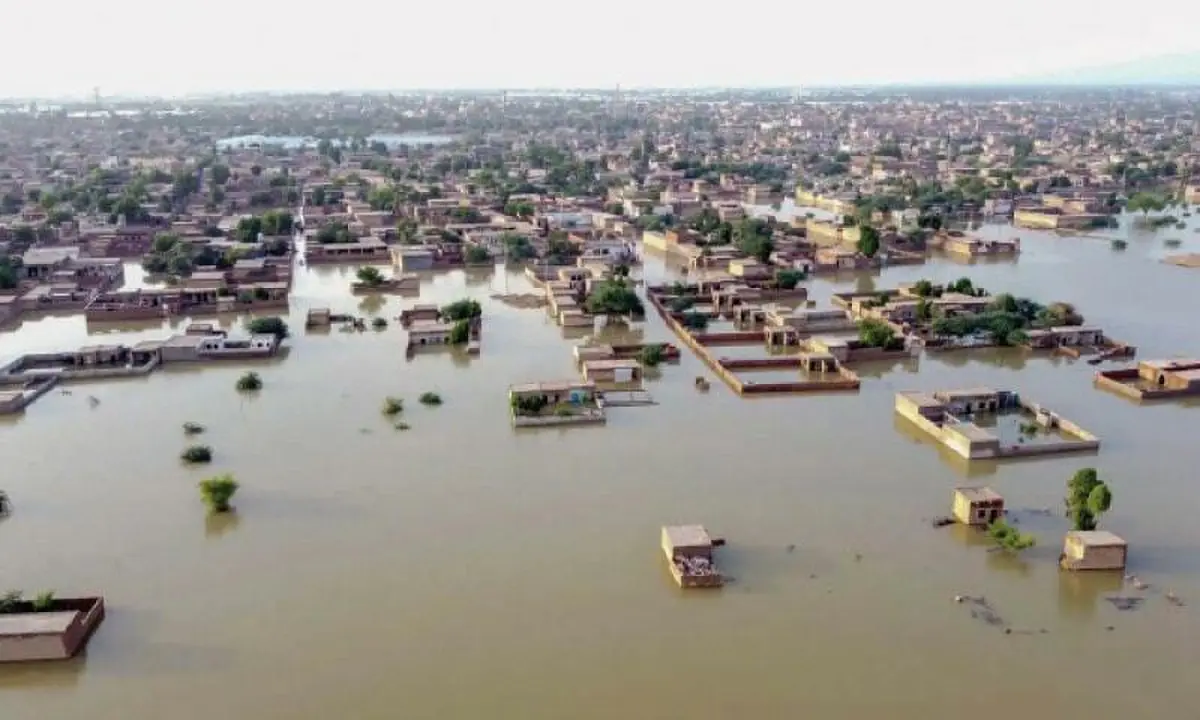
Co-founder of Madat Balochistan, a women and indigenous-led grassroots organisation dedicated to rehabilitating communities affected by climate change, Jamali became a climate activist during the catastrophic floods of 2022. As her family and community members faced its devastation, Jamali used phone calls to coordinate relief efforts in Sindh and Balochistan. It soon became apparent to her, however, that her work was akin to putting a bandaid on a gunshot wound. The communities at the forefront of climate disasters could not just be passive recipients of reactive relief work, she realized. They should have the leverage to determine what prevention, recovery and rehabilitation means for them before catastrophe strikes their homes and fields.
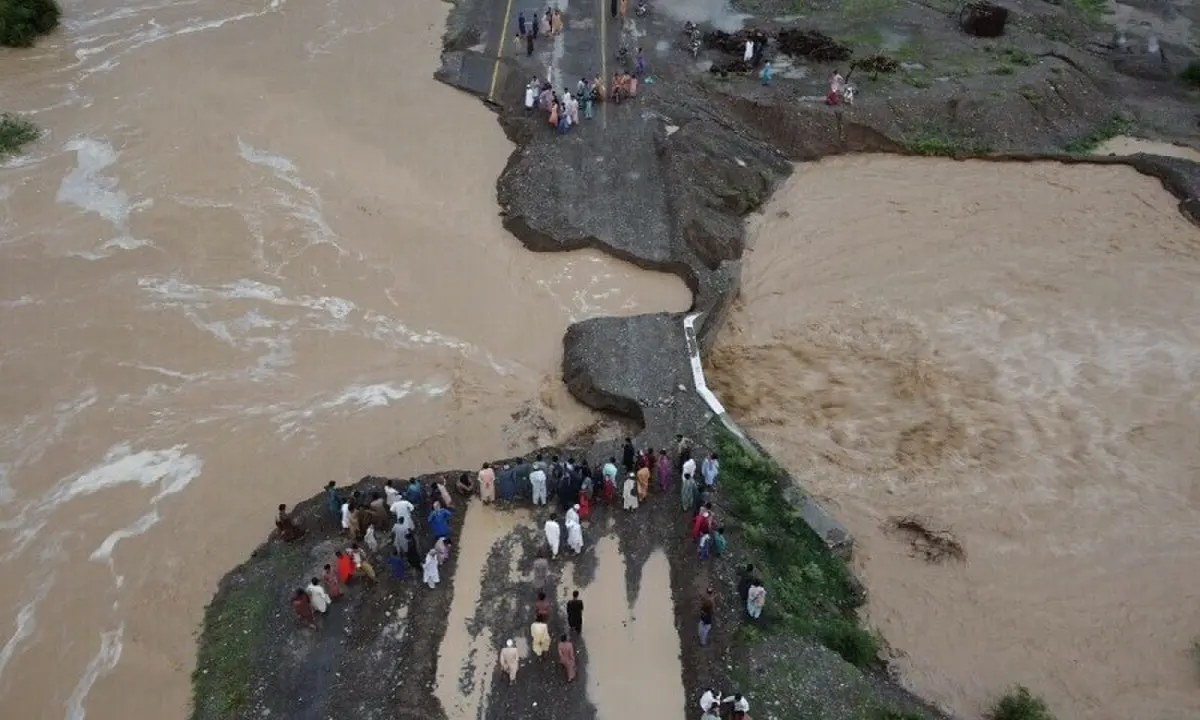
A view of a crossing flooded after rains in Lasbela district.
Moved by her experience, Jamali decided to apply for participation in the 27th edition of United Nations Framework Convention on Climate Change (UNFCCC) COP, scheduled to be held in Sharm el-Sheikh, Egypt in November that year. It proved to be a challenge and she soon realized, she wasn’t experientially equipped enough to navigate the bureaucratic process and international networks that could support her accreditation and funding.
She didn’t give up. She applied for COP28, and then, again, for COP29. On this attempt, she managed to secure a conference badge with the help of a friend through a sponsoring organisation. COP29 took place in Baku, Azerbaijan and Jamali soon ran into a funding issue. She turned to online fundraising for support, but of the USD 2500 required at the time for the trip, Jamali was only able to raise USD 2000 (approximately PKR 555,600 in 2024).
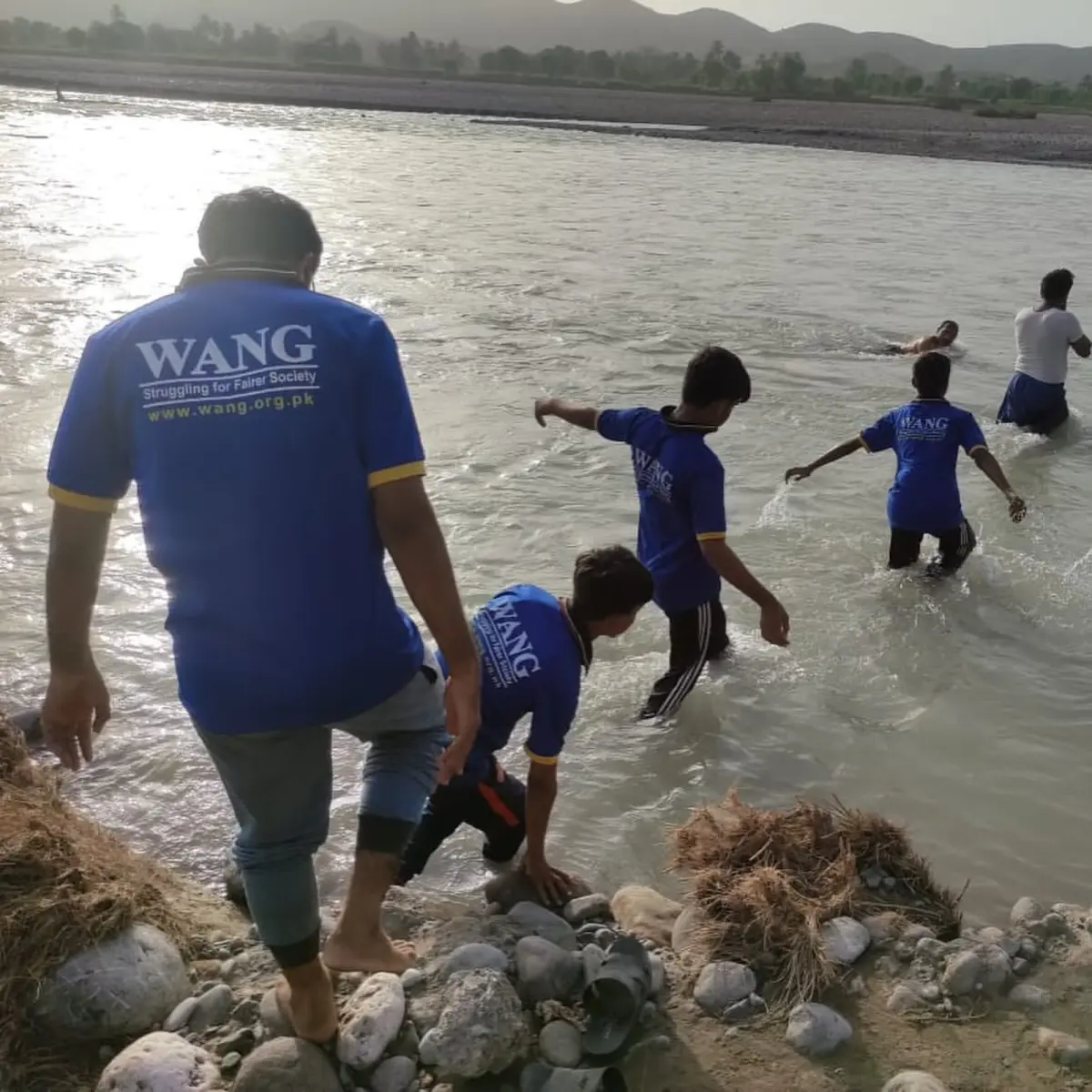
Jamali is not the only one who ran into this wall. Aitzaz Roonjha is an 18-year-old climate activist from Lasbela, Balochistan. He began work in 2022 by joining WANG (We Are New Generation), a youth-led organisation, which worked on flood relief and recovery in Balochistan.
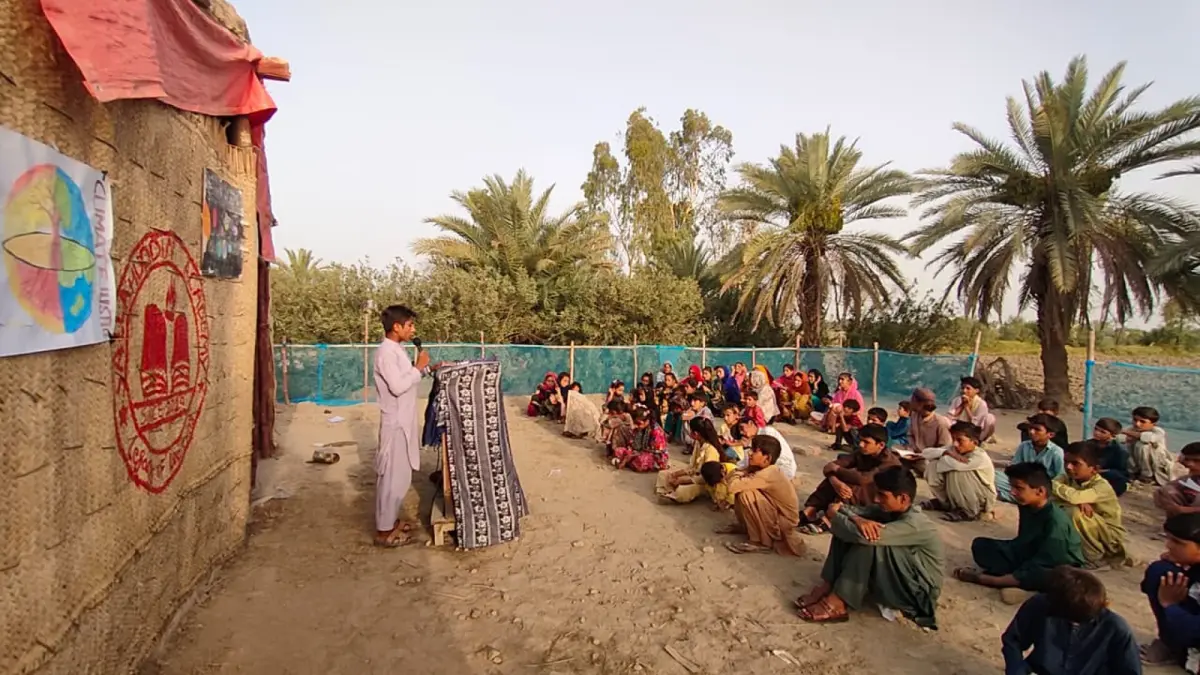
Madat Balochistan holds al camp to raise awareness about climate change in affected communites.
Last year, Roonjha applied and was selected to attend COP30, but he couldn’t make it because the selection did not include financial assistance. He reached out to many organisations and international groups he had worked with previously but couldn’t secure enough funding to cover travel, accommodation, and visa costs.
And travel costs are not the only problem. Attending international climate conferences, Jamali says, often hinges on personal connections and organisational affiliations. “It’s a very, very secretive process,” she says.
She noted that activists from major cities and more privileged, urban backgrounds managed to gain greater access to these international forums than people who are practically on the frontlines of climate catastrophes. “These climate forums are inaccessible to working class people or actual climate affectees who are experiencing climate change on the ground,” she says.
Volunteers from WANG engaged in relief work
Roonjha says WANG provided a foundation for his work through which he gained hands-on experience, began pursuing further opportunities, and earned recognition. “Even with my experience in climate work and the backing of an organization, I still couldn’t make it to the COP,” he says. “Aspiring to attend COP and actually being able to attend COP are two very different things.”
The money and the badge
Many young climate activists work in an individual capacity in their communities since structural funding is hard to come by, so they have to rely on more recognized climate organizations to access major forums like COP.
Durlabh Ashok, founding director of Climate Forward Pakistan (CFP), a leading youth-led climate organisation that sends delegations to COP every year, says the organisation offers limited financial assistance to its delegates. It supports delegates through subsidised accommodation, accreditation assistance, and speaking opportunities, while delegates are normally supposed to pay for their own travel, meal, and other expenses.
“We don’t want to operate as a grant-driven organisation because that inevitably gives us inherent clout over funding decisions,” Ashok says.
However, the model leaves delegates responsible for taking the financial obligations of the participation. Applicants may be ascertained on the basis of their climate related work and the familiarity with the UNFCCC procedure, but they must also showcase that they can fund their participation either on their own or through sponsorship.
Climate activists from underrepresented communities often deal with additional impediments of participation. A person with years of grassroots experience supporting climate-hit communities which are on the frontlines of climate disasters find it difficult to access the networks of these organisations compared to their counterparts operating from more urban settings.
This year, for example, of the cohort selected by CFP, only one activist from Balochistan made the cut.
While admitting the challenge, Ashok says that CFP seeks to keep the COP route accessible by providing necessary documentation to delegates in order to approach potential sponsors while assisting them with logistical arrangements, including visas and accreditation.
There is no restriction on paper, just between the lines
There is no explicit requirement under UNFCCC rules for climate activists to come from an urban or privileged background. For NGO observers, participation generally takes place through organisations that have been conferred observer status, which then nominate delegates within their allocated quotas. Travel, meal and accommodation are not particular requirements for securing observer status, but they still can determine whether a nominated delegate can turn their formal selection into actual participation.
An aerial view shows a flooded residential area in Balochistan province.
The UNFCCC has also noted concerns regarding geographical diversity and representation in observer participation. The UNFCCC has admitted the financial obstacles confronted by observer organisations from marginalized communities and developing countries and has planned to explore ways to facilitate broader participation. Currently, there is no specific funds generally available to observer organisations as compared to the Trust Fund for Participation that provides financial assistance only to the representatives of developing country Parties.
Even those who eventually make it to the COP as representatives of observer status do not have the same negotiating impactful role as country negotiators. Observer organisations can participate in supplementary events, deliberations, campaignings, networkings, while official negotiations come within the domain of Country Parties.
You’ve made it! Now what?
But, suppose, a young climate activist somehow jumps through all the hoops: they arrange the funds, navigate the system, get accreditation, and manage to reach the conference, what happens then?
Irfan Azad succeeded in making it to the climate conference in 2025.
His climate works started during the 2022 floods. He collected donations, coordinated relief efforts and ran volunteer medical camps. After a survey of over 1,000 homes, he started to focus on and set up Salahuddin Academy in his village, Goth Salahauddin Pandrani in Jaffarabad District, for 100 children.
He began to wonder and question why communities are continuously vulnerable to similar disasters such as major floods in 2008, 2010, 2012 and then 2022 even after taking big pledges every year in global climate summits.
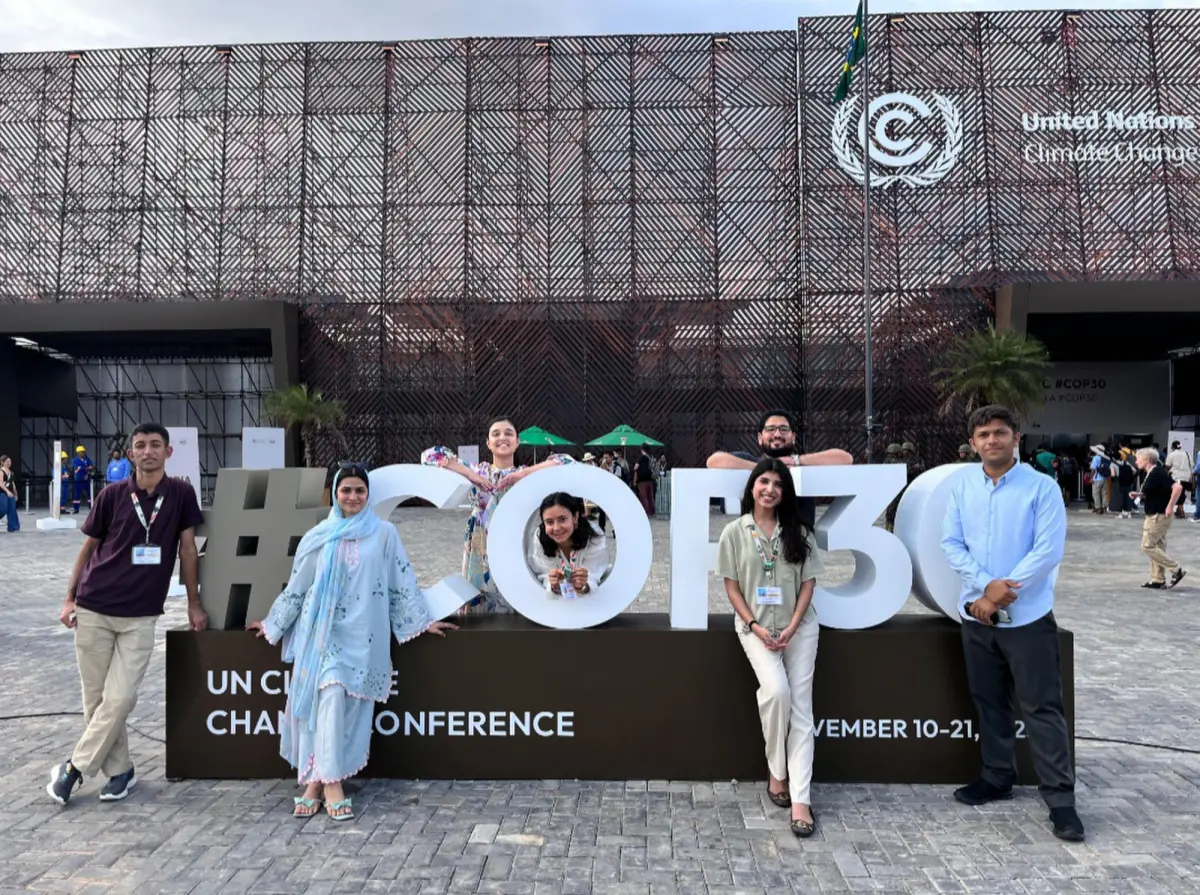
He was selected to attend COP30 through Climate Forward Pakistan (CFP), however, he was required to submit $2,200 (approximately PKR 620,448 at the time) for the trip. Jamali, who had managed to collect a sizable amount in her previous fundraising efforts, was happy to add to Azad’s pool.
Azad with other members of his cohort at COP30 held in Brazil.
“I arrived in Brazil with meagre cash, no ATM card and limited preparation in order to navigate an unfamiliar language and a foreign country,” he says. Azad initially had access to the Green Zone — a space managed by UNFCC which is open to the general public— while receiving entry to the Blue Zone — where the formal negotiations take place under the management of the host country — only during the final days of the conference.
Azad spent much of his time talking with global indigenous communities in the Green Zone and hearing about their experiences regarding climate change, while climate negotiations went on among world leaders, disconnected from the affectees right outside their door. To Azad, it became obvious that even being in the room did not guarantee a seat at the table.
ISLAMABAD: The Election Commission of Pakistan (ECP) has given the Prime Minister’s Office (PMO) a fortnight to submit the federal government’s formal written request for local government elections in cantonment boards, warning that it would be constrained to pass appropriate orders if no response was received, it emerged on Friday.
Cantonment boards last held LG elections in 2015 and 2021. Previously, the ECP said delimitation in all cantonments had been completed, but it was awaiting formal request and response from the Ministry of Defence, to which it had written several letters and also sent a letter to the prime minister without response.
The direction was issued in an order passed on November 10 by a five-member ECP bench headed by Chief Election Commissioner Sikandar Sultan Raja. The order, available on the commission’s website, came during proceedings on the delay in holding local government elections in 42 cantonment boards across the country.
The commission noted that the terms of the local governments in the cantonment boards had expired on April 11. Under Section 219(4) of the Elections Act, 2017, the ECP is required to hold local government elections within 120 days of the expiry of their terms. Accordingly, the elections were due by August 8.
The ECP had issued a schedule for delimitation of wards in 42 cantonment boards on January 11, with the final delimitation list published on April 20, as per the order.
A consultative meeting was held on April 15 with the additional secretary of the Ministry of Defence and the director general of the Military Lands and Cantonments Department (ML&CD) to discuss the election schedule and obtain the federal government’s formal request under Section 19-D(2) of the Cantonments Act, 1924, the order stated.
The commission had directed the defence ministry to initiate a summary for obtaining the federal government’s request and forward it to the ECP.
It subsequently wrote to the defence secretary on May 14 and June 16, with a reminder on June 3, seeking the required document, the order read. CEC Raja also wrote to the prime minister on July 16, seeking his intervention to ensure the submission of the formal request, it added.
However, the federal government did not furnish the document, prompting the ECP to take up the matter on July 21.
Representatives of the defence ministry and ML&CD expressed their readiness to facilitate the elections, while the commission directed them to pursue the matter with the PMO and report back on progress.
The ECP said it continued to seek updates through letters and reminders issued between July 31 and October 9, but the required request remained pending.
At a hearing on Oct 28, the legal adviser representing the respondents sought a two-week adjournment, citing the senior leadership’s engagement in important national and international affairs. The commission allowed the request and fixed the next hearing for Nov 10.
At Tuesday’s hearing, Brigadier (retired) Falak Naz, who is the legal adviser to the defence ministry, and Additional Director General of ML&CD Khalil Ahmad Rana told the commission that the ministry was ready to hold the elections, but the matter remained pending with the PMO.
They said the defence ministry had already forwarded the requisite request to the federal government and that there had been no delay on its part. However, no response had been received. They sought further time to pursue the matter.
Meanwhile, the special secretary (policy) informed the commission that all necessary arrangements for the elections had been completed and requested it to pass an appropriate order.
After examining the record and hearing the parties, the ECP observed that it had made repeated efforts through correspondence, reminders, meetings and hearings, but the federal government had yet to fulfil the requirement under Section 19-D(2) of the Cantonments Act.
The commission said both it and the defence ministry were ready to conduct the elections, adding that ministry representatives had confirmed that the matter was pending with the PMO.
It noted that Articles 140-A and 219(d) of the Constitution, read with Section 219 of the Elections Act, 2017, placed an obligation on the ECP to hold local government elections in the provinces, Islamabad and cantonment boards.
The commission directed its office to once again approach the PMO through a formal letter, seeking submission of the federal government’s written request within a fortnight.
It warned that failure to receive a response within the stipulated period would leave it with no option but to pass appropriate orders.
The ECP also directed its office to take follow-up action and relist the matter after three weeks.
Of the 42 cantonments across the country, 20 are located in Punjab — Rawalpindi, Chaklala, Taxila, Wah, Attock, Kamra, Sanjwal, Jhelum, Mangla, Kharian, Murree Hills, Sargodha, Shorkot, Gujranwala, Sialkot, Lahore, Walton, Okara, Multan and Bahawalpur.
Khyber Pakhtunkhwa has 11 cantonments — Peshawar, Nowshera, Cherat, Risalpur, Mardan, Kohat, Bannu, Dera Ismail Khan, Abbottabad, Havelian and Murree Gallies. Sindh has eight cantonments — Pano Aqil, Hyderabad, Karachi, Clifton, Manora, Malir, Faisal and Korangi Creek.
And, in Balochistan, there are three cantonments— Quetta, Loralai and Zhob.
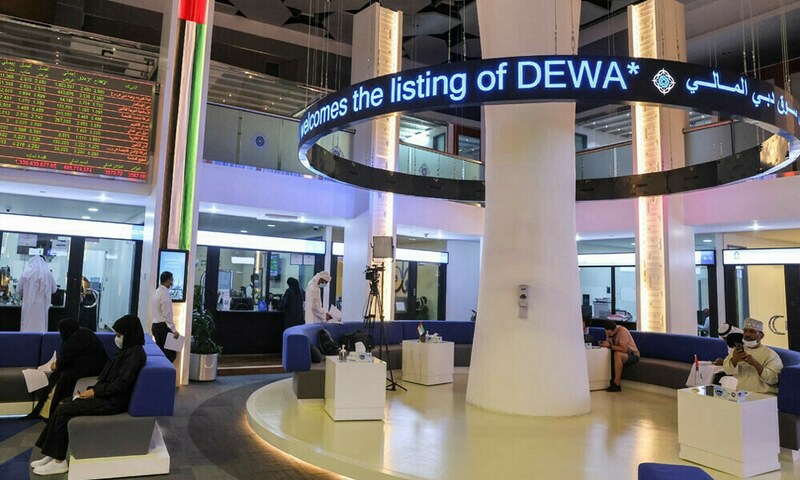
Dubai’s main market index declined 0.6%, retreating from a near five-month high touched in the previous session. Blue-chip developer Emaar Properties dropped 4.5%, while toll operator Salik Company slipped 2.5%.
Salik Company’s third-quarter net profit decreased 8.5% to 341.1 million dirhams ($92.88 million), while Q3 revenue declined 5.7% year-on-year.
Among losers, Dubai’s budget carrier Air Arabia slumped 1.2% following a 42% drop in its third-quarter net profit to 383 million dirhams ($104.29 million).
Abu Dhabi’s benchmark index fell 0.6%, snapping a four-session winning streak, weighed down by a 2.2% decrease in Abu Dhabi Islamic Bank, while its largest lender, First Abu Dhabi Bank, dipped 0.8%.
Alternative investments firm Investcorp Capital declined 4.7% after reporting an 83% fall in first-quarter net profit to 2 million dirhams ($544,573.33).
The Dubai and Abu Dhabi indices recorded weekly gains of 2.9%, according to LSEG data.
However, oil prices — a key catalyst for the Gulf’s financial market — gained after attacks on Saudi energy infrastructure escalated and shipping disruptions through the Strait of Hormuz threatened global oil flows.
Brent crude was up 0.16% at $95.97 a barrel by 1202 GMT.
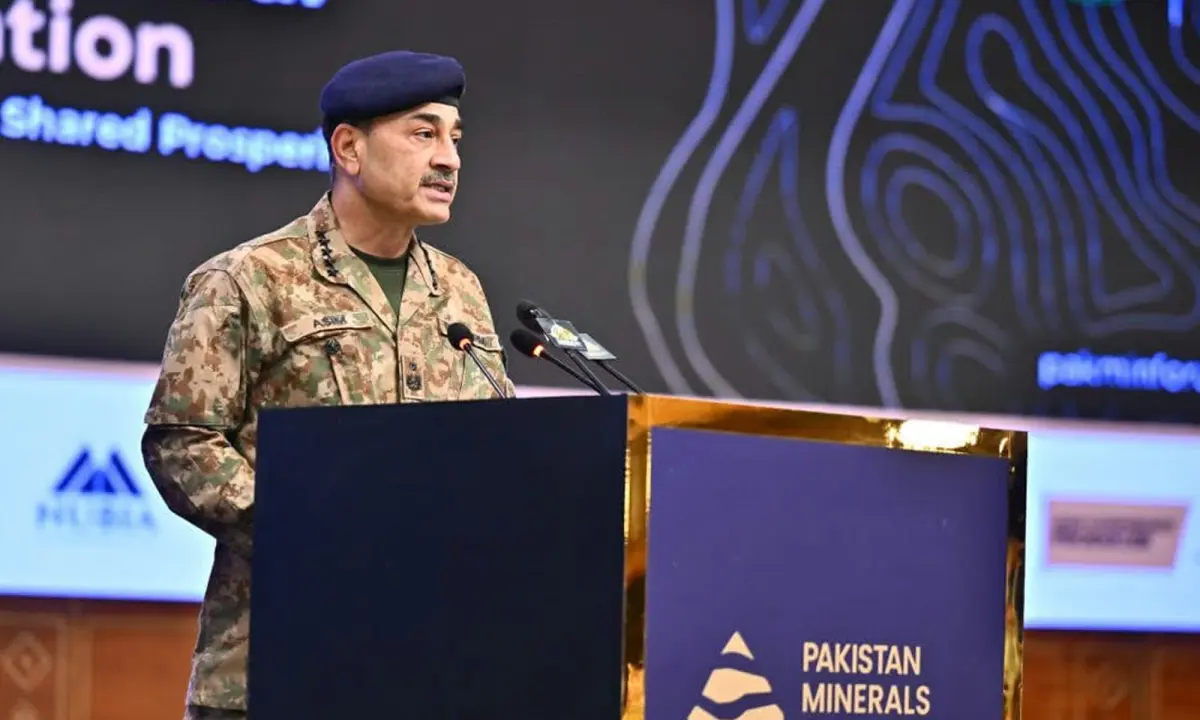
Chief of Army Staff and Chief of Defence Forces Field Marshal Syed Asim Munir on Friday said Pakistan aims to become a competitive destination for long-term mineral investment, state media Radio Pakistan reported.
He was addressing the participants of the Pakistan Minerals Investment Forum 2026 in Islamabad.
The field marshal said all possible measures are being taken to ensure the security of the entire mining ecosystem.
“Mines and miners, investments, industries, projects and all associated people would be provided adequate protection,” he said.
CDF Munir said harnessing Pakistan’s mineral wealth is a collective national objective.
He emphasised that the country’s goal is not merely to export raw materials but to develop the entire value chain, including refining and manufacturing.
“Pakistan seeks to foster long-term partnerships that create sustainable economic value for the country and its partners,” he said.
He stressed that mineral development must benefit local communities, adding that people living in mineral-rich areas should witness tangible improvements in their lives.
Field Marshal Munir highlighted that the people of Pakistan are hardworking, courageous and determined, with immense potential to turn dreams into reality.
He observed that while the country’s resources provide opportunities, its people are the source of strength and determination needed to achieve results.
The chief of defence forces emphasised that Pakistan must move from potential to productivity, from promises to action, and from raw exports to value-added growth.
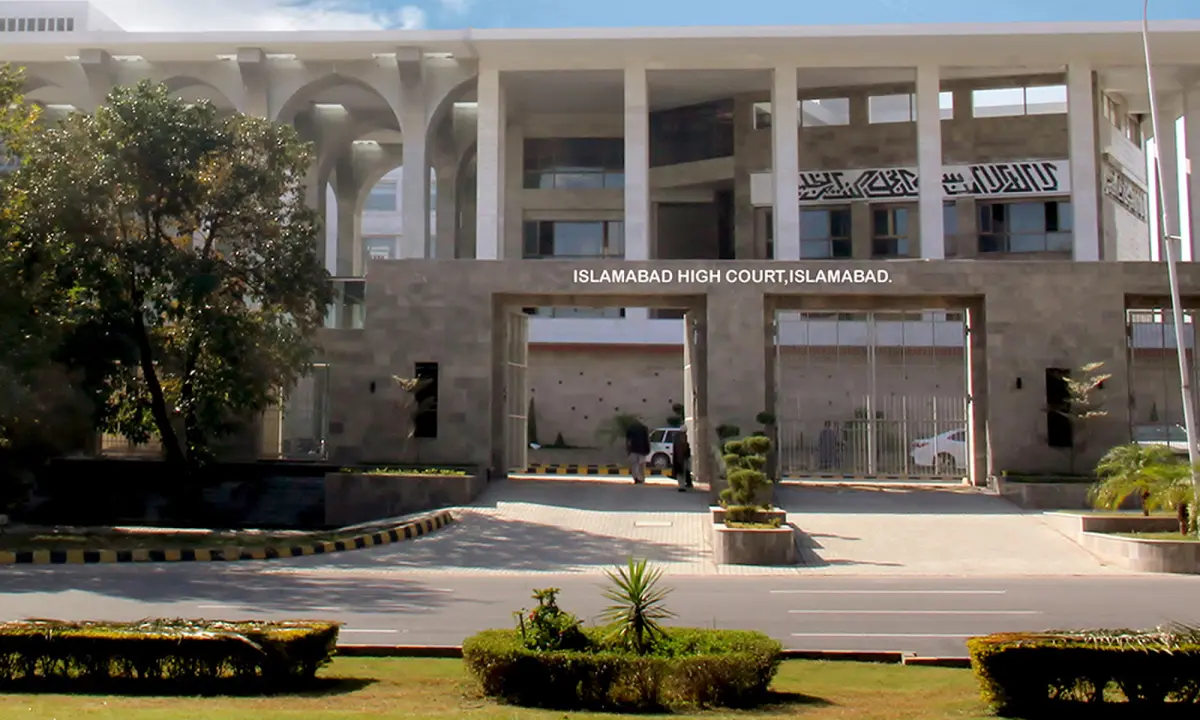
The Islamabad High Court (IHC) has suspended the Election Commission of Pakistan’s (ECP) notification announcing the schedule for local government elections in the federal capital, putting the December 20 polls on hold once again, Aaj News reported.
Hearing the petition filed by citizen Amjad Ali, Justice Omer Majid Malik on Friday issued the stay order while hearing a petition seeking a halt to the local government elections, due to concerns over legal requirements.
The court suspended the election schedule, issued notices to the ECP and other relevant parties, and sought detailed responses by November 26.
According to the written order, the petitioner’s request for suspension of the election schedule was accepted.
During the hearing, the petitioner’s lawyer, Advocate Adil Aziz Qazi, argued that the ECP was legally responsible for ensuring free, fair and transparent elections but had overlooked legal requirements in the ongoing electoral process.
The court’s order suspends the election schedule issued by the ECP on October 21 until November 26, when the matter is expected to be taken up again after the respondents submit their replies.
The last local government elections in Islamabad were held in 2015, while the constitutional term of the elected local government ended in February 2021.
Since then, repeated amendments to local government laws, changes in the number of union councils and delays in announcing election schedules have left residents of the federal capital without elected local representatives for around five years.
On October 22, the ECP had re-announced the schedule for local government elections in Islamabad, setting the polling day for December 20. This directive instructed the ECP Secretariat to immediately issue the election programme in accordance with the Islamabad Capital Territory Local Government Act, 2015.
This re-announcement had come after a series of postponements and legislative changes, implying that the elections would proceed under existing laws due to the federal government’s failure to enact new legislation. The ECP had expressed “disappointment” over the repeated delays, noting that previous delimitation exercises had been rendered futile by amendments to laws whenever election preparations were completed.
This particular re-announcement had followed the withdrawal of a previous schedule for elections on February 15, 2026, which was postponed due to a Presidential Ordinance that changed the structure of local governments.