Category: Brecorder

  • Russia, Ukraine and US start second day of Abu Dhabi peace talks

    Russia, Ukraine and US start second day of Abu Dhabi peace talks

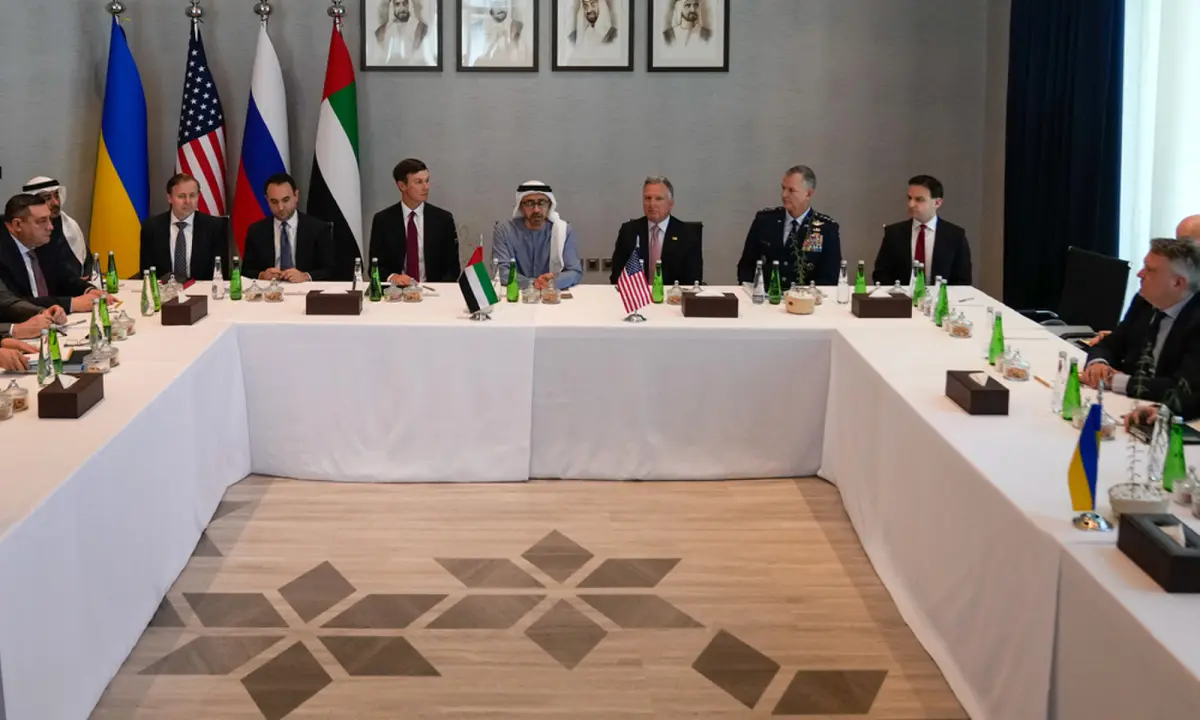
    ABU DHABI: Russian, Ukrainian and US officials began a second day of peace talks in Abu Dhabi on Wednesday, resuming meetings which Kyiv and Washington depicted on Monday as constructive but produced no early signs of a breakthrough.

    Ukrainian and Russian negotiators gave no details after Monday’s US-brokered talks, the first between the two warring sides since February, and Moscow and Kyiv went into the talks far apart on terms for a possible settlement.

    “We are starting the second day of the talks,” Rustem Umerov, Ukraine’s top negotiator, said on the Telegram app. “First, there will be a trilateral format with the United States and Russia. After that, we will have a separate meeting with the European partners.”

    Ukrainian President Volodymyr Zelenskiy, who like Russian President Vladimir Putin is not attending the talks, said Monday’s “substantive” discussions had covered humanitarian and security issues, and that a potential summit of Russian, Ukrainian and US leaders could be discussed on Tuesday.

    US Secretary of State Marco Rubio described the first day of talks as very productive, without giving details. The second day of talks is the last day when meetings are scheduled.

    Trump envoys bring Russia and Ukraine together for first peace talks in 9 months

    Despite public optimism from US President Donald Trump, there has been no sign of major compromises or that new issues are being discussed more than 4-1/2 years after Russia’s full-scale invasion of Ukraine.

    Russian forces control about a fifth of Ukraine, but territory is not the only issue at stake. Others include future security guarantees, which both sides want, and Moscow’s demands that Ukraine adopt neutral status and not join NATO.

    Each said side the other had launched attacks overnight, despite the peace talks being under way.

    Russia struck six large electricity substations in Ukraine’s four central regions, Ukrainian Prime Minister Sergii Koretskyi said. Ukrainian energy company Naftogaz said Russian jet drones had hit one of its facilities in the eastern Dnipropetrovsk region, causing a fire and damaging equuipment.

    Russia hits two cargo vessels, tanker in Black Sea, IFX cites defence ministry

    Drone debris killed two people after hitting an apartment building in Russia’s Smolensk region bordering Belarus, the TASS news agency said, citing the regional governor.

    Russia’s defence ministry said its forces had struck a cargo vessel in the Black Sea southwest of the Ukrainian port city of Odesa that was carrying weapons and military equipment for Ukraine’s armed forces.

    Reuters could not verify the reports.

    New attacks

    Trump has intensified pressure on Kyiv to reach a deal, saying it is time for Ukraine to end the war or face “a very bad thing”. Last week he said the war was close to being settled in a “big beautiful agreement”, but he has frequently predicted breakthroughs that have not materialised.

    The new American drive for a deal has galvanized European officials into pushing for a place at the negotiating table to seek an end to Europe’s deadliest conflict since World War Two.

    Russian Foreign Minister Sergei Lavrov on Tuesday underlined Moscow’s preference for negotiating a broad European security framework before tackling the specifics of the war.

    Zelenskiy speaks to Modi ahead of Ukraine-Russia talks

    European Commission President Ursula von der Leyen said wider security talks should only come after a ceasefire. Lavrov rejected the notion of a truce, saying the Europeans were trying to secure breathing space for Ukraine.

    The Kremlin said on Wednesday the Russian delegation in Abu Dhabi had not been in contact with European representatives there, and that no such contacts were planned.

    In a call with reporters, Kremlin spokesman Dmitry Peskov also said that Russian President Vladimir Putin is being briefed constantly by the Russian delegation about the talks.

    There has been no sign publicly that Putin is willing to drop his demand that Ukraine surrender the entire eastern region of Donbas before a peace deal can be struck.

    Zelenskiy has repeatedly refused to hand over land that Ukrainian troops have died defending.

    Russian advances at the front line have slowed this year, but Moscow has been pounding Ukrainian cities and energy sites, while Ukraine has stepped up attacks on Russian oil refineries and other infrastructure.

    Source: brecorder
  • Copper snaps back as AI worries fade, shortages persist in China

    Copper snaps back as AI worries fade, shortages persist in China

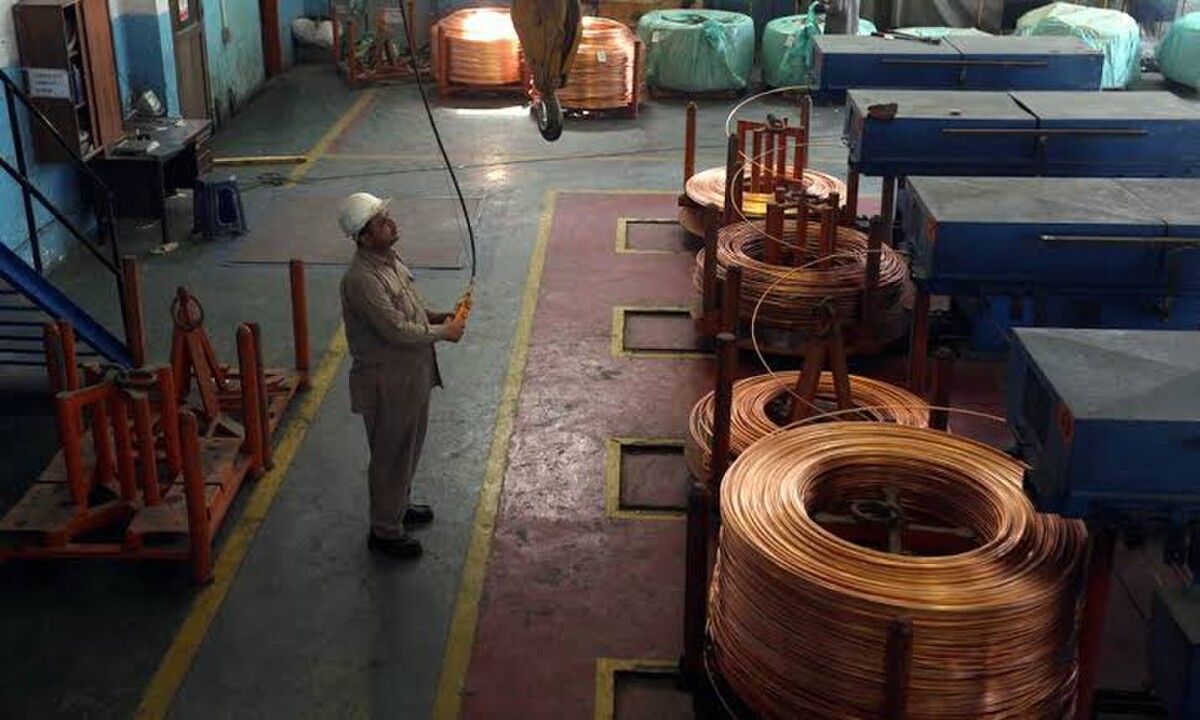
    LONDON: Copper prices picked up on Wednesday after dropping in the previous session on a recovery in investor sentiment about AI companies and shortages in top metals consumer China.

    Benchmark three month copper on the London Metal Exchange gained 1% to $13,796 a metric ton by 1025 GMT, having lost 1.6% on Tuesday and last week recorded its biggest weekly drop since March.

    Much of the losses were due to fears that the sweep by Democrats in the US midterm elections would lead to tougher AI regulation, curbing demand in a fast-growing area for copper.

    “Stock markets are rebounding so that’s helping underpin metals prices. The tech sector hasn’t collapsed yet and doesn’t look like it wants to,” said Ole Hansen, head of commodity strategy at Saxo Bank in Copenhagen.

    Stocks rose on Wednesday as investors focused on a renewed wave of AI optimism after strong results from AI infrastructure firm CoreWeave.

    “The stock market is allowing the market to refocus a little more on the fundamentals, which certainly still remain firmly supportive when we look at China.”

    Premiums have soared in China for spot physical copper cathode as domestic smelter output declined and arrivals of seaborne metal remained limited.

    The Yangshan copper premium, which reflects demand for copper imported into top metals consumer China, remained for a third consecutive day at a record $230 a ton.

    LME aluminium bounced by 1.3% to $3,050 a ton after hitting a three-week low on Tuesday, hit by rising exports from China and hopes for an end to the conflict in the Middle East, a key production area for the metal.

    The London weakness hit prices overnight on the Shanghai Futures Exchange, where aluminium prices touched an 11-month low.

    Declining aluminium stocks in LME-registered warehouses boosted the premium, or backwardation, on the near-term aluminium contract over the LME’s three-month benchmark.

    Among other metals, LME zinc rose 1.1% to $3,753 a ton, lead rose 0.1% to $1,879, nickel gained 0.9% to $16,170 and tin added 0.6% to $46,595.

    Source: brecorder

  • Iran will not allow enriched nuclear material to leave the country, security chief says

    Iran will not allow enriched nuclear material to leave the country, security chief says

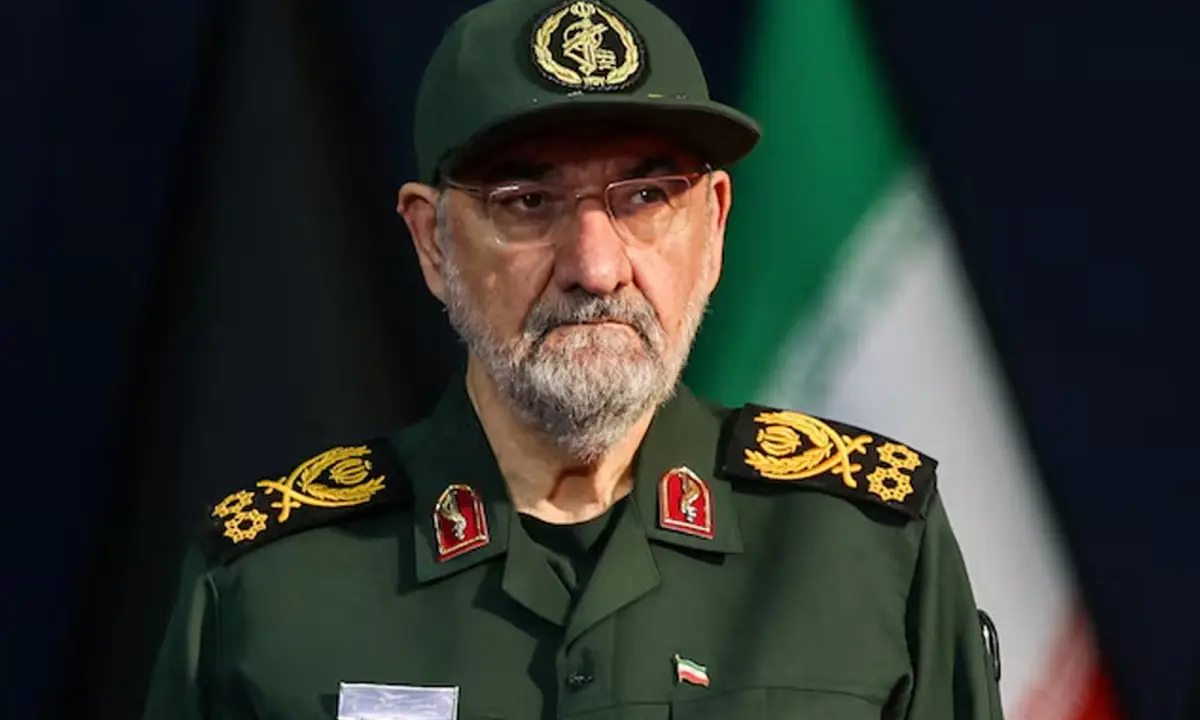
    DUBAI: Iran will not allow even a single particle of enriched nuclear material to leave the country and there will be consequences in the event of any new US strikes on the Islamic Republic, Iranian security chief Mohsen Rezaei said in televised remarks.

    Rezaei was speaking to Lebanon’s pro-Iranian Al Mayadeen TV after US officials downplayed the need for additional military action against Iran, with analysts noting President Donald Trump’s more conciliatory tone since the Republicans’ defeat in the November 3 midterm elections.

    Rezaei has said there are currently no negotiations taking place between Tehran and Washington.

    “Any new US attacks will also be met with targeting US bases far away,” he said.

    Iran’s Supreme Leader has issued a directive that the country’s near-weapons-grade uranium should not be sent abroad, two senior Iranian sources said in May.

    Rubio tells G7 US will keep imposing ‘devastating’ costs on Iran, diplomats say

    The IAEA estimates that Iran had 440.9 kg of uranium enriched to 60% — a level far higher than needed for civilian use — when Israel and the US attacked Iranian nuclear facilities in June 2025. How much of that ⁠has survived is ​unclear.

    Israel, the United States and other Western countries have long accused Iran of seeking nuclear weapons. Iran denies the accusation.

    Washington has said nuclear issues must be part of any initial negotiations with Iran aimed at ending the war between the two countries.

    Iran has sent the United States a nuclear proposal via Qatar, to be discussed only after Washington meets seven demands which Tehran has presented, a senior Iranian official told Reuters last week.

    Source: brecorder

  • Palm climbs over 3% on firmer soyoil, softer stock build

    Palm climbs over 3% on firmer soyoil, softer stock build

    KUALA LUMPUR: Malaysian palm oil futures surged more than 3% on Wednesday, snapping six sessions of losses, as firmer soyoil and key industry data that showed stocks rose less than expected lifted the market.

    The benchmark palm oil contract for January delivery on the Bursa Malaysia Derivatives Exchange gained 151 ringgit, or 3.55%, to 4,407 ringgit ($1,082.27) a metric ton at the close.

    The market rallied after stronger overnight soybean oil prices and a smaller-than-expected buildup in Malaysian inventories following the latest Malaysian Palm Oil Board report, said David Ng, a proprietary trader at Kuala Lumpur-based trading firm Iceberg X Sdn Bhd.

    “However, market sentiment remains sensitive to movements in soybean oil and export pace,” he said.

    Malaysia’s palm oil stocks climbed to a record high in October, surpassing the peak set a month earlier, as another month of bumper output outweighed a rebound in exports. However, the figure was lower than expectations of a stock high of 3.75 million tons in a Reuters survey.

    Meanwhile, cargo surveyors estimated that Malaysian palm oil product exports for November 1-10 fell between 1.9% and 2.3% from a month earlier.

    Dalian’s most-active soyoil contract rose 1.15%, while its palm oil contract added 2.57%. Soyoil prices on the Chicago Board of Trade were up 1.08%.

    Palm oil tracks the price movements of rival edible oils, as it competes for a share of the global vegetable oils market.

    The ringgit, palm’s currency of trade, weakened 0.39% against the dollar, making the commodity slightly cheaper for buyers holding foreign currencies.

    Oil prices rose about 1% from the previous session’s two-month lows, after Iran’s security chief said Tehran would not allow even a single particle of enriched nuclear material to leave the country.

    Stronger crude oil futures make palm a more attractive option for biodiesel feedstock.

    Source: brecorder

  • Indian rupee touches strongest since April as foreign inflows offset firm dollar

    Indian rupee touches strongest since April as foreign inflows offset firm dollar

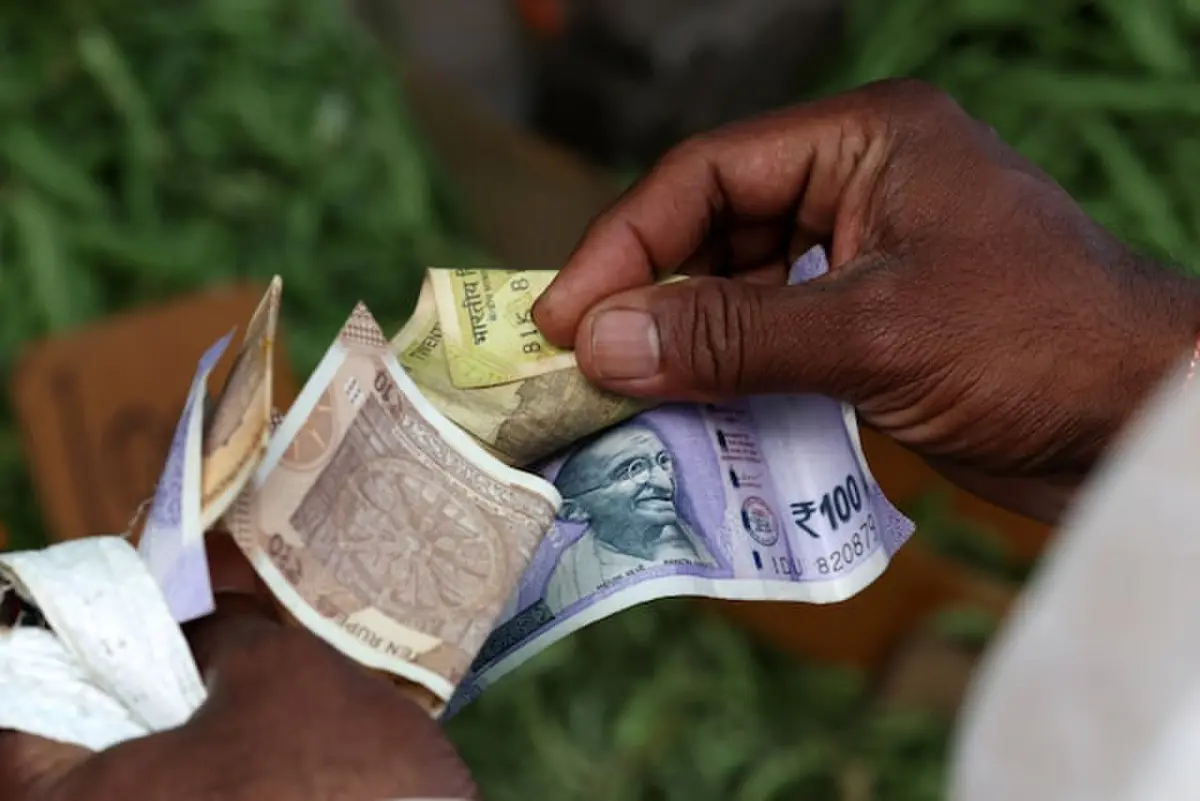
    MUMBAI: The Indian rupee touched its strongest level since April on Wednesday, shrugging off a broadly stronger dollar as foreign inflows into local stocks and price action in the non-deliverable forward market supported the currency.

    The Indian rupee ended at 93.69 per dollar, up 0.2% on day and after touching a high of 93.6350 in afternoon trading.

    The unit has recovered since hitting a record low of 96.96 in May and threatening to breach it last month. It is now down about 4% year-to-date, nearly halving its losses from its worst point in the year so far.

    Traders pointed to broad-based dollar selling interest through the session, with activity in the NDF market too pointing to sentiment around the currency turning positive.

    This helped the rupee stave off pressure from a broadly stronger dollar, which was lifted by hot inflation data and hawkish comments from Federal Reserve officials.

    Traders are now fully pricing in a 25-basis-point rate hike in December, according to the CME FedWatch Tool, and have baked in a slim chance of an outsized 50-basis-point hike as well.

    “The case is increasingly building for the Fed to take rates into restrictive territory to slow aggregate demand and bring inflation back to target,” analysts at ING said in a note.

    While the prospect of higher policy rates in the US would typically be negative for the rupee, traders are currently more fixated on the pickup in foreign portfolio flows into Indian equity markets.

    Foreign investors have poured in nearly $6 billion in November, their biggest monthly purchase since September 2024. On Wednesday, India’s benchmark stock index, the Nifty 50, rose xx%.

    The focus will now turn to India’s inflation data for October, due to be released on Thursday.

    Annual consumer inflation likely rose to 5.93% in October from 5.54% in September, according to the median forecast in a November 2-6 Reuters poll of 36 economists.

    Source: brecorder

  • Pearl Continental owner in major shake-up as Thatta Cement, Fauji Foundation ink deal

    Pearl Continental owner in major shake-up as Thatta Cement, Fauji Foundation ink deal

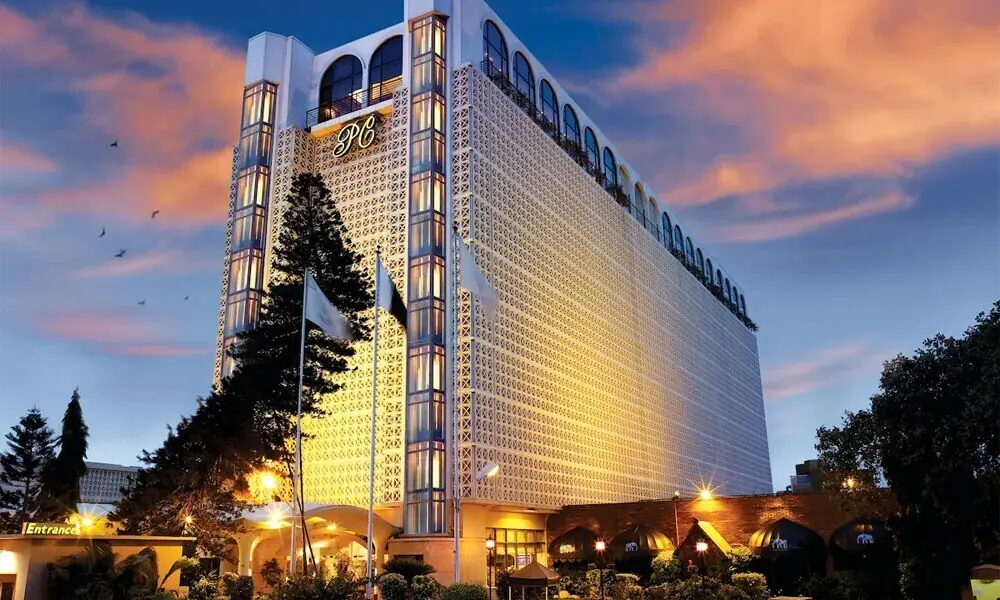
    Thatta Cement Company Limited has entered into a definitive agreement with Fauji Foundation in connection with the proposed restructuring of Pakistan Services Limited, which owns and manages the chain of Pearl Continental (PC) Hotels.

    The cement maker disclosed the development in a filing to the Pakistan Stock Exchange on Wednesday.

    “Thatta Cement Company Limited has entered into a definitive agreement with Fauji Foundation in relation to the proposed restructuring of Pakistan Services Limited, subject to the requisite corporate, regulatory and other necessary approvals,” read the notice.

    The development comes days after Fauji Foundation, one of Pakistan’s largest conglomerates, acquired a 19.70% stake in PSL for approximately Rs6.55 billion, i.e. $23.7 million.

    Fauji Foundation acquired 6,406,797 voting shares of Pakistan Services on November 2, 2026, at Rs1,022.42 per share, taking its total shareholding in the company to 19.70% of its voting shares.

    Pakistan Services Limited (PSL) was established in 1958 as a public limited company. The company’s primary business involves owning and managing the “Pearl Continental” chain of hotels. It also grants franchises for the use of its trademark and name and operates a smaller budget hotel property in Lahore.

    The company has observed significant changes in shareholding in recent years.

    Last year in July, AKD Group Holdings (Private) Limited acquired a 27.95% stake in PSL for over Rs6.36 billion. On the same day, Dawood Jan Mohammad acquired 28% of PSL’s voting shares at Rs700 per share.

    Following this, Thatta Cement Company Limited announced its acquisition of a 28% stake in PSL for Rs6.45 billion (Rs710 per share).

    In September 2026, Thatta Cement Company Limited reached an in-principle understanding for a proposed restructuring of PSL to amicably resolve the matter pending before the Islamabad High Court.

    Source: brecorder

  • Chinese university bought Nvidia H200 chips despite US blacklist

    Chinese university bought Nvidia H200 chips despite US blacklist

    BEIJING: A Chinese university with ​deep ties to the People’s Liberation Army bought Nvidia’s powerful H200 AI chips last month despite being on a US export blacklist, procurement records show, highlighting gaps in Washington’s efforts to curb China’s access to advanced ‌technology.

    The findings come as Nvidia and its CEO Jensen Huang face mounting scrutiny in Washington over his lobbying for looser restrictions on sales of AI chips to China, following reports alleging he was targeted by a Chinese spying operation.

    Huang has argued that continued US sales to China would preserve American technological leadership and keep Chinese customers reliant on US technology.

    But some US lawmakers say access to Nvidia’s most powerful AI chips can speed China’s development of AI systems for weapons design, intelligence analysis and military modernisation.

    Nvidia set for $320 billion price swing after earnings, options indicate

    Both Democrats and Republicans in Congress have urged stronger controls on China’s access to advanced AI chips, such ​as chip-tracking requirements and greater congressional oversight of exports.

    Three Republican congressional committee chairmen have requested a briefing with Huang on November 18 over his reported contacts with an alleged Chinese intelligence operative.

    Northwestern Polytechnical University bought two H200 chips ​last month for 874,700 yuan ($123,000), according to an October 21 procurement record on its website.

    Northwestern is a member of the “Seven Sons of National Defense” group of Chinese universities under U.S. sanctions and ⁠with a history of conducting defence-related research for Beijing.

    The chips were purchased for its management school from Shaanxi Bosuan Network Technology rather than directly from Nvidia, the record shows.

    The H200 is among Nvidia’s most capable chips for training and running advanced AI systems ​and is subject to US export licence approvals, which are normally denied for blacklisted institutions such as Northwestern Polytechnical.

    Northwestern Polytechnical also bought access this year to H200 chips and other powerful Nvidia AI processors through five contracts for rented computing capacity from Chinese companies, ​procurement records show.

    Reuters is reporting the chip purchases and computing contracts for the first time. Northwestern Polytechnical, Nvidia and the US Commerce Department’s Bureau of Industry and Security, which oversees export controls, did not respond to requests for comment. Reuters could not determine contact details for Shaanxi Bosuan Network Technology.

    Trade blacklist

    Based in the northwestern city of Xian, Northwestern Polytechnical conducts research related to military aircraft, missiles and satellites.

    The US Commerce Department added the university to its trade blacklist, known as the Entity List, in 2001 over its alleged involvement in missile-proliferation activities and military research.

    It tightened the restrictions in ​2019, making licences for exports of controlled US technology to the university subject to a policy of denial in most circumstances.

    Northwestern Polytechnical’s purchases show how Chinese institutions with military ties continue to obtain US AI computing power through domestic suppliers, either by buying ​chips outright or renting access to servers containing them.

    A Reuters review of 26 Chinese procurement and corporate records from this year found universities and research institutions buying US-restricted Nvidia chips or renting access to Nvidia-powered computing services that use such chips through domestic suppliers. Several had close ‌links to China’s ⁠defence industry or military research.

    Nvidia’s China AI-chip share falls as Huawei closes gap, report finds

    The universities named in the records did not respond to requests for comment.

    Nvidia chips for military-linked research

    US President Donald Trump’s administration began allowing some H200 exports to China on a case-by-case basis in January. But that policy did not lift the separate restrictions applying to Entity List organisations such as Northwestern Polytechnical.

    The January licensing rules also require safeguards to prevent blacklisted entities and military end-users from remotely accessing chips exported under the policy, which covers H200 processors and less advanced models.

    In addition to the management school’s outright purchase of the two H200 chips, procurement records show the university’s cybersecurity school awarded two seven-month contracts in January for access to servers containing eight H200 chips each. The contracts, worth 441,700 yuan and 441,000 yuan, covered fine-tuning AI models and reinforcement-learning training.

    It also ​rented access to servers containing eight Nvidia A100 chips and eight ​A800 chips. The A100 and A800 are banned from ⁠export to all Chinese entities, though the H200 is the most advanced of those cited in Northwestern Polytechnical’s procurement records.

    Nvidia, Meta partner on Muse agent as Nvidia invests $3 billion

    In April, another university institute bought computing services requiring at least 24 A100 chips in a 375,000 yuan contract for structural and fluid-dynamics simulations.

    The awards went to several little-known Chinese technology suppliers. The records offered scant information about where the processors originated or where the rented servers ​operated.

    Under Chinese law, public procurement agencies must verify that suppliers can fulfil orders before announcing winning bidders and signing contracts.

    A wider market

    The procurement records show a wider market for restricted ​Nvidia AI chips and computing services ⁠at Chinese universities.

    Shenzhen University bought three H100 processors, another high-end Nvidia AI chip banned by the US, for 769,800 yuan in September. Wuhan University of Technology bought a server containing an H100 chip for 355,000 yuan in June and four A100 chips in a separate 344,000 yuan purchase, the records show.

    Beihang University, another of the Seven Sons of National Defense universities, bought four A800 processors for 489,000 yuan in April. Beihang has close ties to China’s aerospace and defence industries and conducts research for military aviation and space programmes.

    Two government procurement announcements in ⁠July and September named ​suppliers selected to provide computing services using Nvidia H800 and A800 chips restricted from export to China to the University of Chinese Academy of Sciences. One ​listed H800 access at 10 yuan per chip-hour. A separate January procurement award named a supplier of six A100 chips worth 484,800 yuan for a Shenzhen-based public institution.

    Reuters has previously reported that Chinese institutions acquired restricted Nvidia chips embedded in servers made by Super Micro Computer, Dell and Gigabyte through domestic resellers.

    Nvidia pledges $250 million to UK AI safety research

    Reuters has also ​documented an underground market in China for restricted Nvidia chips sourced from overseas inventories and third-country intermediaries.

    Last week, Reuters reported that small quantities of H200 chips had reached China through indirect routes while Beijing withheld approval for large-scale imports.

    Source: brecorder

  • PPL plans $40mn deep drilling at Sui: report

    PPL plans $40mn deep drilling at Sui: report

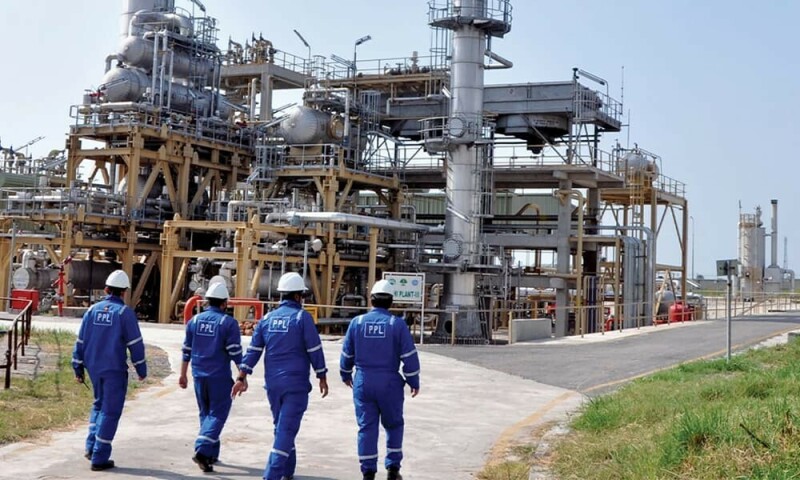
    Pakistan Petroleum Limited (PPL), one of the country’s largest E&P companies, plans to drill a 6,000-metre exploratory well at its Sui field in fiscal year 2027-28, targeting an initial 2 trillion cubic feet (TCF) of gas, as the company steps up exploration efforts to offset declining output from mature fields.

    The development came during an analyst briefing session held on Wednesday, reported Arif Habib Limited (AHL) in its report.

    “Sui Deep drilling is targeted for FY28, with a planned depth of 6,000 metres and an initial gas target of -2 TCF. High temperature and high pressure conditions pose technical challenges, with estimated Capex of $35-40 million,” read the report.

    The project is part of the company’s broader efforts to sustain and increase production as its mature fields experience natural depletion of around 8-9% annually.

    According to the report, PPL expects production to rise to around 680 million cubic feet of gas equivalent per day (MMscfde) in FY27, up from 649 MMscfde in FY26.

    “PPL expects to add 33mmcfde of incremental production during FY27, primarily from discoveries at Baragzai in Nashpa, Latif-25, Makori East, Tolanj West and Rehman-9 in the Kirthar Block. Development activities at these fields are expected to contribute around 17mmcfd,” read the report.

    The company is also advancing infrastructure projects to bring additional gas into the system.

    “The Zafir gas processing plant is expected to commence operations in December 2026, initially contributing around 20mmcfd of sales gas before ramping up to 40mmcfd in the second phase. PPL holds a 65% working interest in the project,” read the report.

    Another facility, the Pateji gas processing plant in Sujawal, is under construction and is expected to be commissioned by June 2027. The facility is expected to contribute around 16 mmcfd of additional sales gas and generate approximately Rs8 billion in revenue, added the report.

    Source: brecorder

  • Pakistan move second Sri Lanka Test to Rawalpindi from Lahore due to smog

    Pakistan move second Sri Lanka Test to Rawalpindi from Lahore due to smog

    The second match in the two-Test series between Pakistan and ​Sri Lanka next week has ‌been moved to Rawalpindi from Lahore due to worsening smog, the Pakistan ​Cricket Board said on ​Tuesday.

    Rawalpindi is currently hosting the series ⁠opener, with the second match ​to be played from November 17-21 ​as scheduled.

    Lahore has been grappling with poor air quality in recent weeks as ​seasonal smog blankets large parts ​of Pakistan during the winter months.

    According to ‌IQAir, ⁠a Swiss air-quality monitoring company, Lahore is currently the most polluted major city in the world.

    India pollution monitors overwhelmed by toxic smog

    Air-quality ​concerns have ​disrupted ⁠cricket schedules in Pakistan before. Smog led to the ​relocation of a limited-overs ​series ⁠against Zimbabwe from Lahore to Rawalpindi in 2020, and a Test ⁠against ​New Zealand from Multan ​to Karachi in 2022.

    Source: brecorder

  • India pollution monitors overwhelmed by toxic smog

    India pollution monitors overwhelmed by toxic smog

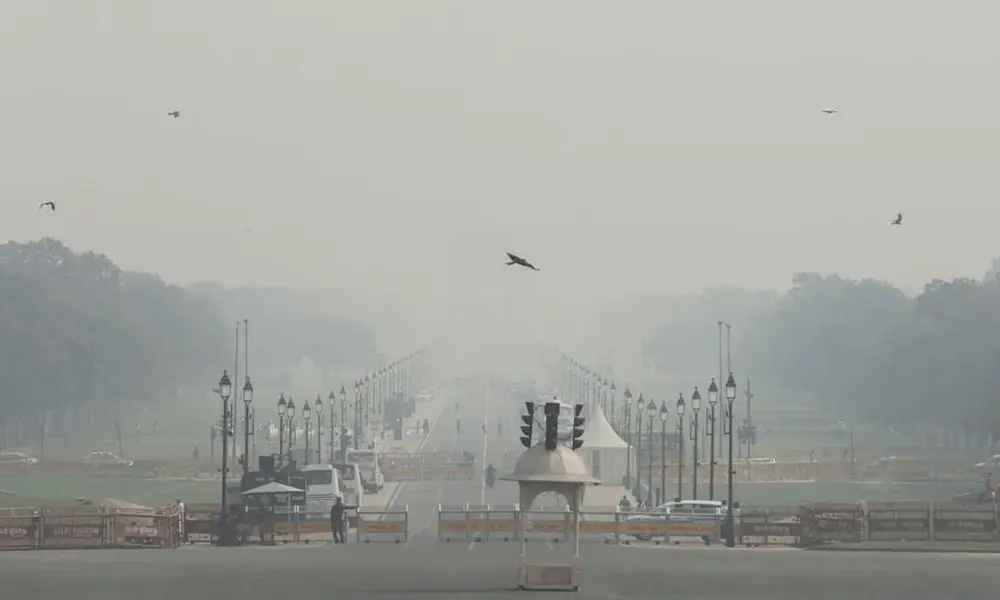
    NEW DELHI: India’s air pollution monitors were overwhelmed this week by toxic smog so severe that concentrations exceeded their upper measurement limit, equivalent to 66 times the World Health Organization’s recommended daily maximum, regulators said.

    The admission comes after opposition politicians accused authorities of deliberately allowing gaps in official readings for several hours overnight Sunday into Monday, just as pollution surged with a barrage of fireworks for Diwali, the Hindu festival of lights.

    New Delhi is one of the world’s most polluted capitals, where winter smog from vehicle emissions, farm fires and industry already chokes millions.

    But the missing readings meant official data failed to capture the full extent of the pollution at its worst.

    “The government which shuts down air quality monitoring stations on the night of Diwali, the government that does data fraud, how will you trust such a government?” Aam Aadmi Party (AAP) Delhi president Saurabh Bharadwaj said in a video posted on X.

    Pakistan blames India’s Diwali fireworks for Lahore’s toxic air

    “If Diwali night’s PM2.5 (toxic particulates) is not in the record, who will answer for that air?” senior Congress party lawmaker Ajay Maken said in a social media post.

    The Central Pollution Control Board (CPCB) rejected accusations of deliberate under-reporting, saying the gaps reflected “differences in measurement of pollutant concentration” rather than an attempt to conceal pollution.

    ‘Extreme episodes’

    Particulate matter analysers, installed when the National Air Quality Index (NAQI) was introduced in 2015, were calibrated to measure concentrations of up to 1,000 micrograms per cubic metre.

    The WHO recommends a daily maximum of 15 micrograms per cubic metre for PM2.5, fine particles small enough to penetrate deep into the lungs and linked to cancer.

    “The designed system of automated data validation treats hourly readings beyond the calibrated range as outside range, and such readings are not used in the computation,” the Central Pollution Control Board (CPCB) said in a statement late Tuesday.

    “During extreme episodes, which are occasional like Diwali firecracker bursting, this may appear as a data gap at the particular station concerned”, it added.

    Although choking clouds filled the streets early Monday, the scale of the pollution was only captured when monitors resumed reporting, around eight hours after the fireworks peaked.

    Readings then hit 879 micrograms per cubic metre in the Mandir Marg locality, according to monitoring organisation IQAir, which cited data from a city government station. That is more than 58 times the WHO daily limits.

    “There is one thing the people of Delhi can be certain of: the fact that the data has gone missing doesn’t mean the pollution has disappeared too,” Congress party lawmaker Pawan Khera added.

    Indian capital plans drone flights to combat smog crisis

    “The poisonous smoke we have been inhaling… will continue to choke our lungs, threaten our lives and shorten our life expectancy.”

    Source: brecorder