Category: Brecorder

  • Import values of sublimation paper from China, South Korea issued

    Import values of sublimation paper from China, South Korea issued

    ISLAMABAD: The Directorate General of Customs Valuation, Karachi, has issued new customs values of Sublimation Paper imported from China and South Korea.

    According to a valuation ruling issued by the directorate on Wednesday, the customs values of Sublimation Paper were not previously determined under Section 25A of the Customs Act 1969.

    The scrutiny of import data revealed imports of substantial quantities with considerable variations in the declared/assessed values of the subject goods. In view of this, an exercise was initiated by this Directorate for determination of Customs values of Sublimation Paper under Section 25A of the Customs Act, 1969, for uniformity in assessment process.

    Participation of the Stakeholders in the meeting: A meeting for determination of values of Sublimation Paper was held on 15.10.2026. The viewpoints of the participants were heard in detail. They were requested to submit relevant documents in support of their contentions.

    However, no submissions were received. Therefore, the available record was examined for the purpose of the valuation exercise.

    The import data was scrutinized with reference to declared/invoice unit values, assessed values, origins, quantity, description and relevant time period. Considerable variations were observed in the declared invoice values.

    Aberrant and non-comparable entries not representing the general commercial import trend were excluded and the recent representative and comparable import data was considered for determination of Customs values of the subject goods, the directorate added.

    Copyright Business Recorder, 2026

    Source: brecorder

  • Revamping Railways: Dar chairs meeting to assess proposals

    Revamping Railways: Dar chairs meeting to assess proposals

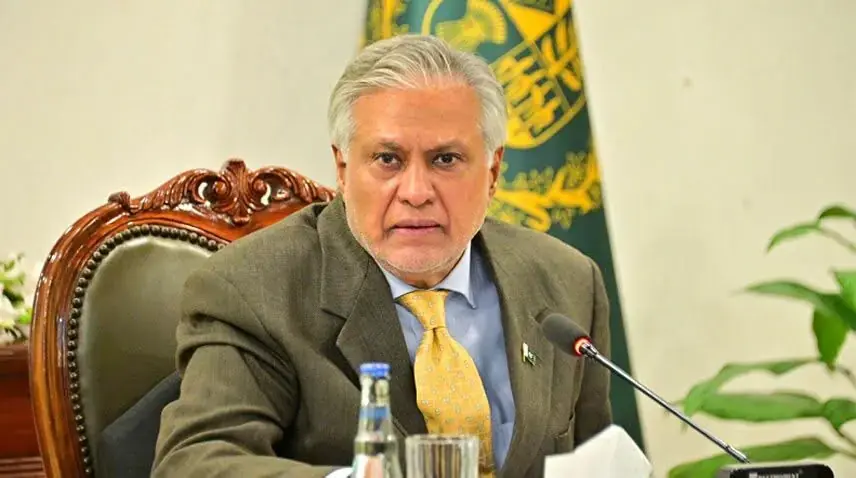
    ISLAMABAD: Deputy Prime Minister and Foreign Minister (DPM/FM), Senator Mohammad Ishaq Dar, chaired a meeting here on Wednesday to assess proposals to revamp and restructure Pakistan Railways.

    The meeting evaluated financing frameworks and operational models aimed at modernising railway infrastructure and ensuring financial sustainability. Participants examined restructuring options, including Public-Private Partnerships (PPP), domestic bank financing and international funding mechanisms.

    The DPM/FM emphasised that a modern, efficient and fiscally viable railway network is vital for national economic integration and regional connectivity.

    He directed the concerned ministries and financial institutions to explore all funding options, particularly for structuring commercial bank financing for the Main Line-1 (Rohri-Multan Section) project to ensure its implementation.

    The meeting was attended by SAPM Tariq Bajwa; Governor of the State Bank of Pakistan; Secretaries of Railways and Economic Affairs Division; Special Secretary Finance; and representatives from concerned ministries and departments.

    Meanwhile, Senator Dar chaired a committee meeting today on compliance withlabour laws.

    The meeting examined the implementation status of international conventions and commitments related to labour laws, including the ILO conventions. Participants evaluated regulatory frameworks and enforcement mechanisms necessary to align domestic practices with global benchmarks.

    The DPM/FM emphasised the importance of fulfilling international labour standards to strengthen Pakistan’s global economic engagement, enhance Pakistan’s export competitiveness and international trade standing.

    He directed all concerned to maintain close coordination with provincial governments and adhere to agreed timelines for meeting all national commitments and obligations.

    Adviser to the Prime Minister on Industries and Production; Secretaries of Commerce, Overseas Pakistanis, and Human Rights; and senior officials from relevant ministries and departments attended the meeting.

    Copyright Business Recorder, 2026

    Source: brecorder

  • CM inaugurates Cath Lab at DHQ Hospital in Jhelum

    CM inaugurates Cath Lab at DHQ Hospital in Jhelum

    LAHORE: Chief Minister Punjab Maryam Nawaz inaugurated a cardiac cathe-terisation laboratory (Cath Lab) at the District Headquarters Hospital in Jhelum, saying patients would no longer have to travel to other cities for cardiac treatment.

    During her visit, the chief minister inspected the wards, semi-modular unit and operation theatre, and checked the quality and expiry dates of medicines and injections. She also witnessed a live angiography procedure from the control room and met patients recovering after angioplasty.

    A Dubai-based driver, Shehzad Naveed, told the chief minister that he had returned to Pakistan for free cardiac treatment after developing a heart condition. He said he had initially been given an appointment in Faisalabad after a week’s wait but came to Jhelum on his sister’s advice, where he underwent immediate angioplasty.

    The CM Punjab directed that patients requiring angioplasty at any hospital in Punjab should not have to wait more than 24 hours. She said the Cath Lab, equipped with angiography, angioplasty, ECG, a modern operation theatre and ventilators, had so far treated 2,400 patients.

    Later, the chief minister visited Zahida Bibi at her newly constructed four-marla house in New Abadi Islam Pura, Jhelum, built with a loan under the Apni Chhat Apna Ghar scheme. She formally inaugurated the house alongside the beneficiary and her family.

    Zahida Bibi told the chief minister that her family had worked day and night to complete the house, with labourers working during the day and family members taking over at night. She became emotional while expressing gratitude, saying the scheme had enabled her family to have a roof of its own.

    The chief minister interacted with the family and children and conveyed greetings from PML-N president Nawaz Sharif.

    The chief minister said providing people with their own homes brought her immense satisfaction. She described Apni Chhat Apna Ghar as Punjab’s largest low-cost housing project and said its features and impact were being recognised internationally.

    Moreover, the CM inaugurated the restoration project of the Gymnasium and Sports Complex in Jhelum.

    Upon her arrival at the gymnasium, players accorded the chief minister a warm and enthusiastic welcome. Young girls holding posters greeted her, while she showed affection towards them and exchanged high-fives.

    Young girls paid tribute to the chief minister by singing the popular folk song “Teriyan Reesan Kaun Kare.”

    Maryam Nawaz also played badminton with a female player and encouraged a chess player with applause.

    The chief minister signed autographs for young girls, posed for photographs and interacted warmly with the players. A young player presented her with an embroidered dupatta and placed a crown on her head. She also greeted a special athlete through sign language and enquired about her well-being.

    Later, the chief minister visited Old Ram Din Bazaar at Shandaar Chowk, where the Model Bazaar in Jhelum was filled with party workers and young people to welcome her.

    Shandaar Chowk and the main bazaar have been converted into a pedestrian walkway by restricting vehicular traffic. The main bazaar has also been upgraded with footpaths, cobblestone paving along the sides and street furniture.

    Underground wiring has been installed, while 260 shops have been provided with attractive canopies, Victorian-style lights, planters and benches.

    The restoration project of Jhelum Sports Complex and Gymnasium will be completed at a cost of Rs 1.195 billion.

    Copyright Business Recorder, 2026

    Source: brecorder

  • Russian ambassador to US dies

    Russian ambassador to US dies

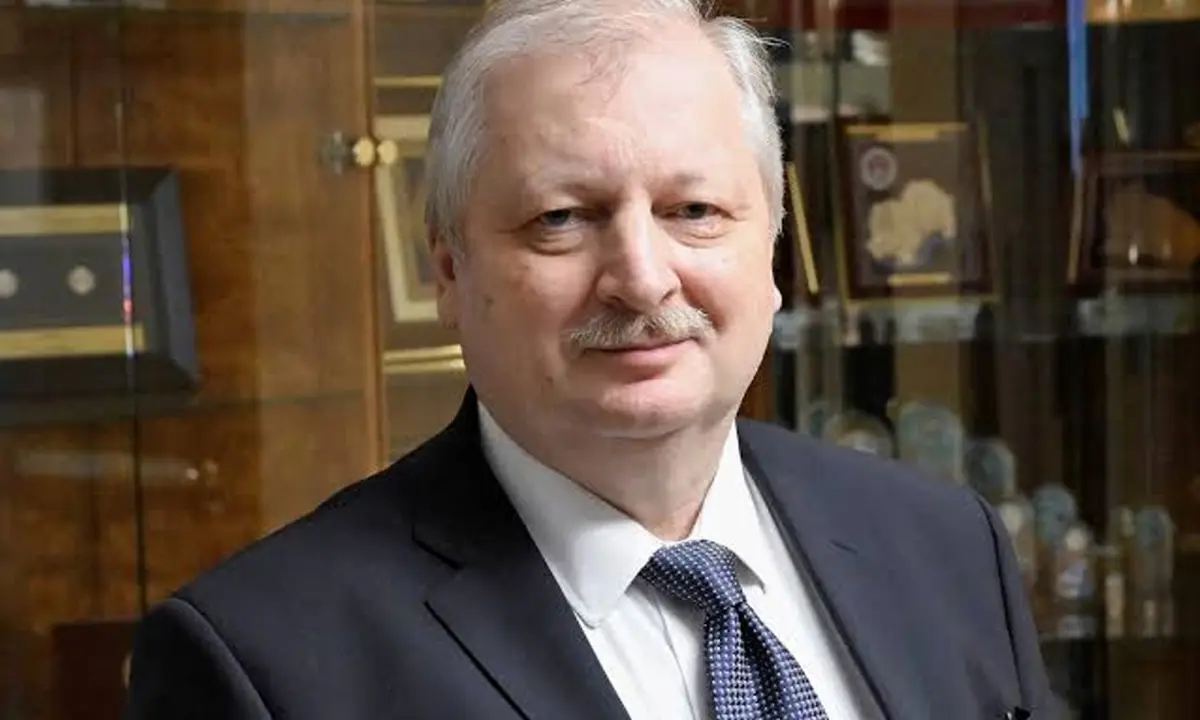
    MOSCOW: Russia’s ambassador to the United States, Alexander Darchiev, has died “suddenly” at the age of 66 after just one and a half years in the job, Moscow’s foreign ministry announced Wednesday.

    The ministry called Darchiev an “outstanding diplomat, an experienced leader and a kind colleague”. He was appointed in March 2025.

    Moscow did not give more details on the death.

    Darchiev previously served as Russia’s ambassador to Canada between 2014 and 2021.

    He was appointed to the US role last year, shortly after President Donald Trump returned to power, and several years into Moscow’s Ukraine offensive that has pitted Russia against the West.

    Darchiev was a specialist in Russia-US relations and was the director of the foreign ministry’s North America department between 2021-2024.

    In 2022, when Russia attacked Ukraine, Darchiev called the move a “necessary measure”.

    Source: brecorder

  • Petrol price cut by Rs3, HSD’s by Rs7

    Petrol price cut by Rs3, HSD’s by Rs7

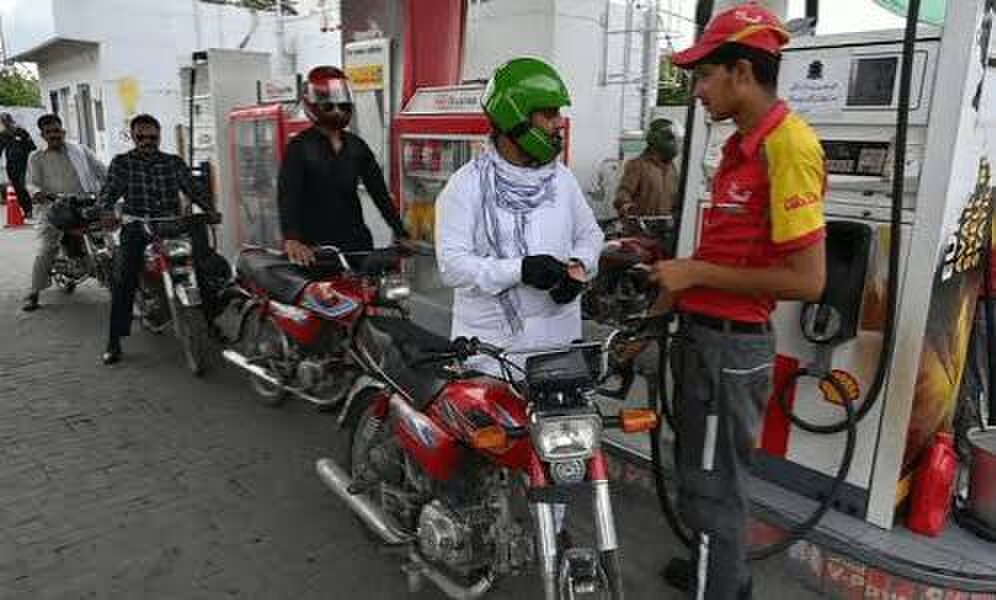
    ISLAMABAD: The ex-depot price of petrol has been reduced by Rs3 per litre, bringing the retail price down from Rs338 to Rs335 per litre. Similarly, High-Speed Diesel (HSD) saw a price cut of Rs7 per litre, lowering its rate from Rs371 to Rs364 per litre for November 12.

    The regulator attributed these adjustments to global developments alongside changes in Platts pricing, premiums, and incidental costs. International benchmark prices of petrol has decreased to USD 97.12 per bbl from USD 93.55 per bbl, however, premium including freight increased from USD 25.67 to USD 28.76 per bbl, while HSD benchmark prices has decreased to USD 96.33 per barrel from USD 100.57 per bbl.

    The ex-refinery price of petrol has decreased to Rs240.65 from Rs241.56 per litre. While the ex-refinery cost of HSD decreased to Rs255.88 per litre (previously Rs263.28).

    Government levies and fixed profit margins for petrol and HSD remain unchanged. Both fuels carry a Petroleum Levy of Rs80 per litre, a Climate Support Levy of Rs5 per litre, and profit margins of Rs9.98 per litre for dealers and Rs7.87 per litre for oil marketing companies. The Inland Freight Equalisation Margin (IFEM) is fixed at Rs8.17 per litre for petrol, and Rs5.10 per litre for HSD.

    Copyright Business Recorder, 2026

    Source: brecorder

  • 10 policemen martyred, 18 terrorists killed in Kohat attack

    10 policemen martyred, 18 terrorists killed in Kohat attack

    Ten police personnel were martyred and 18 terrorists killed in an attack on a police party returning from an operation against illegal gold mining in Darabo Kach near Kohat, Khyber Pakhtunkhwa, on Wednesday.

    According to a statement issued by the Khyber Pakhtunkhwa Police, the police and local civil administration had conducted an operation against elements involved in illegal gold mining in the area.

    The police party came under attack while returning after completing the operation. The statement said the attackers, belonging to Fitna al-Khawarij, launched the assault at the behest of criminal elements.

    Police personnel responded to the attack and killed 18 assailants, while 10 police officers embraced martyrdom during the exchange of fire.

    The police said the joint attack by criminal elements and Fitna al-Khawarij demonstrated organised links between criminal mafias and the militant group, alleging that the network was operating with foreign backing.

    It vowed to take all possible action against the attackers, their facilitators and criminal networks, adding that no illegal activity would be allowed.

    The police also said the personnel martyred in the attack belonged to Khyber Pakhtunkhwa, particularly Kohat district, and their sacrifices would always be remembered.

    Mohsin Naqvi condemns attack

    Meanwhile, Federal Interior Minister Mohsin Naqvi strongly condemned the attack and paid tribute to the 10 police personnel who lost their lives.

    Expressing condolences to the bereaved families, Naqvi praised the police personnel for fighting back and killing 18 militants.

    He said the Khyber Pakhtunkhwa Police remained on the front line in the fight against terrorism and had made immense sacrifices in the battle.

    The minister said the nation would always remember the sacrifices of the brave personnel of the provincial police force and paid tribute to those who laid down their lives in the line of duty.

    Source: brecorder

  • Govt further decreases petrol price by Rs3, diesel’s by Rs7 per litre

    Govt further decreases petrol price by Rs3, diesel’s by Rs7 per litre

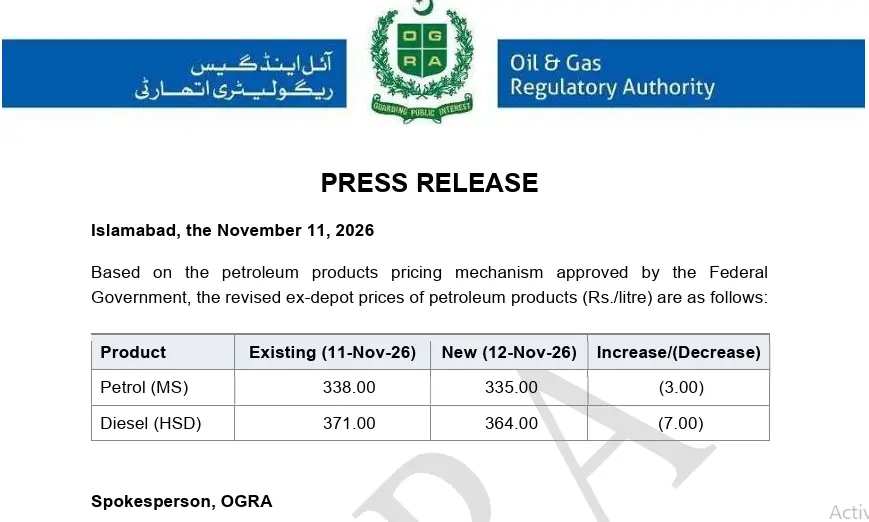
    Pakistan government on Wednesday reduced the price of petrol by Rs3 to Rs335 per litre and the price of high-speed diesel (HSD) by Rs7 to Rs364 per litre, effective Thursday, November 12.

    The revision was announced in a press release issued by the Oil and Gas Regulatory Authority (OGRA). It said the revised ex-depot prices were set under the petroleum products pricing mechanism approved by the federal government.

    Govt further decreases petrol price by Rs3, diesel's by Rs7 per litre

    On Tuesday, the government cut the price of petrol by Rs8 to Rs338 per litre and the price of diesel by Rs7 to Rs371 per litre.

    Globally, oil prices rose about 2% on Wednesday after Iran’s security ‌chief said Tehran would not allow any enriched nuclear material to leave the country, feeding supply worries that lifted prices off two-month lows hit the previous session.

    Washington has said nuclear issues must be part of any initial negotiations with Tehran aimed at ending the US-Israeli war on Iran.

    Brent futures were up $2.15, or 2.35%, at $93.64 a barrel by 12:04 p.m. ​EST (1704 GMT). US West Texas Intermediate crude gained $1.69, or 1.96%, to $87.73.

    Source: brecorder

  • Pakistan’s auto policy: what we know so far

    Pakistan’s auto policy: what we know so far

    Adviser to the Prime Minister on Industries and Production Haroon Akhtar Khan said the Autos and Auto Parts Manufacturing Policy 2026–2031 represented a major shift in Pakistan’s automotive sector, moving away from import-dependent assembly towards export-oriented manufacturing, greater localisation, and internationally competitive domestic production.

    He said the policy reflected Prime Minister Shehbaz Sharif’s vision of an export-led, self-reliant and competitive economy, with a strong emphasis on empowering local manufacturers, strengthening domestic auto parts production, creating employment opportunities and integrating Pakistani industry into global automotive supply chains.

    Last week, PM Shehbaz approved the final draft of Pakistan’s Automotive Industry Policy, paving the way for its submission to the Federal Cabinet for consideration and formal approval.

    Here is what we know so far about the proposed framework and its potential implications for Pakistan’s automotive industry.

    Key takeaways:

    • $6 billion export target set for 2026–2031
    • $17.7 billion in foreign exchange savings projected through localisation and domestic manufacturing
    • localisation to become mandatory; domestic manufacturing to take ‘centre stage’
    • Auto parts industry to contribute 55% in $6 billion export target
    • 2,200 local auto parts manufacturers to receive dedicated support; Rs2.1 billion vendor upgrade programme
    • Idle industrial capacity to be utilised; new investment and employment opportunities
    • Import concessions linked to local manufacturing and export commitments

    Localisation to become mandatory

    The adviser said the new policy introduced binding localisation requirements to ensure progressive growth in domestic value addition.

    He said the binding requirements would ensure that the expansion of the automotive market translates into greater domestic industrial activity, investment, employment and technological development.

    Non-compliance with applicable minimum domestic value addition requirements will attract an additional three percentage points of customs duty on relevant non-localised completely knocked down (CKD) imports in the subsequent financial year, subject to the prescribed legal process, according to a statement from the Ministry of Industries and Production.

    Vendor upgrade programme

    Highlighting the importance of the domestic vendor industry, Haroon Akhtar Khan said Pakistan had approximately 2,200 auto parts manufacturers whose capacity, technological advancement, and integration into international supply chains were essential for the sector’s long-term competitiveness.

    He said a dedicated Vendor Upgradation and Technology Transfer Programme (VUTTP), with an allocation of Rs2.1 billion, will be implemented through the Engineering Development Board (EDB) and Small and Medium Enterprises Development Authority (SMEDA).

    The programme will facilitate technological upgrade, access to common manufacturing facilities, skills development, international quality certification, and export readiness for domestic vendors.

    The policy also targets investment in at least five anchor auto parts manufacturing firms during its implementation period to support the development of domestic manufacturing clusters.

    He said empowering domestic manufacturers and strengthening local vendor networks would be central to the government’s strategy for building a competitive automotive industry.

    $6 billion export target; auto parts industry to contribute 55%

    The adviser said export promotion was one of the defining features of the new policy, which establishes cumulative export targets of approximately $6 billion during 2026–2031.

    Of this amount, approximately $3.29 billion, representing 55%, is targeted from auto parts manufacturers, while automobile manufacturers are expected to contribute approximately $2.72 billion, or 45%.

    He said the distribution reflected the government’s strategic emphasis on developing the auto parts industry and transforming domestic suppliers into internationally competitive manufacturers.

    To encourage exporters, the policy introduces a drawback of Local Taxes and Levies (DLTL) scheme, providing eligible exporters with 5% support on net Free on Board (FOB) export value, along with an additional 10% incentive on qualifying incremental exports.

    Furthermore, manufacturers will be required to secure export opportunities within the global supply chains of their international principals.

    The adviser said the measures would encourage manufacturers to move beyond dependence on the domestic market and develop a sustainable export-oriented business model.

    Import concessions linked to local manufacturing and export commitments

    Haroon Akhtar Khan said the government was rationalising customs duties progressively over five years while ensuring that import concessions were directly linked to domestic manufacturing, localisation and export performance.

    He explained that the concessional 5% customs duty on imported battery electric vehicles (BEVs) valued up to $15,000 during the initial two years was conditional upon the establishment of domestic assembly or manufacturing facilities.

    Companies seeking the concession will be required to submit a surety bond and an irrevocable bank guarantee covering the customs-duty differential. They must also commence commercial production of the imported BEV variant by September 30, 2028.

    $17.7 billion foreign exchange savings projected through localisation

    The adviser said the policy was expected to generate cumulative foreign exchange savings of approximately $17.7 billion during 2026–2031, compared with the foreign exchange required to import equivalent automobiles in completely built-up (CBU) condition.

    He said increased domestic value addition, local manufacturing and export growth would help reduce pressure on the country’s external account while strengthening industrial self-reliance.

    The policy also projects that increased adoption of new energy vehicles will help avoid imports of approximately 1.823 million tonnes of oil during the policy period, contributing to reduced petroleum import dependence and improved energy security.

    Idle industrial capacity to be utilised; new investment and employment opportunities

    Haroon Akhtar Khan said the policy also provided for contract manufacturing arrangements to make better use of Pakistan’s existing industrial capacity, which currently has estimated idle capacity ranging from 41% to 80%.

    He said utilising available capacity would improve production efficiency, encourage investment, create employment opportunities, and strengthen the overall industrial ecosystem.

    The adviser said the Autos and Auto Parts Manufacturing Policy 2026–2031 was fundamentally a manufacturing-led and export-oriented framework, designed to strengthen Pakistan’s domestic industrial base rather than perpetuate dependence on imported vehicles and components.

    He said that the ultimate objective was to transform the automotive sector into a driver of export-led economic growth, foreign exchange generation, industrial development and sustainable employment.

    Source: brecorder
  • Pakistan’s fixed broadband operators fall short of PTA quality benchmarks

    Pakistan’s fixed broadband operators fall short of PTA quality benchmarks

    Pakistan’s fixed broadband networks continue to suffer from quality-of-service deficiencies, with inadequate upload speeds, network congestion, excessive latency, jitter and packet losses undermining service delivery in several cities, according to a Pakistan Telecommunication Authority (PTA) survey for the third quarter of 2026.

    The two surveys, covering 12 broadband operators in 15 cities at the user end and 23 unique operators across 21 cities at the network end during July–September 2026, identified multiple violations of prescribed quality benchmarks under the Fixed Broadband Quality of Service Regulations, 2022.

    The user-end assessment found Multinet Pakistan’s Rawalpindi operation among the worst performers, meeting only two of eight prescribed quality indicators, with a compliance score of 25%. Cyber Internet Services also recorded weak performance in Lahore, with a compliance score of 37.5%, while its Islamabad operation achieved only 50%.

    At the network end, Pace Telecom and Broadcasting (Pvt) Ltd recorded the lowest compliance score of 57.14% in Abbottabad, failing to meet prescribed core and access network availability standards. Its core network availability stood at 99.73% against the required 99.9%, while access network availability was 97.13% against the benchmark of 99%.

    The regulator also flagged Falcon Broadband in Vehari for recording jitter of 40.61 milliseconds, substantially above the prescribed maximum of 15 milliseconds. The user-end survey identified upload throughput as one of the most widespread weaknesses, with several operators failing to deliver speeds in line with regulatory requirements.

    Also read: Far below global average: Pakistan vying to keep pace in global internet race: Speedtest.net

    Under PTA standards, upload speeds must remain at least 25% of advertised package speeds for xDSL connections and above 50% for other technologies, while download speeds must exceed 80% of advertised package speeds.

    Multinet, Cyber Internet, Connect Communications, Nexlinx Networks, PTCL, Naya Tel and Burak Tech were among the operators identified for deficiencies in download throughput.

    Network performance problems extended beyond speed. Multinet, NTC, Cyber Internet and PTCL recorded deficiencies in local network latency, while Multinet also failed the international terrestrial latency benchmark.

    PTCL, NTC, Cyber Internet, Nexlinx and Multinet were flagged for excessive jitter, while Cyber Internet, PTCL, Connect Communications, Naya Tel, Multinet and SCO recorded packet-loss deficiencies against the maximum permissible threshold of 1%.

    Cyber Internet and Nexlinx also exceeded the prescribed four-second webpage loading benchmark at locations covered by the survey.

    The network-end assessment, however, presented a relatively better picture, with all surveyed operators meeting prescribed local and international latency thresholds and minimum throughput requirements of four megabits per second for downloads and two megabits per second for uploads.

    Nevertheless, bandwidth utilisation exceeded the regulatory threshold of 80% in some networks, raising concerns about congestion and reduced internet speeds during peak traffic hours.

    The PTA’s network-end assessment showed that 16 of 28 city-operator entries achieved full compliance across seven performance indicators, while the remaining entries recorded compliance scores ranging between 57.14% and 85.71%. Wide Band Communications in Peshawar was the only operator in the user-end survey to achieve full compliance across all eight indicators.

    The PTA said the surveys were conducted by its Enforcement Division through field testing and inspections of network operation centres to assess actual service quality, network reliability and compliance with regulatory standards.

    The regulator has asked non-compliant operators to undertake corrective measures, including capacity enhancement, network optimisation, congestion management, improved routing, enhanced network availability and jitter reduction.

    Follow-up testing will be conducted to verify whether the operators have addressed the identified deficiencies.

    Source: brecorder

  • Saudi air defences intercept three Houthi cruise missiles launched toward Riyadh

    Saudi air defences intercept three Houthi cruise missiles launched toward Riyadh

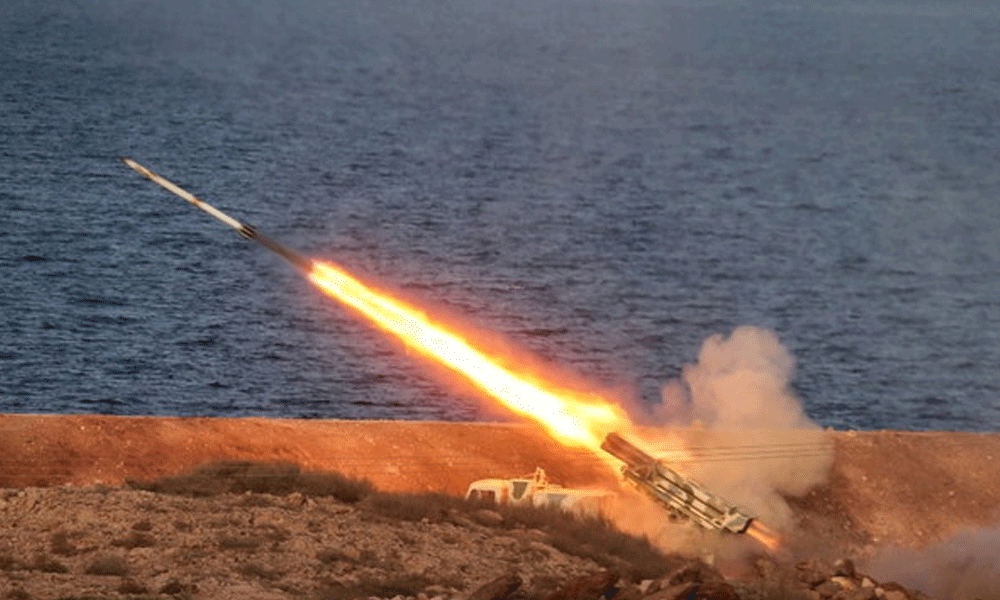
    DUBAI: Saudi air defences intercepted Houthi missiles launched toward the Riyadh region for the second consecutive day on Wednesday, according to the Saudi-led military coalition fighting the Yemeni group.

    The coalition said the Houthis launched three cruise missiles that were destroyed.

    The militia, which controls most of the populous parts of Yemen, has intensified attacks on the Saudi capital in recent days. A Houthi attack on Sunday damaged an Aramco administrative building in Riyadh’s financial hub.

    On Tuesday, Saudi air defences intercepted a ballistic missile and a cruise missile launched towards Riyadh, the coalition said.

    Last month, a Houthi attack on Riyadh’s King Khalid International Airport killed 13 people and wounded more than 300.

    Renewed fighting between the two sides has intensified since September, when the Houthis advanced towards the Bab el-Mandeb Strait, a strategic shipping chokepoint at the ​southern entrance to the Red Sea.

    The Houthis have since stepped up strikes on ⁠Saudi airports, ports and oil facilities, while Saudi Arabia has ramped up airstrikes on Houthi targets ​in Yemen in response.

    Source: brecorder