Category: Brecorder

  • Pakistan seeks global mining partners to unlock mineral wealth

    Pakistan seeks global mining partners to unlock mineral wealth

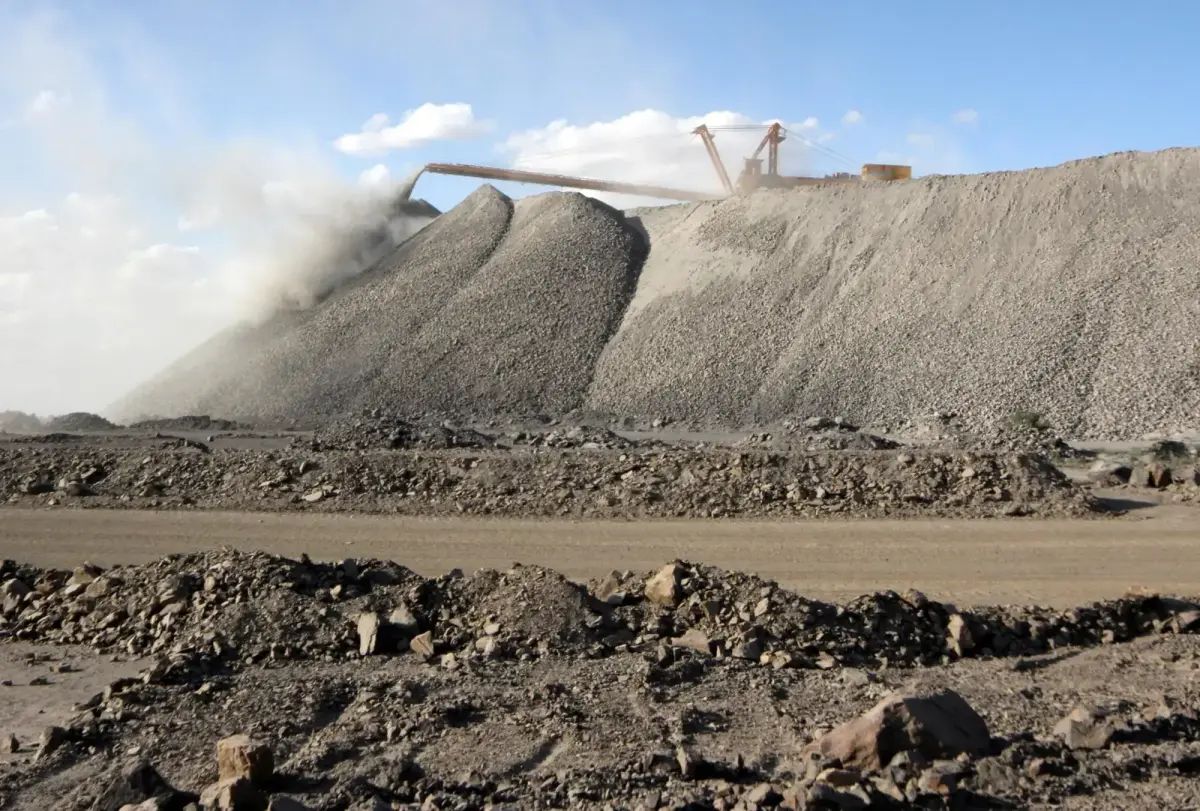
    Pakistan is seeking to connect local miners and existing leaseholders with major international mining companies through joint ventures, technology transfers and financial partnerships to develop its largely untapped mineral resources.

    The development came following a meeting between a delegation from Wood Mackenzie, an international energy consultancy and energy research company, and Federal Minister for Commerce Jam Kamal Khan to discuss investment opportunities, international partnerships and preparations for the Pakistan Minerals Investment Forum.

    During the meeting, the minister highlighted Pakistan’s vast and largely untapped mineral potential, particularly in copper, antimony, iron ore, gemstones and other critical minerals. He emphasised that developing the mining sector could significantly boost exports, attract foreign investment and create new opportunities for industrial growth.

    Jam Kamal stressed the importance of investor-friendly policies, competitive taxation, reduced import duties on specialised mining equipment and greater coordination between federal and provincial governments to facilitate international investors.

    He particularly emphasised connecting small-scale Pakistani miners and existing leaseholders with major international mining companies through joint ventures, technology transfer and financial partnerships.

    Highlighting his ministry’s role, Jam said tariff rationalisation, trade agreements, improved market access and development of professional services could help Pakistan become a competitive destination for mineral investment.

    The minister also advocated a phased approach to value addition, emphasising that commercially viable mining operations would pave the way for future investment in copper smelting, refining and downstream manufacturing.

    He proposed stronger international collaboration across the mineral value chain, enabling countries to combine their strengths in exploration, processing, technology and trade.

    The Wood Mackenzie delegation discussed international investment trends, fiscal competitiveness and opportunities for developing Pakistan’s mining-services ecosystem. The delegation also exchanged views on preparations for the Pakistan Minerals Investment Forum and Pakistan’s potential to attract leading international mining investors.

    Source: brecorder

  • Khaadi IPO delayed to December amid SE Fruits fiasco

    Khaadi IPO delayed to December amid SE Fruits fiasco

    The planned initial public offering (IPO) of fashion retailer Khaadi Pakistan Ltd. has been delayed by a month amid increased regulatory scrutiny following the SE Fruits IPO setback last month.

    The Khaadi IPO was reported on October 1, 2026, with plans for it to launch the following month.

    However, Arif Habib Limited (AHL), the financial advisor for the transaction, told Business Recorder the IPO will be held “in December [2026]”.

    The fabric maker is yet to announce the dates for its Dutch auction-based book-building process, through which it will determine the share price to sell part of its stake to corporate, institutional and high-net-worth individual investors, and to retail investors through the IPO.

    Sources familiar with the matter said the delay follows intensified scrutiny by the two key regulatory authorities—the PSX and the Securities and Exchange Commission of Pakistan (SECP)—ahead of the IPO, in a bid to avoid a repeat of the SE Fruits and Vegetable episode in October 2026.

    The latter’s offer for sale failed to materialise, forcing the return of investors’ money after certain irregularities were reportedly identified in the IPO transactions.

    The SECP initiated regulatory action and an investigation into procedural irregularities and financial information, seeking export records and other financial details of SE Fruits from multiple banks and the company’s auditors

    “SECP has received Khaadi’s IPO application, which is under review as part of the routine regulatory process,” said Muhammad Sajid Gondal, SECP Head of Media.

    “Announcement of the book-building dates is the company’s prerogative, subject to the requisite approvals. SECP will issue a press statement once approval is granted,” he added.

    Meanwhile, a PSX official told Business Recorder that the IPO is in the pipeline.

    “We are in the process of receiving public comments on Khaadi’s prospectus at present,” the official said.

    As earlier reports said, Khaadi, a subsidiary of Weaves Corp, plans to raise between Rs6.2 billion and Rs8.3 billion through the IPO to expand its retail outlet network.

    Khaadi’s key market is Pakistan, and it also operates in the UAE, the UK and the US.

    Source: brecorder

  • South Korea sees little prospect of US-North Korea contact around APEC

    South Korea sees little prospect of US-North Korea contact around APEC

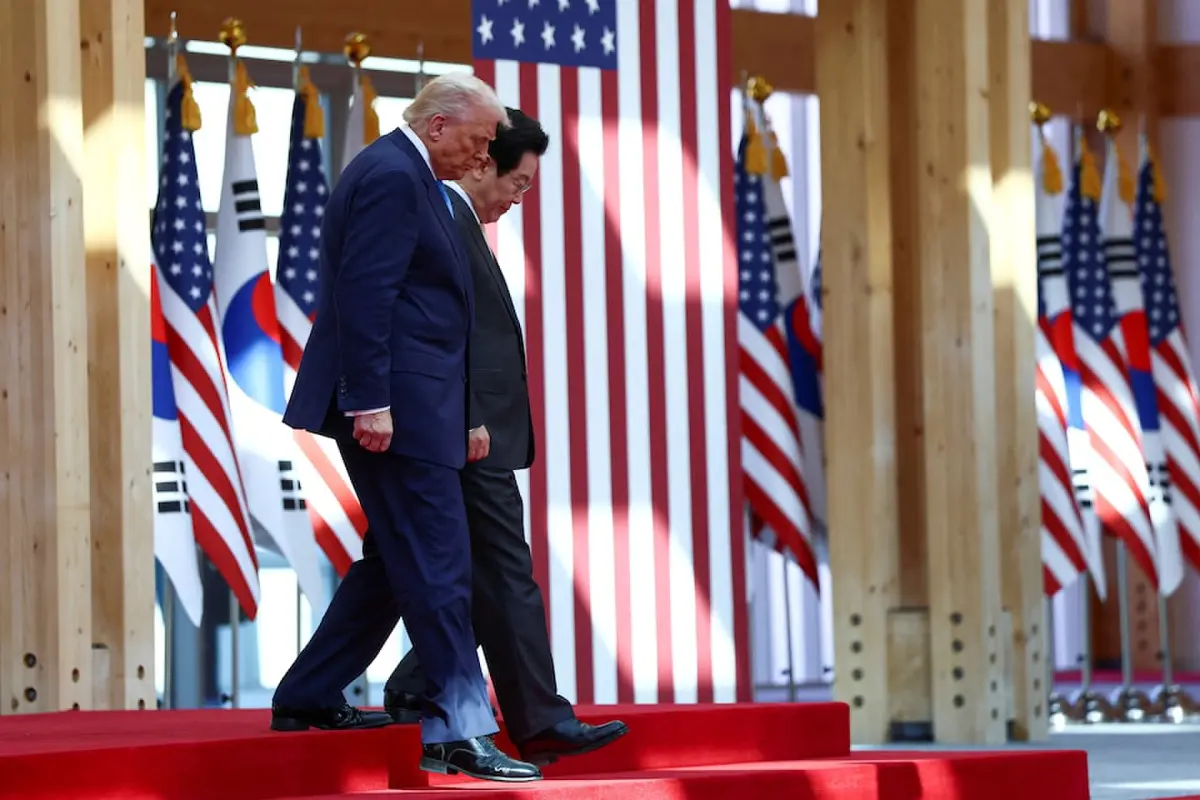
    SEOUL: South Korea’s presidential ​office said on Thursday it saw little prospect of US-North Korea contact around the ‌upcoming APEC summit in China or of Pyongyang’s participation in APEC-related events.

    US President Donald Trump has sought to restart talks with North Korean ​leader Kim Jong Un, but US and South Korean ​officials see fading chances of a meeting this ⁠year.

    A senior South Korean presidential official, commenting on a ​recent spike in tensions along the inter-Korean border, also said no ​additional North Korean activity had been detected at the Demilitarized Zone beyond preparations for possible loudspeaker broadcasts.

    North Korean leader Kim Jong Un’s powerful sister, Kim ​Yo Jong, announced last month that her country was considering ​restarting propaganda broadcasts over loudspeakers near the inter-Korean border, ratcheting up ‌tensions ⁠with Seoul.

    South Korea says North Korean mines planted as part of its fortification activity in the DMZ caused a blast in September that seriously wounded several of its soldiers. ​North Korea denies ​responsibility, calling ⁠the incident a South Korean fabrication.

    South Korea is also monitoring whether Russian President Vladimir Putin ​attends the APEC summit in Shenzhen next ​week, given ⁠Seoul had some diplomatic issues to discuss with Moscow, he said without elaborating.

    A possible trilateral summit involving the United ⁠States, China ​and Russia at the gathering ​could provide an opportunity for the countries to discuss North Korea, the official ​said.

    Source: brecorder

  • Dollar rises to 19-month high as Fed hike bets grow, yen softens

    Dollar rises to 19-month high as Fed hike bets grow, yen softens

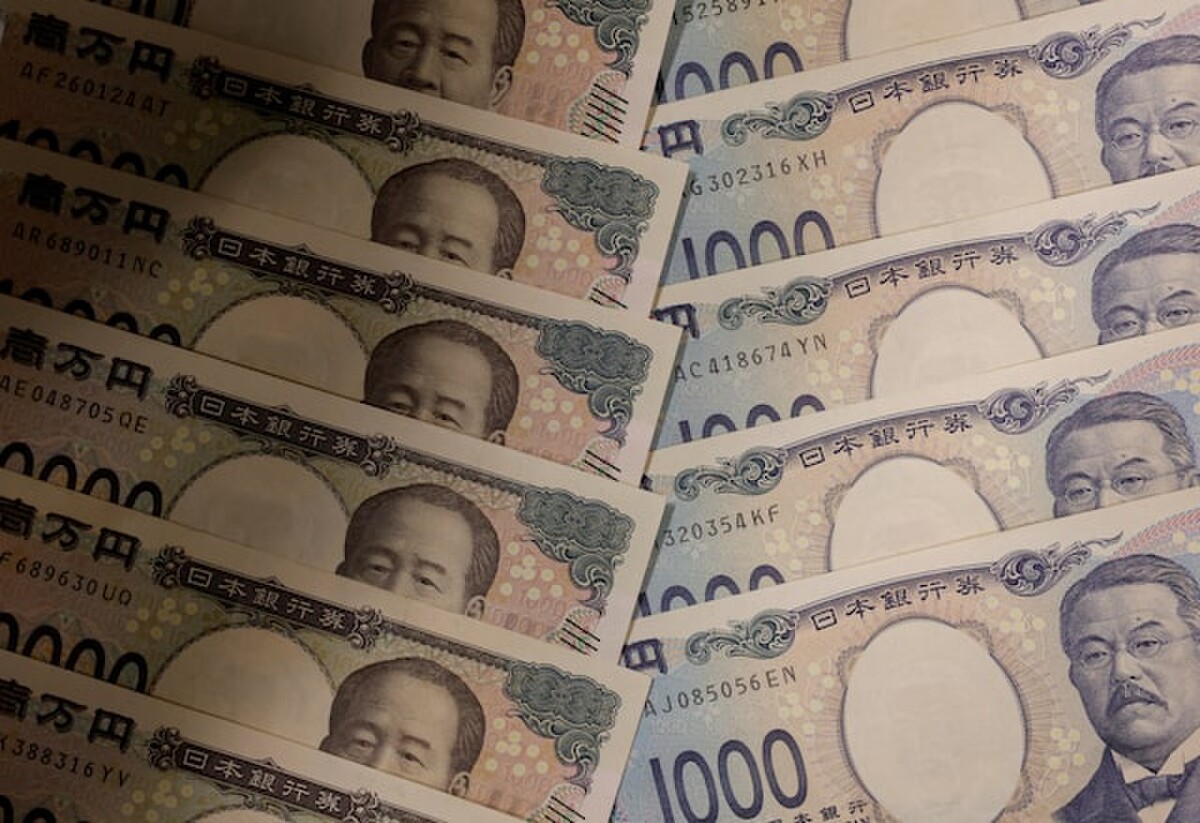
    TOKYO: The dollar climbed to a 19-month high against major peers on Thursday, supported ‌by growing expectations of a Federal Reserve rate hike, while the yen edged toward the key 160-per-dollar level following a dovish central banker’s speech.

    Traders ramped up bets on further Fed tightening after stronger-than-expected October inflation data and a series of hawkish remarks from US central bank officials, who expressed concern over stubborn ​inflation and left open the possibility of a larger 50-basis-point increase.

    Some major brokerages, including Goldman Sachs, now expect another hike ​early next year, in addition to one in December.

    The dollar index , which measures the greenback against ⁠a basket of currencies, rose by 0.15% to 103.02, the highest since April 2025.

    New York Fed President John Williams is set ​to appear on a panel late Thursday that will be closely watched given his “pre-October FOMC meeting views the Fed had time on ​rate hikes,” said Gavin Friend, senior markets strategist at National Australia Bank, in a note.

    “Fast forward two weeks and following a hotter-than-forecast October CPI report, Fed officials appear to be falling over themselves to talk up rate hikes,” Friend said. “Any guidance from Williams will be seized on.”

    Against the Japanese yen , the ​dollar reversed an earlier decline to trade 0.04% higher at 159.83, underpinned by wide interest-rate differentials as traders increased bets on ​further Fed hikes. It hit a more than two-month high earlier on Thursday.

    Bank of Japan board member Toichiro Asada, one of two dovish policymakers who ‌dissented ⁠from September’s decision to increase borrowing costs to 1.25%, pushed back against calls within the board for a near-term interest rate hike, saying in a speech that premature rate hikes could hurt growth and push down underlying inflation.

    Earlier a warning from Japan’s top currency diplomat Atsushi Mimura that it was “too early to forget” intervention by Japanese authorities during the summer pushed the dollar/yen pair to its lowest point of ​the day but the respite for ​the yen was brief.

    “Once dollar/yen ⁠rises above 160, I think caution will increase another notch,” said Sho Suzuki, market analyst at Matsui Securities.

    “For it to move higher from there, the dollar would need to strengthen further, for example, ​through a further rise in expectations for Fed rate hikes, or a drop-off in expectations for ​BOJ rate hikes. ⁠Without something like that, the pair may lack enough momentum to test a break above 160,” he said.

    Many analysts in a Reuters poll expect the next BOJ rate hike as soon as next month.

    That view was strengthened on Thursday by data that showed Japan’s annual wholesale inflation ⁠re-accelerated to ​7.1% in the year to October, up from a 6.8% annual increase in ​September.

    The euro was up 0.06% against the US dollar at $1.1096 while sterling slipped 0.1% to $1.3266.

    The Australian dollar was little changed versus the greenback at $0.6847, while New Zealand’s kiwi was ​down 0.05% at $0.5559.

    In cryptocurrencies, bitcoin fell 0.63% to $73,848.24. Ether declined 0.49% to $2,058.18.

    Source: brecorder

  • Asian stocks fragile, Nvidia plummets as board to decide CEO’s fate

    Asian stocks fragile, Nvidia plummets as board to decide CEO’s fate

    SINGAPORE: Global stocks wobbled at the start of Asian trade on Thursday, while Nvidia shares plunged in after-hours trading on news that its board may oust longtime CEO ​Jensen Huang.

    Nvidia’s board is meeting late Wednesday to decide whether to oust Huang, ‌a source familiar with the matter said, as the world’s dominant supplier of AI processors grapples with the fallout of allegations that he had an affair with a suspected spy for China.

    The New York Times has also ​reported that Huang had had an affair with a company executive who reported to ​him.

    “It looks bad from every single angle,” said Jake Dollarhide, chief executive officer ⁠at Longbow Asset Management in Tulsa, Oklahoma.

    “I believe the board won’t oust him until they have ​an all-star, a known entity in the tech sector, to replace him,” he said. “At the end ​of the day, let’s not forget that the Nvidia chip is the centrepiece of the AI story.”

    Shares in Nvidia slid more than 8% after the bell, weighing on S&P 500 e-mini futures , which slipped 0.4%.

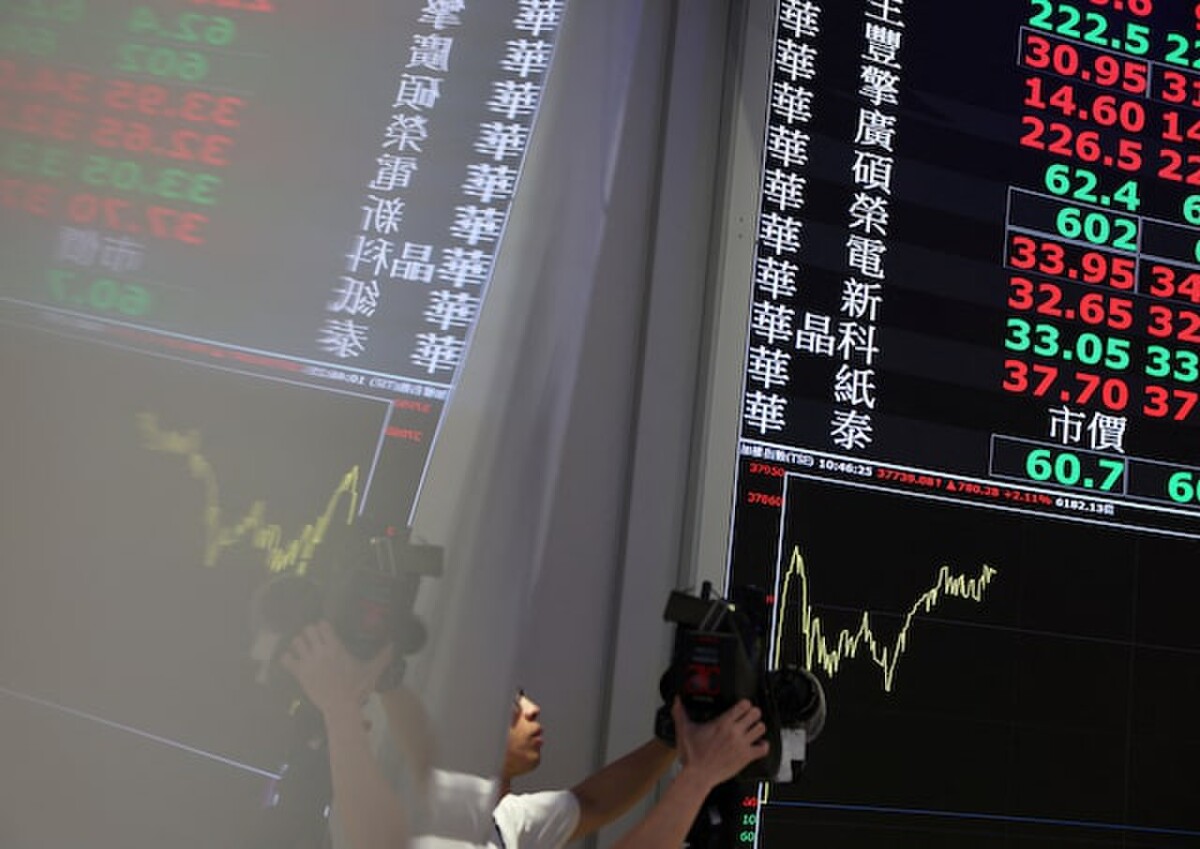
    Regional indexes fared better ​after a choppy start. South Korea’s Kospi rose 0.2%, Taiwanese shares gained 0.5%, Japan’s Nikkei 225 ​climbed 0.5% and MSCI’s broadest index of Asia-Pacific shares outside Japan was 0.1% lower, weighed down by shares ‌in Hong ⁠Kong.

    Stocks on Wall Street made gains on Wednesday, with the S&P 500 rising 1.3% and coming close to retracing all of the losses since last week’s US midterm elections.

    “Renewed optimism around AI drove US equities higher overnight, with positive developments around CoreWeave and Anthropic adding to enthusiasm around the sector ​and helping the S&P ​500 and NASDAQ rally,” ⁠Westpac analysts wrote in a note.

    The dollar index , which measures the greenback’s strength against a basket of six currencies, was steady in Asian trade ​at 102.87, its highest level since April 9 last year in the ​aftermath of ⁠Trump’s Liberation Day tariff announcement. The currency rose 0.6% on Wednesday as traders repriced the odds the Federal Reserve will lift interest rates next month.

    Fed funds futures are pricing an 87.3% chance of a 25-basis-point ⁠hike ​at the US central bank’s next two-day meeting on December ​9, compared to a 12.7% chance of a larger 50-basis-points hike, according to the CME Group’s FedWatch tool.

    In cryptocurrencies, bitcoin ​slipped 0.9% to $73,617.58, while ether was 0.9% lower at $2,049.44.

    Source: brecorder

  • Centre expenditure on provincial subjects

    Centre expenditure on provincial subjects

    EDITORIAL: The Senate Standing Committee on Devolution was informed that the Centre spent Rs5 trillion on 17 subjects — including education, health, environment, agriculture, labour, and industries — that were devolved to the provinces in 2010 under the 18th Constitutional Amendment.

    The outlay is therefore clearly violative of the constitution but, bafflingly, instead of removing lacunas that continue to persist sixteen years after the amendment was passed with consensus, notably building capacity in provinces to deal with the devolved subjects, all post-2010 administrations implemented the concomitant National Finance Commission (NFC) Award of the same year, which raised the provinces’ share in the federal divisible pool, thereby creating an acute shortage of federal funds to meet the Centre’s expenditures.

    To meet this shortage till capacity was built in the provinces provincial surplus was agreed between the Centre and the provinces to enable the former meet its expenditure needs. In 2010-11, the very first year after the amendment was passed and the NFC agreed with consensus, the budgeted provincial surplus was 166.9 billion rupees though the revised estimates placed it at 119.8 billion rupees.

    The budget for the current year has projected a surplus of 1,784 billion rupees – a 974 percent increase from what was budgeted sixteen years ago. Needless to add, Provinces complain about their share of the surplus, particularly those with a different political party in power than at the Centre, arguing that their share prevents them from undertaking social sector programmes for the people of their province.

    The framers of the Eighteenth Constitutional Amendment and the NFC Award also envisaged a one-percentage-point annual increase in the Federal Board of Revenue’s tax-to-GDP ratio, which would eventually generate more than enough funds for the Centre’s expenditure needs.

    To this day, that objective remains unmet, with the tax-to-GDP ratio standing at an appallingly low 10.3 percent last fiscal year, compared to 9.9 percent in 2011–12. Since 2010, Pakistan has entered six International Monetary Fund (IMF) programmes (including the one ongoing that year).

    Except for the architect of the 2010 NFC Award, every subsequent finance minister—whether an economist, chartered accountant, or banker—has lamented the lack of federal resources to meet budgeted expenditures and suggested rolling back the agreed provincial share of the divisible pool, a position the IMF has supported in its documents ever since.

    It is unclear whether the proposed constitutional amendment—which envisions new provinces and would therefore require a new NFC award—is also aimed at increasing the federal government’s share.

    The Senate Committee has quite unrealistically given Prime Minister Shehbaz Sharif a mere two weeks to wind up 17 ministries—a task unlikely to be achieved in such a short period, given that only 6,700 of the more than 50,000 employees serving in these devolved ministries have been transferred to the provinces over the past 16 years, leaving 48,000 on the federal payroll.

    One would urge the government to proceed with implementing the Eighteenth Amendment and the 2010 NFC Award in letter and spirit. This would, in turn, enable the Centre to meet its budgeted expenditures, allow the provinces to build capacity to administer devolved subjects through financial autonomy, and, last but not least, perhaps preclude the need for creating new provinces—a process that would require its own period of capacity building.

    Copyright Business Recorder, 2026

    Source: brecorder

  • Sindh CM vows to promote investment in vast mineral resources

    Sindh CM vows to promote investment in vast mineral resources

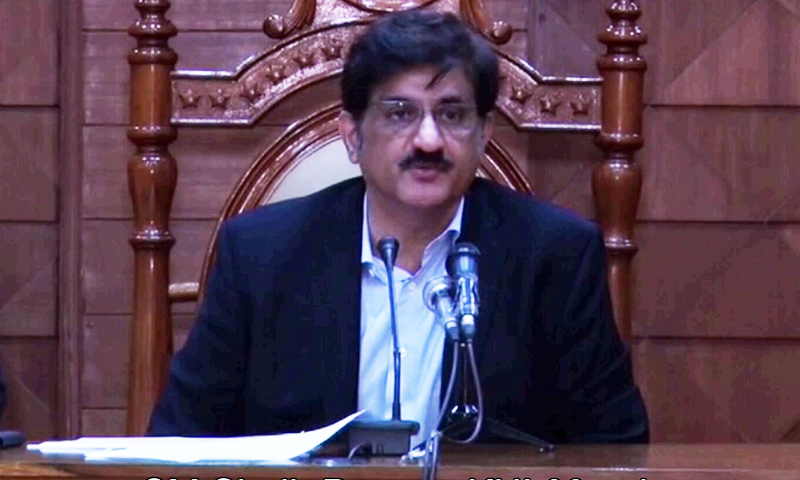
    KARACHI: Sindh Chief Minister Syed Murad Ali Shah Wednesday reaffirmed his government’s commitment to promoting investment in the province’s vast mineral resources, saying that the mineral sector has enormous potential to drive industrialisation, strengthen energy security, generate employment and accelerate economic growth.

    Presiding over a meeting at the CM House, the Chief Minister reviewed Sindh’s coal and non-coal mineral resources, ongoing mining projects and opportunities for domestic and international investment. Mines and Minerals Syed Sardar Shah gave him a detailed briefing on the province’s mineral reserves, existing operations, investment potential and the government’s strategy for sustainable mineral development.

    The Chief Minister said his government’s vision was to unlock Sindh’s mineral wealth through scientific exploration, responsible extraction, modern technology and value addition, ensuring that natural resources became a source of economic prosperity and improved livelihoods for the people.

    Thar coal: 175 billion tonnes of reserves: Sindh’s Thar coalfield holds reserves of 175 billion tonnes, representing enormous potential for indigenous energy production and industrial development. The presentation also highlighted an estimated energy equivalent of 50 billion tonnes of oil equivalent (TOE) and coal-related gas-equivalent resources of 2,000 trillion cubic feet (TCF).

    The CM reviewed two major Thar coal mining and power generation projects developed under the China-Pakistan Economic Corridor (CPEC) early harvest programme.

    The Sindh Engro Coal Mining Company (SECMC), established under a public-private partnership, has a mining capacity of 11.2 million tonnes per annum (MTPA) and power generation capacity of 1,980 megawatts. The Sindh government holds a 54.7 per cent share in the company, while Engro and its associates hold 45.3 per cent. The provincial government invested Rs 12.9 billion in equity.

    The Sino-Sindh Resources Limited (SSRL), established by Chinese investors, has a mining capacity of 7.8 MTPA and power generation capacity of 1,320 MW, with a private investment of over $2.6 billion. The project is also contributing to foreign exchange savings through coal import substitution.

    Minister Sardar Shah briefed the CM on investment opportunities in a wide range of non-coal minerals, including granite, iron ore, marble, limestone, celestite, China clay, silica sand and lake salt.

    Granite deposits in Nagarparkar, Tharparkar, offer opportunities for dimension stone, decorative products and cutting and polishing industries. Iron ore deposits in Thatta, Jamshoro and Tharparkar have potential for steel-related industries, exploration and beneficiation.

    Similarly, marble deposits in Thatta and Jamshoro offer opportunities for finished stone products, while limestone reserves across Khairpur, Dadu, Jamshoro, Sukkur, Hyderabad, Thatta and Karachi can support cement and construction industries.

    The province also offers investment opportunities in celestite in Jamshoro, China clay in Tharparkar, silica sand in Jamshoro and Thatta, and lake salt deposits in Dadu, Sanghar and Tharparkar, particularly in processing, refining, manufacturing and value-added products.

    The Chief Minister said the government wanted to encourage investors to move beyond raw mineral extraction and establish processing and manufacturing industries, creating greater economic value, employment and export opportunities within Sindh.

    The meeting also reviewed the provincial government’s framework for ethical governance, social responsibility and environmental protection in the mining sector.

    The Minister highlighted the Thar coal projects as examples of how mining activities could contribute to local development through employment, education, healthcare, clean drinking water and community infrastructure.

    Under Block-I, approximately 5,000 jobs have been generated, with around 97 per cent of the workforce drawn from Sindh. More than 20,000 direct local employment opportunities have been reported cumulatively during project development and implementation. The initiatives include a 250-bed hospital in Islamkot, healthcare facilities, reverse osmosis plants and technical training for local youth.

    Under Block-II, approximately 2,350 local people are employed through SECMC-related operations, with 94 per cent of its workforce from Sindh, including 60 per cent from Thar. Seven medical facilities provide free healthcare, while 33 reverse osmosis plants supply clean drinking water to local communities.

    The briefing also covered environmental protection initiatives, including plantation of more than 1.3 million trees under the Thar Million Tree Programme, water treatment and reuse, biodiversity conservation, bio-saline agriculture and progressive land rehabilitation.

    The CM stressed that mining must be conducted responsibly, with strict compliance with environmental standards, occupational health and safety requirements, protection of local communities and appropriate resettlement arrangements.

    The meeting also reviewed infrastructure supporting mineral development, including road connectivity, water supply facilities and the proposed Thar Rail Connectivity Project, a joint venture of the federal and Sindh governments. The rail link is expected to facilitate transportation of Thar coal to industries across the country and provide a wider market for indigenous coal.

    The briefing highlighted opportunities for alternative utilisation of Thar coal, particularly coal briquetting and coal-to-urea production, which could support industrial growth, food security and foreign exchange savings. Geological and exploration data for investors are also available, with 12 blocks developed following detailed drilling.

    The Chief Minister reiterated that Sindh welcomed domestic and international investors and would encourage strategic partnerships and joint ventures, technology transfer, modern mining practices and mineral-based industries.

    He emphasised that transparent regulations, competitive investment opportunities, strong institutional support and investor-friendly procedures would remain central to the provincial government’s approach to mineral development. He said the ultimate objective was to transform Sindh’s mineral wealth into sustainable economic growth, industrial development, local employment and prosperity while safeguarding the environment and protecting the interests of communities living in mineral-rich areas.

    Copyright Business Recorder, 2026

    Source: brecorder
  • Rs1trn economy target hinges on Karachi’s development: Dr Afnan

    Rs1trn economy target hinges on Karachi’s development: Dr Afnan

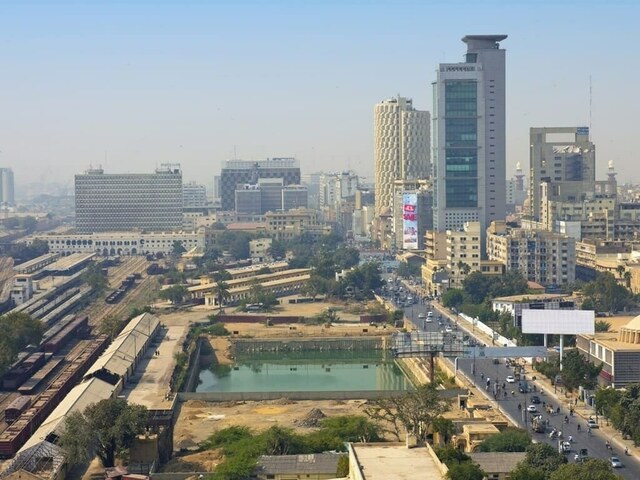
    KARACHI: Chairman of the Senate Standing Committee on Privatisation Senator Dr. Afnan Ullah Khan has said that achieving the target of a PKR 1 trillion economy is not possible without improving Karachi.

    He said the city possesses immense economic potential and some of the country’s finest human resources.

    Prime Minister Shehbaz Sharif is committed to improving Karachi’s infrastructure, while the PML-N government is making concerted efforts to promote the city’s development.

    He said the business community could play a bridging role and contribute to Karachi’s improvement and economic growth.

    Federal government attention was essential to resolving the city’s longstanding problems, adding that he would raise issues concerning electricity and water supply at the federal level.

    He expressed these views during a meeting with industrialists and business community representatives at the Korangi Association of Trade and Industry (KATI), Senator Afnan Ullah Khan said the PML-N government had played a significant role in completing major development projects and addressing security challenges in Karachi in the past.

    He said developing Karachi was a responsibility because of the city’s substantial contribution to national revenue. If the PML-N received greater public support in Karachi, the scope of development projects in the city could be further expanded.

    Commenting on the privatisation of Pakistan International Airlines (PIA), he said it had been a major challenge. An attempt in 2017 had failed, followed by another effort in 2022, while success was finally achieved in the fourth attempt.

    He said the government had determined PIA’s value after conducting a comprehensive assessment and obtaining an independent third-party valuation.

    The privatisation process had been kept fully transparent, and it was encouraging that the airline remained under Pakistani ownership.

    He added that the model for the privatisation of electricity distribution companies (DISCOs) had been adopted from Türkiye, while Islamabad International Airport was also included in the government’s privatisation list.

    He said the Sukkur and Quetta electric supply companies accounted for approximately 90 percent of the overall power-sector losses, with the Quetta Electric Supply Company alone responsible for 70 percent of these losses.

    The government was making efforts to improve the performance of these entities.

    He also said that a solar park could be established outside Karachi with the cooperation of the business community.

    KATI and industrialists were encouraged to submit practical recommendations, which would be conveyed to the Prime Minister and the federal government for consideration.

    Senator Afnan Ullah Khan further stated that efforts were underway to resolve railway-related issues.

    The financial closing of the Main Line-1 (ML-1) project had been achieved, and work on the project was expected to begin soon.

    Its implementation would help address many of the problems associated with the existing railway tracks.

    Earlier, KATI President Sheikh Umer Rehan said Karachi contributed more than half of Pakistan’s national revenue, while the Korangi Industrial Area accounted for approximately 60 percent of the city’s overall revenue. He said just six major export-oriented industries in the Korangi Industrial Zone contributed five per cent to Pakistan’s total exports, while the area’s overall exports had reached USD3.1 billion.

    Despite this significant contribution, he said, Karachi’s business community faced numerous challenges at federal, provincial and local government levels. KATI was actively raising these issues at every relevant forum to secure solutions for the industrial sector.

    He pointed out that industries were being supplied electricity and energy at some of the highest rates in the region, resulting in a substantial increase in production costs and making it increasingly difficult for Pakistani products to compete in international markets. Expensive energy was a major obstacle to export growth and required immediate attention.

    Sheikh Umer Rehan said KATI wanted all federal ministers to visit Karachi every month, following the example of the FBR Chairman, who visits the city monthly on the Prime Minister’s directives to meet stakeholders.

    He urged federal ministers to hold regular meetings with industrialists and business representatives to understand and address their concerns directly.

    He said regular visits by the Prime Minister and federal ministers would accelerate the resolution of Karachi’s problems and boost the confidence of the business community.

    Karachi had enormous economic potential, and greater federal government attention could further enhance the city’s contribution to national economic growth.

    KATI Deputy Patron-in-Chief Zubair Chhaya said Karachi’s business community was working for the country’s economic prosperity regardless of political affiliations.

    He stressed that Karachi’s development was directly linked to Pakistan’s progress, noting that industrial development in the country had begun in Karachi when Quaid-e-Azam Muhammad Ali Jinnah laid the foundation stone of Valika Textile Mills after the establishment of Pakistan.

    He said Karachi had endured severe lawlessness, deteriorating infrastructure and widespread corruption.

    Despite these serious challenges, the city continued to contribute approximately 60 percent to the national economy. Karachi also accounted for 95 percent of the Sindh Revenue Board’s collections.

    Chhaya observed that Punjab had witnessed rapid development, crediting the leadership of Nawaz Sharif and the Pakistan Muslim League-N.

    He said Karachi deserved similar attention and focused development initiatives.

    If monthly visits by the FBR Chairman were producing visible improvements, regular visits by federal ministers could help resolve numerous longstanding problems facing the city.

    He expressed hope that Senator Dr. Afnan Ullah Khan would effectively represent Karachi’s concerns at the federal level and help address the challenges confronting industry and trade.

    Highlighting the importance of the railway sector, Zubair Chhaya said an efficient railway system was essential for improving the national economy.

    The federal government had to provide a grant of Rs64 billion to sustain railway operations and cover its losses.

    He further said the railway system could become a major source of revenue if an effective freight transportation service was reintroduced.

    Providing freight services through the railway network would offer businesses a more affordable transportation option, reduce the burden of heavy traffic on roads and help lower the country’s diesel import bill.

    He urged the federal government to prioritise Karachi’s issues in view of the city’s vital importance to Pakistan’s industrial and economic landscape.

    KATI President Sheikh Umer Rehan, Deputy Patron-in-Chief Zubair Chhaya, Senior Vice President Farrukh Qandhari, Vice President Nasir Sheikh, Sardar Ismail Gabol, Khawaja Tariq Nazir, Daniyal Munaf Kherani, Sardar Rehan, and a large number of industrialists and KATI members were present in the meeting.

    Copyright Business Recorder, 2026

    Source: brecorder
  • PRA revenue collection rises over Rs33bn in Oct

    PRA revenue collection rises over Rs33bn in Oct

    LAHORE: The Punjab Revenue Authority (PRA) has posted a strong rise in revenue collection, bringing in more than Rs. 33 billion in October, up from Rs. 26 billion in the same month of the last fiscal year. Overall, revenue collection in the current fiscal year is running 30 percent higher than in the corresponding period.

    The figures were presented at a high-level meeting chaired by PRA Chairman Moazzam Iqbal Sipra to review monthly targets and performance. Participants examined sector-wise revenue targets, the number of registered taxpayers and businesses, and the performance of officers.

    Sipra directed that tax collection records for 16 sectors be closely scrutinized, particularly data from the Electronic Invoice Monitoring System (EIMS) and payments made through banks. He said identifying those who manipulate tax returns, using digital monitoring tools, is essential to improving compliance and ensuring transparency.

    He also instructed the Large Taxpayer Commissionerate to begin work immediately on setting up additional sectors to strengthen revenue monitoring and collection. In addition, he announced that enforcement operations against the issuance and use of fake receipts will be expanded across the province.

    The chairman warned that misappropriating taxes paid by the public is a punishable offence under the law, and that strict action will be taken against those involved.

    Copyright Business Recorder, 2026

    Source: brecorder
  • KP e-registry linked to land record system, FBR

    KP e-registry linked to land record system, FBR

    PESHAWAR: The digital integration of the e-Registry, the Land Record Management System and the Federal Board of Revenue (FBR) was inaugurated in Khyber Pakhtunkhwa on Wednesday, with the aim of making the province’s land registration and mutation process more transparent and efficient.

    KP Chief Secretary Dr Muhammad Fakhre Alam Irfan and Adviser on Finance and Revenue Tariq Mehmood Pasha formally inaugurated the new system.

    Briefing the inauguration ceremony, officials said that integrating the e-Registry with the Land Record Management System would make the entire process, from registration to mutation, automated, faster and more transparent.

    The digital system would eliminate irregularities. Preparation of mutations, biometric verification and entry of mutation numbers would all be carried out automatically.

    Officials said that, with the integration of the computerised Land Record Management System and the FBR, federal taxes levied on mutations would be paid online. Payment of these taxes would be verified directly by the FBR.

    The participants were told that a record of the relevant tax payment would be attached to every mutation, ensuring transparency. Citizens would also be spared repeated visits to government offices and unnecessary waiting.

    The Senior Member Board of Revenue, relevant secretaries, the Managing Director of the Information Technology Board and officials of the Revenue Board were also present at the inauguration and briefing.

    Copyright Business Recorder, 2026

    Source: brecorder