Category: Brecorder

  • Unsafe school buildings

    Unsafe school buildings

    EDITORIAL: The decision of the District Education Authority (DEA), Rawalpindi, to conduct a detailed survey of 143 school buildings declared dangerous is a highly welcome initiative. The safety of children, teachers, and other school employees must be the foremost responsibility of the authorities running educational institutions, and no compromise be made in this regard.

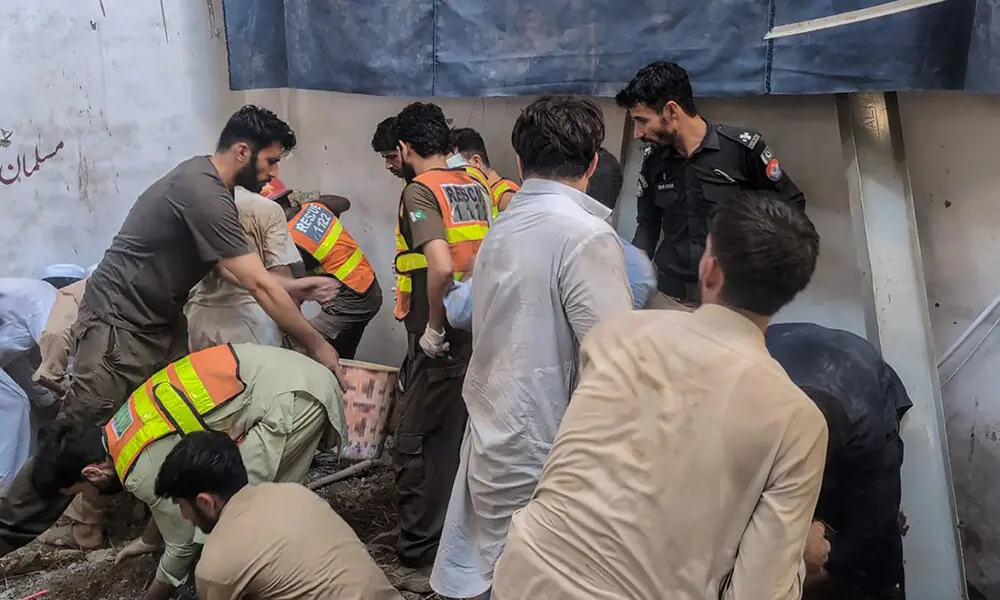
    Pakistan has witnessed several tragic incidents of structural collapses at schools and tuition centres in recent years, claiming the lives of innocent children and leaving many others, including teachers and support staff, injured. The scale of these tragedies is particularly alarming. In May 2026, at least four children were killed, and 20 people injured when the roof of a classroom at a private school in Dera Ghazi Khan collapsed.

    Barely two months later, 14 children lost their lives when the roof of a private tuition centre in Lahore’s Kahna area caved in. More recently, a school roof collapse in Peshawar claimed 33 lives, including those of 32 students and a female teacher. These heartbreaking incidents underscore the grave consequences of negligence, unsafe construction and inadequate enforcement of building safety regulations.

    Against this backdrop, the Rawalpindi administration’s decision to inspect both public and private educational institutions, identify unsafe buildings and relocate students from potentially hazardous classrooms is commendable. Particularly reassuring is the fact that students have been shifted to safe rooms rather than being allowed to continue attending classes in potentially dangerous spaces. Reconstruction and repair work at five government schools has also begun.

    However, identifying dangerous buildings and conducting surveys should not become a mere administrative exercise or a one-time undertaking. The authorities must ensure that inspections are comprehensive, technically sound, and conducted by qualified structural engineers. Architects’ certificates submitted by private schools should be independently verified rather than accepted at face value. Any institution found violating prescribed building codes must be held accountable.

    Furthermore, all provincial governments should establish a regular inspection and monitoring mechanism for educational institutions, irrespective of whether they are publicly or privately managed. Schools should be required to obtain periodic structural safety certifications, while institutions operating in unsafe premises must not be allowed to expose students and staff to unnecessary risks. The proposed school management councils and internal audit committees can also play a constructive role in ensuring transparency and timely maintenance, provided they are adequately empowered and held accountable.

    In the end, education is not merely about providing classrooms, textbooks and qualified teachers; it is equally about ensuring a safe and secure environment in which students can learn without fear. The Rawalpindi initiative should serve as a model for other districts across the country. Protecting children from preventable tragedies must be treated as a national priority, not an occasional administrative concern.

    Copyright Business Recorder, 2026

    Source: brecorder
  • CDF declares KP police as brave frontline force

    CDF declares KP police as brave frontline force

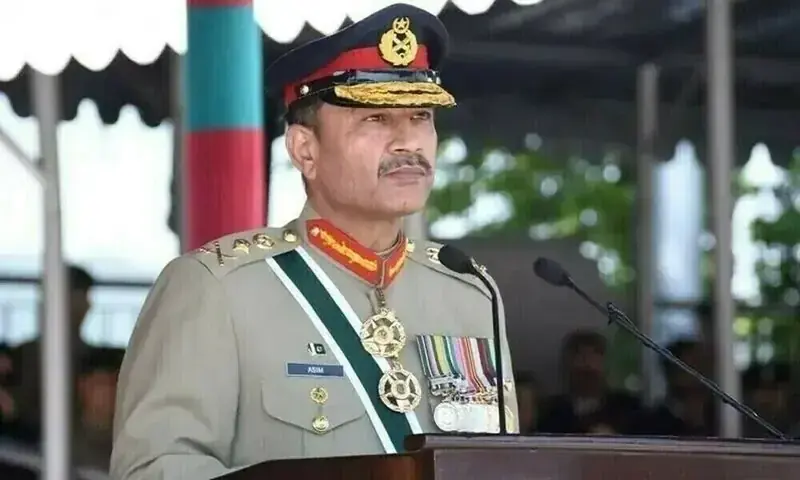
    RAWALPINDI: Chief of Army Staff (COAS) and Chief of Defence Forces (CDF) Field Marshal Syed Asim Munir has declared Khyber Pakhtunkhwa Police as a brave frontline force, expressing pride in their resilience and sacrifices against terrorism and Fitna al-Khwarij.

    According to an ISPR statement issued in Rawalpindi on Friday, Field Marshal Syed Asim Munir, NI (M), HJ, Chief of Army Staff and Chief of Defence Forces (COAS and CDF), gave these remarks during his visit to Miran Shah, in North Waziristan District of Khyber Pakhtunkhwa.

    Upon arrival, the COAS and CDF laid a floral wreath at Yadgar-e-Shuhada to pay homage to the supreme sacrifices of the Shuhada of the Pakistan Army.

    During the visit, the COAS and CDF was given a comprehensive briefing on the prevailing security situation, ongoing intelligence-based operations and measures being undertaken to consolidate the gains achieved through sustained counter-terrorism efforts and ensure lasting peace and stability in the area.

    The COAS and CDF also interacted with officers and troops and appreciated their high level of preparedness, professionalism and unwavering commitment to the defence and security of the motherland.

    While appreciating the brave police forces in Khyber Pakhtunkhwa, the COAS and CDF described the KP Police as a brave frontline force and expressed pride in their resilience and sacrifices against terrorism and Fitna al-Khwarij.

    The Field Marshal reaffirmed the unwavering resolve of the security forces, in close coordination with the law-enforcement agencies (LEAs), to decisively eliminate the menace of terrorism and preserve the hard-earned peace and stability of Khyber Pakhtunkhwa.

    Upon arrival, the COAS & CDF was received by Commander Peshawar Corps, the ISPR statement concluded.

    Source: brecorder

  • Mayors reject proposal for new provinces

    Mayors reject proposal for new provinces

    KARACHI: The elected mayors of Sindh’s six divisional headquarters have rejected proposals for the creation of new provinces in Sindh, declaring that no compromise would be made on the province’s historical, cultural and geographical unity.

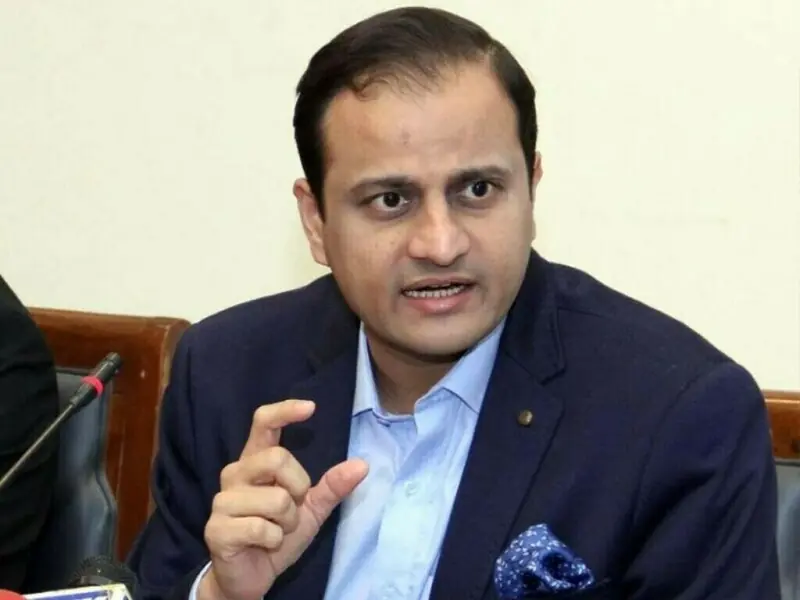
    Speaking at a joint press conference at the Karachi Press Club, Karachi Mayor Barrister Murtaza Wahab, Sukkur Mayor and Sindh Government Spokesperson Barrister Arsalan Islam Sheikh, Hyderabad Mayor Kashif Shoro, Mirpurkhas Mayor Abdul Rauf Ghori, Larkana Mayor Anwar Lohar and Shaheed Benazirabad (Nawabshah) Mayor Qazi Rasheed Bhatti said the people of Sindh stood firmly behind their province’s historical identity and unity.

    Responding to a recent press conference by MQM-Pakistan Convener Khalid Maqbool Siddiqui, Sukkur Mayor and Sindh Government Spokesperson Barrister Arsalan Islam Sheikh said Siddiqui had made statements contrary to the Constitution and ground realities.

    “We have been elected through the votes of the people. No one has the right to make unilateral claims about the future of Sindh against the wishes of its people,” he said, adding that simply using the word ‘Muttahida’ in one’s name did not make anyone united.

    Arsalan Islam Sheikh said Sindh was the province of Quaid-e-Azam Muhammad Ali Jinnah and had warmly welcomed those who migrated to the province in 1947, offering them love and a sense of belonging.

    He described Sindh as the land of a 5,000-year-old civilisation, Sufi saints, peace, tolerance and brotherhood. He termed the comparison of Sindh’s culture with African jungles unacceptable and demanded an apology and withdrawal of such insulting remarks.

    He said attempts to divide the people of Sindh along linguistic lines, issue threats and create an atmosphere of hatred must stop. Such attitudes could lead to tensions and further problems in the province.

    Speaking on constitutional matters, Arsalan Islam Sheikh said Khalid Maqbool Siddiqui had misinterpreted Article 140-A of the Constitution and a Supreme Court judgment.

    He explained that Article 140-A relates to empowering local governments and strengthening the local government system, and has no connection with the creation of new provinces.

    He said the constitutional procedure for creating new provinces and changing provincial boundaries was clearly outlined in Article 239(4).

    “When the Constitution already provides a proper procedure for the creation of new provinces, on what basis is the demand for a referendum being raised?” he asked, adding that a referendum could not be treated as a substitute for the constitutional process.

    He said attempts to mislead the public through an incorrect interpretation of the Constitution would be challenged through constitutional and legal channels, including the right to initiate proceedings under Article 199.

    He stressed that there should be no double standards in dealing with the cases of Punjab and Sindh.

    Referring to past incidents, Arsalan Islam Sheikh said the people of Sindh, particularly Karachi, had paid a heavy price for unrest, violence and ethnic politics.

    He recalled the events of May 12, 2007, the tragedy in which lawyers were burnt alive at Tahir Plaza, and the culture of bodies found in sacks, describing them as painful chapters in the city’s history.

    Karachi Mayor Barrister Murtaza Wahab said hatred was among the most damaging forces for any society.

    He said the mayors of Sindh’s six divisional headquarters had gathered to promote love, unity, constitutional supremacy and an end to hostility.

    He said Karachi’s history did not begin in 1947, describing the city as the custodian of a centuries-old civilisation. He also referred to the shrine of Hazrat Abdullah Shah Ghazi, saying Karachi had once been the pride of the entire region.

    Wahab said the promotion of ethnic prejudice during the 1980s had damaged the city’s peace.

    He added that political workers, journalists and law enforcement agencies had made countless sacrifices to restore peace in Karachi. The city should not be pushed back into the atmosphere of fear and unrest witnessed during the 1980s and 1990s.

    Hyderabad Mayor Kashif Shoro said people were now politically aware and understood the politics and conduct of political parties.

    He said elected representatives must demonstrate their performance in response to the expectations of the people who had voted for them.

    Larkana Mayor Anwar Lohar, Mirpurkhas Mayor Abdul Rauf Ghori and Shaheed Benazirabad Mayor Qazi Rasheed Bhatti also supported the position in favour of Sindh’s unity, democratic values and protection of the public mandate.

    Copyright Business Recorder, 2026

    Source: brecorder
  • GTA VI books record $3.79 billion in sales on first day of launch

    GTA VI books record $3.79 billion in sales on first day of launch

    “Grand Theft Auto VI” recorded $3.79 billion in retail sales in the first 24 hours of its launch, developer Rockstar Games said on Friday, cementing its position as the world’s biggest videogame release of all time.

    Source: brecorder

  • Indian man sentenced to more than 19 years in US for plotting to kill Sikh separatist

    Indian man sentenced to more than 19 years in US for plotting to kill Sikh separatist

    NEW YORK: An Indian man was sentenced to more than 19 years in US prison on Friday after admitting to orchestrating a failed Indian government-backed plot to kill a Sikh separatist in New York City, in connection with what US and Canadian authorities have called a broader effort to target Indian dissidents.

    Nikhil Gupta, 55, pleaded guilty in February to murder-for-hire, conspiracy to commit murder-for-hire, and conspiracy to commit money laundering.

    US District Judge Victor Marrero handed down the 235-month sentence at a hearing in Manhattan federal court.

    READ ALSO: Indian man pleads guilty in New York over alleged plot against Sikh separatist

    The discovery of alleged assassination plots against Sikh separatists in the US and Canada has tested relations with India, which has denied involvement in such plots.

    Prosecutors accused Gupta of plotting with an Indian government official to kill Gurpatwant Singh Pannun, a dual US-Canadian citizen and lawyer at Sikhs for Justice in New York, who has advocated for a sovereign Sikh state in northern India.

    Gupta and the Indian government official, Vikash Yadav, arranged to have $15,000 in cash delivered to a purported hitman who was actually an undercover US law enforcement officer, court papers show.

    Yadav is also charged in the case but is not in US custody. It is unclear whether he has hired a defense lawyer.

    India’s government has dissociated itself from any plot against Pannun, saying it was against government policy.

    Prosecutors with the Manhattan US Attorney’s office had recommended a sentence of about 24 years in prison.

    “This case cuts to the very core of American values,” prosecutor Ashley Nicolas said in court. “We don’t condone the use of violence to silence voices in this country, ever.”

    Addressing the court on Friday, Gupta said he regretted straying from the nonviolent example set by Indian independence leader Mahatma Gandhi.

    “I’m sorry to Mr. Pannun, I’m sorry to the communities I hurt, I’m sorry to my own family,” Gupta said.

    Pannun told the court that he was grateful to the US for prosecuting Gupta and said he would keep advocating for Sikh sovereignty.

    “Self-determination for my people and my homeland, Punjab, is my lifetime goal,” he said.

    Source: brecorder

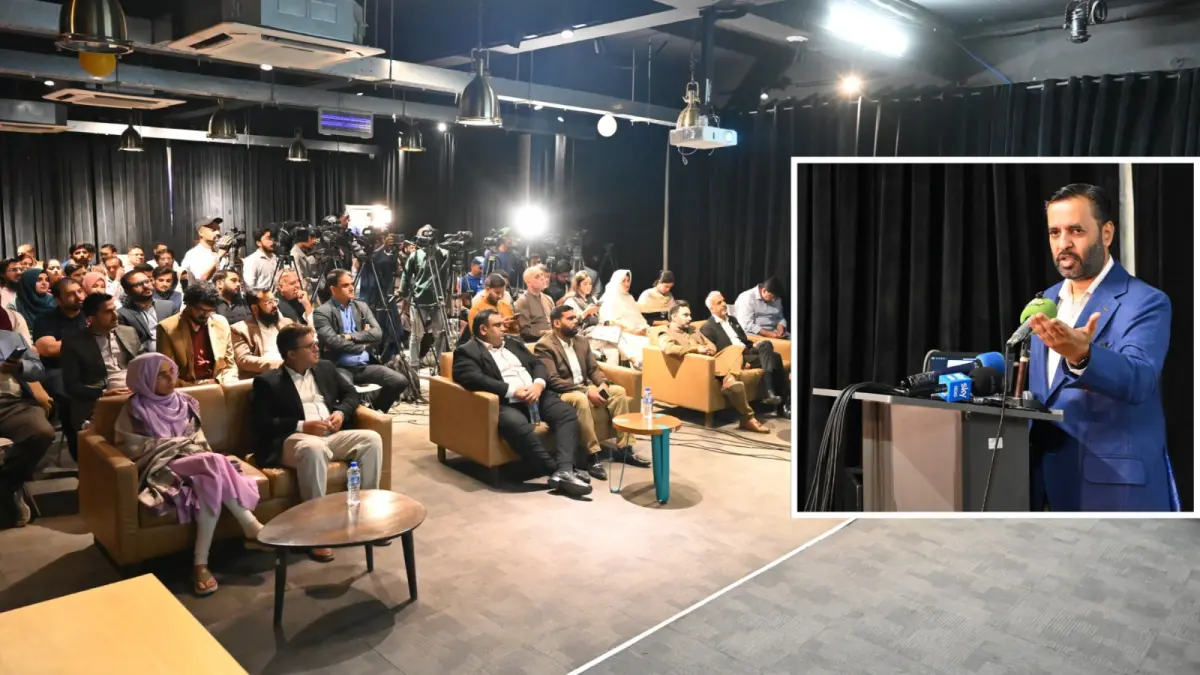
  • Pakistan economy struggles due to higher fertility rate, says Mustafa Kamal

    Pakistan economy struggles due to higher fertility rate, says Mustafa Kamal

    Pakistan’s economy has continued to struggle to achieve growth in real terms due to rapid population growth, driven by a relatively high fertility rate of 3.5 per woman, as 12 million more people fell below the poverty line in the recent past due to heavy healthcare costs.

    “With this fertility rate [of 3.5], we cannot make this country economically viable,” Pakistan Health Minister Mustafa Kamal said while speaking at Healthtech 2026 organised by the National Incubation Center (NIC) at the NED University in Karachi on Friday.

    “Pakistan GDP [gross domestic product/economy] grows by 2.5%. If our population also grows by 2.5%, this means the GDP growth remains at zero.”

    The nation has to bring the fertility rate below 1.5 to achieve economic viability. The neighbouring countries including Iran, Bangladesh, and Sri Lanka have brought their fertility rate below 1.5 and then achieved economic growth, the minister said.

    Citing the World Health Organisation (WHO), he maintained that Pakistan has pushed 12 million people below the poverty line because they bore the exorbitant health costs in the recent past.

    “These people were not necessarily poor to begin with. They were forced to sell their homes, land, and jewellery to pay for medical treatment. The burden of disease and healthcare costs pushed them into poverty,” he said.

    According to Kamal, this cycle is not coming to an end because Pakistan continues to face fundamental challenges, including high population growth and poor maternal and child health.

    Around 6.7 million children are born in Pakistan every year – close to seven million. “This means we are adding a population larger than New Zealand every year and the equivalent of Australia’s population every five years,” he said, adding that around 11,000 mothers die in Pakistan every year due to pregnancy-related complications.

    “Pregnancy is not a disease, and maternal deaths should not be treated as inevitable. The maternal mortality rate remains below 0.1% in the world, while Pakistan stands at number one position in this particular case.”

    The health of mothers is so poor that many are not physically prepared to give birth. Malnutrition and neglect are among the major factors contributing to this situation, he continued.

    “We are holding funerals for 11,000 mothers every year who should not have died.

    “When malnourished mothers survive pregnancy, they often give birth to children who are also weak and malnourished. As a result, around 43% of children in Pakistan suffer from stunting.

    “We often describe our growing youth bulge as our greatest asset. But if 43% of our children are stunted,” he said. “How can we consider this population an asset?”

    Around 400,000 children die every year in Pakistan due to preventable health-related causes. This translates into approximately 1,300 children dying every day in the country.

    “Many of these deaths could have been avoided through timely healthcare, proper nutrition and preventive interventions.

    “By the time we return home in the evening, around 1,300 families will have lost their children”, Kamal lamented. “This should not be happening. We need to pause, take a fresh breath and reconsider our approach.”

    The health minister was the chief guest at Startup–Government Dialogue titled ‘Innovating for a Healthier Pakistan’, which was organised by the NIC Karachi – an Ignite initiative under the Ministry of IT & Telecom.

    The dialogue provided a platform for engagement between the government and emerging technology ventures, with a focus on identifying opportunities for collaboration, facilitating the adoption of innovative healthcare solutions, and exploring potential pilot projects aligned with national health priorities.

    Two selected startups were introduced at the event, namely The Disrupt Labs (Cohort 12) and Saheli (Cohort 14), both of which graduated from NIC Karachi and are operating in HealthTech, according to the NIC press statement.

    Referring to the growing burden of infectious diseases, the minister highlighted hepatitis C as a major public-health challenge, stating that approximately 11 million people were affected by the disease. He referred to the prime minister’s initiative for hepatitis C screening and stressed the importance of identifying patients and ensuring access to effective treatment.

    Kamal further noted that untreated hepatitis C could lead to severe complications, including liver cancer. He encouraged entrepreneurs, innovators and startups to develop solutions addressing the root causes of diseases and contributing to a healthier society.

    The health minister stressed that innovation should not only facilitate the treatment of patients but also help prevent diseases and enable people to lead healthier lives. “Prevention is better than cure,” he said.

    Source: brecorder

  • FO slams India’s UN remarks, says New Delhi opposes Pakistan’s mineral development

    FO slams India’s UN remarks, says New Delhi opposes Pakistan’s mineral development

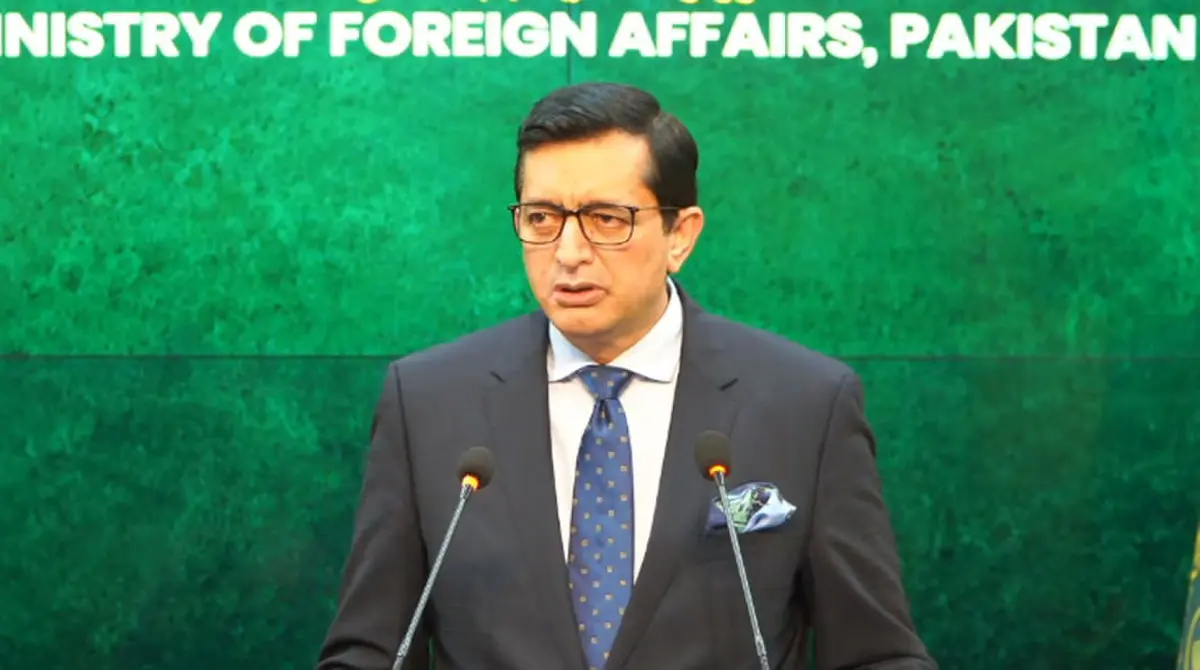
    Pakistan’s Foreign Office has accused India of opposing the development of Pakistan’s mineral resources and trying to destabilise the country, as it rejected remarks made by New Delhi at the United Nations as “undiplomatic and irresponsible”.

    Responding to a question at the weekly media briefing, Foreign Office Spokesperson Sajjad Haider Khan said Pakistan had presented evidence that India sponsors terrorism in Balochistan and Khyber Pakhtunkhwa to disrupt development in the two provinces, which are home to much of the country’s mineral wealth.

    He said the Indian remarks at the UN contained baseless accusations against Pakistan’s institutions and leadership, amounted to interference in Pakistan’s internal affairs and ran counter to the UN Charter. Pakistan’s representative rebutted them at the same meeting, he added.

    The spokesperson said India should address Pakistan’s concerns over what Islamabad calls “hydro-terrorism” instead of making insinuations about its institutions.

    He said India’s accusations were meant to hide its international isolation and divert attention from its domestic situation, which he described as a slide towards Hindutva-inspired extremism.

    On the Indus Waters Treaty, Khan termed India’s decision to hold the treaty in “abeyance” illegal and unilateral. He said a Court of Arbitration had ruled on August 31, 2026, that the treaty remained binding and fully in force, and India’s refusal to accept this raised questions about its commitment to international law.

    The spokesperson urged India to implement UN Security Council resolutions on Jammu and Kashmir and end human rights violations in the occupied territory.

    He said India had no standing to criticise others, accusing it of violating the UN Charter, Security Council resolutions, the sovereignty of its neighbours and its treaty obligations, and of using disinformation and terrorism as state policy.

    Sikh pilgrims, ECO

    The spokesperson said about 2,700 Sikh pilgrims from India were expected to attend the birth anniversary celebrations of Baba Guru Nanak.

    Asked about an Economic Cooperation Organization (ECO) meeting in Islamabad, he said Afghanistan was not invited because Pakistan has not recognised the current Afghan government. Afghanistan’s membership of the ECO forum’s secretariat remains suspended, and host countries decide participation at the ministerial level, he said.

    Pakistan wants Afghanistan fully integrated into the ECO framework and at peace with its neighbours, he said, adding that this requires the Afghan authorities to address their neighbours’ security concerns, particularly terrorism from Afghan soil.

    Source: brecorder

  • Govt slashes petrol price by Re1, raises diesel’s Rs2 per litre

    Govt slashes petrol price by Re1, raises diesel’s Rs2 per litre

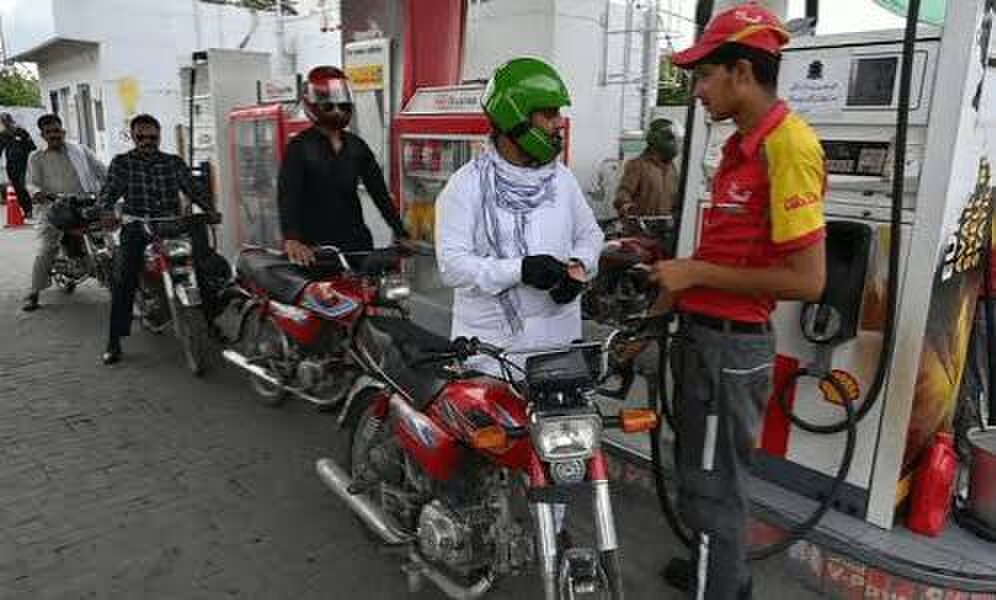
    Pakistan government reduced the price of petrol by Re1 to Rs322 per litre, while increasing the diesel rate by Rs2 to Rs357 per litre, effective from Saturday, November 21, 2026.

    The Oil and Gas Regulatory Authority (OGRA) announced the revised ex-depot prices in a notification issued on Friday, saying they were worked out under the petroleum products pricing mechanism approved by the federal government.

    Govt slashes petrol price by Re1, raises diesel's Rs2 per litre

    The new prices are effective from Saturday till Monday.

    On Thursday, the government increased the price of petrol by Re1 to Rs323 per litre and kept the diesel rate unchanged at Rs355 per litre.

    Globally, oil prices fell on Friday and were set for a weekly decline on strong exports from the Middle East despite Houthi attacks on Saudi Arabia’s capital Riyadh and reports of tanker disruptions in the Strait of Hormuz.

    Brent crude futures were down 84 cents, or 0.9%, at $91.14 a barrel at 1310 GMT. US West Texas Intermediate futures for December were down $1.11, or 1.3%, at $82.10 a barrel, while the more active January contract CLc2 was down 58 cents, or 0.7%, at $81.86.

    Brent is on track for a 5% decline for the week and the December WTI contract for a 7% weekly drop as expectations of a supply surplus grew because crude shipments through the Strait of Hormuz have returned to roughly pre-war levels. This would be the benchmarks’ third straight week of decline.

    Source: brecorder

  • Pakistan produces 23mn mobile phones in Jan-Oct

    Pakistan produces 23mn mobile phones in Jan-Oct

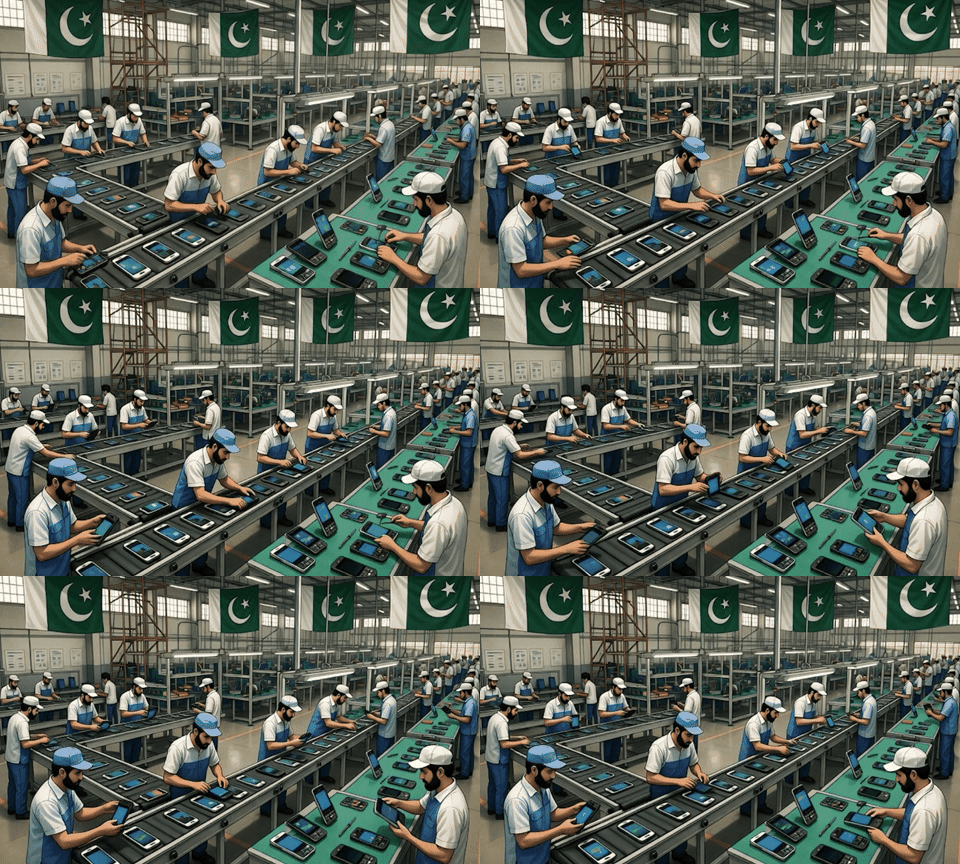
    Pakistan’s local mobile phone manufacturing and assembly plants produced 23.03 million handsets during January-October 2026, almost six times the 3.85 million units imported commercially during the same period, reflecting the growing contribution of domestic production to meeting the country’s mobile phone demand.

    The production figures indicate a significant shift towards locally assembled devices, with manufacturers producing substantially more handsets than the volume entering the country through commercial imports.

    According to official data, local manufacturers assembled 2.95 million mobile phones in October 2026, compared with commercial imports of around one million units during the month.

    Of the 23.03 million locally assembled handsets during the first 10 months of 2026, approximately 9.62 million were smartphones, while around 13 million were 2G handsets, indicating that conventional mobile phones continue to account for a substantial share of domestic production.

    However, the composition of locally assembled devices contrasts with the usage pattern of mobile phones on domestic networks.

    Pakistan Telecommunication Authority (PTA) data shows that smartphones account for 71% of active mobile devices operating on local networks, while 2G handsets constitute the remaining 29%.

    The figures suggest that although smartphones dominate the active mobile device base, demand for comparatively basic 2G handsets remains significant, providing a sizeable market for local manufacturers.

    The domestic manufacturing base is also gradually moving towards newer mobile technologies, including 5G-enabled devices.

    During 2025, local manufacturing and assembly plants produced 553,079 5G-enabled handsets. In September 2026 alone, manufacturers assembled 78,463 5G-enabled devices, reflecting the increasing presence of next-generation mobile technology in the domestic production mix.

    Source: brecorder

  • Bitcoin falls below $60,000 level

    Bitcoin falls below $60,000 level

    Bitcoin, the world’s largest cryptocurrency, fell below the $60,000 level on Friday for the first time since July, as lofty valuation concerns weighed on the AI trade and other risk assets.

    Bitcoin was last down 3.45% at $59,381. Ether, the second-largest cryptocurrency, was down 5.23% at $1,648.91.

    Crypto markets have ​been ​shaken ⁠in recent sessions by weeks of concern about the profitability of massive AI infrastructure spending, rising borrowing costs, regulatory risks following ​Democrats’ win in the US midterm elections and Nvidia CEO Jensen Huang’s departure.

    PSX-listed Trust Securities plans to enter crypto business, seeks PVARA licences

    The main US stock indexes were on track for ​their steepest weekly decline since April 2025, when US President Donald Trump announced Liberation Day tariffs.

    Source: brecorder