Category: Brecorder

  • SMEs: banks ordered to ease lending requirements

    SMEs: banks ordered to ease lending requirements

    ISLAMABAD: Prime Minister Shehbaz Sharif on Friday directed banks to ease lending requirements for small and medium-sized enterprises (SMEs), including allowing business cash flows and digital export records to serve as alternatives to conventional collateral.

    Chairing a meeting on improving access to finance for SMEs, the prime minister also called for a review of banks’ prudential regulations to make borrowing easier for small businesses.

    He directed authorities to ensure banks could access relevant government data to speed up loan processing and reduce procedural hurdles.

    Under the proposed measures, SMEs with export records available through the Pakistan Single Window, or those integrated into supply chains through Exim Insurance and digital invoicing, should be considered for financing on the basis of these records, Sharif said.

    READ ALSO: PM urges easing of SME lending; use export data, cash flow as collateral

    He also called for businesses’ cash flows to be treated as an alternative measure of creditworthiness, enabling firms with viable operations but limited physical assets to obtain loans.

    The prime minister stressed that banks should support SMEs beyond conventional lending by facilitating the issuance of letters of credit (LCs) and bank guarantees, which are essential for businesses engaged in domestic and international trade.

    He directed officials to provide SMEs with guidance on accessing finance, preparing business documentation and exploring export opportunities. Banks achieving their prescribed SME lending targets would also be encouraged, he added.

    The meeting was informed that banks were strengthening their institutional capacity to expand financing for the sector.

    The banking industry has committed to increasing total SME lending to Rs2 trillion by June 2028 and raising the number of borrowing businesses to 775,000.

    The target includes Rs886 billion in fresh loans and financing facilities for 449,000 new SME borrowers.

    Describing SMEs as the backbone of the economy, the prime minister said facilitating their growth would boost economic activity, employment and entrepreneurial opportunities.

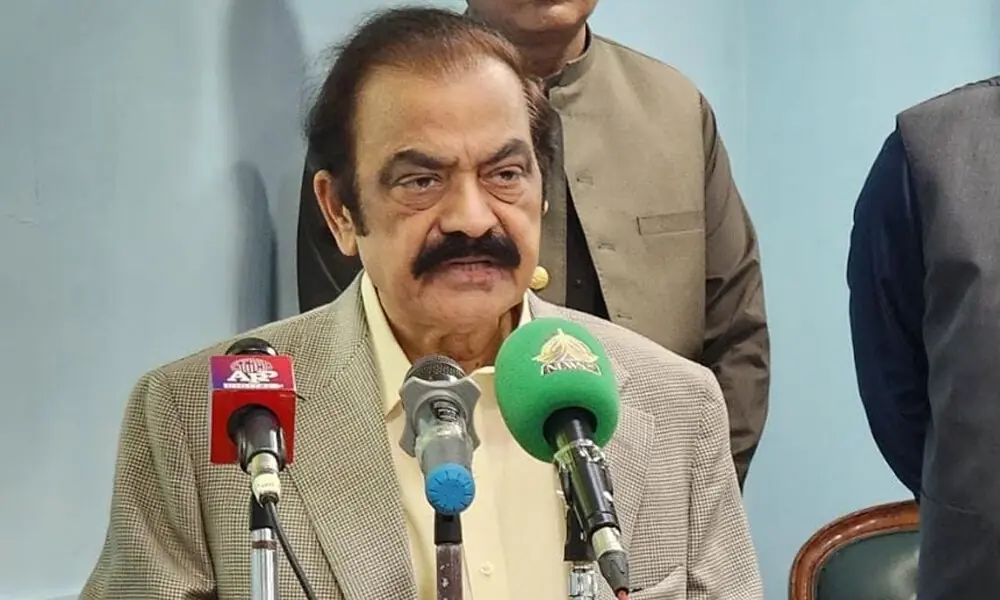
    Federal ministers Rana Tanveer Hussain, Ahad Cheema and Riaz Pirzada, the special assistant to the prime minister on industries and production Haroon Akhtar, State Minister for Finance Bilal Kayani, State Bank of Pakistan (SBP) Governor Jameel Ahmad, chief executives of the National Bank of Pakistan, Bank Alfalah and Bank of Punjab, and senior officials attended the meeting.

    Copyright Business Recorder, 2026

    Source: brecorder

  • A needless debate

    A needless debate

    EDITORIAL: Prime Minister Shehbaz Sharif’s intervention to restrain members of his cabinet from engaging in public exchanges over the proposed creation of new provinces is welcome. However, the controversy has exposed a more fundamental problem: the tendency of those in positions of authority to float politically sensitive proposals without prior consultation, only to leave the government and its coalition partners grappling with the consequences.

    The proposal to create new provinces, particularly when initiated by a minister perceived to be close to the establishment, raises serious questions about its timing, purpose and political motivation.

    Pakistan is a federation comprising units with their own historical, cultural and political identities. Any attempt to alter this arrangement is bound to generate apprehensions, particularly in smaller provinces that have long complained of political and economic marginalisation. The strong reaction from the Pakistan People’s Party, especially its opposition to any attempt to divide Sindh, should therefore come as no surprise. The unanimous resolution of the Sindh Assembly against the division of the province cannot simply be brushed aside as an expression of partisan politics. It represents the collective position of an elected provincial legislature and deserves respect.

    More importantly, Pakistan’s problems do not stem primarily from the number of its provinces. They arise from weak governance, institutional failures, centralisation of authority, inequitable distribution of resources and the inability of successive governments to deliver basic services. Creating additional provinces will not automatically address these structural deficiencies. Without meaningful administrative, financial and institutional reforms, more provinces could merely reproduce the same problems on a different scale. The real priority should be to strengthen existing provincial institutions, empower local governments and ensure that development resources reach neglected areas.

    Equally contentious is the suggestion that a referendum could be used to settle the question of new provinces. A referendum cannot become a convenient alternative to the constitutional process or a means of bypassing elected provincial assemblies. Article 239(4) of the Constitution clearly stipulates that a constitutional amendment affecting the limits of a province must be passed by a two-thirds majority of the total membership of the concerned provincial assembly, besides securing the requisite parliamentary approval. This provision is a fundamental safeguard of the federal structure and provincial autonomy. No political initiative or popular consultation can override it.

    The government must also recognise that such a sensitive matter cannot be initiated through speeches at public forums or statements by individual ministers. If there is a genuine national consensus that the existing administrative arrangement needs reconsideration, the matter must first be discussed through proper parliamentary and intergovernmental forums. Even then, the constitutional rights and wishes of the affected provinces must remain paramount.

    At a time when the country is struggling with economic pressures, political instability and serious governance challenges, reopening the question of provincial boundaries is unnecessary and divisive. The prime minister should ensure that his cabinet focuses on the pressing problems confronting the people rather than pursuing a controversial proposal that risks straining relations among coalition partners and federating units. The Constitution must remain the sole framework for addressing any question concerning the federation.

    Copyright Business Recorder, 2026

    Source: brecorder

  • Pleas of Afghan students: LHC seeks replies from PMDC, others

    Pleas of Afghan students: LHC seeks replies from PMDC, others

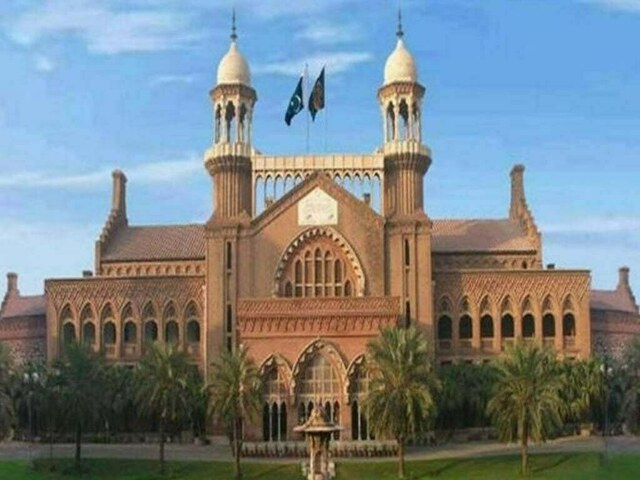
    LAHORE: The Lahore High Court (LHC) on Friday sought replies from the Pakistan Medical and Dental Council (PMDC) and other respondents by December 01 in a petition of Afghan medical students seeking registration to join their first professional MBBS examination to be held on next January.

    The petitioners Shahira Sharif and others through their counsel contended that they joined the MBBS program at Sheikh Khalifa Bin Zayed Al Nahyan Medical and Dental College, Lahore.

    They pointed out that the college has asked the University of Health Sciences (UHS) to open its registration portal for the students, but the university has declined, saying the PMDC has not permitted such admissions for the 2025-26 session.

    They argued that registration is a mandatory prerequisite for appearing in the first professional examination, scheduled to be held from Jan 4 to 11, 2027.

    They, therefore, asked the court to declare the inaction as unlawful and direct the respondents to complete the petitioners’ registration.

    Copyright Business Recorder, 2026

    Source: brecorder

  • Balochistan slaps ban on transporting Iranian oil along Makran route

    Balochistan slaps ban on transporting Iranian oil along Makran route

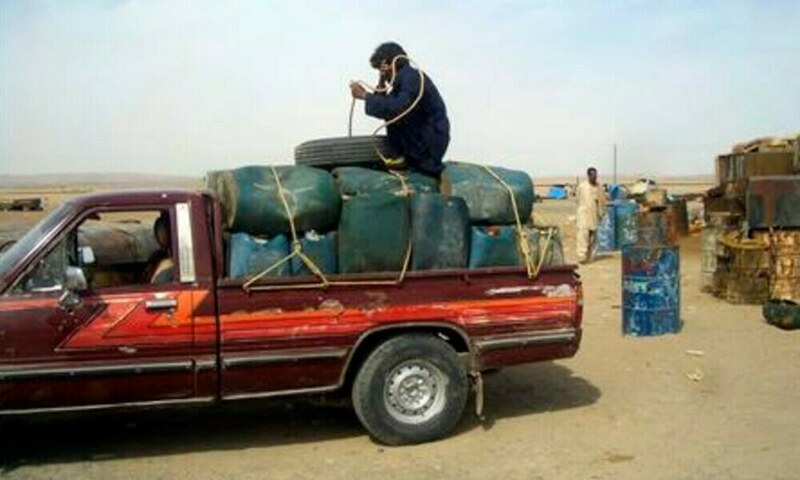
    GWADAR: Balochistan government has imposed a complete ban on the transportation of Iranian oil through passenger buses operating on the Makran route, with Chief Minister Mir Sarfraz Bugti directing the authorities to take immediate and strict legal action against transport companies and vehicles found violating the ban.

    The decision was taken during a high-level meeting chaired by the Chief Minister in Gwadar on Friday. Officials were instructed to ensure effective enforcement of the ban and proceed without discrimination against offenders.

    “Passenger buses are meant to provide safe travel facilities to the public and cannot be allowed to be used for the illegal transportation of oil,” Bugti said, emphasizing the need for strict compliance with the new directive.

    The meeting also reviewed a comprehensive report submitted by a Secretaries Committee following its recent visit to the districts of Gwadar, Kech, and Panjgur. The report assessed public concerns, the provision of basic services, and the performance of government departments across the Makran Division.

    Additional Chief Secretary for Development Zahid Saleem briefed the meeting on public hearings, inspections of educational and healthcare facilities, and the progress of ongoing development projects.

    To improve governance and address public complaints more effectively, the meeting approved a time-bound mechanism under which immediate issues would be resolved within 7 to 10 days, medium-term matters within 20 days, and long-term issues within 60 days. Relevant departments were directed to ensure tangible progress within the specified timelines.

    The meeting was informed that Makran Division currently has 1,472 schools and 10,236 teaching and non-teaching staff members. The Chief Minister directed authorities to rationalize staffing according to actual requirements, strengthen teacher training programmes, improve digital monitoring systems, and ensure the observance of national symbols, including the hoisting of the national flag and playing of the national anthem in schools.

    Sarfraz Bugti also called for alternative educational arrangements until under-construction colleges are completed, greater autonomy for the Makran Board Turbat, enhanced transparency in examinations, and the expansion of online student services.

    In a significant step to improve student transportation, the meeting approved the release of funds for fuel and drivers to make 107 school buses operational across the division.

    The performance of hospitals and health centres, availability of medical staff, supply of medicines, and emergency healthcare services were also reviewed.

    The CM directed officials to present a comprehensive plan within 10 days for the efficient management and operation of the District Headquarters Hospital Gwadar and the GDA Trauma Centre. He also ordered that adequate medical facilities be maintained at the Rural Health Centre in the newly established district of Tump until construction of a planned 50-bed hospital is completed.

    The authorities were further instructed to ensure continued availability of medicines and vaccines to prevent outbreaks of communicable diseases.

    Special attention was given to water shortages and resource management across the region.

    The meeting reviewed issues related to Shadi Kaur Dam, Dassi Dam, Jiwani, desalination plants, and water supply systems serving Gwadar and Pasni.

    The CM directed departments to develop sustainable solutions to water-related challenges and accelerate the implementation of key infrastructure projects, including the Turbat-Mand Road, Nahang Bridge, and other ongoing development schemes.

    Agriculture and livestock officials were also instructed to take preventive measures to protect crops and orchards from diseases and pest infestations.

    To improve government service delivery, the meeting decided that departments lacking independent office facilities in Gwadar would be relocated to the District and Provincial Complex. Similar efforts are underway to complete the administrative infrastructure of the newly established district of Tump.

    CM Sarfraz Bugti instructed all departments to ensure that commitments made during the Secretaries Committee’s visit are implemented within the prescribed timelines. He stressed that public issues must be addressed through practical action rather than routine paperwork and warned against unnecessary delays or negligence in service delivery.

    Source: brecorder

  • Petrol price down by Re1 per litre, diesel rate remains unchanged

    Petrol price down by Re1 per litre, diesel rate remains unchanged

    Pakistan government decreased the price of petrol by Re1 to Rs312 per litre and kept the diesel rate unchanged at Rs346 per litre, effective from Saturday, November 28, 2026.

    The Oil and Gas Regulatory Authority (OGRA) announced the revised ex-depot prices in a notification issued on Friday, saying they were worked out under the petroleum products pricing mechanism approved by the federal government.

    The new prices are effective from Saturday, November 28 to Monday, November 30, 2026.

    On Thursday, the government cut the price of petrol by Re1 to Rs313 per litre and high-speed diesel (HSD) rate by Rs2 to Rs346 per litre.

    Globally, oil prices were set to snap a three-week losing streak on Friday, riding four sessions of gains, as attacks on tankers in the Strait of Hormuz and Saudi energy infrastructure fanned concerns over Middle East supplies.

    Brent crude futures edged up 3 cents to $96.60 a barrel by 1239 GMT. Brent hit its highest since November 9 earlier in the session, but stayed shy of the $100 mark.

    US West Texas Intermediate crude futures at $85.14 a barrel were up $1.46, or 1.7%, from Wednesday’s close. There was no Thursday settlement for WTI because of the US Thanksgiving holiday.

    Source: brecorder

  • Global fashion brands shift orders from Bangladesh to India amid unrest

    Global fashion brands shift orders from Bangladesh to India amid unrest

    DHAKA: Global fashion retailers including Zara and H&M shifted nearly a tenth of their monthly orders from Bangladesh to other Asian manufacturing hubs in the first half of November, as labour unrest disrupted production and rising costs eroded the country’s competitive edge, three factory owners said.

    Between November 1 and 18, brands diverted about $254 million worth of orders from Bangladesh, with most moving to neighbouring India, the owners said, in a shift that represents a major blow to a key pillar of Bangladesh’s economy and could extend beyond the current unrest.

    Industry leaders have said rising wages, energy shortages and political uncertainty have weakened the low-cost advantage that helped make Bangladesh the world’s second-largest apparel exporter after China, prompting global brands to diversify sourcing.

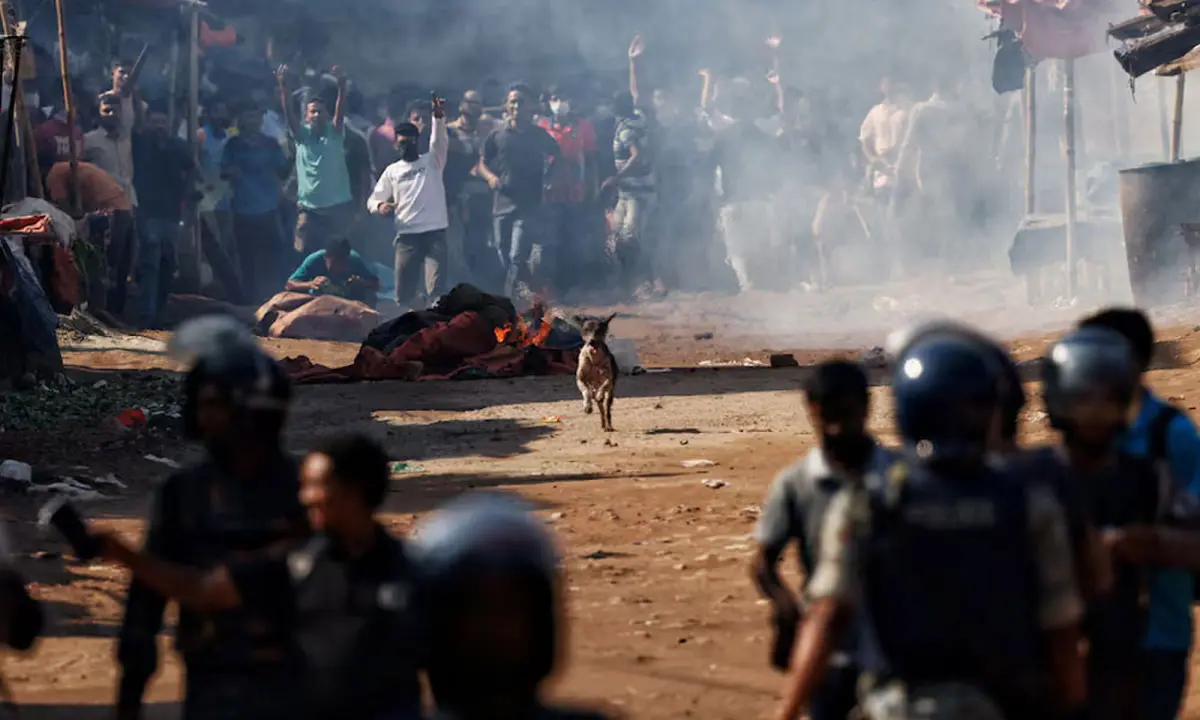
    The protests have caused more than $400 million in production losses, according to the Bangladesh Garment Manufacturers and Exporters Association (BGMEA), in an industry that accounts for more than 80% of Bangladesh’s export earnings and nearly 40% of its manufacturing jobs.

    Vietnam, Cambodia and Indonesia also benefit

    India has emerged as the biggest beneficiary of the order diversions, while buyers are also looking to Vietnam, Cambodia and Indonesia to reduce supply-chain risks and improve delivery reliability, industry leaders said.

    Those pressures intensified on Wednesday when Bangladesh approved a 36% increase in the minimum wage for garment workers, though the rise was the smallest in four decades.

    The increase fell well short of workers’ demands to more than double wages, triggering fresh clashes with police even as Abdur Rahman Tarafder, secretary of the Ministry of Labour and Employment, said the wage increase was “satisfactory” and that he hoped all garment workers would resume work from Saturday.

    Industry leaders said the increase would nevertheless narrow Bangladesh’s labour-cost advantage over India, although union groups argue the wages remain low by global apparel industry standards.

    The factory owners, speaking on condition of anonymity because of concerns about their relationships with international buyers, said the unrest had prompted Zara, H&M, Marks & Spencer, Celio and other global brands to divert orders, with India receiving the bulk of the business.

    Zara owner Inditex declined to comment on Reuters’ questions, while M&S, H&M and Celio did not respond to requests for comment.

    Indian textile shares rallied after the Reuters report, with Gokaldas Exports jumping as much as 11% and Trident gaining about 5%. Other potential beneficiaries, including Welspun Living, KPR Mill and Vardhman Textiles rose around 2% each.

    M. Mohiuddin Chowdhury, a director of the BGMEA, said higher wages, utility and raw-material costs were adding to pressure on manufacturers.

    “The wage increase has added to costs at a time when buyers are demanding lower prices and competition from rival sourcing countries is intensifying,” he said.

    Mahmud Hasan Khan, the group’s president, declined to name the brands but said temporarily shifting some orders elsewhere helps the industry retain global clients while minimizing financial losses.

    More business at risk

    Factory owners said the bigger concern was that orders already diverted could be followed by the loss of future business as buyers reassessed where to source garments.

    Persistent energy shortages, exacerbated by the Middle East crisis, have added to production disruptions and forced some factories to rely on more expensive alternative power sources.

    Chowdhury said buyers were increasingly prioritizing delivery times over price when choosing suppliers.

    “Price becomes secondary when brands are under pressure to meet strict delivery deadlines,” he said.

    India can offer buyers a delivery advantage of about a week, while Vietnam and Cambodia can cut lead times by as much as 15 days, Chowdhury said.

    Rival sourcing hubs can typically complete production and delivery within 60 to 90 days, compared with about 120 days in Bangladesh, he added.

    The disruptions have also created production backlogs, with manufacturers around Dhaka losing an estimated 20 to 25 production days. Some are considering overtime and costly air freight to meet delivery commitments.

    Khan Monirul Alam, managing director of Alps Apparels Group, which mainly supplies European brands, said the unrest was already hitting new business.

    “Since November 1, most of my buyers have stopped placing orders because of the unrest,” Alam said. “They are telling us our orders have been shifted, postponed or cancelled and that they have already found alternative solutions.”

    Political tensions surrounding former Prime Minister Sheikh Hasina’s possible return to Dhaka from India have added to concerns about further disruption.

    Industry leaders said restoring stability and uninterrupted production would be critical to retaining international buyers. Chowdhury warned that orders shifted elsewhere during periods of instability might not return even after conditions improved.

    “The challenge is restoring buyers’ confidence before temporary shifts become long-term sourcing decisions,” he said. “Brands have options. They will not wait for us if instability persists.”

    Source: brecorder
  • SBP issues Rs200 commemorative coin honouring Mata Sahib Hasi Devi

    SBP issues Rs200 commemorative coin honouring Mata Sahib Hasi Devi

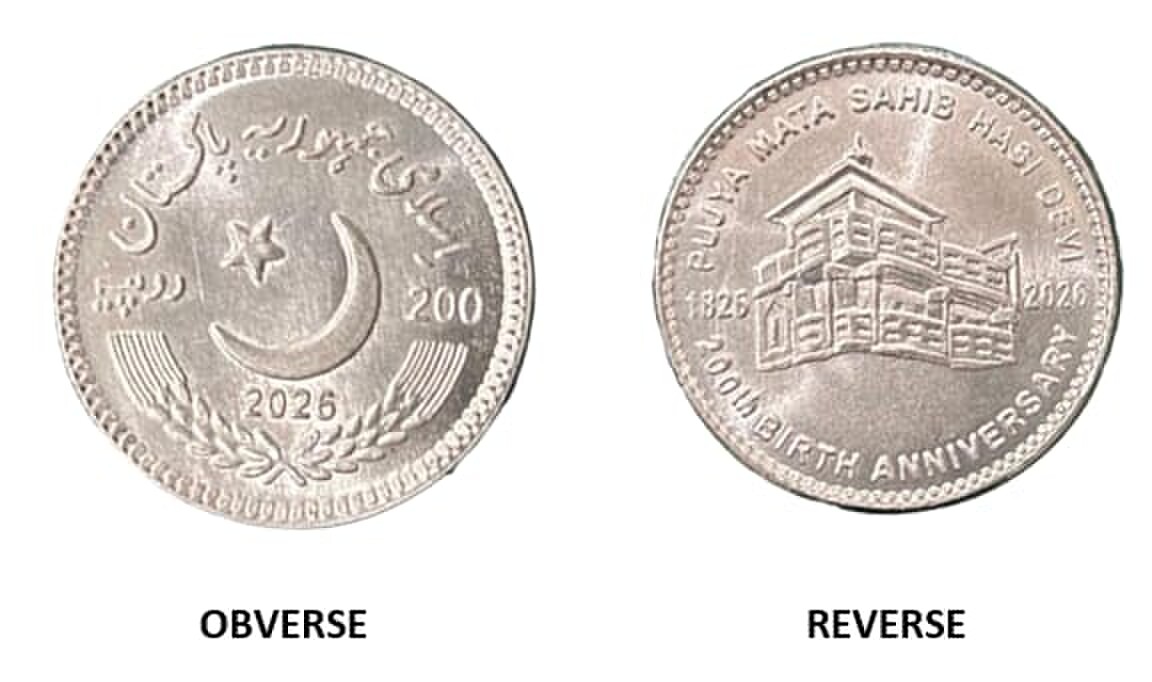
    The State Bank of Pakistan (SBP) issued on Friday a Rs200 commemorative coin to honour the 200th birth anniversary of Pujya Mata Sahib Hasi Devi, recognising her religious and cultural significance.

    “To commemorate the religious and cultural significance of 200th Birth Anniversary of Pujya Mata Sahib Hasi Devi with due dignity, the federal government is pleased to issue a commemorative coin of Rs200 denomination,” the SBP said in a statement.

    The coin featured the following metal composition, shape, and dimensions:

    • Metal composition: Cupro-Nickel, 75% Copper, 25% Nickel
    • Dimension: 30.00 mm
    • Weight: 13.50 grams

    Observe:

    On the obverse side of the coin, the waxing crescent moon and five-pointed star facing North-West in rising position, are in the centre.

    Along the periphery on the top of crescent star is inscribed in wording “ISLAMI JAMHURIA PAKISTAN” in Urdu script. Below the crescent and on the top of two springs of wheat with arms curved upward, there is the year of issuance 2026. The face value of the coin in numeral “200” in bold letters and RUPIA in Urdu script are written on the right and left sides of crescent star respectively.

    Reverse:

    On the reverse side of the coin, a picture of PUJ SHADANI DARBAR, Hayat Pitafi Sindh is shown in the centre. The wording “PUJYA MATA SAHIB HASI DEVI” is written on the top of the picture along with the periphery.

    The wording “200th BIRTH ANNIVERSARY” is written along with the periphery at the bottom of the coin. Years in numeral “1826” and “2026” are written on left and right sides of the picture depicting 200th birth anniversary.

    The coin has been issued through the exchange counters of all the field offices of SBP Banking Services Corporation from Friday, November 27, 2026.

    Source: brecorder

  • Pakistan, Saudi Arabia, Türkiye hold trilateral defence meeting in Islamabad

    Pakistan, Saudi Arabia, Türkiye hold trilateral defence meeting in Islamabad

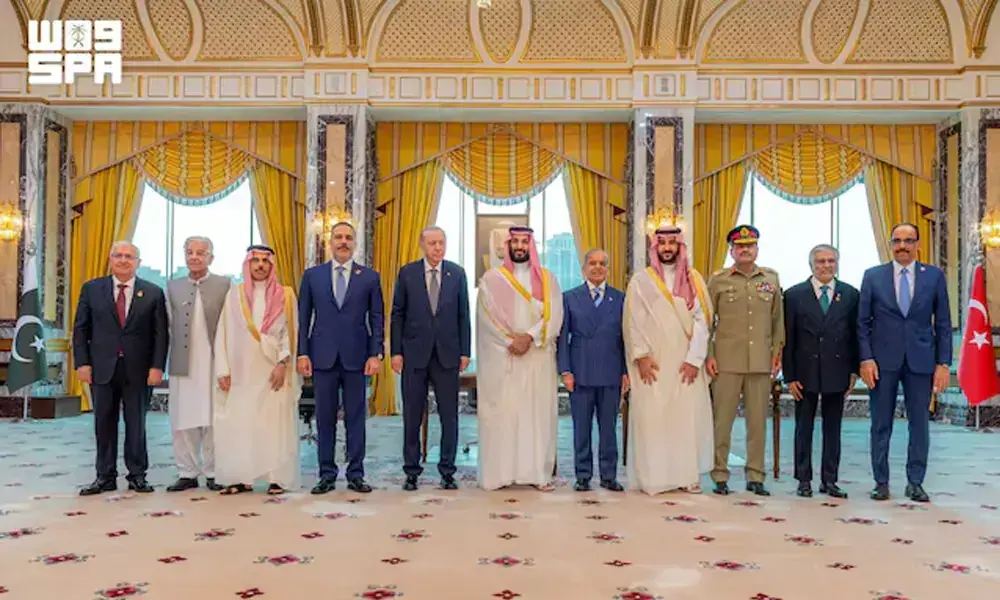
    A meeting of the Strategic Political Defence Committee under the Makkah Joint Defence Agreement began in Islamabad on Friday, bringing together senior political and military leadership from Pakistan, Saudi Arabia and Türkiye to discuss defence cooperation and regional security.

    The meeting is being attended by the foreign and defence ministers and army chiefs of the three countries, Aaj News reported. Discussions are focused on translating their defence cooperation into practical measures and addressing key regional security challenges.

    The agenda includes arrangements for implementing the commitment to collective defence, joint planning among the three countries and strengthening institutional coordination.

    The participants are also discussing a possible joint response to increasing Houthi attacks on Saudi Arabia, along with mechanisms for intelligence sharing to enhance cooperation on defence and security matters.

    Extensive security arrangements were put in place across Islamabad and Rawalpindi ahead of the meeting. Traffic movement was restricted on designated routes, public transport services were suspended on certain routes, and major recreational facilities were closed.

    The Islamabad district administration also announced a local holiday for Friday.

    The meeting is being held under the Makkah Joint Defence Agreement, signed by Pakistan, Saudi Arabia and Türkiye in Makkah on August 7 in the presence of Prime Minister Shehbaz Sharif, Saudi Crown Prince Mohammed bin Salman and Turkish President Recep Tayyip Erdogan.

    The agreement marked a new phase in defence relations among the three countries, providing a framework for enhanced coordination and cooperation on shared security interests.

    The second meeting under the arrangement was held in Istanbul on August 31, followed by subsequent meetings in Riyadh in September and October. The Islamabad session is expected to build on the discussions and progress made during the previous meetings.

    Meanwhile, the local administration and the Directorate of Municipal Administration (DMA) have installed welcome banners and hoardings along major roads, avenues and flyovers across the federal capital to welcome the visiting dignitaries.

    Source: brecorder

  • Indian police in rare rescue of foreigners trafficked for cyber fraud

    Indian police in rare rescue of foreigners trafficked for cyber fraud

    NEW DELHI: Indian police said they had rescued 164 foreign nationals allegedly trafficked into the country and forced to commit online fraud, in a rare case involving victims from overseas.

    Fraud compounds, where international scammers lure internet users into fake romantic relationships, cryptocurrency investments and betting platforms, are common in Southeast Asia.

    While similar crimes are also widespread in India, it is much less common for the ringleaders to traffic foreigners into the country to perpetrate them.

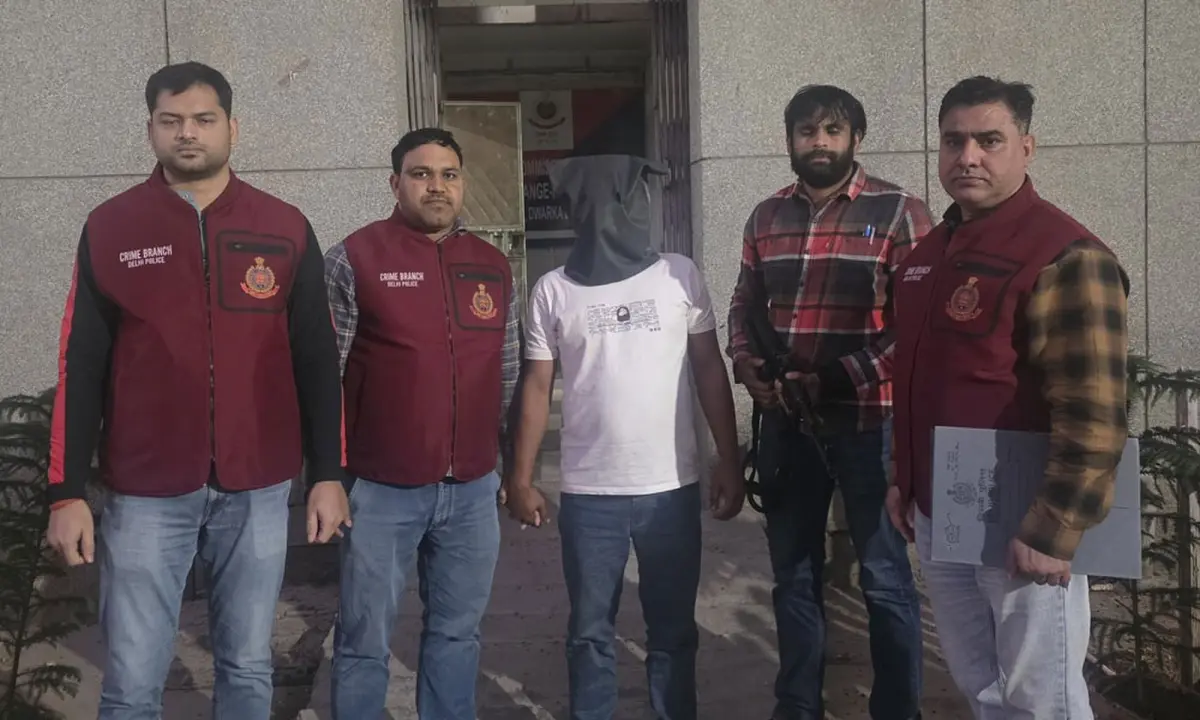
    A police crackdown on an international cybercrime network in a suburb of the capital New Delhi resulted in the rescue of 92 Indonesian nationals and 72 Malaysians, the force said.

    The individuals were trafficked into India “on various pretexts, including promises of employment and lucrative opportunities”, it said in a statement late on Thursday.

    “After their arrival, the foreign nationals were allegedly confined and compelled to participate in cyber fraud activities.”

    Investigators have arrested a Malaysian national, whose role is “being investigated”, and identified two Indian handlers, police said.

    A United Nations report estimated this year that at least 300,000 people have been trafficked into scam compounds across Southeast Asia.

    New Delhi repatriated more than 2,400 Indians from cyberscam centres in neighbouring Myanmar in the past year, according to the foreign ministry.

    Source: brecorder

  • What is Modi’s automated takedown law, which has embroiled Meta in a political storm?

    What is Modi’s automated takedown law, which has embroiled Meta in a political storm?

    NEW DELHI: Meta’s content restrictions in India surged more than 130-fold in the first half of this year after a new government rule meant single takedown orders initiated an automated sweep to root out copies, embroiling the US company in a political battle with the Congress opposition party.

    Congress’ youth wing has sued Meta and the government in an Indian court to strike down the rule, alleging that the automated system the company has deployed is wiping out the party’s social media footprint by blocking political posts including those carrying the name or photograph of party leader Rahul Gandhi.

    The party has also staged massive protests outside Meta offices, accusing the company of acting in the interests of Prime Minister Narendra Modi’s Bharatiya Janata Party, in what has become one of the Facebook and Instagram parent’s biggest challenges in its largest market by users.

    How has Modi’s content takedown regime become stricter?

    For years, only India’s IT and broadcasting ministries and courts could order content to be removed, and only on narrow grounds such as national security and public order.

    In 2023, the government let federal and state agencies, including the police, send takedown notices for content barred under any law. And in 2024, Modi’s government launched a website, called Sahyog, that channels those notices to platforms. Elon Musk’s X has been locked in a court dispute with Modi’s government over that website, which the social media company calls a “censorship portal”.

    The latest dispute has arisen from critical changes to India’s IT law made in February: social media platforms must remove content deemed unlawful by an authority within three hours rather than 36, and big tech platforms such as YouTube, X and Meta must deploy technical measures such as “automated tools” to find “exactly identical” content and remove it.

    The changed law also requires “appropriate human oversight” and periodic review of the automated tools for accuracy and bias. Platforms that fail to comply risk losing “safe harbour”, the legal protection that shields them from liability for what users post.

    The digital rights group Internet Freedom Foundation has criticised the new system, saying that “censorship by automation is still censorship”.

    How have content takedowns surged in India?

    Meta’s online disclosures show it restricted access to 5.44 million items of content in India in the first half of 2026, about 130 times the 41,357 restricted in the previous six months. It restricted nearly 70,000 items in the whole of 2025.

    These include Facebook and Instagram posts, and accounts. Meta attributes the jump to automated detection of “100% identical copies” under Indian law, not to an increase in the volume of legal requests.

    Meta’s numbers also remain high as it has more than 500 million users in India. Google’s online disclosures show it received formal requests for more than 65,000 pieces of content in India between January and June 2026, the highest ever, but it does not provide details on use of any automated tools.

    X’s website does not disclose the latest data on content removal requests received from the Indian government.

    These numbers do not include actions that social media platforms take against content for breach of internal content guidelines.

    How do Meta’s numbers in India compare to other countries?

    India and Indonesia are among the “limited” countries where Meta says it is obliged to restrict content automatically and at scale under local law. Together they accounted for about 96% of the 27.1 million items Meta restricted in specific countries between January and June this year.

    Meta’s 5.44 million content restrictions in India were second only to Indonesia, where the number stood at 20.6 million, but the company says over 20 million of those were “for alleged violation of local laws on gambling”.

    And unlike India, where Meta’s restriction numbers in the period were the highest ever, Indonesia’s numbers have been falling over time.

    Why is India’s congress party so upset with the new system?

    The Congress party, Modi’s main opponent in India, says the restrictions tilt the playing field against it ahead of state elections next year, when Facebook and Instagram will be central to campaigning. The BJP has not commented on the lawsuit but has called Congress protests vandalism.

    The Indian Youth Congress’ lawsuit, filed by lawyer Rishav Ranjan, argues that Meta has made some posts of the political group’s members “unavailable in India” and that the automated system is catching far more than “exactly identical” copies.

    The posts, including a birthday greeting between party workers, a wedding invitation handed to Gandhi and a tribute to his father, have only Gandhi’s name or photograph in common, the lawsuit says. The petition says the restrictions threaten to cut the main opposition party off from voters ahead of state elections due in early 2027.

    Each notice said the post had been restricted “through an automated system implemented pursuant to legal requirements”, and none cited a court order or government direction, according to the petition.

    In a recent closed-door meeting, Meta told the Congress party that it is neutral towards all political parties and is only abiding by Indian laws.

    Source: brecorder