Category: Brecorder

  • Numbeo index puts Lahore’s safety score at 63.8, behind Islamabad

    Numbeo index puts Lahore’s safety score at 63.8, behind Islamabad

    Lahore has scored 63.8 on Numbeo’s 2026 Mid-Year Safety Index, ranking ahead of several major international cities, including New York, Paris and New Delhi, while remaining behind Islamabad among Pakistan’s major urban centres.

    According to the index, Lahore’s Crime Index stands at 36.2, indicating a relatively lower perception of crime compared with several other major cities.

    Among Pakistani cities, Islamabad recorded the highest Safety Index at 69.2, followed by Lahore at 63.8, Rawalpindi at 48.0 and Karachi at 42.4.

    Their corresponding Crime Index scores were 30.8, 36.2, 52.0 and 57.6, respectively.

    Numbeo is an online database that collects city-level information through user contributions. Its Crime and Safety Index is based on surveys completed by website visitors and measures perceived crime and safety on a scale of zero to 100.

    A higher Crime Index indicates a greater perception of crime, while a higher Safety Index indicates a greater perception of safety. The two indexes are inversely related.

    The figures reflect public perceptions rather than officially recorded crime statistics and may differ from government data.

    Punjab Police attribute improvement to operations

    Meanwhile, Punjab Inspector General of Police Abdul Kareem on Sunday credited coordinated policing strategies and targeted operations for improving the law and order situation in Lahore.

    According to a Punjab Police press release, the IGP visited District Police Lines, Qila Gujjar Singh, where he chaired a meeting of senior Lahore police officers.

    During the meeting, Capital City Police Officer (CCPO) Lahore Bilal Siddique Kamyana said the city’s crime situation had improved significantly over the past four years through targeted operations and a coordinated strategy.

    He claimed that robbery, vehicle theft and snatching incidents had declined by 68% this year, while heinous crimes had fallen by 46%.

    Kamyana said public confidence in security had improved and Lahore was increasingly being counted among the safest cities in the world.

    He also briefed the meeting on progress in case registration, submission of challans, arrests of proclaimed offenders and police welfare initiatives.

    The IGP described Lahore as the country’s centre of political, religious, economic and cultural activities and termed the district police’s performance in maintaining law and order and controlling crime commendable.

    He said the city had no no-go areas and was free from underworld mafias, criminal gangs and land-grabbing groups.

    Acknowledging the challenges of policing Lahore, Kareem said the sustained decline in crimes against property and persons reflected the efforts and teamwork of police personnel.

    He also credited various police units, including the Crime Control Department (CCD), Special Branch, Elite Police and Traffic Police, for their role in improving security.

    The IGP praised the performance of officers ranging from deputy inspectors general (DIGs) to station house officers (SHOs) and investigation officers under the CCPO’s leadership.

    Source: brecorder

  • Anthropic breaks below $83 IPO price as debut rally unravels

    Anthropic breaks below $83 IPO price as debut rally unravels

    Anthropic’s shares tumbled below their $83 initial public offering price in premarket trading on Tuesday, a striking reversal just days after the Claude developer’s record-breaking Nasdaq debut.

    The stock was last down 6.5% at $82, extending its retreat from a blockbuster November 19 debut, when it opened at $111.50 and its fully diluted valuation briefly topped $2 trillion.

    CEO Dario Amodei sold over 3.37 million shares worth over $280 million a day after the debut, according to a filing late on Monday.

    Anthropic missed out on a broad rally led by AI-linked stocks on Wall Street on Monday after Nvidia reinstated Jensen Huang as chief executive, sending the chipmaker’s shares soaring nearly 30%.

    The stock debuted 34% above the IPO price, but has since been swept up in a broader technology selloff. The S&P 500 and the Dow ended last week confirming correction territory, while Nvidia posted its steepest weekly loss since 2008.

    Anthropic’s rapid reversal has added to concerns about stretched AI valuations and the vast sums being poured into computing infrastructure, with rising interest rates threatening to push those costs even higher.

    Anthropic is not alone among blockbuster technology IPOs in quickly surrendering its early gains and falling below its offer price. SpaceX took about a month to fall below its offer price. in 2012, Facebook, now Meta Platforms, slipped below its offer price on its second trading day.

    The comparisons show how unusually quickly Anthropic’s debut-day enthusiasm has faded, though the experience of past high-profile listings suggests an early break below the offer price is not necessarily a guide to longer-term performance.

    The company raised $93.5 billion in the biggest IPO on record after underwriters exercised their option to buy additional shares. That surpassed SpaceX’s $85.7 billion listing in June. As the first frontier AI company to go public, Anthropic is widely seen as a proxy for the sector.

    Index funds may provide some support. Index rebalance analytics firm Intropic estimates passive funds could buy up to 30% of the shares offered by year-end. MSCI will add Anthropic to its global standard indexes as of the November 30 close.

    Source: brecorder

  • Gold price per tola rises Rs1,300 in Pakistan

    Gold price per tola rises Rs1,300 in Pakistan

    Gold prices in Pakistan increased on Tuesday in line with their gain in the international market. In the local market, gold price per tola reached Rs385,436 after a gain of Rs1,300 during the day.

    Similarly, 10-gram gold was sold at 330,449 after it increased by Rs1,115, according to rates shared by the All-Pakistan Gems and Jewellers Sarafa Association (APGJSA).

    On Monday, gold price per tola reached Rs384,136 after a gain of Rs7,800 during the day.

    The international rate of gold was up by $13 to reach $3,629 per ounce.

    Meanwhile, the price of silver decreased by Rs49 to reach Rs4,687 per tola.

    Source: brecorder

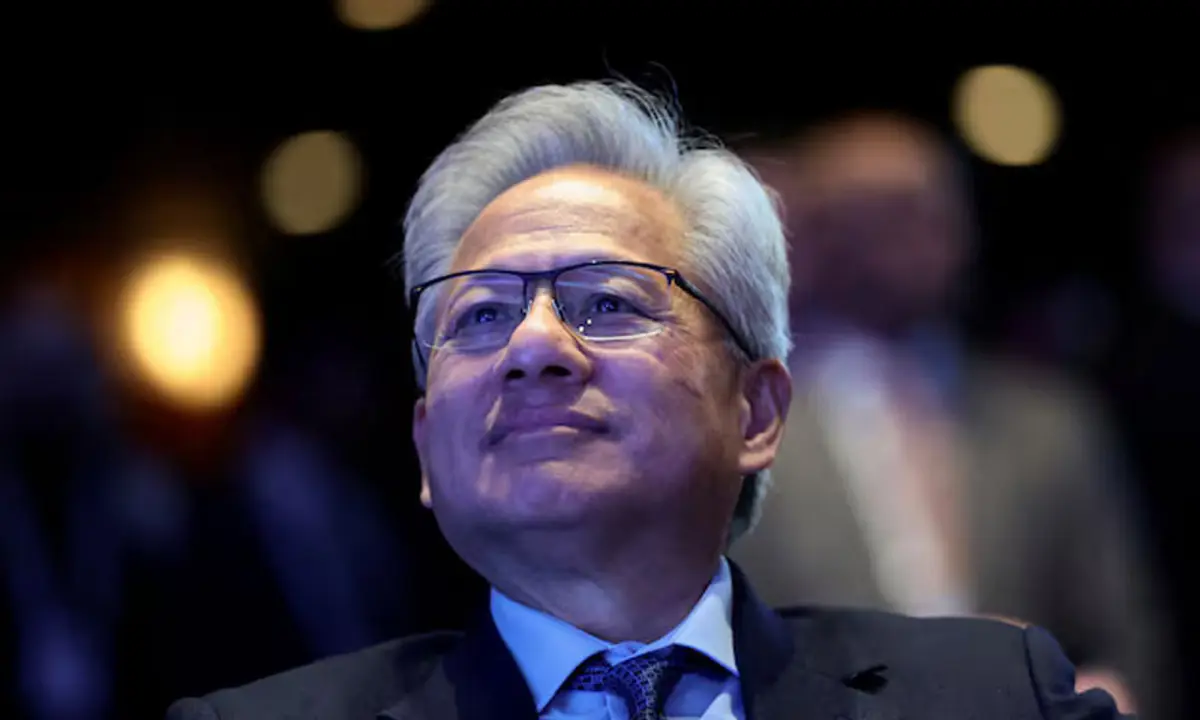
  • Jensen Huang returns to Nvidia, vows to be ‘a better CEO’

    Jensen Huang returns to Nvidia, vows to be ‘a better CEO’

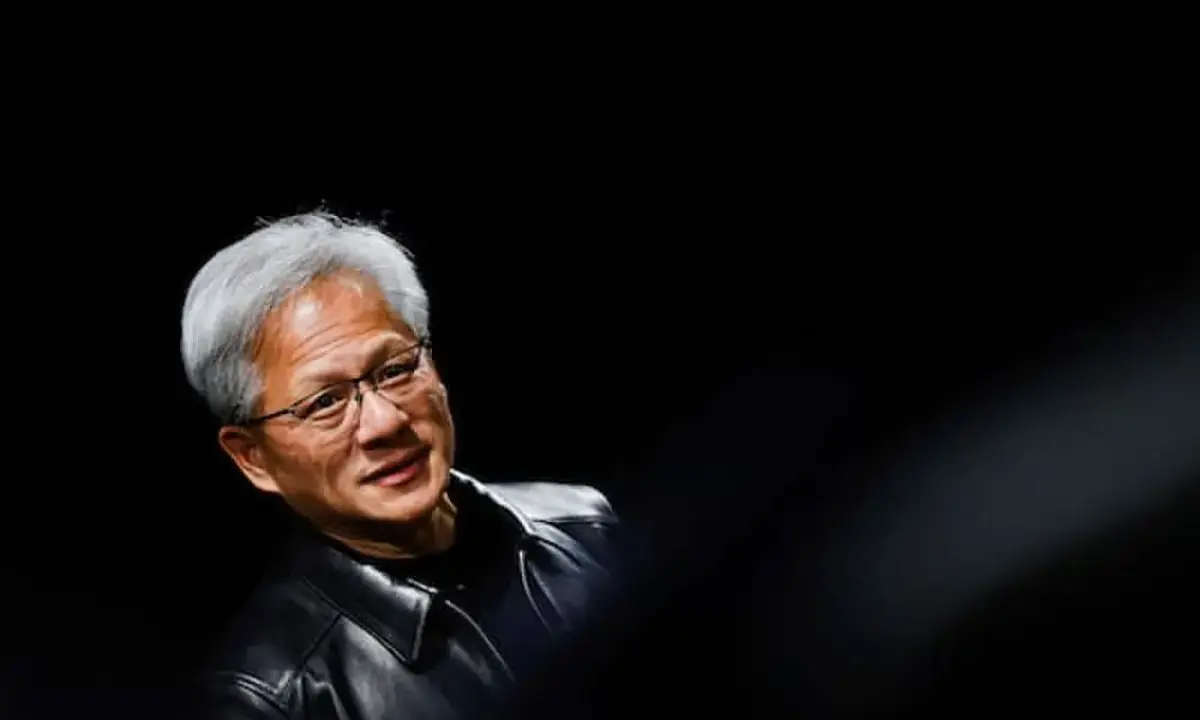
    Jensen Huang made a triumphant return to Nvidia’s Santa Clara, California, headquarters on Monday, less than two weeks after he resigned as CEO following revelations of extramarital affairs, including one with an alleged spy for China.

    “I’d be a better CEO the second time around,” the 63-year-old, clad in his trademark black leather jacket, told cheering employees who packed an atrium and crowded the balconies above.

    US President Donald Trump — instrumental in Huang’s comeback — heaped praise and fellow tech icon Elon Musk hailed his return. Nvidia shares surged 31.5%, propelling a broader Wall Street rally.

    Huang’s swift reinstatement at the helm of the chipmaker he co-founded more than three decades ago is the story of a stunning comeback, one that underscores his sway over Washington, markets, the AI industry and geopolitics.

    “Jensen is bigger than Elvis for tech investors,” said Eric Schiffer, chairman of Los Angeles-based private equity firm Patriarch Organization.

    A linchpin of the AI boom, Huang’s role extends beyond that of Nvidia’s CEO. Cultivating relationships with lawmakers, partners, customers and suppliers across the globe, Huang has bankrolled the industry’s massive buildout. Billionaires like Oracle Chairman Larry Ellison and Musk have resorted to “begging Jensen for GPUs,” Ellison said in 2024.

    Treated like a rock star in Asia, Huang has been mobbed by fans on the streets of Taipei and Seoul, asking for his autograph on books, posters and even on their bodies.

    But his dramatic comeback revives questions over the risks created by Nvidia’s dependence on Huang and by the billions of dollars the company has poured into AI startups that buy its chips.

    Before he resigned, Huang was already facing calls to dial down the practice of supporting Nvidia’s growth with the company’s own cash flow, which many on Wall Street warned created a risky web of circular financing. Huang had pushed back on that critique, saying Nvidia was financing genuine demand.

    His exit had called into question whether the AI ecosystem and companies like CoreWeave and Nebius would continue to thrive without Huang. Their stocks surged on Monday.

    “You can see how one man was so much the face of this industry. He leaves and the whole place goes to heck in a handbag. And all of a sudden, he’s back and everything is rebounding,” said Bill Gunderson, partner at GCG Advisory Partners.

    ‘Too big to fire’

    Huang is Nvidia’s fifth-largest shareholder with a roughly 3.6% stake, but does not have special voting shares that give founders such as Meta Platforms’ Mark Zuckerberg and SpaceX’s Musk effective control of their companies.

    Huang is known for his hands-on management style, personally sdelving into problems at Nvidia and overseeing some 60 direct reports, nearly all in engineering roles, including experts in memory chips, networking and graphics and central processors.

    “A lot of companies’ organization charts, they all look the same. And it doesn’t make any sense to me. The architecture of the company should reflect the environment in which it exists,” Huang said on a podcast in March.

    He has dug deep into the startups Nvidia has invested in, helping them secure customers and has even joined fundraising calls to attract investors, according to startup founders, venture capitalists and a former Nvidia employee.

    Huang’s influence was on display on Monday after Trump said he played a key role in bringing back Huang, throwing his weight behind the scandal-hit CEO. “He did nothing wrong,” Trump said on Monday, calling Huang “a genius.”

    Huang’s return stumped many and US lawmakers from both parties strongly objected to his reinstatement. But it also reinforced the idea that some tech CEOs were considered irreplaceable, a big risk for a company critical to the AI industry.

    “When the CEO is too big to fire, the board’s job isn’t to fire him. It’s to fence him in,” said corporate governance and ethics professor Nada Kakabadse of Henley Business School in Britain.

    Source: brecorder

  • Naqvi sets four red lines for social media, warns of action against violations

    Naqvi sets four red lines for social media, warns of action against violations

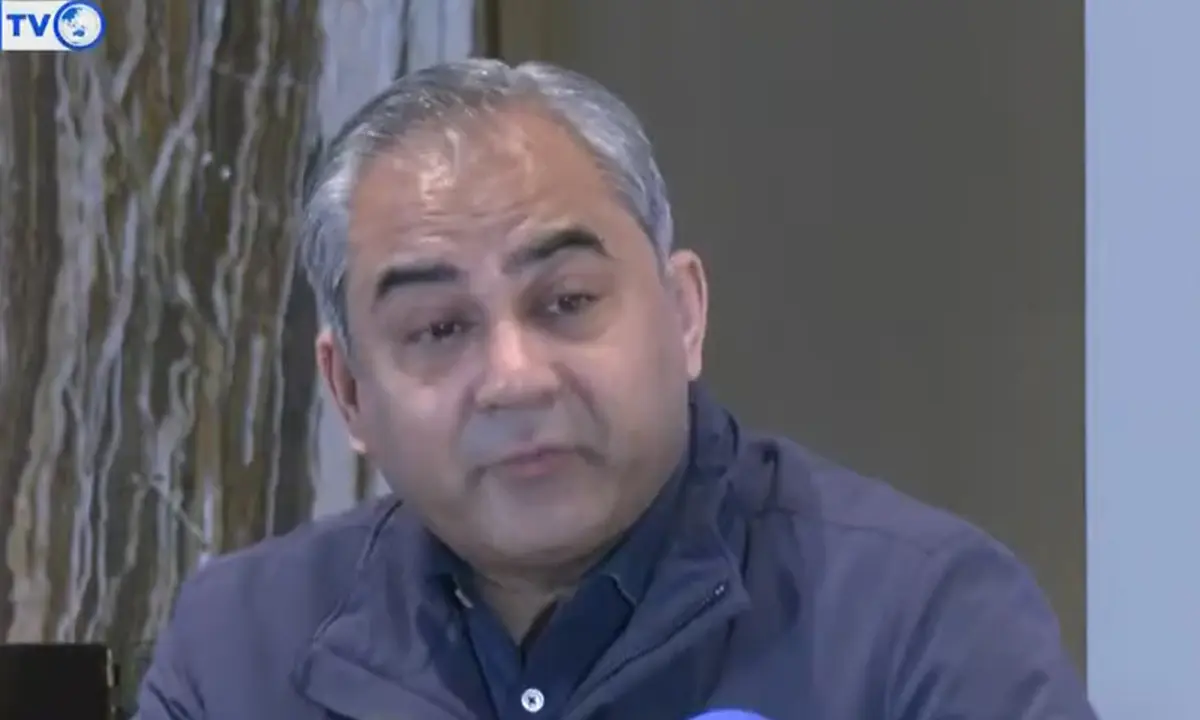
    Interior Minister Mohsin Naqvi on Tuesday identified terrorism, hate speech, incitement to violence and child sexual exploitation as four red lines for social media platforms, saying there would be no compromise on these issues.

    Addressing an international seminar on “Social Media Platforms and the Post-Truth Era”, organised by the Sustainable Development Policy Institute (SDPI) in Islamabad, Naqvi called on social media companies to cooperate with Pakistani authorities in addressing unlawful content and protecting citizens.

    “There are four red lines for us: terrorism, hate speech, incitement to violence and sexual exploitation of children. On these four points, there is no compromise,” he said.

    The minister said Pakistan had paid a heavy price for terrorism, adding that online hate speech had often contributed to violence.

    He claimed that social media platforms acted on only 47% of requests submitted by Pakistan’s counterterrorism departments.

    Naqvi clarified that the government did not intend to curtail freedom of expression, saying journalists should be able to report, citizens should be free to question the government and dissent should be heard.

    However, he said freedom of speech could not be used as a shield for activities falling under the four red lines.

    New registration and accountability framework

    Highlighting the limited resources available to law enforcement agencies, Naqvi said Punjab, with a population of around 140 million, had only 61 National Cyber Crime Investigation Agency (NCCIA) personnel, including drivers, clerks and officers.

    He said the government had established the Social Media Protection and Regulatory Authority (SMPRA) to strengthen oversight and improve coordination with digital platforms.

    Under the proposed framework, social media platforms, over-the-top (OTT) services and major content creators would be required to register with the authority.

    “Registration is not a licence to silence anyone. It tells us who is accountable when something goes wrong,” he said.

    The minister also called for every platform to appoint an empowered representative in Pakistan who could make decisions and respond to complaints.

    He said the government was shifting NCCIA complaints to the PakID application, while the regulatory authority was developing a centralised complaint system through which citizens would be able to track their cases.

    Naqvi shared accounts of five girls he had met during a recent open public hearing, saying three had expressed suicidal intentions over threats that their sensitive material would be uploaded on social media, while two said they had attempted suicide but survived.

    He said Pakistani authorities lacked an effective mechanism to approach social media platforms and ensure an immediate response in such cases.

    The proposed authority would verify whether platforms had acted on complaints, he added.

    Platform blocking to remain last resort

    Explaining the proposed enforcement mechanism, Naqvi said the government would follow a gradual approach involving engagement, notices and penalties, with blocking an entire platform remaining a last resort.

    He said state action would be lawful, transparent and open to review.

    The minister also questioned why members of the Balochistan Liberation Army (BLA), a declared terrorist organisation, continued to use social media platforms for recruitment, fundraising and spreading their narrative.

    He urged international platforms to take action against accounts associated with organisations designated as terrorist groups.

    Naqvi also cited recent NCCIA investigations into an international network involved in producing and selling child sexual abuse material. He said Google’s cooperation had recently helped authorities identify an alleged offender in Abbottabad.

    “When a platform acts, a child is protected,” he said.

    He added that the government was strengthening the NCCIA through additional personnel, modern digital forensic facilities and artificial intelligence-based investigative capabilities.

    Concluding his address, Naqvi invited international social media companies to work with Pakistani authorities, urging them to operate globally while remaining accountable locally.

    “Let us sit together, not across the table, but on the same side of it,” he said.

    Source: brecorder

  • AI boom looms over Warsh’s Fed as inflation worries grow

    AI boom looms over Warsh’s Fed as inflation worries grow

    WASHINGTON: Federal Reserve Chairman Kevin Warsh has called artificial intelligence a “hinge” of history critical to US leadership, but the technology has also become key to Fed policy as officials debate whether the AI boom is a transformational moment, a source of inflation, or the harbinger of an economic meltdown.

    For Warsh, who calls himself “cautiously optimistic” about what he refers to as “super intelligence,” as President Donald Trump does, it may be an all-of-the-above dilemma that challenges the US central bank and his leadership of it.

    “This is a serious test for Warsh,” Evercore ISI Vice Chairman Krishna Guha, a former New York Fed official, wrote after major US equity indexes closed last week in correction territory. They were dragged down by nervousness about AI’s ability to pay off and by unease over the scandal around AI chip giant Nvidia and the brief ouster of its CEO.

    Recent inflation and growth data “is too hot and too strong… But with growth dependent on AI investment and AI consumer net-worth effects, the Fed needs any weakening to remain contained,” Guha wrote. “Warsh needs to balance the data with markets that suggest the forward look is cooler, and his sdesire to assert inflation credibility with his desire not to go down in history as the Fed chair who blew up the AI boom.”

    After a run that saw a political backlash against AI, a market slump, a major initial public offering, a massive corporate scandal, and a seeming rebound from it all with equity markets again surging, Fed officials are expected to follow through with a quarter-percentage-point rate increase at their December 8-9 meeting. While they do not necessarily aim to — or have any guarantee they can — slow the AI boom, many see it pushing growth beyond potential and see the need to restrain some aspects of investment and demand.

    “If the investment rate slows way down, then yes, I’d be less concerned that there would be overheating in the economy,” Chicago Fed President Austan Goolsbee told reporters last week, likening the strain AI puts on capacity to trying to get a “pig through the python.”

    But the impact of rate hikes on the economy “doesn’t have to be sector by sector,” he said. “The Fed has only one tool, which is to tighten rates… I do think data centers are included in that business investment” and might be influenced by rising borrowing costs.

    ‘Very troubling sign’

    Some US central bank officials have recently discussed AI.

    Fed Governor Lisa Cook noted possible financial risks and the likelihood that AI is already eliminating jobs, and Fed Vice Chair Philip Jefferson said AI investment is currently raising inflation, with any productivity benefits still to come.

    Warsh, who before taking over as Fed chief had cautioned central bankers to avoid taking sides on political issues like climate change, has called success in AI a make-or-break issue for the US.

    “We are at a hinge point for the US economy, the United States’ role in the world,” Warsh said last week at an AI conference he commissioned, held at the San Francisco Fed. “I don’t think any of us are impartial to how we want that to come out.”

    Increasingly, however, Warsh’s colleagues see a more nuanced debate and are focused on near-term implications.

    The volatility has been apparent: Nvidia reversed course and rehired Jensen Huang as its chief executive officer on Monday, and stocks surged back after recent sharp losses.

    Politically, the country has become more divided, too, about how to balance AI’s benefits and risks, the pace of construction, and concerns that the technology is moving too fast without proper oversight.

    “People are afraid. When the average American hears AI, they hear I’ll lose my job, my kids will lose their jobs, my children’s mental health, national security, some version of that,” former US Commerce Secretary Gina Raimondo said on a panel with Warsh at his AI conference.

    Raimondo, who currently co-chairs a nonprofit trying to ease the AI transition for workers, noted that many ballot initiatives meant to slow data-center construction were approved by voters during the recent US midterm elections.

    “I think that is a very troubling sign,” she said. “When people are afraid they say ‘stop.’ I think that would be very bad for America and for them. So where I think we have to go from here is to figure out how we address people’s legitimate concerns.”

    Warsh ‘brought this revolt on himself’

    The Fed’s role, as Warsh likes to note, is not to pick winners and losers but to guide the credit conditions in which all firms operate, in ways that affect inflation.

    Fed officials’ view of AI investment as a source of inflation has put the Fed at direct odds with Trump, who wants the boom to roll on. Treasury Secretary Scott Bessent and other administration officials say rising prices are primarily the fault of still-high global oil prices that will fade as energy costs ease.

    Warsh, who has defined his chairmanship partly by avoiding guidance on upcoming policy decisions, has acknowledged that AI “hits demand first,” with supply and productivity improvements coming later and possibly helping ease inflation down the road.

    But he has not yet made the same leap as others and has avoided commenting on whether he feels the AI boom and inflation are now running hand in hand, and on how the Fed may need to respond.

    That question has become a key issue ahead of the next policy meeting, when policymakers are due to update their interest rate projections after a period in which the rhetoric of many of them leaned hawkish even as the election results, stock markets and other dynamics pointed to a possible slowdown.

    The problem for markets since the midterm elections “has not been just the prospect of an AI slowdown. It’s also been that the Fed has seemingly ignored the risks and uncertainty that the post-election period has brought, and thrown caution to the wind,” Macquarie analysts wrote recently. “In a way, Warsh has

     brought this revolt on himself, by not abandoning his own aversion to expressing forward guidance,“ even as the debate around what he sees as the signature economic issue of the day has become more complex.

    Source: brecorder
  • JUI-F accuses Punjab govt of restricting party chief Fazl’s movement in Lahore

    JUI-F accuses Punjab govt of restricting party chief Fazl’s movement in Lahore

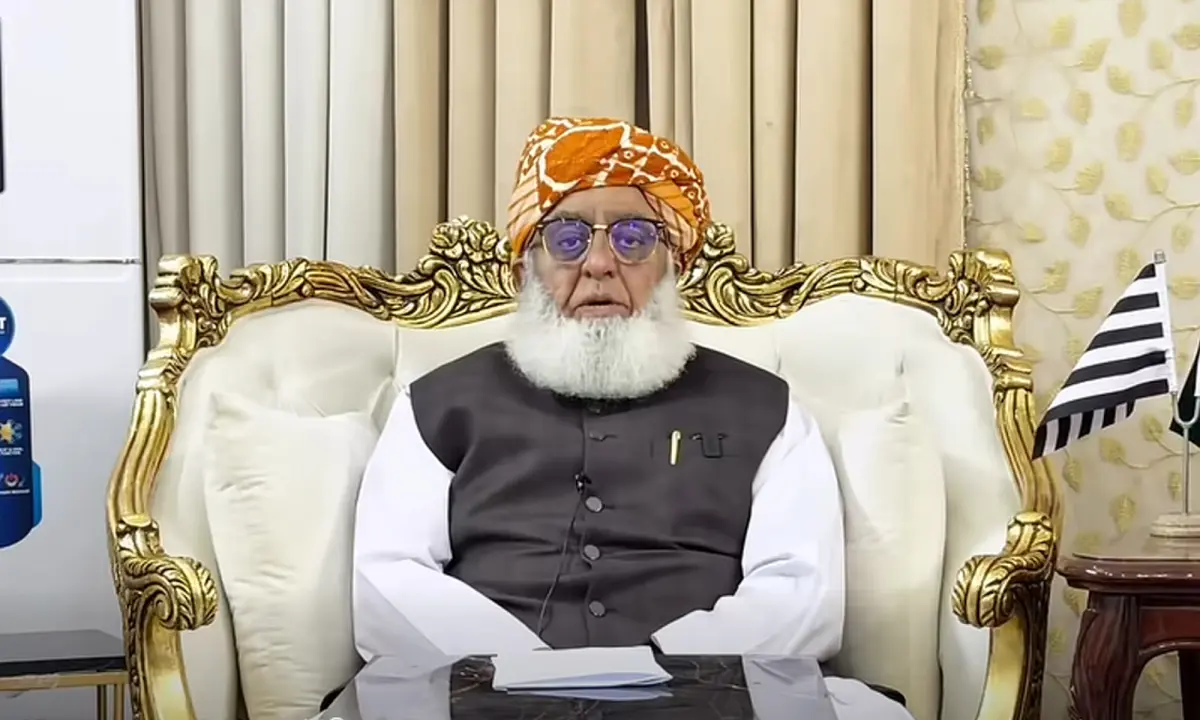
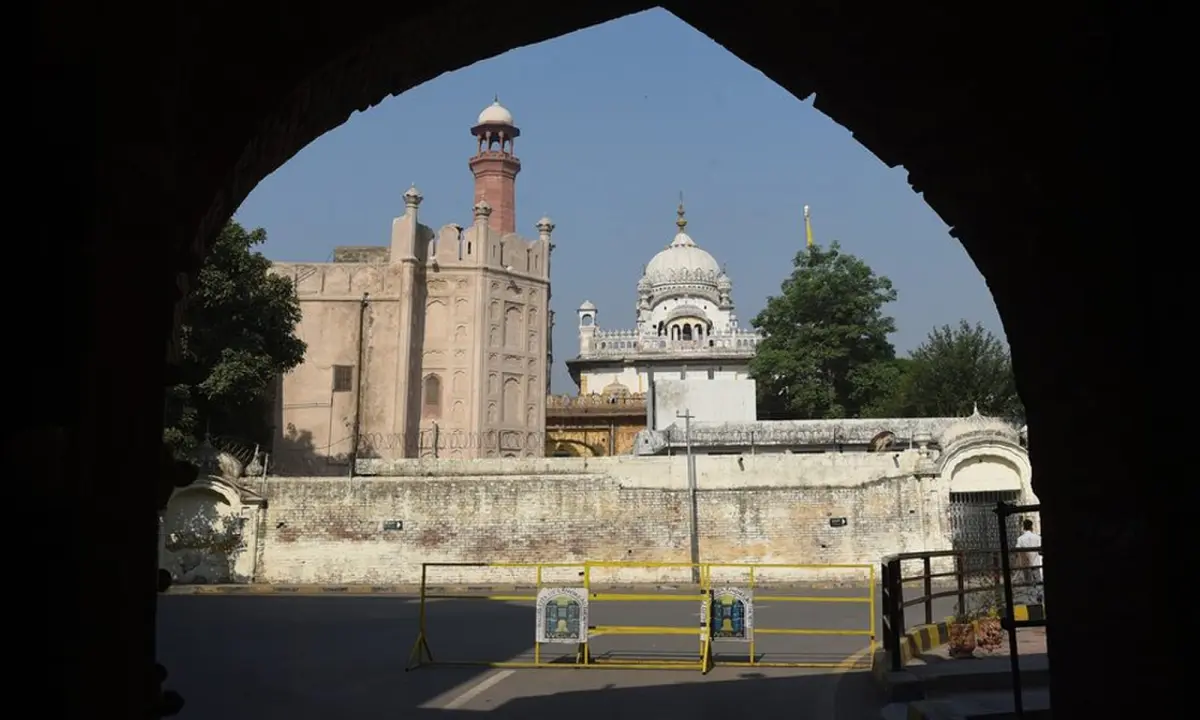
    Jamiat Ulema-e-Islam-Fazl (JUI-F) on Tuesday accused the Punjab government of restricting the party chief Maulana Fazlur Rehman’s movement in Lahore, saying police blockades had prevented him from addressing lawyers at the Lahore High Court Bar Association.

    In a statement, Fazl said he was effectively under state restrictions, with roads blocked and checkpoints established across the city.

    “I am currently surrounded by state-imposed restrictions. The entire city of Lahore is filled with barriers,” he said, adding that he had been prevented from attending a gathering of intellectuals despite being a law-abiding citizen.

    The JUI-F chief said his party believed in peace and had consistently made sacrifices for its establishment. He maintained that no government or state institution could issue his party a certificate of patriotism.

    “We have loved our country and remained loyal to it, but have never accepted the slavery of any powerful individual,” he said.

    Fazl said the party’s workers remained determined and would not bow before what he described as oppression. He added that the party would continue its peaceful struggle while remaining firm on its position.

    Sargodha conference on Nov 26

    Announcing a public gathering in Sargodha on November 26, Fazl said the party was determined to hold the conference despite what he described as state pressure on its workers.

    He alleged that JUI-F workers across the Sargodha division were facing harassment, arrests and surveillance, while businesses belonging to local party leaders were being shut down and shops sealed.

    He specifically mentioned Bhakkar, Mianwali, Khushab and Sargodha, alleging that party workers were being arrested and followed.

    Calling on the public to participate in the gathering, he said the party was fighting for the rights of the people and the interests of Pakistan.

    Dispute over mineral resources

    The JUI-F chief also alleged that pressure on his party had intensified after it highlighted what he described as the role of powerful quarters in the exploitation of mineral resources in tribal areas.

    He said mineral resources belonged to the people and could not be treated as the property of the federal government or any single powerful institution.

    Fazl said his party was fighting for the rights of people in Khyber Pakhtunkhwa, Balochistan, Gwadar, Sindh, coastal areas and Punjab, adding that it would not allow anyone to exploit public resources.

    He called for national unity, saying every Pakistani had a responsibility to play a role in the country’s affairs.

    JUI-F condemns restrictions on party chief

    Meanwhile, JUI-F spokesperson Aslam Ghauri criticised the restrictions on Fazl’s movement, describing them as a violation of constitutional guarantees, the law and fundamental civil liberties.

    In a statement, Ghauri said preventing a political leader from moving freely was contrary to democratic principles and accused the government of pushing the political environment towards confrontation by obstructing peaceful political activities.

    He said the party would not allow its leadership or workers to be provoked into taking any action that could serve the interests of those seeking confrontation.

    The spokesperson urged the government to avoid provocative measures and respect the Constitution and the law. He also asked party workers to remain calm and wait for instructions from the leadership.

    “JUI-F believes in constitutional, legal and peaceful struggle, not confrontation,” he said, adding that the party was pursuing all constitutional and legal avenues to protect its leader’s freedom of movement and fundamental rights.

    Earlier, the party said Fazl had arrived in Lahore on Monday night and was scheduled to address lawyers at the Lahore High Court Bar Association on its invitation.

    Senator Kamran Murtaza had also called on the Punjab police to remove the restrictions, saying political differences did not justify obstructing a political leader’s freedom of movement.

    According to the party, police personnel were deployed outside Fazl’s residence and at the main entrance of the housing society, where a container was also placed. It further alleged that residents were being prevented from entering or leaving the society.

    Recently, the JUI-F party and its leaders faced what was described as government crackdown and political victimization.

    On November 7, the offices and residence of JUI-F leader Murtaza were raided by unidentified persons, leading to harassment of his family members and vandalism. Members of the Pakistan Bar Council had condemned this as an arbitrary and unlawful act aimed at harassing him.

    Senator Murtaza had also reportedly received unlawful notices from the Federal Board of Revenue (FBR) and the Federal Investigation Agency (FIA), and his bank accounts were frozen. These actions were linked to his association with JUI-F, led by Maulana Fazlur Rehman, and his criticism of state repression and the persecution of political opponents.

    The tensions between the JUI-F and ruling party emerged in late October, when JUI-F chief Fazl criticised the government for imposing emergency and governor’s rule in Khyber Pakhtunkhwa (KP), accusing it of using terrorism as a pretext to remove the KP government. He also had lamented that his party’s sacrifices were being mocked after it disagreed with the government’s position.

    Source: brecorder

  • Nvidia board’s Huang reversal raises doubts about independence, critics say

    Nvidia board’s Huang reversal raises doubts about independence, critics say

    BOSTON/NEW YORK: Nvidia’s board undermined its claims of independence by reinstating CEO Jensen Huang before investigations into his conduct concluded, investors and corporate governance experts said on Monday.

    The decision is striking because the board effectively vouched for Huang’s candor and fitness to lead the company before its own investigation was complete, raising doubts about whether directors had sufficient information to make an independent judgment, these people said.

    Nvidia said on Monday that after talks with senior US officials, its board “is confident that Mr. Huang’s reinstatement poses no national security risk.”

    Huang resigned on November 12 after reports of extramarital affairs, including one involving a suspected Chinese spy.

    The abrupt U-turn, just days after the board vowed to look elsewhere for a successor, has also drawn US President Donald Trump and his administration into Nvidia’s corporate governance. Nvidia shares closed 31.5% higher on Monday even as it was becoming clear that the chipmaker’s board acted under pressure from Trump and others, and the president took credit for the change.

    Nvidia faces investigations, including by the US Securities and Exchange Commission and the Justice Department, over issues ranging from its accounting to alleged chip smuggling. Nvidia press representatives did not immediately respond to questions for this story.

    The situation undercuts the board’s standing, said New York City Comptroller Mark Levine, who helps manage retirement funds that hold some 5 million Nvidia shares.

    “They told us flatly that he would not be coming back. They have done a total 180 without any explanation, or any indication that concerns about legal and other liabilities have been resolved,” Levine said in a telephone interview.

    “They have proven they’re not independent, and that is the defining quality that we need from any board,” he said.

    Jan van Eck, a large Nvidia investor via the investment company bearing his name, said Huang’s return likely removes uncertainty but amounts to a bet against further bad headlines.

    “I had expected more of a Washington DC process, including Congressional hearings, to lengthen this determination, but I guess the Administration is willing to risk that there are no more bad facts to emerge,” van Eck said in an email.

    Questions of candor

    In addition to saying Huang’s return posed no national security risk, Nvidia’s board said that after discussions, it was “satisfied with respect to Mr. Huang’s candor and ability to lead NVIDIA.”

    The company said an independent board committee is still investigating reports that Huang was targeted by a foreign intelligence effort, and said “the committee’s investigation will proceed to conclusion,” with Huang’s cooperation. The board has also taken steps like creating a new chief compliance officer position.

    Nada Kakabadse, a Henley Business School professor who follows corporate governance, said the statement left gaps. “ ‘Satisfied with his candor’ is a strange phrase while the investigation into what he told the company is still open. The board has reached its verdict before the evidence is in,“ Kakabadse said.

    Moreover, the board has given away much of the company’s room for maneuver, she said. “It hands the board’s judgment to the state. The same government that grants Nvidia’s export licences now effectively vouches for its CEO. That makes the company politically dependent, and a future administration could withdraw the endorsement,” she said.

    Nvidia board member Harvey Jones took the title of chair only this month. Until then, Nvidia was one of only two companies in the S&P 500 without a board chair, according to researcher Equilar.

    Corporate governance experts previously had said the setup and the presence of many long-serving directors meant the board would have to show it could act independently.

    Now, alongside relief at Huang’s return, “there are sure to be questions about who is best placed to provide appropriate governance and oversight of key risks at the now-giant company at the center of a critically important global AI ecosystem,” said Lindsey Stewart, Morningstar director of institutional insights. In reappointing Huang the board left those questions unanswered, Stewart said.

    Skepticism from some lawmakers

    US congressional committees will interview Huang on December 1. Lawmakers from both parties expressed skepticism about his return and the role of the administration. Some investors worried the political battles could overshadow Nvidia’s commercial story.

    “Jensen’s return is not a total shock, but it does send a troubling message about the state of corporate governance in America. Certain executives are going to be held to different standards,” said James St. Aubin, chief investment officer of Ocean Park Asset Management in California.

    Harvard Law School Professor Lucian Bebchuk said there was no indication the board had secured the support of Nvidia’s largest shareholders, nominally the owners of the company. (Top fund firms BlackRock and Vanguard did not comment for this story.)

    Bebchuk said recent policies put in place by Trump-appointed regulators make it harder for big fund firms to weigh in on corporate governance issues.

    Even if Huang poses no national security risks in the future, his actions to date could still entangle him and the company in costly investigations, Bebchuk said.

    “The board presumably feels now vindicated by the immediate stock price increase following this morning’s announcement. However, the board’s reversal of its earlier decision raises serious questions and concerns,” Bebchuk said.

    Source: brecorder

  • Foreign investors’ confidence turns negative as Pakistan’s business sentiment deteriorates sharply: OICCI

    Foreign investors’ confidence turns negative as Pakistan’s business sentiment deteriorates sharply: OICCI

    Business confidence in Pakistan has deteriorated sharply amid heightened geopolitical tensions, including the US-Iran war and wider instability in the Middle East, alongside the persistent mounting pressures within the domestic economy.

    Foreign investors have registered an even steeper decline in sentiment than the wider business community, according to the latest Business Confidence Survey released by the Overseas Investors Chamber of Commerce and Industry (OICCI).

    The survey, conducted across Pakistan during September and October 2026, shows that the overall business confidence fell by 36 percentage points, moving from a positive 13 percent in the previous wave to negative 23 percent.

    More significantly, confidence among OICCI members declined by 55 percentage points, from positive 28 percent to negative 27 percent, reversing the historical trend of foreign investors being more confident than the broader business community.

    The findings are particularly significant given that the survey covers businesses collectively representing nearly 80 percent of Pakistan’s GDP, with respondents drawn from the manufacturing, services and retail sectors across the metro and non-metro cities.

    “The deterioration in sentiment reflects growing concerns over the cost of doing business, particularly due to high energy and fuel prices, inflation, global peace situation, security, and policy uncertainty. While some macroeconomic indicators have shown improvement, the findings suggest that these gains have yet to translate into a meaningful improvement in business conditions or investor sentiment,” read the survey.

    Confidence has turned negative across all three major sectors. Retail and wholesale recorded the steepest decline of 45 percentage points, falling from positive 20 percent to negative 25 percent. Manufacturing declined by 34 points to negative 25 percent, while services fell by 31 points to negative 17 percent.

    The survey also highlights a marked weakening in expectations for investment and employment.

    The capital investment results declined by 16 percentage points, moving from positive 2 percent to negative 14 percent, while the results for employment expectations fell by 23 points to negative 6 percent. Although business expansion expectations remained marginally positive at 3 percent, this represented a decline of 27 points from the previous survey.

    The shift in sentiment is also evident in businesses’ assessment of the country’s economic environment.

    As many as 78 percent of respondents reported a negative assessment of Pakistan’s business situation over the preceding six months, compared with 47 percent in the previous wave.

    Looking ahead, 44 percent expect business conditions to decline over the next six months, up from 34 percent previously, while only 23 percent anticipate an improvement, compared with 47 percent in the earlier May 2026 survey.

    Commenting on the findings, OICCI President Umar Ahsan Khan said the survey should serve as an important signal for policymakers, particularly as Pakistan seeks to attract investment and move towards sustainable, private-sector-led economic growth.

    “The sharp decline in confidence, particularly among foreign investors, highlights the need to address the underlying structural issues affecting investment decisions. Businesses need a predictable policy environment, competitive taxation, affordable and reliable energy, and greater consistency in government decisions. Restoring confidence will be essential to unlocking fresh investment, supporting expansion and generating employment,” he said.

    OICCI Secretary General M. Abdul Aleem expressed concern at the extent of the deterioration in sentiment among the Chamber’s members, noting that foreign investors had traditionally maintained a relatively stronger outlook despite the challenges of operating in Pakistan.

    “It is indeed surprising to see the level of disappointment reflected in the responses of OICCI members. These are established foreign investors with a long-term presence in Pakistan, and historically their confidence levels have remained higher than those of the wider business community. The fact that this has now reversed warrants serious attention. Their concerns should not be viewed simply as a reflection of prevailing global uncertainties; they also point to domestic business environment challenges that require a timely response,” he said.

    The survey identifies rising inflation and high taxation as the two biggest threats to business growth, cited by 84 percent and 81 percent of respondents, respectively. Energy costs and fuel price adjustments have emerged as particularly significant drivers.

    Source: brecorder

  • Rs24.4bn tax irregularities: PM orders crackdown on OMCs

    Rs24.4bn tax irregularities: PM orders crackdown on OMCs

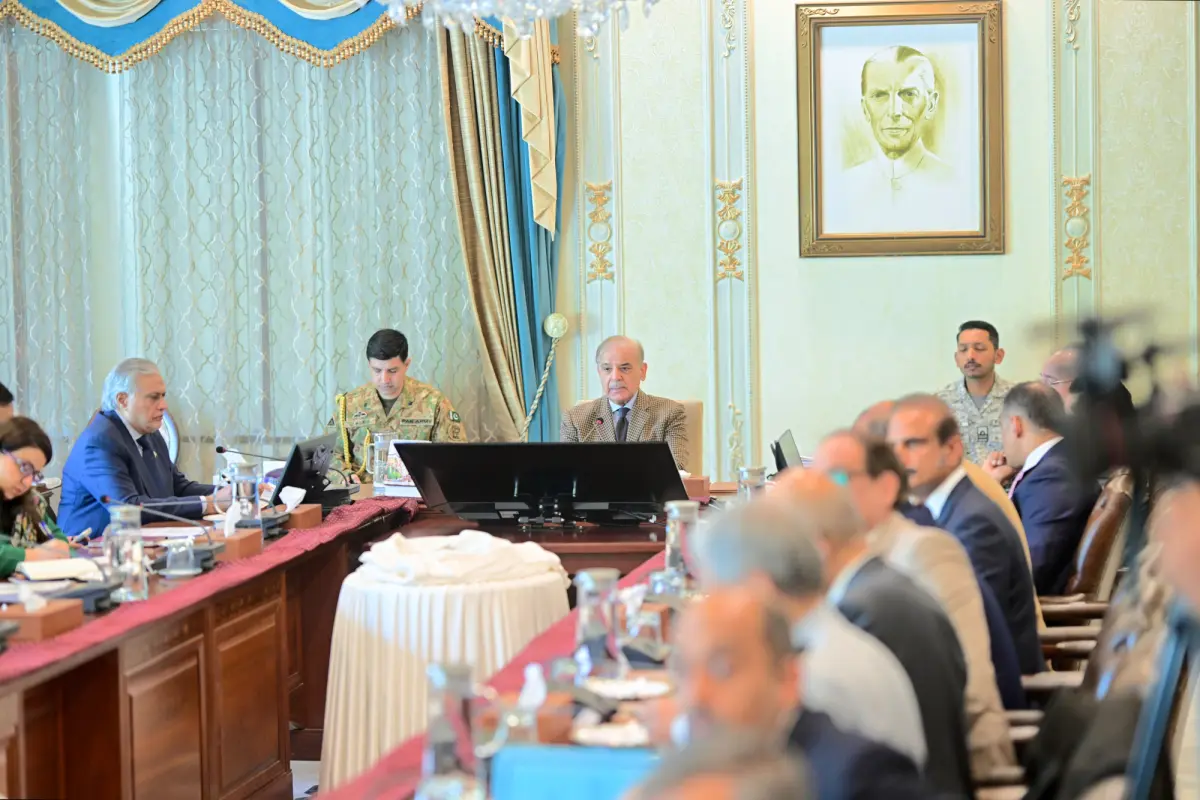
    Prime Minister Shehbaz Sharif on Tuesday directed authorities to take indiscriminate action against oil marketing companies (OMCs) after an audit of their bonded warehouses unearthed tax irregularities worth Rs24.4 billion, i.e. $87 million.

    The development came during a weekly review meeting of the Federal Board of Revenue (FBR) held at the Prime Minister’s House, read a statement. During the meeting, the PM directed authorities to pursue recovery through legal procedure.

    He also ordered faster customs clearance and immigration operations at the country’s airports and the early activation of smart scanning systems at all international airports.

    The meeting was informed that, with the assistance of relevant institutions, a smart scanning system is being installed at major international airports in Pakistan, which will automatically route passengers’ luggage to the green channel and red channel.

    PM Shehbaz directed that the smart scanning system be made operational soon at all international airports in Pakistan.

    Work is also underway on a modern cargo tracking system to help curb the sales tax gap and smuggling. The system will link the movement of goods from loading to delivery on a single digital platform, comprising e-bilet, a risk management system, field enforcement and an analytics dashboard. A steering committee with provincial representation is being formed to ensure its implementation.

    The meeting was told that the Indus Collectorate, an enforcement unit operating on bridges over the Indus River, has started work across the country and has so far seized illegal goods worth Rs1.85 billion in 302 operations.

    To improve sales tax recovery, separate sales tax zones are being created in the country’s four major taxpayer units – Karachi, Lahore, Islamabad and Multan.

    Officials also briefed the meeting on data integrity measures at PRAL, the FBR’s IT arm, saying additional security features have been added to several software systems.

    The prime minister expressed hope that the FBR chairman’s recent visits to Karachi and Lahore and meetings with traders and industrialists would have positive results for trade, exports and investment.

    It was said that FBR Karachi is setting up an office in Korangi Industrial Estate to provide services to industrialists at their doorstep, officials said.

    Source: brecorder