Author: Theph

  • 2 soldiers martyred, 14 terrorists killed in North Waziristan operation: ISPR

    2 soldiers martyred, 14 terrorists killed in North Waziristan operation: ISPR

    Two soldiers were martyred and 14 terrorists were killed during an intelligence-based operation (IBO) in North Waziristan district of Khyber Pakhtunkhwa, the military’s media wing said on Saturday.

    According to a statement issued by Inter-Services Public Relations (ISPR), in continuation of a series of IBOs being conducted by security forces, multiple khwarij locations were engaged in the general areas of Mir Ali, Datta Khel and surrounding areas in North Waziristan.

    “Following fierce fire exchanges, in last twelve hours, 12 khwarij, including two Afghan nationals belonging to Indian-sponsored Fitna al Khwarij were sent to hell in Ali Khel, while two khwarij each were neutralised in Mir Ali and Datta Khel, thereby causing a significant blow to the khwarijs’ network operating in the area,” ISPR said.

    Fitna al Khawarij is a term used by the state for terrorists belonging to the banned Tehreek-i-Taliban Pakistan (TTP).

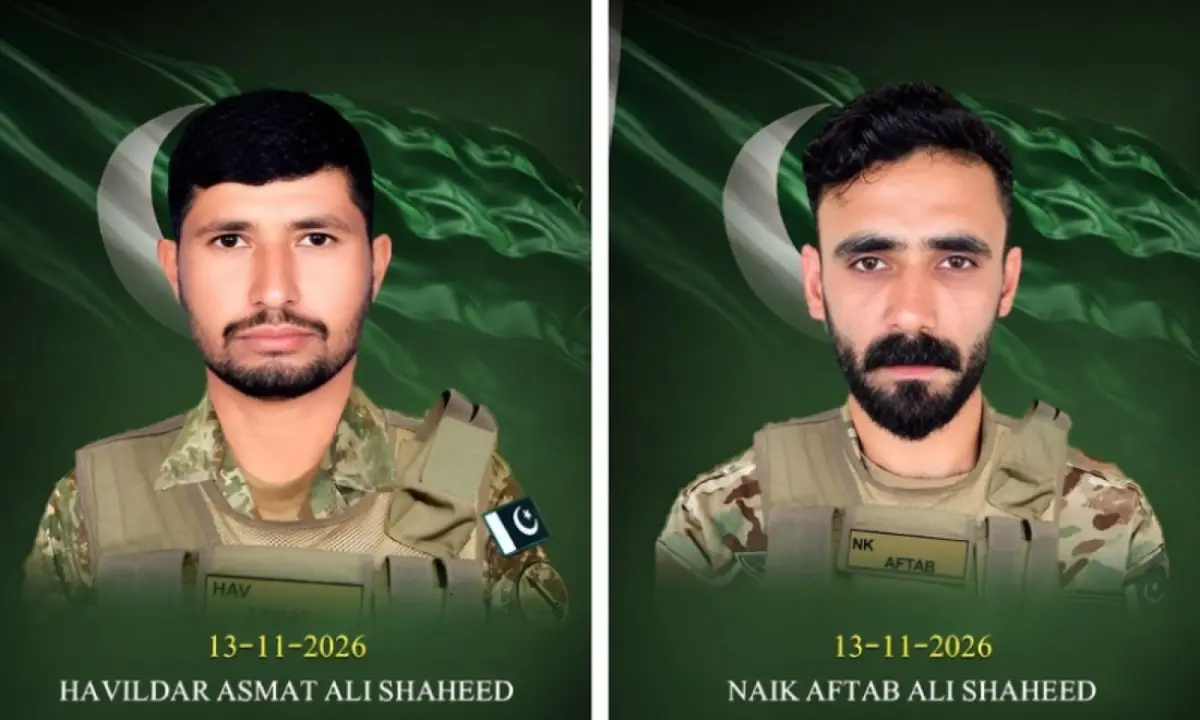
    ISPR said that during the operations, 43-year-old Havildar Asmat Ali and 32-year-old Naik Aftab Ali embraced martyrdom.

    “Weapons and ammunition were also recovered from the killed Indian-sponsored khwarij, who remained actively involved in numerous terrorist activities, including the killing of innocent civilians,” it said.

    The statement said that sanitisation operations would continue to eliminate “remaining holed up khwarij from these areas”, adding that the counterterrorism campaign would continue at full pace to wipe out the menace of foreign sponsored terrorism from the country.

    More to follow

    Source: dawn

  • Binance targets full reopening of withdrawals by next week

    Binance targets full reopening of withdrawals by next week

    Binance said on Saturday that it aims to reopen withdrawals for all remaining networks and assets by the end ​of next week, as operations normalise for the world’s biggest ‌cryptocurrency exchange after a security breach linked to North Korea saw $6.3 billion stolen from the platform last month.

    “This week, we reopened withdrawals for 87 ​networks. We will aim to reopen withdrawals for all ​remaining networks and assets by the end of next ⁠week,” the company said in an X post.

    Binance resumed withdrawals in ​phases earlier this month, after covering 95% of the $6.3 billion in ​tokens stolen from its platform in what experts describe as the largest cryptocurrency theft ever.

    The FBI and Binance have said North Korea was responsible for the ​Binance hack, but Pyongyang has denied that. Blockchain investigation firms ​have attributed it to a North Korean group known as “TraderTraitor”.

    In its initial report on ‌how ⁠hackers pulled off the heist, Binance detailed a multi-stage hacking endeavour that began in June and set off a series of security breaches culminating in the theft on October 29.

    The theft ​has underlined the ​vulnerability of digital ⁠assets to attacks and raised questions about the impact of the hack on Binance, which has ​vowed to repay customers in full.

    The company’s finance ​chief Kaiser ⁠Ng left the company just over a week after the heist, to pursue a new venture after more than five years at Binance. ⁠He ​was replaced by longtime finance executive ​Justin Yek, who was most recently vice-president of finance at Airwallex.

    Source: brecorder

  • Pakistan’s mineral moment: 5 takeaways from PMIF26

    Pakistan’s mineral moment: 5 takeaways from PMIF26

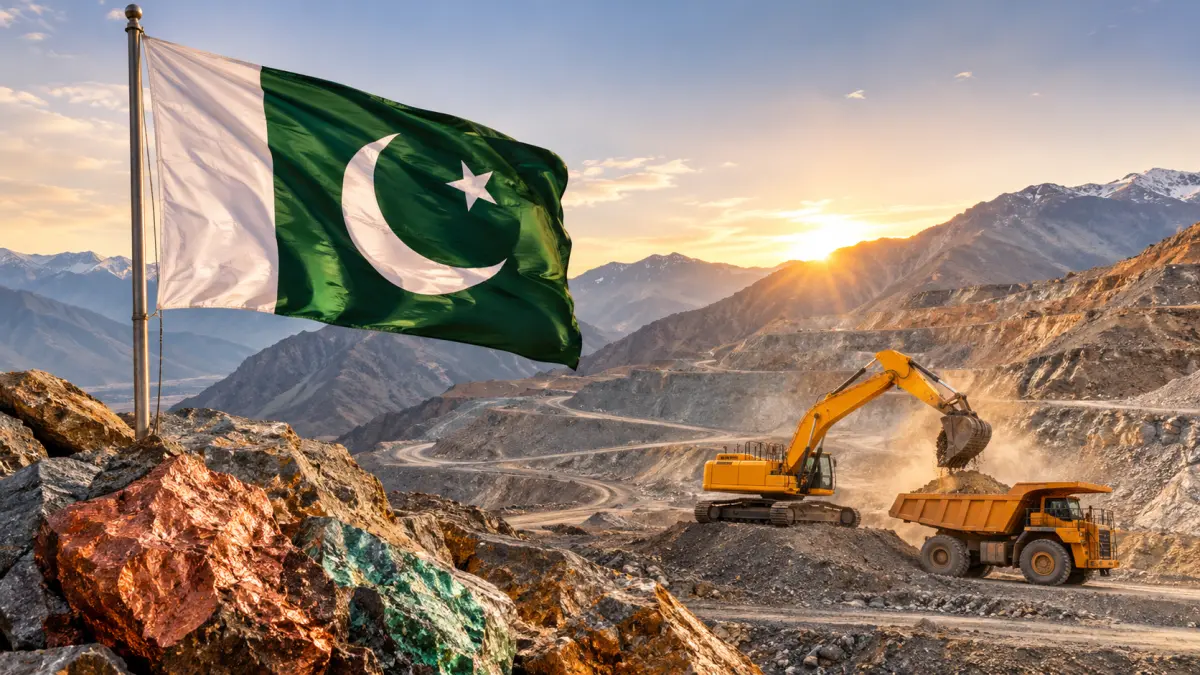
    The Pakistan Minerals Investment Forum 2026 (PMIF26) took place in Islamabad on November 12-13, 2026.

    The forum, which saw participation from over 60 countries, aimed to attract foreign investment, promote global partnerships, and unlock Pakistan’s mineral potential, bringing together the country’s leadership, international mining executives, investors, policymakers, and industry experts.

    Islamabad highlighted its growing mineral sector, which has drawn considerable attention in recent years, as a strategic component of its economic transformation, aiming to diversify exports, strengthen the industrial base, attract long-term investment, and create employment.

    Pakistan’s big moment: 5 takeaways from IMF-World Bank meetings

    Here are the main takeaways from the PMIF:  

    1. Pakistan secures 13 mining agreements with international partners

    The forum resulted in 13 agreements, MoUs and joint ventures involving Pakistani entities and international companies.

    These partnerships, focused on exploration and modernising Pakistan’s geological infrastructure, involved leading global mining firms and geological agencies from Türkiye, the United Kingdom, Canada, Germany, Japan, and Australia.

    PMIF: Ivanhoe Atlantic, Mari Minerals sign Chagai copper-gold exploration deal

    2. NRL announces eight copper-gold discoveries

    National Resources Limited identified copper-gold mineralisation across at least eight porphyry discoveries in Chagai, Balochistan, following nearly 25,000 metres of drilling, Chairman Muhammad Ali Tabba told the PMIF 2026.

    He also reaffirmed his company’s previously announced $100 million investment commitment to Pakistan’s mineral sector.

    3. Barrick interested in Gwadar and Karachi

    Canadian mining giant Barrick Mining Corporation expressed interest in investing in mineral processing industries in Karachi and Gwadar.

    The proposed investments in Karachi and Gwadar could broaden Barrick’s involvement in Pakistan beyond the extraction of mineral resources, signalling a possible expansion of its presence in the country beyond the Reko Diq copper and gold project.

    4. International mining and commodities companies express interest in Pakistan

    Apart from Barrick, companies including Ivanhoe Mines, Weir and Trafigura participated in discussions covering exploration, mining equipment, mineral trading and related industrial opportunities.

    5. Government showcase Pakistan as global hub for mineral exploration

    During the two-day forum, the government highlighted Pakistan’s rapid emergence as a global hub for mineral exploration, processing, and investment, driven by vast untapped wealth.

    Chief Ministers and Governors from Punjab, Sindh, Balochistan, and Khyber Pakhtunkhwa highlighted their respective regions’ mineral potential and investor facilitation efforts.

    Punjab’s Chief Minister Maryam Nawaz noted significant placer gold deposits and iron ore reserves. Balochistan’s Chief Minister Sarfraz Bugti assured investors of security and facilities, mentioning new security divisions for mineral corridors.

    Similarly, Prime Minister Shehbaz Sharif invited international investors to explore Pakistan’s mineral potential and establish processing and manufacturing industries in the country.

    Meanwhile, Chief of Army Staff and Chief of Defence Forces Field Marshal Syed Asim Munir said Pakistan aims to become a competitive destination for long-term mineral investment

    “Mines and miners, investments, industries, projects and all associated people would be provided adequate protection,” he said.

    Source: brecorder

  • As smog hangs over Lahore, Pakistan’s new pollution squad races to douse stubble fires

    As smog hangs over Lahore, Pakistan’s new pollution squad races to douse stubble fires

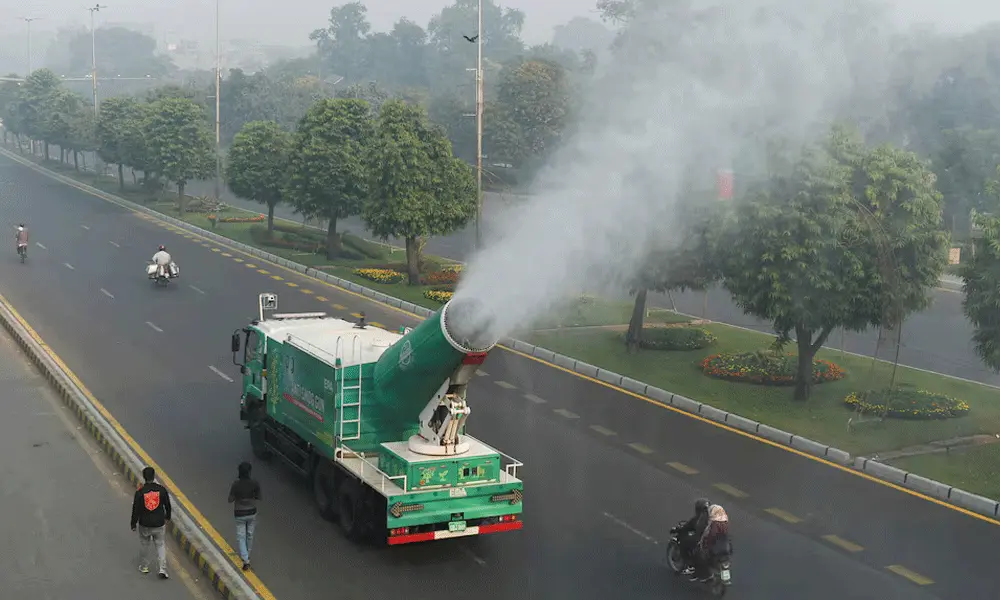
    LAHORE: As smog again settles over large parts of South Asia, Pakistani authorities are widening a crackdown ​on illegal stubble burning they say is fuelling the region’s annual pollution crisis.

    On Thursday, officers of a new quick-response unit swung off ‌their vehicles at a paddy field on the edge of Lahore.

    Smoke curled low over the stubble, and the crew had the fire under control within minutes, keeping it from adding to the haze over a city that Swiss group IQAir rated “very unhealthy” earlier this week.

    Farmers in the region commonly set leftover rice residue alight after the October harvest, fuelling ​a toxic mix of industrial emissions, vehicle exhaust and construction dust that lingers under cold winter air, driving pollution to hazardous levels.

    The unit ​is the first of its kind in Pakistan dedicated to fighting pollution, officials say, and it is one of ⁠the most visible steps in a campaign that Punjab officials claim is working.

    Delhi overtakes Lahore as world’s most polluted city as air quality drops

    Satellites have detected less burned area in India and Pakistan than the historical ​average at this point in the year, even as many locals in Pakistan say they struggle to notice improvements.

    Carrot and stick approach

    Silwat Saeed, chief of the ​Environment Protection and Climate Change Department in Pakistan’s Punjab, said the government this year formed a 750-member force in 67 rapid-response units across major rice-growing districts.

    Teams aim to reach reported field fires within 10 to 15 minutes. Officials also patrol paddy areas for signs of burning, while complaints can be lodged locally, said Ashfaq Hussain, a deputy director of the force. “We receive ​complaints through multiple channels and respond to them in the shortest possible time,” he said.

    In a single 24-hour period this week, the department received ​679 field fire reports from across Punjab and said it extinguished 650 of them.

    Violators face fines, arrest or both. Farmers caught burning stubble face fines of 15,000 Pakistani rupees ($54) ‌per ⁠acre, said Muhammad Farooq, an assistant director of the Punjab Agriculture Department.

    Those who fail to pay the fines can also face prosecution and a possible jail term of up to six months.

    Lahore’s smog: Where are the results?

    The government has also distributed more than 10,000 subsidized super seeders, paying 60% of their cost while farmers pay the remaining 40%.

    Ongoing health crisis

    Muhammad Ismail, who farms 50 acres, said switching from stubble burning to a subsidised super seeder and other machinery had significantly boosted his wheat yield ​per acre.

    Yet adoption is far from ​universal. Saleem Abbas, another local farmer ⁠who has shifted away from stubble burning, said many still favour the practice because it is widely regarded as the cheapest and fastest way to clear fields for the next crop.

    Over recent years, Pakistan and India have each accused the other ​of worsening the air. Saeed said the challenge is huge for both countries and that Pakistan has raised ​it with officials from ⁠India at international forums.

    India’s foreign ministry did not respond to a request for comment.

    In recent days, patients have crowded benches and corridors at local hospitals in Lahore. Abdullah Nayyar, director general of the Punjab Environment Protection Department, said health department data show smog-related throat hospitalizations last month were only at 69% of the ⁠level recorded ​in October 2025.

    Pakistan moves second Sri Lanka Test to Rawalpindi from Lahore due to smog

    But at Lahore’s Sir Ganga Ram Hospital, Ahmed Abubakar, a heart patient who ​has had a bypass and is diabetic, said smog had brought on breathing problems and eye infections.

    Mohammad Niaz Butt, who said his nose and throat blocked up, put it bluntly: “They are ​burning it, and nothing is done about it.”

    Source: brecorder

  • ‘A moral red line’? World on cusp of autonomous weapons revolution

    ‘A moral red line’? World on cusp of autonomous weapons revolution

    Lethal autonomous weapons powered by artificial intelligence are set to revolutionise warfare, but there is no proper regulatory or legal framework governing the new technology.

    A conference starting Monday at the United Nations in Geneva will discuss how to establish curbs and prohibitions on such weapons, called killer robots by some.

    But some analysts doubt the discussions at the Convention on Certain Conventional Weapons (CCW) will keep pace with the fast-changing weapons.

    AFP looks at three key questions ahead of the conference.

    What are LAWS?

    Lethal Autonomous Weapons Systems (LAWS) “can identify, select, and engage a target without the intervention of a human operator in the execution of these tasks,” said Jean-Marc Rickli, head of global and emerging risks at the Geneva Centre for Security Policy.

    Autonomous weapons have long existed. An anti-personnel mine “is an autonomous weapon in the sense that it explodes when someone steps on it,” said Laure de Roucy-Rochegonde of the Centre for Geopolitics of Technology at the French Institute of International Relations (IFRI).

    But with the proliferation of AI-enhanced drones, such weapons are now “capable of selecting and engaging a target that was not predetermined, adapting to their environment without human intervention,” said Rickli.

    So the critical issue for potential regulators lies in determining the level of human control over the decision to employ such a weapon.

    The United States refers to an “appropriate level of human judgement” in the use of autonomous weapons.

    France maintains that a human must remain in the decision-making loop and bans “lethal autonomous weapons systems” (LAWS) but permits “partially autonomous” systems known as PLAWS.

    “The human role is always ensured through what is termed ‘appropriate control’ by a military commander – a concept that varies in scope depending on the system’s criticality and the operational context,” said Rear Admiral Vincent Sebastien, deputy director of the French defence ministry’s Agency for Defence Artificial Intelligence (AMIAD).

    The ethical issues?

    “We are now dangerously close to crossing a moral red line: the autonomous targeting of humans by machines,” UN Secretary General Antonio Guterres and International Committee of the Red Cross president Mirjana Spoljaric warned in a joint statement in August.

    But analysts said the Geneva discussions, while important, will touch only part of the issue.

    Today, the diminishing role of humans is being driven by the growing use of AI in analysis and targeting.

    Rickli said the scope of the agenda in Geneva is “very narrow”.

    “It fails to encompass the full range of issues surrounding AI on the battlefield” — an area where its use is expanding, particularly in target generation.

    He said this was seen in the US-Israeli war against Iran this year “where the Americans engaged as many as 1,000 targets per day” inside Iran.

    “There are a host of problems and unacceptable risks associated with targeting and decision-support systems,” de Roucy-Rochegonde added. “Part of this debate concerns systems that are already widely deployed on the battlefield.”

    “What kind of human supervision is required to ensure that the operator is genuinely exercising their own judgement rather than simply providing a rubber stamp for the machine’s recommendations?” she asked.

    How quickly is the situation changing?

    The autonomous weapons to be discussed in Geneva are not yet in widespread use, although analysts have noted that they have been deployed by Russia in its invasion of Ukraine as well as US attacks in Iran.

    But the spread is inevitable.

    “Autonomy will very quickly become a reality on the battlefield,” warned Rear Admiral Sebastien.

    “Autonomous weapon systems are not part of a distant future — a race towards greater autonomy in weapons systems is already well underway,” Guterres and Spoljaric said in their statement.

    Yet significant doubts and dangers remain, Dario Amodei, head of the AI giant Anthropic, warned this year: “Today, frontier AI systems are simply not reliable enough to power fully autonomous weapons.”

    But ultimately, the incentive for major powers is too strong.

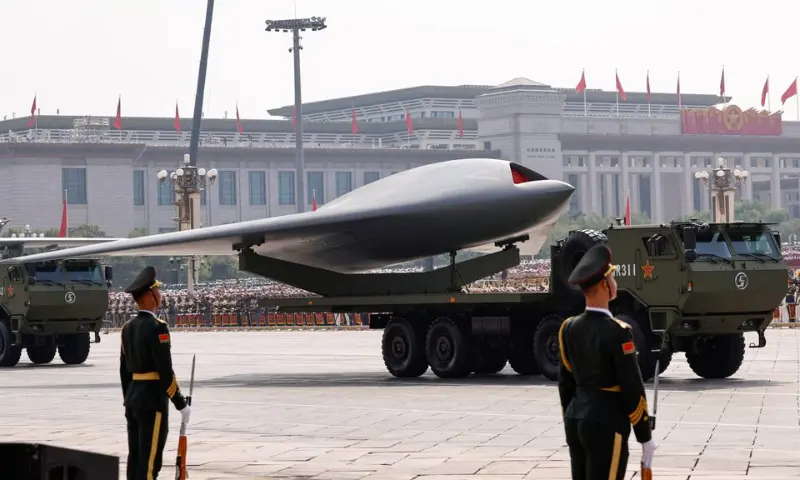
    Swarms of autonomous drones — which “aim to neutralise an adversary through saturation” — would be highly effective, and some states view them as a crucial strategic advantage, said Rickli.

    In January, the Chinese defence ministry described swarms of autonomous drones as the “new face of warfare.”

    “In an era of sharp military competition, the first state to normalise fully autonomous lethal strikes will reset expectations for everyone else,” said Gerald Mako, a research affiliate of Cambridge University in the Small Wars Journal.

    Source: dawn
  • Argentina beaten by Uruguay in first game since Messi retirement

    Argentina beaten by Uruguay in first game since Messi retirement

    BUENOS AIRES: Argentina suffered a 2-1 defeat against Uruguay on Friday in their first game since Lionel Messi’s retirement from international football.

    A second-half own goal by Argentina defender Leonardo Balerdi followed by a fluky effort from Uruguay midfielder Maxi Araujo sealed defeat for the 2026 World Cup runners-up.

    Atletico Madrid striker Julian Alavarez gave Argentina hope of a comeback with a 73rd-minute strike but Uruguay held on to clinch a third victory for new manager Diego Forlan.

    Messi played his final game for Argentina in an emotional farewell friendly victory over Benin last month, calling time on a glittering career that spanned 207 caps and 125 goals.

    With the 39-year-old genius missing, Argentina struggled to break down a resilient Uruguay team for long stretches of Friday’s friendly.

    Nico Paz had Argentina’s best chance of the first half, but saw his shot well-saved by Uruguay goalkeeper Cristopher Fiermarin.

    Manchester United sack manager Carrick with club in relegation zone

    Uruguay made the breakthrough soon after half-time when a Giorgian de Arrascaeta free-kick from the left caused chaos in the Argentina defence.

    Manchester United defender Lisandro Martinez attempted to clear with a header but his effort instead cannoned off team-mate Balerdi and into the net.

    De Arrascaeta then set up Uruguay’s second in the 53rd minute, his corner appearing to hit Araujo’s shoulder before looping high into the net.

    Alvarez pulled a goal back midway through the half, and had another good chance in stoppage time but Uruguay closed out the win.

    Source: brecorder

  • Warner accuses Cricket Australia of ‘cover-up’ over ‘Sandpapergate’

    Warner accuses Cricket Australia of ‘cover-up’ over ‘Sandpapergate’

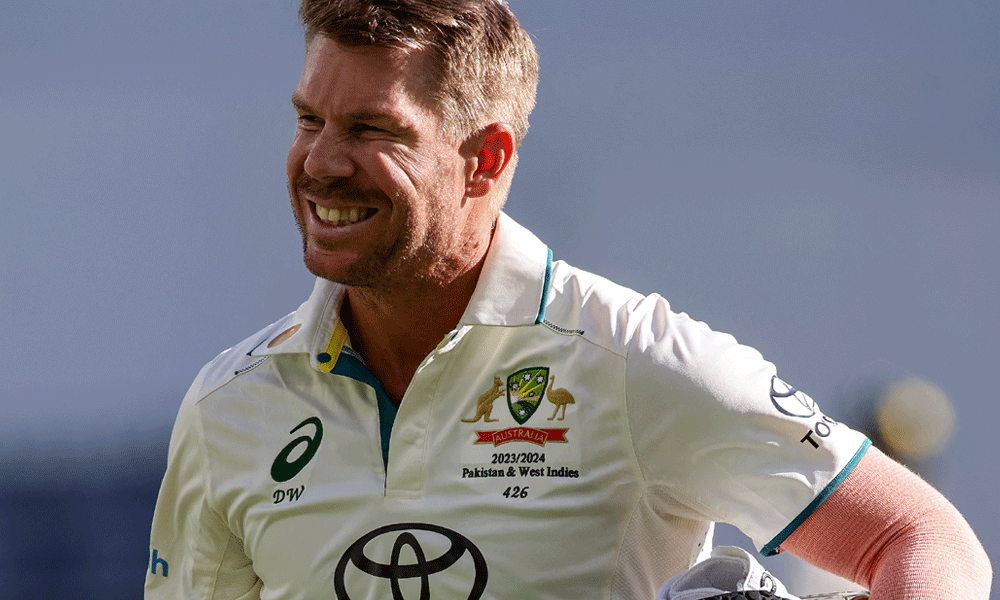
    SYDNEY: David Warner blasted Cricket Australia’s handling of the 2018 ball-tampering scandal as “a cover-up” on Saturday, escalating a row that has torn apart the sport.

    Former opener Warner, who was banned for a year over his part in the “Sandpapergate” incident in Cape Town, lashed out at what he claimed was “a shoddy investigation”.

    “As far as I am aware, CA did not interview Josh Hazlewood, Mitchell Starc or Nathan Lyon in their 2018 investigation,” he said on Instagram.

    “If that’s correct then how can CA push the idea that the bowlers didn’t know?

    “It looks like they had decided who they wanted to blame from the very beginning, ran a shoddy investigation to serve the purpose and now they want to maintain the false narrative that the bowlers had no idea.

    “That stinks of a cover-up.”

    Festering wounds over what happened in the third Test at Cape Town were re-opened this week when Usman Khawaja released his autobiography.

    In the book, he alleged that the whole team knew about the plot to rough up the ball with sandpaper to make it swing.

    A Cricket Australia probe concluded only then-skipper Steve Smith, his deputy Warner and Cameron Bancroft were in the know, with all three sent home from South Africa in disgrace.

    Starc, Hazlewood, Lyon and Pat Cummins all denied publicly in a 2021 statement that they were aware of the plan.

    On Friday, Cummins, now the Test captain, held a lengthy press conference to rubbish Khawaja’s latest claims, calling them “100 percent wrong”.

    In response, Warner accused him of throwing close friend Khawaja “under the bus”.

    Starc also stated during the week that “we weren’t aware of things being taken on the field”. Hazlewood and Lyon have yet to comment.

    Cricket Australia has ruled out reopening their investigation and in a statement on Saturday said all players had been given the chance to come forward.

    “As we have stated previously, all players were given the opportunity to speak at the time of the initial investigation and have had the ability to come forward with new evidence in the eight years since,” a spokesperson said.

    “Subsequently, CA has respected every player and former players’ right to provide their own version of events.”

    Source: brecorder

  • Trump, Xi, Putin to hold historic meeting in China: White House

    Trump, Xi, Putin to hold historic meeting in China: White House

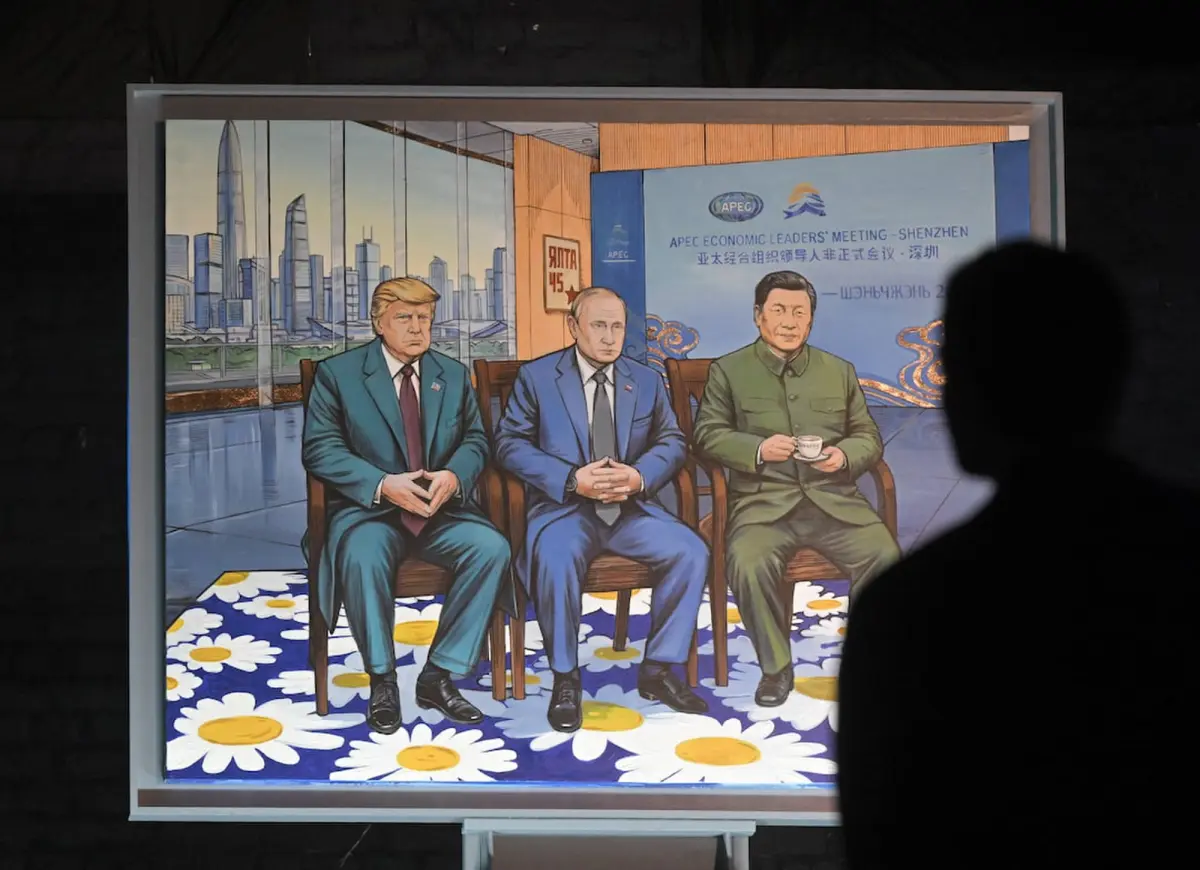
    Donald Trump, Vladimir Putin and Xi Jinping will hold the first three-way meeting between the leaders of the United States, Russia and China at a summit in Shenzhen next week, the White House said Friday.

    Trump wants to talk about reducing nuclear arsenals at the trilateral talks on Thursday and is also set to bring up his war in Iran – but he is not expected to discuss Russia’s war in Ukraine, US officials said.

    The three leaders will meet on the sidelines of the Asia-Pacific Economic Cooperation summit in the southern Chinese city, White House spokeswoman Olivia Wales told reporters.

    “The president has made it clear that, among other topics, he will discuss the reduction of nuclear weapons in the world. This proliferation, President Trump believes, is very dangerous,” Wales said.

    One of the major conflicts dominating Trump’s second term as president will feature, but the other will not, the US officials said.

    “I think the president does intend to talk about Iran in the trilateral meeting with Xi Jinping and Vladimir Putin,” a senior US official, speaking on condition of anonymity, told reporters on a call.

    Washington has a “whole other track” of negotiations with Kyiv and Moscow aimed at ending the war in Ukraine, the official added, referring to talks that US envoys have had in recent days with Putin and Ukrainian President Volodymyr Zelensky.

    “China is not really a part of that track, so it doesn’t seem appropriate to have the Ukraine discussion there,” the official added.

    Yalta redux?

    The meeting calls back to the 1945 Yalta summit in the Soviet Union, where then-US president Franklin D. Roosevelt, Britain’s Winston Churchill and Soviet leader Joseph Stalin laid out the post-WWII settlement and new territorial boundaries in Europe.

    Zelensky has raised the alarm that the meeting in Shenzhen could be a Yalta-like “redistribution of spheres of influence” for the 21st century.

    The Trump administration has sought to reassert US dominance over the “Western hemisphere” —including by capturing Venezuelan President Nicolas Maduro in January — but splitting the world among great powers like it’s 1945 may not guarantee security.

    Trump will also hold a bilateral working lunch and meeting with the Chinese president on Thursday — their fourth meeting since the US president’s return to power last year.

    But Trump is not scheduled to have a separate one-on-one with Putin.

    Among other topics, Nvidia chief executive Jensen Huang’s resignation over an affair with an alleged Chinese spy is not expected to come up in Trump’s meetings with Xi, the officials said.

    “The situation with Nvidia should not really have any bearing on the trip,” a second US senior official said.

    The United States also did not plan to discuss export controls on sensitive chip technology, which were at the heart of the Nvidia scandal.

    “We do not negotiate American export controls. These are national security matters that we develop in the administration… and we don’t expect it to figure at all in any of our conversations with the Chinese while we’re there,” the second official said.

    Tesla and SpaceX boss Elon Musk will accompany Trump on his trip to China but will not be involved in the meeting with Xi and Putin, the officials said.

    Trump will leave Washington on Monday and arrive in the Philippines on Tuesday for a summit of the Association of Southeast Asian Nations (ASEAN) before heading to Shenzhen.

    Source: dawn

  • Pakistan to host 30th ECO Council of Ministers meeting on Nov 15-16

    Pakistan to host 30th ECO Council of Ministers meeting on Nov 15-16

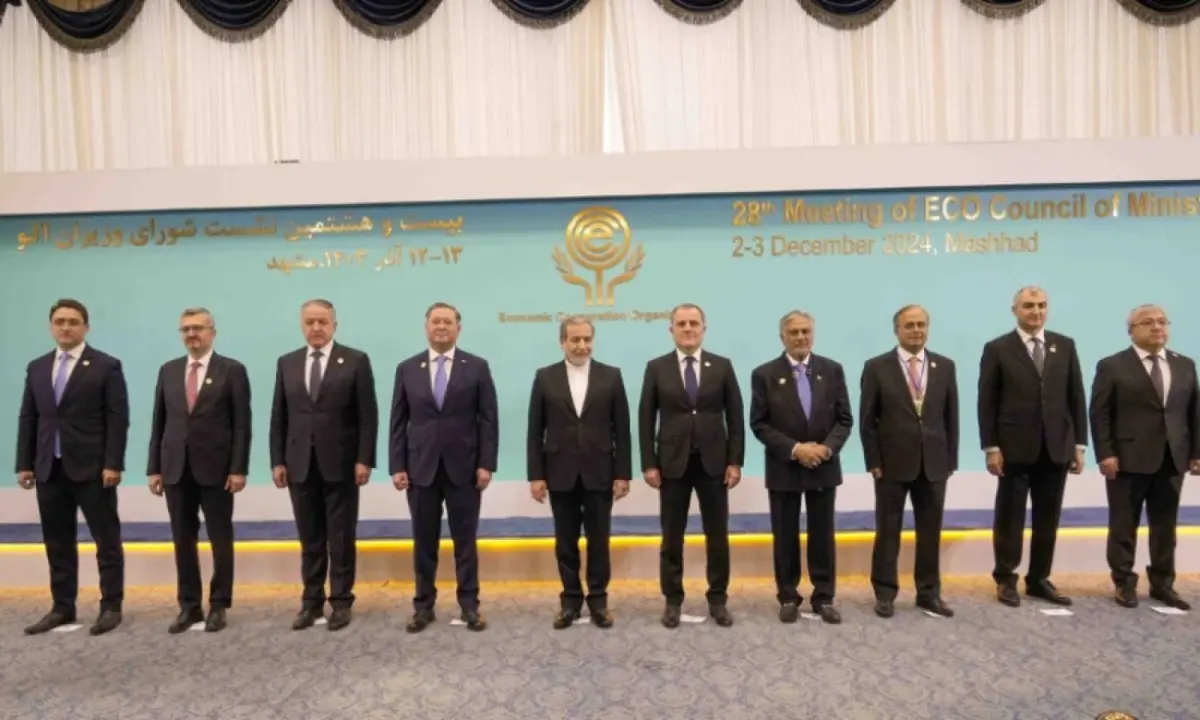
    The 30th meeting of the Economic Cooperation Organization (ECO) Council of Ministers will be held in Islamabad on Nov 15 and 16, the Foreign Office (FO) said on Saturday.

    The meeting will be chaired by Deputy Prime Minister and Foreign Minister Ishaq Dar and attended by foreign ministers and heads of delegations from ECO member states, along with representatives of the organisation’s secretariat and subsidiary bodies, the FO said in a statement.

    The ministerial meeting will be preceded by a meeting of senior officials of ECO member states, which will review the organisation’s activities and programmes, assess the work of its subsidiary bodies and finalise the agenda and draft outcome documents for consideration by the ministers.

    Pakistan, which holds the ECO chairmanship for 2026-27, will seek to advance the organisation’s objectives under the theme “Reviving Regionalism for a Resilient ECO”, the FO said.

    It said Pakistan’s chairmanship would focus on strengthening regional connectivity and integration, deepening partnerships and promoting collective efforts for economic prosperity and sustainable development.

    The chairmanship would also provide an opportunity to strengthen the ECO’s role as a platform for regional cooperation, dialogue and economic collaboration, it added.

    According to the FO, Pakistan also aims to position itself as a regional connectivity hub, facilitate logistics supply chains and help shape the agenda for regional trade.

    The efforts would help unlock the region’s economic potential and translate the benefits of regional cooperation into tangible improvements in the lives of people in ECO member states, the statement said.

    Meanwhile, Minister of Foreign Affairs of the Turkish Republic of Northern Cyprus Tahsin Ertuğruloğlu arrived in Islamabad to participate in the Meeting. He was received at the airport by officials of the Ministry of Foreign Affairs.

    Last month DPM Dar directed relevant authorities to ensure flawless coordination and timely preparations for the ECO meeting, underscoring the deep importance Pakistan attaches to the regional bloc.

    The 17th ECO Summit was held in Azerbaijan’s Khankendi on July 3-4, 2025, with Prime Minister Shehbaz Sharif leading Pakistan’s delegation. The summit brought together heads of state and government from member countries to discuss regional cooperation and economic integration.

    During the summit, Pakistan called for enhanced intra-regional trade, transport connectivity, energy cooperation and sustainable development, while reaffirming its commitment to the ECO Vision 2025.

    Source: dawn

  • Trump, Xi, Putin to hold historic meeting in China: White House

    Trump, Xi, Putin to hold historic meeting in China: White House

    WASHINGTON: Donald Trump, Vladimir Putin and Xi Jinping will hold the first three-way meeting between the leaders of the United States, Russia and China at a summit in Shenzhen next week, the White House said Friday.

    Trump wants to talk about reducing nuclear arsenals at the trilateral talks on Thursday and is also set to bring up his war in Iran – but he is not expected to discuss Russia’s war in Ukraine, US officials said.

    The three leaders will meet on the sidelines of the Asia-Pacific Economic Cooperation summit in the southern Chinese city, White House spokeswoman Olivia Wales told reporters.

    “The president has made it clear that, among other topics, he will discuss the reduction of nuclear weapons in the world. This proliferation, President Trump believes, is very dangerous,” Wales said.

    One of the major conflicts dominating Trump’s second term as president will feature, but the other will not, the US officials said.

    “I think the president does intend to talk about Iran in the trilateral meeting with Xi Jinping and Vladimir Putin,” a senior US official, speaking on condition of anonymity, told reporters on a call.

    Xi affirms ‘no limits’ partnership with Putin in call on Ukraine war anniversary

    Washington has a “whole other track” of negotiations with Kyiv and Moscow aimed at ending the war in Ukraine, the official added, referring to talks that US envoys have had in recent days with Putin and Ukrainian President Volodymyr Zelensky.

    “China is not really a part of that track, so it doesn’t seem appropriate to have the Ukraine discussion there,” the official added.

    Yalta redux?

    The meeting calls back to the 1945 Yalta summit in the Soviet Union, where then-US president Franklin D. Roosevelt, Britain’s Winston Churchill and Soviet leader Joseph Stalin laid out the post-WWII settlement and new territorial boundaries in Europe.

    Zelensky has raised the alarm that the meeting in Shenzhen could be a Yalta-like “redistribution of spheres of influence” for the 21st century.

    The Trump administration has sought to reassert US dominance over the “Western hemisphere” – including by capturing Venezuelan President Nicolas Maduro in January – but splitting the world among great powers like it’s 1945 may not guarantee security.

    Trump will also hold a bilateral working lunch and meeting with the Chinese president on Thursday – their fourth meeting since the US president’s return to power last year.

    But Trump is not scheduled to have a separate one-on-one with Putin.

    Among other topics, Nvidia chief executive Jensen Huang’s resignation over an affair with an alleged Chinese spy is not expected to come up in Trump’s meetings with Xi, the officials said.

    “The situation with Nvidia should not really have any bearing on the trip,” a second US senior official said.

    The United States also did not plan to discuss export controls on sensitive chip technology, which were at the heart of the Nvidia scandal.

    “We do not negotiate American export controls. These are national security matters that we develop in the administration… and we don’t expect it to figure at all in any of our conversations with the Chinese while we’re there,” the second official said.

    Tesla and SpaceX boss Elon Musk will accompany Trump on his trip to China but will not be involved in the meeting with Xi and Putin, the officials said.

    Trump will leave Washington on Monday and arrive in the Philippines on Tuesday for a summit of the Association of Southeast Asian Nations (ASEAN) before heading to Shenzhen.

    Source: brecorder