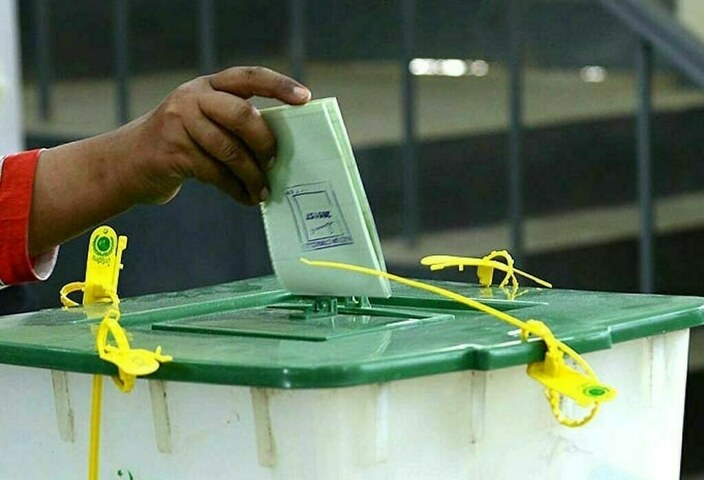
ISLAMABAD: As many as 3,505 candidates, including 110 women, have filed nomination papers for the forthcoming Islamabad’s local government elections, the Election Commission of Pakistan (ECP) said on Tuesday.
At a meeting chaired by Chief Election Commissioner (CEC) Sikander Sultan Raja to review preparations for the polls, the commission was informed that the first phase of the nomination process had been completed. Scrutiny of nomination papers is scheduled to begin on Wednesday (today).
Islamabad Police told the meeting that 15,000 personnel would be deployed to maintain law and order during the electoral process, with additional personnel to be requisitioned from Punjab if needed.
The meeting was briefed on the local government system, electoral procedures for various seats and preparations made so far.
Officials said procurement of election materials had been completed and arrangements for printing ballot papers were in place.
Interior Secretary Ahmad Raza Sarwar assured the commission that the ministry was coordinating with relevant institutions and would provide all possible assistance for the peaceful conduct of the elections.
Islamabad Chief Commissioner Sohail Ashraf said returning officers had been directed to perform their duties in accordance with the Constitution, law and the ECP’s election schedule. Lists of polling stations, transport arrangements and a security plan were being finalised, he added.
District Returning Officer (DRO) Kamran Ali Cheema said he was personally supervising the electoral process and that arrangements were being made to provide election staff with the necessary facilities, transport and security.
The commission directed the Islamabad administration to submit its security and transport plans and ensure effective security throughout the electoral process.
CEC Raja directed the DRO to strictly enforce the code of conduct, warning that negligence or any lapse would not be tolerated. He also asked the Regional Election Commissioner Rawalpindi and District Election Commissioner Islamabad to extend full cooperation to the administration and election officials and keep the commission informed of developments at every stage.
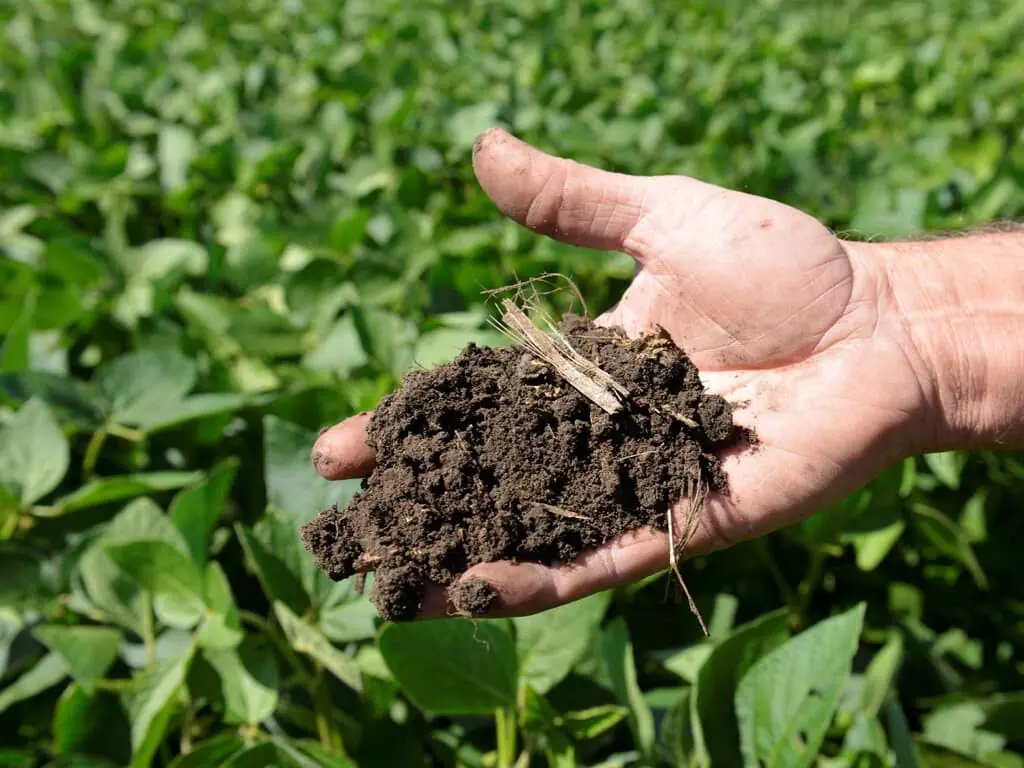
EDITORIAL: The reported disruption of fertiliser supplies to Khyber Pakhtunkhwa and Balochistan, following restrictions imposed under a Ministry of Interior notification, comes at precisely the wrong moment for farmers preparing their Rabi crops. Companies are reportedly unable to dispatch an essential input during the sowing season, while the authorities appear to have left growers and suppliers waiting for a workable arrangement. For two provinces already bearing an extraordinary burden from insecurity, this is an unacceptable addition to an already formidable list of difficulties.
The security concerns behind the restrictions cannot simply be wished away. Unauthorised movement and possible diversion of fertiliser are matters for the authorities to address, particularly in areas facing persistent militant violence. But that is exactly why the decision demands a carefully designed system of controls rather than a disruption of legitimate commercial supplies. Security agencies and civilian administrators are expected to manage competing priorities. If the response to a distribution risk is to impede distribution itself, one has to wonder what purpose the machinery of government is serving.
There is no obvious reason why the federal and provincial governments, fertiliser manufacturers, distributors, and farming representatives cannot sit together and agree on monitored transport arrangements. Permits, verified destinations, documented consignments and checks along designated routes are among the options worth examining. Stakeholders have already proposed controlled dispatches and faster implementation of a Track and Trace System in Khyber Pakhtunkhwa, with interim permission subject to oversight. These proposals deserve prompt scrutiny and, where feasible, implementation. The authorities should explain any practical objections rather than allow an administrative impasse to become an agricultural crisis.
Timing makes the matter particularly serious. Farmers cannot postpone the agricultural calendar to accommodate bureaucratic deliberations. Delayed access to fertiliser can upset sowing schedules, affect crop development and ultimately weaken yields. Any additional cost or uncertainty falls on growers who already have to contend with volatile input prices, constrained purchasing power and difficult operating conditions. The consequences would extend beyond individual farms to rural employment, provincial agricultural output and the wider food supply. There is far too much at stake for official inaction to be treated as a routine procedural inconvenience.
The episode also reflects an unfortunate habit of making consequential policy decisions without first working through their effects with those expected to live with them. Had manufacturers, distributors, provincial officials and farmers been properly consulted before restrictions took effect, the problem of maintaining security while preserving legitimate supplies could have been addressed at the outset. Instead, stakeholders are now seeking urgent consultations after the disruption has reportedly occurred. This familiar sequence of restriction first, consultation later is a poor substitute for competent policymaking.
The geographical dimension makes the apparent lack of foresight still harder to defend. Khyber Pakhtunkhwa and Balochistan have paid heavily for deteriorating security through disrupted economic activity, uncertainty, and the strain placed on everyday life. Farmers in these provinces should not find themselves doubly penalised: first by the insecurity that necessitates tighter controls, and then by controls that obstruct their ability to cultivate their land. Equal access to essential agricultural inputs is a reasonable expectation, not an exceptional concession to be negotiated each sowing season.
The Ministry of Interior should therefore urgently clarify the scope and rationale of its notification and work with provincial authorities and the fertiliser industry to restore lawful, monitored dispatches. Any safeguards must be enforceable, proportionate, and compatible with the agricultural calendar. Allowing this situation to drag on would suggest a failure of coordination and administrative judgement at a time when both are urgently required. The government should be capable of protecting security without making farmers pay for its inability to organise a sensible solution.
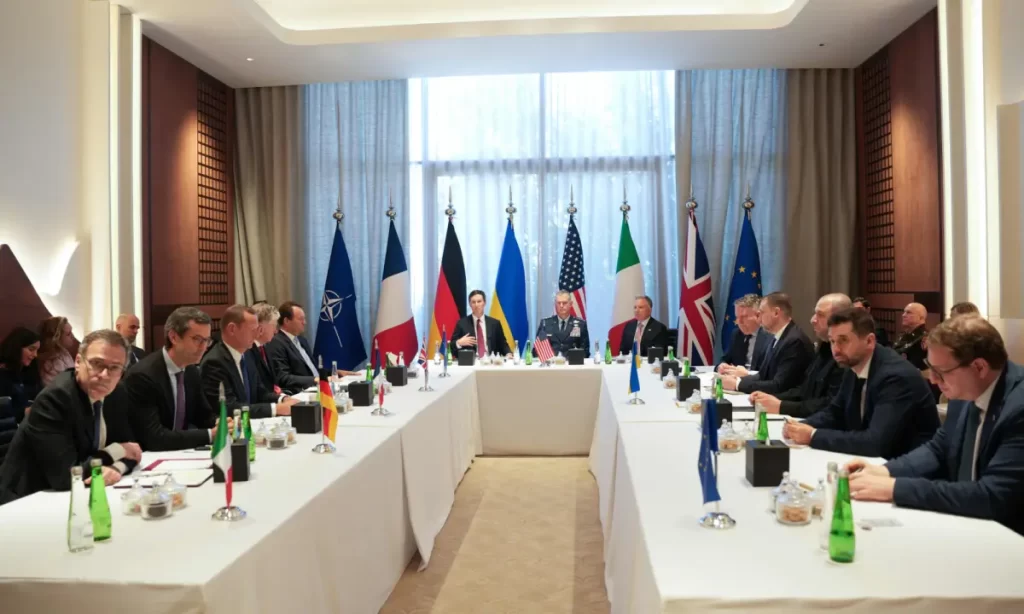
A first day of US-led talks between Ukraine and Russia in Abu Dhabi ended on Tuesday, with Washington calling for a “new” security framework, as Europe fears US President Donald Trump plans a deal with Moscow on the continent’s future.
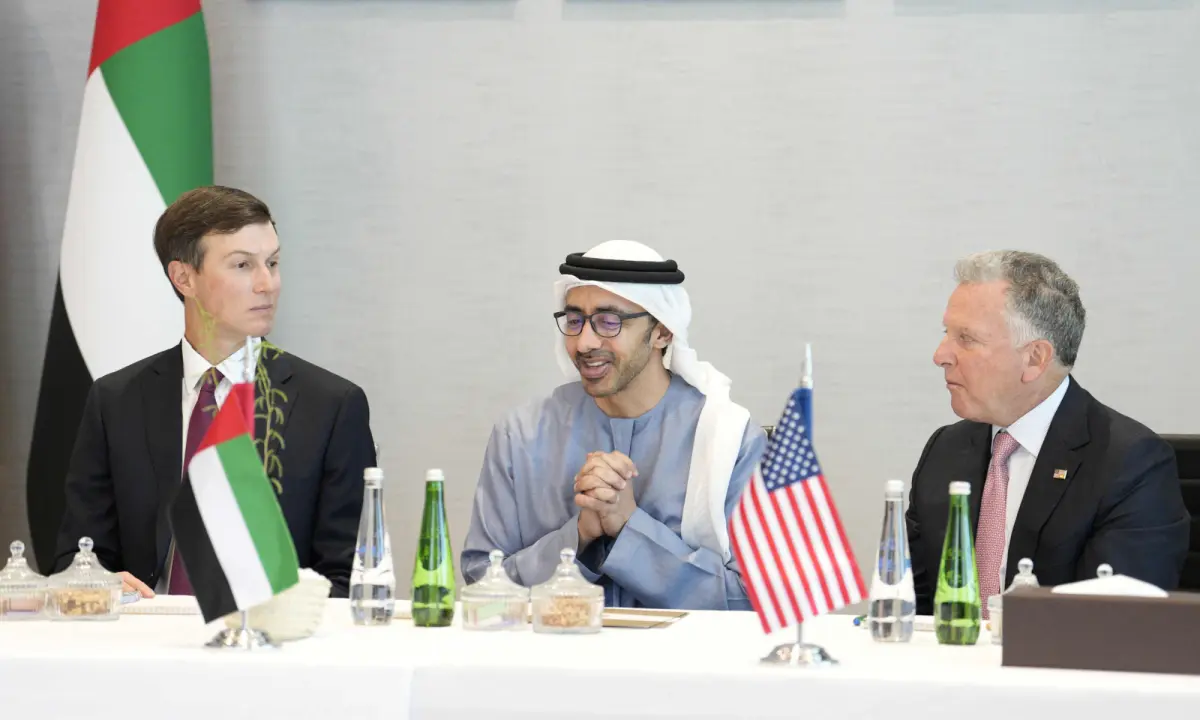
Trump’s envoys Jared Kushner and Steve Witkoff brought together the warring sides for several hours of negotiations — the first since February — that are set to continue on Wednesday.
Kushner told delegates the United States had “narrowed the gaps” between the sides — without providing details — and hoped to move towards a “solution” to Europe’s worst conflict since World War II.
In Paris, US Secretary of State Marco Rubio hailed the talks as “very productive” and called for Europeans to be eventually included at the negotiating table “because they are part of solving this problem”.
Ukraine’s Volodymyr Zelenskyy later said the talks were “constructive and quite substantive”, saying his team reported to him that humanitarian issues and security guarantees were among what was discussed.
Speaking in Copenhagen, the Ukrainian president also said it was “time” for Europe to choose a representative for the talks.
Europe has been rattled as Trump has floated a deal with Russia on rewriting Europe’s post-war security, also worrying that Washington will force Kyiv to accept a de facto defeat.
At the Abu Dhabi talks, Trump’s son-in-law Kushner said the US hoped to “create a new framework” of security between Ukraine, Russia and Europe that will secure “decades, if not centuries, of peace”.
Moscow, which several weeks before invading Ukraine issued an ultimatum to Western countries to roll back troops from eastern Europe, had also said this was a priority.
Ukraine has warned against a “Yalta 2.0”, referring to Western leaders dividing Europe with the Soviet Union after World War II, and the EU has said security arrangements can only be discussed after a ceasefire.
“Putin wants the USSR back,” Zelensky told Danish media.
Russia, which occupies swathes of its smaller neighbour, pummelled Ukraine with more attacks overnight, cutting power to thousands as temperatures plummet.
Putin has repeatedly turned down broader ceasefire offers and vowed his troops will press on in Ukraine.
Moscow pushes security review
In a sign it is serious about reviving its demand to review Europe’s decades-old security arrangement, Russia included a diplomat — Sergei Ryabkov — who logged Moscow’s pre-invasion demand for Nato to pull back from eastern Europe.
A Russian delegation source had said that settling the war was “merely one item on the agenda” and that Moscow’s main objective was reviewing security “for the entire continent”.
Kyiv’s chief negotiator Rustem Umerov met the US envoys and European, EU and Nato officials before the negotiations.
Nato’s general in Europe, Alexus Grynkewich, is also taking part.
In a joint statement, the Europeans, Ukraine, US and Nato reaffirmed their “shared commitment to a strong post-war European security architecture”.
Ukraine pushes for truces
Umerov said Kyiv’s priorities remained securing a ceasefire and security guarantees.
“Our people are waiting to end this war,” he said.
As talks continued, Ukrainian and French foreign ministers in Paris commended US efforts to push for “partial truces”, which could serve as a “first step toward a complete and unconditional ceasefire”.
Last month, a local truce in Ukraine’s Kherson region brokered by US First Lady Melania Trump became the longest pause in fighting during the war.
Kyiv is also pushing post-war support for its army.
A senior Ukrainian source told AFP that Ukraine wanted at least 10 years of financial support to sustain an 800,000-strong army able to defend any future Russian attack.
Land issue
There is huge distrust in Ukraine towards Trump’s aims.
The US leader hinted before the talks that Kyiv might have to give up land, saying: “They’re going to end up with a little bit different shape.”
Russia’s troops have advanced westward but have not been able to seize the whole of the coveted Donetsk region, and Moscow demands Kyiv surrender the parts of the embattled area it controls.
“Allowing Russia to decide the borders of Europe will be a huge mistake,” Denmark’s Mette Frederiksen said, as she hosted Zelensky on Tuesday.
The Ukrainian leader is due to meet other Nordic leaders in Denmark and earlier spoke to Finland’s Alexander Stubb, telling him Kyiv’s negotiators are doing their “best” to ensure talks “deliver results”.
Stubb is rumoured to be one of the contenders who could represent Europe at negotiations to end the war.
The Finnish leader and Norway’s Jonas Gahr Støre held a rare phone call with Putin last month, which they called “frank and substantive”.
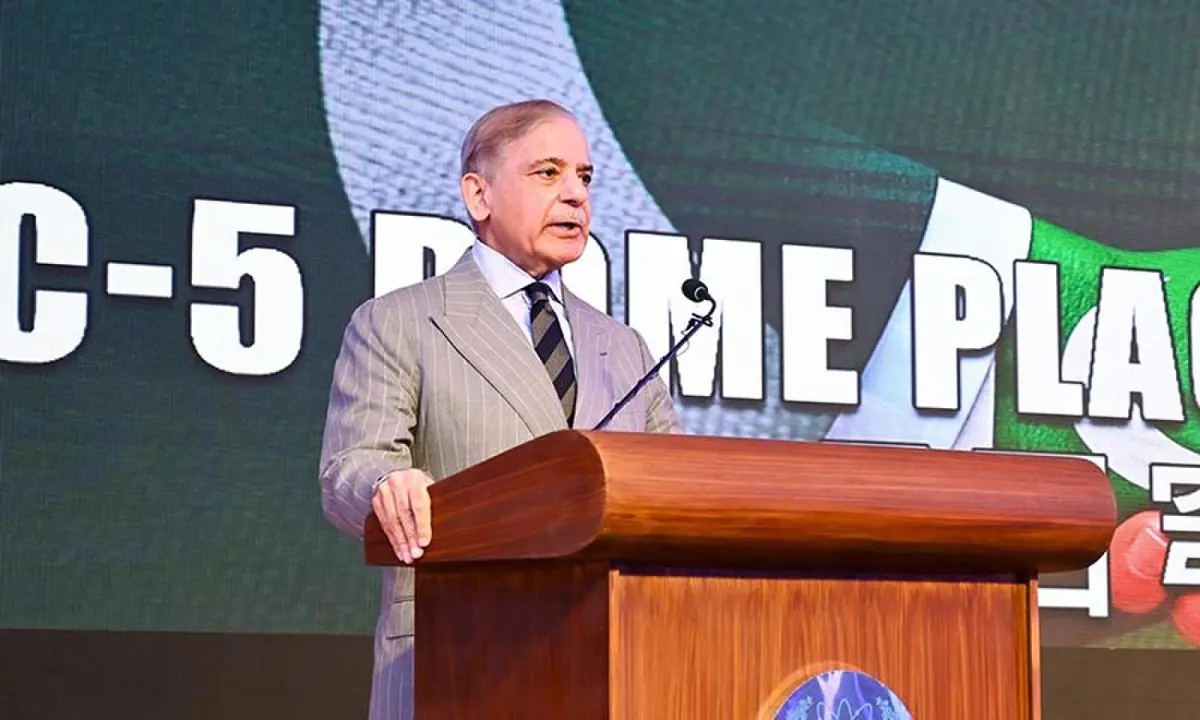
Prime Minister Shehbaz Sharif has emphasised that Chashma-5 (C-5) Nuclear Power Plant represents clean electricity and energy security for the people of Pakistan.
The premier made the remarks, aired on Tuesday, at a ceremony marking the dome placement of the C-5 plant near Mianwali. The placement of a nuclear plant’s dome, which is weather-sealed, signifies the end of civil works and the beginning of internal construction and installation.
A government press release hailed the progress as a “major milestone” for the Pakistan Atomic Energy Commission (PAEC). It noted that the C-5 project will have a generation capacity of 1,200 megawatts (MW) and is expected to commence electricity generation in September 2030.
In his remarks, PM Shehbaz noted that while the structure may be a mix of concrete and steel, it represented “a promise of clean, reliable and affordable electricity”.
He highlighted the advantages, saying it generated “power that does not rise and fall with the price of imported fuel; power that does not depend on whether the sun shines or the wind blows; and power that runs through the night” for factories and hospitals.
He also observed that Pakistan, as a climate-vulnerable country, has a responsibility to pursue energy solutions that support economic goals while protecting the environment.
“This project will turn dreams into hope and hope into reality one day soon,” the premier added.
PM Shehbaz recalled that when he stood at the site in July 2023 during the groundbreaking ceremony, he had said that Pakistan “would not wait for anyone, but would build its own future through our hard work and untiring efforts”.
“Today, less than three-and-a-half years later, the dome stands in place ahead of schedule,” the premier added, calling it a proud moment for the country and thanking engineers, technicians and workers from Pakistan and China who worked on the project.
“I am confident that with the same commitment we will see this project commissioned ahead of time,” he remarked.
Continuing his speech, he thanked Chief of Defence Forces and Chief of the Army Staff Field Marshal Asim Munir for his support in advancing Pakistan’s socio-economic development.
The premier also extended his gratitude to China for its assistance in building C-5, Pakistan’s seventh nuclear plant that the neighbour helped build.
“Each one stands as a living testament to a friendship that has never wavered, be it the wildest storms or fair weather,” PM Shehbaz said, thanking Chinese President Xi Jinping and his government.
“Your engineers have worked shoulder-to-shoulder with ours, through summer heat and winter chill as one team,” he added.
“The friendship between our two countries is often described as higher than the Himalayas, deeper than the oceans, sweeter than honey, more precious than gold and diamonds, and stronger than steel.”
He extended congratulations to the China Atomic Energy Authority and PAEC, as well as gratitude to the people of Mianwali for hosting the plant.
“Our defining role must be to harness every resource, every technology and every citizen to build the Pakistan that Quaid-i-Azam Muhammad Ali Jinnah had dreamt of: a Pakistan that is economically dominant, energy independent and environmentally resilient,” PM Shehbaz stated.
According to PID, PAEC Chairman Dr Raja Ali Raza Anwar highlighted that nuclear power plays an important role in Pakistan’s energy security by providing reliable and low-carbon electricity.
He added that Pakistan’s nuclear power plants safely and efficiently generate 3,530MW of electricity, avoiding 15 million tonnes of carbon dioxide emissions annually, the press release read.
He further highlighted that nuclear energy accounted for around 16.6 per cent of the country’s electricity generation, despite representing only 8.6pc of its installed capacity, with its share of electricity generation rising to 26pc during winter.
The Pakistan Cricket Board (PCB) on Tuesday shifted the second Test between Pakistan and Sri Lanka from Lahore to Rawalpindi amid worsening smog conditions in the Punjab capital.
According to an official announcement issued by the PCB, the match, originally scheduled to be played in Lahore from November 17 to 21, will now take place at Rawalpindi Cricket Stadium on the same dates.
“The second Test match between Pakistan and Sri Lanka, originally scheduled to be played in Lahore from November 17 to 21, has been relocated to Rawalpindi due to prevailing weather conditions,” PCB spokesperson Amir Mir said in a post on X.
He said the decision was taken in view of increasing smog levels in Lahore and concerns over deteriorating air quality.
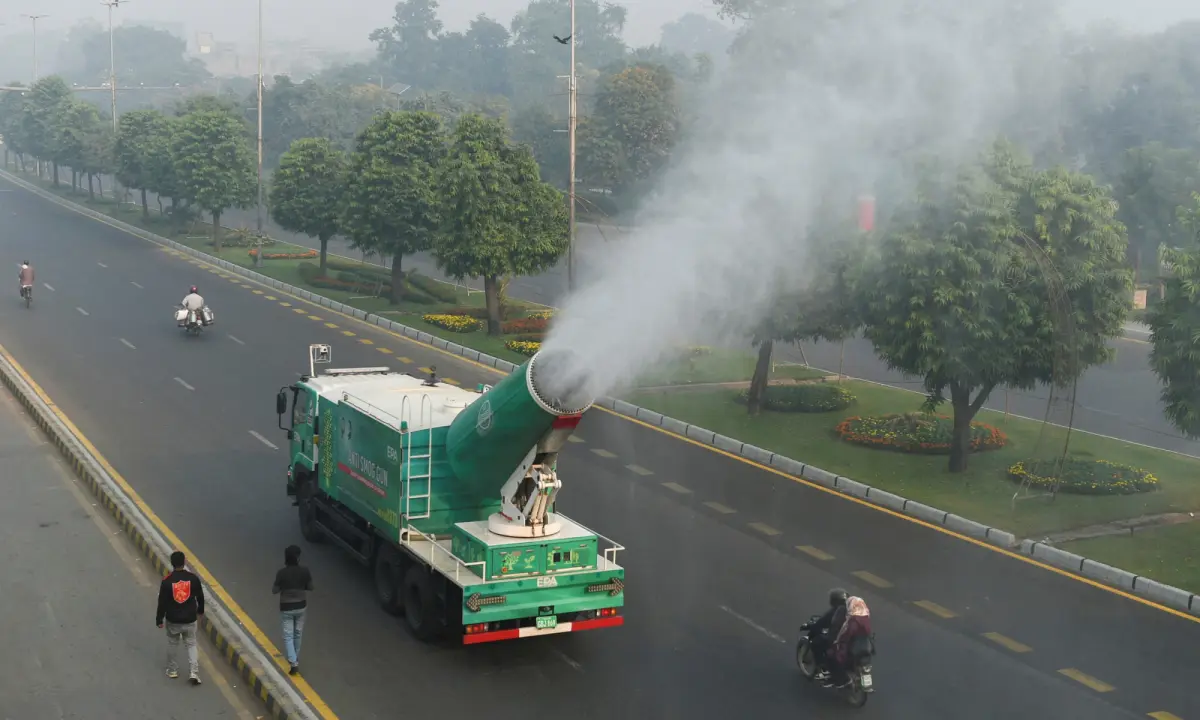
It may be mentioned that Lahore has been grappling with severe smog for the past 10 days, with the city’s Air Quality Index (AQI) reportedly touching 600, placing it among the world’s most polluted cities.
The venue change means both Tests of the two-match series will now be played at Rawalpindi Cricket Stadium.
The first Test is currently under way at the same venue.
Pakistan declared their first innings at 434 for nine on the second day, with Saud Shakeel top-scoring with 93. Sri Lanka were 114 for three in their second innings when bad light stopped play.
Sri Lanka have been touring Pakistan since early October. Pakistan won the three-match T20I series 2-1 before claiming the ODI tri-series, which also featured England.
The ongoing Test series is part of the ICC World Test Championship 2025-27 cycle.
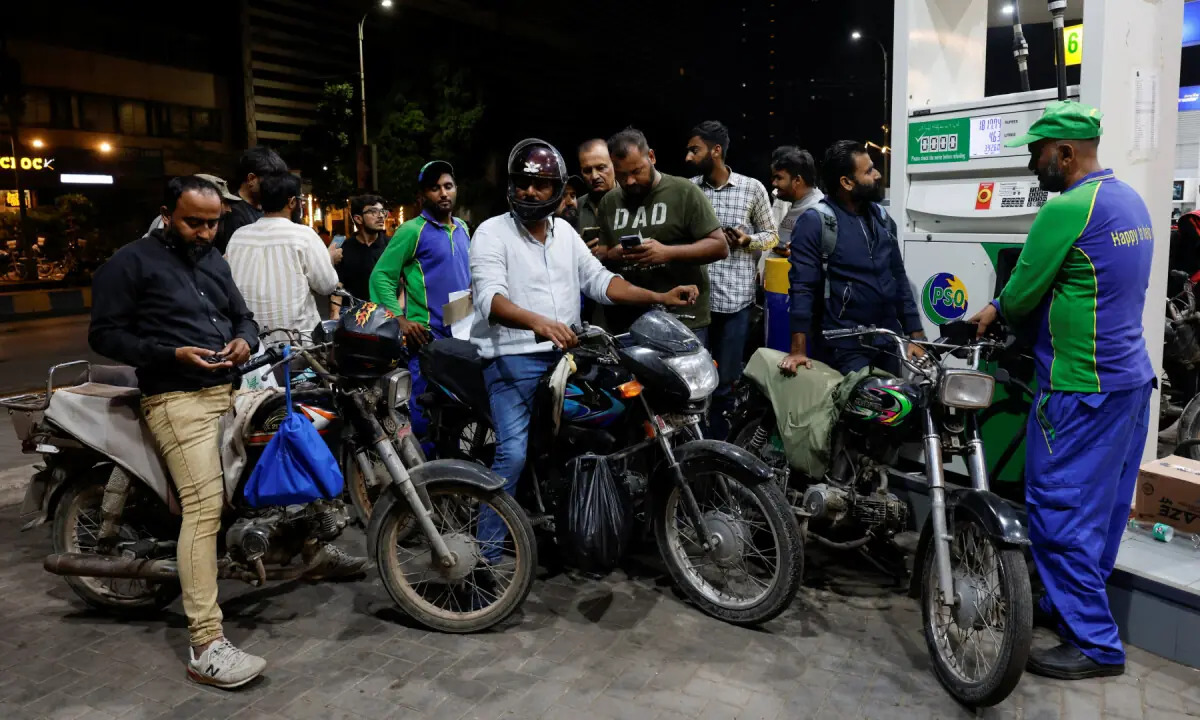
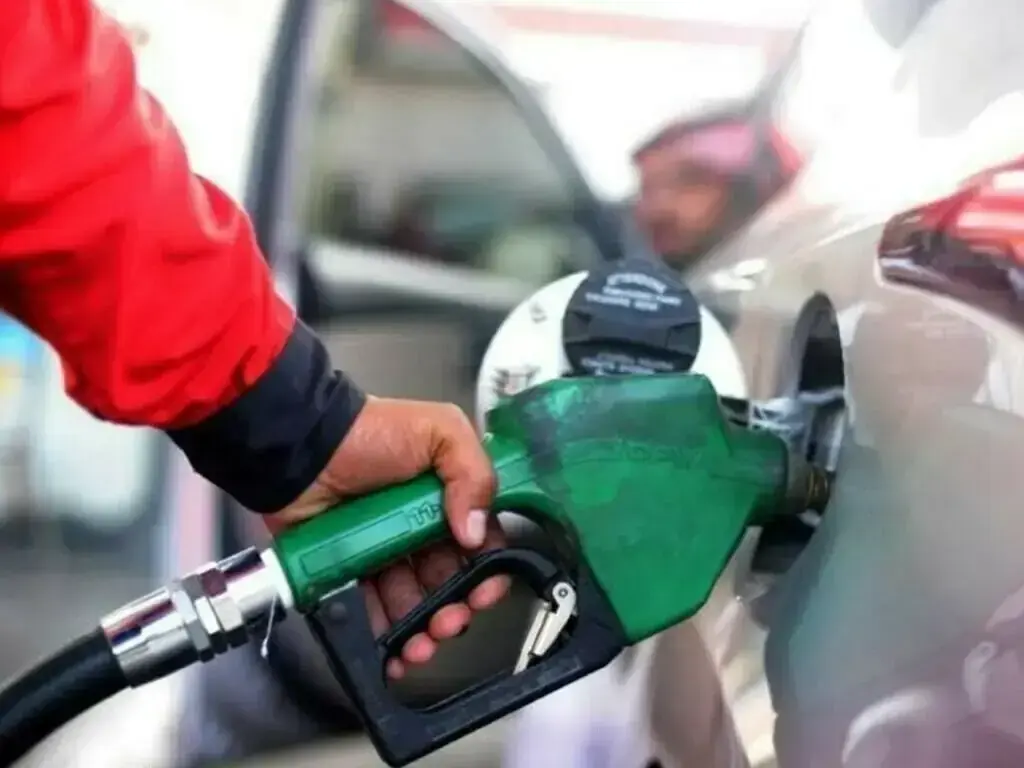
The government on Tuesday slashed the price of petrol by Rs8 per litre and that of high-speed diesel (HSD) by Rs7.
Following the revision, petrol will retail at Rs338 per litre, while HSD will cost Rs371 on Nov 11 (Wednesday), according to a notification by the Oil and Gas Regulatory Authority (Ogra).
The government continues to levy Rs114 per litre in taxes and duties on petrol and Rs100 per litre on diesel.
Under an arrangement announced on Nov 2, for 30 days, oil refineries will contribute to the petroleum levy by bearing a cumulative impact of Rs15 billion, according to the government. This allows a Rs14.71 reduction in the petrol price at the consumer end.
On Sept 17, the government rolled out the Prime Minister’s Fuel Relief Scheme across the country to ease the public’s burden amid rising fuel prices due to the Middle East situation.
The subsidy scheme applies to owners of motorcycles, rickshaws and vehicles of up to 800cc.
The government and Jamaat-i-Islami held another round of negotiations today to formulate a way forward on relief in petroleum prices.
Rise in fuel prices
The price of HSD has come down from a peak of Rs520.35 recorded on April 3. Its price had started rising from Rs281 per litre after the US-Iran war broke out on Feb 28.
Meanwhile, the government has reintroduced a raft of austerity measures in response to rising fuel prices amid the ongoing Middle East conflict. Under these measures, markets are required to close by 9pm, and fuel allocations for official vehicles have been cut by 50pc for three months.
Since July 17, the government has been revising fuel prices on a near-daily basis due to fluctuations in international market prices following renewed hostilities between Iran and the US.
The petroleum minister stated that the cabinet and the prime minister had decided to give Ogra the responsibility of deciding fuel prices on a daily basis based on international market trends.
Prior to this, the government had been announcing weekly revisions to fuel prices since early March, alongside measures for the conservation of fuel amid possible oil supply disruptions due to the conflict. The federal government had also announced targeted relief measures in April to provide subsidised fuel.
Petrol is mainly used in private transport, small vehicles, rickshaws and two-wheelers, and changes in its price affect the middle and lower-middle classes.
Similarly, changes in diesel prices also impact the public at large, as it is mainly used in the heavy transport sector, power plants and large generators.
Petrol and HSD are the major revenue earners, with monthly sales of about 700,000 to 800,000 tonnes, compared to just 10,000 tonnes of monthly demand for kerosene.
The government on Tuesday cut the price of petrol by Rs8 per litre to Rs338 and the price of high-speed diesel (HSD) by Rs7 per litre to Rs371, effective November 11.
The revision was announced in a press release issued by the Oil and Gas Regulatory Authority (OGRA). It said the revised ex-depot prices were set under the petroleum products pricing mechanism approved by the federal government.
Before the change, petrol cost Rs346 per litre, and diesel cost Rs378 per litre. Those prices had been in effect since November 7.
On Thursday, the government slashed the price of petrol by Rs6.59 per litre to Rs346 and diesel by Rs4.25 per litre to Rs378.
Globally, oil prices slid about 2% to fresh two-month lows on Tuesday after US officials downplayed the need for additional military action against Iran, easing fears of additional Middle East supply disruptions.
Brent futures fell $1.93, or 2.1%, to $90.64 a barrel at 10:28 a.m. ET (1528 GMT), while US West Texas Intermediate (WTI) crude fell $1.44, or 1.7%, to $85.41.
That put both crude benchmarks on track for their lowest closes since August 28. On Monday, both contracts closed at their lowest since August 31.
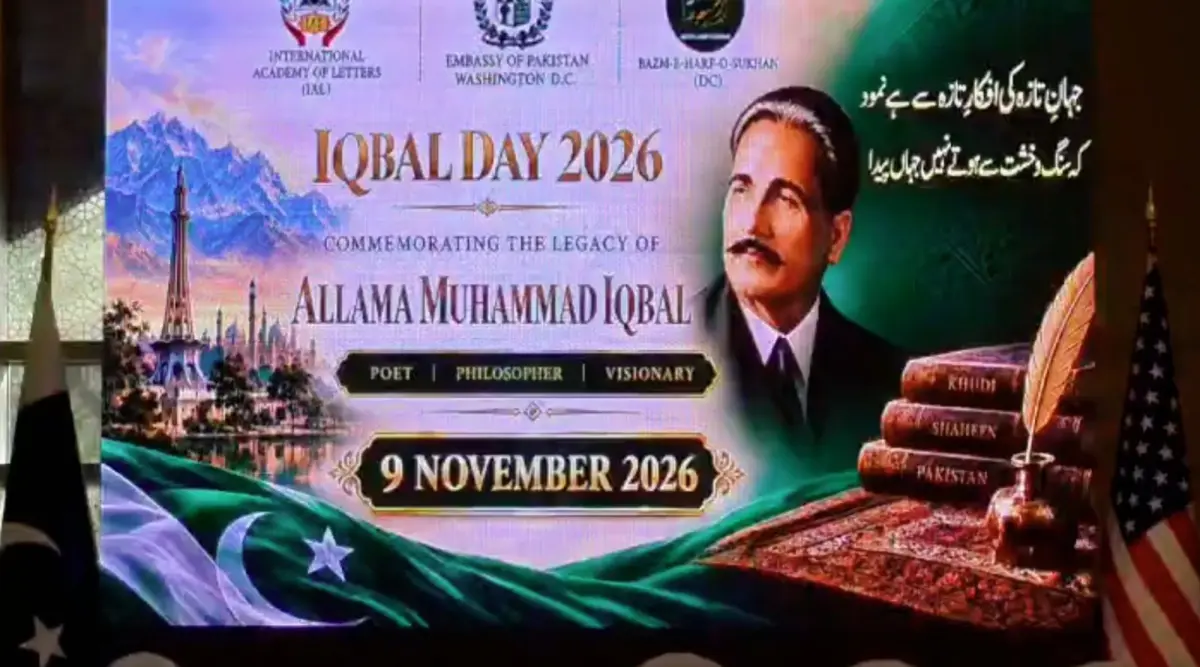
The Embassy of Pakistan in Washington, D.C., marked the 149th birth anniversary of Allama Muhammad Iqbal with a special event featuring a poetry symposium and an exhibition of paintings by renowned artist Sadequain inspired by Iqbal’s poetry.
The event,** held on November 9, brought together members of civil society, academics, students, media representatives and literary figures to pay tribute to Pakistan’s national poet.
Addressing the gathering, Pakistan’s Ambassador to the United States Rizwan Saeed Sheikh said Iqbal’s vision and poetry provided the intellectual foundation for the country’s national identity and the Pakistan Movement.
“The intellectual foundation of our national life is rooted in the thought of Iqbal, just as the leadership of the Quaid constitutes the political foundation of our national life,” he said.
The ambassador highlighted Iqbal’s efforts to awaken the youth and the Muslim community of the subcontinent, saying his message laid the intellectual groundwork for the movement for an independent homeland.
He also highlighted the concept of *Khudi* (selfhood), a central theme in Iqbal’s philosophy, describing it as a source of self-realisation, confidence and recognition of human dignity.
Sheikh urged participants to pass on Iqbal’s intellectual legacy to future generations, stressing the need to draw on his ideas for academic self-reliance, guidance and fresh thinking.
The programme also featured a panel discussion titled “The Poetry of Iqbal and the Demands of the Contemporary Era”, examining the relevance of his philosophy to present-day challenges.
Organised in collaboration with the International Academy of Letters USA and Bazm-e-Harf-o-Sukhan, the event also included readings of official messages from the prime minister and deputy prime minister/foreign minister, followed by a musical performance based on Iqbal’s poetry.
In his closing remarks, Ambassador Sheikh thanked the participants and underscored the importance of translating Iqbal’s philosophy into practical life.
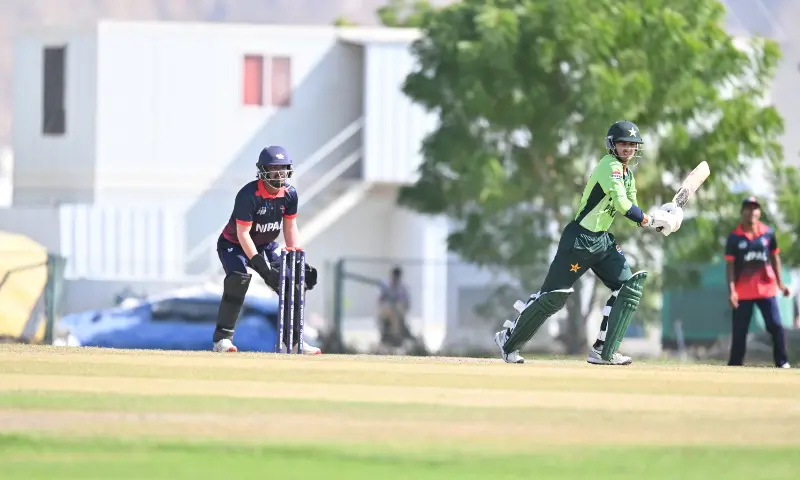
Defending champions Pakistan maintained their unbeaten run in the ACC Men’s U-19 Asia Cup 2026 with a convincing 101-run victory over Nepal at the Al Amerat Cricket Ground in Muscat on Tuesday.
With three wins from as many matches, Pakistan finished top of Group A to qualify for the semi-finals, where they will take on Bangladesh in the first semi-final on Thursday.
Batting first, Pakistan posted 275-7 in their allotted 50 overs, with half-centuries from Ahmed Hussain and captain Farhan Yousaf laying the foundation for the total.
Ahmed top-scored with a brisk 89 off 73 balls, hitting seven fours and two sixes, while Farhan contributed 74 off 95 balls, including six fours and three sixes.
The pair steadied the innings after Pakistan had slipped to 64-3, adding 135 runs for the fourth wicket. Hasnain Abbas Dar provided late impetus with a quick-fire 25 off 23 balls.
For Nepal, Bipin Sharma took three wickets for 58 runs.
In reply, Nepal were bowled out for 174 in 43.4 overs. Ahmed completed an impressive all-round performance, claiming four wickets for 35 runs in his 10 overs. Mohammad Huzaifa and Mohammad Sayyam took two wickets each.
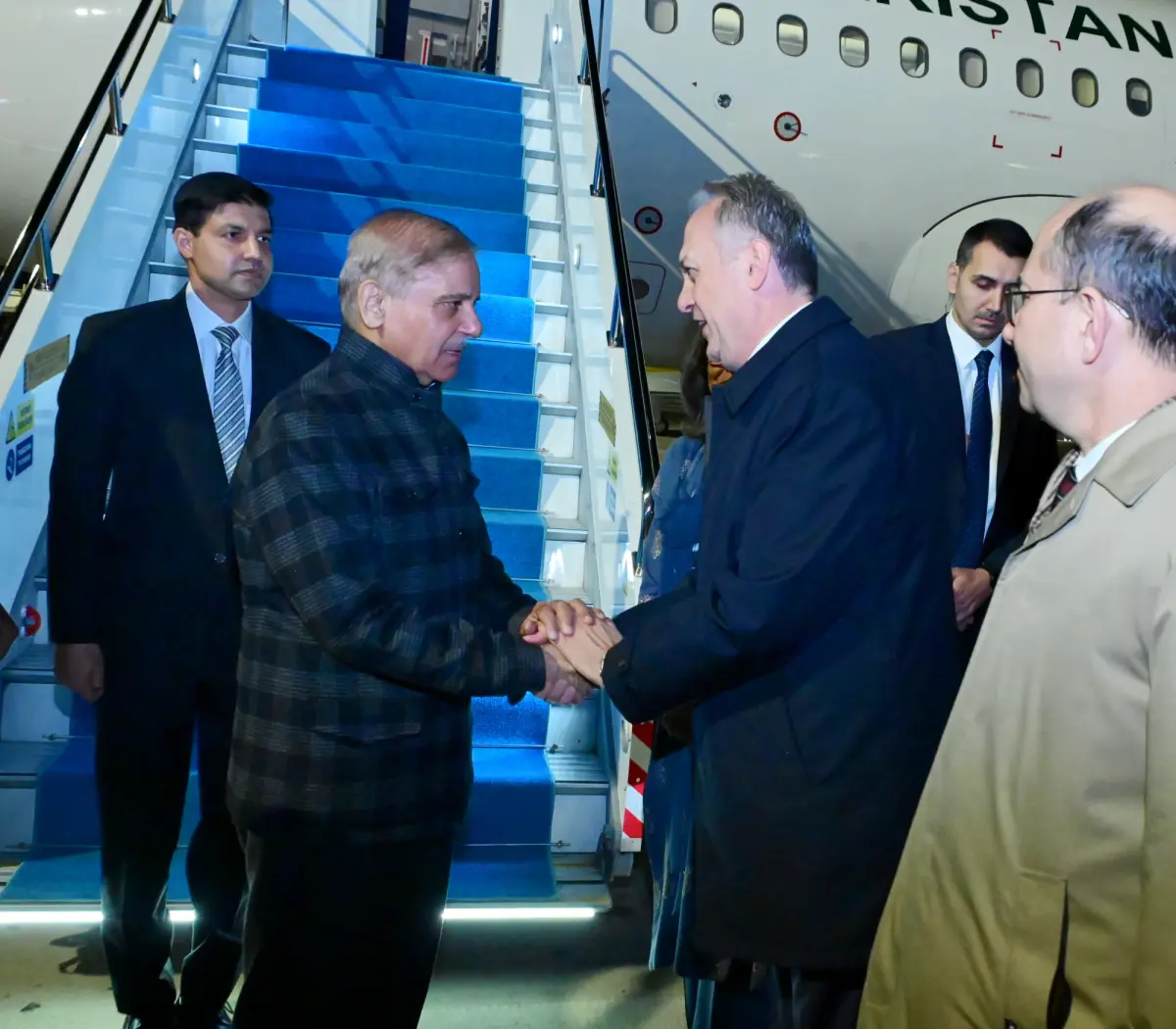
Prime Minister Shehbaz Sharif arrived in Antalya, Türkiye, on Tuesday to participate in the Leaders’ Summit of the 31st Conference of the Parties (COP31) to the United Nations Framework Convention on Climate Change (UNFCCC).
According to a statement issued by the Prime Minister’s Office, the premier was received upon arrival by Türkiye’s Deputy Minister of Culture and Tourism Gökhan Yazgı, Pakistan’s Ambassador-designate to Türkiye Amna Baloch and senior Turkish officials.
During the summit, Shehbaz will highlight Pakistan’s climate priorities and call for stronger global climate action and international cooperation to address the adverse impacts of climate change.
The prime minister will also address a high-level dialogue on clean energy transition and electrification, titled “35 by 35: Powering the Future”.
On the sidelines of the summit, Shehbaz is scheduled to hold bilateral meetings with Turkish President Recep Tayyip Erdoğan and other world leaders to discuss matters of mutual interest and explore avenues for strengthening bilateral cooperation.
Meanwhile, a Pakistan Pavilion has been established at the COP31 venue, where 54 events will be organised on various themes.
Pakistan has played an active role in international climate diplomacy, including contributing to efforts that led to the establishment of the Loss and Damage Fund during COP27.