Author: Theph

  • Jensen Huang steps down as Nvidia CEO after reports of extramarital affairs

    Jensen Huang steps down as Nvidia CEO after reports of extramarital affairs

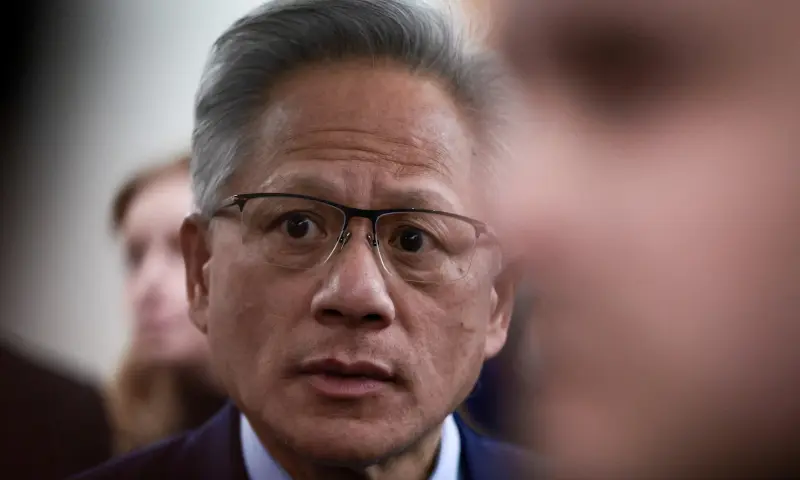
    Jensen Huang resigned as chief executive of Nvidia on Thursday, ending his 33-year run at the helm of the AI giant he co-founded after revelations that he had two extramarital affairs, including with a woman accused of spying for China.

    The company’s board said Huang had stepped down as president, chief executive and board member, effective immediately.

    Chief financial officer Colette Kress will serve as interim CEO while keeping her finance role, and the board will consider internal and external candidates for a permanent replacement.

    It named former Synopsys CEO and board member Harvey Jones as its first-ever board chairman.

    Huang, who co-founded Nvidia and is its fourth-largest investor with a stake of about 3.61 per cent, will exit the board as well.

    Nvidia shares fell more than 10pc in premarket trading, and weighed on the broader market.

    Pressure had been mounting on Huang in recent days after reports said the 63-year-old, who is married, had an affair with a Chinese businesswoman who US authorities suspect of spying for Beijing.

    Nvidia’s board met on Wednesday to consider his ouster, a person familiar with the matter said, after reports earlier in the day that Huang also had an extramarital affair with a senior company executive who reported to him.

    Huang’s exit plunges the $4 trillion company into uncertainty and threatens to disrupt an AI ecosystem that he helped bankroll by pouring Nvidia’s swelling cash pile back into cloud providers, suppliers and the industry’s biggest labs.

    “The risk is not that Nvidia suddenly loses its technology roadmap … that roadmap is largely visible for the next several years. The risk is execution. Jensen has been the chief conductor of an extraordinarily complex system,” said Michael Feldman, portfolio manager at ClearBridge Investments.

    “In a world with real bottlenecks, that coordination is a competitive advantage in itself.”

    Investor sentiment toward AI stocks has already been shaky as soaring cash burn and rising debt at traditionally cash-rich tech giants fuel doubts over whether the AI boom will pay off.

    The departure could also have far-reaching consequences for US chip export policy, given Huang’s push to preserve access to the Chinese market and his close ties with US President Donald Trump.

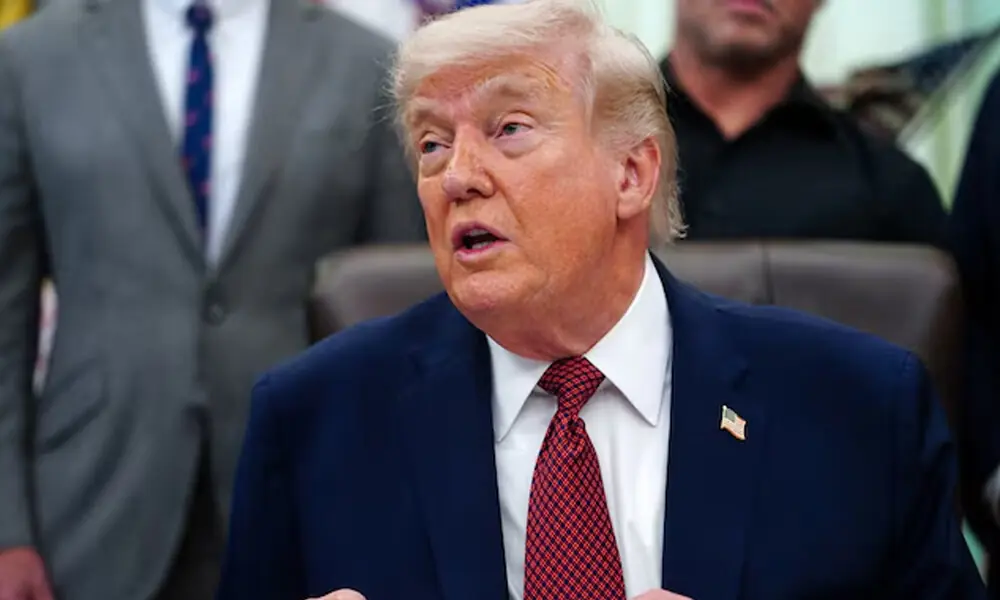
    Trump said on Sunday that Huang had “done an amazing job for our country” and that the Nvidia chief had told him he had no idea the Chinese woman he had an affair with was a spy.

    Huang’s rockstar status

    For years, Nvidia was best known to gamers chasing top-tier graphics. But its chips’ ability to perform many calculations at once has made them the oil of the AI boom and a strategic prize in the US-China race to dominate the technology. It also made Nvidia the world’s most valuable company.

    That turned Huang into a rockstar CEO, mobbed by fans in Taiwan and South Korea who ask him to sign books, posters and sometimes even their bodies. Such is his pull that stocks moved at his mere mention of company names at events.

    But scrutiny of his conduct has intensified in recent days after reports of his relationship with Alice Huang, a former executive at Singapore-based cloud company Megaspeed, who US authorities have concluded was a Chinese intelligence asset.

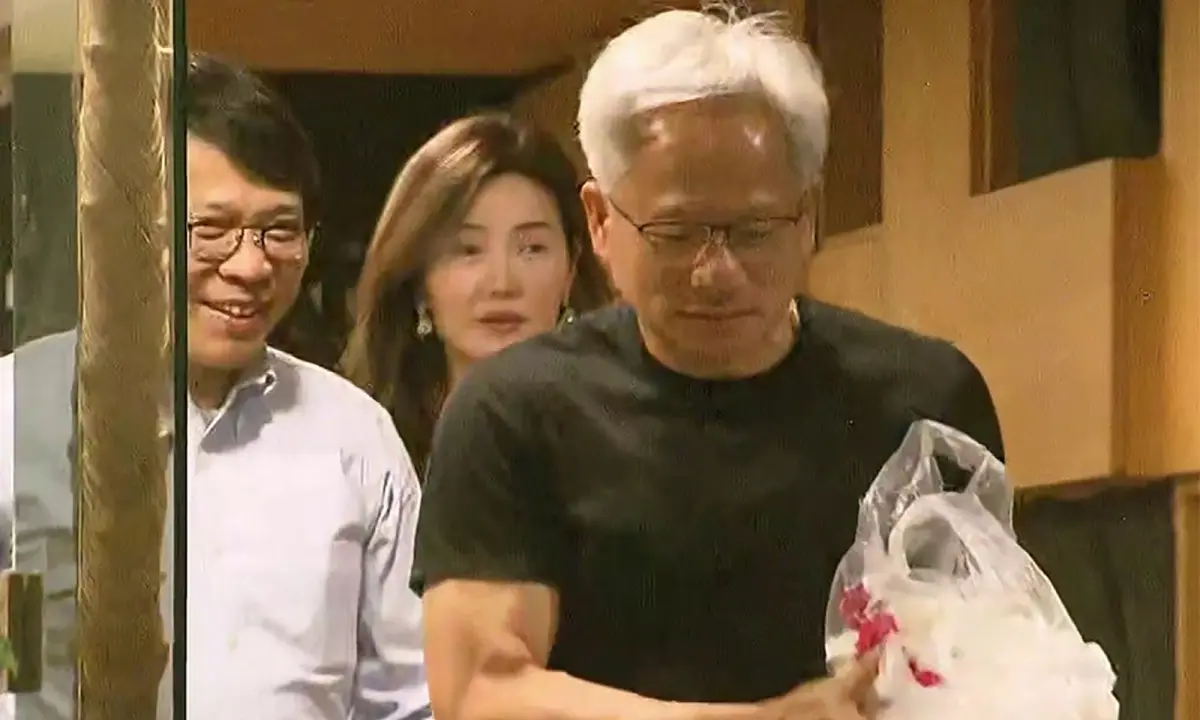
    The two, who have been photographed together in Taiwan, Singapore and California, are not related.

    Washington has also investigated Megaspeed, a coveted official Nvidia cloud partner with priority access to its chips, over suspicions it helped China obtain advanced AI chips restricted under US export controls, according to media reports. Beijing has denied Alice Huang is a spy.

    Earlier this month, Nvidia’s board launched a probe, led by independent directors with outside legal counsel, into whether Jensen Huang had been targeted by a foreign intelligence operation. It also expressed confidence in him at the time.

    The controversy escalated on Wednesday when the New York Times reported Huang also had an affair with Kimberly Powell, Nvidia’s vice president of healthcare, who reported to him.

    Source: dawn
  • Nvidia CEO Jensen Huang to step down in big blow to AI boom

    Nvidia CEO Jensen Huang to step down in big blow to AI boom

    Nvidia CEO Jensen Huang is stepping down, leaving the AI industry without its biggest champion and clouding the future of the chipmaker he built into an AI powerhouse.

    Chief Financial Officer Colette Kress will take over as interim CEO as Nvidia looks for a permanent successor, the company said on Thursday. It named former Synopysys CEO and board member Harvey Jones as its first-ever board chairman.

    Huang, who co-founded Nvidia and is its fourth-largest investor with a stake of about 3.61%, will exit the board as well.

    Nvidia shares fell more than 10% in premarket trading, and weighed on the broader market.

    Pressure had been mounting on Huang in recent days after reports said the 63-year-old, who is married, had an affair with a Chinese businesswoman who US authorities suspect of spying for Beijing.

    Nvidia’s board met on Wednesday to consider his ouster, a person familiar with the matter said, after reports earlier in the day that Huang also had an extramarital affair with a senior company executive who reported to him.

    Huang’s exit plunges the $4 trillion company into uncertainty and threatens to disrupt an AI ecosystem that he helped bankroll by pouring Nvidia’s swelling cash pile back into cloud providers, suppliers and the industry’s biggest labs.

    Nvidia CEO’s affair with alleged spy aided $7.5 billion in China chip shipments, Information reports

    Investor sentiment toward AI stocks has already been shaky as soaring cash burn and rising debt at traditionally cash-rich tech giants fuel doubts over whether the AI boom will pay off.

    The departure could also have far-reaching consequences for US chip export policy, given Huang’s push to preserve access to the Chinese market and his close ties with US President Donald Trump.

    Trump said on Sunday that Huang had “done an amazing job for our country” and that the Nvidia chief had told him he had no idea the Chinese woman he had an affair with was a spy.

    Huang’s rock-star status

    For years, Nvidia was best known to gamers chasing top-tier graphics. But its chips’ ability to perform many calculations at once has made them the oil of the AI boom and a strategic prize in the US-China race to dominate the technology. It also made Nvidia the world’s most valuable company.

    That turned Huang into a rock-star CEO, mobbed by fans in Taiwan and South Korea who ask him to sign books, posters and sometimes even their bodies. Such is his pull that stocks moved at his mere mention of company names at events.

    Reactions to Nvidia’s probe into CEO Jensen Huang

    But scrutiny of his conduct has intensified in recent days after reports of his relationship with Alice Huang, a former executive at Singapore-based cloud company Megaspeed who U.S. authorities have concluded was a Chinese intelligence asset.

    The two, who have been photographed together in Taiwan, Singapore and California, are not related.

    Washington has also investigated Megaspeed, a coveted official Nvidia cloud partner with priority access to its chips, over suspicions it helped China obtain advanced AI chips restricted under U.S. export controls, according to media reports. Beijing has denied Alice Huang is a spy.

    Earlier this month, Nvidia’s board launched a probe, led by independent directors with outside legal counsel, into whether Jensen Huang had been targeted by a foreign intelligence operation. It also expressed confidence in him at the time.

    The controversy escalated on Wednesday when the New York Times reported Huang also had an affair with Kimberly Powell, Nvidia’s vice president of healthcare, who reported to him.

    Source: brecorder

  • Rain, thunderstorms expected in Punjab, Khyber Pakhtunkhwa

    Rain, thunderstorms expected in Punjab, Khyber Pakhtunkhwa

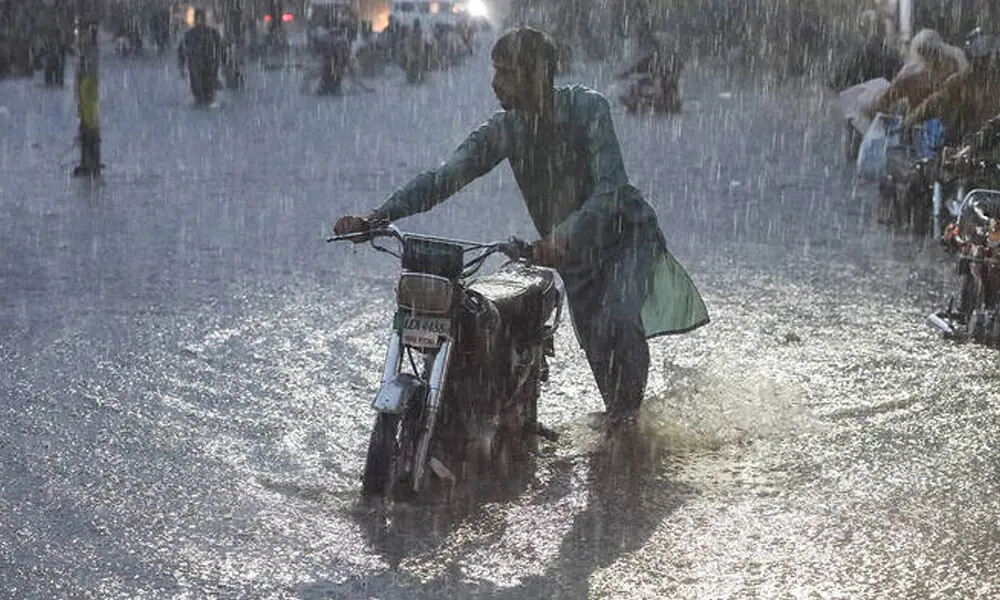
    The National Emergencies Operation Centre (NEOC) of the National Disaster Management Authority (NDMA) has issued a weather alert, forecasting rain, strong winds and thunderstorms in several parts of the country.

    According to the alert, Islamabad, Rawalpindi, Punjab and the Potohar region are likely to receive rain accompanied by strong winds and thunderstorms. Heavy rainfall is also expected at isolated locations in Potohar, Murree and Galiyat.

    Fog and smog are likely to develop during night hours in Narowal, Sialkot, Gujranwala, Lahore, Khanewal, Faisalabad, Multan, Kot Addu, Bahawalpur and adjoining areas.

    In Khyber Pakhtunkhwa, rain accompanied by strong winds and thunderstorms is expected in Dir, Chitral, Swat, Kohistan, Shangla, Battagram, Mansehra, Abbottabad, Haripur, Buner, Malakand, Bajaur, Mohmand, Kohat, Peshawar, Charsadda, Nowshera, Mardan and Swabi.

    Similar weather conditions are forecast in Khyber, Orakzai, Kurram, Hangu, Lakki Marwat, Karak, Bannu, Dera Ismail Khan and Waziristan.

    Most parts of Gilgit-Baltistan and Azad Jammu and Kashmir are also likely to experience cloudy weather, strong winds, rain and thunderstorms.

    The NDMA said intermittent rain, strong winds and thunderstorms would continue in upper and plain areas of KP. Heavy rainfall is particularly expected in upper districts, including Dir, Chitral, Swat, Kohistan, Shangla, Battagram, Mansehra and Abbottabad.

    Snowfall is expected in mountainous areas, while hailstorms may occur at some locations. The weather conditions could also trigger landslides and make roads slippery.

    The authority has advised people travelling to mountainous areas to take precautionary measures and avoid unnecessary travel.

    Relevant departments have also been directed to remain alert and monitor potential landslides, road conditions and other weather-related risks.

    Source: brecorder

  • Trump says Vance should focus on domestic corruption, ‘we don’t need a deal with Iran’

    Trump says Vance should focus on domestic corruption, ‘we don’t need a deal with Iran’

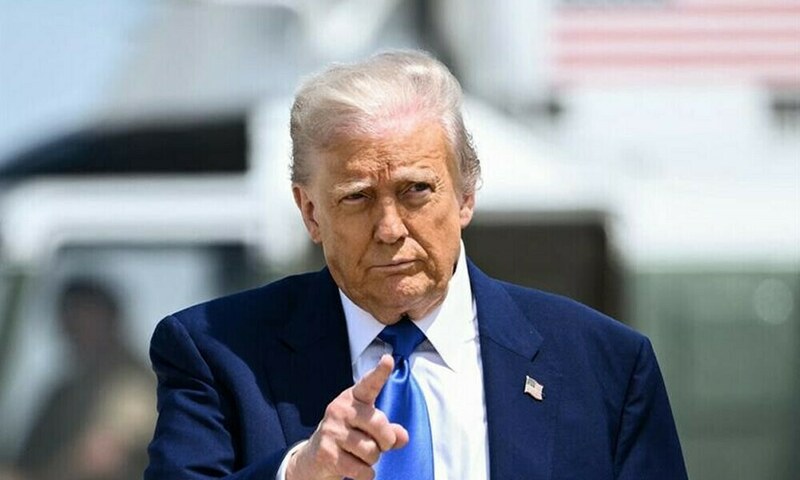
    WASHINGTON: President Donald Trump said on Thursday he wanted Vice President JD Vance to focus “his complete and total attention” on any crime and corruption in Democratic-run US cities, saying that effort could save more money than a deal with Iran.

    “Our Budget could be quickly BALANCED with the correction of this large scale criminal activity. CORRUPTION is in the Democrat Leadership’s blood!” Trump wrote on social media. “We don’t need a deal with Iran. Those days have long since passed. We’ve got their money, Hundreds of Billions of Dollars, and we’ve got their Strait!”

    Vance, who had taken on a role in trying to resolve the conflict with Iran, distanced himself from Trump’s war on Wednesday after Republicans’ midterm election rout by Democrats.

    Trump to meet Iran war mediator Qatar, no imminent deal seen to end the war

    He questioned whether it was worth the cost and blamed the Iran war for Republicans’ election losses.

    Vance, who is seen as a leading 2028 presidential contender, also said an earlier recommendation to end the ​war was “sound advice.”

    Trump has repeatedly targeted Democratic-run cities over immigration policies and alleged corruption since taking office in January 2025 for his second White House term.

    Source: brecorder

  • Naqvi suggests referendum as ‘solution’ to debate on new administrative units

    Naqvi suggests referendum as ‘solution’ to debate on new administrative units

    Interior Minister Mohsin Naqvi on Thursday suggested that political parties hold a referendum to gauge the public’s opinion on the creation of new administrative units or provinces, terming it the “solution” to the ongoing debate.

    The security czar has whipped up a political storm over the past few months since he called for the formation of new administrative units in the country, saying the current “system” of governance had “collapsed” and needed a “reset”.

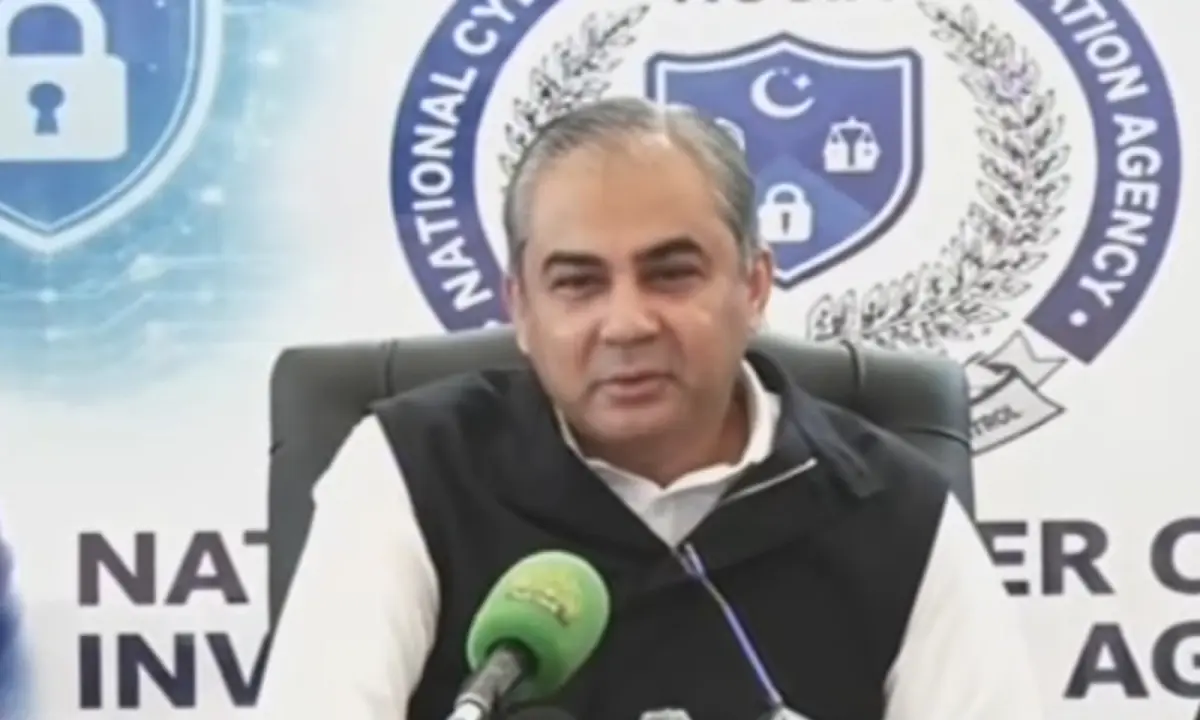
    Replying to a media query at the National Cyber Crime Investigation Agency (NCCIA) in Lahore on Thursday, Naqvi noted that each political party had a right to disagree with another party or individual.

    At the same time, he observed that all parties stressed democracy and the supremacy of the people. Therefore, he said: “My only request to all political parties is that this is such an issue […] so they should hold a referendum.

    “Whatever the public’s opinion in the referendum is; if the public says [new units] should not be created, I am 100 per cent with them that they should not be created. [But], if the public says they should be made, then they should.”

    Naqvi noted that political parties had varying stances on the debate, with the PPP “having its own stance [and] some parties having their own stance while not saying anything officially”.

    He again stressed that the solution was to take public opinion into account, suggesting that if there was a proposal for a “better solution”, that should also be presented to the people.

    Acknowledging the importance of allies in the ruling coalition, he said: “Everyone is a part of this government, and nothing will happen against their will. And if something does happen, then it will be after taking everyone’s consensus.”

    “My only recommendation is that if we were to conclude this debate, then we should just take the people’s opinion,” he said.

    The minister had also affirmed in September that any new administrative units would only be formed with the public’s consent, while also doubling down on his call for new provinces.

    Naqvi claims he and Bilawal ‘nearly on same page’

    Responding to another question, Naqvi recalled recent remarks by PPP Chairman Bilawal Bhutto-Zardari, wherein he had called for a “political reset” and encouraged unity among political parties.

    The security czar contended that he and Bilawal were “nearly on the same page”.

    “He (Bilawal) said that political matters are about to be reset, while my suggestion is that overall matters are about to be reset,” Naqvi elaborated.

    In his remarks on Tuesday, the Bhutto scion had called for a “political reset”, wherein all political parties must unite for the sake of the country, rather than indulge in “unnecessary debates”.

    His call for political unity followed exchanges of harsh remarks in recent weeks between federal ministers and veteran politician Maulana Fazlur Rehman, who has now decided to strengthen his ties with the opposition.

    The PPP chairman also questioned the need for “new experiments” when the country was confronted with much bigger challenges, particularly the economic crisis arising from the Middle East tensions.

    The same day, PPP’s Punjab chapter also strongly rejected any move towards the creation of new provinces, asserting that doing so will neither address soaring inflation nor rampant unemployment.

    While Naqvi said he and Bilawal largely shared the same views, the PPP chairman in September had called for a parliamentary debate on the creation of new provinces.

    “So instead of [speaking at] business forums, Mohsin Naqvi should visit [Parliament],” he had remarked, an apparent reference to the first instance of Naqvi stressing the need for more administrative units while speaking at the Pakistan Economic Summit 2026 in July.

    PPP, which rules Sindh and is also an ally of the PML-N government at the Centre, has strongly opposed the creation of a new province within Sindh. It has also maintained that any decision on the subject must be taken through the constitutional and parliamentary processes with political consensus.

    Defence Minister Khawaja Asif’s recent statement regarding the creation of 12 more provinces has also added to the debate on administrative units started by Naqvi.

    ‘Corruption exists across entire Pakistan’

    In his talk with reporters, Naqvi was also asked about federal minister Chaudhry Salik’s recent remarks over alleged corruption in Punjab.

    In reply, he said, “If someone is saying that no corruption is taking place in Pakistan, then apologies but corruption exists across the entire Pakistan, and it is our (state’s) responsibility to end it.”

    The interior minister stressed the importance of highlighting corruption where it was present.

    The conversation on corruption started after PML-Q’s Salik criticised the incumbent Punjab government led by PML-N, alleging that he regularly heard complaints of corruption.

    Incensed by his remarks, Punjab Chief Minister Maryam Nawaz sent a Rs5 billion defamation notice to Salik for levelling allegations of corruption against her government and demanded that he retract his remarks.

    Naqvi was also asked about a Capital Development Authority (CDA) notice issued in relation to the residence of the JUI-F chief, which he defended, stating, “This (CDA) campaign has been ongoing for months, and it is not against a certain individual.”

    Source: dawn

  • Ukraine peace talks between Putin and US envoys start in Moscow

    Ukraine peace talks between Putin and US envoys start in Moscow

    MOSCOW: Ukraine peace talks between Russian President Vladimir Putin and US negotiators Steve Witkoff and Jared Kushner began in the Kremlin on Thursday.

    Kushner told Putin that Europe wanted a role in future negotiations, while Witkoff said a major prisoner exchange agreed earlier this week during talks in Abu Dhabi was a sign of progress.

    Source: brecorder

  • PTI lawmaker moves FCC seeking immediate release of Sohail Afridi, other party workers

    PTI lawmaker moves FCC seeking immediate release of Sohail Afridi, other party workers

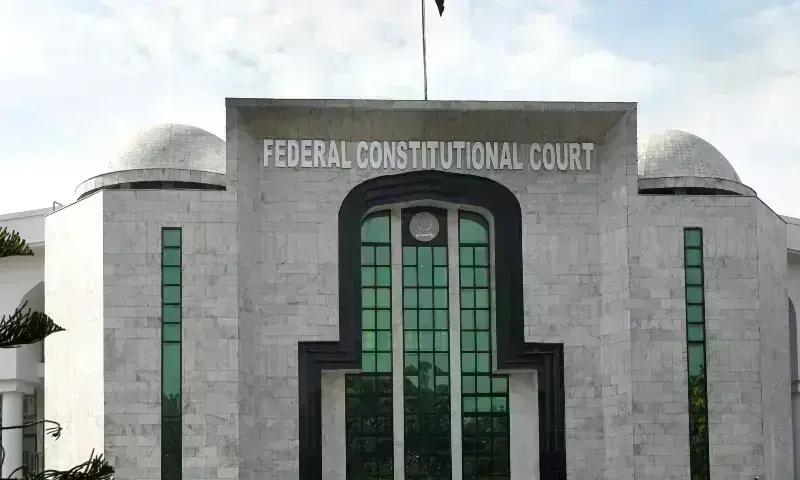
    ISLAMABAD: PTI lawmaker Shandana Gulzar on Thursday approached the Federal Constitutional Court (FCC), seeking the immediate release of Sohail Afridi, the non-functional Khyber Pakhtunkhwa chief minister, the provincial assembly speaker and other party workers.

    Afridi has not been seen since the Centre imposed governor’s rule and emergency in KP on Oct 11. The very next day, a federal minister confirmed that he and some of his cabinet members were in preventive custody.

    While the government has transferred powers to KP Governor Faisal Karim Kundi, the PTI has asserted that Afridi “remains and shall continue” to serve as the KP chief minister with the “confidence and support” of party founder and ex-premier Imran Khan.

    In the petition filed with the FCC on Thursday, Gulzar — who is a member of the National Assembly — sought directives for producing Afridi, Swati, PTI KP President Junaid Akbar and other party workers before the court.

    The federal secretaries of interior and defence, the KP chief secretary, the KP Home and Tribal Affairs Department secretary, the KP inspector general of police, the Peshawar capital city police officer, the Peshawar deputy commissioner and the Federal Investigation Agency (FIA) director general were named as respondents.

    The petition requested the FCC to order the respondents to “immediately disclose before the court their whereabouts, the identity of the authority exercising custody, the legal instrument and statutory provisions invoked as well as the grounds of detention and the date and circumstances of their taking into custody”.

    The petition urged the court to order the production of the PTI’s provincial leadership in person so that their present condition, liberty and legal status be ascertained and the “legality of any such restraint upon their liberty be examined judicially”.

    Gulzar also sought a declaration from the FCC that Articles 232, 234 and 245 of the Constitution do not confer any authority to arrest, detain, confine or conceal the whereabouts of any person in disregard of the Constitution and applicable law.

    “Such exercise of state power remains subject to constitutional safeguards and judicial review,” the petition argued.

    It pleaded before the FCC to order that the exercise of executive authority during any constitutional arrangement under Article 234 or in the context of deployment under Article 245 cannot lawfully be used to circumvent the fundamental rights guaranteed under Articles 4, 9, 10, 14, 17, 19 and 19-A of the Constitution.

    It prayed that the FCC should order the provision of access to legal representation as well as family members to the detained party leaders, in addition to necessary medical examination and treatment as well as protection against “torture, coercion, intimidation or any form of cruel, inhuman or degrading treatment”.

    “The FCC should declare that any action undertaken by the respondents if found to be motivated by political considerations or intended to frustrate the exercise of constitutional and democratic rights will amount to abuse of public authority or violation of the fundamental rights guaranteed under the Constitution,” the petition said.

    In her petition, Gulzar requested the FCC to order the immediate release of the detained PTI leaders subject to any lawful order passed by a competent court in accordance with the Constitution and the law.

    On Oct 13, Afridi’s brother, Muhammad Amir, had approached the Peshawar High Court (PHC) to trace his whereabouts, filing a petition seeking his recovery and an investigation into his alleged “illegal detention” and “abduction” from the Chief Minister House on Oct 11.

    The petition claimed he was taken away by “unidentified armed and masked individuals in the presence of the capital city police officer”. The PHC on Nov 3 referred the plea, including those against the alleged abduction of Swati and Akbar, to the chief justice for the formation of a larger bench.

    Meanwhile, the PHC on Oct 31 granted interim bail to scores of PTI activists detained under the Maintenance of Public Order Ordinance following the imposition of emergency.

    However, the FCC on Nov 5 restrained the high court from hearing cases concerning the arrests of scores of PTI activists detained under the ordinance.

    Subsequently, the PHC removed around 105 petitions from its Nov 10 cause lists, including those challenging the imposition of emergency and governor’s rule as well as the alleged illegal detention of Afridi, Swati, Akbar and scores of lawmakers.

    PTI chairman moves FCC

    Meanwhile, PTI Chairman Barrister Gohar Khan also approached the FCC on Thursday to seek his impleadment in the case pertaining to the PHC being restrained from hearing the cases regarding the detention of PTI activists.

    Through the miscellaneous application, he stated that he was a petitioner before PHC in a case in which he had challenged the imposition of governor’s rule and proclamation of emergency.

    The application requested FCC to order his impleadment so that he could become an intervenor in the pending matter and advance his arguments and present his point of view or submit written statement.

    The petition has also pleaded before FCC to modify its Nov 5 order to the extent that the petitions challenging governor’s rule and state of emergency in KP before the high court should not remain suspended.

    Source: dawn

  • PM Shehbaz, Turkish President Erdogan discuss trade, defence, regional situation

    PM Shehbaz, Turkish President Erdogan discuss trade, defence, regional situation

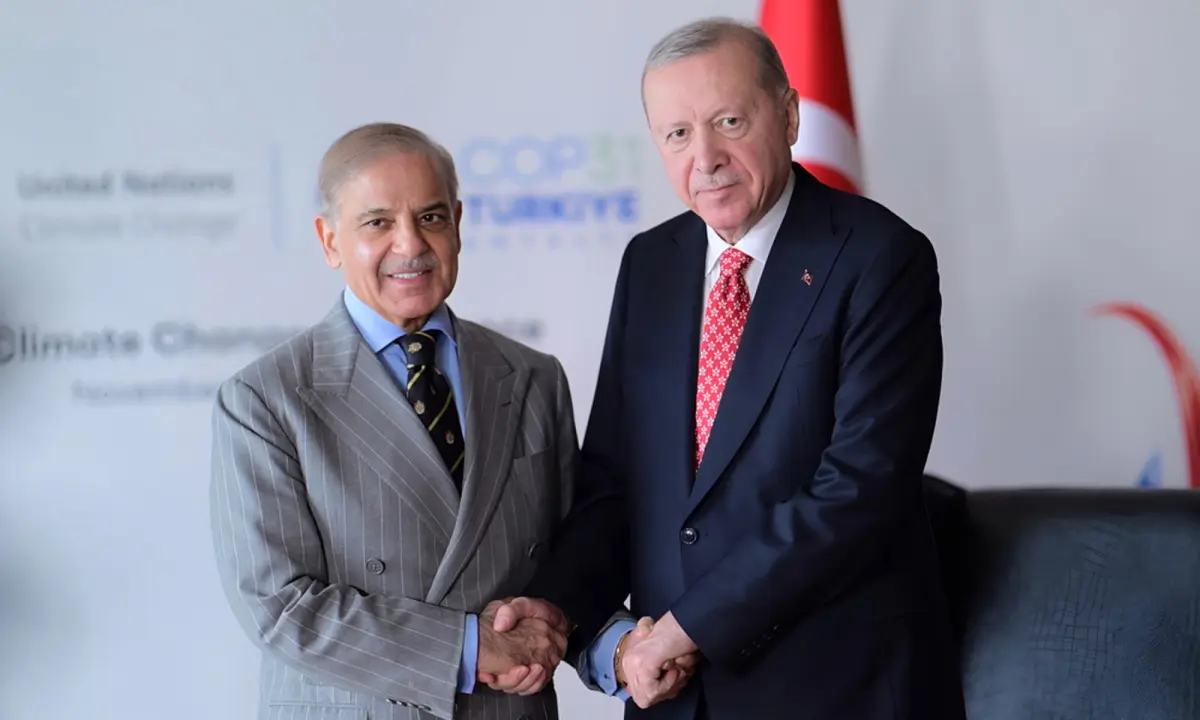
    Prime Minister Shehbaz Sharif met Turkish President Recep Tayyip Erdoğan on Thursday on the sidelines of the UN Framework Convention on Climate Change (UNFCCC) COP31 Leaders Summit in Antalya, Türkiye.

    During the bilateral meeting, the two leaders reaffirmed the deep-rooted historical and brotherly ties between Pakistan and Türkiye and expressed satisfaction over the positive trajectory of bilateral relations.

    They held wide-ranging discussions on strengthening bilateral cooperation, particularly in trade and investment, defence, energy and connectivity.

    Both leaders stressed the need to expedite ongoing initiatives and explore new opportunities to deepen economic engagement. They also exchanged views on the evolving regional situation and broader global developments.

    Prime Minister Shehbaz highlighted efforts by regional countries, particularly members of the Makkah Accord, to promote de-escalation and dialogue.

    President Erdoğan appreciated Pakistan’s constructive role and mediation efforts that led to the signing of the Islamabad MoU.

    The prime minister thanked Erdoğan for his consistent support and close coordination throughout Pakistan’s diplomatic efforts.

    Both leaders emphasised the importance of all parties honouring their commitments under the Islamabad MoU to ensure durable and lasting peace in the wider region.

    They also reaffirmed their mutual support on matters of core national interest and reiterated their resolve to strengthen the strategic partnership between the two countries, building on their longstanding friendship and shared vision for peace and prosperity.

    Source: brecorder

  • Trump threatens to double tariffs on Mexico if it does not halt migrants

    Trump threatens to double tariffs on Mexico if it does not halt migrants

    WASHINGTON: President Donald Trump on Thursday threatened to double tariffs on Mexico if it does not stop more than a thousand migrants walking north toward the United States after last week’s US election, warning that they would not be allowed to enter.

    “Here we go again!” Trump wrote on social media. “They will not be accepted! MEXICO MUST STOP THEM, NOW, and if they do not do so, the Tariffs on Mexico will be IMMEDIATELY DOUBLED. MEXICO, THE GOVERNOR OF TEXAS, THE VERY LIBERAL NEW GOVERNOR OF TEXAS, OUR GREAT BORDER PATROL, & ICE, HAVE BEEN SO INFORMED. There will be no leniency!”

    The group of migrants, an estimated 1,500 people mostly from Central America, set off on Tuesday from the southern city of Tapachula near the Guatemala border, hoping Democrats’ victory in the US midterm election could open pathways for them to live and work in the United States.

    Source: brecorder

  • Xi-Trump-Putin summit evokes 1945 Yalta carve-up

    Xi-Trump-Putin summit evokes 1945 Yalta carve-up

    A possible China-US-Russia summit has prompted alarm of a modern-day Yalta Conference, with three powerful men carving up the world — with little regard for Ukraine, Europe and Taiwan or anyone else.

    But apart from an historic photo opportunity, the meeting between Presidents Xi Jinping, Donald Trump and Vladimir Putin at the November 18-19 APEC summit in Shenzhen will likely achieve little, analysts say.

    Spheres of influence

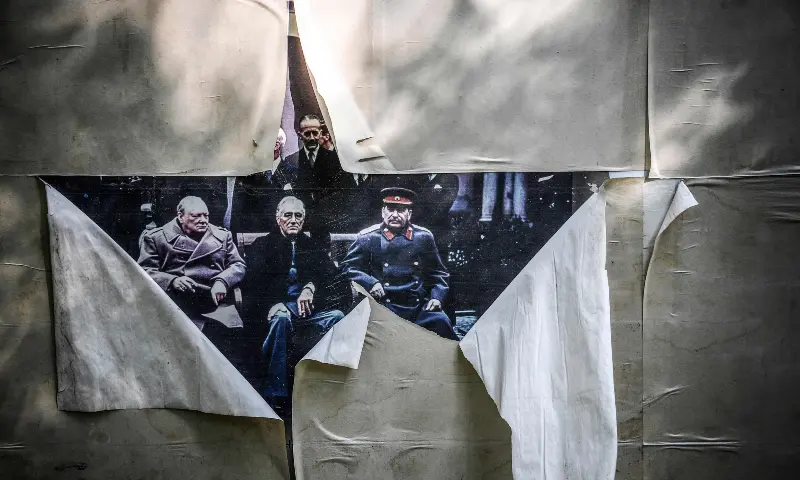
    When then US president Franklin D. Roosevelt, Britain’s Winston Churchill and Soviet leader Joseph Stalin met in Yalta in February 1945, they laid out the post-WWII settlement and new territorial boundaries in Europe.

    That meeting in Yalta, then in the Soviet Union and now in a part of Ukraine annexed by Russia in 2014, laid out the foundations for the Soviet domination of Eastern Europe and the Cold War.

    Ukraine’s President Volodymyr Zelensky has raised alarm that Shenzhen could be a Yalta-like “redistribution of spheres of influence” for the 21st century.

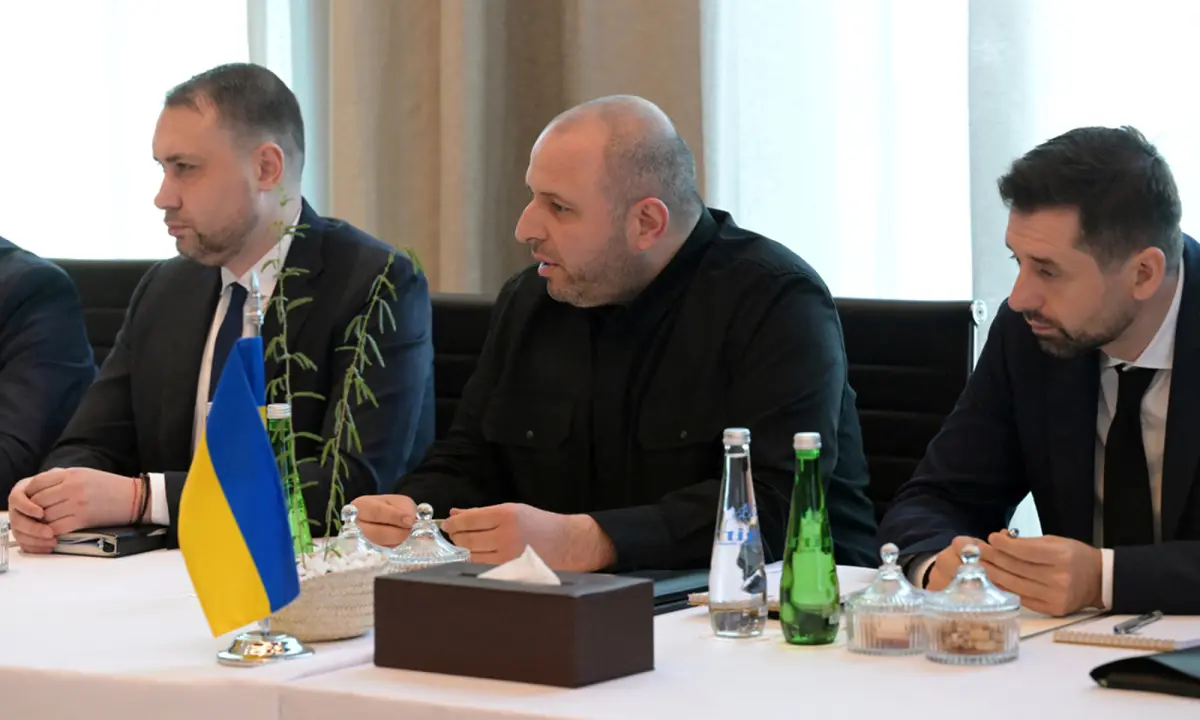
    At talks in Abu Dhabi this week — the first since February — Russian negotiators rattled Ukraine and its European supporters by pushing a review of the continent’s security architecture as part of any peace deal, with the US also floating a new framework.

    Russia’s delegation chief in Abu Dhabi, Vladimir Medinsky, fanned such fears by questioning the inclusion of Europe in further talks.

    The trilateral rankles because it signals “the idea that a few great powers can decide the security and future of other countries over their heads”, according to Tsiporah Fried at the Hudson Institute.

    The format alone “would already send a message about who counts, and whose interests can be negotiated by others”, she told AFP.

    Divergent interests

    Beyond the symbolism, however, divergent interests make the creation of a new world order in Shenzhen unlikely.

    Even the agenda reportedly remains contentious: Russia has suggested the meeting focus on Ukraine, Trump has pushed for talks on nuclear weapons and the Iran war, and China has remained tight-lipped on both.

    “The three parties have vastly different demands, making the management of expectations difficult. There is a high probability that talks could end without a breakthrough,” according to Wang Wen, dean of the Chongyang Institute for Financial Studies at Renmin University in Beijing.

    There are also few issues where input from all three leaders could bring progress.

    The main points of contention between Beijing and Washington are trade and the AI technology race, for instance.

    Beijing — which presents itself as a champion of multilateralism — has repeatedly said that Europe should be part of peace negotiations over Ukraine.

    German President Frank-Walter Steinmeier said that in a recent meeting, Xi showed “irritation” when the idea of the trilateral talks covering Ukraine came up.

    “He explicitly pointed out that this is a European conflict, in which the Europeans must also be at the table,” Steinmeier told ARD.

    On nuclear disarmament, China has long insisted that the US and Russia reduce their own giant nuclear arsenals before it agrees to talks on its own stockpile.

    The summit therefore is more likely to produce minor outcomes such as crisis hotlines or some cooperation on counter-terrorism, public health, or climate change, Wang told AFP.

    “There is no single enemy to unite all three great powers the way that the fight against Nazi Germany united Roosevelt, Churchill, and Stalin,” said Wen-Ti Sung, a political scientist at Australian National University.

    “It follows that piecemeal horse-trading is in; a grand bargain is out.” However, Taiwan — which China claims — will still be watching the meeting closely, Sung said.

    “If the Trump administration is open to abandoning one partner (Ukraine) out of convenience, then it can abandon another,” he said.

    A post-Shenzhen world

    The Trump administration has sought to reassert US dominance over the “Western hemisphere” — including by capturing Venezuelan President Nicolas Maduro in January — but splitting the world among great powers like it’s 1945 may not guarantee security.

    China has opposed the logic of Yalta — the clandestine division of spheres of influence and major powers determining the fate of other nations — “from the very beginning”, according to Renmin University’s Wang.

    China could allay fears of a second Yalta by using the summit to “emphasise the defence of sovereignty and support for multilateral organisations”, Wang said.

    If Beijing uses the meeting to insist on European inclusion in talks regarding the continent’s security, it “could, in fact, open a new window for communication between China and Europe”, he said.

    “The original Yalta opened the path to the Korean War and Indochina Wars in addition to various conflicts and insurgencies across Asia, Africa, and Latin America,” said Chong Ja Ian at the National University of Singapore.

    Any Yalta 2.0 agreement “will almost certainly run into the same kinds of issues”, Chong said.

    Source: dawn