Blog

  • Trade war in focus at key ASEAN summit

    Trade war in focus at key ASEAN summit

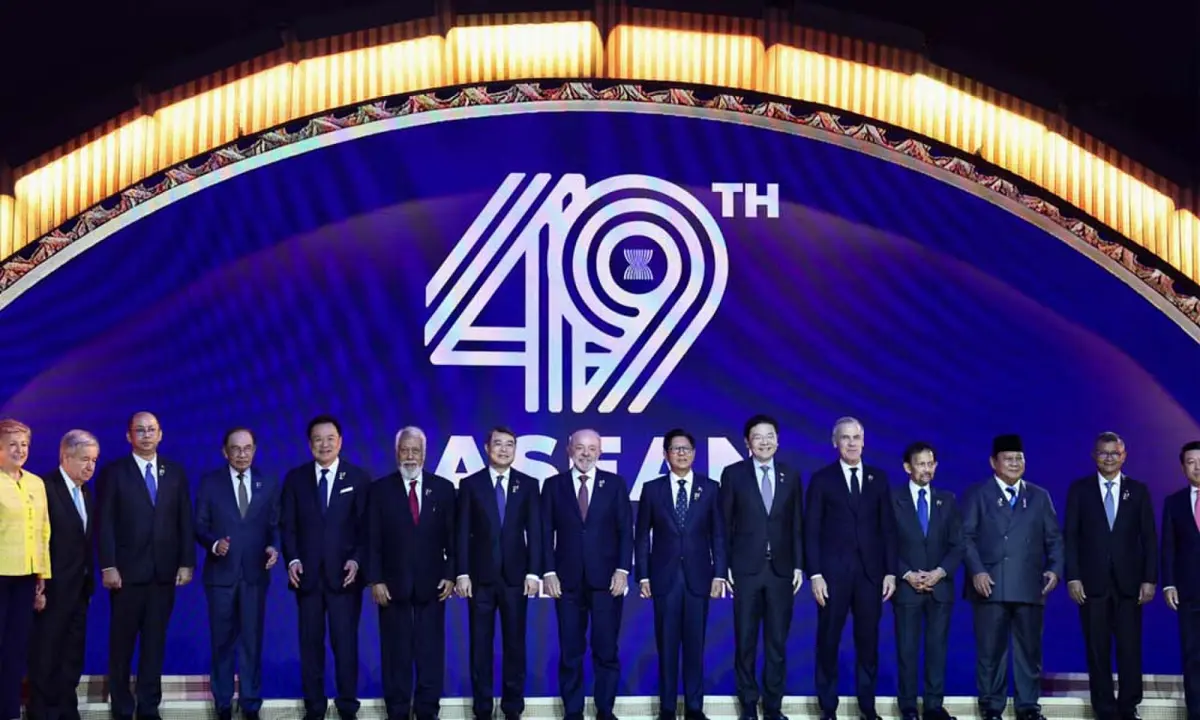
    MANILA: A key summit opened Sunday in Manila, with Southeast Asian heads of state grappling with the Middle East crisis and their own regional flashpoints and global leaders finding common ground over US President Donald Trump’s trade war.

    Trump is scheduled to arrive Tuesday, near the summit’s conclusion, a visit that will include a meeting with the leaders of his fellow Quad countries India, Japan and Australia – the first such sit-down of his second term.

    But it was the US leader’s tariff blizzard that Brazil’s newly re-elected President Luiz Inacio Lula da Silva had on his mind Sunday in Manila.

    “Brazil has learned an extraordinary lesson after the US decided to impose tariffs (on other countries),” he told reporters on the sidelines of the 11-member Association of Southeast Asian Nations (ASEAN) summit.

    “Instead of weeping or begging the US government … to have pity on us, we decided to look for other partners for us to sell and for us to buy from,” he said, noting his country’s trade with regional states Indonesia and Vietnam had jumped 15 and 13 percent, respectively.

    Canadian Prime Minister Mark Carney sounded a similar note at the summit a day earlier while touting a new Philippine free-trade deal and ASEAN trade talks he said had been “substantially concluded”.

    The two pacts were “part of a strategy of developing a dense web of reliable partners to create more opportunities … and reducing our relative reliance on the United States,” Carney said.

    Lula told reporters he had met with Carney on the summit’s sidelines, inviting him to make an official visit to Brazil, and that he hoped to double trade with Canada.

    Nearly 20,000 police officers have been deployed around Metro Manila for the summit, with progressive groups predicting a turnout of thousands on Tuesday for an anti-Trump march on the summit site.

    Much of the uproar targets the US Pax Silica programme – a supply-chain initiative designed to counter China’s dominance in semiconductors and rare earths – whose flagship Philippine project, a 1,620-hectare AI manufacturing hub north of Manila, threatens to displace Indigenous families.

    On Sunday, a crowd of about 200 protesters, some carrying signs reading “the Philippines is not for sale” and “Ban Trump!” clashed with police who blocked an attempted march.

    AFP reporters saw at least three demonstrators taken away by officers.

    Two issues that have vexed ASEAN leaders for years – a languishing South China Sea “Code of Conduct” and the relationship with war-torn Myanmar – will be Singapore’s problem when the bloc’s rotating chair passes to the city-state in 2027.

    Myanmar has been excluded from high-level ASEAN meetings since a 2021 military coup that ousted the elected government of Aung San Suu Kyi and triggered an ongoing civil war.

    Thailand, which shares a border with Myanmar and is leading the charge for closer relations, last week called for Naypyidaw’s foreign minister to be allowed back into meetings.

    On Sunday, a joint ASEAN statement called for “calibrated engagement” with the Myanmar government, echoing language Thailand has used for months.

    Normalisation, however, would depend on “concrete progress” being made on a five-point peace plan, the statement said.

    Philippine President Ferdinand Marcos has previously conceded the plan had made no progress.

    Hopes of achieving a so-called Code of Conduct in the disputed South China Sea between ASEAN states and China during Manila’s year in the chair, meanwhile, have come to an end.

    Philippine Foreign Secretary Theresa Lazaro, who had previously said negotiations were “80 percent complete”, told reporters on Sunday that she trusted “that Singapore will be able to finish the discussions” next year.

    Beijing claims most of the South China Sea despite an international ruling that its assertion has no legal basis, and its coast guard has clashed repeatedly with that of the Philippines.

    The row has reared its head at inopportune times over the Philippines’ year in ASEAN’s rotating chairmanship, with a July foreign ministers summit opening less than a day after Chinese and Philippine sailors engaged in a clash.

    ASEAN is scheduled to meet with Chinese Prime Minister Li Qiang on Monday.

    Source: brecorder
  • Iran says supertanker with 2m barrels of oil sank in Gulf

    Iran says supertanker with 2m barrels of oil sank in Gulf

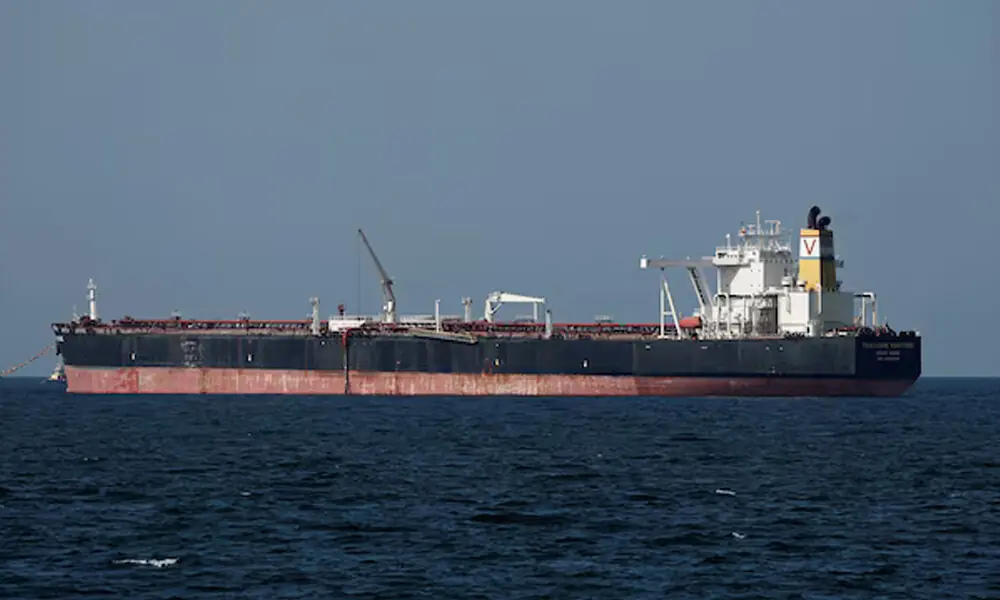
    TEHRAN: Iran’s Revolutionary Guards said Sunday that a supertanker carrying over two million barrels of oil had sunk after it struck a mine and caught fire in the Strait of Hormuz.

    The ship was one of two that hit mines while transiting the vital trade corridor, the Guards said, but there was no independent confirmation of the incidents.

    Since the outbreak of the Middle East war in late February, Tehran has heavily restricted traffic through the strategic waterway, insisting vessels use routes authorised by the Islamic republic.

    It has regularly targeted ships that transit without its authorisation.

    The United States has in response imposed a naval blockade on Iranian ports and helped tankers travel the strait, which normally carries about one-fifth of global oil.

    The American military recently claimed to have cleared all mines from the main routes through the waterway.

    “Over the past few hours, two oil tankers travelling along an unauthorised route in the southern part of the Strait of Hormuz struck naval mines, resulting in massive explosions and fire,” the Islamic Revolutionary Guard Corps said in a statement carried by state TV.

    “One of these vessels – a super tanker carrying over two million barrels of crude oil – sank in the southern waters of the Persian Gulf,” the statement added.

    It did not specify the names or origins of the tankers.

    In recent weeks Tehran has made multiple announcements saying ships had caught fire in the strait, often claiming they struck mines.

    US Central Command, which oversees US military operations in the region, has been supporting ships traversing the waterway and said last month that it had helped Gulf countries export 1.5 billion barrels of oil via Hormuz since the summer.

    A British maritime monitor on Sunday said it was aware of a report by Indian shipping authorities of an attack on a tanker in the Gulf, but it was unclear if it was the same incident as the one announced by Iran’s Guards.

    The United Kingdom Maritime Trade Operations (UKMTO) centre said the damage and environmental impact were unknown but the crew were safe.

    Source: brecorder

  • Mayor lays foundation stone for Adam Road Project

    Mayor lays foundation stone for Adam Road Project

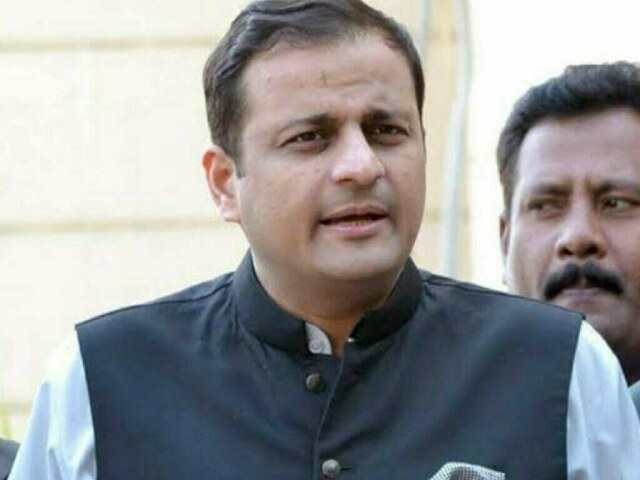
    KARACHI: Karachi Mayor Barrister Murtaza Wahab here on Sunday laid the foundation stone for a Rs60 million project to rehabilitate Adam Road in Clifton, promising to complete the work within three weeks to improve road access and sewerage facilities for residents.

    The project covers the stretch from Chaudhry Khaliq-uz-Zaman Road to McNeil Road and includes construction and rehabilitation of a 2,500-foot single carriageway, a 45-foot-wide road and a 500-foot section of paver-block road with an average width of 24 feet. Sewerage infrastructure will also be upgraded.

    Addressing the ceremony, Murtaza Wahab said the project was part of a broader programme to improve Karachi’s road network and basic municipal infrastructure. He said Rs1.1 billion would be spent on connecting roads in Saddar Town, while work was underway on 165 roads across the city, comprising 139 roads and 26 additional schemes.

    The projects were targeted for completion within 120 days. He said construction on Adam Road had begun a day earlier and the road would be handed over to residents within three weeks.

    Having visited the area for years, he was aware of the difficulties faced by residents and said the project fulfilled a longstanding public demand.

    The mayor said a flyover at Khayaban-e-Shahbaz and an overhead bridge at Khayaban-e-Ittehad were also planned, with work targeted to begin by the end of December and completion expected within four to five months. A proposal for another flyover on Khaliq-uz-Zaman Road was also under consideration, subject to public support.

    He added that construction of a bridge on Nishtar Road had begun to facilitate traffic from the Lyari Expressway, with completion expected within 100 days.

    Wahab said the administration had announced a Rs68 billion programme for Karachi’s road infrastructure at the beginning of the year, with work now underway. He attributed the increase in development activity to improve revenue collection and curbs on corruption and financial leakages in the Karachi Metropolitan Corporation (KMC).

    On water supply, he said projects included a 10-million-gallon-per-day elevated water line for Lyari and a similar initiative for southern areas, both targeted for completion in 2027. A recycled-water scheme was also planned to supply industries and commercial areas, conserving potable water for domestic consumers.

    He said the Pakistan Peoples Party leadership was committed to improving Karachi’s infrastructure and providing essential services, adding that development would continue across the city.

    Special Assistant to the Chief Minister Sindh Najmi Alam, PPP Parliamentary Leader in the City Council Karamullah Waqasi, Deputy Parliamentary Leader Dil Muhammad, Nusrat Niazi, elected representatives and other local leaders attended the ceremony.

    Copyright Business Recorder, 2026

    Source: brecorder

  • FIA books 8 Pakistanis deported from Turkiye for violating immigration laws

    FIA books 8 Pakistanis deported from Turkiye for violating immigration laws

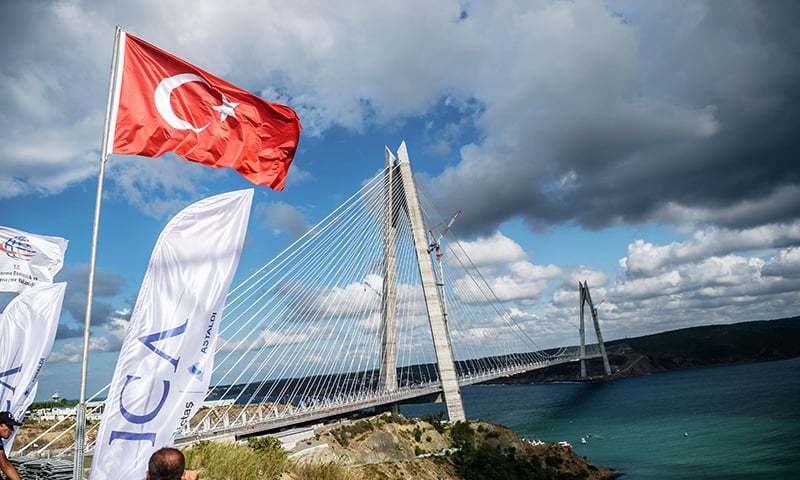
    ISLAMABAD: The Federal Investigation Agency (FIA) said on Sunday it has registered a case against eight Pakistanis deported from Turkiye for allegedly violating immigration laws.

    FIA Islamabad registered the case against the eight deportees, who had travelled to Turkiye on work visas but allegedly started working elsewhere illegally instead of joining the companies concerned. Turkish police arrested them, took them to jail and later deported them to Pakistan.

    The case has been registered under Sections 3 and 4 of the Passport Act, 1974. The involvement of other individuals or agents, if any, will be determined during the investigation.

    The FIA Islamabad Zone reiterated its resolve to continue action against those involved in human smuggling and violations of immigration laws.

    Separately, the FIA Anti-Human Trafficking Circle Rawalpindi recovered Rs3.8 million allegedly defrauded from a citizen on the pretext of providing a work permit in Portugal.

    According to the FIA, the action was taken after complainant Wajid Hussain alleged that the suspect had taken €12,000 (approximately Rs3.8m) from him on the promise of arranging employment and a work permit in Portugal but failed to fulfil the commitment.

    FIA said the full amount was recovered during the inquiry and handed over to the complainant. The inquiry was conducted by Sub-Inspector Ansa Tayyaba, under whose supervision the legal and departmental proceedings were completed.

    The agency added that action against visa agents and those involved in human smuggling was continuing without delay and interruptions on the directions of Islamabad Zone Director Syed Shehzad Nadeem Bokhari.

    Source: dawn

  • Asif hopeful of consensus on new provinces, says it will bring ‘progressive’ change in political landscape

    Asif hopeful of consensus on new provinces, says it will bring ‘progressive’ change in political landscape

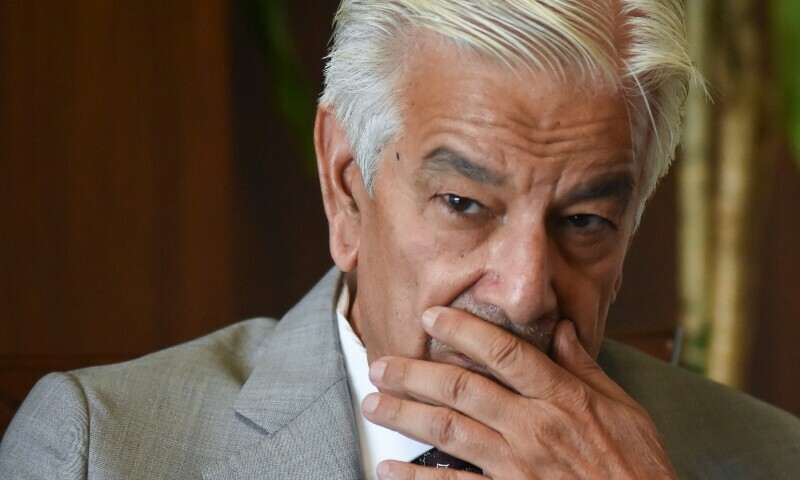
    Defence Minister Khawaja Asif on Sunday said the country’s political landscape would change in a progressive way if a consensus was reached on the matter of creating new provinces.

    The defence minister made the remarks in an interview on Geo News programme ‘Naya Pakistan’ with Shahzad Iqbal. He was asked about reports that discussions were taking place on generating a broader consensus for creating new provinces, referring to two recent high-level meetings involving the president.

    Asif replied that he had no inside information on the matter and “even if there was, obviously I cannot spill it on a show”. However, he said his personal assessment was that all the consultations were heading in the direction suggested by the anchor — consensus on new provinces.

    “Consensus is being developed on the issue,” the minister said, adding that the process had been ongoing for the past several weeks.

    “In my opinion, the political landscape will change very progressively if this consensus is built and these [new] provinces are created,” he added.

    On Thursday night, Interior Minister Mohsin Naqvi had called on President Asif Ali Zardari, who then met Prime Minister Shehbaz Sharif on Saturday. The Presidency had refuted reports that President Zardari and Naqvi spoke about matters related to provinces.

    While an official statement from the meeting between the president and premier said the country’s political situation came under discussion, official sources privy to the development told Dawn that both leaders agreed to “strictly adhere to constitutional provisions” governing the creation of new provinces or administrative units.

    The sources said President Zardari and PM Shehbaz also held a brief one-on-one meeting to discuss a message reportedly conveyed to the president by Naqvi during his Nawabshah visit.

    Speaking on Sunday, Asif said he believed it would not take long to reach a consensus and the process was “moving towards culmination”.

    He added that he did not know the method of this culmination, declining to comment on whether there was likely to be a referendum on the subject in the National Assembly as it could create “complications”.

    According to sources, President Zardari and PM Shehbaz have agreed that the Parliament could not be bypassed in deciding whether a referendum should be held and what questions should be put to the public. Naqvi, who ignited the political storm on new provinces in July, has termed holding a referendum as the solution to the debate.

    Asked about impressions that the push for new provinces was coming from certain quarters, Asif stated that this was not true as far as his advocacy for new provinces was concerned.

    “I have been saying for years that there should be a robust local governance system,” he said. “How long will we avoid this?”

    He added, “I think this will be good for all provinces, for Pakistan […] this is a very healthy thing. In all changes that have come before (in previous governments), there was never so much effort to build consensus on major changes.”

    On the lack of clarity regarding the situation, he added that until a direction on several matters was indicated, he did not want to share the details in the public realm.

    He also expressed his personal opinion that “the new year will see the new system, God-willing”, adding that the process will “take some shape in 2026”.

    When asked, Asif also alluded to the possibility that incarcerated PTI founder Imran Khan, if he were to agree to the new system, could be provided a “window of opportunity” to return to mainstream politics afterwards.

    Consensus with PPP

    Asif further remarked that there was “no need for anyone to feel politically threatened” by the idea of new provinces, as political ethos was not static and continued to change.

    He further regretted that the changes brought by the 18th Amendment regarding local governments had not been implemented.

    The PPP leadership has appeared unwilling to soften its position on new provinces, particularly in Sindh. The party has consistently invoked a unanimous resolution passed by the Sindh Assembly opposing the province’s division, maintaining that it reinforces its position against any such move.

    Commenting on this, Asif gave his opinion that consensus was still being developed on the situation and it should not be cast in a negative light.

    He also said that space would be given in minor matters to political parties in order to create this consensus in a “quid pro quo” sense and no one would have the decision “forced” on them.

    Sindh Chief Minister Murad Ali Shah has voiced opposition to the division of Sindh into smaller provinces — although, he said on Wednesday, the PPP had no objection to the creation of new provinces in other parts of the country if their people so desired.

    He stated that the division of Sindh was “neither legally nor politically acceptable, as the people of the province had repeatedly rejected the idea through their elected representatives”.

    The defence minister recently argued that Pakistan could have as many as 12 provinces if the exercise was guided by administrative requirements rather than linguistic, ethnic or political considerations.

    He maintained that the country’s growing population necessitated smaller administrative units capable of delivering public services more efficiently.

    However, the PML-N has so far refrained from articulating a formal policy, saying it will present its position when the matter comes before Parliament.

    Source: dawn

  • Islamabad business community seeks 1,000 acres for special economic zone

    Islamabad business community seeks 1,000 acres for special economic zone

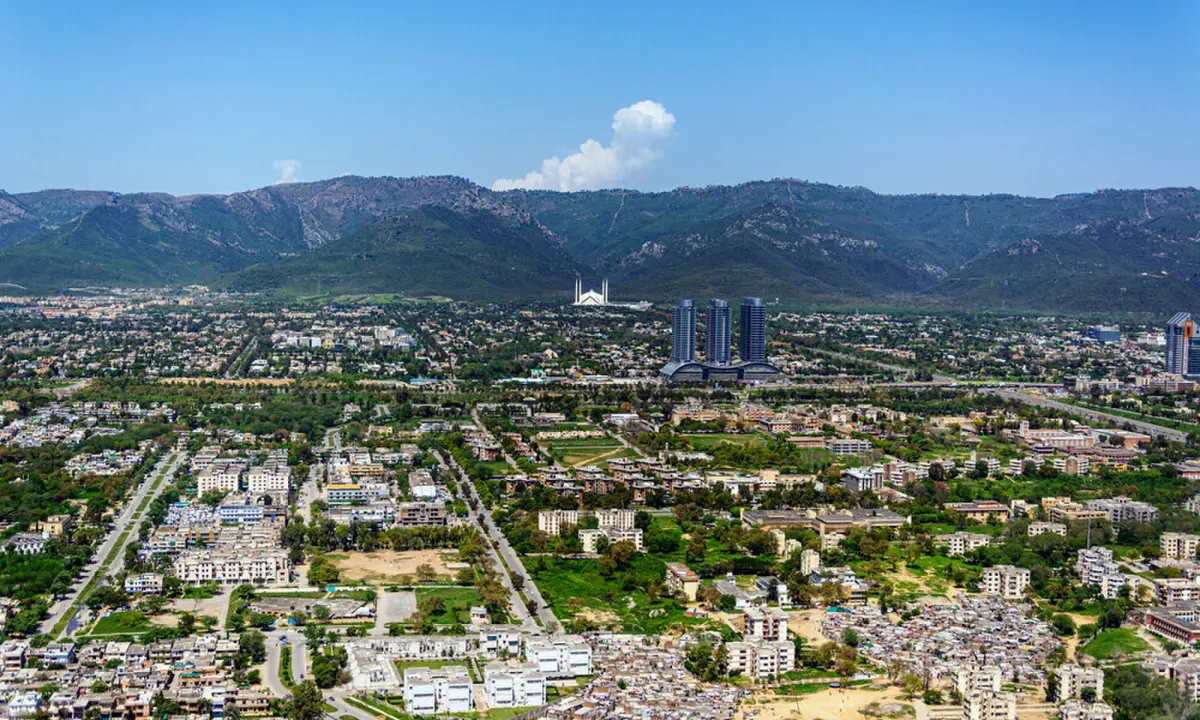
    ISLAMABAD: The business community of Islamabad has approached the federal government and the Punjab government for the allocation of 800-1,000 acres land for the establishment of Islamabad Model Special Economic Zone (IMSEZ).

    Talking to Business Recorder, President Islamabad Chamber of Commerce and Industry (ICCI), Muhammad Zikria Akbar Zia here on Sunday also called for a 10-year economic policy framework.

    He said that establishment of Special Economic Zone was his top agenda as the project is aimed at replacing the outdated Islamabad’s industrial sector which was established some 50 years ago and now the federal capital’s population has increased manifold and at present there was no land in Islamabad to expand and establish new industries.

    The business leader said that in this connection he along with senior members of the ICCI has approached the National Coordinator of Special Investment Facilitation Council (SIFC) Lt General Asad ur Rehman Afzal Cheema as well as Punjab’s Provincial Minister for Industries, Commerce, and Investment Chaudhry Shafay Hussain. The establishment of SEZ in Islamabad where people from across the country and reaching for better opportunities will bring multibillion investment, create thousands of jobs, play vital part in country’s economic growth and protect migration of local industry which over the period of time due to shortage of industrial plots have located to other areas.

    He said that Chinese and Turkish companies are keen to invest in Pakistan especially in Islamabad which is the safest area in the country. The creation of SEZ in federal capital will help grow Small and Medium Enterprises (SMEs) which are more critical than of large industrial units and SMEs are the backbone of economy.

    He said that at present Islamabad was facing serious water supply shortage related issues and the chamber along with local leadership is trying to resolve the core problem. He also said that recently Chamber in collaboration with local business leaders has brought initial relief for the traders in connection with polyethene bags.

    He further said that the ICCI leadership was making all efforts to bring relief for the business community in connection with State Bank’s debt-recovery rules, port charges and administrative issues involving the Capital Development Authority (CDA) and the Federal Board of Revenue (FBR) and Islamabad Electric Supply Company (IESCO).

    The ICCI president said that CDA must accommodate a non-voting member of the ICCI, so that business community has a direct say in the policy related matters, adding that the Islamabad region is deprived of local government since long and the government should hold local elections in the federal capital so that people of Islamabad can elect their own representatives.

    Zia also welcomed Pakistan’s hosting of the 30th Meeting of the Economic Cooperation Organization (ECO) Council of Ministers, describing it as a landmark opportunity to strengthen regional economic integration, expand trade and attract investment. He said Pakistan’s assumption of the ECO Chair for 2026-27 should be utilised to translate regional commitments into tangible economic gains through enhanced private-sector engagement, stronger trade linkages and removal of barriers to cross-border commerce.

    He said the expected adoption of the Islamabad Declaration and approval of ECO Vision 2035 could provide a strategic roadmap for regional connectivity, economic cooperation and sustainable development. He emphasized that meaningful progress on the ECO Trade Agreement (ECOTA) and Transit Transport Framework Agreement (TTFA) was essential to simplifying trade procedures, reducing transportation costs and facilitating the movement of goods across member countries.

    Highlighting Pakistan’s strategic geographical position, the ICCI president said the proposed Uzbekistan-Afghanistan-Pakistan (UAP) railway project could be a game-changer for regional connectivity by linking Central Asian markets with Pakistani seaports. He observed that improved transport infrastructure and efficient transit arrangements would enhance Pakistan’s role as a regional trade and logistics hub while providing landlocked Central Asian economies with greater access to international markets.

    Muhammad Zikria Akbar Zia noted that Pakistan’s growing economic engagement with Uzbekistan, Tajikistan, Kyrgyzstan, Azerbaijan and Kazakhstan had created promising opportunities for expanding exports, investment and industrial cooperation. He stressed that bilateral agreements and diplomatic engagements must translate into practical business partnerships, joint ventures and increased trade volumes. He proposed regular ECO business forums, trade exhibitions, B2B meetings and exchange of business delegations to connect entrepreneurs and promote commercial opportunities across the region.

    The ICCI president emphasized that the private sector and chambers of commerce must be active partners in advancing ECO’s economic agenda, as sustainable regional integration was impossible without meaningful business-to-business collaboration. He expressed confidence that Pakistan’s ECO chairmanship would strengthen the country’s economic and diplomatic standing, adding that the real success of regional cooperation would be measured through increased intra-regional trade, investment flows, employment generation and shared prosperity.

    Zia stressed that improved connectivity, infrastructure development and industrial collaboration were essential to unlocking the full potential of ECO’s economic relations. He highlighted the importance of rail link between all the member countries, saying that it could significantly facilitate regional and bilateral trade and provide businesses with an efficient corridor for onward transportation of goods to other regional and international markets.

    Source: brecorder

  • Bilawal condemns ‘political victimisation’ of JUI-F, urges govt to tolerate criticism

    Bilawal condemns ‘political victimisation’ of JUI-F, urges govt to tolerate criticism

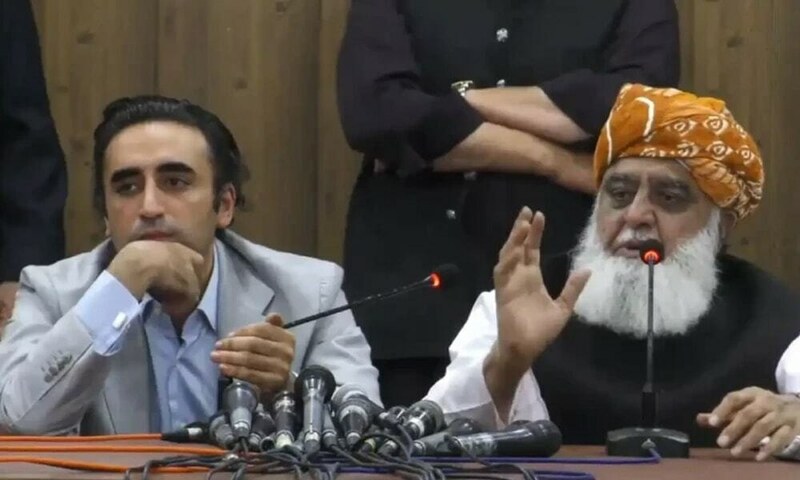
    Pakistan Peoples Party (PPP) Chairman Bilawal Bhutto-Zardari on Sunday condemned what he described as government actions targeting Jamiat Ulema-e-Islam-Fazl (JUI-F), saying the government should tolerate criticism from the opposition.

    In a telephone conversation with JUI-F chief Maulana Fazlur Rehman, the two leaders discussed the country’s political situation, according to a PPP press release.

    Bilawal denounced “political victimization” and measures taken against the JUI-F, saying a responsible opposition played an important role in a democracy and parliamentary system.

    “The government should avoid steps that could weaken democracy and parliament,” he said.

    Source: brecorder

  • Tenerife return to action with emotional De Miguel tribute after striker’s death

    Tenerife return to action with emotional De Miguel tribute after striker’s death

    BARCELONA: Spanish second division team Tenerife returned to action on Sunday for the first time since the death of striker Jesus De Miguel, with emotional tributes before and during their game against Ceuta.

    De Miguel died on November 3, a day after colliding with Andorra goalkeeper Jesus Owono during a league match at home.

    Tributes took place around the country and on Sunday at the Heliodoro Rodriguez Lopez stadium, Tenerife paid their own respects.

    A lengthy standing ovation bookended a minute of silence before the match. In the ninth minute play was stopped and a further round of applause followed, while a video of De Miguel was shown around the stadium, as occurred in all first and second tier games in Spain last weekend.

    Tenerife fans also unfurled a banner reading “Jesus De Miguel, 9, eternally blue and white.”

    Tenerife striker De Miguel dies after collision in match

    Tenerife forward Nacho Gil opened the scoring in the 40th minute and he celebrated by holding up De Miguel’s shirt to the crowd. Gil then revealed a message written under his shirt saying “Demi (De Miguel’s nickname), always in our hearts.”

    Last Saturday Tenerife’s game with Granada was postponed and the club invited fans to the stadium to pay their respects to De Miguel. The squad and staff were present at the Heliodoro and in Navahermosa three days earlier, where De Miguel was laid to rest.

    Source: brecorder

  • Wasim Akram ‘politely’ suggests Australian bowlers knew about sandpaper tampering

    Wasim Akram ‘politely’ suggests Australian bowlers knew about sandpaper tampering

    Legendary Pakistan fast bowler Wasim Akram has weighed in on the renewed controversy surrounding Australia’s 2018 ball-tampering scandal, saying an experienced bowler would immediately notice if a cricket ball had been altered using sandpaper.

    In a video posted on his social media account, Akram said he believed the Australian bowlers could have noticed the difference between normal ball wear and scratches caused by sandpaper.

    “As a bowler, when the cricket ball comes into my hand, whether it’s the fifth over, the 10th over or the 50th over, I look after the ball and shine one side,” he said.

    He explained that bowlers sometimes use the pitch to create minor scratches on the ball, particularly in dry conditions, but said the marks left by sandpaper were different.

    “The sandpaper scratch is totally different from the one-bounce scratch,” he said, suggesting that anyone familiar with cricket could distinguish between the two.

    Akram clarified that he was not taking sides in the dispute and that his comments reflected his personal opinion. He also praised Australians for their reputation for honesty and said he hoped the controversy would be resolved.

    “I’ll have a look at the ball and I’ll know straight away something is not right,” he said, referring to the perspective of an experienced bowler.

    Reacting to Akram’s remarks, English broadcaster and journalist Piers Morgan said in a post on X that the former Pakistan captain was effectively suggesting Australian bowlers knew the ball had been tampered with.

    “This is Wasim’s very polite way of saying the Aussie bowlers all knew the ball had been sandpapered. They should stop lying and tell the truth,” Morgan wrote.

    Read More: Warner accuses Cricket Australia of ‘cover-up’ over ‘Sandpapergate’

    Sandpapergate controversy resurfaces

    The controversy dates back to Australia’s Test against South Africa in Cape Town in March 2018, when television cameras caught Australian batter Cameron Bancroft using sandpaper to alter the condition of the ball.

    Following an investigation, Cricket Australia (CA) banned then-captain Steve Smith and vice-captain David Warner for one year, while Bancroft received a nine-month suspension.

    The scandal has resurfaced following claims in former Australian opener Usman Khawaja’s 2026 autobiography, in which he disputed the finding that only three players had prior knowledge of the ball-tampering plan.

    Khawaja said discussions about ball-tampering, including the use of sandpaper, were widespread within the team, adding: “It was all of us.” He also expressed regret that Smith, Warner and Bancroft had taken responsibility for the entire team.

    Warner backed Khawaja’s account, describing his comments as “100 percent accurate” and criticising Cricket Australia’s 2018 investigation as rushed and flawed.

    However, Australia captain Pat Cummins rejected the allegations, describing claims that he and other players were involved in a planned ball-tampering scheme as “complete and utter nonsense”. He also denied that there had been a team meeting or a broader plan.

    Former Australian fast bowler Chadd Sayers, meanwhile, supported Khawaja’s account, saying he believed the entire team, including the bowlers, knew what was happening.

    Sayers also alleged that sandpaper had been used during the second Test at Port Elizabeth and claimed he was the player who removed it from the field.

    Cricket Australia has ruled out reopening its 2018 investigation, saying it remains satisfied with its findings and sees no compelling reason to revisit the case.

    Source: brecorder

  • Gulf bourses slide as Hormuz tensions and houthi strikes rattle traders

    Gulf bourses slide as Hormuz tensions and houthi strikes rattle traders

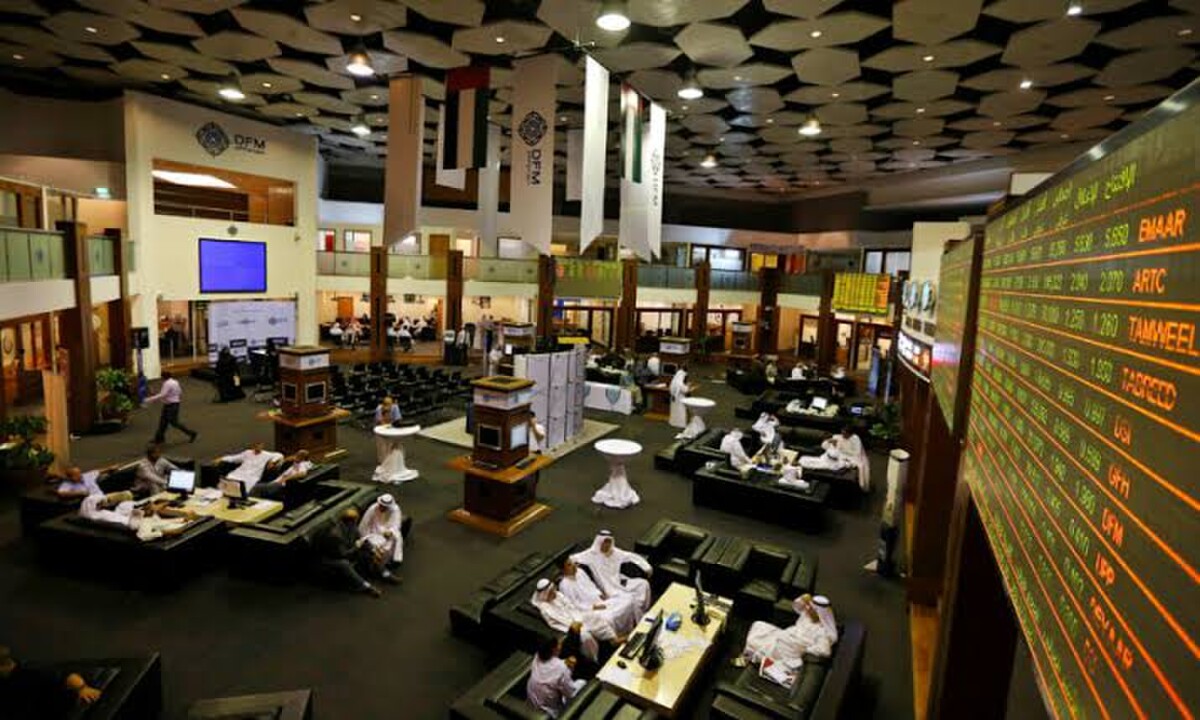
    Most Gulf bourses closed lower on Sunday, with traders weighing the disruption in the Strait of Hormuz alongside Houthi attacks on Saudi Arabia.

    The Iranian navy has confirmed that a Saturday mine strike in the Strait of Hormuz set three oil tankers ablaze, state media reported.

    Saudi Arabia’s benchmark index dropped 0.7%, with the country’s biggest lender by assets Saudi National Bank losing 2.3%.

    On Sunday, the Saudi-led coalition confronting the Houthis announced that it had downed two ballistic missiles fired at the capital, Riyadh, along with three drones over the kingdom’s oil-rich Eastern Province.

    Houthi strikes on Saudi airports, seaports, and energy installations have intensified, and Riyadh has responded by expanding its air campaign against Houthi targets in Yemen.

    In Qatar, the index retreated 1.8%, as all its constituents were in negative territory including the Gulf’s biggest lender Qatar National Bank , which was down 2.3%.

    Amid the fallout from the Iran war, Qatar’s LNG exports took a heavy hit when an Iranian attack in March forced Qatar to declare force majeure on deliveries.

    Now a long-standing Gulf LNG contract has been cancelled on that basis, a first since the conflict began, and analysts say Poland’s Orlen could save up to $2 billion.

    Meanwhile, Turkey and Qatar sealed a mutual defence pact on Friday to bolster joint security across the region. In a joint statement following their leaders’ talks, they pledged a united front against any foreign armed attack on either country.

    Outside the Gulf, Egypt’s blue-chip index inched 0.3% higher.

    Saudi Arabia dropped 0.7% to 10,258
    Qatar retreated 1.8% to 9,848
    Egypt added 0.3% to 52,187
    Bahrain fell 0.4% to 1,821
    Oman eased 0.1% to 7,347
    Kuwait was down 0.3% to 8,991

    Source: brecorder