Category: Brecorder

  • Sindh highlights climate initiatives at COP31

    Sindh highlights climate initiatives at COP31

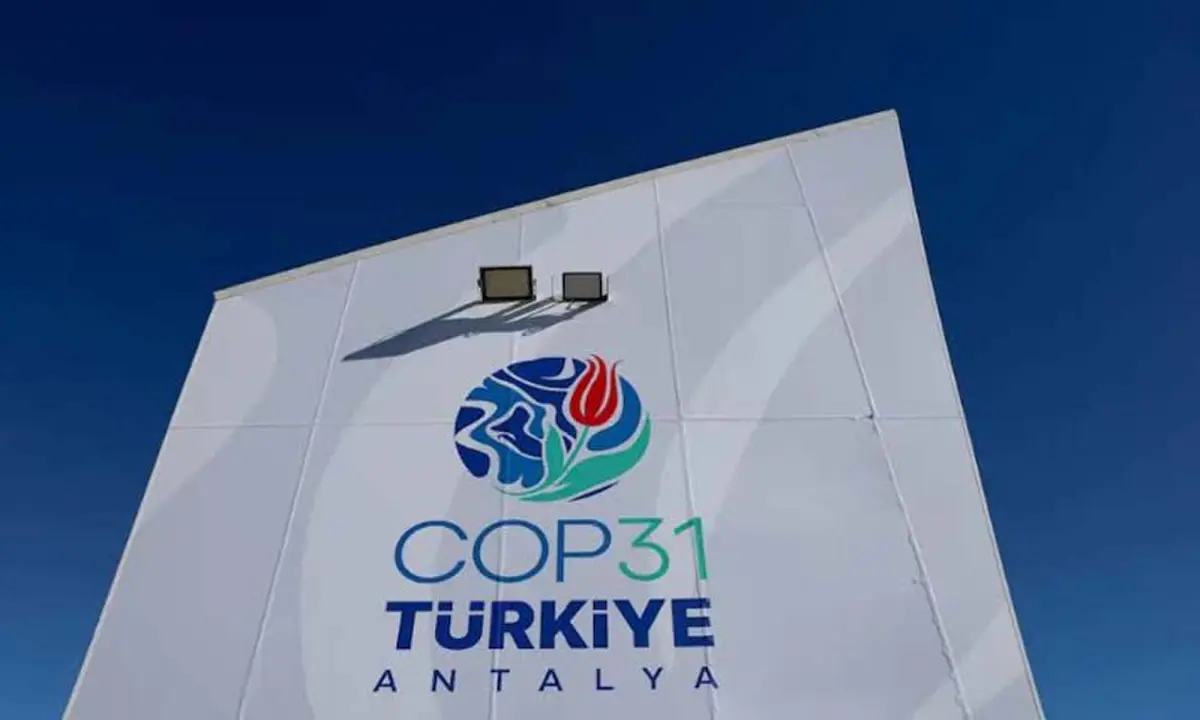
    KARACHI: Sindh Environment and Climate Change Secretary Faisal Ahmed Uqaili has highlighted the provincial government’s climate initiatives at the ongoing COP31 climate conference in Turkiye. He drew attention to the efforts to reduce air pollution, promote carbon markets and attract international investment in climate-friendly projects, says an official statement here on Tuesday.

    Faisal Uqaili represented Sindh at various sessions on Delta Blue Carbon, environment friendly brick kilns and the future of energy, where he also chaired discussions on these subjects.

    Highlighting the impact of traditional brick kilns, he said Sindh had around 600 conventional kilns, affecting nearly 160,000 people in surrounding areas. He said the provincial government had made the adoption of zigzag technology mandatory to reduce emissions.

    Four brick kilns in Sindh had already been converted to modern technology, resulting in a 53 percent reduction in air pollution, he said.

    The technology had also reduced fuel consumption by 24 percent and improved brick strength by 87 percent.

    The environment secretary said a dedicated unit had been established in the Environment department to promote carbon markets and facilitate international investment, while work was underway on new climate-related projects.

    He identified 13 carbon market initiatives and six priority climate projects in Sindh, including projects involving riverine forests, biogas production and methane recovery.

    He said the Sindh Environmental Protection Agency (SEPA) had also introduced a digital monitoring system to strengthen environmental surveillance.

    He said the provincial government was pursuing measures to protect the environment, reduce carbon emissions and address climate risks. He invited international investors to explore investment opportunities in Sindh’s climate initiatives. Participants at the conference appreciated the provincial government’s initiatives.

    Copyright Business Recorder, 2026

    Source: brecorder

  • PTI accuses PPP of compromising judicial independence through controversial amendment

    PTI accuses PPP of compromising judicial independence through controversial amendment

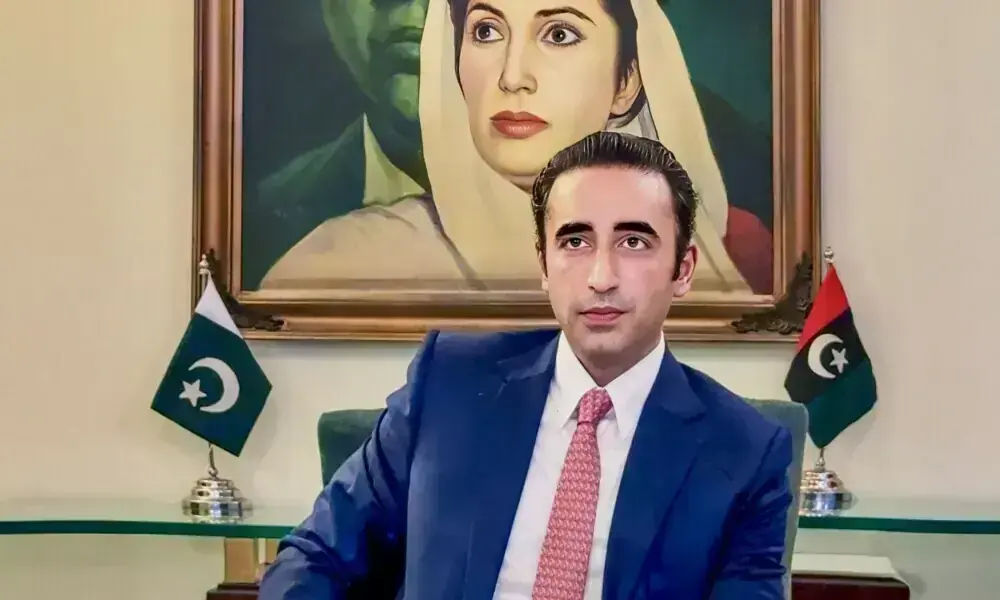
    ISLAMABAD: Pakistan Tehreek-e-Insaf (PTI) on Tuesday questioned Pakistan People’s Party (PPP) Chairman Bilawal Bhutto-Zardari’s criticism of the country’s political and economic situation, asking him to explain his party’s role in the passage of the 26th Constitutional Amendment and its continued support for the ruling coalition.

    In a statement issued in response to Bilawal’s press conference, the PTI accused the PPP of compromising judicial independence through the controversial amendment while claiming to uphold democratic principles.

    The party said the PPP could not distance itself from the country’s worsening political and economic situation while remaining part of the governing coalition responsible for sustaining the existing arrangement.

    Describing the PPP’s belated concern over public hardships as self-serving, the PTI questioned why it had taken the party so long to acknowledge the consequences of policies it had helped shape.

    It accused the PPP of enjoying the privileges of power while distancing itself from the government’s failures.

    The PTI held both the PPP and the Pakistan Muslim League-Nawaz (PML-N) responsible for the country’s economic deterioration, saying the two parties could not evade accountability by criticising a system they had jointly sustained.

    On the issue of reserved parliamentary seats, the PTI challenged Bilawal to support the restoration of the seats claimed by the opposition party.

    It said the PPP’s democratic credentials rang hollow as long as it backed an arrangement that had deprived the PTI of its claimed parliamentary representation.

    Reiterating that it remained the country’s largest political party, the PTI said attempts to exclude it from the political process would fail.

    It described its founder, Imran Khan, as the genuine representative of millions of Pakistanis, saying meaningful negotiations were not possible without addressing the party’s political demands.

    The PTI also accused the authorities of resorting to political victimisation, intimidation and coercion instead of addressing the country’s deepening crises.

    It said the way forward lay in restoring the public mandate, upholding constitutional supremacy and ensuring the rule of law.

    The party urged Bilawal to move beyond criticism and explain the PPP’s role in sustaining the political arrangement he now appeared to question.

    Copyright Business Recorder, 2026

    Source: brecorder

  • JI chief to address public meeting in Peshawar on Dec 12

    JI chief to address public meeting in Peshawar on Dec 12

    PESHAWAR: An important meeting of provincial office-bearers, district Amirs and general secretaries of Khyber Pakhtunkhwa Jamaat-e-Islami was held at the party’s provincial headquarters here in Markaz-e-Islami under the chairmanship of the provincial Amir, Abdul Wasi.

    The meeting was attended by Provincial General Secretary Sabir Hussain Awan, Naib Amirs Mian Sohaibuddin Kakakhel, Maulana Dr Muhammad Ismail, Haji Muhammad Aslam, besides other provincial leaders, district Amirs and general secretaries.

    The meeting reviewed in detail the current political, constitutional, administrative and law and order situation in Khyber Pakhtunkhwa.

    It was decided in the meeting that a “historic” public gathering would be held in Peshawar on December 12, in which people from across the province would participate.

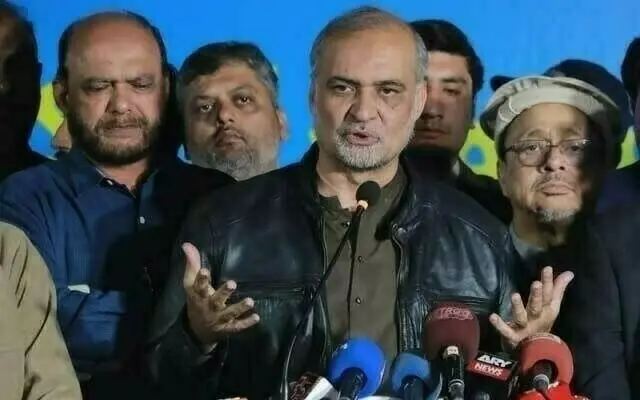
    Jamaat-e-Islami Pakistan Amir Hafiz Naeem-ur-Rehman would deliver a special address at the gathering.

    Addressing the meeting, Provincial Amir Abdul Wasi said that restoration of law and order, elimination of terrorism and protection of life and property of people in Khyber Pakhtunkhwa were indispensable.

    However,Jamaat-e-Islami“rejected the steps to suspend the elected provincial government and impose emergency and Governor’s Rule” under Articles 232 and 234 of the Constitution of Pakistan on the basis of these issues.

    Serious questions existed regarding the justification, necessity, scope and duration of these measures, he said.

    He said the people of the province were currently trapped in two systems consisting of Governor’s Rule and imposition of emergency in 12 districts. Khyber Pakhtunkhwa has practically been divided into two administrative units.

    A separate administrative system is running in 12 districts under administrators appointed by the federation, while in the rest of the province administrative powers have been delegated to the governor, which has affected the administrative unity of the province.

    In these circumstances, Jamaat-e-Islami demands that the federal government review its decision to impose Governor’s Rule and emergency in Khyber Pakhtunkhwa and present a clear and workable roadmap for ending these extraordinary measures, he said.

    In a unanimous resolution passed during the meeting, it was stated that countering terrorism and unrest was the basic responsibility of the state.“However, establishment of law and order should not be made a justification for suspension of political and democratic institutions, unnecessary interference in provincial autonomy and limiting constitutional rights of the people,” said the resolution.

    The resolution termed protection of provincial autonomy and constitutional powers of federal units under the Constitution of Pakistan as indispensable.

    The meeting also expressed concern over continuous postponement of local body elections in the province and the decision of the Election Commission on November 5, 2026 to stop preparations for local body elections until further orders.

    The resolution said local body elections were not merely an administrative activity but a basic democratic right of the people and constitutional responsibility of the government under Article 140-A of the Constitution.

    Absence of local body institutions was affecting resolution of local problems of people, development projects, transfer of powers at the grassroots level and the system of public accountability.

    The meeting also expressed its deep concern over what it said“the government dropping inflation bombs on the people through frequent increase in petroleum product prices”.

    It said thatdespite a reduction of up to Rs52 per litre in petrol price as a result of decline in prices in international market during the last two weeks, transport fares have not been reduced. This situation was a clear proof of failure of the government and its lack of interest in providing relief to the people.

    Copyright Business Recorder, 2026

    Source: brecorder

  • Military aircraft crashes in Siberia, killing all 19 onboard: Russian state media

    Military aircraft crashes in Siberia, killing all 19 onboard: Russian state media

    MOSCOW: A military transport plane crashed on Tuesday in the Siberian region of Kemerovo, killing all 19 onboard, Russian media reported, citing a statement from Moscow’s defence ministry.

    “An An-12 military transport aircraft crashed in the Kemerovo Region while on a scheduled flight. The plane went down in an uninhabited area. There were 19 people on board, including the crew, they all perished,” the Russian defence ministry was quoted as saying by state news agency TASS.

    The preliminary cause of the crash is a technical malfunction, TASS added.

    “A commission from the Russian Aerospace Forces is working at the site to establish all the circumstances of the incident,” the ministry’s statement was quoted as saying by RIA Novosti.

    Kemerovo region’s governor, Ilya Seredyuk, said earlier on Telegram that there had been an “aviation incident” near the village of Yagunovo.

    He added that “an aircraft, which was in transit through our region, has presumably crashed”.

    Seredyuk posted a video from the site in which multiple fire engines and ambulances could be seen, their lights blaring in the dark.

    Source: brecorder

  • US warplanes struck Iran missile site on Qeshm Island: US official

    US warplanes struck Iran missile site on Qeshm Island: US official

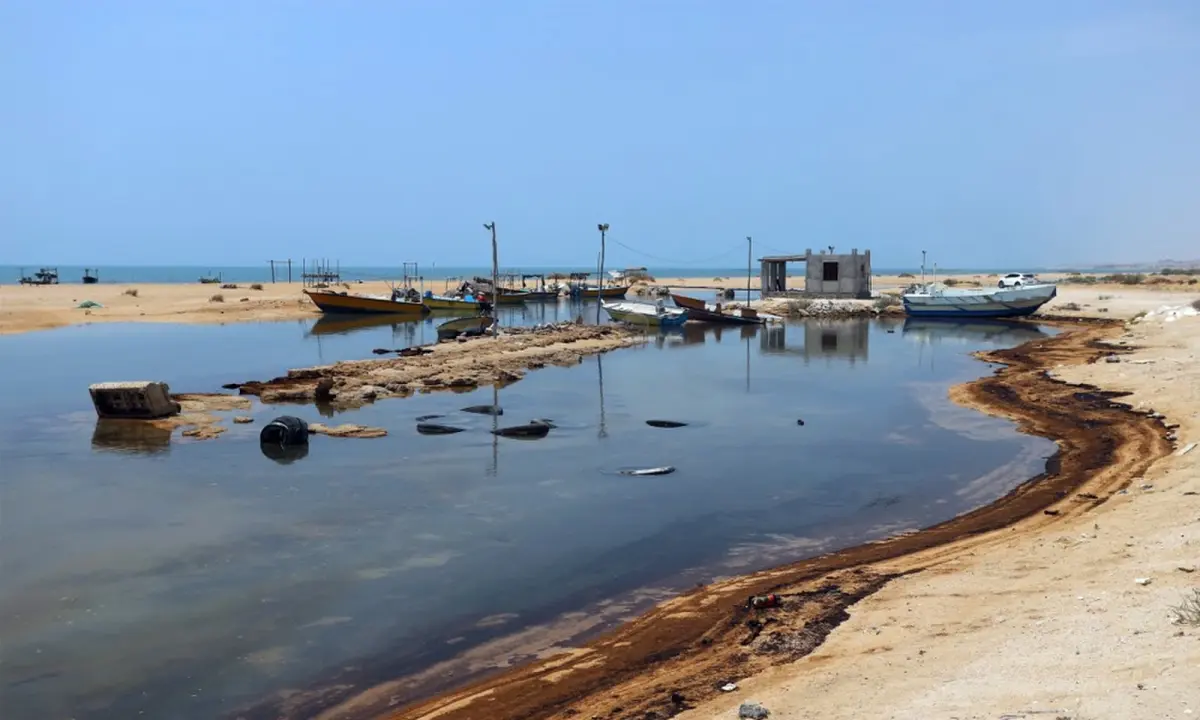
    WASHINGTON: American fighter jets struck an Iranian missile site on Qeshm Island in the Strait of Hormuz on Tuesday in response to “aggression” by Tehran’s forces, a US military official said.

    Also read: US military says it completed latest strikes on Iran, marking 6th consecutive night of attacks

    The warplanes “used precision munitions to strike an Islamic Revolutionary Guard Corps (IRGC) missile launch site on Qeshm Island in self-defense,” the US official told AFP on condition of anonymity, adding that the strike was in response to Iranian “aggression targeting US personnel and assets.”

    Source: brecorder

  • Turkish Air Force chief meets PAF chief to discuss defence cooperation

    Turkish Air Force chief meets PAF chief to discuss defence cooperation

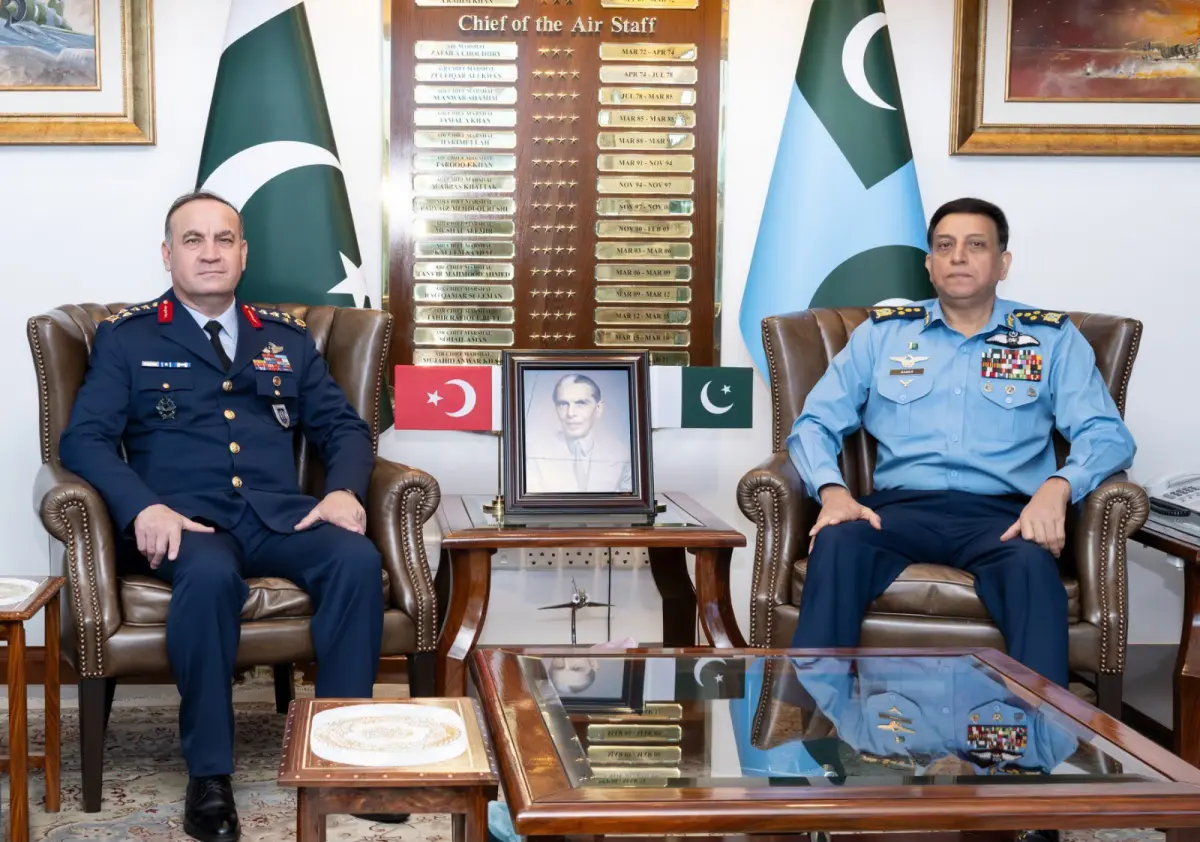
    Commander of the Turkish Air Force General Rafet Dalkıran called on Chief of the Air Staff of the Pakistan Air Force (PAF) Air Chief Marshal Zaheer Ahmed Baber Sidhu at Air Headquarters in Islamabad on Tuesday, with both sides discussing ways to strengthen bilateral defence and aerospace cooperation.

    According to a statement issued by the Inter-Services Public Relations (ISPR), General Dalkıran arrived at Air Headquarters, where he was presented with a Guard of Honour by a contingent of the Pakistan Air Force.

    During the meeting, Air Chief Marshal Sidhu said the Pakistan-Turkiye partnership had evolved into a robust strategic relationship, with considerable potential for further expansion in defence and aerospace.

    He assured the Turkish Air Force of Pakistan’s full support in pilot training, professional development and capacity-building initiatives.

    The Turkish Air Force chief praised the PAF’s professional excellence, operational expertise and combat experience. He also appreciated its modernisation efforts and growing indigenous aerospace capabilities.

    General Dalkıran expressed keen interest in drawing on the PAF’s operational experience to further strengthen defence cooperation between the two countries, the ISPR added.

    Source: brecorder

  • Tarar says referendum constitutional way to ascertain public opinion on new provinces

    Tarar says referendum constitutional way to ascertain public opinion on new provinces

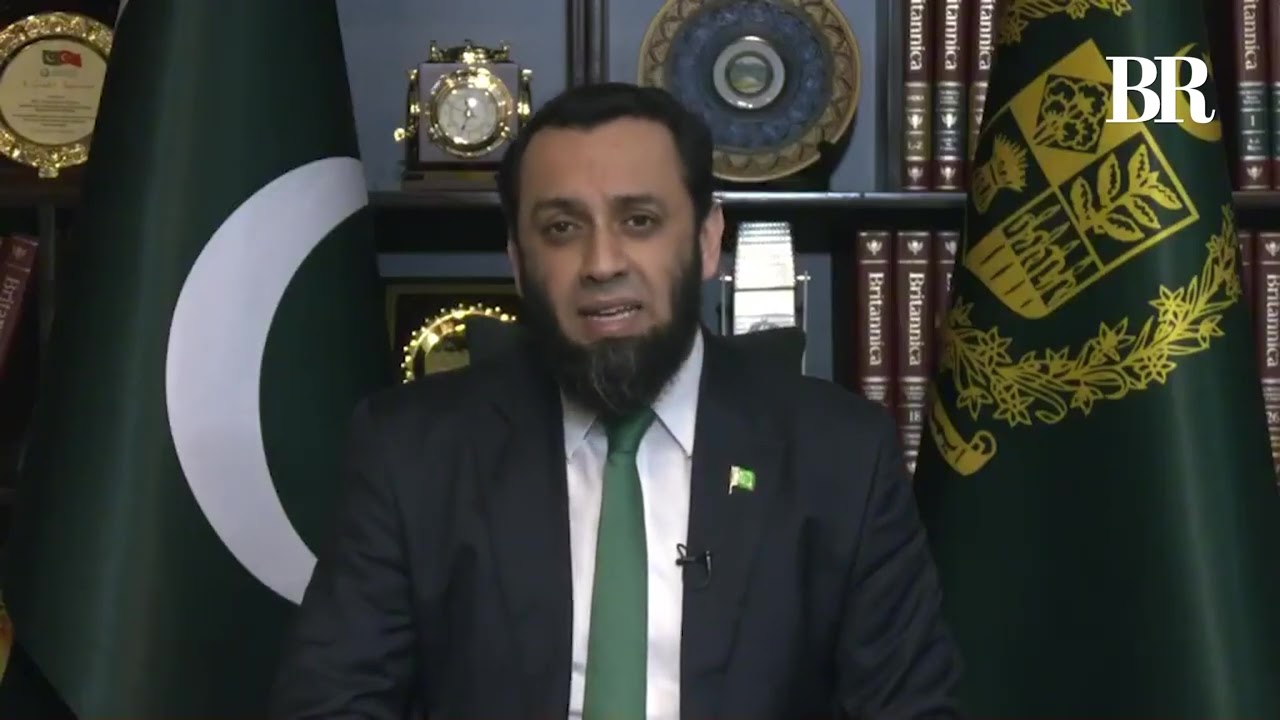
    Federal Minister for Information and Broadcasting Attaullah Tarar on Tuesday said a referendum was a constitutional and legal mechanism to ascertain public opinion, stressing that no political party should have reservations about seeking the people’s views on administrative reforms and the creation of new provinces.

    Responding to a statement by Pakistan Peoples Party (PPP) Chairman Bilawal Bhutto Zardari, the minister said good governance, institutional reforms and public welfare were shared objectives of all political parties, adding that people wanted effective and accountable governance.

    He said the ongoing debate on governance and provincial arrangements should not be suppressed, as citizens had the right to express their views on matters concerning their welfare and the country’s administrative structure.

    “The real question is what problem there is in approaching the people on this matter,” he said, adding that the decision about what people wanted should rest with them rather than political leaders.

    Tarar said the country had remained under successive governments for decades, making it difficult for political stakeholders to dissociate themselves from the weaknesses of the existing system. He added that using politics as a shield against accountability was unacceptable to both the law and the public.

    Questioning criticism of the National Accountability Bureau (NAB), he said reforms in the institution had also been introduced by those now holding it responsible for its shortcomings.

    The minister also termed it contradictory for political parties to enjoy government positions and privileges while simultaneously projecting themselves as opposition.
    Referring to the debate on the creation of new provinces, he said the issue should be considered constructively rather than turned into a political controversy.

    “If the people of Pakistan and Sindh want more provinces, they should be created; otherwise, they should not,” he said, maintaining that public representatives derived their authority from the people and must respect their aspirations.

    He said the past misuse of referendums could not justify depriving citizens of their constitutional right to express their opinion. No individual, he added, could impose a personal agenda on the people of Sindh, Punjab, Khyber Pakhtunkhwa and Balochistan without first ascertaining their views.

    Tarar urged coalition partners to sit together and reach a decision in the national interest, based on public opinion.

    He said the debate should continue both inside and outside parliament, with all stakeholders given an opportunity to participate.

    The minister also called for stronger protection of journalists’ rights, saying the federal government was working in this regard and would continue its efforts.

    He urged the Sindh government to take notice of reported incidents of journalists’ exploitation and fulfil its responsibility towards their protection.

    He stressed that the ongoing discussion should not create an impression of restricting public opinion, adding that the people’s interests and aspirations must remain central to the debate.

    Source: brecorder

  • PM Shehbaz calls for stronger support to Pakistani startups, global market access

    PM Shehbaz calls for stronger support to Pakistani startups, global market access

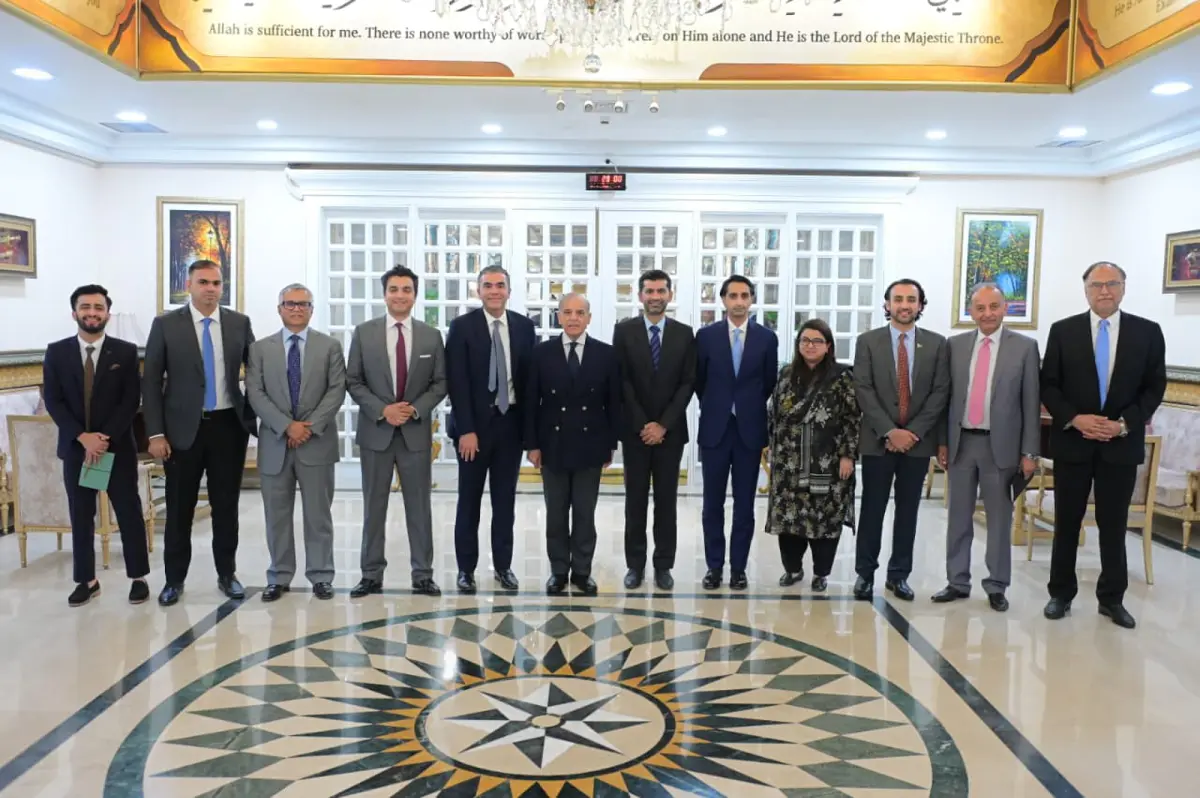
    Prime Minister Muhammad Shehbaz Sharif on Tuesday called on the Endeavor Group to enhance its support for Pakistani entrepreneurs by strengthening their capacity, providing international mentorship and facilitating links with global investors.

    During a meeting with a delegation of the Endeavor Group, the prime minister said Pakistan’s youth possessed immense entrepreneurial potential, adding that the government was committed to providing them with a conducive environment to establish and expand their businesses, a Prime Minister’s Office news release said.

    He said modern technology, innovation and an entrepreneurial mindset were key drivers of Pakistan’s economic growth, and the government was promoting investment and public-private sector collaboration in these areas.

    The prime minister informed the delegation that an Information Technology (IT) Park had recently been inaugurated in Islamabad, where all possible facilities had been made available to startups.

    He said the IT Park would be developed into a modern technology ecosystem through effective collaboration between academia and industry.

    Appreciating Endeavor Group’s global experience and its contribution towards promoting entrepreneurship in Pakistan, the prime minister said international best practices and the experience of successful businesses could help Pakistani startups and enterprises gain greater access to international markets.

    He urged the organisation to play a more effective role in building the capacity of Pakistani entrepreneurs, providing them with global mentorship and facilitating their engagement with international investors.

    The delegation briefed the prime minister on Endeavor Group and its operations in Pakistan, describing it as a non-profit organisation that provides policy guidance and consultancy to high-impact entrepreneurs across the world.

    The delegation informed him that Endeavor had been operating in Pakistan since 2022 and had selected eight Pakistani startups over the past four years through a comprehensive process, providing them with mentorship and support.

    The meeting was also attended by Minister for Planning Ahsan Iqbal, Minister for Economic Affairs Ahad Khan Cheema, Minister for Information and Broadcasting Attaullah Tarar, Minister for Information Technology and Telecommunication Shaza Fatima Khawaja, and senior relevant government officials.

    Source: brecorder

  • Govt decreases petrol price Rs3 per litre, keeps diesel rate unchanged

    Govt decreases petrol price Rs3 per litre, keeps diesel rate unchanged

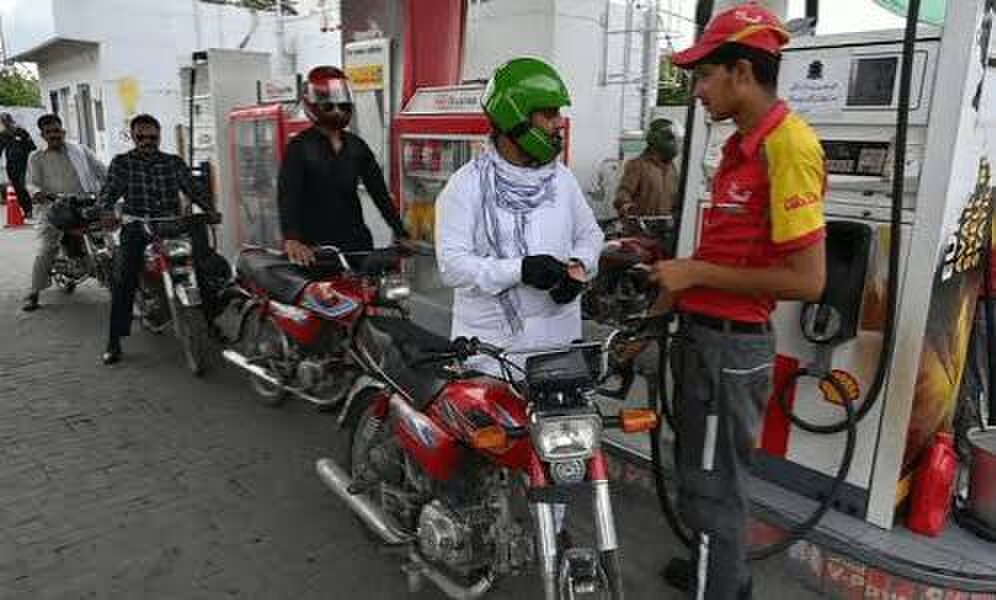
    Pakistan government reduced the price of petrol by Rs3 to Rs325 per litre and kept the diesel rate unchanged at Rs358 per litre.

    The Oil and Gas Regulatory Authority (OGRA) announced the revised ex-depot prices in a notification issued on Tuesday, saying they were worked out under the petroleum products pricing mechanism approved by the federal government.

    Govt decreases petrol price Rs3 per litre, keeps diesel rate unchanged

    The new prices are effective for Wednesday, November 18.

    On Monday, the government reduced the prices of petrol and high-speed diesel (HSD) by Rs2 per litre each, bringing petrol down to Rs328 per litre and HSD to Rs358 per litre.

    Oil prices edged higher on Tuesday as a projected supply surplus driven by recovering Middle East exports countered concerns about continued tanker attacks and expectations of falling US crude stockpiles.

    Brent crude futures were up 32 cents, or 0.4%, at $92.76 a barrel by 1204 GMT. US West Texas Intermediate (WTI) futures rose 39 cents, or 0.5%, to $86.11.

    The Brent benchmark has fallen 21% this month while WTI has declined by 18%.

    Source: brecorder

  • Every creative mind deserves a chance to shine

    Every creative mind deserves a chance to shine

    Every generation has ideas, dreams, and abilities that deserve recognition. Some young people have a natural talent for writing and poetry, others are interested in art, communication, technology, research and innovation, while many have fresh perspectives on how society can become better.

    Pakistan is blessed with an energetic and talented young population, full of creative minds and individuals who have the potential to make meaningful contributions to society. Yet, despite their abilities and ambitions, countless young people struggle to find the right direction, guidance, and encouragement to turn their potential into reality.

    One of the biggest challenges facing Pakistan’s youth is not a lack of talent but the difficulty of getting that talent recognised. Every year, thousands of students graduate from colleges and universities with dreams of building successful careers, but many find themselves facing unemployment, intense competition, and uncertainty about their future.

    For those interested in creative fields, the challenges can be even greater. Writers, poets, artists, researchers, and aspiring media professionals often struggle to gain recognition in an environment where conventional career choices are generally given greater importance.

    The situation is particularly difficult for talented young people who belong to middle- and lower-income families. Many have creative ideas and ambitions but cannot afford professional training, specialised courses or the resources required to develop their skills. Some have the ability to write, communicate, create or innovate but lack access to experienced individuals who could guide them. Others live in smaller towns and less developed areas, where exposure to professional communities and creative activities remains limited. As a result, considerable talent goes unnoticed, while many promising individuals eventually abandon their ambitions because of financial and social pressures.

    Pakistan’s education system also faces the challenge of adequately recognising creativity and independent thinking. Academic qualifications and examination results remain important, but they do not always reflect an individual’s imagination, communication skills, leadership qualities or ability to solve problems. Many students are encouraged to follow conventional career paths, while their interests in literature, journalism, art, filmmaking, digital media, and other creative disciplines receive comparatively little attention. There is a need to create an environment in which young people are encouraged not only to acquire degrees but also to explore their abilities, question established ideas and develop confidence in their own potential.

    Another major concern is the growing gap between education and the professional world. Young graduates often find that the knowledge acquired in classrooms does not adequately prepare them for practical challenges. They need to understand workplace expectations, develop communication skills, and gain practical experience. Unfortunately, mentorship and professional networking are not equally available to everyone. A student studying at a well-established institution in a major city may have exposure to professional networks that remain out of reach for an equally talented student in a smaller town.

    The rapid growth of digital media and technology has created new possibilities for the younger generation, but it has also brought its own challenges. Social media provides an opportunity to showcase talent, share ideas, and reach wider audiences.

    However, visibility does not always translate into professional growth, recognition or financial stability. Young content creators, writers, artists, and digital entrepreneurs often struggle to establish credibility, develop sustainable careers, and distinguish meaningful creative work from the overwhelming volume of online content. They need guidance to use these platforms constructively and turn their interests into practical achievements.

    A platform that genuinely seeks to encourage creativity must first create an atmosphere in which young people feel confident enough to express themselves without fear of criticism or rejection.

    It is equally important to recognise talent beyond major urban centres and privileged communities. Pakistan has creative and intelligent young people in every province, city, town, and village. A talented student in a remote area may have the same imagination, determination, and ability as someone studying at a prestigious university in Karachi, Lahore or Islamabad. The difference often lies in exposure, financial circumstances and family support rather than individual potential. Young people should not be judged by their backgrounds or the institutions they attend.

    Experienced journalists, writers, communication specialists, and other professionals can play an important role in helping address these challenges. Their knowledge and practical experience can help emerging talent understand professional standards, improve their skills, and explore different career paths.

    Mentorship programmes, workshops, interactive sessions, and opportunities for young people to present their work can provide valuable learning experiences. Equally important is creating connections between educational institutions and professional communities so that students can move beyond theoretical learning and gain practical exposure.

    The relationship between experienced professionals and the younger generation should also be viewed as a two-way exchange. While senior professionals can share their knowledge and lessons learned over the years, young people bring fresh perspectives, new ideas and a better understanding of changing social and technological trends. Their familiarity with digital platforms, emerging forms of communication and new creative approaches can offer valuable insights to established professionals as well. Bringing these generations together can help create a more progressive and inclusive professional environment.

    There is also a need to change the way society views creative professions. Writing, poetry, journalism, art, research, filmmaking and digital communication are not merely hobbies or secondary interests. They can become meaningful careers and contribute to the country’s intellectual, cultural and economic development.

    However, many young people hesitate to pursue these fields because of financial uncertainty, a lack of family support or the perception that creative professions offer limited prospects. Developing a stronger culture of appreciation for creativity and innovation can help young people explore their abilities with greater confidence.

    At the same time, creativity should not be limited to professional success alone. It is also about developing independent thought, understanding social realities, asking important questions and finding solutions to existing problems. Pakistan needs young people who can think critically, communicate effectively and contribute positively to society. Their participation in discussions about education, culture, social development and national issues can strengthen democratic values, encourage tolerance and promote a sense of collective responsibility.

    Generation Z, in particular, has an important role to play in shaping Pakistan’s future. This generation is growing up in a world of rapid technological change, global connectivity, and expanding possibilities. Its members are exploring entrepreneurship, digital communication, creative industries, and innovative ways of working. They are ambitious and increasingly willing to challenge conventional approaches. However, their energy and potential need direction, constructive engagement, and an environment in which their ideas can develop into practical achievements.

    It is important that initiatives supporting young people remain independent, inclusive, and focused on meaningful outcomes. Their success should not be judged by the number of meetings, announcements or activities they organise, but by the individuals they help develop and the contribution they make to society. Regular engagement with students, mentorship, professional exposure, and recognition of emerging talent should form the basis of such efforts.

    Pakistan does not suffer from a shortage of talented young people. What it needs is a stronger culture of identifying, appreciating, and developing their abilities. The country cannot afford to allow promising minds to remain unnoticed because of financial limitations, geographical barriers or social circumstances. Every young person who has an idea, a creative ability or a desire to contribute should be encouraged to pursue that ambition.

    Ultimately, the future of Pakistan will depend not only on the institutions it builds but also on the people it empowers. The country’s young population represents an enormous intellectual and creative resource. If its abilities are properly recognised and nurtured, these young people can become writers, thinkers, innovators, entrepreneurs, and professionals who contribute to national progress.

    Every promising idea deserves attention, every creative mind deserves encouragement, and every talented young person deserves to be heard. The challenge before society is to move beyond recognising the potential of its youth in words and start creating an environment in which they can demonstrate it through action. Pakistan’s young generation has the talent, imagination, and determination. What it needs is the confidence that its abilities matter and that its voice has a place in shaping the country’s future.


    The article does not necessarily reflect the opinion of Business Recorder or its owners.

    Source: brecorder