Author: Theph

  • CM inaugurates Cath Lab at DHQ Hospital in Jhelum

    CM inaugurates Cath Lab at DHQ Hospital in Jhelum

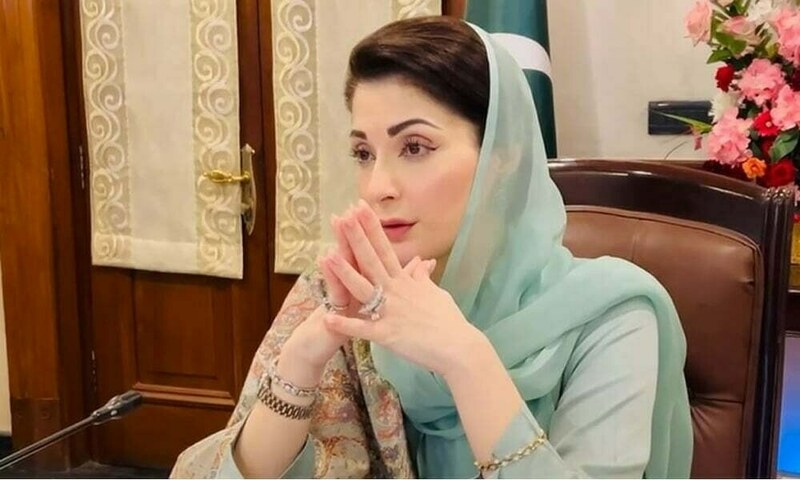
    LAHORE: Chief Minister Punjab Maryam Nawaz inaugurated a cardiac cathe-terisation laboratory (Cath Lab) at the District Headquarters Hospital in Jhelum, saying patients would no longer have to travel to other cities for cardiac treatment.

    During her visit, the chief minister inspected the wards, semi-modular unit and operation theatre, and checked the quality and expiry dates of medicines and injections. She also witnessed a live angiography procedure from the control room and met patients recovering after angioplasty.

    A Dubai-based driver, Shehzad Naveed, told the chief minister that he had returned to Pakistan for free cardiac treatment after developing a heart condition. He said he had initially been given an appointment in Faisalabad after a week’s wait but came to Jhelum on his sister’s advice, where he underwent immediate angioplasty.

    The CM Punjab directed that patients requiring angioplasty at any hospital in Punjab should not have to wait more than 24 hours. She said the Cath Lab, equipped with angiography, angioplasty, ECG, a modern operation theatre and ventilators, had so far treated 2,400 patients.

    Later, the chief minister visited Zahida Bibi at her newly constructed four-marla house in New Abadi Islam Pura, Jhelum, built with a loan under the Apni Chhat Apna Ghar scheme. She formally inaugurated the house alongside the beneficiary and her family.

    Zahida Bibi told the chief minister that her family had worked day and night to complete the house, with labourers working during the day and family members taking over at night. She became emotional while expressing gratitude, saying the scheme had enabled her family to have a roof of its own.

    The chief minister interacted with the family and children and conveyed greetings from PML-N president Nawaz Sharif.

    The chief minister said providing people with their own homes brought her immense satisfaction. She described Apni Chhat Apna Ghar as Punjab’s largest low-cost housing project and said its features and impact were being recognised internationally.

    Moreover, the CM inaugurated the restoration project of the Gymnasium and Sports Complex in Jhelum.

    Upon her arrival at the gymnasium, players accorded the chief minister a warm and enthusiastic welcome. Young girls holding posters greeted her, while she showed affection towards them and exchanged high-fives.

    Young girls paid tribute to the chief minister by singing the popular folk song “Teriyan Reesan Kaun Kare.”

    Maryam Nawaz also played badminton with a female player and encouraged a chess player with applause.

    The chief minister signed autographs for young girls, posed for photographs and interacted warmly with the players. A young player presented her with an embroidered dupatta and placed a crown on her head. She also greeted a special athlete through sign language and enquired about her well-being.

    Later, the chief minister visited Old Ram Din Bazaar at Shandaar Chowk, where the Model Bazaar in Jhelum was filled with party workers and young people to welcome her.

    Shandaar Chowk and the main bazaar have been converted into a pedestrian walkway by restricting vehicular traffic. The main bazaar has also been upgraded with footpaths, cobblestone paving along the sides and street furniture.

    Underground wiring has been installed, while 260 shops have been provided with attractive canopies, Victorian-style lights, planters and benches.

    The restoration project of Jhelum Sports Complex and Gymnasium will be completed at a cost of Rs 1.195 billion.

    Copyright Business Recorder, 2026

    Source: brecorder
  • Fuel prices slashed once again; high-speed diesel cut by Rs7 per litre, petrol by Rs3

    Fuel prices slashed once again; high-speed diesel cut by Rs7 per litre, petrol by Rs3

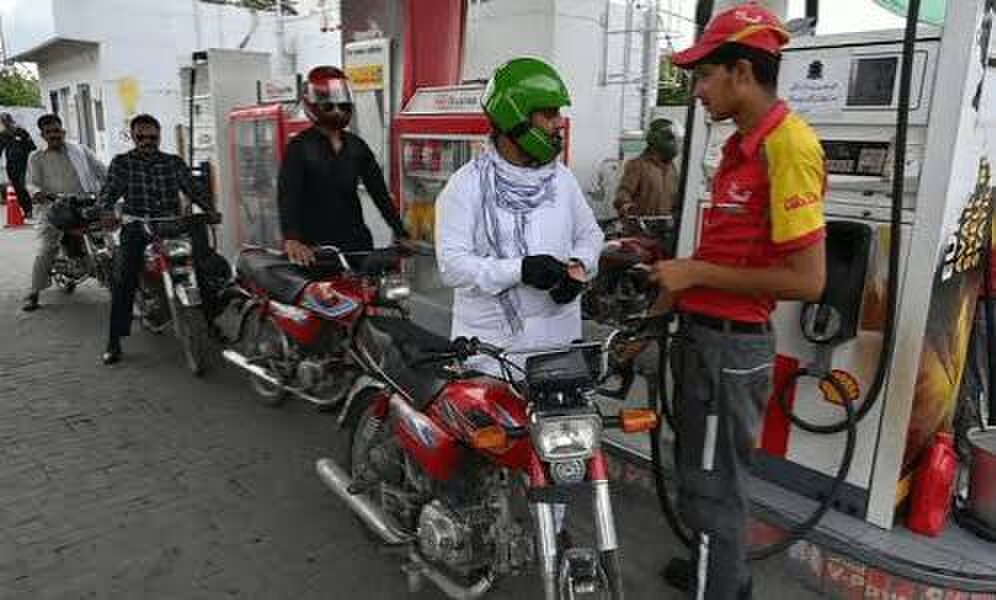
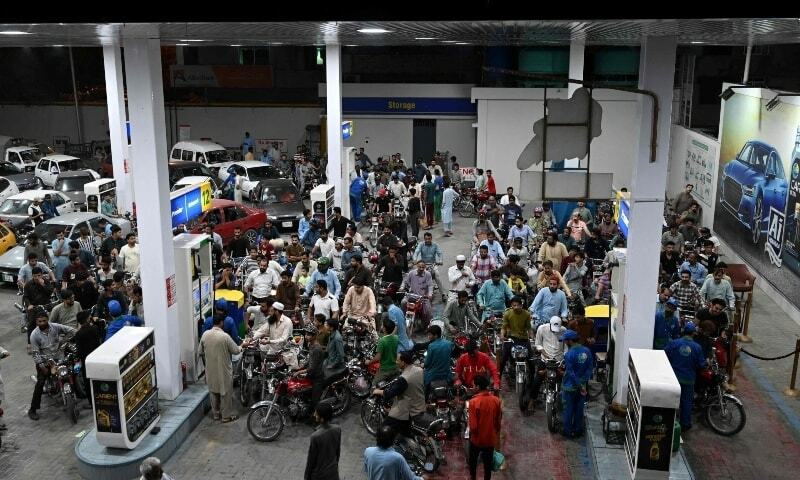
    In another reduction of fuel prices, the government on Wednesday cut the price of petrol by Rs3 per litre and that of high-speed diesel (HSD) by Rs7.

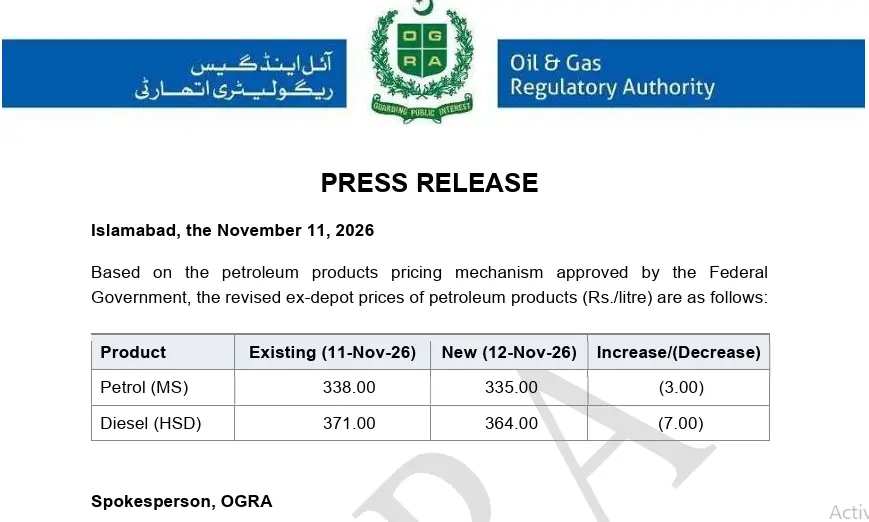
    Following the revision, petrol will retail at Rs335 per litre, while HSD will cost Rs364 on Nov 12 (Thursday), according to a notification by the Oil and Gas Regulatory Authority (Ogra).

    The government continues to levy Rs114 per litre in taxes and duties on petrol and Rs100 per litre on diesel.

    Under an arrangement announced on Nov 2, for 30 days, oil refineries will contribute to the petroleum levy by bearing a cumulative impact of Rs15 billion, according to the government. This allows a Rs14.71 reduction in the petrol price at the consumer end.

    On Sept 17, the government rolled out the Prime Minister’s Fuel Relief Scheme across the country to ease the public’s burden amid rising fuel prices due to the Middle East situation.

    The subsidy scheme applies to owners of motorcycles, rickshaws and vehicles of up to 800cc.

    The government and Jamaat-i-Islami held another round of negotiations today to formulate a way forward on relief in petroleum prices.

    Rise in fuel prices

    The price of HSD has come down from a peak of Rs520.35 recorded on April 3. Its price had started rising from Rs281 per litre after the US-Iran war broke out on Feb 28.

    The petrol price had peaked at Rs458.41 on April 3 after beginning its upward trajectory from Rs266 in the first week of March.

    Meanwhile, the government has reintroduced a raft of austerity measures in response to rising fuel prices amid the ongoing Middle East conflict. Under these measures, markets are required to close by 9pm, and fuel allocations for official vehicles have been cut by 50pc for three months.

    Since July 17, the government has been revising fuel prices on a near-daily basis due to fluctuations in international market prices following renewed hostilities between Iran and the US.

    The petroleum minister stated that the cabinet and the prime minister had decided to give Ogra the responsibility of deciding fuel prices on a daily basis based on international market trends.

    Prior to this, the government had been announcing weekly revisions to fuel prices since early March, alongside measures for the conservation of fuel amid possible oil supply disruptions due to the conflict. The federal government had also announced targeted relief measures in April to provide subsidised fuel.

    Petrol is mainly used in private transport, small vehicles, rickshaws and two-wheelers, and changes in its price affect the middle and lower-middle classes.

    Similarly, changes in diesel prices also impact the public at large, as it is mainly used in the heavy transport sector, power plants and large generators.

    Petrol and HSD are the major revenue earners, with monthly sales of about 700,000 to 800,000 tonnes, compared to just 10,000 tonnes of monthly demand for kerosene.

    Source: dawn

  • UK police question Nato-assigned US soldier accused of spying for Russia

    UK police question Nato-assigned US soldier accused of spying for Russia

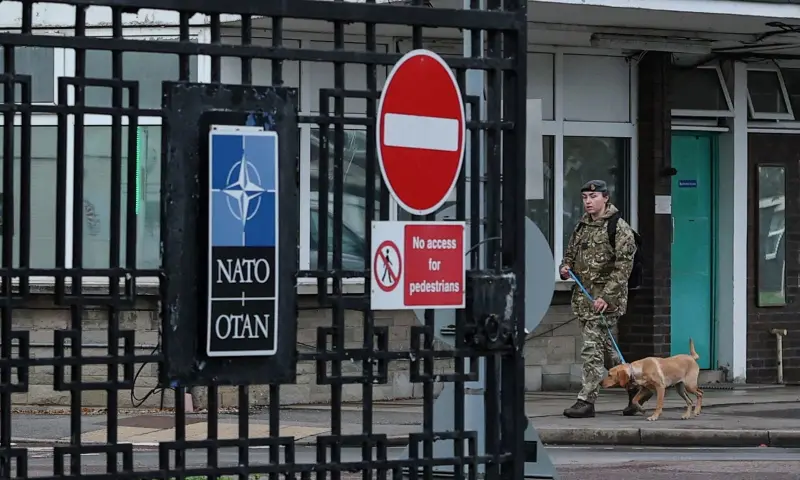
    UK police were questioning on Wednesday a senior American soldier assigned to Nato and suspected of spying for Russia, after his arrest amid a joint investigation with the US military and law enforcement.

    The espionage case, the latest involving suspected Kremlin agents in Britain and elsewhere in Europe, comes with tensions heightened between Moscow and various European capitals after Russia’s 2022 full-scale invasion of Ukraine.

    It also follows recent security scares at two British air force bases hosting the US military, which officials have accused Iran of being behind. Tehran has denied the allegations.

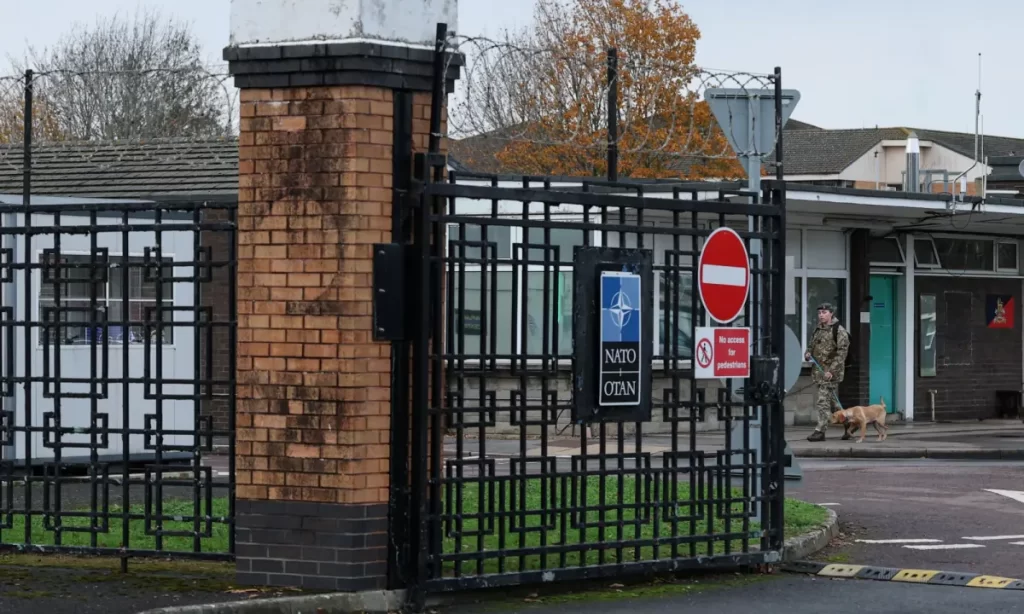
    UK Counter Terrorism Policing (CTP) have said the 41-year-old American soldier was detained near Gloucester, southwest England, on suspicion of violating national security laws and taken to a London police station.

    Later on Tuesday, a senior Nato military official confirmed the soldier was assigned to its Allied Rapid Reaction Corps (ARRC), the alliance’s 20-nation, high-readiness force led by the British Army.

    Based at Imjin Barracks near Gloucester, it can deploy at short notice anywhere in Europe or globally under the direct operational command of Nato’s Supreme Allied Commander Europe.

    Imjin is also just a few miles from the UK’s sensitive GCHQ intelligence, security and cyber agency headquarters.

    Probe ‘ongoing’

    Vicki Evans, CTP’s senior national coordinator, said the “significant” arrest and investigation followed close collaboration between UK and US authorities.

    “The allegations are serious and our investigation is very much ongoing,” she said in a statement late Tuesday.

    US Federal Bureau of Investigation (FBI) director Kash Patel thanked British authorities — including the country’s domestic spy agency, MI5 — and their American counterparts “for their outstanding work”.

    “This important arrest involves allegations of espionage, which is of the utmost concern to the United States and our allies,” he said in a statement.

    Police arrested the US soldier under two sections of the UK’s national security laws, one relating to obtaining or disclosing protected information and the other to assisting a foreign intelligence service.

    The law allows them to hold him without charge for up to 14 days.

    Police said “the country to which the allegations relate is Russia”, adding officers were carrying out searches at two locations in Gloucestershire.

    But asked about the case, Kremlin spokesman Dmitry Peskov told reporters on Wednesday: “This arrest has nothing to do with us. We do not know what it is connected with.”

    ‘Sobering’

    Sean Stinchon, the commanding general of US Army Counterintelligence Command, said the arrested person was a “senior soldier, entrusted with sensitive information”.

    He called it a “sobering reminder that insider threats are real and persistent”.

    The UK-US probe is not linked to any other ongoing investigations, the police statement said.

    Western countries have for years accused the Kremlin of espionage within their borders, as well as masterminding a string of incidents to undermine support for Ukraine as it battles Russia’s invasion.

    In September, a British man appeared in a London court over allegations that he was preparing to sabotage a drone factory and drone manufacturing sites on behalf of Russian military intelligence.

    Last year, a 66-year-old British man was jailed for seven years for his attempts to spy for Russia.

    Beyond Britain, a number of European countries have made similar arrests, while Russia has also detained individuals it has claimed are spies.

    On Wednesday, Russian security services said two “agents” working for Polish intelligence had been arrested in the Russian exclave of Kaliningrad, which borders Poland and Lithuania.

    It followed Poland — a key supporter of neighbouring Ukraine in its war — announcing last week that it had arrested six people suspected of spying for Moscow and supplying its military.

    UK police question Nato-assigned US soldier accused of spying for Russia

    Source: dawn

  • US envoys to meet Putin, Zelensky after war talks in Abu Dhabi

    US envoys to meet Putin, Zelensky after war talks in Abu Dhabi

    United States envoys will separately meet Russia’s Vladimir Putin and Ukraine’s Volodymyr Zelensky on Thursday as they seek to seize “openings” from two days of talks in Abu Dhabi on ending the Ukraine war.

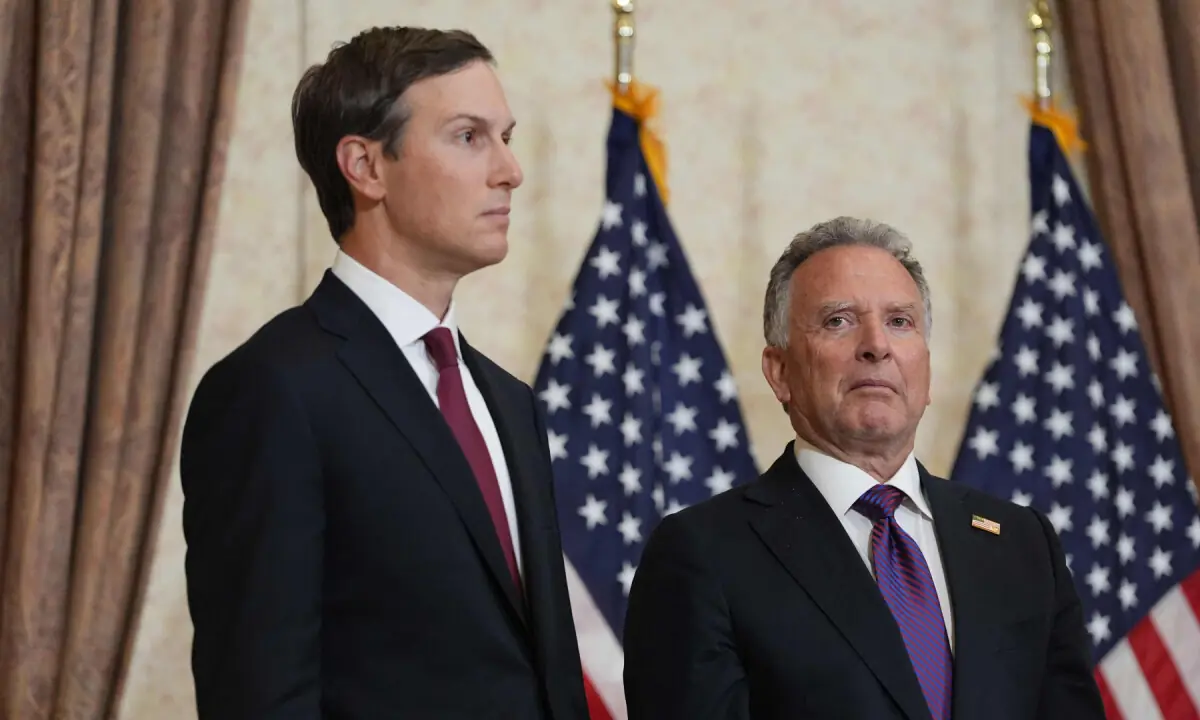
    Steve Witkoff and Jared Kushner will travel first to Moscow to meet the Russian president, before flying to Dublin — where Zelensky will attend European meetings — to debrief the Ukrainian leader.

    The countries agreed in Abu Dhabi to a major prisoner exchange — the “biggest” ever, according to Kushner — though no side gave any figures.

    But the talks — the first since February, when the US war in Iran halted diplomacy — also revealed deep splits over the role Europe should play in future talks.

    All sides talked up progress and said talks would continue, though Ukraine’s top negotiator Rustem Umerov said “significant differences remain”.

    Kushner said the meeting with Putin would “go over what was discussed today and try to make more progress on some of the issues that we discussed because we see some openings and some opportunities”.

    With Zelensky, the pair will “further explore some of the ideas that we came up with here today”.

    Umerov said that there was “still a lot of difficult work ahead, but there are opportunities to continue the negotiation process”.

    Russia’s delegation chief Vladimir Medinsky told reporters the “discussion will certainly continue”.

    But he questioned including Europe in the talks.

    “We don’t really understand what there is to talk about with them. We have not received a single peace initiative, not one concrete proposal from the European countries,” he said.

    Medinsky later told Russian TV that Moscow’s aim is a “new, modern Yalta and Potsdam” — referring to the 1945 conferences that saw Western leaders divide Europe with the USSR’s Joseph Stalin.

    Ukraine has warned against just that and has called for more involvement from its key European backers.

    Kushner said seeking ways to “get the Europeans added to the format” would be on the agenda with Putin.

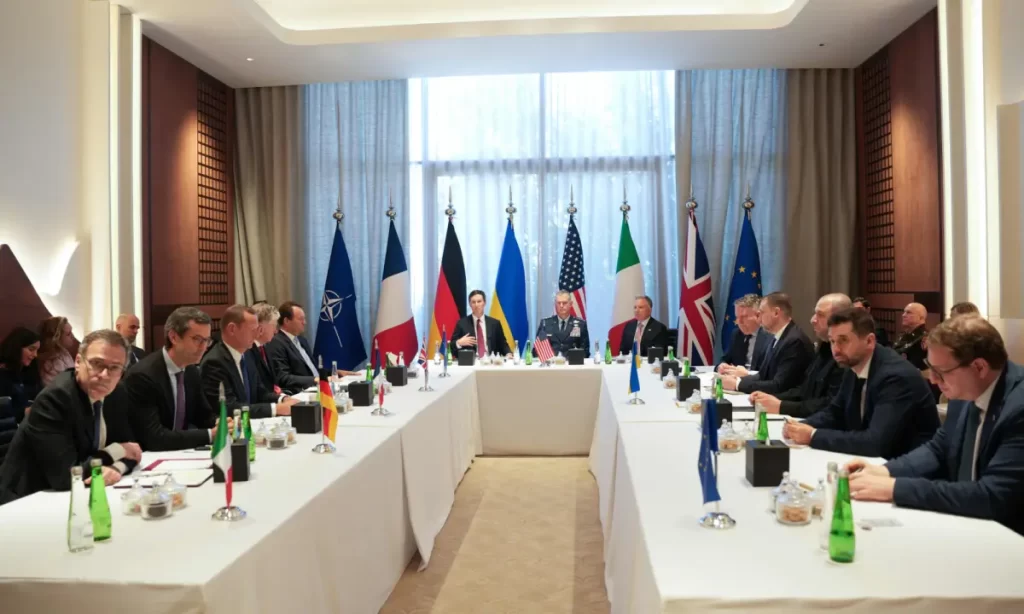
    Officials from Britain, France, Germany and Italy, as well as Nato and the European Union, travelled to Abu Dhabi for meetings on the sidelines.

    Five years of war

    Hundreds of thousands of people have been killed since Russia invaded in February 2022, in what has become Europe’s worst conflict since World War II.

    Millions more have fled the fighting in eastern and southern Ukraine, large swathes of which have been destroyed by relentless aerial bombardments.

    Russia is demanding Ukraine withdraw from parts of eastern Ukraine it still controls and wants a sweeping deal on “Europe’s security architecture” as part of any agreement to halt the war.

    That is widely seen as a reference to Moscow’s long-standing demands to push back the Nato military alliance in eastern Europe and end Western military support to Kyiv.

    Kyiv says a ceasefire must come before any discussions on territory and has called for a direct meeting between Zelensky and Putin to discuss the biggest issues.

    Putin has ruled that out. The Kremlin has invited Zelensky to Moscow if he wants to meet the ex-KGB spy.

    Zelensky’s aide Kyrylo Budanov, who took part in the Abu Dhabi talks, said negotiations were “not easy” and that Ukraine’s main goal was to “achieve a just and lasting peace as soon as possible”.

    European security

    Kushner said the talks had helped, but declined to say on what issues the two sides might be able to agree.

    “Some areas we see places where we can find compromises, others we need to have more discussions, but I think this was a good first step,” he told reporters.

    He also urged Europe to “identify one person to speak on their behalf” in the negotiations.

    Europe has been rattled by US President Donald Trump’s proposal for a deal with Russia on rewriting European post-war security, worrying that Washington will force Kyiv to accept a peace that heavily rewards Moscow.

    Kushner on Tuesday said the US hoped to “create a new framework” of security between Ukraine, Russia and Europe that will secure “decades, if not centuries, of peace”.

    Ukraine has insisted Russia end hostilities before any discussion on a future security arrangement for Europe, and warned against a “Yalta 2.0” carving up of the continent.

    Germany said on Wednesday that Russia must halt the war before there could be any talks on European security.

    US calls for new Europe security framework as Russia, Ukraine hold first peace talks in 9 months

    Source: dawn

  • 10 policemen martyred, 18 terrorists killed in Kohat attack

    10 policemen martyred, 18 terrorists killed in Kohat attack

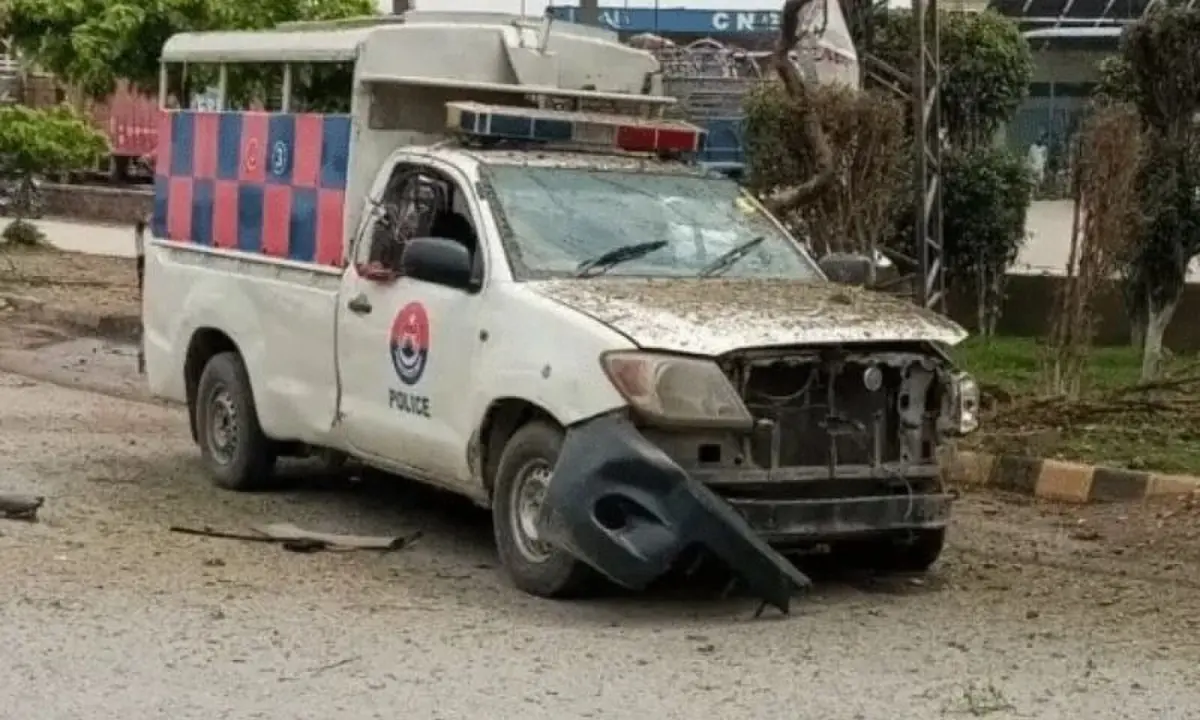
    Ten police personnel were martyred and 18 terrorists killed in an attack on a police party returning from an operation against illegal gold mining in Darabo Kach near Kohat, Khyber Pakhtunkhwa, on Wednesday.

    According to a statement issued by the Khyber Pakhtunkhwa Police, the police and local civil administration had conducted an operation against elements involved in illegal gold mining in the area.

    The police party came under attack while returning after completing the operation. The statement said the attackers, belonging to Fitna al-Khawarij, launched the assault at the behest of criminal elements.

    Police personnel responded to the attack and killed 18 assailants, while 10 police officers embraced martyrdom during the exchange of fire.

    The police said the joint attack by criminal elements and Fitna al-Khawarij demonstrated organised links between criminal mafias and the militant group, alleging that the network was operating with foreign backing.

    It vowed to take all possible action against the attackers, their facilitators and criminal networks, adding that no illegal activity would be allowed.

    The police also said the personnel martyred in the attack belonged to Khyber Pakhtunkhwa, particularly Kohat district, and their sacrifices would always be remembered.

    Mohsin Naqvi condemns attack

    Meanwhile, Federal Interior Minister Mohsin Naqvi strongly condemned the attack and paid tribute to the 10 police personnel who lost their lives.

    Expressing condolences to the bereaved families, Naqvi praised the police personnel for fighting back and killing 18 militants.

    He said the Khyber Pakhtunkhwa Police remained on the front line in the fight against terrorism and had made immense sacrifices in the battle.

    The minister said the nation would always remember the sacrifices of the brave personnel of the provincial police force and paid tribute to those who laid down their lives in the line of duty.

    Source: brecorder

  • World urged to tackle fossil fuels but big names skip COP31

    World urged to tackle fossil fuels but big names skip COP31

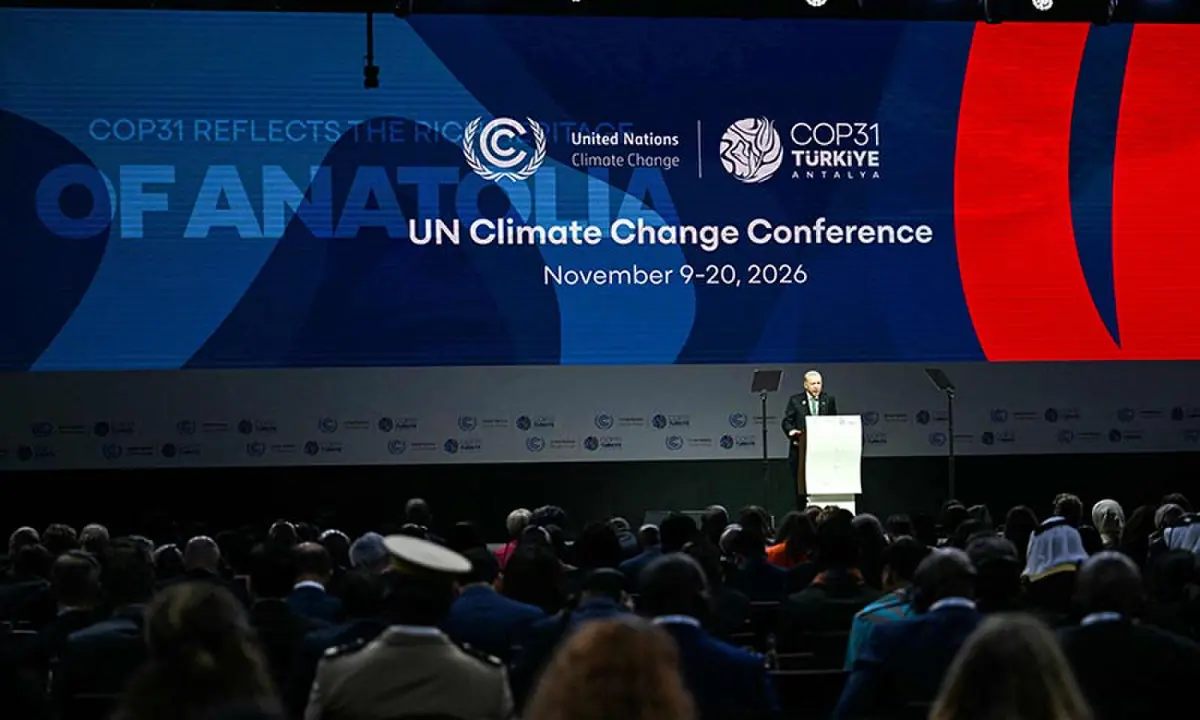
    UN Secretary-General Antonio Guterres railed against the oil and gas lobby on Wednesday, telling world leaders fossil fuels “must go the way of the dinosaurs” at a climate summit missing several prominent figures.

    The two-week COP31 talks kicked off in Turkiye this week with governments under pressure to tackle climate change after a year of searing heatwaves and wildfires in Europe, and deadly floods in Nepal.

    “The brutal truth is that the climate crisis is outrunning us,” Guterres told dozens of world leaders assembled in the Mediterranean city of Antalya for two days of speeches by heads of state and government.

    But few major breakthroughs are anticipated at the COP31 negotiations, which run until November 20, as countries grapple with an oil price shock and geopolitical tensions fuelled by the US war with Iran and Russia’s invasion of Ukraine.

    Since agreeing in 2023 for the first time to transition away from fossil fuels — the main driver of climate change — nations have struggled to advance that goal at the annual UN conferences.

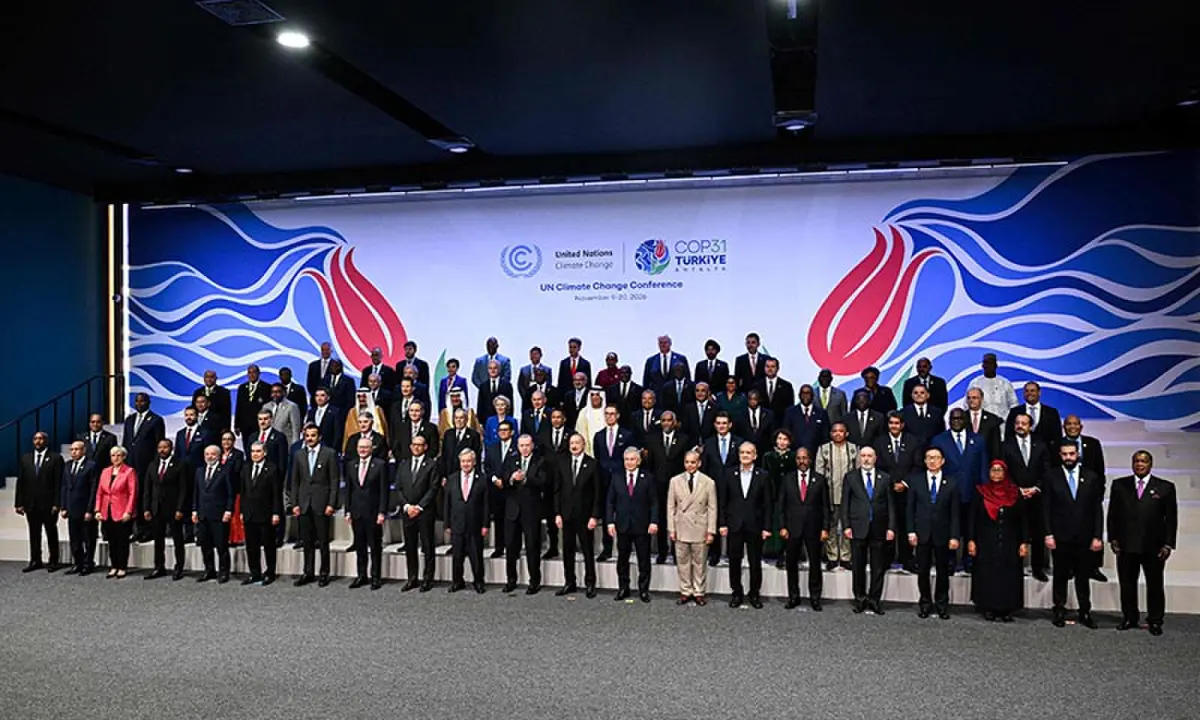
    Turkish President Recep Tayyip Erdogan (C), flanked by UN Secretary General Antonio Guterres (C-L), Azerbaijan’s President Ilham Aliyev (C-R), and other heads of state pose for a family photo during the 31st United Nations Climate Change Conference (COP31) at the Antalya Expo Center in Antalya, Turkiye on November 11, 2026. — AFP
    Turkish President Recep Tayyip Erdogan (C), flanked by UN Secretary General Antonio Guterres (C-L), Azerbaijan’s President Ilham Aliyev (C-R), and other heads of state pose for a family photo during the 31st United Nations Climate Change Conference (COP31) at the Antalya Expo Center in Antalya, Turkiye on November 11, 2026. — AFP

    At his final COP before stepping down in December, Guterres said governments cannot keep expanding fossil fuel production while claiming to support the fight against climate change.

    “Fossil fuels must go the way of the dinosaurs, but that won’t happen on its own. The dinosaurs did not have a lobby, but fossil fuels do,” he said in another salvo against an industry he has long accused of fuelling climate chaos.

    “Their strategy is simple: Distort the science. Delay the policy. Delay the action. Delay the accountability. It’s time to kick the habit — and end the fossil fuel addiction,” he said to sustained applause.

    Climate silence

    But some big names are missing at COP31, with British Prime Minister Andy Burnham the only leader from a G7 country scheduled to address the summit.

    “Since the start of this year, climate change has disappeared from speeches and documents from our global leadership,” recently re-elected Brazilian President Luiz Inacio Lula da Silva told fellow leaders.

    “We’ve turned to talking more about arms and tariffs than the survival of future generations,” he said.

    Climate campaigners breathed a huge sigh of relief when Lula, who has overseen a dramatic drop in deforestation in the Amazon, defeated right-wing rival Flavio Bolsonaro in last month’s presidential election.

    “Brazil is back to defend the continuity of a healthy planet,” Lula said.

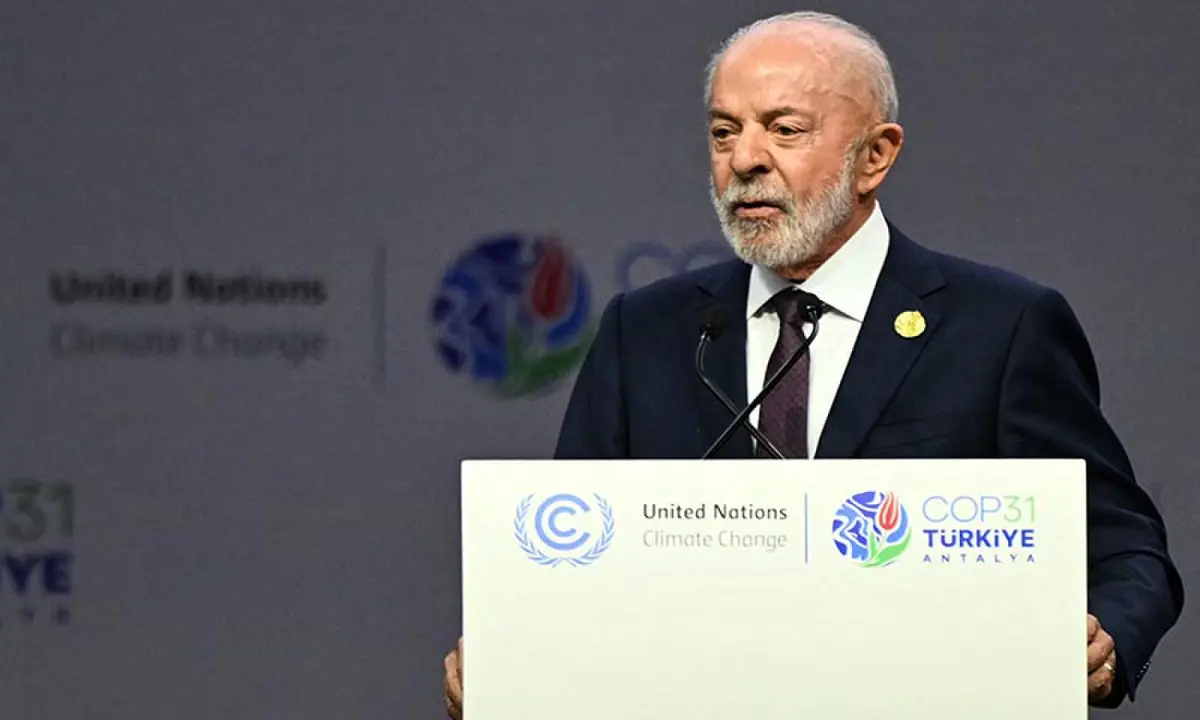
    Brazil’s President Luiz Inacio Lula da Silva delivers a speech during the High-Level Segment for Heads of States and Government at the 31st United Nations Climate Change Conference (COP31) at the Antalya Expo Center in Antalya, Turkiye on November 11, 2026. — AFP
    Brazil’s President Luiz Inacio Lula da Silva delivers a speech during the High-Level Segment for Heads of States and Government at the 31st United Nations Climate Change Conference (COP31) at the Antalya Expo Center in Antalya, Turkiye on November 11, 2026. — AFP

    While European Union chief Ursula von der Leyen spoke in Antalya, French President Emmanuel Macron, German Chancellor Friedrich Merz and Italian Prime Minister Giorgia Meloni were among the European leaders not present.

    The leaders of Canada, Japan and India are also expected to skip the event, while Chinese President Xi Jinping, who rarely attends COPs, was represented by Vice President Han Zheng. Unsurprisingly, President Donald Trump, who pulled the United States out of the Paris Agreement, is also not attending.

    Fossil fear

    Climate activists singled out two of Wednesday’s higher-profile speakers – the EU’s von der Leyen and Australian Prime Minister Anthony Albanese – for failing to mention fossil fuels by name during their speeches.

    Marshall Islands President Hilda Heine, whose Pacific nation is threatened by rising sea levels, said, “Every new oil well drilled, every new piece of coal extracted is a threat to my country’s future.

    “The discovery of new fossil fuel resources is not something to celebrate, but something to fear,” she said.

    Her message stood in stark contrast to Turkish President Recep Tayyip Erdogan, who earlier this week announced the “good news” that his country had discovered new oil fields.

    In his address on Wednesday, Erdogan said the world needed a “fair” energy transition that “takes into account the energy security and different development needs of different countries”.

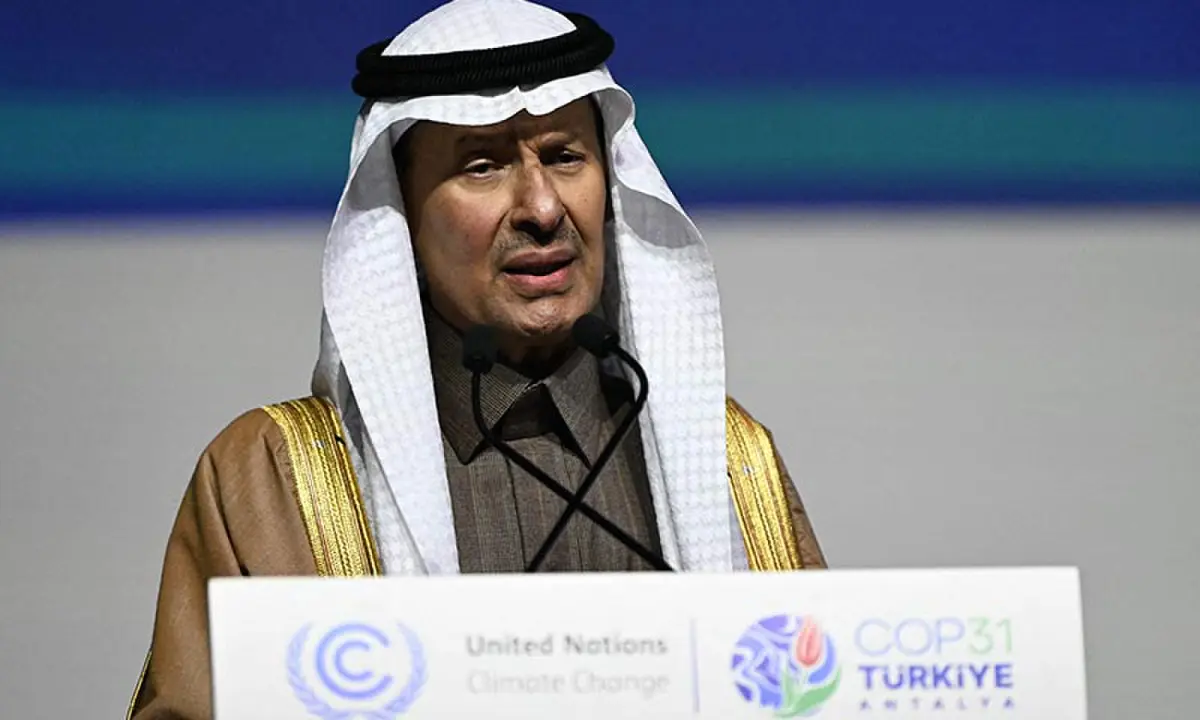
    Saudi Arabia’s Energy Minister, Prince Abdulaziz bin Salman, warned that “the quest for carbon neutrality without guaranteeing energy security can undermine our efforts”.

    “The measures that are aimed at protecting the climate should not constitute barriers facing countries and impede their achievements of economic development,” he said.

    Saudi Arabia’s Energy Minister Prince Abdulaziz bin Salman delivers a speech during the High-Level Segment for Heads of States and Government at the 31st United Nations Climate Change Conference (COP31) at the Antalya Expo Center in Antalya, Turkiye on November 11, 2026. — AFP
    Saudi Arabia’s Energy Minister Prince Abdulaziz bin Salman delivers a speech during the High-Level Segment for Heads of States and Government at the 31st United Nations Climate Change Conference (COP31) at the Antalya Expo Center in Antalya, Turkiye on November 11, 2026. — AFP

    Finland announced concrete plans to phase out fossil fuels, becoming just the fourth country after France, Germany and the Netherlands to do so.

    COP31 host Turkiye is championing a voluntary initiative to accelerate the electrification of transport, buildings and industry, with a target of raising electricity’s share of global energy consumption to 35 per cent by 2035.

    The EU has stressed that electrification must be “clean”, which could spark debate over the role of oil, gas and coal in the Turkish proposal.

    Source: dawn

  • Govt further decreases petrol price by Rs3, diesel’s by Rs7 per litre

    Govt further decreases petrol price by Rs3, diesel’s by Rs7 per litre

    Pakistan government on Wednesday reduced the price of petrol by Rs3 to Rs335 per litre and the price of high-speed diesel (HSD) by Rs7 to Rs364 per litre, effective Thursday, November 12.

    The revision was announced in a press release issued by the Oil and Gas Regulatory Authority (OGRA). It said the revised ex-depot prices were set under the petroleum products pricing mechanism approved by the federal government.

    Govt further decreases petrol price by Rs3, diesel's by Rs7 per litre

    On Tuesday, the government cut the price of petrol by Rs8 to Rs338 per litre and the price of diesel by Rs7 to Rs371 per litre.

    Globally, oil prices rose about 2% on Wednesday after Iran’s security ‌chief said Tehran would not allow any enriched nuclear material to leave the country, feeding supply worries that lifted prices off two-month lows hit the previous session.

    Washington has said nuclear issues must be part of any initial negotiations with Tehran aimed at ending the US-Israeli war on Iran.

    Brent futures were up $2.15, or 2.35%, at $93.64 a barrel by 12:04 p.m. ​EST (1704 GMT). US West Texas Intermediate crude gained $1.69, or 1.96%, to $87.73.

    Source: brecorder

  • Pakistan’s auto policy: what we know so far

    Pakistan’s auto policy: what we know so far

    Adviser to the Prime Minister on Industries and Production Haroon Akhtar Khan said the Autos and Auto Parts Manufacturing Policy 2026–2031 represented a major shift in Pakistan’s automotive sector, moving away from import-dependent assembly towards export-oriented manufacturing, greater localisation, and internationally competitive domestic production.

    He said the policy reflected Prime Minister Shehbaz Sharif’s vision of an export-led, self-reliant and competitive economy, with a strong emphasis on empowering local manufacturers, strengthening domestic auto parts production, creating employment opportunities and integrating Pakistani industry into global automotive supply chains.

    Last week, PM Shehbaz approved the final draft of Pakistan’s Automotive Industry Policy, paving the way for its submission to the Federal Cabinet for consideration and formal approval.

    Here is what we know so far about the proposed framework and its potential implications for Pakistan’s automotive industry.

    Key takeaways:

    • $6 billion export target set for 2026–2031
    • $17.7 billion in foreign exchange savings projected through localisation and domestic manufacturing
    • localisation to become mandatory; domestic manufacturing to take ‘centre stage’
    • Auto parts industry to contribute 55% in $6 billion export target
    • 2,200 local auto parts manufacturers to receive dedicated support; Rs2.1 billion vendor upgrade programme
    • Idle industrial capacity to be utilised; new investment and employment opportunities
    • Import concessions linked to local manufacturing and export commitments

    Localisation to become mandatory

    The adviser said the new policy introduced binding localisation requirements to ensure progressive growth in domestic value addition.

    He said the binding requirements would ensure that the expansion of the automotive market translates into greater domestic industrial activity, investment, employment and technological development.

    Non-compliance with applicable minimum domestic value addition requirements will attract an additional three percentage points of customs duty on relevant non-localised completely knocked down (CKD) imports in the subsequent financial year, subject to the prescribed legal process, according to a statement from the Ministry of Industries and Production.

    Vendor upgrade programme

    Highlighting the importance of the domestic vendor industry, Haroon Akhtar Khan said Pakistan had approximately 2,200 auto parts manufacturers whose capacity, technological advancement, and integration into international supply chains were essential for the sector’s long-term competitiveness.

    He said a dedicated Vendor Upgradation and Technology Transfer Programme (VUTTP), with an allocation of Rs2.1 billion, will be implemented through the Engineering Development Board (EDB) and Small and Medium Enterprises Development Authority (SMEDA).

    The programme will facilitate technological upgrade, access to common manufacturing facilities, skills development, international quality certification, and export readiness for domestic vendors.

    The policy also targets investment in at least five anchor auto parts manufacturing firms during its implementation period to support the development of domestic manufacturing clusters.

    He said empowering domestic manufacturers and strengthening local vendor networks would be central to the government’s strategy for building a competitive automotive industry.

    $6 billion export target; auto parts industry to contribute 55%

    The adviser said export promotion was one of the defining features of the new policy, which establishes cumulative export targets of approximately $6 billion during 2026–2031.

    Of this amount, approximately $3.29 billion, representing 55%, is targeted from auto parts manufacturers, while automobile manufacturers are expected to contribute approximately $2.72 billion, or 45%.

    He said the distribution reflected the government’s strategic emphasis on developing the auto parts industry and transforming domestic suppliers into internationally competitive manufacturers.

    To encourage exporters, the policy introduces a drawback of Local Taxes and Levies (DLTL) scheme, providing eligible exporters with 5% support on net Free on Board (FOB) export value, along with an additional 10% incentive on qualifying incremental exports.

    Furthermore, manufacturers will be required to secure export opportunities within the global supply chains of their international principals.

    The adviser said the measures would encourage manufacturers to move beyond dependence on the domestic market and develop a sustainable export-oriented business model.

    Import concessions linked to local manufacturing and export commitments

    Haroon Akhtar Khan said the government was rationalising customs duties progressively over five years while ensuring that import concessions were directly linked to domestic manufacturing, localisation and export performance.

    He explained that the concessional 5% customs duty on imported battery electric vehicles (BEVs) valued up to $15,000 during the initial two years was conditional upon the establishment of domestic assembly or manufacturing facilities.

    Companies seeking the concession will be required to submit a surety bond and an irrevocable bank guarantee covering the customs-duty differential. They must also commence commercial production of the imported BEV variant by September 30, 2028.

    $17.7 billion foreign exchange savings projected through localisation

    The adviser said the policy was expected to generate cumulative foreign exchange savings of approximately $17.7 billion during 2026–2031, compared with the foreign exchange required to import equivalent automobiles in completely built-up (CBU) condition.

    He said increased domestic value addition, local manufacturing and export growth would help reduce pressure on the country’s external account while strengthening industrial self-reliance.

    The policy also projects that increased adoption of new energy vehicles will help avoid imports of approximately 1.823 million tonnes of oil during the policy period, contributing to reduced petroleum import dependence and improved energy security.

    Idle industrial capacity to be utilised; new investment and employment opportunities

    Haroon Akhtar Khan said the policy also provided for contract manufacturing arrangements to make better use of Pakistan’s existing industrial capacity, which currently has estimated idle capacity ranging from 41% to 80%.

    He said utilising available capacity would improve production efficiency, encourage investment, create employment opportunities, and strengthen the overall industrial ecosystem.

    The adviser said the Autos and Auto Parts Manufacturing Policy 2026–2031 was fundamentally a manufacturing-led and export-oriented framework, designed to strengthen Pakistan’s domestic industrial base rather than perpetuate dependence on imported vehicles and components.

    He said that the ultimate objective was to transform the automotive sector into a driver of export-led economic growth, foreign exchange generation, industrial development and sustainable employment.

    Source: brecorder

  • Pakistan’s fixed broadband operators fall short of PTA quality benchmarks

    Pakistan’s fixed broadband operators fall short of PTA quality benchmarks

    Pakistan’s fixed broadband networks continue to suffer from quality-of-service deficiencies, with inadequate upload speeds, network congestion, excessive latency, jitter and packet losses undermining service delivery in several cities, according to a Pakistan Telecommunication Authority (PTA) survey for the third quarter of 2026.

    The two surveys, covering 12 broadband operators in 15 cities at the user end and 23 unique operators across 21 cities at the network end during July–September 2026, identified multiple violations of prescribed quality benchmarks under the Fixed Broadband Quality of Service Regulations, 2022.

    The user-end assessment found Multinet Pakistan’s Rawalpindi operation among the worst performers, meeting only two of eight prescribed quality indicators, with a compliance score of 25%. Cyber Internet Services also recorded weak performance in Lahore, with a compliance score of 37.5%, while its Islamabad operation achieved only 50%.

    At the network end, Pace Telecom and Broadcasting (Pvt) Ltd recorded the lowest compliance score of 57.14% in Abbottabad, failing to meet prescribed core and access network availability standards. Its core network availability stood at 99.73% against the required 99.9%, while access network availability was 97.13% against the benchmark of 99%.

    The regulator also flagged Falcon Broadband in Vehari for recording jitter of 40.61 milliseconds, substantially above the prescribed maximum of 15 milliseconds. The user-end survey identified upload throughput as one of the most widespread weaknesses, with several operators failing to deliver speeds in line with regulatory requirements.

    Also read: Far below global average: Pakistan vying to keep pace in global internet race: Speedtest.net

    Under PTA standards, upload speeds must remain at least 25% of advertised package speeds for xDSL connections and above 50% for other technologies, while download speeds must exceed 80% of advertised package speeds.

    Multinet, Cyber Internet, Connect Communications, Nexlinx Networks, PTCL, Naya Tel and Burak Tech were among the operators identified for deficiencies in download throughput.

    Network performance problems extended beyond speed. Multinet, NTC, Cyber Internet and PTCL recorded deficiencies in local network latency, while Multinet also failed the international terrestrial latency benchmark.

    PTCL, NTC, Cyber Internet, Nexlinx and Multinet were flagged for excessive jitter, while Cyber Internet, PTCL, Connect Communications, Naya Tel, Multinet and SCO recorded packet-loss deficiencies against the maximum permissible threshold of 1%.

    Cyber Internet and Nexlinx also exceeded the prescribed four-second webpage loading benchmark at locations covered by the survey.

    The network-end assessment, however, presented a relatively better picture, with all surveyed operators meeting prescribed local and international latency thresholds and minimum throughput requirements of four megabits per second for downloads and two megabits per second for uploads.

    Nevertheless, bandwidth utilisation exceeded the regulatory threshold of 80% in some networks, raising concerns about congestion and reduced internet speeds during peak traffic hours.

    The PTA’s network-end assessment showed that 16 of 28 city-operator entries achieved full compliance across seven performance indicators, while the remaining entries recorded compliance scores ranging between 57.14% and 85.71%. Wide Band Communications in Peshawar was the only operator in the user-end survey to achieve full compliance across all eight indicators.

    The PTA said the surveys were conducted by its Enforcement Division through field testing and inspections of network operation centres to assess actual service quality, network reliability and compliance with regulatory standards.

    The regulator has asked non-compliant operators to undertake corrective measures, including capacity enhancement, network optimisation, congestion management, improved routing, enhanced network availability and jitter reduction.

    Follow-up testing will be conducted to verify whether the operators have addressed the identified deficiencies.

    Source: brecorder

  • ‘I stand by it’: Chaudhry Salik sticks to Punjab corruption claims despite Maryam’s ire

    ‘I stand by it’: Chaudhry Salik sticks to Punjab corruption claims despite Maryam’s ire

    Minister for Overseas Pakistanis and PML-Q leader Chaudhry Salik Hussain on Wednesday asserted that he stood by his claims regarding corruption in Punjab.

    Last week, Punjab Chief Minister Maryam Nawaz sent a Rs5 billion defamation notice to Hussain for levelling allegations of corruption against her government and demanded that he retract his remarks.

    “Reality is reality. I stand by it and will continue to,” he said on Geo News programme ‘Capital Talk’ while responding to a question about his brother Shafay Hussain being a minister in the same Punjab government he had criticised.

    Salik said he did not think about hesitating to make the remarks because of this connection. The PML-Q leader further said he would present evidence for his accusations before the court when furnishing his response to CM Maryam’s defamation notice.

    “Making statements about dragging someone to court does not suit a politician,” he regretted, while referring to the Punjab CM’s remarks.

    In response to a question, Salik said he had not been contacted by any government official or PML-N after the incident; except for an earlier meeting with Information Minister Attaullah Tarar during which he explained the context.

    However, the latest “below-the-belt” remarks by Maryam and earlier responses by her minister worsened the row.

    On CM Maryam’s demand for him to resign from the ministry, the minister noted that his party was a coalition partner of the government under an arrangement and recalled Maryam was not even present during meetings at that time.

    However, the PML-Q leader said it was up to the PML-N if it considered it no longer needed coalition partners.

    In her Nov 3 speech, the Punjab CM had claimed that Salik’s anger stemmed from neither corruption nor progress; rather, the issue was that she had changed the deputy commissioner of Gujrat a few days earlier, whereas Salik allegedly wanted a DC of his choice to be appointed.

    Asked about this on the show, Salik said: “We had very good working coordination with the former Gujrat deputy commissioner (DC), who had been working for the past 1.5 years.

    “When DCs were being appointed 1.5 years ago, we asked that the official should be experienced in construction and urban development, as the development projects in the region were facing delays.”

    However, after the appointment of the new DC, we did not raise any objection, he clarified.

    The PML-Q further argued that his interview in Lahore was recorded on Sept 25 — rather than earlier this month when the remarks surfaced — while the DC was appointed on Oct 31.

    “The Punjab chief minister made these remarks based on incorrect information,” Salik said.

    The minister also regretted the withdrawal of his security by the provincial government after the incident.

    He said that the Punjab government had deployed Elite Force officials at his Gujrat residence; however, after the incident, they were ordered to report back to the Police Lines.

    What did Salik say?

    During a talk show on a private television channel, the PML-Q leader praised the performance of his uncle Chaudhry Pervez Elahi as a former Punjab chief minister, further criticising the incumbent provincial administration headed by CM Maryam and alleging that he regularly heard complaints of corruption.

    He also questioned lavish government spending, particularly the use of an official aircraft, arguing that public representatives should remain mindful of the country’s economic difficulties.

    He said officials using government aircraft should be required to demonstrate the tangible outcomes and public benefits of their trips.

    He also called for greater ministerial accountability, proposing that federal and provincial ministers should be empowered to perform their duties while also being held accountable for their performance.

    Salik’s remarks carry particular political significance given the fractured relationship between the Chaudhry family and the PTI leadership.

    Salik, the younger son of PML-Q president Chaudhry Shujaat Hussain, belongs to a family whose political loyalties have diverged sharply since the ouster of Imran Khan’s government in 2022 through a no-confidence vote.

    While Elahi and his son, former federal minister Moonis Elahi, aligned themselves with the PTI, the Shujaat family chose to stand with the Sharifs. Salik’s elder brother, Shafay Hussain, is also part of CM Maryam’s cabinet in Punjab.

    Source: dawn