Author: Theph

  • PM holds informal meetings with world leaders on sidelines of COP31 in Türkiye

    ANTALYA – Prime Minister Shehbaz Sharif on Wednesday held informal meetings with prominent world leaders on the sidelines of the 31st United Na­tions Climate Change Conference (COP31) in Antalya, Türkiye, where discussions focused on strengthening bilater­al relations, regional developments and the challenges posed by.

    Source: Nation

  • Centre expenditure on provincial subjects

    Centre expenditure on provincial subjects

    EDITORIAL: The Senate Standing Committee on Devolution was informed that the Centre spent Rs5 trillion on 17 subjects — including education, health, environment, agriculture, labour, and industries — that were devolved to the provinces in 2010 under the 18th Constitutional Amendment.

    The outlay is therefore clearly violative of the constitution but, bafflingly, instead of removing lacunas that continue to persist sixteen years after the amendment was passed with consensus, notably building capacity in provinces to deal with the devolved subjects, all post-2010 administrations implemented the concomitant National Finance Commission (NFC) Award of the same year, which raised the provinces’ share in the federal divisible pool, thereby creating an acute shortage of federal funds to meet the Centre’s expenditures.

    To meet this shortage till capacity was built in the provinces provincial surplus was agreed between the Centre and the provinces to enable the former meet its expenditure needs. In 2010-11, the very first year after the amendment was passed and the NFC agreed with consensus, the budgeted provincial surplus was 166.9 billion rupees though the revised estimates placed it at 119.8 billion rupees.

    The budget for the current year has projected a surplus of 1,784 billion rupees – a 974 percent increase from what was budgeted sixteen years ago. Needless to add, Provinces complain about their share of the surplus, particularly those with a different political party in power than at the Centre, arguing that their share prevents them from undertaking social sector programmes for the people of their province.

    The framers of the Eighteenth Constitutional Amendment and the NFC Award also envisaged a one-percentage-point annual increase in the Federal Board of Revenue’s tax-to-GDP ratio, which would eventually generate more than enough funds for the Centre’s expenditure needs.

    To this day, that objective remains unmet, with the tax-to-GDP ratio standing at an appallingly low 10.3 percent last fiscal year, compared to 9.9 percent in 2011–12. Since 2010, Pakistan has entered six International Monetary Fund (IMF) programmes (including the one ongoing that year).

    Except for the architect of the 2010 NFC Award, every subsequent finance minister—whether an economist, chartered accountant, or banker—has lamented the lack of federal resources to meet budgeted expenditures and suggested rolling back the agreed provincial share of the divisible pool, a position the IMF has supported in its documents ever since.

    It is unclear whether the proposed constitutional amendment—which envisions new provinces and would therefore require a new NFC award—is also aimed at increasing the federal government’s share.

    The Senate Committee has quite unrealistically given Prime Minister Shehbaz Sharif a mere two weeks to wind up 17 ministries—a task unlikely to be achieved in such a short period, given that only 6,700 of the more than 50,000 employees serving in these devolved ministries have been transferred to the provinces over the past 16 years, leaving 48,000 on the federal payroll.

    One would urge the government to proceed with implementing the Eighteenth Amendment and the 2010 NFC Award in letter and spirit. This would, in turn, enable the Centre to meet its budgeted expenditures, allow the provinces to build capacity to administer devolved subjects through financial autonomy, and, last but not least, perhaps preclude the need for creating new provinces—a process that would require its own period of capacity building.

    Copyright Business Recorder, 2026

    Source: brecorder

  • Sindh CM vows to promote investment in vast mineral resources

    Sindh CM vows to promote investment in vast mineral resources

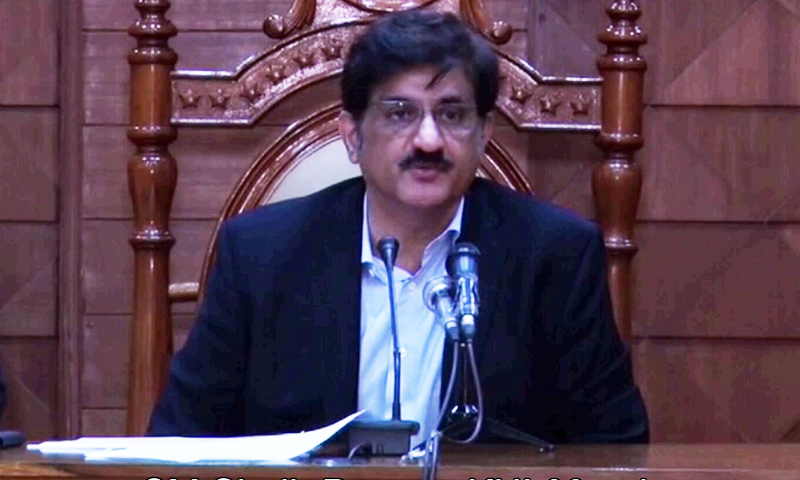
    KARACHI: Sindh Chief Minister Syed Murad Ali Shah Wednesday reaffirmed his government’s commitment to promoting investment in the province’s vast mineral resources, saying that the mineral sector has enormous potential to drive industrialisation, strengthen energy security, generate employment and accelerate economic growth.

    Presiding over a meeting at the CM House, the Chief Minister reviewed Sindh’s coal and non-coal mineral resources, ongoing mining projects and opportunities for domestic and international investment. Mines and Minerals Syed Sardar Shah gave him a detailed briefing on the province’s mineral reserves, existing operations, investment potential and the government’s strategy for sustainable mineral development.

    The Chief Minister said his government’s vision was to unlock Sindh’s mineral wealth through scientific exploration, responsible extraction, modern technology and value addition, ensuring that natural resources became a source of economic prosperity and improved livelihoods for the people.

    Thar coal: 175 billion tonnes of reserves: Sindh’s Thar coalfield holds reserves of 175 billion tonnes, representing enormous potential for indigenous energy production and industrial development. The presentation also highlighted an estimated energy equivalent of 50 billion tonnes of oil equivalent (TOE) and coal-related gas-equivalent resources of 2,000 trillion cubic feet (TCF).

    The CM reviewed two major Thar coal mining and power generation projects developed under the China-Pakistan Economic Corridor (CPEC) early harvest programme.

    The Sindh Engro Coal Mining Company (SECMC), established under a public-private partnership, has a mining capacity of 11.2 million tonnes per annum (MTPA) and power generation capacity of 1,980 megawatts. The Sindh government holds a 54.7 per cent share in the company, while Engro and its associates hold 45.3 per cent. The provincial government invested Rs 12.9 billion in equity.

    The Sino-Sindh Resources Limited (SSRL), established by Chinese investors, has a mining capacity of 7.8 MTPA and power generation capacity of 1,320 MW, with a private investment of over $2.6 billion. The project is also contributing to foreign exchange savings through coal import substitution.

    Minister Sardar Shah briefed the CM on investment opportunities in a wide range of non-coal minerals, including granite, iron ore, marble, limestone, celestite, China clay, silica sand and lake salt.

    Granite deposits in Nagarparkar, Tharparkar, offer opportunities for dimension stone, decorative products and cutting and polishing industries. Iron ore deposits in Thatta, Jamshoro and Tharparkar have potential for steel-related industries, exploration and beneficiation.

    Similarly, marble deposits in Thatta and Jamshoro offer opportunities for finished stone products, while limestone reserves across Khairpur, Dadu, Jamshoro, Sukkur, Hyderabad, Thatta and Karachi can support cement and construction industries.

    The province also offers investment opportunities in celestite in Jamshoro, China clay in Tharparkar, silica sand in Jamshoro and Thatta, and lake salt deposits in Dadu, Sanghar and Tharparkar, particularly in processing, refining, manufacturing and value-added products.

    The Chief Minister said the government wanted to encourage investors to move beyond raw mineral extraction and establish processing and manufacturing industries, creating greater economic value, employment and export opportunities within Sindh.

    The meeting also reviewed the provincial government’s framework for ethical governance, social responsibility and environmental protection in the mining sector.

    The Minister highlighted the Thar coal projects as examples of how mining activities could contribute to local development through employment, education, healthcare, clean drinking water and community infrastructure.

    Under Block-I, approximately 5,000 jobs have been generated, with around 97 per cent of the workforce drawn from Sindh. More than 20,000 direct local employment opportunities have been reported cumulatively during project development and implementation. The initiatives include a 250-bed hospital in Islamkot, healthcare facilities, reverse osmosis plants and technical training for local youth.

    Under Block-II, approximately 2,350 local people are employed through SECMC-related operations, with 94 per cent of its workforce from Sindh, including 60 per cent from Thar. Seven medical facilities provide free healthcare, while 33 reverse osmosis plants supply clean drinking water to local communities.

    The briefing also covered environmental protection initiatives, including plantation of more than 1.3 million trees under the Thar Million Tree Programme, water treatment and reuse, biodiversity conservation, bio-saline agriculture and progressive land rehabilitation.

    The CM stressed that mining must be conducted responsibly, with strict compliance with environmental standards, occupational health and safety requirements, protection of local communities and appropriate resettlement arrangements.

    The meeting also reviewed infrastructure supporting mineral development, including road connectivity, water supply facilities and the proposed Thar Rail Connectivity Project, a joint venture of the federal and Sindh governments. The rail link is expected to facilitate transportation of Thar coal to industries across the country and provide a wider market for indigenous coal.

    The briefing highlighted opportunities for alternative utilisation of Thar coal, particularly coal briquetting and coal-to-urea production, which could support industrial growth, food security and foreign exchange savings. Geological and exploration data for investors are also available, with 12 blocks developed following detailed drilling.

    The Chief Minister reiterated that Sindh welcomed domestic and international investors and would encourage strategic partnerships and joint ventures, technology transfer, modern mining practices and mineral-based industries.

    He emphasised that transparent regulations, competitive investment opportunities, strong institutional support and investor-friendly procedures would remain central to the provincial government’s approach to mineral development. He said the ultimate objective was to transform Sindh’s mineral wealth into sustainable economic growth, industrial development, local employment and prosperity while safeguarding the environment and protecting the interests of communities living in mineral-rich areas.

    Copyright Business Recorder, 2026

    Source: brecorder

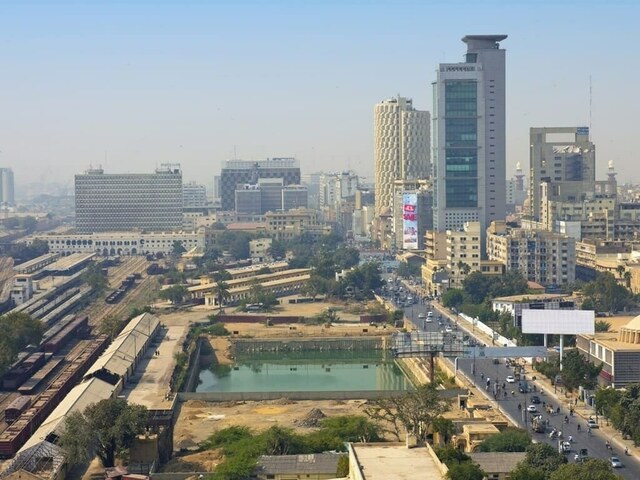
  • Rs1trn economy target hinges on Karachi’s development: Dr Afnan

    Rs1trn economy target hinges on Karachi’s development: Dr Afnan

    KARACHI: Chairman of the Senate Standing Committee on Privatisation Senator Dr. Afnan Ullah Khan has said that achieving the target of a PKR 1 trillion economy is not possible without improving Karachi.

    He said the city possesses immense economic potential and some of the country’s finest human resources.

    Prime Minister Shehbaz Sharif is committed to improving Karachi’s infrastructure, while the PML-N government is making concerted efforts to promote the city’s development.

    He said the business community could play a bridging role and contribute to Karachi’s improvement and economic growth.

    Federal government attention was essential to resolving the city’s longstanding problems, adding that he would raise issues concerning electricity and water supply at the federal level.

    He expressed these views during a meeting with industrialists and business community representatives at the Korangi Association of Trade and Industry (KATI), Senator Afnan Ullah Khan said the PML-N government had played a significant role in completing major development projects and addressing security challenges in Karachi in the past.

    He said developing Karachi was a responsibility because of the city’s substantial contribution to national revenue. If the PML-N received greater public support in Karachi, the scope of development projects in the city could be further expanded.

    Commenting on the privatisation of Pakistan International Airlines (PIA), he said it had been a major challenge. An attempt in 2017 had failed, followed by another effort in 2022, while success was finally achieved in the fourth attempt.

    He said the government had determined PIA’s value after conducting a comprehensive assessment and obtaining an independent third-party valuation.

    The privatisation process had been kept fully transparent, and it was encouraging that the airline remained under Pakistani ownership.

    He added that the model for the privatisation of electricity distribution companies (DISCOs) had been adopted from Türkiye, while Islamabad International Airport was also included in the government’s privatisation list.

    He said the Sukkur and Quetta electric supply companies accounted for approximately 90 percent of the overall power-sector losses, with the Quetta Electric Supply Company alone responsible for 70 percent of these losses.

    The government was making efforts to improve the performance of these entities.

    He also said that a solar park could be established outside Karachi with the cooperation of the business community.

    KATI and industrialists were encouraged to submit practical recommendations, which would be conveyed to the Prime Minister and the federal government for consideration.

    Senator Afnan Ullah Khan further stated that efforts were underway to resolve railway-related issues.

    The financial closing of the Main Line-1 (ML-1) project had been achieved, and work on the project was expected to begin soon.

    Its implementation would help address many of the problems associated with the existing railway tracks.

    Earlier, KATI President Sheikh Umer Rehan said Karachi contributed more than half of Pakistan’s national revenue, while the Korangi Industrial Area accounted for approximately 60 percent of the city’s overall revenue. He said just six major export-oriented industries in the Korangi Industrial Zone contributed five per cent to Pakistan’s total exports, while the area’s overall exports had reached USD3.1 billion.

    Despite this significant contribution, he said, Karachi’s business community faced numerous challenges at federal, provincial and local government levels. KATI was actively raising these issues at every relevant forum to secure solutions for the industrial sector.

    He pointed out that industries were being supplied electricity and energy at some of the highest rates in the region, resulting in a substantial increase in production costs and making it increasingly difficult for Pakistani products to compete in international markets. Expensive energy was a major obstacle to export growth and required immediate attention.

    Sheikh Umer Rehan said KATI wanted all federal ministers to visit Karachi every month, following the example of the FBR Chairman, who visits the city monthly on the Prime Minister’s directives to meet stakeholders.

    He urged federal ministers to hold regular meetings with industrialists and business representatives to understand and address their concerns directly.

    He said regular visits by the Prime Minister and federal ministers would accelerate the resolution of Karachi’s problems and boost the confidence of the business community.

    Karachi had enormous economic potential, and greater federal government attention could further enhance the city’s contribution to national economic growth.

    KATI Deputy Patron-in-Chief Zubair Chhaya said Karachi’s business community was working for the country’s economic prosperity regardless of political affiliations.

    He stressed that Karachi’s development was directly linked to Pakistan’s progress, noting that industrial development in the country had begun in Karachi when Quaid-e-Azam Muhammad Ali Jinnah laid the foundation stone of Valika Textile Mills after the establishment of Pakistan.

    He said Karachi had endured severe lawlessness, deteriorating infrastructure and widespread corruption.

    Despite these serious challenges, the city continued to contribute approximately 60 percent to the national economy. Karachi also accounted for 95 percent of the Sindh Revenue Board’s collections.

    Chhaya observed that Punjab had witnessed rapid development, crediting the leadership of Nawaz Sharif and the Pakistan Muslim League-N.

    He said Karachi deserved similar attention and focused development initiatives.

    If monthly visits by the FBR Chairman were producing visible improvements, regular visits by federal ministers could help resolve numerous longstanding problems facing the city.

    He expressed hope that Senator Dr. Afnan Ullah Khan would effectively represent Karachi’s concerns at the federal level and help address the challenges confronting industry and trade.

    Highlighting the importance of the railway sector, Zubair Chhaya said an efficient railway system was essential for improving the national economy.

    The federal government had to provide a grant of Rs64 billion to sustain railway operations and cover its losses.

    He further said the railway system could become a major source of revenue if an effective freight transportation service was reintroduced.

    Providing freight services through the railway network would offer businesses a more affordable transportation option, reduce the burden of heavy traffic on roads and help lower the country’s diesel import bill.

    He urged the federal government to prioritise Karachi’s issues in view of the city’s vital importance to Pakistan’s industrial and economic landscape.

    KATI President Sheikh Umer Rehan, Deputy Patron-in-Chief Zubair Chhaya, Senior Vice President Farrukh Qandhari, Vice President Nasir Sheikh, Sardar Ismail Gabol, Khawaja Tariq Nazir, Daniyal Munaf Kherani, Sardar Rehan, and a large number of industrialists and KATI members were present in the meeting.

    Copyright Business Recorder, 2026

    Source: brecorder
  • PRA revenue collection rises over Rs33bn in Oct

    PRA revenue collection rises over Rs33bn in Oct

    LAHORE: The Punjab Revenue Authority (PRA) has posted a strong rise in revenue collection, bringing in more than Rs. 33 billion in October, up from Rs. 26 billion in the same month of the last fiscal year. Overall, revenue collection in the current fiscal year is running 30 percent higher than in the corresponding period.

    The figures were presented at a high-level meeting chaired by PRA Chairman Moazzam Iqbal Sipra to review monthly targets and performance. Participants examined sector-wise revenue targets, the number of registered taxpayers and businesses, and the performance of officers.

    Sipra directed that tax collection records for 16 sectors be closely scrutinized, particularly data from the Electronic Invoice Monitoring System (EIMS) and payments made through banks. He said identifying those who manipulate tax returns, using digital monitoring tools, is essential to improving compliance and ensuring transparency.

    He also instructed the Large Taxpayer Commissionerate to begin work immediately on setting up additional sectors to strengthen revenue monitoring and collection. In addition, he announced that enforcement operations against the issuance and use of fake receipts will be expanded across the province.

    The chairman warned that misappropriating taxes paid by the public is a punishable offence under the law, and that strict action will be taken against those involved.

    Copyright Business Recorder, 2026

    Source: brecorder
  • KP e-registry linked to land record system, FBR

    KP e-registry linked to land record system, FBR

    PESHAWAR: The digital integration of the e-Registry, the Land Record Management System and the Federal Board of Revenue (FBR) was inaugurated in Khyber Pakhtunkhwa on Wednesday, with the aim of making the province’s land registration and mutation process more transparent and efficient.

    KP Chief Secretary Dr Muhammad Fakhre Alam Irfan and Adviser on Finance and Revenue Tariq Mehmood Pasha formally inaugurated the new system.

    Briefing the inauguration ceremony, officials said that integrating the e-Registry with the Land Record Management System would make the entire process, from registration to mutation, automated, faster and more transparent.

    The digital system would eliminate irregularities. Preparation of mutations, biometric verification and entry of mutation numbers would all be carried out automatically.

    Officials said that, with the integration of the computerised Land Record Management System and the FBR, federal taxes levied on mutations would be paid online. Payment of these taxes would be verified directly by the FBR.

    The participants were told that a record of the relevant tax payment would be attached to every mutation, ensuring transparency. Citizens would also be spared repeated visits to government offices and unnecessary waiting.

    The Senior Member Board of Revenue, relevant secretaries, the Managing Director of the Information Technology Board and officials of the Revenue Board were also present at the inauguration and briefing.

    Copyright Business Recorder, 2026

    Source: brecorder
  • Import values of sublimation paper from China, South Korea issued

    Import values of sublimation paper from China, South Korea issued

    ISLAMABAD: The Directorate General of Customs Valuation, Karachi, has issued new customs values of Sublimation Paper imported from China and South Korea.

    According to a valuation ruling issued by the directorate on Wednesday, the customs values of Sublimation Paper were not previously determined under Section 25A of the Customs Act 1969.

    The scrutiny of import data revealed imports of substantial quantities with considerable variations in the declared/assessed values of the subject goods. In view of this, an exercise was initiated by this Directorate for determination of Customs values of Sublimation Paper under Section 25A of the Customs Act, 1969, for uniformity in assessment process.

    Participation of the Stakeholders in the meeting: A meeting for determination of values of Sublimation Paper was held on 15.10.2026. The viewpoints of the participants were heard in detail. They were requested to submit relevant documents in support of their contentions.

    However, no submissions were received. Therefore, the available record was examined for the purpose of the valuation exercise.

    The import data was scrutinized with reference to declared/invoice unit values, assessed values, origins, quantity, description and relevant time period. Considerable variations were observed in the declared invoice values.

    Aberrant and non-comparable entries not representing the general commercial import trend were excluded and the recent representative and comparable import data was considered for determination of Customs values of the subject goods, the directorate added.

    Copyright Business Recorder, 2026

    Source: brecorder

  • Revamping Railways: Dar chairs meeting to assess proposals

    Revamping Railways: Dar chairs meeting to assess proposals

    ISLAMABAD: Deputy Prime Minister and Foreign Minister (DPM/FM), Senator Mohammad Ishaq Dar, chaired a meeting here on Wednesday to assess proposals to revamp and restructure Pakistan Railways.

    The meeting evaluated financing frameworks and operational models aimed at modernising railway infrastructure and ensuring financial sustainability. Participants examined restructuring options, including Public-Private Partnerships (PPP), domestic bank financing and international funding mechanisms.

    The DPM/FM emphasised that a modern, efficient and fiscally viable railway network is vital for national economic integration and regional connectivity.

    He directed the concerned ministries and financial institutions to explore all funding options, particularly for structuring commercial bank financing for the Main Line-1 (Rohri-Multan Section) project to ensure its implementation.

    The meeting was attended by SAPM Tariq Bajwa; Governor of the State Bank of Pakistan; Secretaries of Railways and Economic Affairs Division; Special Secretary Finance; and representatives from concerned ministries and departments.

    Meanwhile, Senator Dar chaired a committee meeting today on compliance withlabour laws.

    The meeting examined the implementation status of international conventions and commitments related to labour laws, including the ILO conventions. Participants evaluated regulatory frameworks and enforcement mechanisms necessary to align domestic practices with global benchmarks.

    The DPM/FM emphasised the importance of fulfilling international labour standards to strengthen Pakistan’s global economic engagement, enhance Pakistan’s export competitiveness and international trade standing.

    He directed all concerned to maintain close coordination with provincial governments and adhere to agreed timelines for meeting all national commitments and obligations.

    Adviser to the Prime Minister on Industries and Production; Secretaries of Commerce, Overseas Pakistanis, and Human Rights; and senior officials from relevant ministries and departments attended the meeting.

    Copyright Business Recorder, 2026

    Source: brecorder
  • Petrol price cut by Rs3, HSD’s by Rs7

    Petrol price cut by Rs3, HSD’s by Rs7

    ISLAMABAD: The ex-depot price of petrol has been reduced by Rs3 per litre, bringing the retail price down from Rs338 to Rs335 per litre. Similarly, High-Speed Diesel (HSD) saw a price cut of Rs7 per litre, lowering its rate from Rs371 to Rs364 per litre for November 12.

    The regulator attributed these adjustments to global developments alongside changes in Platts pricing, premiums, and incidental costs. International benchmark prices of petrol has decreased to USD 97.12 per bbl from USD 93.55 per bbl, however, premium including freight increased from USD 25.67 to USD 28.76 per bbl, while HSD benchmark prices has decreased to USD 96.33 per barrel from USD 100.57 per bbl.

    The ex-refinery price of petrol has decreased to Rs240.65 from Rs241.56 per litre. While the ex-refinery cost of HSD decreased to Rs255.88 per litre (previously Rs263.28).

    Government levies and fixed profit margins for petrol and HSD remain unchanged. Both fuels carry a Petroleum Levy of Rs80 per litre, a Climate Support Levy of Rs5 per litre, and profit margins of Rs9.98 per litre for dealers and Rs7.87 per litre for oil marketing companies. The Inland Freight Equalisation Margin (IFEM) is fixed at Rs8.17 per litre for petrol, and Rs5.10 per litre for HSD.

    Copyright Business Recorder, 2026

    Source: brecorder
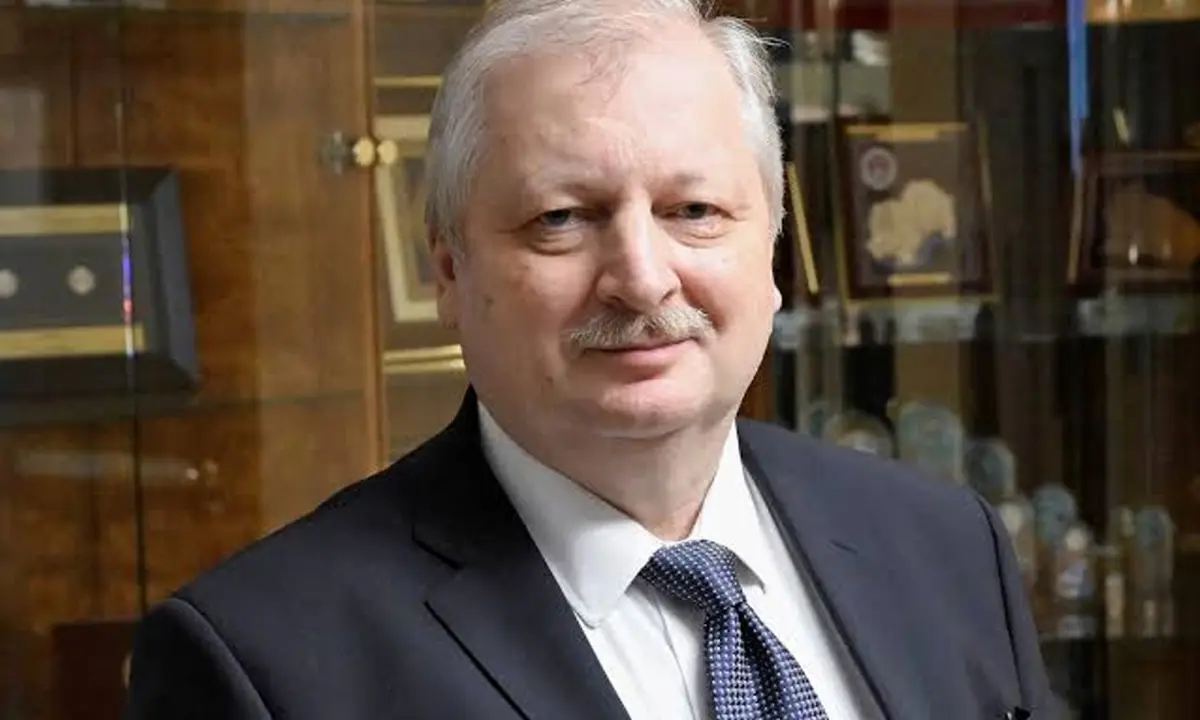
  • Russian ambassador to US dies

    Russian ambassador to US dies

    MOSCOW: Russia’s ambassador to the United States, Alexander Darchiev, has died “suddenly” at the age of 66 after just one and a half years in the job, Moscow’s foreign ministry announced Wednesday.

    The ministry called Darchiev an “outstanding diplomat, an experienced leader and a kind colleague”. He was appointed in March 2025.

    Moscow did not give more details on the death.

    Darchiev previously served as Russia’s ambassador to Canada between 2014 and 2021.

    He was appointed to the US role last year, shortly after President Donald Trump returned to power, and several years into Moscow’s Ukraine offensive that has pitted Russia against the West.

    Darchiev was a specialist in Russia-US relations and was the director of the foreign ministry’s North America department between 2021-2024.

    In 2022, when Russia attacked Ukraine, Darchiev called the move a “necessary measure”.

    Source: brecorder