WELLINGTON: New Zealand’s ruling centre-right coalition has narrowly missed winning a parliamentary majority, final election results showed on Friday, leaving Prime Minister Christopher Luxon needing the support of the centrist Opportunity Party to remain in power.
If Luxon cannot reach either a coalition or confidence-and-supply deal, and any negotiations between other parties fail to produce a majority government, New Zealand will have to hold fresh elections.
Electoral Commission results showed the coalition with 65 seats, one seat short of a majority in the 130-seat parliament.
“New Zealanders need a government that is stable, that works together and will last for the full term,” Luxon told a news conference.
“Kiwis won’t thank us for rushing to an agreement that falls apart or for sending them back to the polls.”
Luxon’s centre-right National Party secured 40 seats in the November 7 election, and its junior coalition partners ACT and New Zealand First won 13 seats and 12 seats, respectively.
Labour, the largest opposition party, won 36 seats.
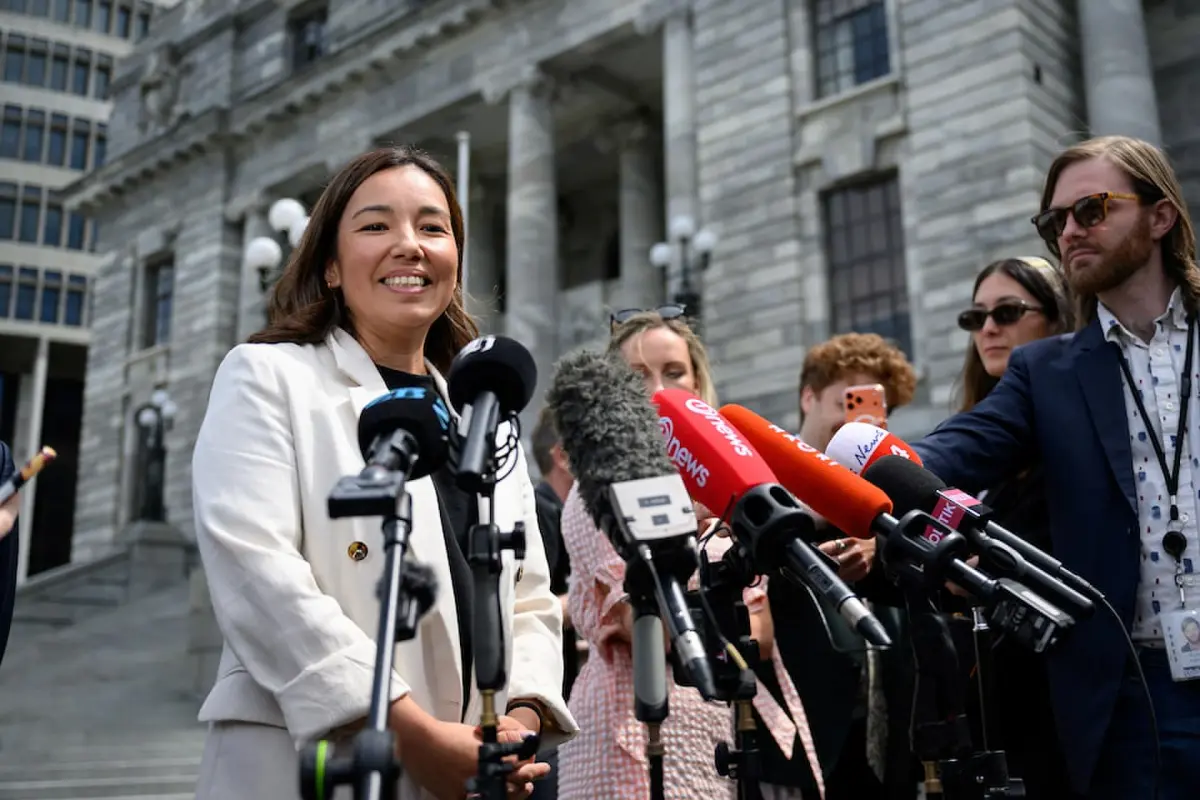
New entrant to parliament Opportunity won seven seats, and its leader Qiulae Wong said on Friday she would negotiate with National as the party with the largest number of seats.
“I don’t think anybody can rule anything out at this stage because we haven’t had any discussions,” Wong told a press conference, adding all options were on the table including being on the crossbenches.
“We are going to do everything we can to make sure that there is a stable government,” she said.
Opportunity’s platform includes stronger climate commitments, a ban on bottom-trawling fishing, tighter competition rules and a more interventionist approach to public investment, policies that cut against parts of the coalition’s agenda.
ACT Party leader David Seymour said government formation could happen “quite rapidly” if the parties involved worked together to come to an agreement.
“The government can be formed if the coalition is prepared to work with Opportunity at some level,” he said in an interview with 1News.
The results show a centre-left coalition of Labour, the Green Party and Te Pati Maori would not be able to form a government, even with the support of Opportunity.
However, if NZ First were to strike a deal with the centre-left parties — as it did with Labour after the 2017 election — they could form a coalition government.
The New Zealand dollar , which hit a 17-year low against the US dollar this week, strengthened slightly after the announcement of the election results.
Earlier this month, preliminary results from the Electoral Commission had shown the ruling coalition with a majority of two seats. The final tally includes special votes, which include those from people voting overseas or outside their electorate, and typically skew left.
The Electoral Commission said there were 2,931,604 votes cast, of which 484,865 were special votes.
Source: brecorder
Leave a Reply