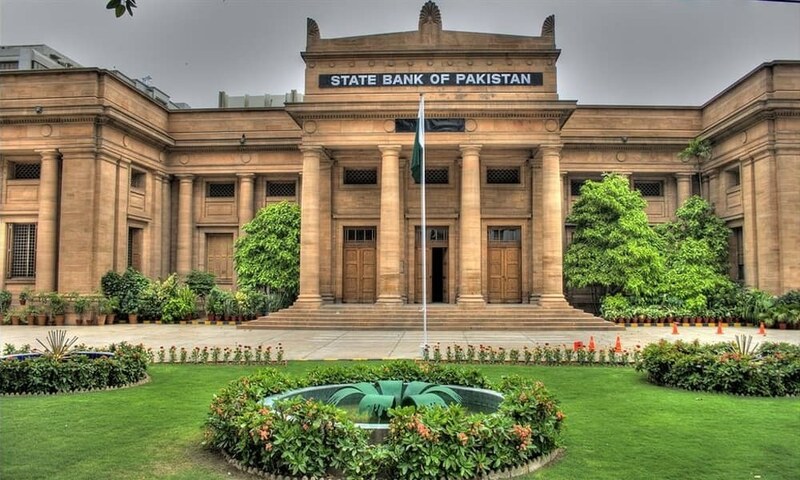
KARACHI: The State Bank of Pakistan (SBP) has projected that inflation to remain above its medium-term target range in FY27, as global energy price shocks and rising input costs continue to exert upward pressure on domestic prices.
According to the SBP’s Annual Report on the State of Pakistan’s Economy for FY26, average National CPI inflation is projected to range between 5.5 and 7.5 percent in FY27, slightly above the government’s target range of 5 to 7 percent. This projection is based on oil price of USD 80/bbl., as per practice, projection range will be revised in January 2027 to account for higher oil prices and other key developments, it added.
The report said that the direct and indirect impact of the global energy price shock is anticipated to exert upward pressure on inflation. However, to manage heightened global commodity price volatility, the government revised the petroleum pricing mechanism, moving from fortnightly reviews to weekly reviews in March 2026, and subsequently introducing daily price adjustments from July 2026 onward.
READ ALSO: SBP hikes policy rate to 12% on inflation, energy price concerns
The daily revision of petroleum prices helped in a smooth pass-through of changes in international oil prices in a more predictable manner, rather than abrupt and, sometimes, large adjustments. Moreover, to mitigate food supply constraints, the government has allowed wheat import.
While the rising input costs may induce some rigidity in core inflation, continuation of prudent monetary policy stance is expected to keep inflation expectations anchored. In view of these developments, the SBP expects inflation to remain above the medium-term target range in FY27.
The report said that outbreak of the Middle East conflict in late February 2026 posed significant upside risks to inflation outlook. Global fuel prices and freight and insurance costs rose sharply, while trade and transport routes were also disrupted.
Accordingly, the MPC assessed the year-on-year inflation to remain in double digits and exceed the upper bound of the target range for most of FY27. The committee therefore increased the policy rate by 100 bps to 11.5 percent in April 2026 to limit the potential second-round effects of the oil price shock and keep the inflation expectations anchored.
The average NCPI inflation rose to 7.1 percent in FY26, compared with 4.5 percent in the previous year. Inflation remained relatively contained for most of the year, supported by coordinated monetary tightening and fiscal consolidation that kept domestic demand in check, benign global commodity prices, and favourable adjustments in electricity prices.
Copyright Business Recorder, 2026
Source: brecorder
Leave a Reply