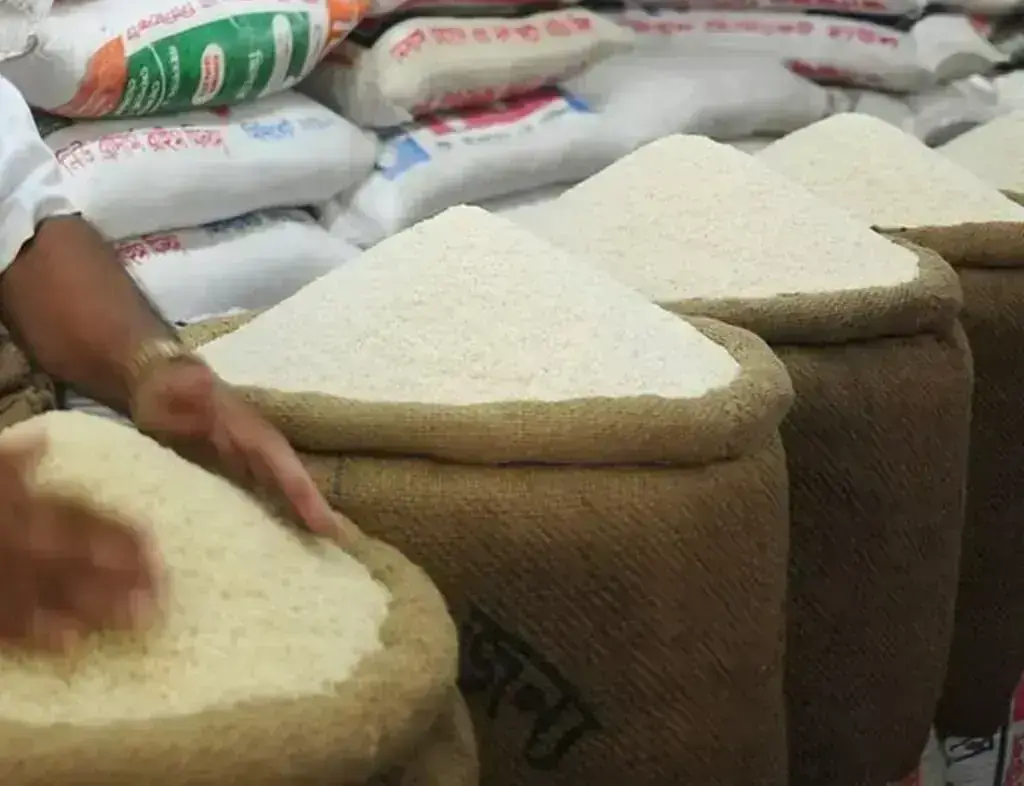
Indian rice export prices rose this week, buoyed by modest demand from African buyers and a rupee that strengthened to its highest level in nearly seven months, while Thai and Vietnamese export rates also drifted higher.
India’s 5% broken parboiled variety was quoted at $385-$390 per ton, up from last week’s $382-$386. Indian 5% broken white rice was priced at $390-$395.
The rupee’s sustained appreciation in recent days has prompted exporters to raise prices to protect their margins, said a Kolkata-based exporter.
Thailand’s 5% broken rice rose to $495-$500 per ton, up from $490-$495 last week, with traders expecting further modest gains amid concerns over tightening supplies and the impact of the Middle East conflict.
Demand remained subdued, with purchases largely limited to regular customers and the Philippines, traders said. One trader also reported interest from Indonesia, driven by expectations that Indian rice prices could rise further.
Traders added that the supply outlook would become clearer with the next crop, expected in February 2027.
Vietnam’s 5% broken rice was offered at $490-$495 per metric ton, slightly up from a week ago.
“The resumption of rice purchases by the Philippines has helped support Vietnamese rice prices as supplies are tightening,” a trader in Ho Chi Minh City said.
Vietnam is expected to retain its position as the world’s second-largest rice exporter in 2026 and 2027, state media reported, citing the latest report from the US Department of Agriculture.
Elsewhere, Bangladesh will procure a total of 850,000 metric tons of paddy and rice from local farmers and millers during the current harvesting season, officials said.
Despite rising agricultural production costs, the government has reduced the procurement prices of parboiled and non-parboiled rice by 1 taka per kg to 49 taka and 48 taka, respectively, while slightly raising the paddy procurement price to 35 taka per kg, raising concerns over whether the revised rates will adequately compensate farmers for higher production expenses.
Source: brecorder
Leave a Reply