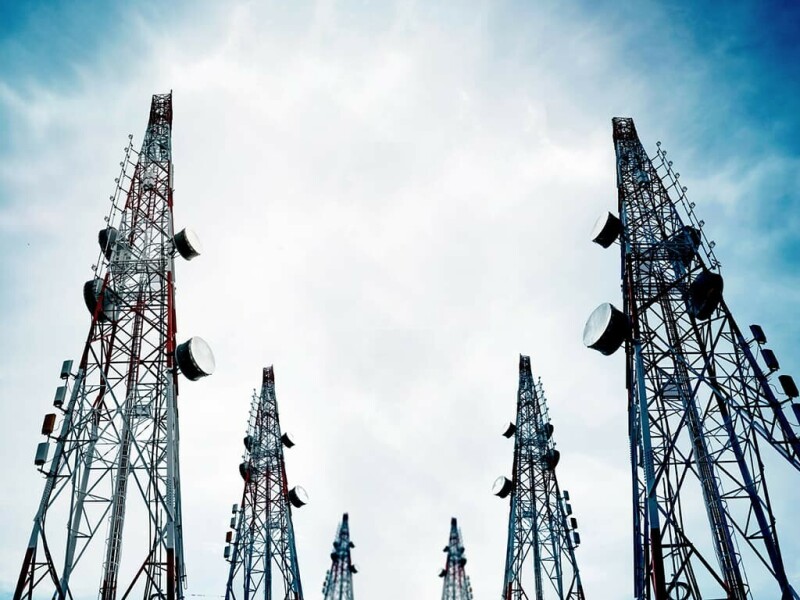
The Pakistan Telecommunication Authority (PTA) has proposed a phased transition of telecom towers to alternative energy solutions, including solar power, battery storage and hybrid systems, to reduce diesel dependence, address power outages, and improve network reliability.
The authority has invited telecom operators and infrastructure providers to submit time-bound plans for shifting Base Transceiver Stations (BTS) to alternative energy sources, while proposing a technology-neutral and industry-led framework instead of imposing uniform conversion targets on all sites.
The authority has sought industry feedback by December 7, 2026, on the development of a roadmap for alternative energy deployment across telecom infrastructure, amid persistent electricity reliability challenges, rising energy costs and exposure to fuel-price volatility.
Under the proposed framework, cellular mobile operators (CMOs) would identify sites experiencing prolonged power outages, assess their technical and commercial viability for alternative energy solutions, and provide proposed investment plans and implementation timelines of one, two or three years.
The PTA has particularly emphasised addressing high-outage sites, where power failures affect network availability and service quality. It has proposed identifying sites experiencing outages of 5% or more during a month as high-outage locations, seeking industry views on whether renewable energy installations should be mandatory at such sites.
The proposed solutions include solar power, solar-battery systems, and solar-diesel-battery hybrid arrangements, depending on site-specific requirements, lifecycle costs and network characteristics.
The regulator has also asked operators to prepare plans for progressively reducing diesel consumption at their 10% highest diesel-consuming BTS sites, including identifying existing consumption levels, proposed reductions, and timelines.
The PTA said alternative energy deployment should not compromise telecommunications services, particularly during night-time, cloudy weather, snowfall or periods of inadequate solar generation. Adequate battery backup and other arrangements would therefore remain necessary to ensure uninterrupted connectivity.
The consultation recognises that telecom infrastructure faces particular energy challenges as towers cannot suspend operations during electricity outages. Operators currently rely on grid electricity, batteries, and diesel generators to maintain connectivity, with remote and weak-grid locations facing greater operational difficulties.
The authority has proposed collecting detailed site-level information on accumulated BTS downtime, existing backup arrangements, grid availability, diesel consumption and proposed alternative energy solutions. Operators would also be required to provide data aggregated at Union Council, tehsil, district, and national levels.
The PTA said a uniform renewable-energy obligation for every BTS site may not be practical, given differences between reliable-grid, weak-grid and off-grid locations, investment requirements and commercial viability.
The authority is considering regulatory facilitation for operators meeting energy-efficiency or renewable-energy benchmarks, as well as an annual recognition mechanism for companies demonstrating progress in renewable energy deployment.
The consultation also proposes exploring shared renewable-energy systems, batteries and energy-management infrastructure at sites used by multiple operators, potentially reducing investment duplication and improving commercial viability.
The PTA has called for coordination with energy-sector institutions, including NEPRA, power distribution companies and other relevant agencies, to explore ways of improving electricity reliability for telecom infrastructure.
The proposed roadmap would initially focus on establishing an industry-wide energy baseline, identifying critical outage sites, reducing diesel dependency and monitoring operators’ commitments before considering further regulatory targets or obligations.
Stakeholders, including telecom operators, tower companies, energy-service providers, equipment manufacturers and government agencies, have been invited to submit comments by December 7, 2026.
Source: brecorder
Leave a Reply