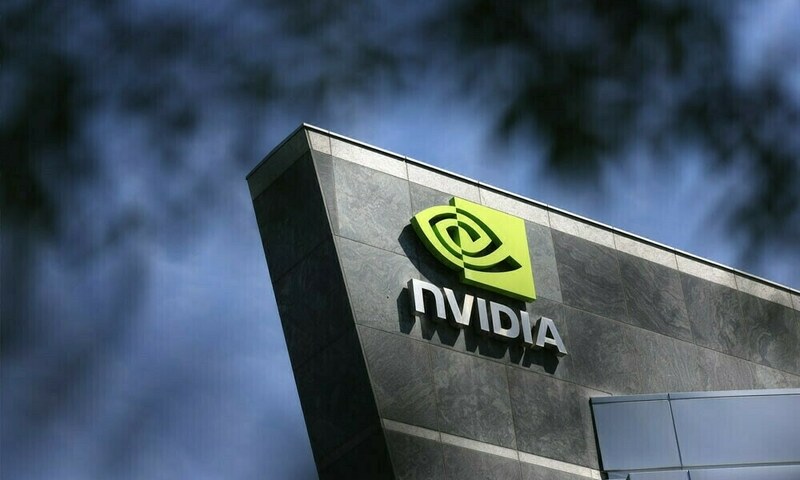
EDITORIAL: The speed with which Jensen Huang’s personal scandal became a Chinese espionage story says as much about Washington’s political reflexes as it does about the crisis engulfing Nvidia.
The man who built the company into the indispensable supplier of the AI boom has resigned, his successor is temporary, and billions have evaporated from its market value. Yet amid the sensational allegations, a rather inconvenient distinction is being lost: the confirmed facts are disturbing enough; the most consequential accusations remain unproven.
Huang has acknowledged being unfaithful to his wife. Reports have linked him to Alice Huang, a former executive at Singapore-based Megaspeed, whom American intelligence officials reportedly suspect of working for Beijing. Nvidia has launched an independent inquiry, while the FBI is investigating. But on Thursday the US attorney general explicitly said his department had reached no conclusion about whether Alice Huang was a spy.
Nvidia, for its part, says it has no reason to believe that either its secrets or national security were compromised. That is a considerable distance between suspicion and proof, however confidently speculation travels across television screens and trading terminals.
The FBI’s involvement will inevitably bring its own scrutiny. Under Kash Patel, the bureau has faced accusations of political interference and questions about its independence. Confidence in the agency is sharply divided along partisan lines. Neither public scepticism nor an investigator’s political associations automatically invalidates an investigation, but credibility has to be earned through evidence. A case involving sensitive technology, prominent business interests and foreign intelligence claims demands an exceptionally transparent accounting of what can actually be established. Anonymous assertions will not do.
There is also the geopolitical setting. Washington increasingly approaches China with the reflexes of a new Cold War in which almost every technological vulnerability can acquire a familiar Chinese villain. Genuine concerns about espionage, export controls and strategic competition exist, and cannot simply be dismissed. But treating Beijing as a latter-day Soviet Union creates its own temptation to turn suspicion into an explanation before the investigation is finished. China denies the allegations and accuses Washington of using them to justify technological restrictions. Neither side’s political convenience should determine the facts.
For Nvidia, however, the damage is already real and continues to mount. Its shares plunged as much as 14pc last Thursday before closing about 4pc lower, and had fallen about another 9pc by Wednesday’s trading. Since 6 November, the stock has shed almost a fifth of its value, wiping out hundreds of billions of dollars in market capitalisation.
This decline was driven principally by the scandal surrounding Huang’s departure, although it came against a backdrop of mounting concerns about the financing, valuations and profitability of the AI boom. But Huang’s departure strikes at the aspect most closely identified with that boom. He was its architect, its salesman, and often its most persuasive argument for investors to keep believing.
The company’s chief financial officer has taken temporary charge, but replacing a founder who shaped Nvidia for more than three decades involves more than filling an office. Investors must now assess whether its strategy, customer relationships and enormous commitments to the AI ecosystem can survive the loss of their central figure. Rivals may see opportunity; lenders and customers may reassess exposure. Further losses are possible, though neither a collapse in Nvidia’s business nor the bursting of the AI bubble has been established.
Perhaps the sharpest irony is that an industry selling unprecedented intelligence now finds itself hostage to a shortage of verified information. The allegations warrant investigation, including any possible breaches of export controls. Any governance failures revealed by the inquiry must also be examined. But the investigation must be allowed to discover facts before politics supplies its preferred conclusion. Wall Street has already delivered its verdict on uncertainty. The authorities still owe everyone something more substantial.
Copyright Business Recorder, 2026
Source: brecorder
Leave a Reply